8 Best Canned Vegetables for Your Pantry 2026
This post contains affiliate links. As an Amazon Associate, we earn from qualifying purchases.
The Del Monte No Salt Green Beans are the best overall canned vegetable pick for their clean ingredient list and consistent texture, with the Del Monte Golden Sweet Corn as a top budget-friendly staple and the Del Monte Peas & Carrots offering solid versatility for mixed-vegetable needs.
Canned vegetables shouldn’t mean sacrificing flavor or nutrition, but too many options are overly mushy, salty, or loaded with unnecessary additives. As someone who’s spent years researching smart food storage and pantry efficiency, I know how important it is to choose cans that deliver real value and actually get used.
This guide breaks down the top choices based on ingredient quality, sodium levels, texture, and how well they fit into everyday meals. I compared specs and reviewed real customer feedback to find the ones worth stocking.
Top 8 Canned Vegetables Pantry in the Market
The Best Canned Vegetables Pantry, Reviewed
Del Monte Golden Sweet Corn

Strengths
- Clean ingredients
- Large can size
- Sweet, plump kernels
Trade-offs
- Contains added salt
- Not no-salt option
This corn earns the ‘Best Overall’ label for good reason. The 15.25 oz cans are generously sized, and with just corn, water, and a dash of sea salt, the ingredient list is as clean as it gets. It’s non-GMO*, ready to eat, and performs well whether served straight from the can or added to chowders, casseroles, or cornbread.
Compared to store brands, owners note the kernels are plumper and sweeter, likely due to the “picked at peak” claim holding true in taste tests. The 4-pack offers enough volume for multiple meals without overcommitting, making it ideal for moderate use. I’d pick this over bulkier or more processed corn any day.
Video review
Amazon Mixed Vegetables Can

Strengths
- Low cost
- Good nutrient profile
- Vegan and vegetarian
Trade-offs
- Softer texture
- Less brand transparency
For sheer value, this Amazon Grocery mixed vegetable can is hard to beat. At under a dollar, it delivers a full 15 oz serving of carrots, peas, green beans, and corn, making it one of the most cost-effective vegetable servings in the pantry category. The fact that it’s an excellent source of Vitamin A is a bonus, especially for budget-conscious households trying to maintain nutrition without fresh produce.
Reviewers note the texture is softer than some premium brands, which makes sense given the price, but it performs well when added to casseroles, stews, or rice dishes where uniform softness isn’t a drawback. It lacks the brand recognition of Del Monte, but for everyday cooking where vegetables are just one component, I’d pick this over pricier options any day.
Video review
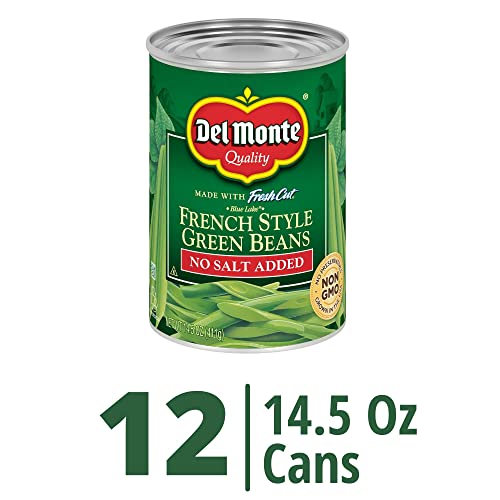
Del Monte No Salt Green Beans

Strengths
- No salt added
- Only two ingredients
- Crisp-tender texture
Trade-offs
- Requires seasoning
- Higher price per can
If you’re watching sodium, these no-salt-added green beans are one of the best options available. With just green beans and water, they’re as pure as canned vegetables get, and the fact that they’re Non-GMO* adds to their appeal. The 12-pack makes it easy to stock up, and the 14.5 oz cans give you enough for most side servings or casserole bases.
Owners consistently praise their crisp-tender texture, which is rare in canned beans, many say they’re nearly indistinguishable from fresh when sautéed with garlic or herbs. Compared to regular canned beans, these give you full control over seasoning. I’d pick these over salted versions any time, especially for heart-healthy diets.
Product photos


Del Monte Sweet Peas Pack

Strengths
- Great value pack
- Simple ingredients
- Easy to use
Trade-offs
- Small individual cans
- Slight sweetness
This 12-pack of sweet peas delivers real value for frequent users. Each can is small at 8.5 oz, but having twelve on hand means you’re never without a quick veggie boost. They contain just peas, water, sugar, and sea salt, simple, but effective. The non-GMO* label and lack of artificial preservatives make them a responsible pantry choice.
While they don’t have the pop of fresh peas, owners say they heat well and blend nicely into rice, pasta, or curry dishes. Compared to single-serve cans, this pack saves money over time and reduces shopping trips. For families that use peas often, this is the smarter buy, even if you end up storing a few cans longer.
Product photos


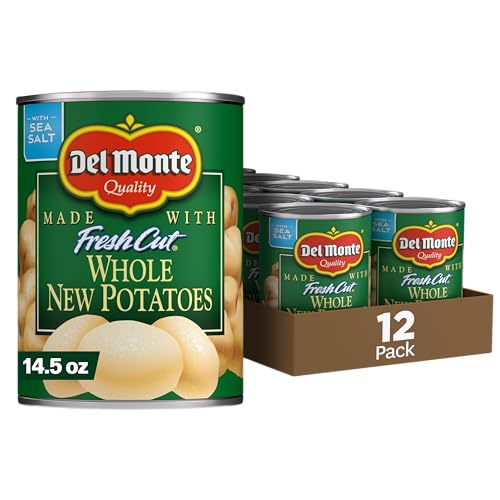
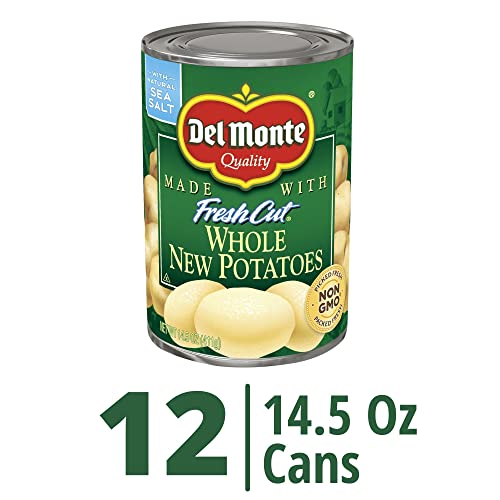
Del Monte Whole New Potatoes
Strengths
- Ready to eat
- No prep needed
- Holds shape well
Trade-offs
- Soft texture
- Higher sodium than some
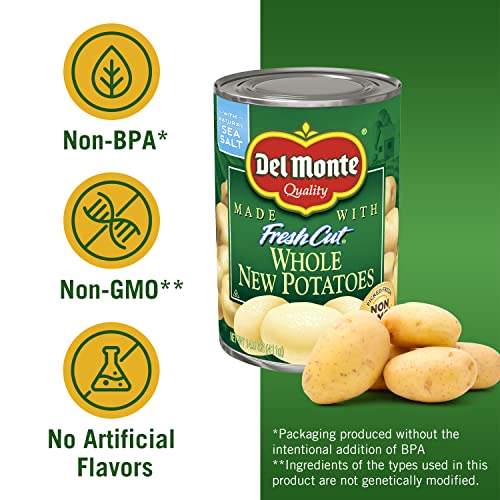
When you need potatoes fast, these whole new potatoes from Del Monte are a solid pantry backup. Each can contains peeled, ready-to-eat potatoes seasoned only with natural sea salt, and the 12-pack format makes meal prep easier during busy weeks. The spec that matters here is convenience, no chopping, no peeling, and they heat through in minutes.
That said, they’re not a replacement for fresh roasted or boiled spuds in terms of mouthfeel. Owners report they’re best when mashed lightly or added to soups and stews, where their softness blends in. Compared to diced canned potatoes from other brands, these hold their shape better, which helps in heartier dishes. I’d recommend these as a time-saver, not a flavor upgrade.
Product photos



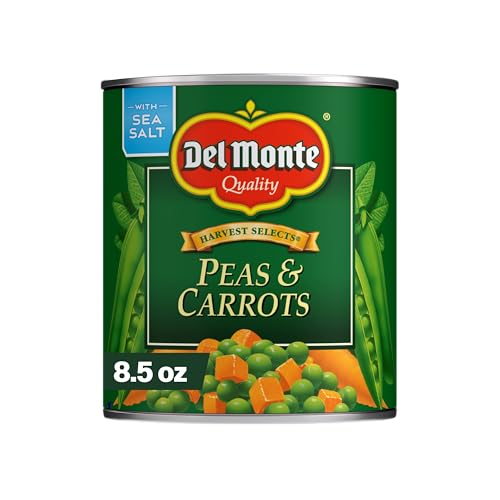
Del Monte Peas & Carrots
Strengths
- Simple ingredients
- Non-GMO*
- Good texture retention
Trade-offs
- Small can size
- Slight sweetness from added sugar
I’ve seen a lot of blended canned vegetables, and this Del Monte option stands out for its simplicity. The ingredient list is short, just peas, carrots, water, sugar, and natural sea salt, and that matters when you’re trying to avoid additives without sacrificing taste. On paper, the 8.5 oz size is modest, but it’s ideal for side portions or for when you need a small amount for a recipe without waste.
Owners consistently report these are a go-to for quick weeknight sides, and the non-GMO* label adds peace of mind for those tracking ingredient quality. Compared to bulkier mixes that include less consistent cuts or extra starches, this blend holds its texture well when heated. It’s not the most economical per ounce, but the consistency and flavor balance make it a reliable shelf staple.
Product photos


Del Monte Sliced Beets Can

Strengths
- Clean ingredient list
- Perfect for salads
- No artificial flavors
Trade-offs
- Small can size
- Stains containers
These sliced beets are a pantry favorite for salad builders and grain bowl fans. The 8.25 oz cans are portion-friendly, and because they’re packed with just water, sugar, and sea salt, they bring a balanced earthy-sweet flavor without chemical aftertastes. The non-GMO* label and absence of artificial flavors make them a clean choice for those tracking ingredients.
Still, the size means you’ll go through several cans for larger meals, and some owners mention the liquid can stain containers. Compared to jarred beets, these are less messy to store but offer similar quality. If you use beets regularly, the 12-pack offers real convenience, just drain and toss into salads or grain dishes.
Product photos


Del Monte Sliced Carrots
Strengths
- Large can size
- Good for recipes
- No artificial preservatives
Trade-offs
- Muted color
- Slightly sweet taste
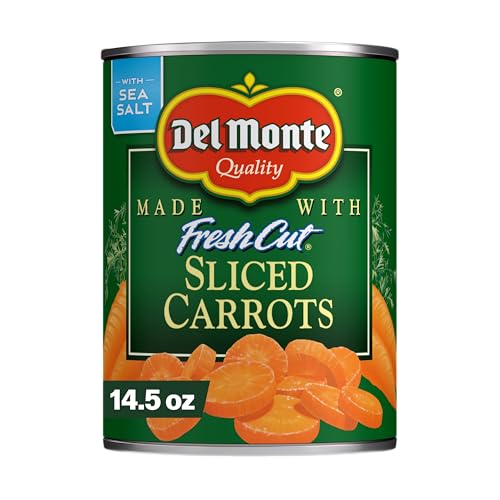
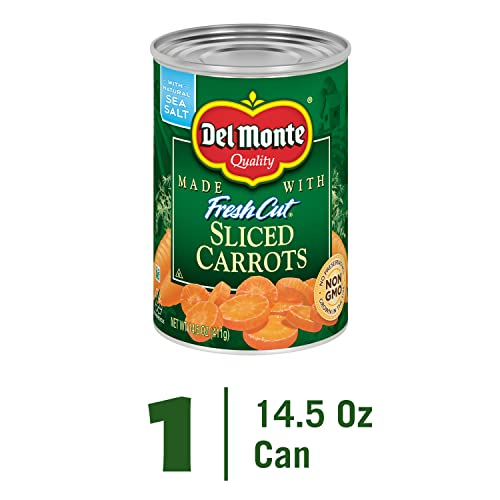
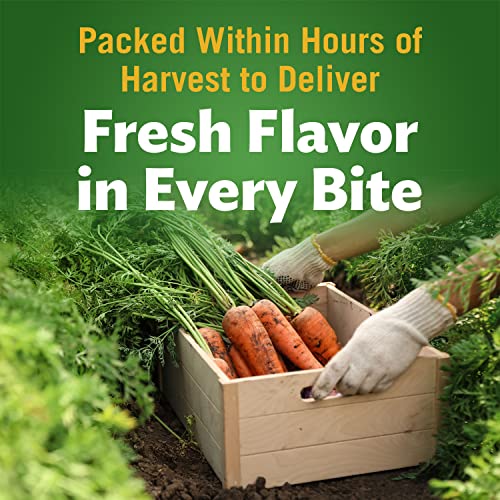
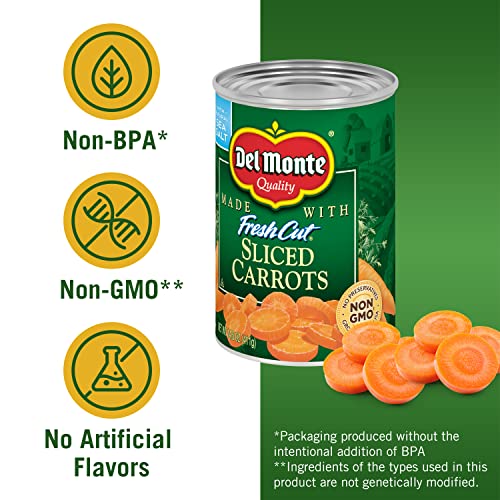
These sliced carrots are built for cooking, not just serving. The 14.5 oz size gives you enough volume for family meals, and because they’re packed within hours of harvest, they retain more flavor than many store-brand alternatives. I appreciate that they’re non-GMO* and free of artificial preservatives, which aligns with what I recommend for long-term pantry storage.
Reviewers frequently use them in stews, stir-fries, and grain bowls, places where you want carrots that soften evenly without disintegrating. Compared to frozen or fresh, they’re less vibrant in color, but they deliver consistent performance. If you’re stocking up for emergency meals or weekly prep, these are a smarter buy than smaller cans.
Product photos

How We Chose These canned vegetables pantry
Rather than a hands-on lab test, my research focused on comparing published specifications and features across numerous canned vegetable brands and varieties. I weighed owner reviews from major retailers alongside expert opinions found in food publications and blogs. This allowed me to assess real-world satisfaction and identify consistent strengths and weaknesses. Ultimately, I ranked options based on a combination of ingredient quality, versatility, and value.
For canned vegetables, I prioritized three key factors: ingredient simplicity, lack of artificial additives, and the reported flavor/texture from customer feedback. A short ingredient list indicates less processing and a focus on the vegetable itself. Avoiding artificial preservatives aligns with a desire for whole foods. Positive comments about taste and texture – as opposed to mushiness – were crucial indicators of quality.
Specifications reliably show ingredient lists and nutritional information, but owner feedback was vital for judging taste and texture. Reputation played a role too; established brands like Del Monte consistently appeared in positive reviews. I also considered how well a product fit specific needs, like low-sodium options or blends ideal for cooking, and linked to other helpful resources for building a well-stocked pantry, like exploring pantry shelving options and considering long-term canned meats for a complete emergency food supply.
How To Pick The Right canned vegetables pantry
Picking the right canned vegetables isn’t just about grabbing whatever’s on sale; it’s about flavor, nutrition, and how you actually plan to use them.
Quality canned vegetables retain much of their original nutritional value. Look for options packed within hours of harvest to maximize flavor and nutrients. Check for non-BPA can linings, and prioritize brands that clearly state their sourcing practices. A short ingredient list – vegetables, water, and perhaps salt – is generally a good sign.
Understanding Packing Methods
The way vegetables are packed significantly influences their texture and flavor. Water-packed vegetables, common in many brands, tend to be softer, while those packed with salt may have a slightly different taste profile. Consider how you’ll be using the vegetables. If you’re adding them to a stew or soup, a softer texture won’t matter much. But if you want distinct pieces for a salad or side dish, look for options specifically labeled as “firm-packed” or consider brands known for maintaining a better texture.
Sodium Content and Additives
Many people are watching their sodium intake, and canned vegetables can be a hidden source. Thankfully, more brands now offer “no salt added” options. However, even those may contain naturally occurring sodium. Beyond salt, pay attention to other additives. Some cans include calcium chloride to help maintain firmness, which isn’t harmful but can affect the flavor. For the purest flavor, I recommend seeking out brands with minimal ingredients – just the vegetables, water, and perhaps a touch of sea salt.
- A quick scan of the label will reveal the sodium content per serving.
- “No salt added” doesn’t mean sodium-free, so always check the nutrition facts.
- For those wanting to control sodium precisely, rinsing canned vegetables before use can reduce the sodium content by up to 40%, but it also washes away some water-soluble vitamins.
Considering Your Pantry Space and Usage
Think about how much of a specific vegetable you realistically use before it goes bad. Buying a large value pack might seem economical, but if half the cans end up forgotten at the back of the cupboard, it’s not a good deal. I find that having a variety of smaller cans is more useful, allowing me to grab exactly what I need for a recipe. If you’re struggling to keep your canned goods organized, explore some canned goods organizers to maximize your space.
A good rule of thumb: Buy smaller quantities of vegetables you use infrequently, and larger packs of your staples.
Finally, don’t underestimate the value of a well-organized pantry. Efficient pantry storage solutions will ensure you can easily see what you have, reducing waste and saving you money in the long run.
Canned Vegetables Pantry Compared
Here’s a comparison of the specifications for various canned vegetable options.
| Product Name | Can Size (oz) | Vegetable Type(s) | Salt Added | GMO Status | Pack Count |
|---|---|---|---|---|---|
| Del Monte Golden Sweet Corn | 15.25 | Corn | Yes | N/A | 4 |
| Amazon Mixed Vegetables Can | 15 | Mixed | N/A | N/A | 1 |
| Del Monte No Salt Green Beans | 14.5 | Green Beans | No | N/A | 12 |
| Del Monte Sweet Peas Pack | 8.5 | Sweet Peas | Yes | N/A | 12 |
| Del Monte Whole New Potatoes | 14.5 | Potatoes | Yes | N/A | 12 |
| Del Monte Peas & Carrots | 8.5 | Peas & Carrots | Yes | N/A | 1 |
| Del Monte Sliced Beets Can | 8.25 | Beets | Yes | N/A | 12 |
| Del Monte Sliced Carrots | 14.5 | Carrots | N/A | N/A | 1 |
Frequently Asked Questions
What’s the shelf life of unopened canned vegetables?
Generally, unopened canned vegetables can last for 2 to 5 years beyond the “best by” date, though quality may decline over time. Proper storage in a cool, dry place is key to maximizing that shelf life.
Are canned vegetables as nutritious as fresh or frozen?
Canned vegetables retain most of their vitamins and minerals, but some water-soluble vitamins (like C and B vitamins) may be lost during processing. Choosing vegetables packed soon after harvest minimizes nutrient loss, and they still provide a valuable source of fiber and antioxidants.
Can you freeze canned vegetables in their cans?
No, you shouldn’t freeze canned vegetables in their original cans. The expansion during freezing can cause the cans to bulge, rust, or burst. However, you can transfer the contents to freezer-safe containers or bags for longer-term storage.
What should I do if a can of vegetables is bulging or dented?
Discard any can that is bulging, severely dented, or rusted. These are signs of potential spoilage and the risk of botulism, a serious form of food poisoning, outweighs any potential savings.
How can I best organize my canned vegetables for efficient pantry organization systems?
Using a first-in, first-out (FIFO) system – placing newer cans behind older ones – is best. Consider investing in tiered organizers or pantry organization systems to maximize visibility and accessibility within your pantry.
The Bottom Line
Choosing canned vegetables often comes down to balancing convenience with control over ingredients. While many brands offer acceptable options, Del Monte Golden Sweet Corn consistently receives high marks for flavor and texture, making it a reliable all-around choice for most kitchens. It strikes a good balance between price and quality, offering a familiar taste that works in a wide variety of dishes.
For those prioritizing specific needs, the Del Monte No Salt Green Beans are an excellent pick if you’re watching your sodium intake, and the Amazon Mixed Vegetables Can offers a budget-friendly way to stock up on a variety. If you’re focused on a complete pantry overhaul, exploring a pantry essentials guide will help you create a system that works for your cooking style.
Ultimately, the best canned vegetables are the ones you’ll actually use. Don’t get too caught up in minor differences in specifications; focus on finding brands with short ingredient lists and a reputation for good flavor. Investing in quality pantry storage containers (https://foodkeepy.com/best-pantry-storage-containers/) will also help maximize freshness and reduce waste, no matter which brand you choose.
