Prevent Ice Cream Freezer Burn with These Simple Techniques
Stop ice cream freezer burn with airtight seals, -18°C temps, and surface wraps. Learn the science-backed methods to keep your dessert creamy.
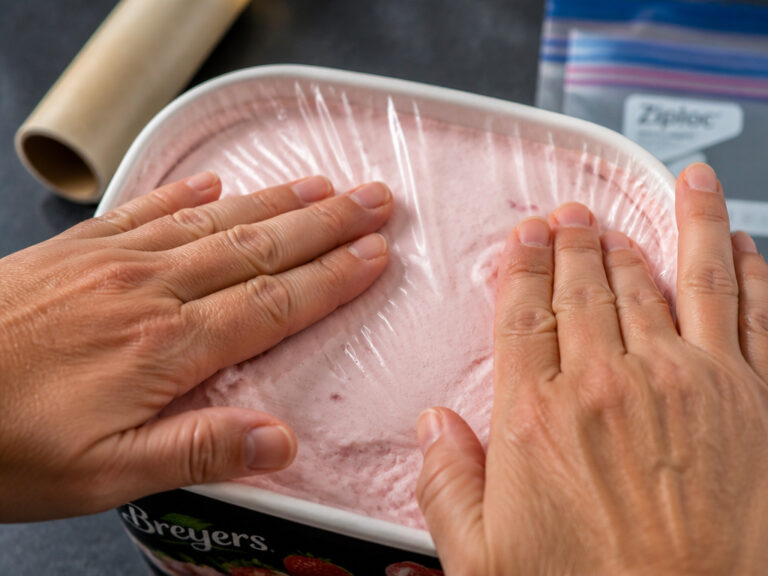
Stop ice cream freezer burn with airtight seals, -18°C temps, and surface wraps. Learn the science-backed methods to keep your dessert creamy.
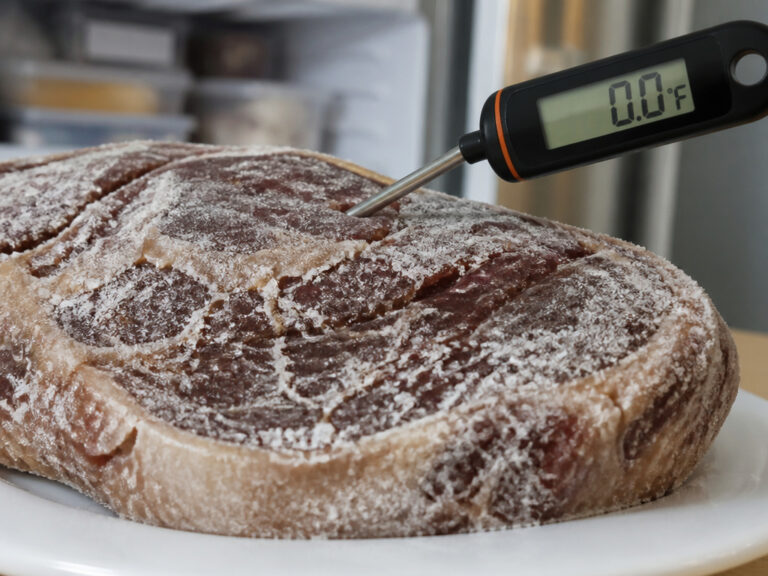
Learn how to tell if something is freezer burned. Spot the three key visual signs—discoloration, crystals, texture—to ensure food safety. Learn what to do next!
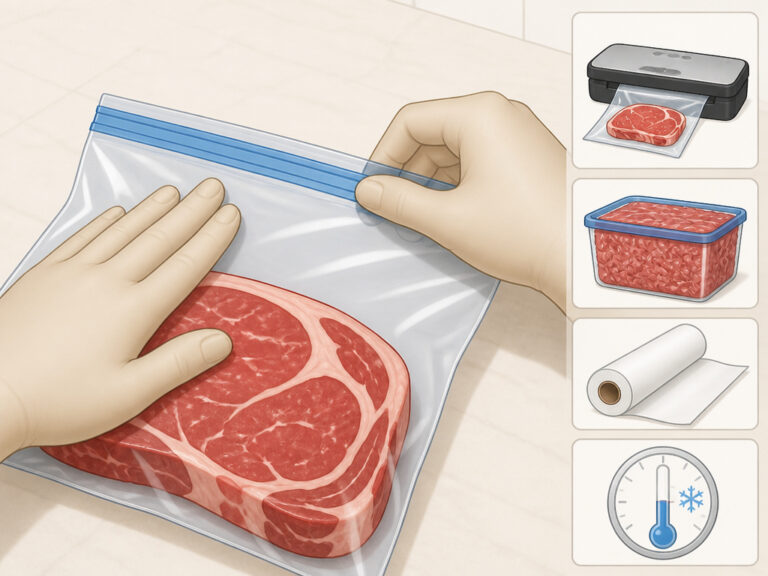
We explain what causes freezer burn and the science behind it. Find actionable steps to prevent it and save your food. Explore our complete prevention guide.
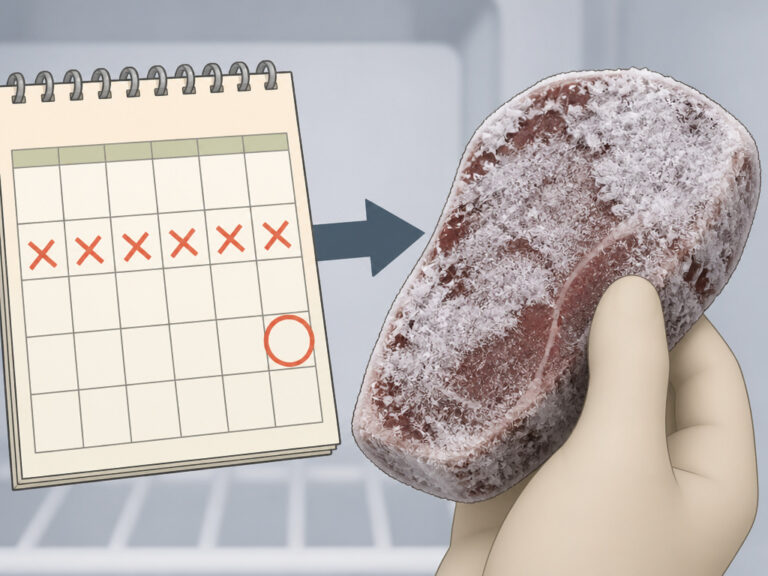
Can you eat freezer burned meat? Yes, it’s usually safe if stored at 0°F, but quality suffers. Learn when to trim vs. Discard and how to prevent it.
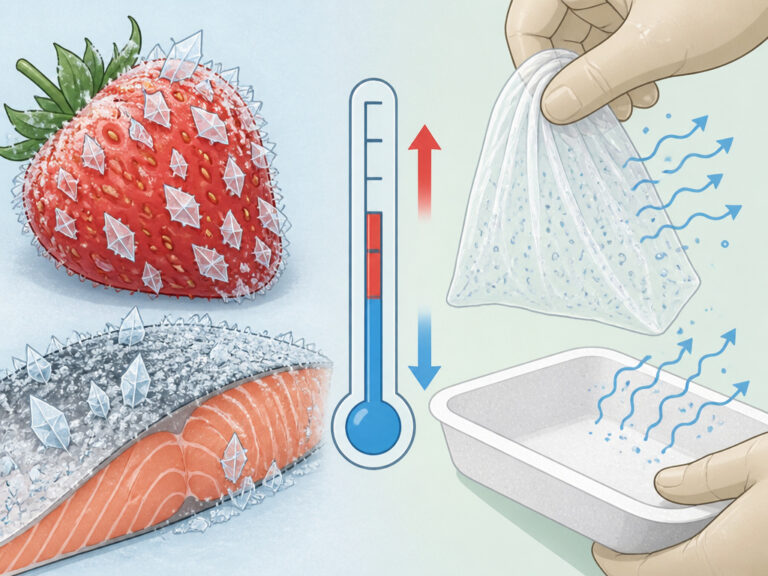
Learn what freezer burn really is — the science of sublimation, why it’s safe but unappetizing, and how to spot and prevent it. Keep your frozen food fresh.
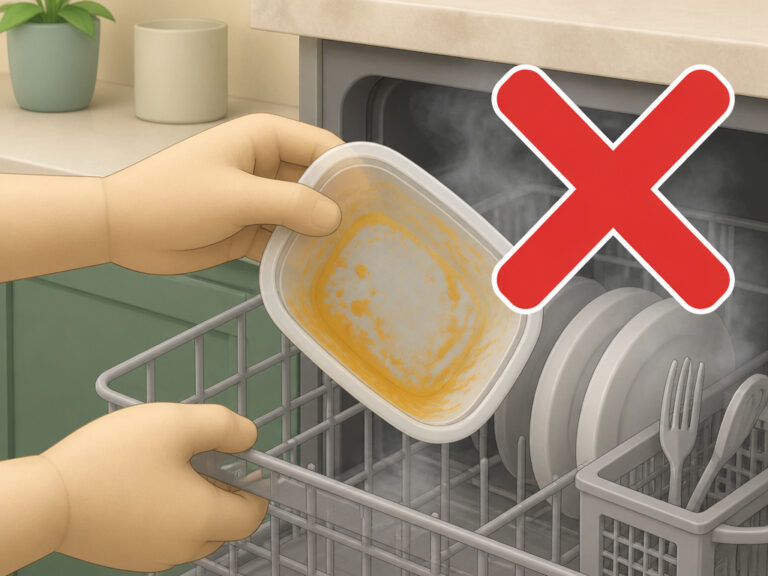
Learn how to get smell out of plastic container with baking soda, vinegar, and lemon. Our effective methods remove stubborn odors fast. Try our guide now!
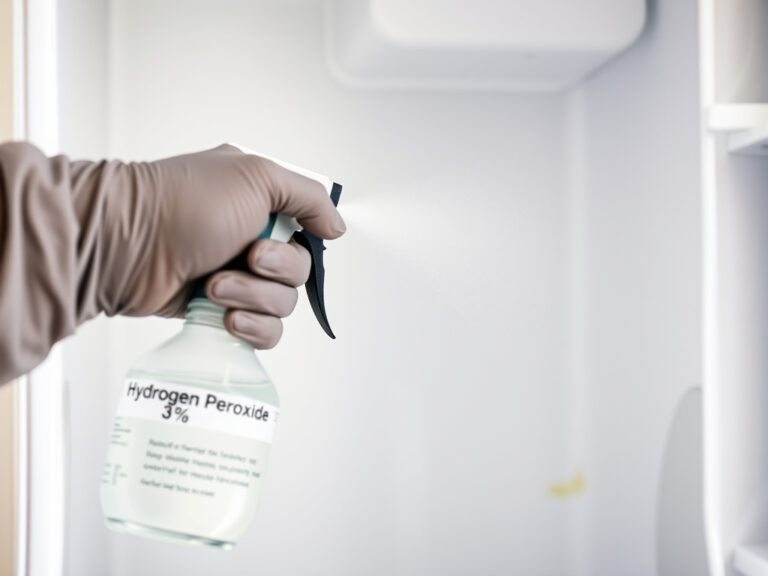
A fridge smells because of food spills, spoilage, or a dirty drip pan. Learn the 6 actual sources and how to fix them permanently, plus when to call a pro.
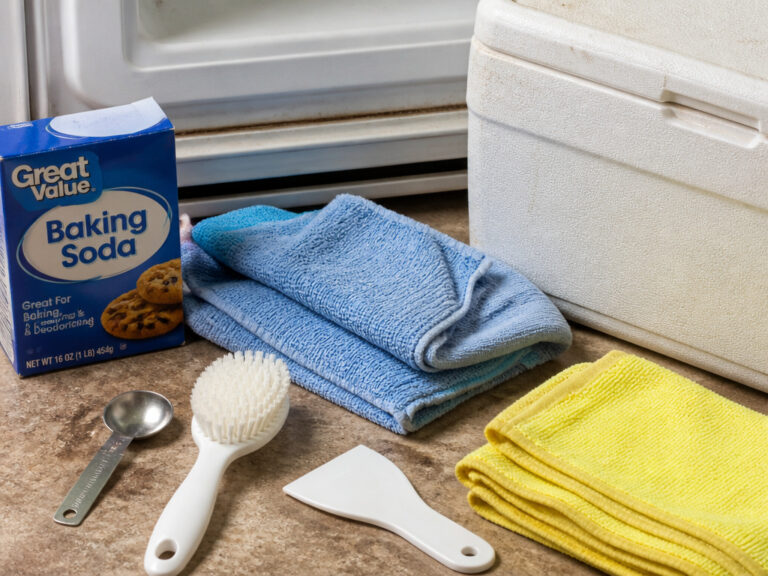
Learn how to clean freezer thoroughly using OEM-approved methods. This guide covers defrosting, interior cleaning, and odor removal to keep food safe.
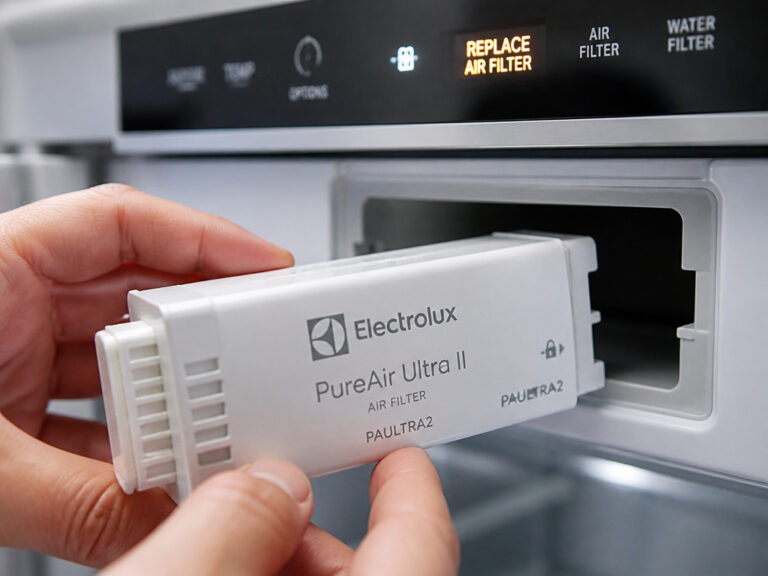
Discover effective methods for how to remove odors from your fridge, from deep-cleaning steps to filter replacements. Get a fresh, odor-free appliance today.
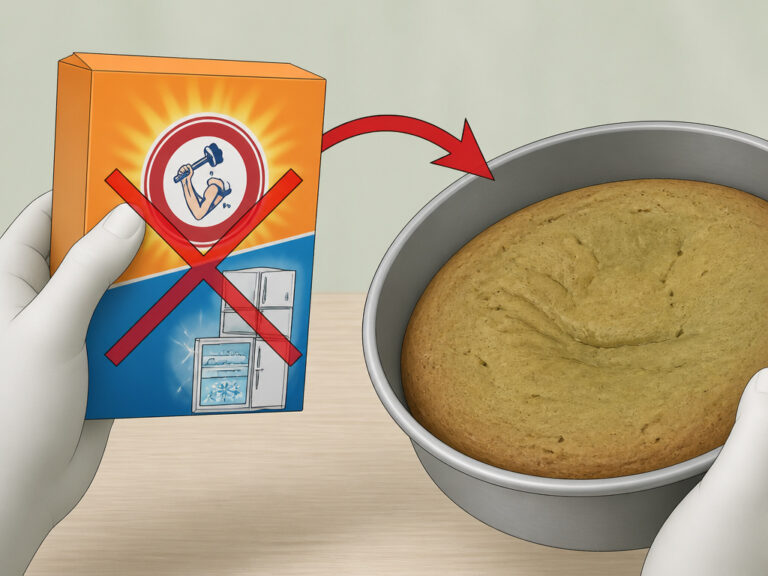
Discover if fridge and freezer baking soda is edible. Learn the safety facts and the key rule for using it in food. Get the definitive answer now!