
8 Best GE Refrigerators of 2026
This post contains affiliate links. As an Amazon Associate, we earn from qualifying purchases.
The best GE refrigerator overall is the GE Profile 28.7 cu. ft. 4-Door Refrigerator, offering smart storage and strong cooling. For a more affordable option, the GE 21.0 cu. ft. Bottom Freezer Refrigerator delivers reliable performance. If you want versatility with premium features, the GE Profile 27.6 cu. ft. 4-Door Refrigerator stands out.
Choosing the right refrigerator matters more than most people think. It’s not just about size or finish, it’s about how well it keeps food fresh, fits your kitchen, and handles daily use without driving up energy bills. As someone who focuses on practical kitchen solutions that reduce waste and simplify cooking, I looked at what really makes a GE refrigerator worth recommending.
This guide covers the top models based on specs, owner feedback, and real-world performance. We prioritized capacity, energy efficiency, cooling technology, and features that actually make a difference, like TwinChill evaporators and internal dispensers, so you can pick one that works long-term.
Top 8 Ge Refrigerators in the Market
The Best Ge Refrigerators, Reviewed
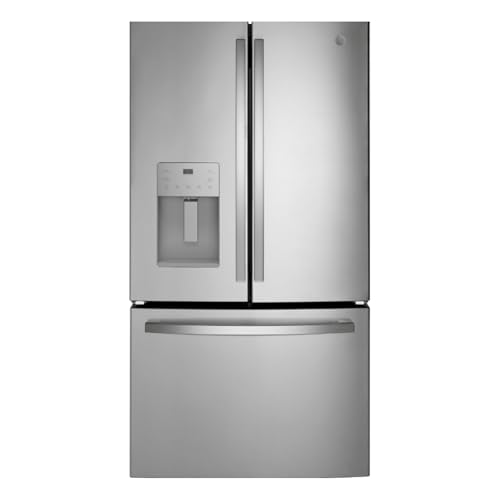
GE 20.6 cu. ft. Counter Depth Refrigerator
Strengths
- TwinChill evaporators
- Sleek counter-depth fit
- Internal water dispenser
Trade-offs
- Smaller capacity than standard-depth models
- No external ice/water
This model hits a sweet spot between form and function, which is why it earns the ‘Best Overall’ label. The counter-depth design gives a seamless, built-in aesthetic without the premium price tag of the Profile line. With TwinChill evaporators, it matches higher-end models in humidity and temperature control, crucial for keeping greens fresh and preventing freezer burn.
The internal water dispenser keeps the front clean and sleek, a win for minimalist kitchens, though it means refilling pitchers inside the fridge. At 21 cu. ft., it’s not the largest, but the layout is smart: adjustable shelves and a full-width pantry drawer make organizing groceries intuitive. Compared to deeper models, it’s easier to access items in the back. For most families, this is the easy pick.
Video review
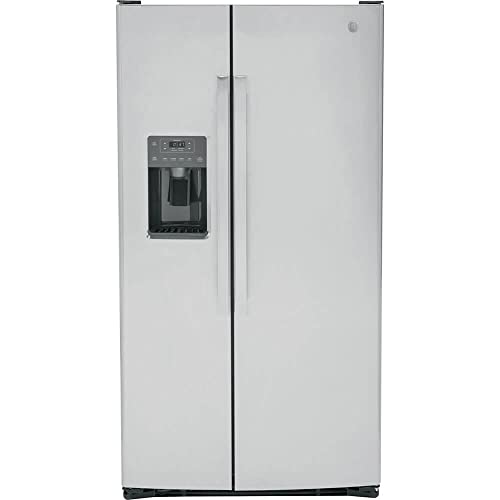
GE 25.3 cu. ft. Side by Side Refrigerator
Strengths
- High total capacity
- Affordable price
- External dispenser
Trade-offs
- Narrow shelves
- Single evaporator
- Less humidity control
If you’re after maximum capacity without stretching the budget, this side-by-side delivers. At 25.3 cu. ft., it offers more total volume than most French door models under $2,000, with a tall freezer column that’s ideal for frozen meals and long-term storage. The external ice and water dispenser is a practical perk, and ENERGY STAR certification means it won’t spike your electric bill.
Still, the side-by-side layout comes with trade-offs. The narrow shelves struggle with wide cookware or large platters, and the single evaporator can lead to odor transfer between compartments. Reviewers note the door bins are shallower than in French door models, which limits gallon jug storage. For families who prioritize volume and affordability over premium airflow or design, this is a solid workhorse.
Video review
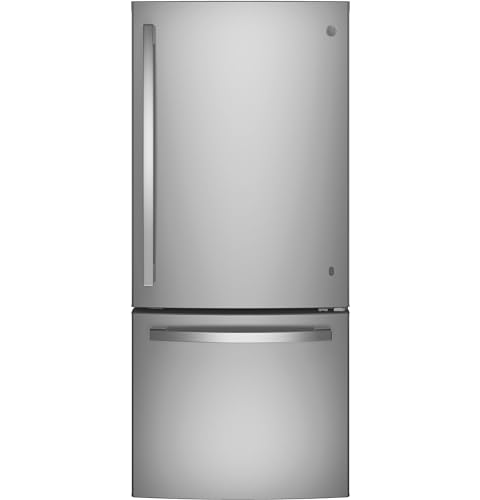
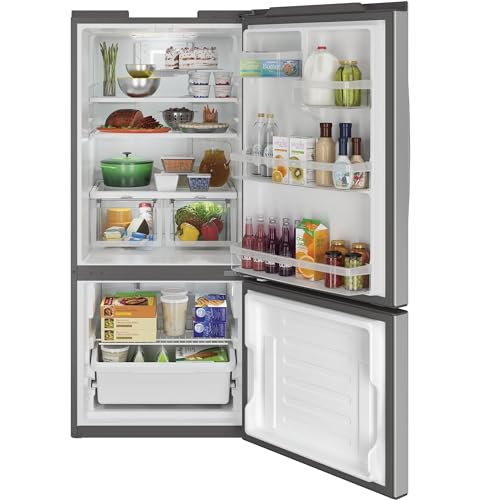
GE 21.0 cu. ft. Bottom Freezer Refrigerator
Strengths
- Lowest price point
- Humidity-controlled crispers
- Energy efficient
Trade-offs
- No water/ice dispenser
- Standard depth
- Basic features
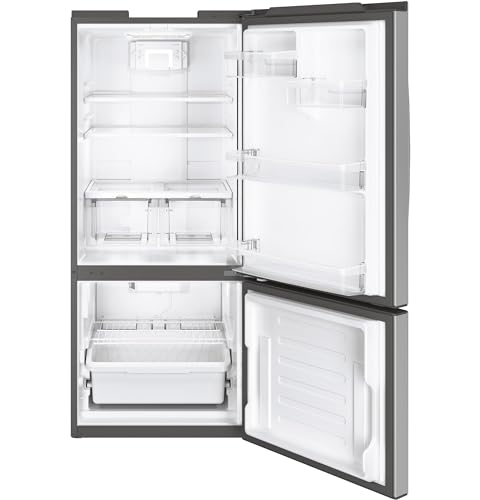
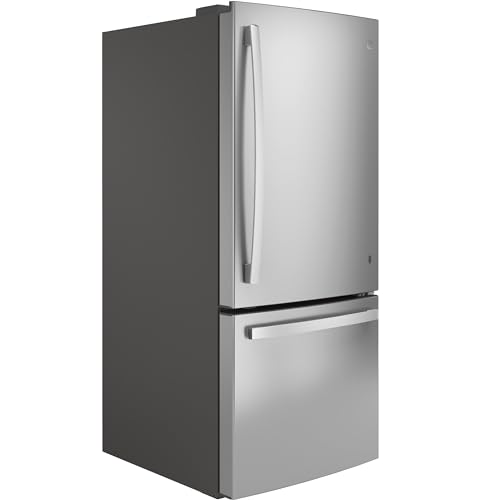
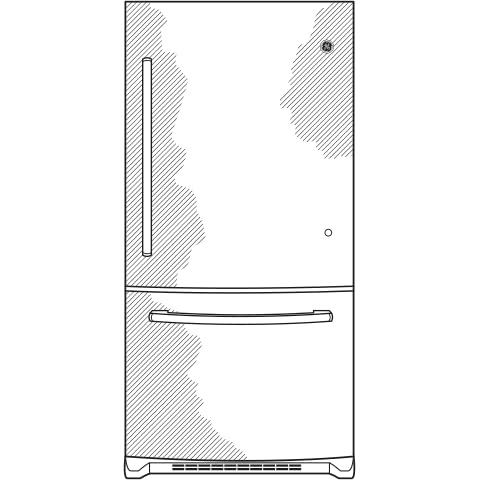
This is the most affordable option here, and it delivers solid basics without flash. The bottom-freezer layout puts fresh food at eye level, which I appreciate for daily access, and the humidity-controlled crispers help extend produce life. At 21.0 cu. ft., it’s compact but sufficient for couples or small families.
It lacks a water or ice dispenser, which keeps the price down but may be a dealbreaker for some. The LED lighting and adjustable shelves are nice touches at this price. Compared to the GYE21JYMFS, it’s deeper and less integrated in design, but much more budget-friendly. For a secondary kitchen or a starter home, it’s hard to beat.
Product photos
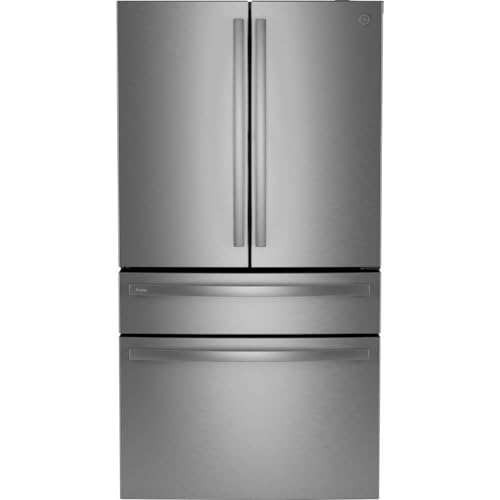
GE Profile 28.7 cu. ft. 4-Door Refrigerator
Strengths
- AutoFill pitcher system
- Dual evaporators
- Large 4-door capacity
Trade-offs
- Needs wide clearance
- Expensive
- Complex maintenance
This is the top pick for families who hate refilling water pitchers at the sink. The Dual-Dispense AutoFill is a standout, set the BPA-free pitcher inside, and it fills automatically with cold, filtered water. It’s a small luxury that saves time and keeps the door uncluttered. With 28.7 cu. ft., it’s one of the largest in the lineup, and the dual evaporators with MultiFlow Air mean excellent temperature stability.
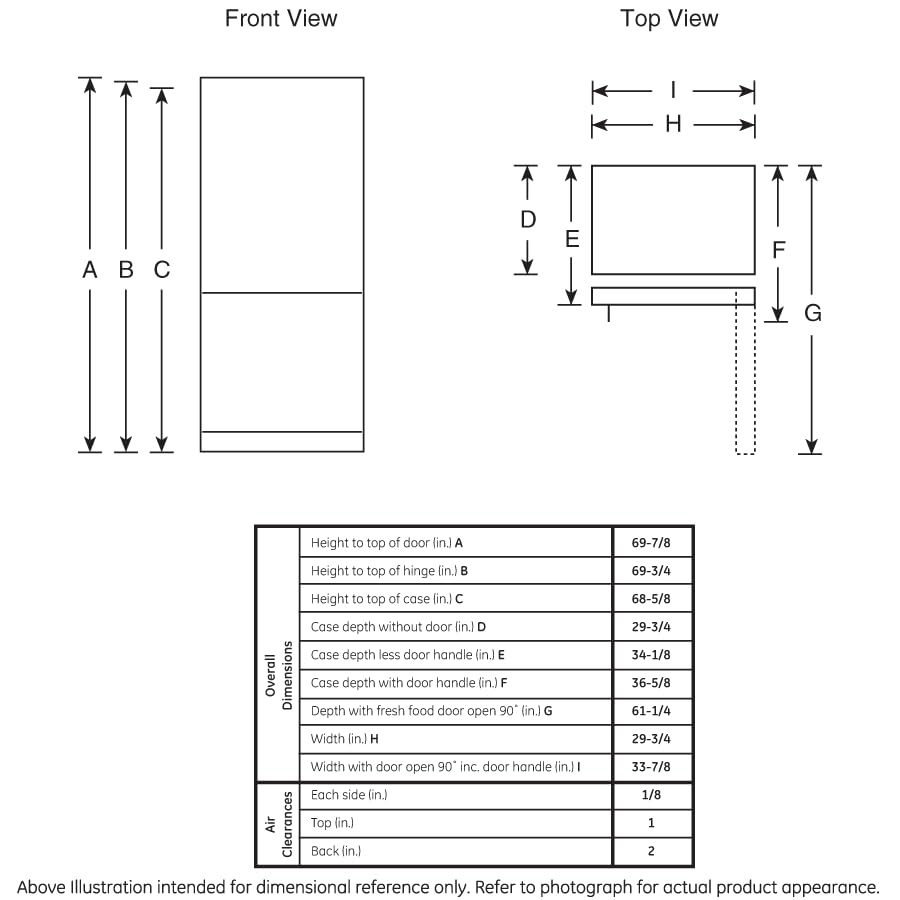
Reviewers love the adjustable door storage, especially the gallon bins, which are deep and stable. The 48.375-inch clearance needed with doors open is a real consideration, so measure your space. Compared to the PVD28BYNFS, this one justifies its price with smarter features. If you want a high-end fridge that thinks ahead, this is it.
Product photos
GE Profile 27.6 cu. ft. 4-Door Refrigerator
Strengths
- Multi-Air Flow cooling
- Large 4-door layout
- Spacious interior
Trade-offs
- Needs 48+ inches clearance
- No AutoFill feature
- Premium price
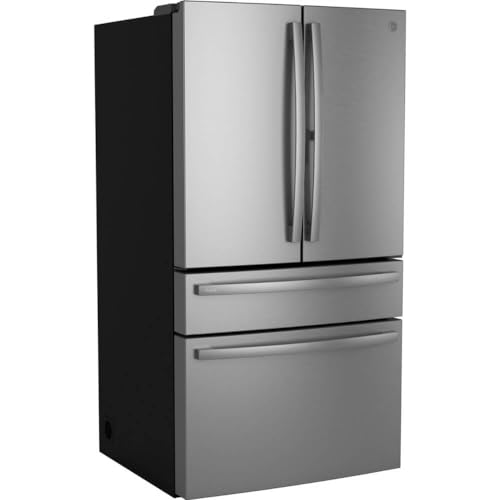
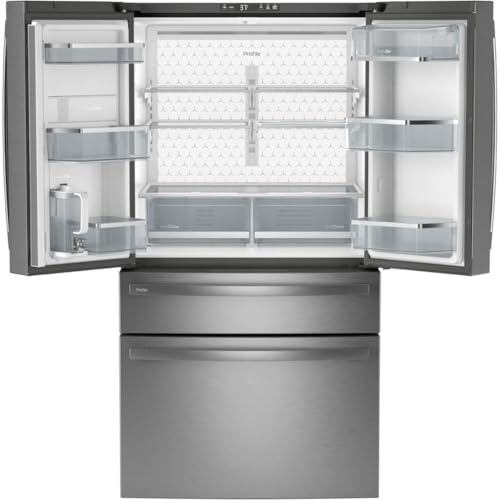
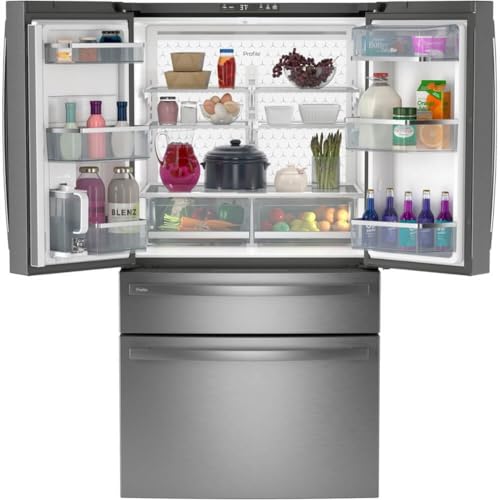
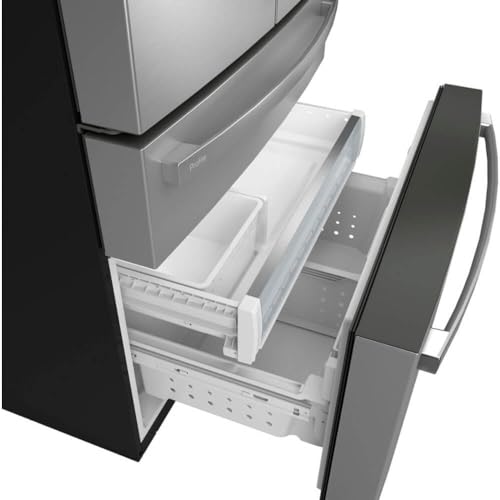
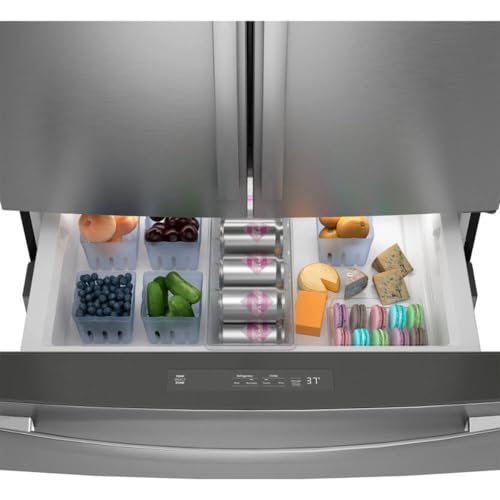
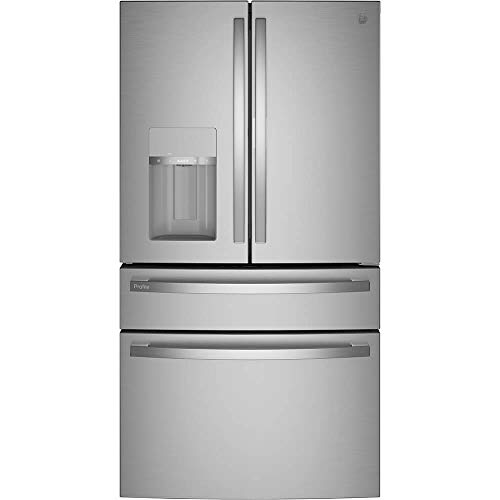
This 4-door design leans into premium organization, splitting the fridge and freezer into distinct, easy-access compartments. The 27.6 cu. ft. capacity is generous, and the Multi-Air Flow system does a solid job maintaining consistent temps, reviewers note fewer cold spots and better produce longevity. It’s built for households that want both volume and precision.
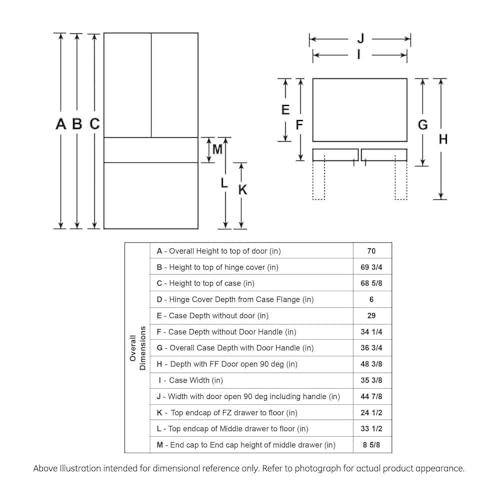
Still, the depth with door open exceeds 48 inches, which could be a problem in tighter kitchens. The external dispenser is convenient, but the feature set otherwise feels a step behind newer Profile models like the PGE29BYTFS with AutoFill. For the price, I’d expect dual evaporators as standard, but it’s confirmed in specs. This one is stylish and capable, but not the most innovative in the lineup.
Product photos
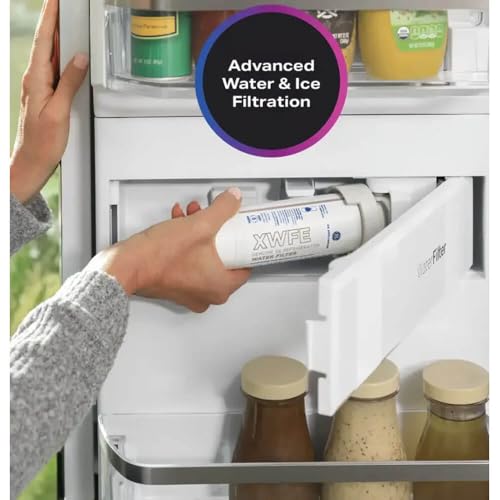
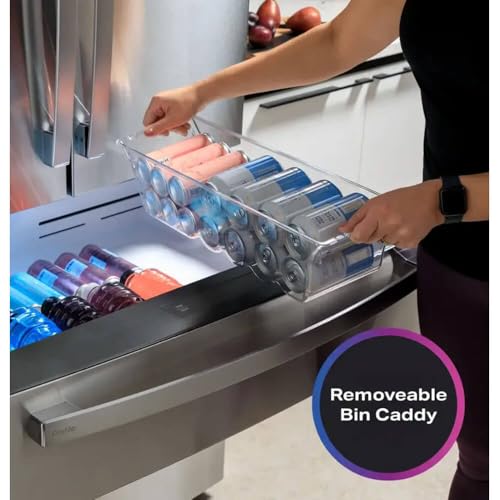
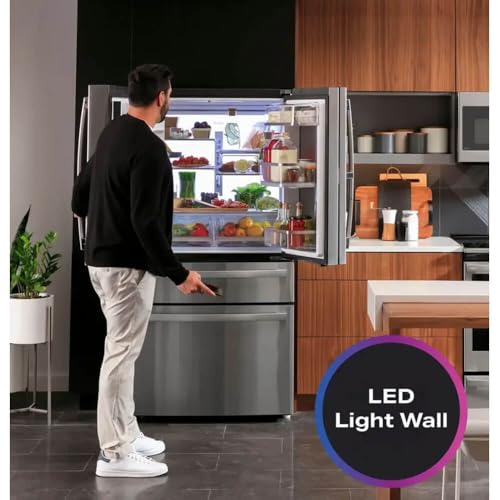
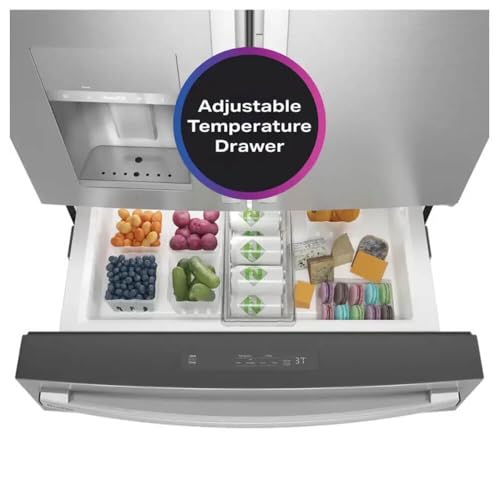
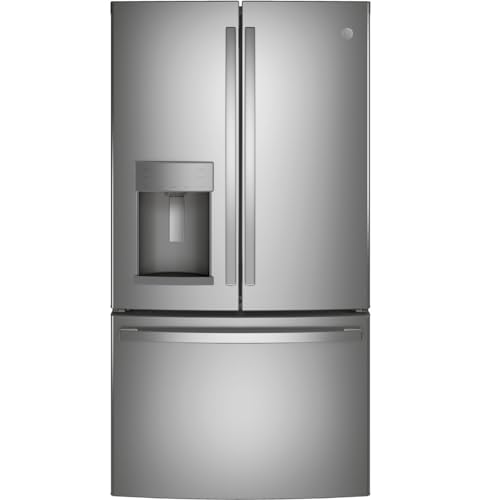
GE 27.7 cu. ft. French Door Refrigerator
Strengths
- Large capacity
- Energy efficient
- Smudge-resistant finish
Trade-offs
- Likely single evaporator
- Basic humidity control
- Few smart features
With 27.7 cu. ft. of space, this is one of the roomiest options here, perfect for bulk shoppers or big families. The fingerprint-resistant finish is a practical touch, keeping the exterior looking clean with minimal effort. ENERGY STAR certification ensures it won’t be a power hog, even with that large capacity.
But ‘advanced cooling’ is vague. There’s no mention of dual evaporators or humidity-controlled crispers in the specs, which means it likely uses a single cooling system. Owners report good airflow but occasional odor mixing. Compared to the GYE21JYMFS, it’s bigger but less precise with food preservation. If you need space above all, it works, but don’t expect premium freshness tech.
Product photos
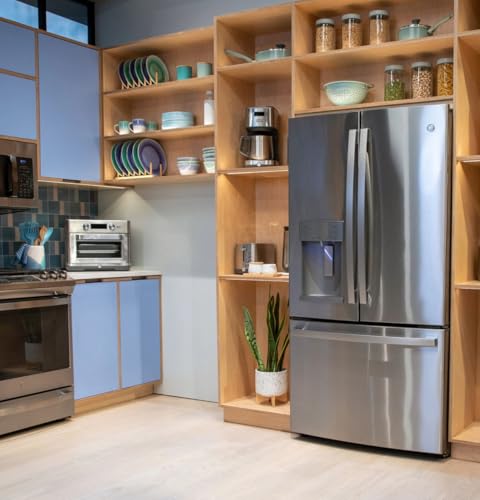
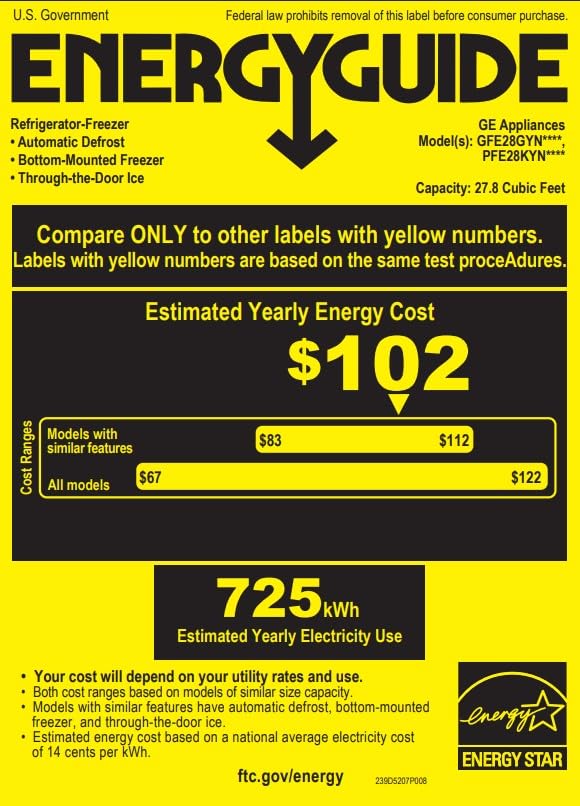
GE GYE22GYNFS Counter Depth Refrigerator
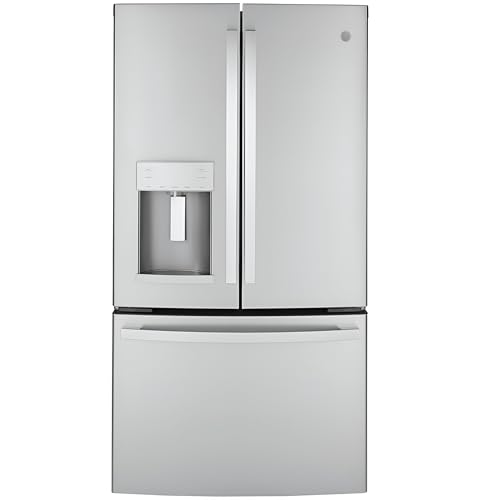
Strengths
- Sleek counter-depth design
- Fingerprint-resistant finish
- Space-saving ice maker
Trade-offs
- No dual evaporators
- Few advanced features
- Higher price for basic specs
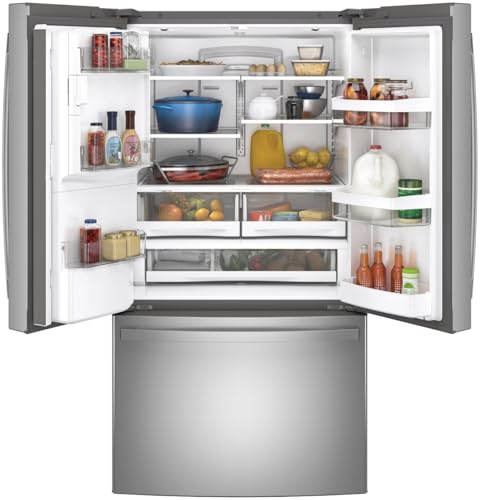
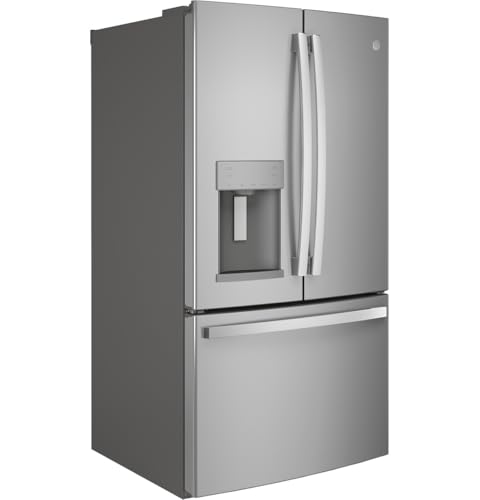
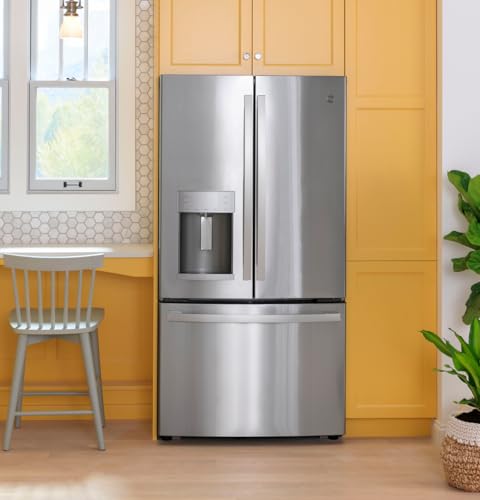
This model is all about clean lines and kitchen integration. The counter-depth build gives that built-in look without custom cabinetry, and the space-saving ice maker frees up shelf space, something many owners appreciate. The LED lighting is bright and even, making it easy to see leftovers in the back.
But the feature list is lean. Unlike other models in this range, it lacks TwinChill evaporators, so humidity control isn’t as strong, which could affect how long produce lasts. There’s no mention of an external dispenser, and specs suggest it’s internal. For a fridge near $2,500, I’d want more than just good looks. It’s stylish, yes, but not as smart on the inside.
Product photos
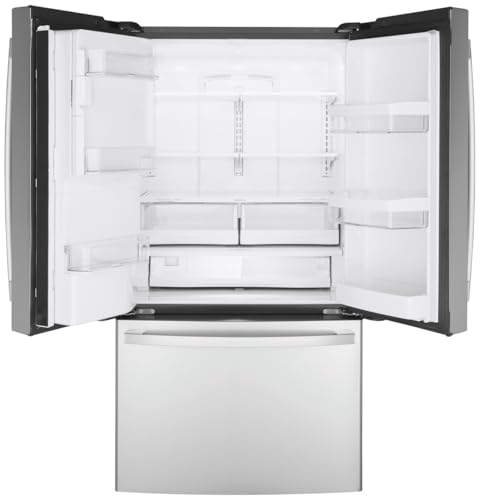

GE PROFILE PYE22KYNFS Bottom Freezer

Strengths
- Twin Chill evaporators
- Counter-depth design
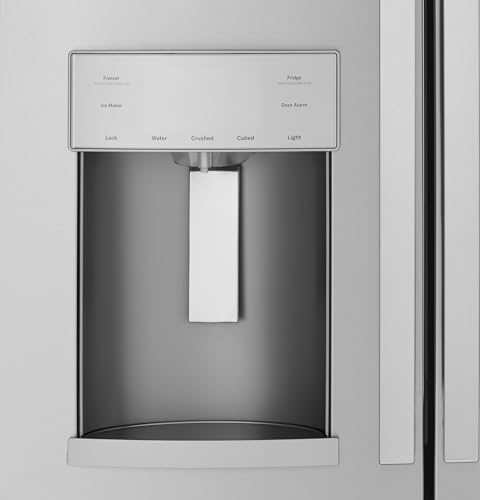
- External dispenser
Trade-offs
- Smaller freezer than side-by-side models
- Higher price point
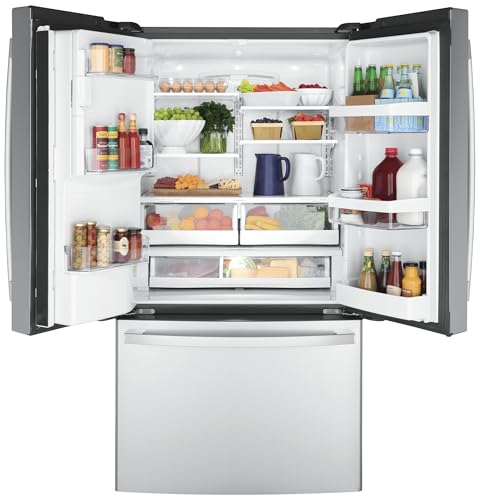
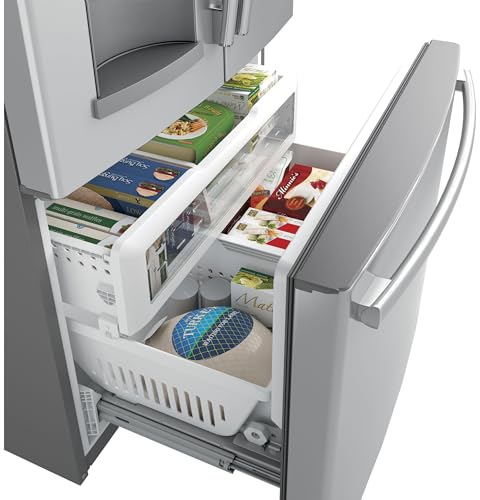
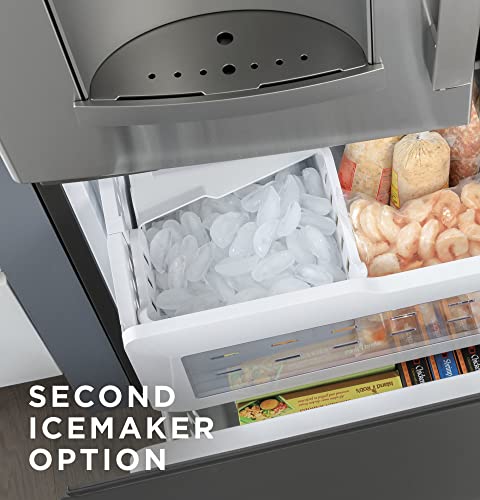
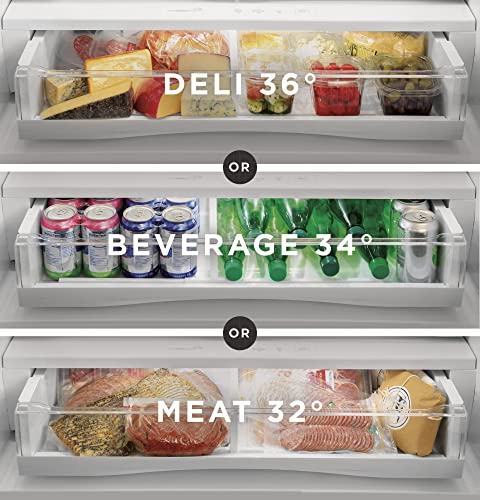
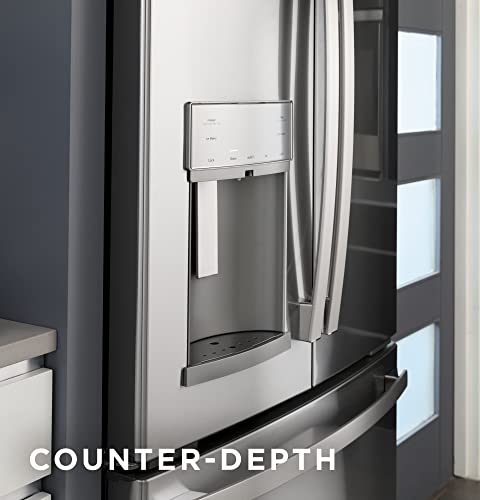
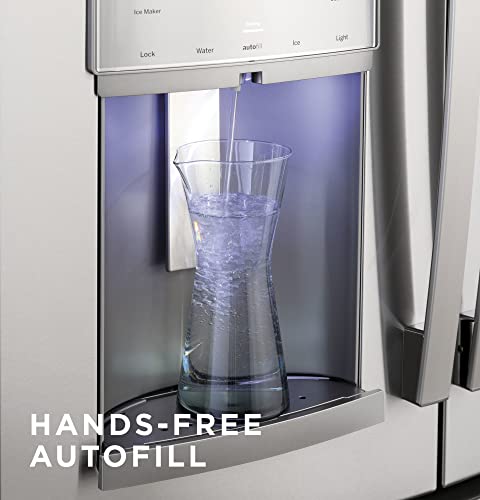
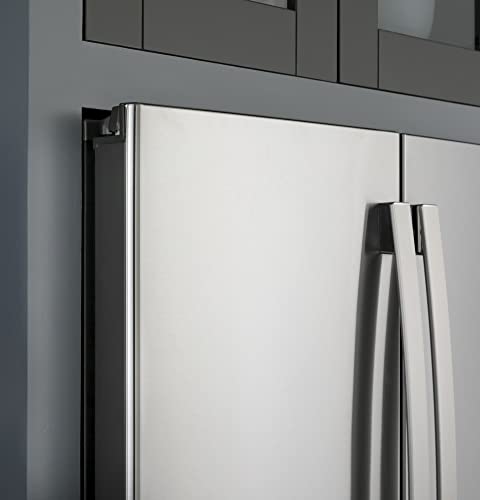
This model stands out in the bottom-freezer category with its thoughtful counter-depth design that blends into kitchen layouts without sacrificing usable space. The Twin Chill evaporator system is a real advantage for food preservation, maintaining separate humidity and temperature zones so produce stays crisp and frozen items don’t dry out. Owners consistently report the Quick Space shelf is a standout for bulky items, sliding up to make room without removing everything above.
The external water and ice dispenser adds convenience, though it does reduce door bin flexibility slightly. On paper, the 22.1 cu. ft. capacity is modest compared to side-by-sides, but the interior layout maximizes every inch. For those prioritizing kitchen integration and fresh food storage over massive bulk capacity, this one makes a strong case.
Product photos
How We Picked These ge refrigerators
To recommend the best GE refrigerators, I researched specifications and features across numerous models. I then weighed owner reviews from major retailers alongside expert opinions from publications like Consumer Reports and Reviewed.com. My approach wasn’t about long-term use, but a research-led comparison of what GE offers and how those refrigerators perform in the real world, according to those who own them.
For GE refrigerators, capacity and energy efficiency were heavily weighted. Families often prioritize fitting a lot of groceries, and GE offers a wide range of sizes. Equally important is ENERGY STAR certification; a more efficient refrigerator saves money and reduces environmental impact over its lifespan. Design and special features (like auto-fill pitchers) also factored in, but only after considering those core needs.
Specifications reliably indicate capacity, dimensions, and energy usage. However, owner feedback proved crucial for assessing real-world reliability, noise levels, and the usefulness of specific features. I paid close attention to recurring complaints or praise regarding ice maker performance, temperature consistency, and build quality. You’ll find many models offering sleek designs, like these GE black stainless refrigerators, but owner experiences help separate style from substance. For those needing maximum space, explore options like these large GE refrigerators.
Choosing The Right ge refrigerators
Finding the right GE refrigerator depends on more than just picking a finish. We need to consider how you actually use your kitchen and what features will truly improve your daily routine.
A quality GE refrigerator balances storage capacity with consistent temperature management. Key features include efficient evaporators, smart shelving configurations, and user-friendly dispensing systems. Look for models with ENERGY STAR certification to minimize energy consumption and consider the overall footprint to ensure it fits your kitchen layout.
Capacity & Configuration
The size of your household is the biggest driver here. A single person or couple can often get by with a model around 18 to 22 cubic feet, while larger families will need 25 cubic feet or more. Don’t just look at the total capacity, though. Think about how you store food. Do you prefer the visibility of French door models, or the easy access of a side-by-side? If you’re replacing an older unit, measure the available space carefully, and remember to account for door swing. You might find exploring GE French door refrigerators gives you some ideas for maximizing space.
Cooling Technology & Efficiency
GE uses a few different cooling systems, but TwinChill evaporators (separate cooling for the fridge and freezer) are a standout feature. These help prevent odor transfer and maintain optimal humidity levels, extending the life of your produce. ENERGY STAR certification is also critical. While the initial cost might be higher, you’ll save money on your electricity bill over the long run. Pay attention to the estimated annual energy consumption (listed in kWh/year) – lower is better.
- A basic top-freezer model will typically use the most energy.
- Bottom-freezer models offer a good balance of efficiency and convenience.
- French door and side-by-side models, while stylish, can sometimes be less efficient depending on the features (like ice and water dispensers). Consider if those features justify the potential energy increase.
Dispenser Features & Value
External water and ice dispensers are convenient, but they come with trade-offs. They take up door space, and require water line connections. Internal dispensers, like those found on some GE models, offer a cleaner look and preserve interior storage. If ice making is a priority, be sure to check if the model includes an automatic ice maker. Many people also want GE fridges with ice makers for added convenience.
A refrigerator is an investment. Don’t focus solely on the lowest price; consider the long-term cost of ownership, including energy consumption and potential repairs.
GE Refrigerators Compared
Here’s a comparison of key specifications for the GE refrigerators described.
| Product Title | Capacity (cu. ft.) | Type | Door Configuration | Water Dispenser | Ice Dispenser |
|---|---|---|---|---|---|
| GE 20.6 cu. ft. Counter Depth Refrigerator | 20.6 | Counter Depth | French Door | Internal | N/A |
| GE 25.3 cu. ft. Side by Side Refrigerator | 25.3 | Side by Side | Side-by-Side | External | External |
| GE 21.0 cu. ft. Bottom Freezer Refrigerator | 21.0 | Bottom Freezer | Top/Bottom | N/A | N/A |
| GE Profile 28.7 cu. ft. 4-Door Refrigerator | 28.7 | 4-Door | French Door | Internal | N/A |
| GE Profile 27.6 cu. ft. 4-Door Refrigerator | 27.6 | 4-Door | French Door | External | External |
| GE 27.7 cu. ft. French Door Refrigerator | 27.7 | French Door | French Door | N/A | N/A |
| GE GYE22GYNFS Counter Depth Refrigerator | N/A | Counter Depth | Top/Bottom | N/A | N/A |
| GE PROFILE PYE22KYNFS Bottom Freezer | 22.1 | Bottom Freezer | French Door | External | External |
Frequently Asked Questions
What’s the typical lifespan of a GE refrigerator?
Generally, a GE refrigerator will last between 10 and 15 years, but consistent maintenance – like cleaning the coils – can extend that timeframe. Owner feedback suggests models with fewer electronic features tend to be more durable over the long run.
Are GE refrigerators energy efficient?
Many GE refrigerators are ENERGY STAR certified, meaning they meet strict energy efficiency guidelines. Look for models with lower kWh/year ratings on the EnergyGuide label to minimize electricity costs; a bottom-freezer model is often a good balance of efficiency and features.
Do GE refrigerators have issues with ice makers?
Ice maker problems are a common complaint across many brands, and GE is no exception. While GE has improved designs, some owners report issues with ice buildup or inconsistent ice production, so reading recent reviews is a good idea.
What’s the difference between GE’s TwinChill and other cooling systems?
TwinChill evaporators use separate cooling systems for the refrigerator and freezer compartments. This prevents food odors from transferring and helps maintain optimal humidity levels, keeping produce fresher longer.
Where can I find GE refrigerators that fit a smaller kitchen?
If you’re tight on space, explore GE counter-depth refrigerators as they are designed to align with standard kitchen cabinetry, creating a more built-in look and saving valuable floor space.
The Bottom Line
Buying a GE refrigerator often comes down to balancing convenience with cost. While features like automatic ice and water dispensers are appealing, the GE 20.6 cu. ft. Counter Depth Refrigerator offers an excellent blend of capacity, efficiency, and smart design for everyday use. It strikes a sweet spot for many households without unnecessary extras.
For specific needs, GE has a model to fit. If you prioritize maximum storage and don’t mind a larger footprint, the GE 25.3 cu. ft. Side by Side Refrigerator is a strong contender. Those looking for a budget-friendly option should consider the GE 21.0 cu. ft. Bottom Freezer Refrigerator, and for those needing a specific size, exploring GE 36 inch refrigerators could be worthwhile.
Ultimately, the best GE refrigerator isn’t about the flashiest features or the highest price tag. It’s about finding a model that reliably keeps your food fresh, fits your kitchen space, and meets your household’s needs. Prioritize consistent cooling, energy efficiency, and a configuration that suits how you shop and store food – those fundamentals matter far more than any single specification.
