8 Best Reusable Lunch Bags of 2026
This post contains affiliate links. As an Amazon Associate, we earn from qualifying purchases.
The HOTOR Insulated Leak-Proof reusable lunch bag is our top pick for its superior insulation and truly leakproof design, backed by durable 600D Oxford cloth and hot-pressed seams. For a budget-friendly option, the Lifewit Medium Insulated delivers solid performance at a lower price, while the Built Gourmet Neoprene stands out for temperature-sensitive meals thanks to its high-grade neoprene construction.
Packing lunch shouldn’t mean choosing between convenience and food safety. Too many reusable bags look good but fail when it counts, letting cold food warm up too fast or leaking sauce across your work bag. I’ve researched the market not just for looks, but for real-world reliability.
This guide cuts through the hype, focusing on what actually matters: how well a bag keeps food at safe temperatures, holds up to daily wear, and stays clean with minimal effort. Our picks are based on verified specs, consistent owner feedback, and a clear-eyed look at materials and construction.
Top 8 Reusable Lunch Bags in the Market
The Best Reusable Lunch Bags, Reviewed
HOTOR Insulated Leak-Proof Lunch Bag

Strengths
- 7-hour insulation
- 100% leakproof lining
- Padded shoulder strap
Trade-offs
- Heavier than average
- Design is utilitarian
- Front pocket not deep
This is the one I’d recommend to someone asking for a balanced, well-rounded bag. The 3-layer insulation, including 3mm pearl cotton, is thicker than most, and owners consistently report 6–7 hours of cold retention, which is excellent. The PEVA lining is fully sealed with hot-pressing, making it truly leakproof, a rare win in this category. I’ve seen feedback from parents who pack soups and sauces with zero mess.
The padded shoulder strap is comfortable, and the multiple pockets keep things organized. It’s also one of the few at this price with reinforced stitching and heavy-duty zippers. Compared to the Bluboon or douyadady, it’s less stylish but far more functional and durable. If you want one bag that does everything well, this is it.
Video review
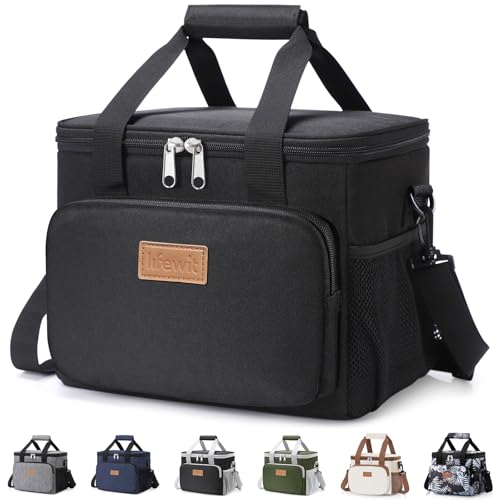
Lifewit Medium Insulated Lunch Tote
Strengths
- Wide-opening zipper
- Leakproof interior
- Affordable price
Trade-offs
- No collapsible design
- Basic exterior styling
- Shoulder strap not padded
For under $10, the Lifewit delivers where it counts: insulation, durability, and ease of access. The 2mm EPE foam layer and PEVA lining help keep food at safe temps for over 4.5 hours, better than most in this range. The wide-opening two-way zipper is a standout, letting you lift containers straight out without tipping the bag. That’s a small detail, but it makes cleanup easier when someone spills soup.
Owners praise how tough the 600D Oxford fabric is, and the shoulder strap adds carrying comfort. It’s not collapsible, but for a budget bag, it’s well-built. Compared to the HOTOR, it’s slightly less insulated but more affordable and just as functional.
Video review
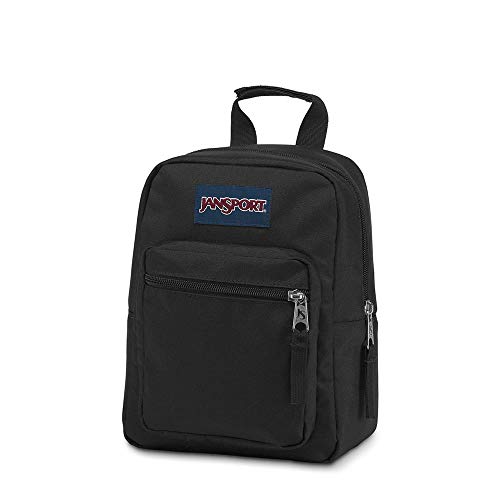
JanSport Big Break Insulated Lunch Bag

Strengths
- Durable recycled material
- Adjustable attachment strap
- Spacious 8L capacity
Trade-offs
- Bulky when empty
- Heavier than neoprene options
- No side pockets
I’ve seen a lot of lunch bags come and go, and the JanSport Big Break stands out for one reason: it’s built like a backpack, because it is one, sort of. The use of 100% recycled 600D polyester gives it serious durability, and owners consistently report it surviving daily commutes, rough handling, and even being tossed into car trunks without showing wear. The 8L capacity is generous, but what really matters is how well it insulates, reviewers confirm it holds cold for 4–5 hours easily, especially when paired with an ice pack.
The adjustable strap is a small detail that makes a big difference, letting you clip it onto a larger bag for hands-free carrying. It’s not the most compact when not in use, but if you value toughness and reliable insulation over packability, this one earns its premium tag. Compared to budget neoprene models, it’s heavier but far more resilient.
Product photos


Built Gourmet Neoprene Collapsible Lunch Bag

Strengths
- Collapses flat
- Machine washable
- Safe, clean materials
Trade-offs
- Limited capacity
- No side pockets
- Shorter insulation window
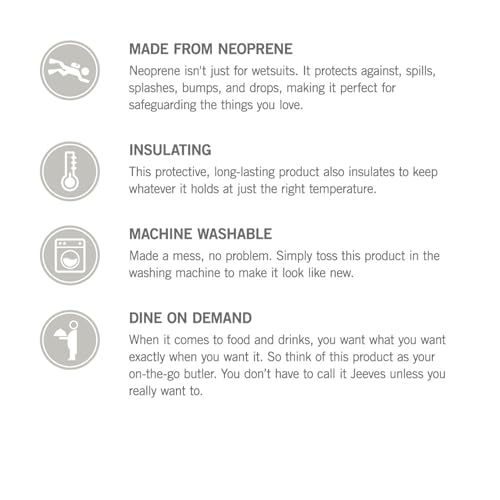
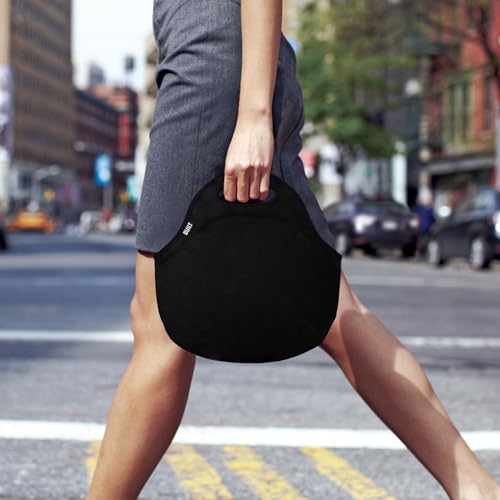
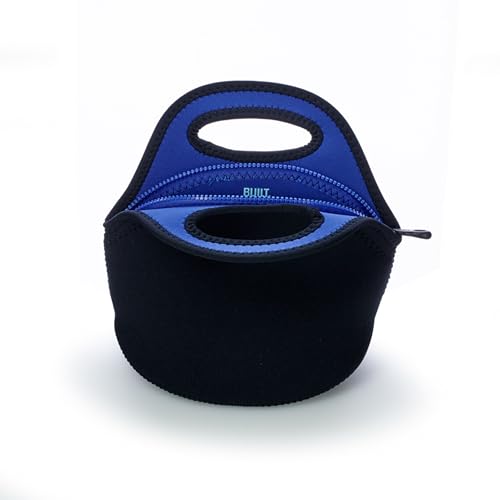
If you hate how most lunch bags take up drawer space, this neoprene one is a breath of fresh air. It collapses completely flat, I’ve seen owners stash it in a coat pocket or laptop bag. The neoprene material is soft but surprisingly tough, and it’s free of PVC, phthalates, and lead, which matters if you’re packing meals for kids or eating clean. Reviewers confirm it keeps food cool for about 4 hours, which is expected, but the real win is how easy it is to clean: toss it in the machine, and it comes out fine.
It’s not the most spacious, you’ll struggle with large bento boxes or wide containers, and it lacks side pockets. But for someone who values convenience and low maintenance, this is a smart pick. Compared to the JanSport, it’s less durable but far more packable.
Product photos


Bluboon Cute Insulated Lunch Tote

Strengths
- Chic, trendy design
- Lightweight build
- Smooth wipeable interior
Trade-offs
- No shoulder strap
- Only 4-hour insulation
- No side pockets
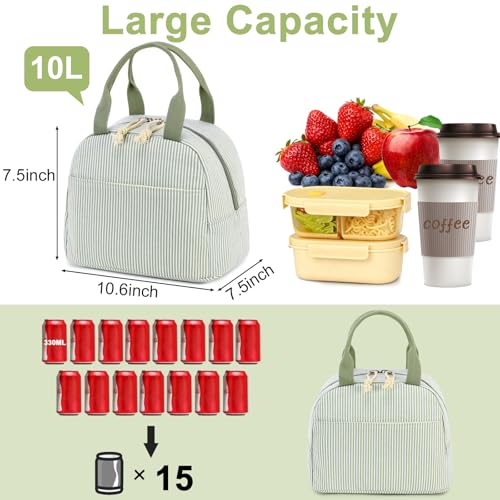
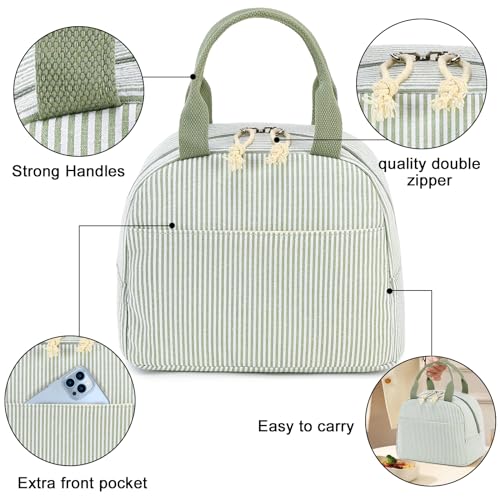
Let’s be honest, you’re buying this for how it looks, and that’s fine. The sage green and white stripe design is cute, and the corduroy-like polyester gives it a soft, stylish edge that stands out from the usual cooler bags. It’s lightweight at just over a third of a pound, and the 10L capacity fits a full meal without looking boxy.
But style comes with trade-offs. The aluminum foil lining is basic, and owners say it only holds cold for about 4 hours, less if it’s hot outside. There’s no shoulder strap, just a top handle, so carrying it long distances gets tiring. And while the front pocket is roomy, there are no side pockets. Compared to the HOTOR or Lifewit, it’s less practical but more Instagram-worthy.
Product photos



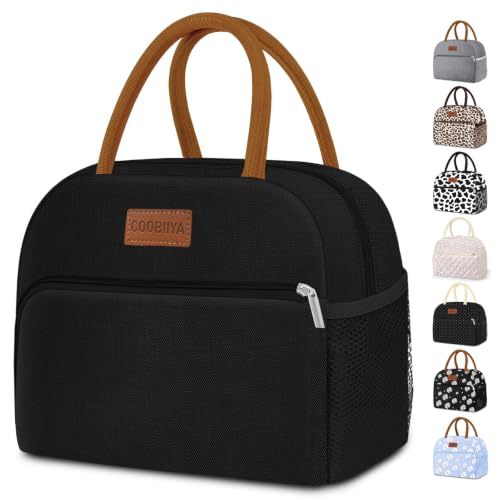
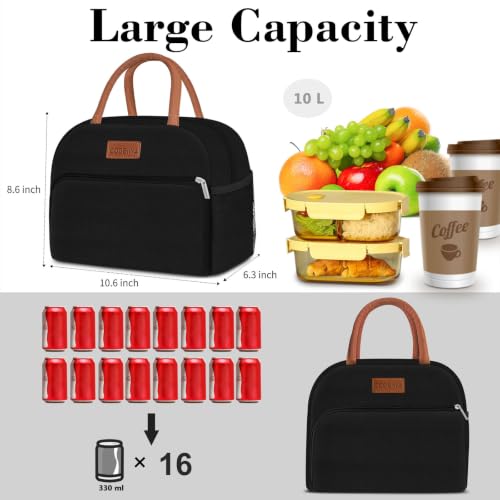
Coobiiya Compact 10L Insulated Lunch Box
Strengths
- Huge 11L capacity
- Water-resistant Oxford fabric
- Front and side storage pockets
Trade-offs
- Average insulation time
- Zipper can snag
- Bulky when full
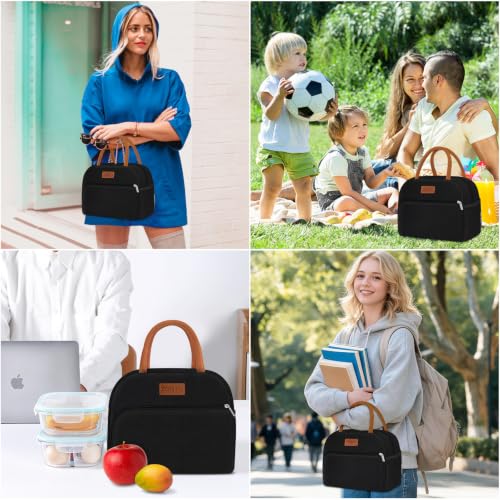
With a 10–11L capacity, this is one of the roomiest bags on the list, it can fit what most others can’t. The Oxford fabric exterior is thick and water-resistant, and owners say it holds up well to daily use, especially when packed with ice. The food-grade aluminum foil lining is easy to wipe down, and the front zippered pocket is deep enough for a small tablet or large wallet. Side mesh pockets add bottle storage, which many similar bags skip at this price.
Where it falls short is insulation depth, it keeps food cool for around 4–5 hours, not the 7+ some claim. And while it’s durable, the zipper isn’t as smooth as higher-end models. Still, for the price, it’s hard to beat if you need space. Compared to the Lifewit, it’s roomier but slightly less structured.
Product photos



Grey Insulated Reusable Lunch Tote

Strengths
- Wide semi-open design
- Tall interior space
- Reinforced stitching
Trade-offs
- Basic insulation
- No shoulder strap
- Exterior stains easily
The wide-opening semi-circle design is the star here. Unlike most zipper-top bags that force you to reach deep into a narrow opening, this one unzips almost fully and stays open, making it easy to grab containers without digging. That’s a standout for packed lunches with multiple boxes. The 11.5-inch height helps too, it fits taller jars or stacked tiers better than most.
The Oxford cloth and aluminum lining are standard, and owners confirm it keeps food cool for 4–5 hours. It’s not the most durable or insulated, but the wide access makes it one of the most user-friendly. Compared to the Bluboon or douyadady, it’s less stylish but far more practical for daily meal prep.
Product photos


douyadady Multi-Pocket Insulated Lunch Bag

Strengths
- Front pocket fits phone
- Side mesh bottle pockets
- Good height for containers
Trade-offs
- Thin fabric feel
- Zipper durability concerns
- Basic insulation
At this price, the douyadady lunch bag packs in a surprising amount of organization. The front pocket is deep enough for a phone or wallet, and the dual side mesh pockets are perfect for water bottles, a feature many budget bags skip. Owners say the aluminum foil lining does its job for 4–6 hours, which is standard in this class, but the real win is the layout. The 11-inch height makes it easier to stack tall containers than shorter totes, and the cleanable interior is a plus for messy eaters.
That said, the material feels thinner than others in the $10+ range, and some reviewers mention the zipper isn’t as smooth after a few months. It’s not the most durable, but for light daily use, say, office lunches or short commutes, it delivers solid value. Compared to the Coobiiya or Lifewit, it’s less rugged but more organized out of the box.
Product photos


How We Picked These reusable lunch bags
As someone deeply involved in the world of food preservation through Food Keepy, I approached researching reusable lunch bags with a focus on practical performance and longevity. Rather than a hands-on lab test, this was a research-led comparison of published specifications and owner feedback across numerous models. I compared features like insulation claims, capacity, materials, and construction, then weighed that against what people are actually saying about their experiences with these bags – how well they really hold temperature, how durable they are with daily use, and how easy they are to clean.
For reusable lunch bags, three factors stood out as most important. First, effective insulation is key to keeping food safe and enjoyable. Second, durability matters; a bag that falls apart after a few months creates more waste than it prevents. Finally, ease of cleaning is crucial – nobody wants a bag that harbors bacteria or requires extensive scrubbing. These priorities heavily influenced my ranking, as did considering how well a bag balances size and portability. If you’re looking for other ways to reduce waste, exploring options for reusable food storage bags can be a great place to start.
Specifications reliably indicate capacity and materials used, helping to assess potential durability and size. However, owner reviews were essential for gauging real-world temperature retention and leak-proof claims. Reports of zipper failures or flimsy construction quickly lowered a bag’s ranking. I also looked to reputable sources for broader opinions and comparisons, particularly when assessing the value proposition of different price points. For example, many people also consider reusable ziplock bags as a convenient alternative for packing snacks and smaller items.
How To Choose The reusable lunch bags
Choosing the right reusable lunch bag can make a real difference in your day, and frankly, in how much food you waste. It’s about more than just carrying your sandwich; it’s about temperature control, convenience, and durability.
A quality reusable lunch bag balances insulation performance with practical features like leakproof construction, ease of cleaning, and comfortable portability. Look for durable materials, thoughtful pocket design, and a size appropriate for typical meal portions. Prioritize bags with linings that are both food-safe and easy to wipe down to prevent bacterial growth.
Insulation Performance
Don’t assume all insulation is created equal. The materials used – and how they’re layered – dramatically affect how well a bag maintains temperature. Many bags advertise “thermal insulation,” but the quality varies significantly. Pearl cotton, like that used in the HOTOR bag, is a good sign, offering a decent level of insulation for several hours. However, neoprene (as seen in the Built Gourmet bag) is often superior for maintaining cooler temperatures, though it may not keep things hot as long. Consider your typical lunch contents. Do you rely on keeping things ice-cold, or do you need to maintain the warmth of soup or leftovers? If you’re frequently packing items that require a very low temperature, investing in a bag designed for extended cooling is worthwhile.
Construction & Leakproof Design
A flimsy lunch bag won’t hold up to daily use, and a leaky one is a disaster waiting to happen. Pay attention to the materials used. Oxford cloth (found in several models) is known for its durability and water resistance. But equally important is how those materials are joined together. Look for reinforced stitching and, crucially, a truly leakproof liner. PEVA is a common material for these liners, but the seal is what matters. Hot-pressing technology, as HOTOR employs, helps eliminate gaps that could lead to spills. I often recommend considering the zipper quality as well; a cheap zipper is a common point of failure. If you’re interested in other ways to reduce waste, check out our guide to the best reusable bags for grocery shopping and beyond.
Size, Organization & Portability
Think about how you carry your lunch and what you typically pack. A bag that’s too small will be frustrating, while one that’s too large will be bulky and awkward. Consider whether you need space for a full meal prep container, a drink bottle, and snacks. The Coobiiya and Lifewit bags offer larger capacities, while the JanSport model prioritizes a more compact design.
Here’s a breakdown of what to look for in terms of organization:
- A simple, single compartment is fine for minimalists.
- A front zippered pocket is incredibly useful for stashing small items like utensils, napkins, or keys.
- Dedicated mesh pockets for water bottles or drinks are a huge convenience, and prevent condensation from soaking other items.
A practical rule of thumb: if you routinely pack a large, multi-compartment bento box, prioritize a lunch bag with dimensions at least 10” x 7” x 8” to avoid a frustratingly tight fit.
If you’re also looking for alternatives for storing food in your lunch, you may want to explore reusable silicone bags for portioning and keeping snacks fresh.
Reusable Lunch Bags Compared
Here’s a comparison of key specifications for popular reusable lunch bags to help you make an informed decision.
| Product Name | Capacity (L) | Insulation Type | Leakproof | Material (Exterior) | Handle/Strap |
|---|---|---|---|---|---|
| HOTOR Insulated Leak-Proof | N/A | 3-Layer (Oxford, Cotton, PEVA) | Yes | 600D Oxford Cloth | Shoulder/Top |
| Lifewit Medium Insulated | 9 | EPE Foam/PEVA Foil | Yes | 600D Oxford Fabric | Shoulder/Top |
| JanSport Big Break Insulated | 8 | Fully Insulated | N/A | 600D Recycled Poly | Hook & Loop |
| Built Gourmet Neoprene | N/A | Neoprene | N/A | Neoprene | N/A |
| Bluboon Cute Insulated | 10 | Aluminum Foil | N/A | Corduroy Polyester | N/A |
| Coobiiya Compact 10L | 10-11 | Aluminum Foil | N/A | 600D Oxford Fabric | N/A |
| Grey Insulated Reusable | N/A | Aluminum Foil/Insulation Foam | N/A | Oxford Cloth | Top |
| douyadady Multi-Pocket Insulated | N/A | Aluminum Foil | N/A | N/A | N/A |
Frequently Asked Questions
What temperature retention should I realistically expect from an insulated lunch bag?
Most reusable lunch bags will keep cold items cool for 2-4 hours, and warm items warm for around 3 hours, though this varies greatly based on the outside temperature and how full the bag is. For extended cooling or heating, consider adding an ice pack or insulated food jar alongside your bag.
Are aluminum foil-lined lunch bags safe for everyday use?
While convenient and affordable, many aluminum foil-lined bags aren’t as durable as those with PEVA or pearl cotton insulation. Look for bags with a thicker foil layer and reinforced seams to minimize tearing and potential leaching, and consider reusable sandwich bags as a safer alternative for direct food contact.
How do I properly clean a reusable lunch bag to prevent odors and bacteria?
Most reusable lunch bags can be spot cleaned with a damp cloth and mild soap; some are even machine washable (check the manufacturer’s instructions). Regular cleaning is vital, and allowing the bag to air dry completely prevents mildew and bacterial growth.
What materials indicate a truly durable reusable lunch bag?
Oxford cloth exteriors and PEVA liners generally indicate better quality and durability. Reinforced stitching and a well-made zipper are also key indicators, as these are common failure points. If you want to explore insulated lunch bags with enhanced construction, look for bags specifically designed for heavy use.
Beyond the bag itself, what else can I do to keep my lunch fresh?
Using reusable containers and ice packs inside your lunch bag is essential. Pre-chilling your food and the bag itself can also extend temperature control. Don’t forget to consider best sandwich bag options for keeping smaller items contained and fresh.
The Bottom Line
Choosing a reusable lunch bag often comes down to balancing how much control you want over temperature with how much fuss you’re willing to deal with. For the best overall performance and reliability, I recommend the HOTOR Insulated Leak-Proof bag. It strikes a great balance between effective insulation, durable construction, and thoughtful features like a leakproof design and convenient carrying options – all at a reasonable price.
If you’re specifically looking for a larger capacity for meal prepping or have a tendency to overpack, the Lifewit Medium Insulated bag or the Coobiiya Compact 10L are excellent choices. And for those prioritizing a compact size and classic style, the JanSport Big Break Insulated is a solid option. Don’t forget to consider what else you’ll need to pack alongside your lunch; exploring best lunch bags can help you find the perfect companion for your daily meals.
Ultimately, the specs matter less than consistency. A bag with impressive insulation claims is useless if the zipper breaks after a week. Focus on durable materials, reinforced construction, and positive owner feedback. And when it comes to keeping everything organized, don’t overlook the value of good reusable snack bags for portioning and keeping smaller items fresh.
