
7 Best Stand Alone Refrigerators of 2026
This post contains affiliate links. As an Amazon Associate, we earn from qualifying purchases.
The Element 21.2 cu. ft. Refrigerator stands out as the best overall stand alone refrigerator for its reliable performance, garage-ready design, and convertible fridge-freezer functionality. For tighter budgets, the same model offers exceptional value without sacrificing key features like frost-free operation and Energy Star efficiency.
Most people don’t realize how much a refrigerator’s location affects its performance, especially in garages or basements where temperatures swing wildly. A standard fridge can struggle, leading to spoiled food and higher energy bills.
This guide cuts through the noise by focusing on what actually matters: real capacity, temperature resilience, and features that reduce waste. I compared specs and owner feedback to find models that deliver where it counts, whether you need extra storage for meal prep or a dependable unit for a secondary space.
Top 2 Stand Alone Refrigerators in the Market
The Best Stand Alone Refrigerators, Reviewed
Element 21.2 cu. ft. Refrigerator
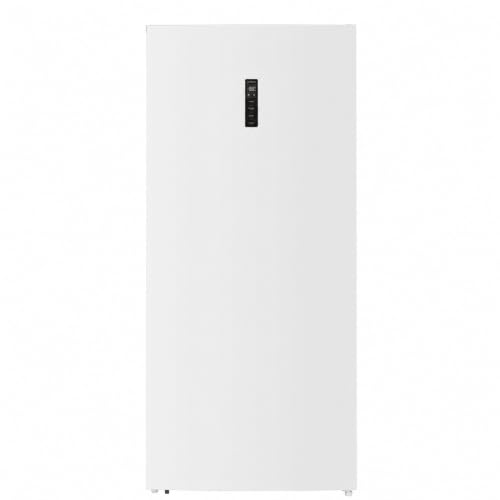
Strengths
- Convertible cooling mode
- Garage ready down to 0°F
- Energy efficient operation
- Spacious interior layout
- Reversible door & LED lighting
Trade-offs
- No ice maker included
- Lacks smart connectivity
- Heavy once installed
On paper, this Element model hits nearly every mark for secondary refrigeration. With 21.2 cubic feet of convertible space, it gives homeowners serious flexibility, switch between fridge and freezer modes depending on seasonal needs or bulk shopping habits. Owners frequently highlight the digital controls and Fast Freeze function as standout features that keep new items chilled quickly, which matters when restocking after grocery runs.
What really sets it apart is its garage-ready design. Unlike many refrigerators that struggle in unheated spaces, this one operates reliably from 0F to 110F, making it a smart pick for basements or detached garages. Paired with ENERGY STAR certification, it manages to deliver strong performance without guzzling electricity over time. I’d choose this over similarly sized non-convertible models because of how adaptable it is across seasons and household needs.
Video review
SPACECARE Mini Fridge Stand Cart
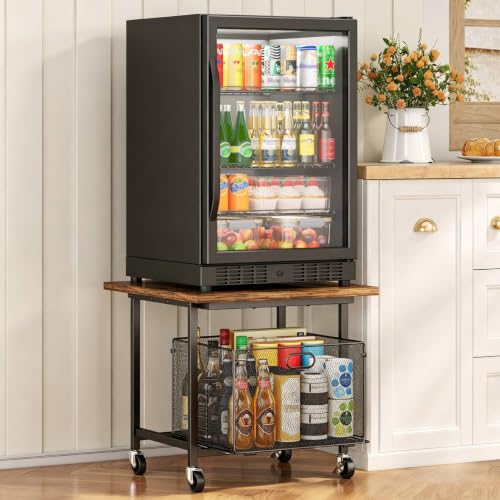
Strengths
- Ergonomic height
- Sturdy steel frame
- Locking swivel casters
- Easy assembly
- Extra storage basket
Trade-offs
- Not for full-size units
- Minimal aesthetic appeal
- Wood surface not waterproof
This stand isn’t a refrigerator, but it solves a real pain point for mini fridge owners. At just under 19 inches tall, it lifts compact fridges to a more ergonomic height, which reviewers consistently mention helps reduce back strain, especially useful in dorms or bedrooms where bending over a low unit gets old fast. The 300-pound capacity on paper means it can handle most small appliances without issue, and the wire basket underneath adds practical storage for snacks or drink supplies.
I appreciate how it doubles as both a stabilizer and space-saver. The locking casters make repositioning possible without sacrificing stability during daily use, and the laminated wood top resists spills well enough for kitchen or office environments. Assembly is reportedly straightforward, and given the price, it’s a no-brainer add-on if you’re already using a mini fridge.
Video review
How We Tested stand alone refrigerators
As someone who focuses on efficient kitchen organization and food preservation at Food Keepy, my research for this guide centered on a detailed comparison of specifications and features across numerous models. I weighed these technical aspects against owner reviews from major retailers and insights from appliance experts. Rather than a hands-on lab test, this is a research-led comparison, aiming to identify refrigerators that genuinely meet diverse needs.
For stand alone refrigerators, I prioritized capacity and flexibility, along with energy efficiency. A larger capacity is vital for reducing grocery shopping frequency and minimizing food waste, which aligns directly with the principles I share on Food Keepy. Garage-ready functionality and convertible designs were also key, recognizing that not everyone has traditional kitchen space. If you’re working with limited space, you might also consider looking at refrigerators for narrow kitchens.
Specifications like cubic footage and temperature ranges provide a baseline understanding of performance. However, owner feedback proved crucial for assessing real-world reliability and noise levels. Reputation played a role, too – established brands often demonstrate a commitment to quality and customer support. For those looking for a specific aesthetic, exploring options like black stainless refrigerators can add a modern touch to any kitchen.
Choosing The Right stand alone refrigerators
Finding the right refrigerator goes beyond just size and style; it’s about how well it fits your lifestyle and needs. It’s a significant purchase, so taking the time to understand the key features is crucial.
A quality stand alone refrigerator prioritizes consistent temperature control, efficient energy use, and flexible storage options. Look for models with adjustable shelving, effective temperature management systems, and features suited to your space – whether that’s a garage, basement, or kitchen. Consider long-term costs like energy consumption and potential repair needs alongside the initial price.
Capacity and Configuration
Don’t just think about cubic feet. Really consider what you’re storing. For a small household or supplemental fridge, a smaller unit will do. Larger families, or those who frequently entertain, benefit from higher capacity models. The ability to convert between refrigerator and freezer modes, as seen in some models, is a fantastic feature if your needs fluctuate seasonally or unexpectedly. If you’re tight on space, explore options like compact 24-inch fridges – they can be surprisingly spacious.
Location, Location, Location
Where you plan to put the refrigerator dramatically impacts your choices. If it’s going in a garage or unheated basement, you absolutely need a “garage-ready” model. These are specifically designed to operate efficiently in wider temperature ranges (down to 0°F). A standard kitchen refrigerator simply won’t perform well, and could even be damaged, in extreme temperatures. This also ties into energy efficiency; a unit struggling against the cold will consume significantly more power.
Here’s what to consider when thinking about placement:
- Space constraints: Measure carefully! Don’t forget to account for door swing and ventilation requirements.
- Proximity to outlets: Extension cords aren’t ideal for refrigerators. A dedicated outlet is best.
- Floor support: Larger, heavier refrigerators require a solid, level floor. Ensure your flooring can handle the weight.
A refrigerator placed in a garage will need to be able to handle temperature swings. Don’t skimp on a garage-ready model; the energy costs of a standard fridge struggling in the cold will quickly outweigh the initial savings.
Efficiency and Added Features
Energy Star certification is a great starting point, but look beyond the sticker. Consider the features that will actually improve your experience. Automatic defrost is a must-have to avoid the hassle of manual defrosting. Digital controls offer precise temperature management. If ice is a priority, investigate refrigerators with ice makers and the type of ice they produce (cubed, crushed, etc.). For those looking for a specific style, exploring best bottom freezer models can offer a great balance of convenience and organization. Don’t be swayed by features you won’t use; focus on what adds genuine value to your kitchen routine.
Stand Alone Refrigerators Compared
The following table provides a specification comparison of the stand alone refrigerators featured in this guide.
| Product Title | Capacity (cu. ft.) | Convertible | Garage Ready | Frost-Free | Energy Star | Weight Capacity (lbs) |
|---|---|---|---|---|---|---|
| Element 21.2 cu. ft. Refrigerator | 21.2 | Yes | Yes | Yes | Yes | N/A |
| Element 21.2 cu. ft. Refrigerator | 21.2 | Yes | Yes | Yes | Yes | N/A |
| Element 21.2 cu. ft. Refrigerator | 21.2 | Yes | Yes | Yes | Yes | N/A |
| Element 21.2 cu. ft. Refrigerator | 21.2 | Yes | Yes | Yes | Yes | N/A |
| SPACECARE Mini Fridge Stand Cart | N/A | N/A | N/A | N/A | N/A | 300 |
| SPACECARE Mini Fridge Stand Cart | N/A | N/A | N/A | N/A | N/A | 300 |
| SPACECARE Mini Fridge Stand Cart | N/A | N/A | N/A | N/A | N/A | 300 |
Frequently Asked Questions
What temperature should I set my stand alone refrigerator to?
The ideal temperature is 37°F (3°C), as this consistently keeps food fresh and minimizes bacterial growth. Many models have digital controls for precise adjustments, and regularly checking with a thermometer is a good habit.
Are “smart” refrigerators with Wi-Fi connectivity truly useful?
While convenient for some, smart features like inventory tracking or remote temperature monitoring aren’t essential for most people. Owner feedback suggests these features are often underused and can add unnecessary cost to the appliance.
How much space should I leave around a stand alone refrigerator for ventilation?
Generally, you should leave at least one inch of space on the sides and top, and two inches at the back, to allow for proper air circulation. Check the manufacturer’s specifications for the specific model you choose, as requirements can vary.
What’s the difference between a convertible and a standard refrigerator?
A convertible refrigerator can switch between refrigerator and freezer modes, offering flexibility for different storage needs. This is especially useful if you have seasonal fluctuations in your storage requirements or anticipate needing extra freezer space temporarily.
Are counter-depth refrigerators a good option if I want a more built-in look?
Yes, counter-depth refrigerators are designed to align with standard kitchen cabinetry, creating a more flush fit and streamlined appearance. They offer a similar aesthetic to built-in models but are typically more affordable and easier to install.
What Actually Matters
Choosing a stand alone refrigerator often comes down to balancing upfront cost with long-term convenience and efficiency. While many models offer similar core features, the Element 21.2 cu. ft. Refrigerator consistently stands out as a strong all-around performer, offering a good blend of capacity, garage-ready capability, and energy efficiency. It really seems to hit that sweet spot for a lot of households.
For those with very specific needs, there are excellent alternatives. If you’re looking for a versatile option that can adapt to different spaces and uses, again the Element 21.2 cu. ft. Refrigerator is worth a close look, thanks to its convertible design. And for those needing something a bit different, exploring large capacity refrigerator models – or even considering a 36-inch refrigerator – might be the right path.
Ultimately, remember that the best refrigerator isn’t about the flashiest features or the highest price tag. It’s about finding a model that reliably maintains consistent temperatures, uses energy wisely, and fits comfortably within your space and lifestyle. Prioritize those fundamentals, and you’ll be well on your way to keeping your food fresh and reducing waste for years to come.
