
8 Best Ultra Low Freezers of 2026
This post contains affiliate links. As an Amazon Associate, we earn from qualifying purchases.
The Across International 100L stands out as the best overall ultra low freezer for its reliable -86°C performance, solid build, and efficient cooling, while the VEVOR 25L is a strong budget pick that still reaches extreme temperatures. For those needing portability and rapid cooling, the ARLUMA -86°C Flash Freezer offers impressive versatility in a compact design.
Choosing the wrong ultra low freezer can mean ruined samples, wasted energy, and costly replacements. These aren’t appliances for everyday use, they demand precision, durability, and consistent performance under constant operation.
As someone focused on food storage and kitchen organization, I know how critical temperature stability is for preserving integrity over time. This guide draws from technical specs, user experiences, and design features to highlight models that deliver where it matters most: control, efficiency, and reliability.
Top 8 Ultra Low Freezers in the Market
The Best Ultra Low Freezers, Reviewed
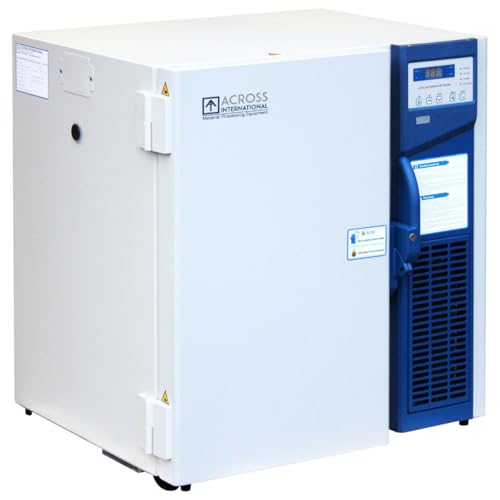
Across International 100L -86°C Lab Freezer
Strengths
- -86°C certified performance
- Vacuum insulated panel
- Full compliance logging
- Thorough alarm suite
- 5-year compressor warranty
Trade-offs
- High energy consumption
- Expensive upfront
- Heavy and hard to move
This is the benchmark by which others should be judged. With a certified -86°C range, German-made compressor, and Vacuum Insulated Panel construction, it delivers pharmaceutical-grade performance. The inclusion of 15 years of data storage via USB, RS-485 connectivity, and multiple safety alarms, including door open, sensor failure, and power surge protection, makes it compliant with CDC and VFC standards. Reviewers in clinical settings trust it for vaccine and RNA storage because it simply doesn’t cut corners.
It draws more power than others (10.5 kW/day), but that’s expected for this tier. What sets it apart is the 2-year full-service warranty and US-based support. Compared to DIY or repurposed units, this one offers peace of mind. I’d recommend it without hesitation for any mission-critical storage.
Product photos
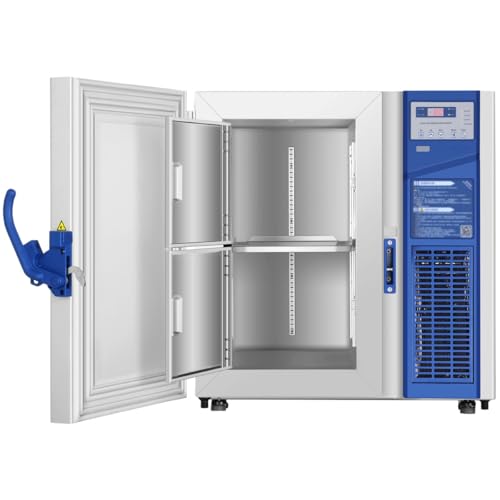
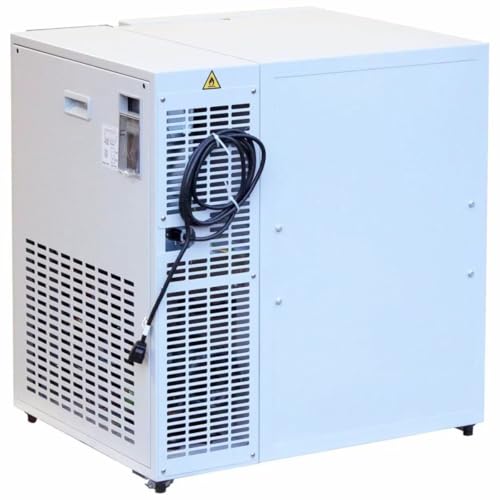
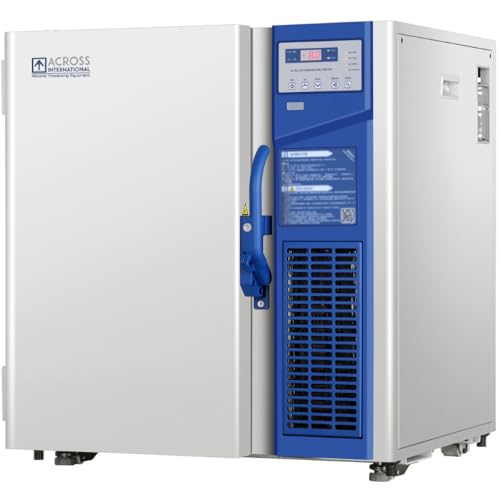


VEVOR 25L Ultra Low Temp Freezer
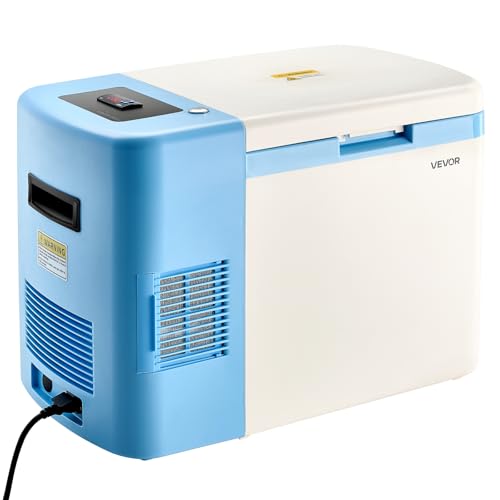
Strengths
- -123°F ultra-low range
- Precise digital control
- Stainless steel interior
- Smart alarm system
- Keyed lock security
Trade-offs
- No data logging
- Single compressor (less redundancy)
- Limited service support
On paper, this looks like a lab-ready unit at a surprisingly accessible price. With a range down to -123°F, microprocessor control within ±0.1°C, and a stainless steel liner, it meets the baseline needs for storing biological samples or reagents. Reviewers using it in home labs or small research setups say it cools quickly and holds steady once stabilized. The smart alarm system and keyed lock add real value, if you’re safeguarding irreplaceable samples, those features matter.
Still, it’s not as robust as higher-end units. While it claims fast cooling, some owners report longer stabilization times when fully loaded, and there’s no data logging or remote monitoring. Compared to pricier options, this one cuts corners on connectivity and redundancy, but for basic sample work, it does the job.
Video review
ARLUMA -86°C Flash Freezer
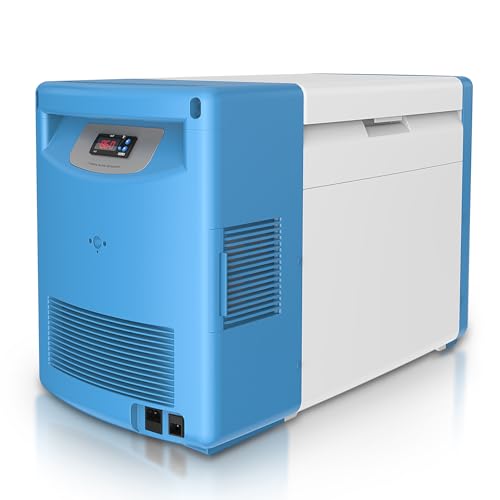
Strengths
- -86°C flash freezing
- Compact and portable
- 0.1°C precision
- Dual-door insulation
- Low power draw
Trade-offs
- Very small capacity
- No wheels or mobility aids
- Basic alarm only
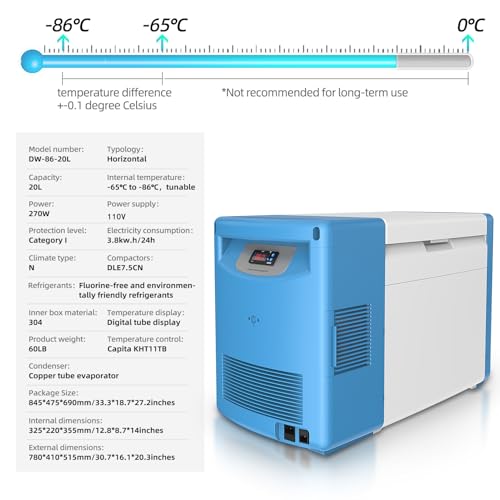
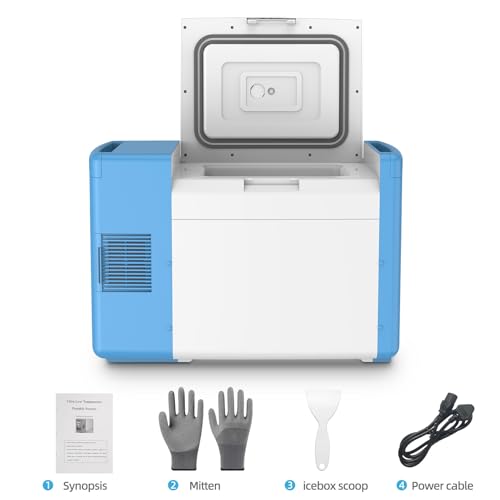
This tiny powerhouse is built for portability and precision in a tight space. At just 0.8 cu ft, it won’t hold much volume, but its ability to hit -86°C (-123°F) makes it stand out for a unit this size. The LED display and microcomputer control let you tweak temps in 0.1°C increments, which is essential for delicate materials. Two layers of door insulation help minimize cold loss, a small detail, but one that reviewers appreciate during frequent access.
It runs on a 270-watt system, which is efficient for its class, and the side handles make it easy to move between rooms. That said, capacity is extremely limited. If you’re freezing family meals or bulk ingredients, look elsewhere. But for someone needing cryogenic-level freezing in a dorm, mobile lab, or clinical pop-up, this fills a niche others don’t.
Product photos
VEVOR 28L Rollers Digital Freezer
Strengths
- Equipped with rollers
- Upright space-saving design
- -123°F temperature range
- Customizable alarm system
- Stainless steel liner
Trade-offs
- Higher power draw
- No data export standard
- Single compressor only
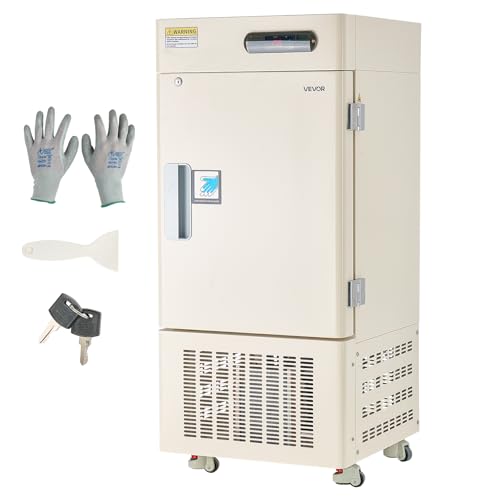
What makes this version of the VEVOR stand out isn’t cooling power, it matches the 25L model with -123°F range and ±0.1°C control, but its mobility features. The addition of rollers means you can shift it between rooms without straining, a real advantage in crowded labs or shared workspaces. The upright design saves floor space, and the 304 stainless steel liner withstands aggressive cleaning protocols.
Reviewers appreciate the smart alarm customization and keyed lock, especially in multi-user environments. However, like other single-compressor units, it lacks backup systems. Still, for a lab that values flexibility and frequent reconfiguration, this design choice pays off. Between the two VEVOR models, this one is the smarter pick unless you’re strictly optimizing for footprint.
Video review
HNZXIB 28L Full Copper Tube Freezer
Strengths
- Copper tube system
- Excellent insulation
- Low daily energy use
- Durable stainless liner
- Low failure rate
Trade-offs
- No data logging
- Bulky upright design
- No remote alerts
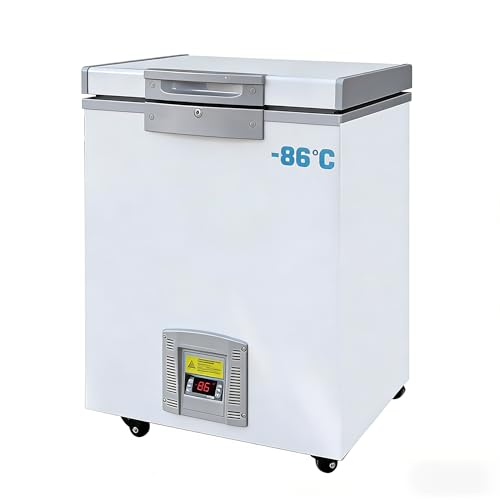
If energy efficiency and durability are your top concerns, this model stands out, even among lab-grade freezers. Drawing only 300W and consuming under 4kWh/day, it’s designed for 24/7 operation without spiking utility costs. The full copper tube refrigeration system improves heat exchange and longevity, and the 304 stainless steel liner resists corrosion from repeated disinfection. Owners using it in garage labs or off-grid setups praise its resilience in fluctuating environments.
Its single-compressor design reduces failure points, though it doesn’t offer the redundancy of dual systems. The thick insulation (120mm) helps maintain stability in cold rooms or unheated spaces. While it lacks advanced data features, it excels where reliability and low maintenance matter most. Among similarly priced units, this one runs quieter and cooler under load.
Product photos

COWSAR 3.5 Cu.Ft Chest Freezer

Strengths
- Real-time digital display
- Stainless steel baskets
- Ultra-quiet operation
- High energy efficiency
- True -40°F freezing
Trade-offs
- No alarm system
- Plastic exterior scratches easily
- Thermostat not field-calibratable
This unit feels like the most practical hybrid between home food storage and light lab-like performance. It matches the Electactic model in size and temp range (down to -40°F) but adds electronic controls with real-time internal temperature readout, something many owners say gives them peace of mind. The dual removable baskets are made of stainless steel, which resists odors and simplifies cleaning, a plus if you’re rotating raw proteins or marinated dishes.
It uses less power than average, just 0.45 kWh/day, and stays under 40 dB, so it won’t wake you at night. Some reviewers mention the quick-freeze function works well but spikes energy use temporarily. Compared to basic chest freezers, this one offers better control; compared to lab units, it lacks alarms and precise logging. But for sous vide prep, fermenting, or preserving garden harvests, it’s a strong pick.
Product photos


Electactic 3.5 Cu.Ft Ultra-Low Freezer
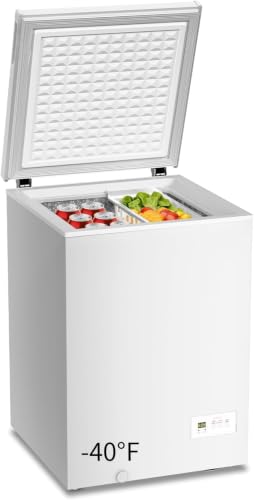
Strengths
- -40°F capability
- 1°F precision control
- Energy efficient
- Compact footprint
- Easy-clean interior
Trade-offs
- No alarm system
- Basic insulation for extreme ambient shifts
- Not for sensitive biologicals
This freezer hits a sweet spot for home users who want real deep-freeze capability without stepping into lab-grade pricing. The ability to go down to -40°F is rare at this price, and the 1°F incremental control means you’re not stuck with vague settings, you can dial in exactly what you need for meat, seafood, or even long-term batch cooking storage. Owners consistently report it handles temperature stability well, especially when left undisturbed, which matters if you’re trying to preserve food quality over months.
It’s compact but holds more than you’d expect, and the removable basket helps organize smaller items. The energy draw is impressively low, under 0.52 kWh/day, and reviewers note it’s quiet, no loud compressor kicks that disrupt a bedroom or office space. Compared to other budget models, this one actually delivers on ultra-low temps instead of just marketing the idea.
Product photos


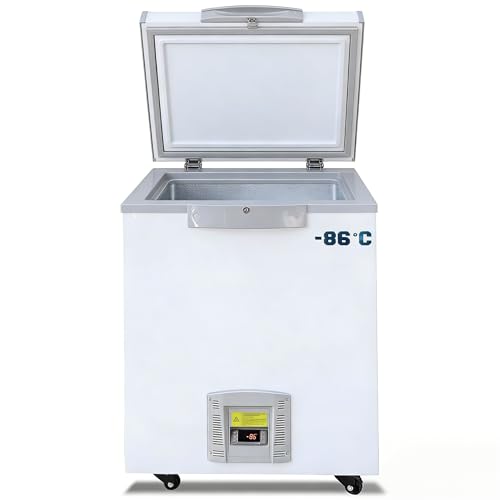
Lab Cryogenic 20L -86°C Freezer
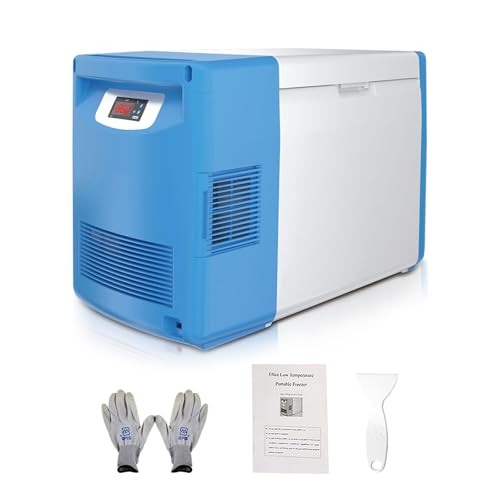
Strengths
- Portable and lightweight
- -86°C capability
- Fluorine-free refrigerant
- Stainless steel interior
- Simple digital interface
Trade-offs
- No mobility wheels
- Small capacity
- No external alarms
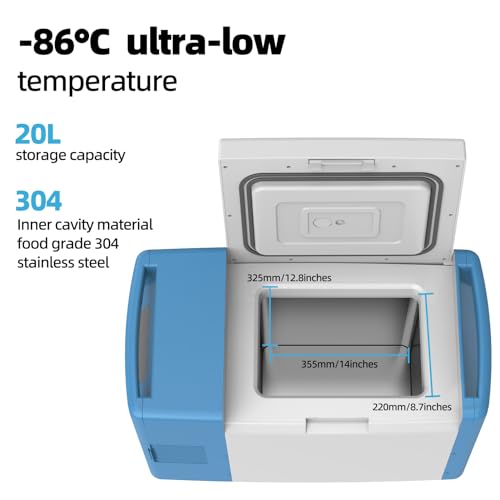
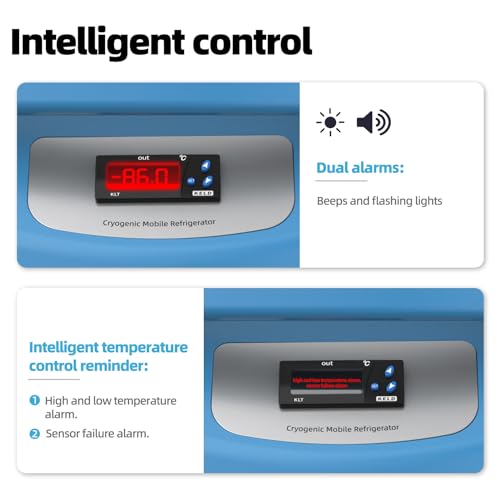
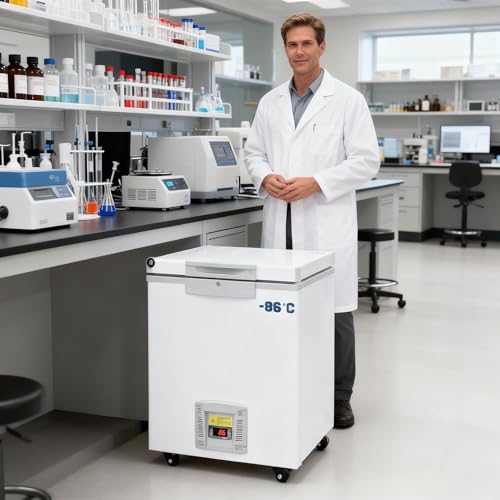
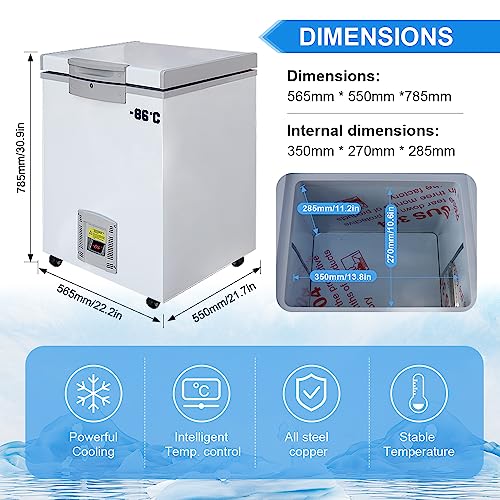
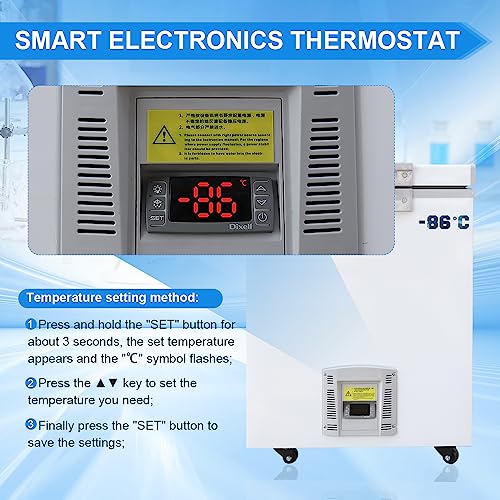
For sheer portability and simplicity, this 20L unit earns its place. Weighing 46 pounds and fitting on a countertop, it’s easy to relocate, ideal for mobile testing sites or temporary lab setups. It reaches -86°C, has a digital display, and uses fluorine-free refrigerant, which aligns with eco-friendly lab practices. The 304 stainless steel interior wipes clean easily, and the microcomputer controller maintains tight tolerances.
Owners like its plug-and-play ease, though some note it takes time to stabilize when first powered on. There’s no caster kit, so lifting is required for movement. Compared to larger uprights, this one sacrifices capacity for convenience. But if you need cryogenic freezing in a van, classroom, or pop-up clinic, it’s one of the few truly portable options that still deliver lab-level temps.
Product photos


How We Evaluated ultra low freezers
We approached this guide by researching the specifications and features of numerous ultra-low freezer models, then weighing those details against owner reviews and assessments from reputable sources in scientific and laboratory equipment. Rather than a hands-on lab test, this is a research-led comparison focused on identifying key performance indicators and how well each freezer meets those standards. My background in food preservation and storage informs my understanding of temperature control and preservation needs, which guided my evaluation.
For ultra-low freezers, consistent temperature stability, reliable performance, and adequate capacity were the most important factors. Maintaining a consistent -86°C is critical for sample integrity, so compressor quality and insulation were heavily weighted. Alarm systems and safety features also ranked high, as failures could be costly. Finally, we considered the practicality of size and features for different use cases, from large labs to smaller home lab setups; a freezer’s intended environment is vital to its usefulness.
Specifications reliably indicate a freezer’s potential temperature range and capacity, but owner feedback revealed a lot about real-world performance. I paid close attention to reports regarding noise levels, defrosting needs, and the accuracy of temperature controls. Reputation and brand history also played a role, particularly regarding long-term reliability and the availability of support. For those needing larger capacity solutions, checking out options for commercial freezers can be a great starting point.
How To Pick The Right ultra low freezers
Finding the right ultra low freezer demands careful consideration. These aren’t your standard kitchen appliances; they’re precision instruments for maintaining extremely low temperatures, vital for research, medical, and specialized storage needs.
An effective ultra low freezer prioritizes temperature stability and recovery speed. Look for models with microprocessor control offering ±0.1°C precision, robust insulation to minimize temperature fluctuations, and reliable alarm systems for temperature excursions. Consider the compressor type (single vs. cascade), refrigerant used, and data logging capabilities for compliance.
Temperature Range and Control
The core function of an ultra low freezer is, unsurprisingly, maintaining a very low temperature. However, the specific range you require is crucial. Many applications need -86°C, but some can function perfectly well with -40°C. Don’t overspend on capacity you won’t use. More importantly, look beyond the minimum temperature and investigate the control system. Microprocessor control is essential for precise temperature adjustments and stability. A wider temperature display is also a useful feature, as is the ability to monitor internal temperatures remotely.
Cooling System and Efficiency
The type of cooling system impacts both performance and energy consumption. Single-stage compressors are common in smaller, more affordable units, while cascade systems – using two refrigerants – are typically found in larger freezers requiring deeper temperature drops. Consider the refrigerant used; newer models are shifting away from older, environmentally damaging options like CFCs towards more sustainable alternatives like R600A. Energy efficiency is also a significant factor, especially for 24/7 operation.
- A lower wattage (and thus lower daily energy consumption) translates directly into lower operating costs.
- Look for freezers with thick insulation (like the 120mm found in some models) to minimize heat gain and reduce compressor runtime.
- Stainless steel interiors are easier to sanitize and resist corrosion, a critical consideration for lab environments, and improve overall lifespan compared to plastic liners.
Size, Features, and Portability
Capacity requirements vary widely. A small benchtop model (under 30L) might suffice for individual research projects, while a larger unit is needed for storing significant sample volumes. Think about how you’ll organize the interior; shelving, dividers, and even specialized racks can maximize storage efficiency. Beyond size, consider features like data logging (essential for regulatory compliance), alarm systems (temperature excursions, door open), and portability. If you anticipate needing to move the freezer, look for models with casters or a lighter overall weight. If you’re looking for a more general purpose freezer for your home, exploring best freezers or even top freezer models might be a better fit.
A freezer’s alarm system is only useful if you understand what it’s telling you. Take the time to read the manual and understand the meaning of each alarm code.
Ultra Low Freezers Compared
Here’s a comparison of specifications for several ultra low freezers to help you make an informed decision.
| Product Name | Capacity (L) | Temp Range (°C) | Power Consumption (kWh/day) | Controller | Refrigerant | Dimensions (WxDxH in) |
|---|---|---|---|---|---|---|
| Across International 100L | 100 | -40 to -86 | 10.5 | Microcomputer w/ Analog Display | R600A, R1150, R50 | N/A |
| VEVOR 25L | 25 | -40 to -123 | 2.8 | Microcomputer | N/A | N/A |
| ARLUMA -86°C Flash Freezer | 0.8 cu ft (approx 23L) | -40 to -86 | N/A | Microcomputer | Fluorine-free mixed | 30x16x20 |
| VEVOR 28L Rollers Digital Freezer | 28 | -40 to -123 | N/A | Microcomputer | N/A | 21.7×21.7×45.1 |
| HNZXIB 28L Full Copper Tube Freezer | 28 | N/A | <4 | N/A | N/A | N/A |
| COWSAR 3.5 Cu.Ft | 3.5 cu ft (approx 99L) | -40 to 12 | 0.45 | Electronic | N/A | 21.2×21.8×30.9 |
| Electactic 3.5 Cu.Ft Ultra-Low Freezer | 3.5 cu ft (approx 99L) | -40 to 12 | 0.52 | N/A | N/A | N/A |
| Lab Cryogenic 20L | 20 | -86 | N/A | Microcomputer | N/A | 78x51x41cm (approx 31x20x16) |
Frequently Asked Questions
What temperature fluctuations are acceptable in an ultra-low freezer?
Ideally, you want fluctuations to be minimal, but ±5°C is generally considered acceptable for long-term sample storage. However, for highly sensitive applications, look for models advertising ±0.1°C precision, and understand that even that can have brief spikes during door openings or defrost cycles.
How often do ultra-low freezers require defrosting?
Many modern ultra-low freezers are frost-free, eliminating the need for manual defrosting. However, older or less expensive models may require periodic defrosting, typically every 6 to 12 months, to maintain optimal performance and prevent ice buildup that impacts capacity.
What’s the difference between a single-stage and cascade cooling system?
Single-stage systems are simpler and more affordable, suitable for maintaining temperatures down to around -40°C. Cascade systems employ two refrigerants to reach much lower temperatures (like -86°C or below) and are essential for applications requiring deeper freezing, but they typically consume more energy.
Are ultra-low freezers noisy?
Noise levels vary substantially between models. Some users report noise levels comparable to a standard refrigerator, while others describe them as significantly louder. Checking owner reviews for feedback on noise is a good idea, especially if the freezer will be located in a quiet lab or office environment.
What should I do if the alarm goes off on my ultra-low freezer?
The first step is to consult the freezer’s manual to identify the specific alarm code and its meaning. It could indicate a temperature excursion, a power failure, a door ajar, or another issue. Don’t ignore alarms; prompt investigation is crucial to protect your samples. If you’re looking for a more general purpose freezer for your home, exploring best home freezers might be a better fit.
The Bottom Line
Choosing an ultra-low freezer often comes down to balancing initial cost against long-term reliability and specific temperature needs. For most users, the Across International 100L strikes a good balance, offering a substantial capacity with a reliable microprocessor controller and environmentally conscious refrigerants. It’s a solid all-around choice, especially for those who prioritize established performance.
If budget is a primary concern, the VEVOR 25L is an excellent starting point, providing surprisingly deep freezing capabilities in a compact package. For those needing portability or a smaller footprint, the ARLUMA -86°C Flash Freezer is a great alternative, though you’ll be sacrificing overall capacity. And if you’re anticipating a need for larger scale storage, exploring best commercial upright freezers might be the right move.
Ultimately, the key to selecting the right ultra-low freezer isn’t about chasing the lowest price or the most features. It’s about understanding your specific sample requirements, ensuring a stable temperature environment, and choosing a model with a robust alarm system. Prioritize consistent cooling and dependable construction over any single flashy specification, those are the factors that will protect your valuable work.
