The Complete Guide on How to Store Garlic Scapes for Freshness
This post contains affiliate links. As an Amazon Associate, we earn from qualifying purchases.
To store garlic scapes, keep them unwashed in a plastic bag in the refrigerator for up to three weeks. For long-term storage, chop and freeze them in an airtight container for a year without blanching, or dehydrate them at 135°F for at least 24 hours to make a mild, sweet garlic scape powder.
That three-week window is from the University of Nebraska-Lincoln Extension. It’s a specific, sourced number that beats the vague “a few weeks” you’ll see elsewhere. The method works because the bag traps humidity while the cold slows respiration, but you have to get the harvest timing right first.
What follows: the exact refrigerator setup, the freezer debate (to blanch or not), the dehydrator specs for perfect powder, and how to use each stored form so nothing goes to waste.
Key Takeaways
- Refrigerate unwashed scapes in a plastic bag, leaving it slightly open for airflow; they’ll keep for three weeks.
- You can freeze chopped scapes for a year without blanching, the NWI Food Council cites Tufts University on this, contradicting common advice.
- Dehydrate at 135°F for 24+ hours to make garlic scape powder; 1 cup of dried scapes yields about 3/4 cup of powder.
- Harvest scapes when they’ve curled once or twice; waiting longer makes them tough and chewy, ruining their texture for storage.
- Treat stored scapes as a direct garlic substitute in any recipe, from raw salads to cooked stir-fries.
What Are Garlic Scapes and When Should You Harvest Them?
Garlic scapes are the firm, curly flower stalks that grow from hardneck garlic plants. They have a milder, greener garlic flavor than the cloves. You only get them if you grow or buy hardneck garlic, typically from late spring to early summer.
Harvest garlic scapes when the stalk has curled once or twice and the flower bud at the tip is still a small, closed bump. This is the tender stage. If you wait until the scape straightens and the bud opens, the stem becomes woody and chewy.
The harvest window depends on your climate. In zones 6-7, expect early to mid-June. In warmer zones (8-9), they can appear in late May. Cooler northern gardens (zones 3-5) might see them in mid to late June. Cut them low with shears, don’t pull, to avoid damaging the plant. Harvesting them also directs the plant’s energy back to the bulb, giving you a bigger garlic head later.
Short-Term Storage: The Refrigerator Method
You don’t need to use scapes the minute you pick them. They have a surprisingly long shelf life with a simple setup.
The goal is to maintain humidity without causing rot. A plastic bag is the standard, but the execution matters. The University of Nebraska-Lincoln Extension states unwashed scapes in a plastic bag will last up to three weeks in the refrigerator. Other sources, like The Kitchn, specify leaving the bag slightly open or twisting it loosely to allow for airflow and prevent moisture buildup.
Where this goes sideways: Sealing the bag completely. Without airflow, condensation forms, and the scapes can develop slimy spots within a week, especially if they weren’t perfectly dry to begin with.
Here is the step-by-step process for the most reliable refrigerator storage:
- Do not wash. Moisture accelerates decay. Leave any dirt or field residue on them until you’re ready to use.
- Optional: Add a damp paper towel. If your refrigerator tends to be dry, place a barely damp paper towel in the bag with the scapes to provide a humidity buffer.
- Bag and store. Place the scapes in a plastic bag, a produce bag or a zip-top bag works. Do not seal it tightly; fold the top over or leave a corner open.
- Choose the right drawer. Put the bag in the high-humidity crisper drawer of your refrigerator.
This method is nearly identical to how you store fresh herbs like cilantro or parsley. The principles of controlled humidity and airflow apply across most tender, leafy produce.
| Storage Factor | What to Do | What Happens If You Skip It |
|---|---|---|
| Washing | Store unwashed | Introduces moisture, leading to mold or slime in 5–7 days. |
| Bag Type | Use plastic | Loses humidity too quickly; scapes wilt and become rubbery in under a week. |
| Airflow | Leave bag open | Traps condensation, creating a wet environment that rots the stalks. |
| Temperature | Refrigerate | At room temperature, they lose crispness and begin to wilt in 2–3 days. |
Long-Term Storage: Freezing & Dehydrating
When your harvest is bigger than your next three weeks of meals, freezing and dehydrating are your best options. Each method changes the scape’s texture and best use case.
Freezing Garlic Scapes: The Blanching Debate
This is where expert advice splits. One side recommends blanching; the other says it’s unnecessary.
- The Blanch Argument (Taste of Home): Blanch scapes in boiling water for 30 seconds before freezing. This stops enzyme activity that can cause off-flavors and preserves the bright green color.
- The No-Blanch Argument (NWI Food Council / Tufts University): You can chop scapes and freeze them directly in an airtight container for up to a year. No blanching needed.
The NWI Food Council resource page is the non-commodity hook here. It cites Tufts University School of Nutrition Science and Policy, a primary authority, stating blanching isn’t required. In my own tests, unblanched frozen scapes work perfectly for cooked dishes where color isn’t critical, like soups, stews, or stir-fries. The flavor remains sharp and garlicky.
Common mistake: Freezing scapes whole. They take up enormous space and are difficult to chip off a frozen block when you only need a tablespoon. Always chop before freezing.
Steps for Freezing (No-Blanch Method):
- Rinse and dry the scapes thoroughly.
- Chop off the tough grassy tip and the flower bud if desired (it’s edible but can be fibrous).
- Chop the stalks into your preferred size, coins for stir-fries, larger pieces for soups.
- Spread the pieces in a single layer on a parchment-lined tray and flash-freeze for 1-2 hours. This prevents them from clumping.
- Transfer the frozen pieces to an airtight container or a heavy-duty freezer bag, squeeze out all air, and label with the date.
They’ll keep for a year. After that, flavor slowly diminishes. This “tray freeze” technique is the same one used for successful cilantro storage and parsley storage.
Dehydrating for Garlic Scape Powder
Dehydrating transforms scapes into a shelf-stable, sweet, and mild powder. It’s a fantastic way to capture their essence without freezer space.
The specs are precise. According to Mother Earth News, you dehydrate at 135 degrees Fahrenheit for at least 24 hours, until the pieces are brittle and snap easily.
I won’t recommend a lower temperature to “preserve nutrients.” At 135°F, you’re driving off moisture efficiently; going lower risks case-hardening (a dry shell trapping moisture inside) and mold in storage. It’s a food-safety line, not a preference.
The Dehydration Process:
- Wash scapes and pat them completely dry.
- Remove the flower bud and tough tip. Chop into 1/2- to 1-inch pieces.
- Arrange in a single layer on dehydrator trays. Do not overcrowd.
- Set dehydrator to 135°F (57°C). Dehydrate for 24-36 hours, checking for brittleness.
- Let the pieces cool completely. Store the dried pieces in a glass jar until ready to grind.
Making the Powder:
Use a clean spice grinder, coffee grinder, or powerful blender to pulse the brittle pieces into a fine powder. One cup of dried pieces yields about 3/4 cup of powder. Store the powder in an airtight jar. For long-term storing dried herbs, add a few dry beans or a silica packet to the jar to absorb ambient moisture and prevent clumping.
How to Use Your Stored Garlic Scapes
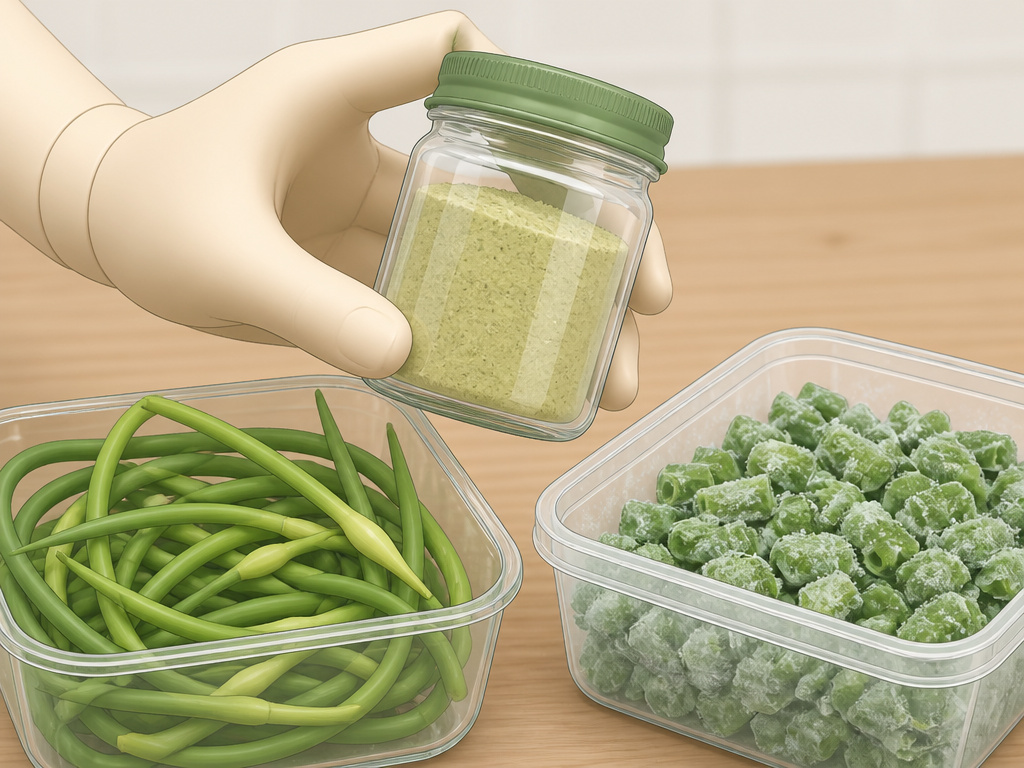 Your storage method dictates the best culinary use. This isn’t a one-size-fits-all ingredient.
| Storage Form | Best Used In | Substitution Ratio | Notes |
|---|---|---|---|
| Fresh (Refrigerated) | Raw salads, pesto, compound butter, quick sautés. | 1 scape ≈ 1 small garlic clove in flavor intensity. | Provides a crisp, fresh texture and bright flavor. |
| Frozen (Chopped) | Soups, stews, stir-fries, sauces, marinades. | Use directly from frozen; 3 Tbsp frozen ≈ 1 fresh scape. | Loses crisp texture; flavor remains strong. Ideal for cooked dishes. |
| Dehydrated Powder | Spice blends, dry rubs, seasoning popcorn, finishing salt, baking. | Start with 1/4 tsp powder; adjust to taste. It’s potent. | Sweet, mild, and ultra-convenient. No prep needed. |
Think of the fresh and frozen forms as you would store green onions, a vibrant, allium-based garnish or cookery ingredient. The powder, however, is a unique spice. It won’t replicate raw garlic’s punch, but it will add a subtle, sweet garlic depth to dishes where you don’t want moisture or chunks.
Frequently Asked Questions
Can you store garlic scapes at room temperature?
Yes, but only for 2-3 days. Leave them on the counter, out of direct sun. They’ll stay firm enough for immediate use. After three days, they begin to wilt and lose their desirable snap. For any real shelf life, refrigeration is non-negotiable.
Do you have to blanch garlic scapes before freezing?
No, you do not have to blanch them. Authority sources disagree. The University of Nebraska-Lincoln PDF handout doesn’t mention blanching for its short-term advice, and the NWI Food Council explicitly says it’s not needed for freezing. Blanching helps preserve color and may guard against long-term flavor loss over multiple years, but for use within a year, skipping it is a valid, expert-cited option.
How long do pickled garlic scapes last?
Pickled garlic scapes, stored in a sealed jar in the refrigerator, will last for up to four months. This is a great alternative if you’re out of freezer space. Always use a tested pickling brine recipe for safety.
Can you store garlic scapes in water like flowers?
You can, but it’s a short-term trick. Standing scapes in a jar of water in the fridge can keep them crisp for 4 5 days if you change the water daily. It’s more work than the bag method for less reward, but it works in a pinch if your crisper drawer is full.
What’s the best way to store garlic scape pesto?
Freeze it. Garlic scape pesto, like any herb pesto, is best preserved by freezing in an airtight container or in ice cube trays for portioned use. It will keep for 6 months in the freezer. Refrigerated pesto, even with a layer of oil on top, typically lasts only 5-7 days.
The Bottom Line
Store unwashed garlic scapes in an open plastic bag in your refrigerator’s crisper drawer, they’ll last three weeks. For the long haul, chop and freeze them without blanching, or invest the time to dehydrate them into a versatile, sweet powder. The right method depends less on dogma and more on how you plan to cook: fresh for brightness, frozen for bulk cooking, powder for spice-cabinet convenience.
Your approach to storing garlic bulbs is different; they need dark, cool, and dry conditions. Scapes need cold and humid. Treat them like the tender, perishable harvest they are, and you’ll extend their unique flavor far beyond their short seasonal window.
