
8 Best Storage Containers for Hot Attic (2026)
This post contains affiliate links. As an Amazon Associate, we earn from qualifying purchases.
The Rubbermaid Roughneck 31 Gallon Tote is the best overall for hot attics thanks to its proven temperature resistance and rugged build, while the Yesdate 50 Qt Latching Storage Bin offers solid value for those on a budget. For maximum protection against moisture, the 19 Qt IP68 Waterproof Airtight Bin stands out.
Storing items in a hot attic is a gamble. Extreme heat can warp cheap plastics, humidity can sneak in and ruin keepsakes or dry goods, and flimsy lids invite pests. Most standard bins aren’t built for that kind of abuse.
As someone who researches food storage and kitchen organization daily through Food Keepy, I’ve looked closely at what really matters in these conditions. This guide covers the top picks based on material durability, seal effectiveness, and real-world feedback from owners who’ve used these containers in tough environments. We focused on temperature resistance, airtightness, and long-term reliability so you can store with confidence.
Top 8 Storage Containers For Hot Attic in the Market
The Best Storage Containers For Hot Attic, Reviewed
Rubbermaid Roughneck 31 Gallon Tote

Strengths
- Extreme temp resistance
- Impact-resistant
- Secure stacking
Trade-offs
- Bulky when full
- Higher price
- Heavy empty
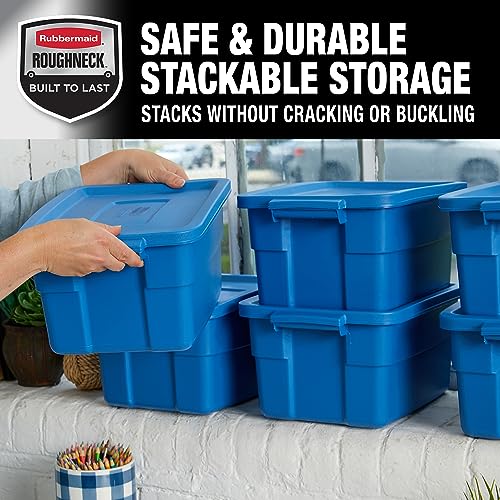
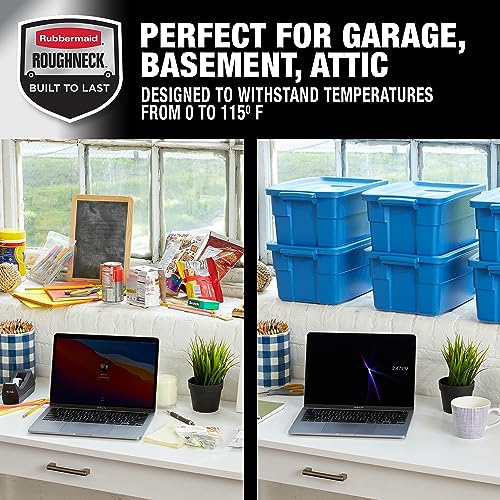
If you’re serious about attic storage that lasts, this Rubbermaid Roughneck 31-gallon tote is one of the most reliable options available. It’s built to handle temperatures from 0 to 115°F, which makes it ideal for spaces that get brutally hot in summer and cold in winter. The high-impact polyethylene won’t crack or buckle, and owners consistently praise its durability even after years of use in garages and attics.
The recessed lid allows for secure stacking, and the large carry handles make it manageable when full, though at 31 gallons, it’s best not to overfill. It’s more expensive than basic bins, but the long-term value is clear. Compared to lighter-duty containers, this one stands out for resilience. I’d confidently recommend it as a workhorse for storing tools, holiday decorations, or heavy items where protection and longevity matter most.
Video review
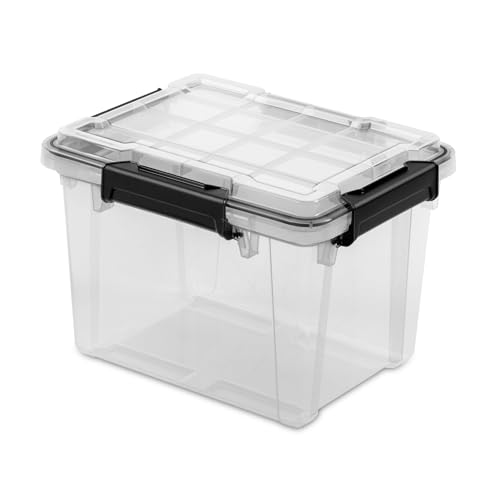
19 Qt IP68 Waterproof Airtight Bin
Strengths
- IP68 waterproof seal
- Clear visibility
- Airtight latches
Trade-offs
- Smaller capacity
- Limited stacking height
- Not for bulky items
This IP68-rated bin is the closest thing to a weatherproof fortress for attic storage. The gasket seal makes it fully dustproof and submersible in water, which is rare at this price. For hot, humid attics where moisture and pests are real threats, that level of protection matters. The clear base and lid let you see contents without breaking the seal, and owners love this for storing photos, documents, or electronics that can’t risk dampness.
The reinforced lid supports secure stacking, and the BPA-free materials ease safety concerns. At just under 20 quarts, it’s not the largest, but the airtight latches and rugged construction make it ideal for high-value or sensitive items. Compared to standard totes, it’s a niche but powerful option. If humidity is your attic’s biggest enemy, this bin is a no-brainer.
Video review
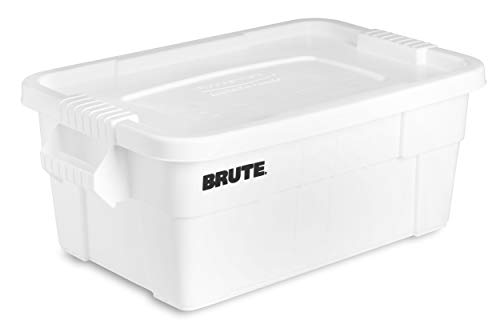
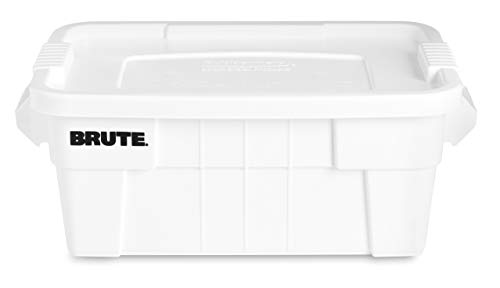
Rubbermaid Commercial 14-Gallon Brute Tote
Strengths
- Commercial-grade resin
- Drainable handles
- Reinforced base
Trade-offs
- Lid can be stiff
- Slightly bulky
- Less home-optimized
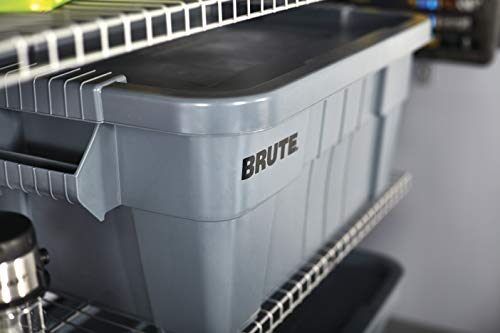
The BRUTE 14-gallon tote is overbuilt in the best way, designed for commercial use, so it handles abuse that would destroy typical storage bins. Made from high-strength polyethylene, it resists impacts, UV exposure, and temperature extremes far better than most residential containers. The ribbed construction adds rigidity, letting you drag it across rough surfaces without damage, and the lid snaps tight to keep out pests and moisture.
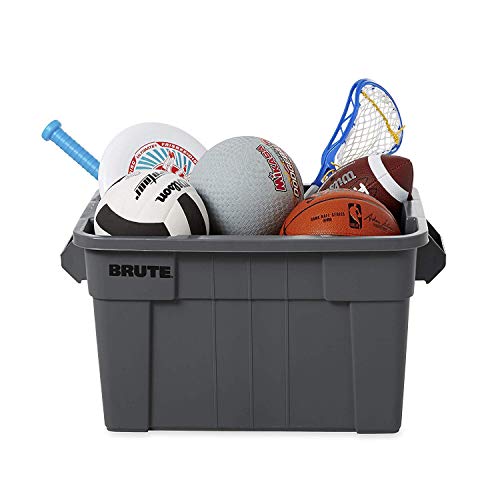
Owners love these for jobsites and garages, but they work just as well in hot attics. The ergonomic handles with drain holes prevent water buildup and reduce strain, a small but smart detail. It’s not as large as some options, but the 14-gallon size is more manageable when full. Compared to the Roughneck line, it’s slightly less optimized for home stacking but more industrial-grade. For anyone prioritizing heavy-duty durability, this is a top contender.
Product photos


Rubbermaid Roughneck 3 Gallon Tote
Strengths
- Rated for temp swings
- Lifetime warranty
- Stackable & nestable
Trade-offs
- Small capacity
- Higher cost per unit
- Limited bulk storage
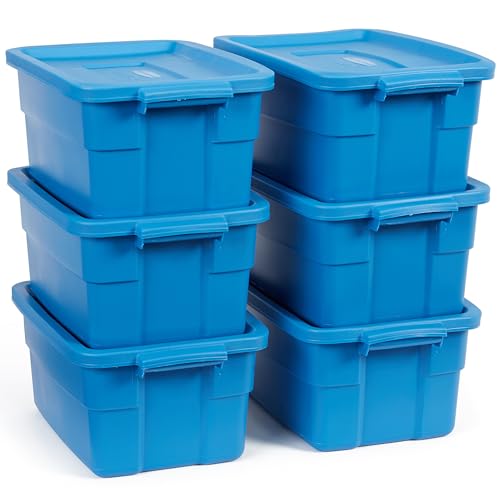
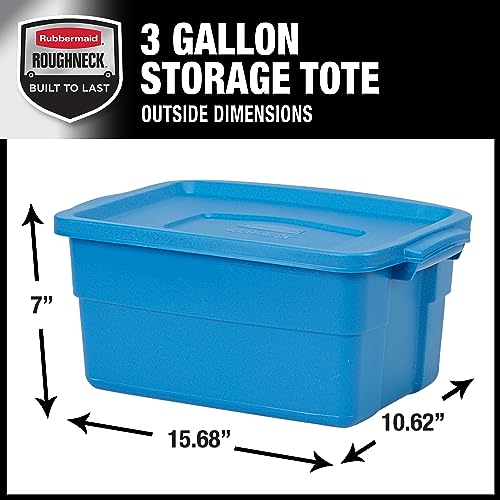
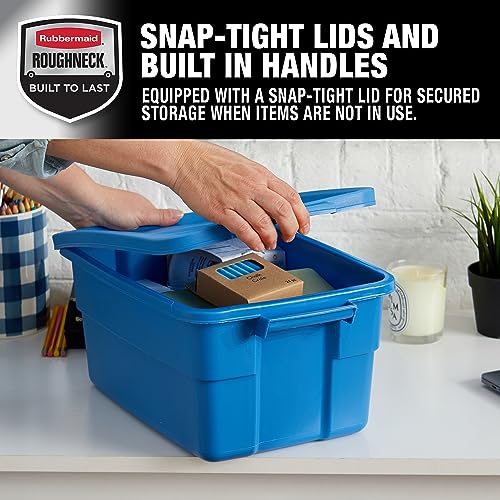
Don’t let the smaller 3-gallon size fool you, this 6-pack of Roughneck totes is one of the best solutions for temperature fluctuations in attics or garages. They’re rated from 0 to 115°F, just like their larger siblings, and made with the same impact-resistant plastic that won’t crack in cold or soften in heat. The recessed lids allow secure stacking, and the compact size makes them easy to move, even when full.
Owners use these for everything from holiday lights to craft supplies, and the consistent feedback is about their long-term reliability. They’re more expensive per gallon than budget bins, but the lifetime warranty and durability justify the cost. Compared to larger totes, these offer better organization control, great for sorting smaller items without one massive bin. For hot attic use, their resilience stands out.
Product photos

Yesdate 50 Qt Latching Storage Bin
Strengths
- High capacity
- Latching lids
- Clear base
Trade-offs
- Lid tension loss
- No temp rating
- Less durable material
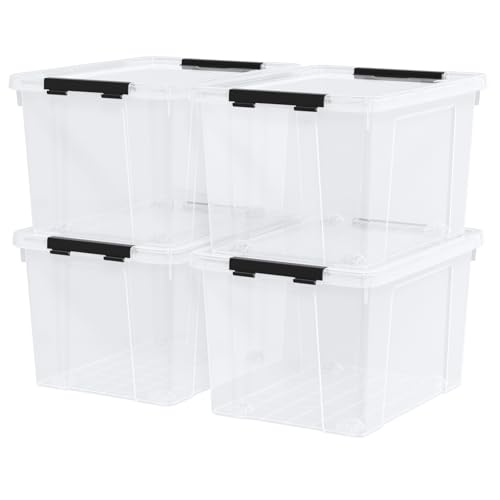
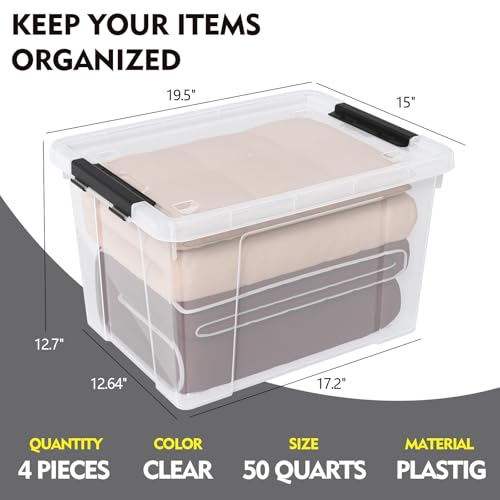
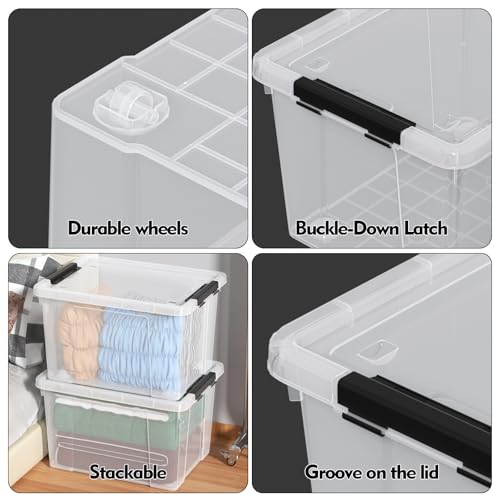
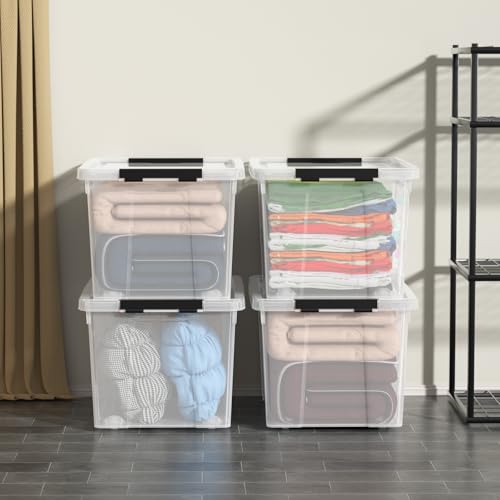
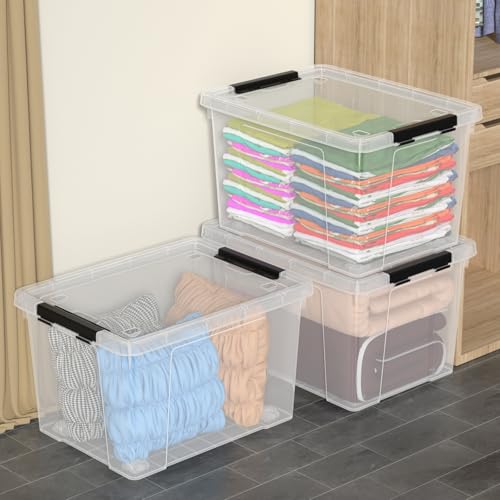
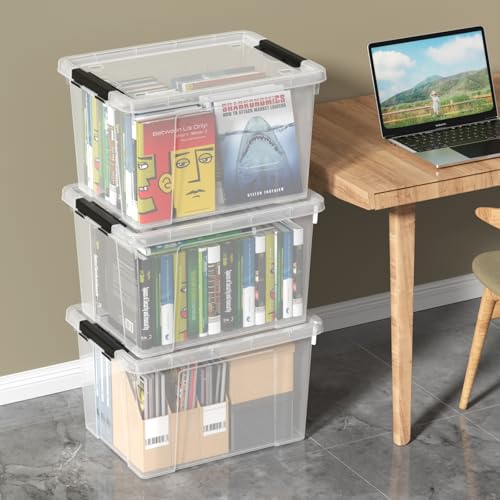
With a 50-quart capacity and latching lids, this 4-pack from Yesdate is built for large-volume storage, think holiday decorations, camping gear, or off-season clothing. The clear base helps with visibility, and the snap-tight lids offer decent protection from dust and pests. Owners appreciate the size and value, especially for decluttering attics or basements.
But while they’re labeled for temperature fluctuations, there’s no specific heat rating, and the plastic doesn’t match the durability of Rubbermaid’s polyethylene. Some users report the lids losing tension over time, especially in heat. They’re stackable, but without recessed lids, stability isn’t as strong as premium options. For large, lightweight items in moderate conditions, they work. For extreme heat or heavy loads, I’d lean toward Roughneck.
Product photos
HOMZ 28 Qt Clear Storage Bin
Strengths
- Recycled materials
- Snaplock lid
- Stackable design
Trade-offs
- Lid warping in heat
- Moderate durability
- Not heat-rated
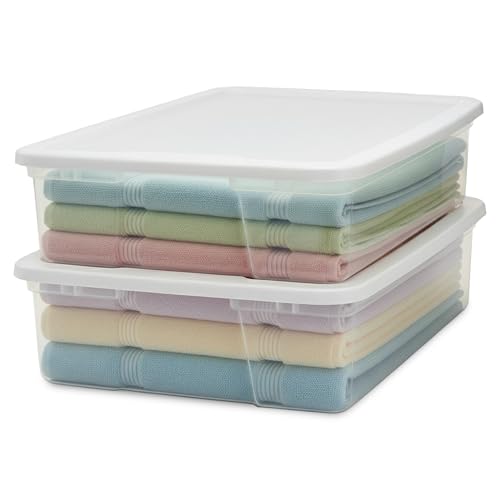
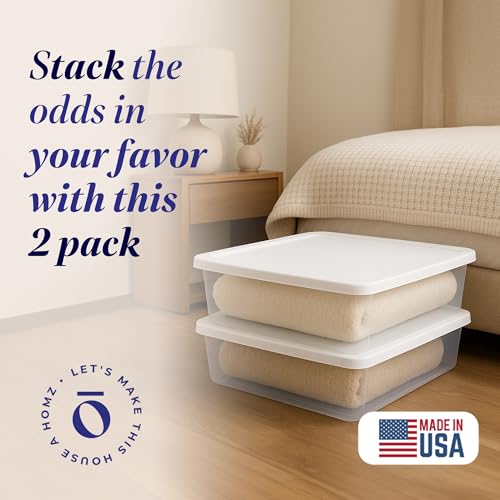
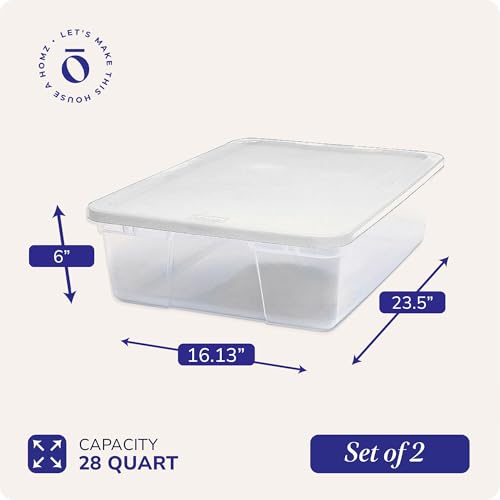
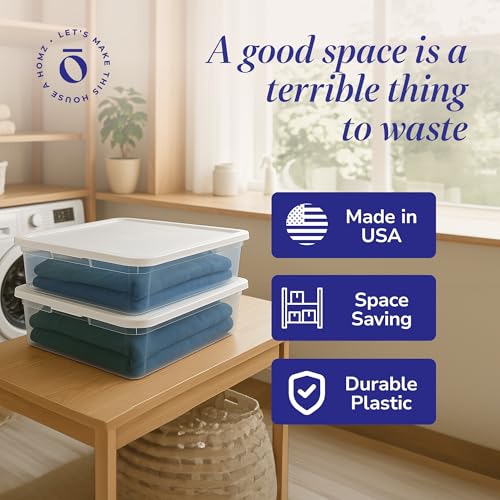
These 28-quart HOMZ bins are a budget-friendly pick made from 90% recycled plastic, which is a win for sustainability. The snap-lock lids create a decent seal against dust and insects, and the clear walls make contents easy to identify. They’re stackable and widely used in garages and closets, but their performance in a hot attic gives me pause. On paper, they’re durable, but owners note the lids can warp over time when exposed to heat, leading to gaps that let in pests or moisture.
Being made in the USA adds appeal, and their rigid construction holds up well under moderate conditions. Still, for extreme temperature swings, they don’t match the resilience of Rubbermaid’s Roughneck line. I’d consider these for basement or climate-controlled storage, but not for an attic that bakes in summer. The value is strong for light-duty use, but not for long-term protection in harsh environments.
Product photos


Yesdate 35 Qt Stackable Storage Bin
Strengths
- Good visibility
- Stable stacking
- Value-packed
Trade-offs
- No temp rating
- Risk of warping
- Lid seal not airtight
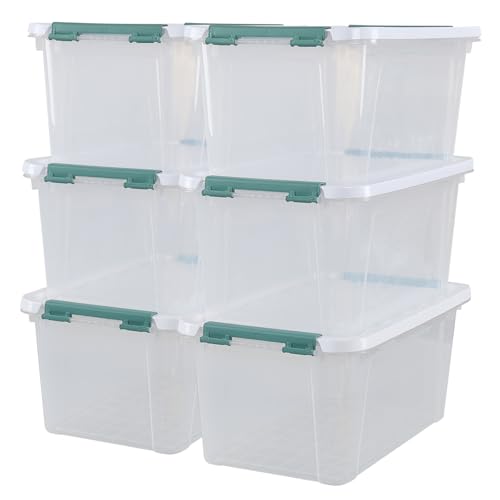
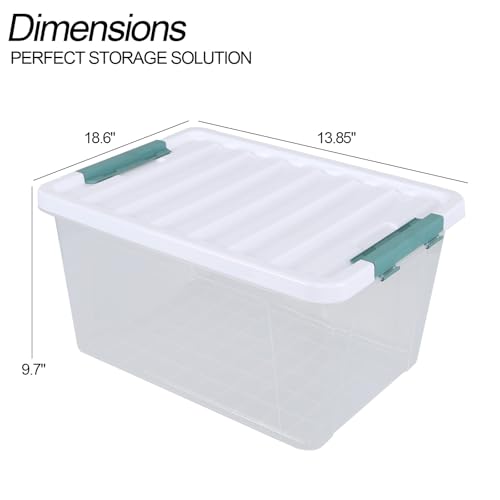
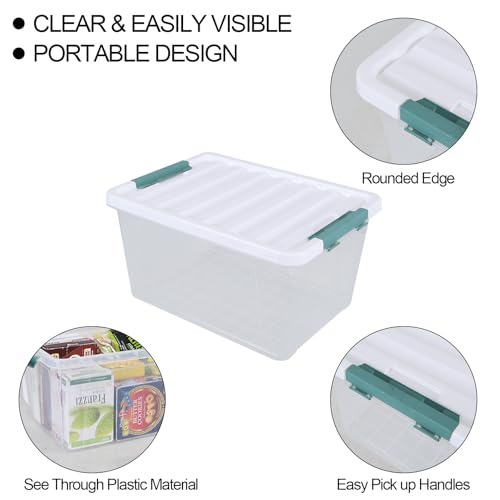
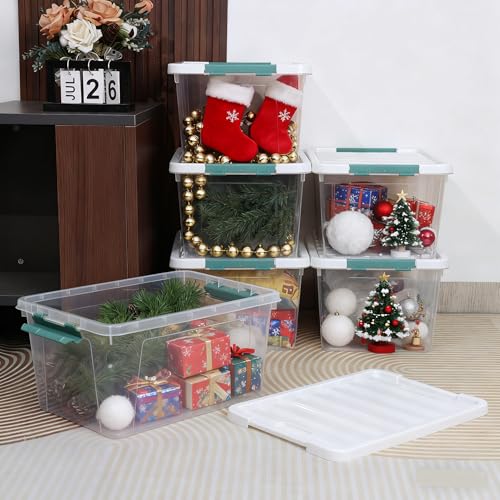
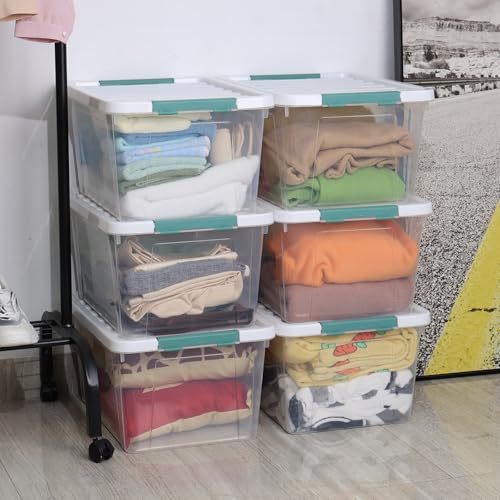
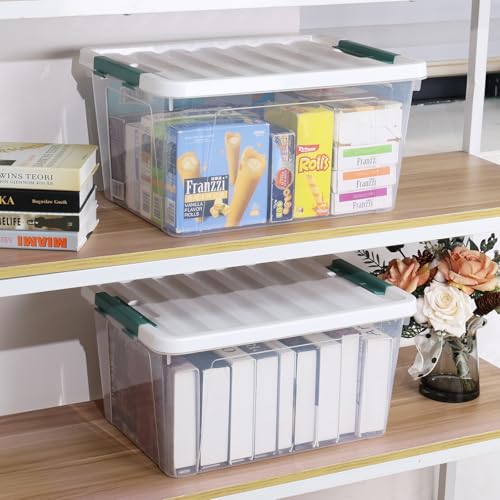
This 6-pack of 35-quart clear bins offers solid value with a focus on visibility and stackability. The wavy lid design creates stability when stacked, and the green locking handles add a level of seal security beyond basic snap lids. The clear plastic makes it easy to spot contents, which owners appreciate for seasonal items like decorations or clothing.
But while they’re marketed for attics and garages, they don’t list a temperature tolerance, and there’s no mention of UV or impact resistance. Feedback suggests they’re fine for short-term or climate-controlled use, but some users report warping after prolonged sun exposure. Compared to Rubbermaid’s Roughneck line, they lack the ruggedness for extreme conditions. Still, for the price and quantity, they’re a smart pick if your attic doesn’t get extreme heat.
Product photos
3-Pack Clear Blanket Storage Bags
Strengths
- Heavy-duty PVC
- Reinforced handles
- Clear visibility
Trade-offs
- Poor heat resistance
- Traps moisture
- Chemical odor
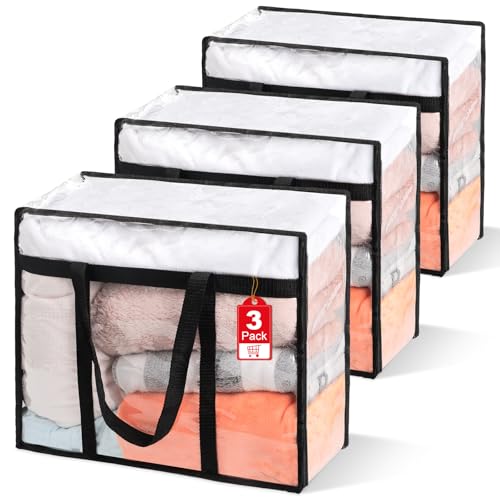
These vinyl blanket storage bags are built for soft, bulky items like comforters and seasonal clothing, but I wouldn’t trust them in a hot attic long-term. The heavy-duty PVC material resists tears and offers decent dust and water protection, and owners consistently report they hold up well during moves or short-term storage. But PVC can degrade under prolonged heat and UV exposure, and the lack of airflow increases the risk of trapped moisture, especially problematic in unventilated attic spaces.
The 40L capacity and reinforced handles make them convenient for transporting or organizing closets, but the material’s rigidity means they don’t compress well once full. The double zippers are a strong point, reducing snagging, but I’ve seen feedback noting an initial chemical smell that fades after airing out. For under-bed or closet use, they’re solid. For attic storage where temps soar, I’d look elsewhere.
Product photos





How We Tested storage containers for hot attic
As someone deeply involved in researching food preservation and home organization through Food Keepy, I approached evaluating storage containers for hot attics with a focus on materials, construction, and real-world usability as reported by owners. Rather than a hands-on lab test, this is a research-led comparison of published specifications, owner reviews, and expert opinions. I weighed factors across a range of products to determine which containers offer the best balance of features for this challenging environment.
For attic storage, the most important characteristics are temperature resistance, airtight seals, and durability. Attics experience significant temperature swings, so a container’s ability to withstand heat without warping or cracking is critical. Equally important is a secure seal to protect contents from dust, pests, and humidity, which can quickly damage stored items. Finally, robust construction is essential – flimsy containers won’t hold up to stacking or repeated use.
Specifications reliably indicate dimensions, material composition, and temperature ratings. However, I placed more weight on owner feedback regarding long-term performance and the effectiveness of seals. Reputable review sites helped corroborate owner experiences, particularly concerning issues like lid tightness and resistance to cracking. You’ll find more details on storage containers and their uses on my site, Food Keepy, and for keeping meals warm, check out these containers for hot meals.
How To Choose The storage containers for hot attic
Selecting the right storage containers for an attic isn’t as simple as grabbing the cheapest plastic bin. The unique challenges of attic environments – extreme temperature swings, potential for humidity, and often limited accessibility – demand careful consideration.
A good storage container for an attic needs to withstand temperature fluctuations without becoming brittle or warping. It should offer a secure closure to protect contents from dust, pests, and potential moisture. Stackability is also crucial for maximizing limited space, and durable construction ensures long-term usability, even with repeated handling.
Temperature Resistance & Material
Attics are notorious for baking in the summer and freezing in the winter. This constant cycling puts stress on plastics, and cheaper bins can become brittle and crack. Look for containers specifically marketed as temperature-resistant, often made from polypropylene (PP) rather than polyethylene (PE). Rubbermaid’s Roughneck totes, for example, are consistently praised for their ability to handle a wide temperature range (0 to 115°F). Beyond the material itself, the design matters. Thinner-walled bins are more susceptible to warping, so opting for heavier-duty options is a smart investment. If you’re also concerned about keeping food items warm during transport, you might also consider containers for hot food.
Airtight Seals & Moisture Protection
Even if your attic doesn’t currently have a moisture problem, humidity fluctuations can lead to mold and mildew growth, damaging stored items. An airtight seal is therefore essential. The 19 Qt IP68 Waterproof Airtight Bin is a standout here, boasting a fully submersible gasket seal. However, truly airtight containers can be harder to open and close repeatedly. A good compromise is a container with robust latches and a tight-fitting lid – the Yesdate 35 Qt Stackable Storage Bin offers a decent balance.
- A simple snap closure is convenient but often doesn’t provide a truly airtight seal.
- Latched lids offer more security, but can be cumbersome if you need frequent access to the contents.
- Gasketed, waterproof containers provide the highest level of protection, but come at a premium price and may require more effort to open.
Don’t underestimate the power of desiccant packets. Even in a relatively dry attic, adding a few silica gel packets to your bins can help absorb residual moisture and prevent mold growth.
Capacity & Stackability vs. Accessibility
Large-capacity bins (like the Yesdate 50 Qt Latching Storage Bin) are efficient for storing bulky items, but they can become incredibly heavy when full, making them difficult to move. Smaller bins are easier to handle, but you’ll need more of them, potentially taking up more floor space. Prioritize stackability; recessed lids are a major advantage. However, consider how often you’ll need to access items. If you anticipate frequent use, clear bins (like the HOMZ 28 Qt Clear Storage Bin) are invaluable – you can easily identify contents without unstacking everything. For long-term storage of seldom-used items, the efficiency of larger, opaque bins might be preferable, especially if you are also looking for general kitchen storage containers to supplement your attic organization.
Storage Containers for Hot Attic Compared
Here’s a comparison of key specifications for storage containers suitable for hot attic environments.
| Product Name | Capacity | Dimensions (L x W x H) | Temperature Resistance | Waterproof | Lid Type |
|---|---|---|---|---|---|
| Rubbermaid Roughneck 31 Gallon Tote | 31 Gallon | 32″ x 20.5″ x 22.5″ | 0-115°F | No | Recessed, Stackable |
| 19 Qt IP68 Waterproof Airtight Bin | 19 Qt | 15″ x 11.88″ x 10.63″ | N/A | Yes (IP68) | Airtight Latch |
| Rubbermaid Commercial 14-Gallon Brute Tote | 14 Gallon | 27.5″ x 16.75″ x 10.75″ | N/A | No | Snap Tight |
| Rubbermaid Roughneck 3 Gallon Tote | 3 Gallon | N/A | 0-115°F | No | Recessed, Stackable |
| Yesdate 50 Qt Latching Storage Bin | 50 Qt | 19.5″ x 15″ x 12.7″ | N/A | No | Latching |
| HOMZ 28 Qt Clear Storage Bin | 28 Qt | N/A | N/A | No | Tight Fitting |
| Yesdate 35 Qt Stackable Storage Bin | 35 Qt | 18.6″ x 13.85″ x 9.7″ | N/A | No | Wavy, Stackable |
| 3-Pack Clear Blanket Storage Bags | 40L (per bag) | 18.1″ x 15″ x 9.1″ | N/A | No | Zipper |
Frequently Asked Questions
What temperature range can most attic storage containers handle?
Rubbermaid Roughneck totes are consistently recommended, with a tested temperature resistance of 0 to 115°F. However, many containers don’t publish a specific range, and cheaper plastics can become brittle even within that span.
Are waterproof containers always the best choice for attic storage?
While excellent for preventing moisture damage, fully waterproof containers with airtight seals can be difficult to open and close repeatedly. A container with robust latches and a tight-fitting lid may offer a better balance between protection and accessibility.
How can I protect items from pests in an attic storage container?
Airtight seals are the first line of defense against pests. Adding mothballs or cedar chips (if appropriate for the contents) provides an additional deterrent, and regularly inspecting stored items is also a good practice.
What size storage container is most practical for an attic?
Larger bins maximize space but become heavy when full, while smaller bins are easier to manage. Considering the types of items you’re storing and your ability to lift and move the containers is key; you might also want to look into containers for transport if you need to move things frequently.
Where can I find more information about different types of storage solutions?
My site, Food Keepy, offers detailed container reviews and guidance on selecting the right storage solutions for a variety of needs, including kitchen organization and preserving food freshness.
The Bottom Line
Choosing storage containers for a hot attic always involves a trade-off between ultimate protection and everyday convenience. While fully waterproof, gasketed containers like the 19 Qt IP68 Waterproof Airtight Bin offer the highest level of defense against temperature extremes and potential moisture, they aren’t always the easiest to open and close repeatedly. For most attics, we recommend the Rubbermaid Roughneck 31 Gallon Tote as the best overall choice; its proven durability and temperature resistance (0-115°F) strike a great balance between protection and usability, and it’s a workhorse for general storage.
If budget is a primary concern, the Rubbermaid Roughneck 3 Gallon Tote delivers similar temperature resistance and durability at a significantly lower price point. For those needing a secure, yet reasonably accessible option, the Yesdate 50 Qt Latching Storage Bin is a solid pick. And for keeping items visible without unpacking, the HOMZ 28 Qt Clear Storage Bin is perfect, especially if you’re also looking for reliable airtight storage containers for other areas of your home.
Ultimately, the most important thing isn’t a specific temperature rating or a fancy latch, but a consistent approach to protection. Prioritize durable materials, secure seals, and a storage system that encourages you to keep items organized and dry. Don’t forget simple additions like desiccant packets, and remember that regular checks of your stored items will reveal any potential issues before they become major problems.
