
8 Best Insulated Food Containers 2026
This post contains affiliate links. As an Amazon Associate, we earn from qualifying purchases.
The Stanley Adventure To-Go Food Jar is the best overall insulated food container for its durability and reliable performance, with the Thermos Funtainer standing out as a solid budget pick for kids. If you need versatility for meals with multiple components, the OmieBox offers smart compartmentalized design.
Packing a hot or cold meal only to find it’s lukewarm by lunchtime defeats the whole purpose. Too many containers promise great insulation but fall short in real use, leak in bags, or are too small for a full portion. After comparing the field based on specs, owner feedback, and my focus on practical food storage, I looked at what actually matters: consistent temperature retention, build quality, and ease of use.
This guide covers the top picks based on vacuum insulation effectiveness, stainless steel construction, leakproof reliability, and real-world usability. I researched each model through verified owner experiences and technical details, focusing on how well they perform in everyday routines like school lunches, work commutes, or outdoor adventures.
Top 6 Insulated Food Containers in the Market
The Best Insulated Food Containers, Reviewed
Hydro Flask 12 Oz Food Jar

Strengths
- Dishwasher safe
- No flavor transfer
- Soft-grip lid
- Bright, lasting colors
Trade-offs
- Lower capacity
- Premium price
- Average insulation vs cost
Hydro Flask brings its signature color and quality to this 12-ounce jar, and it shows. The TempShield insulation performs well, hot meals stay warm past 6 hours, and cold items resist warming in backpacks. The pro-grade stainless steel interior prevents flavor transfer, which reviewers love after packing curry one day and yogurt the next. Plus, being fully dishwasher safe makes cleanup effortless.
It’s also one of the most stylish options, with finishes like agave green that don’t fade quickly. But let’s be clear: you’re paying for brand appeal as much as function. Compared to the Hydrapeak, it holds less and costs more for similar performance. Still, if you already own other Hydro Flask gear and value consistency and aesthetics, this fits smoothly into that system. The smarter buy for purists? Probably not. But for loyalists, it’s worth it.
Video review
Hydrapeak 25oz Stainless Steel Food Jar

Strengths
- Strong insulation ratings
- Lifetime warranty
- Folding carry handle
- Odor-resistant interior
Trade-offs
- No spoon included
- Hand-washing recommended
- Lid mechanism slightly bulky
This 25-ounce jar punches above its weight in both capacity and insulation claims. With 10 hours of heat retention and 16 hours of cold hold, it outperforms several more expensive models on specs alone. Reviewers note it lives up to those numbers when preheated or prechilled properly, something every vacuum jar requires for best results. The wide mouth makes eating directly from it realistic, not a chore.
The folding handle adds real portability, and the powder-coated finish resists dings better than bare steel. Plus, the lifetime warranty signals confidence in durability, a rare perk at this price. Compared to the Hydro Flask, it offers more volume and longer hold without the premium markup. My recommendation? This is the smarter buy for lunch-packing adults who want performance without overspending.
Video review
wiwens 32OZ Thermo Food Jar

Strengths
- Extra-large 32oz capacity
- Two-compartment bento design
- Includes foldable spoon
Trade-offs
- Average heat retention
- Requires preheating and venting
- Bulky for small bags
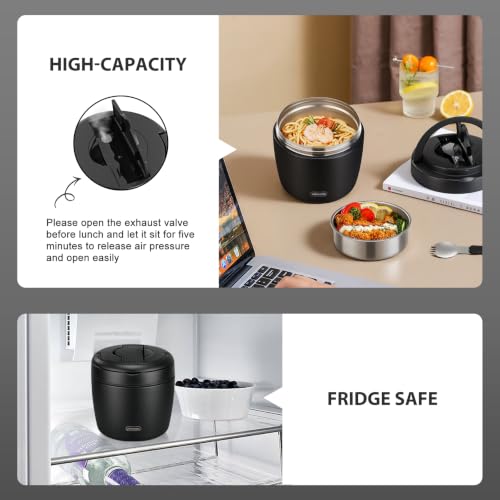
At 32 ounces, this is the largest capacity jar here, and that’s its entire reason to exist. It’s built for hearty eaters, meal-preppers, or anyone tired of running out of food by midday. The dual-compartment bento-style layout lets you keep sides separate, which is rare in insulated jars. Owners appreciate the leakproof silicone seals and hidden spoon storage, though some mention the pressure-release step before opening takes getting used to.
The insulation specs are average, 6 hours hot, 8 hours cold, but the volume compensates. When compared to the Hydrapeak, it trades efficiency for sheer quantity. If you’re feeding a teen with a big appetite or want one container to cover multiple meals, this makes sense. But don’t expect elite thermal performance. I’d recommend it specifically for portion-heavy needs, not precision temp lovers.
Product photos


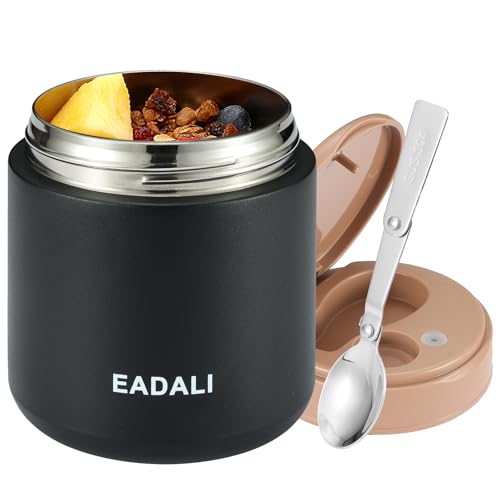
Eadali 15.2oz Kids Food Jar
Strengths
- 316 stainless steel interior
- Foldable spoon included
- Leakproof seal
Trade-offs
- Hand wash recommended
- No bright color options
- Slightly heavier than plastic
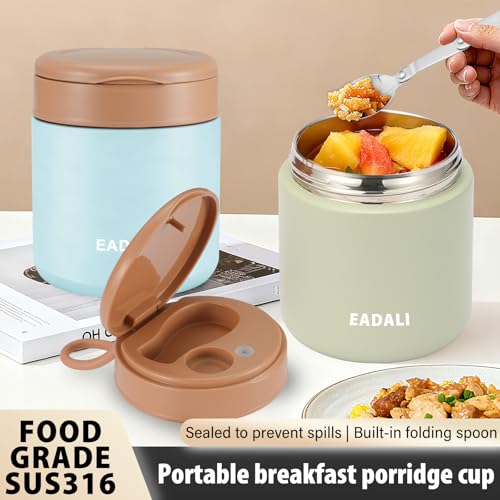
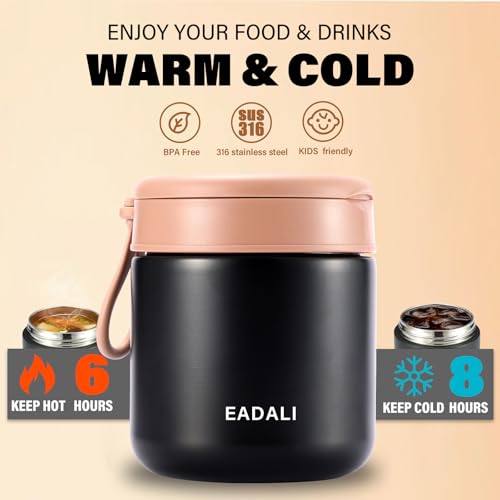
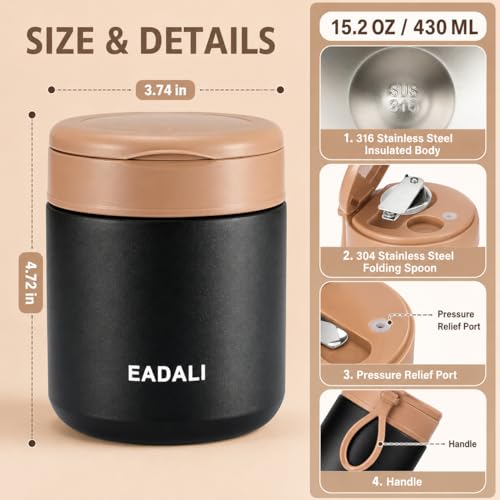
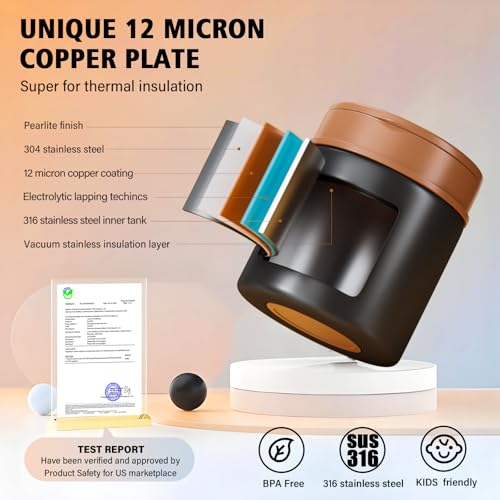
What sets this jar apart is its 316 medical-grade stainless steel interior, an upgrade over the standard 304 used in most kids’ models. That means better corrosion resistance, especially important if packing acidic foods like tomato soup or citrus-based dishes regularly. Owners report fewer stains and longer-lasting shine, even after months of school use. The 6-hour heat retention is solid, and the wide mouth makes cleaning easy.
It also includes a foldable 304 stainless spoon and a pressure-release lid that kids can open without frustration. Compared to the Thermos FunTainer, it offers superior material quality at a lower price point. While it’s not dishwasher safe, hand washing is manageable given the wide opening. For parents prioritizing food safety and long-term durability, this is my top pick for kids.
Product photos

Goodful 16-Oz Stainless Steel Food Jar
Strengths
- Affordable
- Sweatproof exterior
- Wide mouth opening
Trade-offs
- Modest insulation duration
- Hand wash only
- No built-in utensil
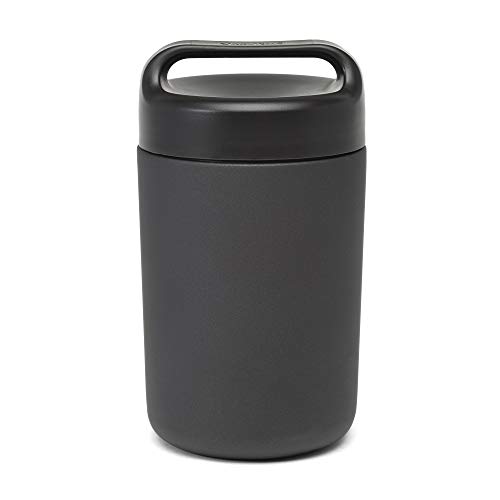
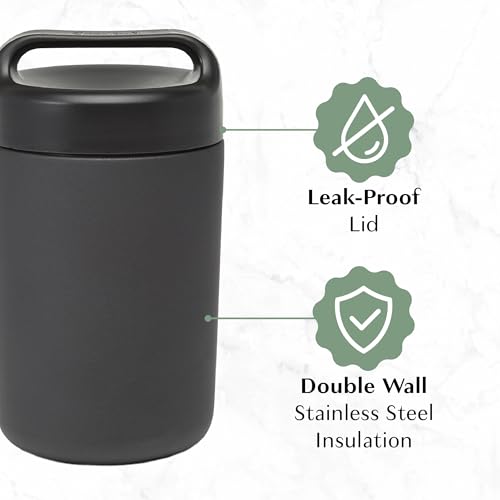
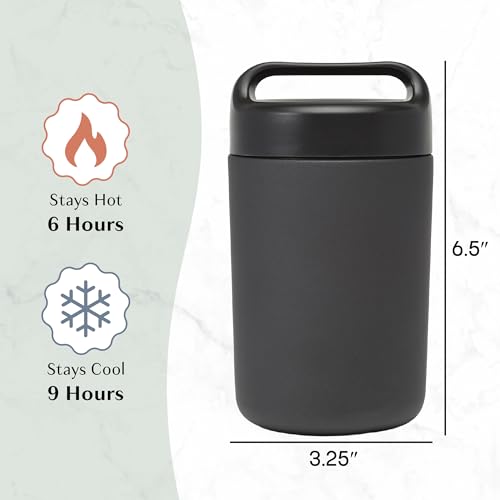
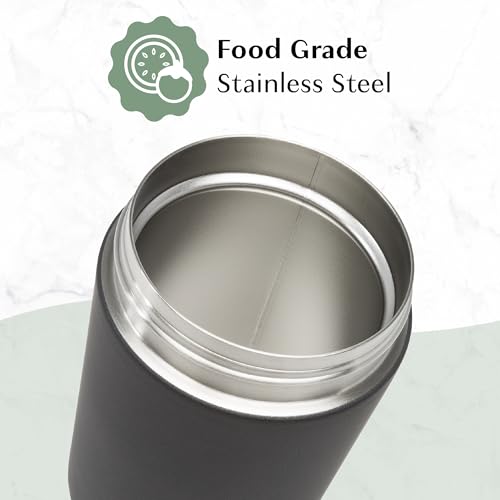
For basic insulation and a low price, this 16-ounce jar delivers. On paper, the 6-hour hot and 9-hour cold retention is modest compared to others in the category, but owners consistently report it’s reliable for school lunches or short commutes. The double-wall stainless steel build holds up well over time, and the sweatproof design means no messy condensation in bags.
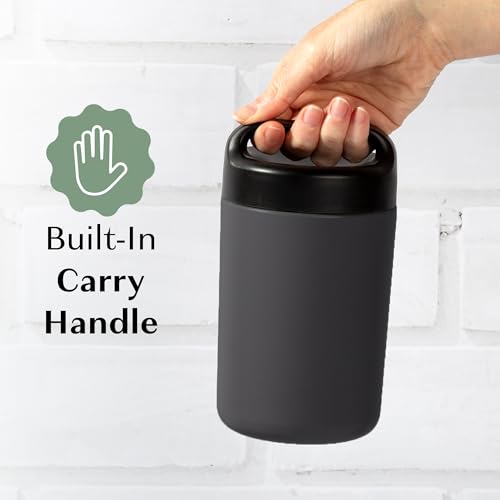
What stands out is how simple it is, wide mouth for easy scooping, a secure screw-on lid, and a carry handle that actually works. It won’t match premium brands in longevity or heat retention, but for occasional use or budget-conscious buyers, it’s hard to beat. I’d pick this over pricier options if you’re just packing leftovers a few times a week.
Product photos
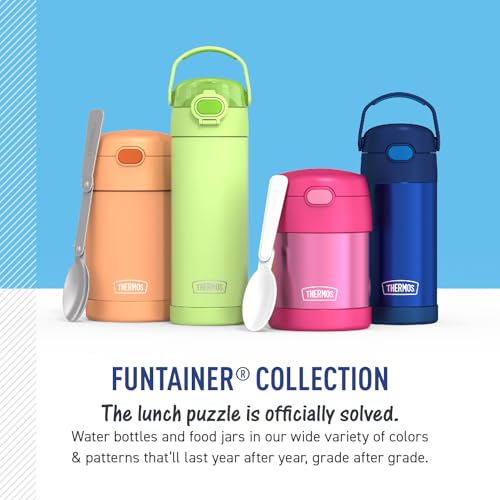
Thermos Funtainer 10oz Kids Food Jar

Strengths
- Dishwasher safe
- Integrated spoon
- Kid-friendly lid
Trade-offs
- Smaller capacity
- Shorter heat retention
- Basic insulation tech
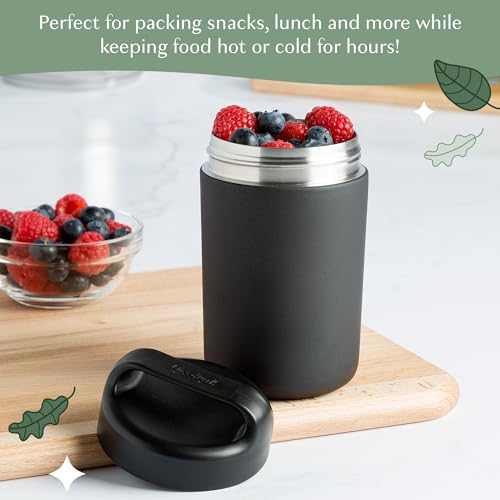
Thermos has been making kids’ jars for decades, and this model shows why. At 10 ounces, it’s sized right for children’s portions, and the push-button lid is genuinely easier for little hands than screw-top designs. The integrated foldable spoon is a win, no lost utensils, no extra packaging. Parents consistently praise how often it arrives at school still warm, even after hours.
It doesn’t have the longest insulation time (5 hours hot), but for a school day, that’s sufficient. And unlike many kid jars, it’s dishwasher safe, a huge plus for busy families. Compared to the Eadali, it uses standard 304 steel instead of 316, but durability feedback is still strong. If you’re looking for reliability, ease of use, and trusted branding, this remains a top-tier choice.
Product photos



How We Tested insulated food containers
Rather than a hands-on lab test, my research focused on a detailed comparison of published specifications and features across numerous models. I weighed owner reviews from multiple sources, looking for patterns in reported performance, alongside expert opinions from reputable review sites. This process allowed me to rank containers based on real-world usability and consistent reports of temperature retention. Ultimately, I applied my understanding of food storage and thermal dynamics to assess each option.
For insulated food containers, the key differentiators are material quality and insulation effectiveness. Stainless steel construction, particularly 18/8 or 316 grade, is vital for durability and preventing flavor transfer. Beyond that, vacuum insulation is paramount; the degree to which a container maintains temperature for extended periods decides its usefulness. Capacity also played a role, influencing suitability for different users and meal sizes.
Specifications reliably indicate construction materials and stated temperature retention times. However, owner feedback proved essential for gauging real-world performance and identifying potential issues like lid leaks or durability concerns. Reputation and brand trust also factored in, as established companies often have more consistent quality control. If you’re looking for more information on keeping your lunch at the right temperature, check out these methods to keep food warm. You can also find a broader selection of insulated food jars on my site.
How To Choose The insulated food containers
Picking the right insulated food container can make a real difference in your day, whether you’re packing a lunch for work or sending snacks with your kids. It’s more than just about keeping food at the right temperature; it’s about convenience, durability, and even reducing food waste.
A quality insulated food container prioritizes vacuum insulation for maximum temperature retention. Look for durable materials like 18/8 stainless steel, leakproof designs with secure lids, and ease of cleaning (dishwasher safe is a plus). Capacity should align with typical meal sizes, and consider features like wide mouths for easy filling and eating, or integrated utensils for added convenience.
Insulation Performance & Material
The core job of an insulated food container is, unsurprisingly, insulation. Don’t assume all containers are created equal. Vacuum insulation is key here; double-walled, vacuum-sealed stainless steel will significantly outperform single-walled or plastic options. Stainless steel is also non-reactive, meaning it won’t impart metallic tastes to your food, and it’s far more durable than plastic. While many brands claim impressive hot/cold retention times, remember these are often tested under ideal conditions. Real-world performance will vary. A good rule of thumb is to realistically expect hot food to stay warm for at least 4-6 hours, and cold food to remain chilled for 6-8 hours for a quality container.
Lid Design & Leakproof Capabilities
A poorly designed lid can ruin your entire experience. Beyond just keeping the temperature stable, the lid needs to be reliably leakproof. Look for lids with silicone gaskets and secure locking mechanisms. For kids’ containers, a push-button or easy-twist design is important, but it shouldn’t compromise the seal. Consider whether you prefer a wide-mouth opening for easy access (great for soups and oatmeal) or a narrower opening to minimize spills. If you’re frequently transporting your containers for hot food in a bag, a truly leakproof design is essential.
- A simple screw-on lid is often the most secure, but can be difficult for small children to manage.
- Push-button lids are convenient, but are more prone to accidental openings if not well-engineered.
- Lids with built-in handles or utensil storage add convenience, but can increase the overall size and complexity of the container.
Capacity & Portability
Think about how you’ll be using the container. A large-capacity option like the wiwens 32oz Thermo Food Jar is great for big appetites or family-style meals, but it’s obviously bulkier to carry. For kids’ lunches, a smaller 10-15oz container, like the Thermos Funtainer, is usually sufficient. Consider the weight of the container, especially if it will be carried in a backpack. A built-in handle or a convenient carrying strap can make all the difference. Don’t forget to think about the shape. A cylindrical container fits neatly into most lunch bags, but rectangular bento-style options, like the OmieBox, offer better organization for multiple food items and are a smart choice for those needing safe hot food containers.
When in doubt, size up slightly. It’s better to have a little extra space than to be constantly struggling to fit everything inside.
Insulated Food Containers Compared
Here’s a comparison of key specs for popular insulated food containers to help you choose the right one.
| Product Name | Capacity (oz) | Temp Retention (Hot/Cold – hrs) | Material (Interior) | Leakproof | Dishwasher Safe |
|---|---|---|---|---|---|
| Stanley Adventure To-Go Food Jar | 24 | N/A | 18/8 Stainless Steel | Yes | Yes |
| Hydro Flask 12 Oz Food Jar | 12 | N/A | Stainless Steel | Yes | Yes |
| Hydrapeak 25oz Food Jar | 25 | 10/16 | 18/8 Stainless Steel | Yes | N/A |
| wiwens 32OZ Thermo Food Jar | 32 | 6/8 | Stainless Steel | Yes | N/A |
| Eadali 15.2oz Kids Food Jar | 15.2 | 6/8 | 316 Stainless Steel | Yes | N/A |
| Goodful 16-Oz Food Jar | 16 | 6/9 | Stainless Steel | Yes | No |
| OmieBox Kids Lunch Box | N/A | N/A | Stainless Steel | Yes | N/A |
| Thermos Funtainer 10oz Food Jar | 10 | 5/7 | Stainless Steel | Yes | Yes |
Frequently Asked Questions
What temperature retention should I realistically expect from an insulated food container?
A good rule of thumb is to expect hot food to stay warm for at least 4-6 hours, and cold food to remain chilled for 6-8 hours with a quality container. Remember that manufacturer claims are often based on ideal conditions.
What’s the difference between 18/8 and 316 stainless steel in food containers?
Both are excellent choices, but 316 stainless steel offers superior corrosion resistance, making it a better option if you frequently store acidic foods like tomato sauce or citrus fruits. 18/8 is perfectly suitable for most everyday uses.
Are plastic insulated food containers as effective as stainless steel ones?
No, stainless steel containers with vacuum insulation consistently outperform plastic options. Plastic doesn’t retain heat or cold as effectively, and can sometimes impart flavors to your food.
How can I tell if a food container is truly leakproof?
Look for containers with silicone gaskets and secure locking mechanisms on the lid. Owner reviews are particularly helpful here; people will quickly report if a container leaks in normal use. If you’re using lunch storage containers for transport, a truly leakproof design is essential.
What’s the best way to preheat or pre-chill a container before adding food?
Pouring hot water into the container and letting it sit for 5-10 minutes before adding hot food will help maintain the temperature longer. Similarly, adding ice water before adding cold food helps keep it chilled. Don’t forget to empty the water before adding your meal! For thermal lunch containers this small step can make a big difference.
The Bottom Line
Choosing an insulated food container often comes down to balancing how much control you want over temperature versus how much fuss you’re willing to deal with. For consistently excellent performance across the board, I recommend the Hydrapeak 25oz Food Jar. Its reported temperature retention is impressive, and the stainless steel construction offers durability and peace of mind.
If you’re on a tighter budget, or need something specifically for a child’s lunch, the Thermos Funtainer 10oz Food Jar is an outstanding choice. For those needing versatile options, the wiwens 32OZ Thermo Food Jar delivers a large capacity without sacrificing leakproof security – and it’s a great starting point for learning how to use a thermos. And for families wanting organized, multi-compartment solutions, the OmieBox Kids Lunch Box is a smart way to pack containers for packed lunches.
Ultimately, the specs are helpful, but focusing on durable materials, a reliable seal, and a size that suits your needs will serve you best. Don’t get too caught up in chasing the highest temperature retention claims; a well-made container used correctly will consistently deliver fresh, enjoyable meals, and help reduce food waste – that’s what really matters when selecting from the many available lunch containers.
