
7 Best Water Storage Containers for Home (2026 Guide)
This post contains affiliate links. As an Amazon Associate, we earn from qualifying purchases.
The Reliance Products 55 Gallon Stackable Emergency Water Tank is our top pick for long-term home storage thanks to its massive capacity and rugged build. For a more budget-friendly and manageable option, the 5-Gallon Stackable Water Containers offer solid performance and space-saving design. If you need flexibility, the 63 Gal Foldable Water Bladder works well for temporary or off-grid setups.
Most people don’t realize how quickly their water needs add up during an outage or emergency. A container that looks big on the shelf might only supply one person for a few days. And if it’s hard to fill, leaks over time, or takes up too much space, it won’t be useful when you actually need it.
This guide cuts through the noise by focusing on real-world reliability, safety, and practicality. I compared specs, read owner feedback, and applied what I’ve learned about food and water storage to find the best options for different home scenarios.
Top 7 Water Storage Containers For Home in the Market
The Best Water Storage Containers For Home, Reviewed
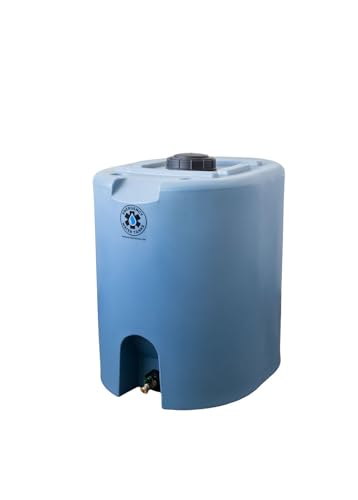
55 Gallon Stackable Emergency Water Tank
Strengths
- High-capacity
- Stackable design
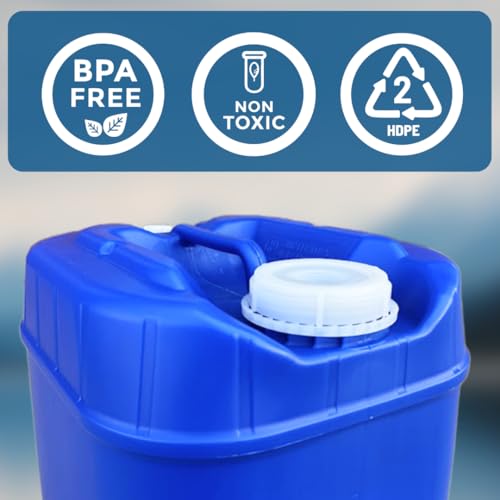
- BPA-free material
- Durable construction
- Easy cleaning access
Trade-offs
- Heavy when full
- Bulky footprint
- Spigot not heavy-duty
This 55-gallon tank is the kind of preparedness investment that makes sense if you’re serious about long-term water storage. The stackable design is a real space-saver, and owners consistently report it fits well in basements or garages without dominating the floor plan. On paper, the rotational molding gives it serious durability, and the fact that it’s made from food-grade, BPA-free polyethylene means it meets the baseline for safe potable water storage.
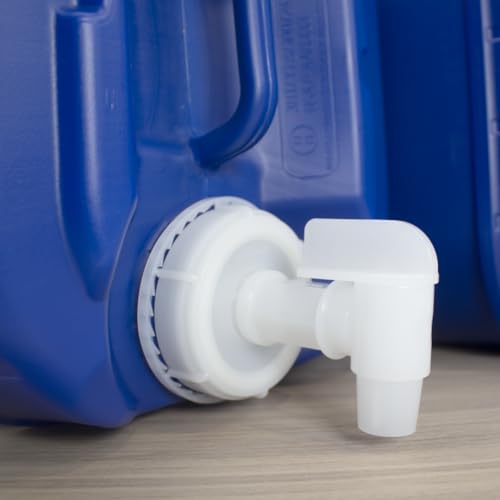
The 5-inch twist lid and brass spigot are functional, though some reviewers note the spigot could be sturdier for frequent use. But for emergency rotation, filling, draining, and refilling every few months, it’s more than adequate. Compared to smaller stackable jugs, this unit holds enough for a family without constant refilling, which I appreciate from a practicality standpoint. My recommendation leans toward preppers or off-grid households who want one robust, stationary solution over multiple smaller containers.
Video review
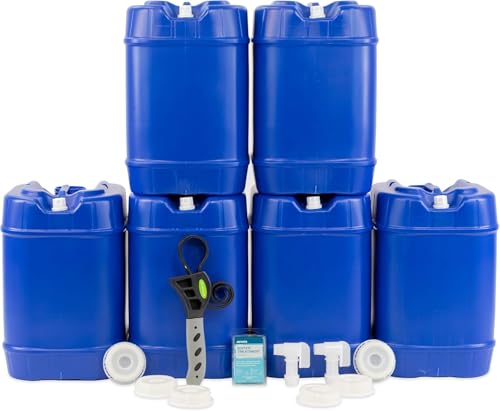
5-Gallon Stackable Water Containers (6-Pack)
Strengths
- BPA-free material
- Light-blocking design
- Includes treatment drops
- Stackable
- Easy to handle
Trade-offs
- Expensive for capacity
- Spigots may leak over time
- Takes up more footprint when unstacked
This 6-pack delivers 30 gallons of BPA-free, food-grade storage with thoughtful design touches, like light-blocking blue walls and stackable ribs, that matter for long-term freshness. The included water treatment drops are a nice perk, aligning with best practices for preventing algae and bacterial growth without constant rotation. Owners report the spigots work smoothly, and the built-in handles make moving them manageable, even when full.
Compared to single large tanks, this modular setup offers more flexibility, store some in the pantry, some in the garage, rotate as needed. But at nearly the same price as the 55-gallon tank, the value proposition gets shaky unless you specifically want distributed storage. For most home kitchens, I’d still lean toward this over one massive tank simply because it’s easier to manage in stages.
Video review
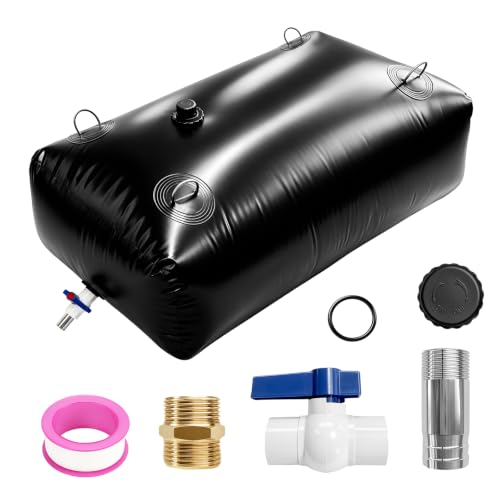
63 Gal Foldable Water Bladder
Strengths
- Large capacity
- Folds flat
- Lightweight
- UV-resistant
- Easy setup
Trade-offs
- Not for drinking water
- Cannot be lifted when full
- Not puncture-proof
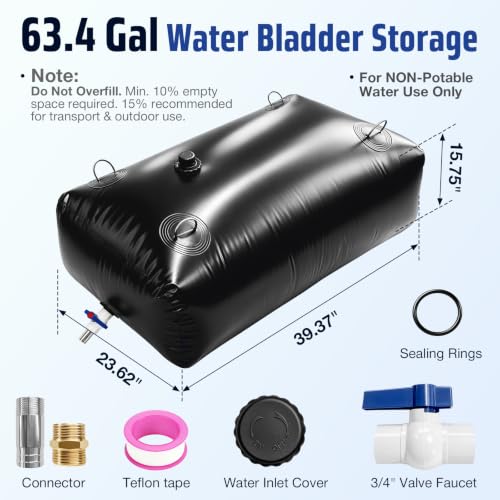
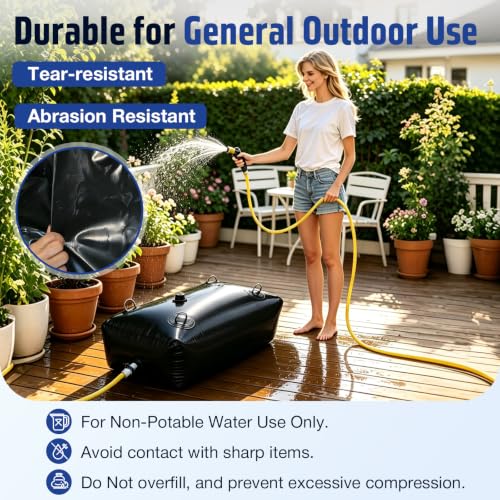
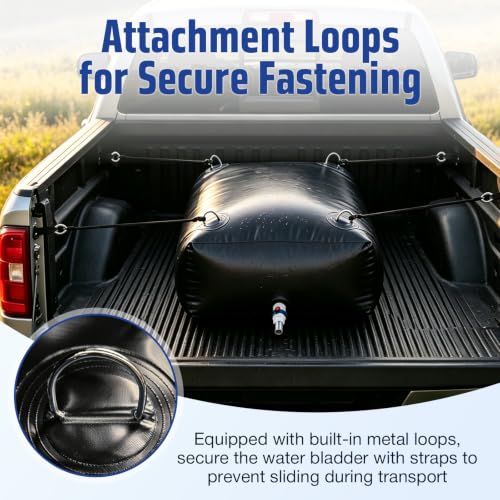
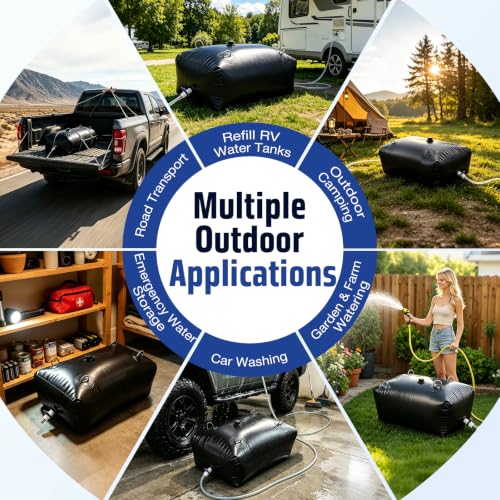
If you need serious capacity without permanent installation, this 63-gallon foldable bladder is surprisingly capable. It’s designed for non-potable use, so not for drinking water unless filtered, but its rugged PVC-coated polyester mesh holds up well in outdoor and emergency scenarios. The ability to fold flat when empty is a major win for storage, and owners praise how easily it fits into RVs, sheds, or under stairs when not in use.
It’s not meant to be moved once full, which is a hard limitation, but for rainwater collection or irrigation, it’s a smart buy. Compared to rigid tanks, it adapts to uneven surfaces, making it ideal for temporary setups. I’d pick this over a hard tank if you’re rotating between locations or need flexibility, just don’t expect spill-proof portability after filling.
Product photos

Collapsible Water Container 5.3 Gal (2-Pack)
Strengths
- Affordable
- Leakproof design
- Spigot included
- Foldable
- Odorless material
Trade-offs
- No UV protection
- Clear plastic
- Spigot not removable
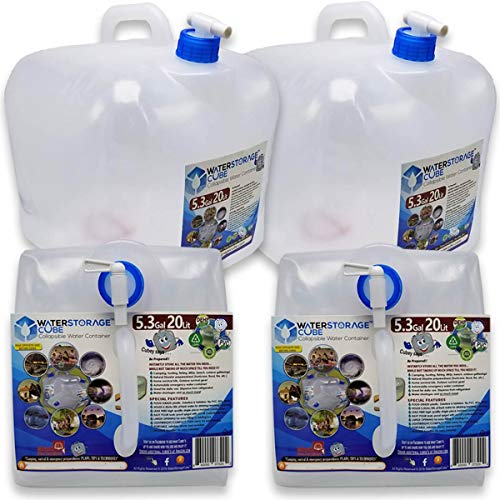
At 5.3 gallons per unit, this 2-pack offers a rare middle ground, more capacity than a hiking bladder, more portability than a 5-gallon jug. The 1-piece, gasketless design means fewer failure points, and owners consistently report no leaks even after repeated folding. The included eBook on emergency prep is a small but thoughtful touch, especially for new preppers.
It’s transparent, so not ideal for long-term sunlight exposure, but the material is BPA-free and doesn’t retain odors. Compared to other collapsible options, the spigot is sturdier and offers better flow control. I’d recommend this as a budget-friendly workhorse for short-term emergencies or event use, especially since you get two.
Product photos


CoreMuse 2 Gallon Collapsible Water Jug
Strengths
- Ultra-portable
- Foldable design
- Lightweight
- Leakproof
- Easy to carry
Trade-offs
- Small capacity
- Not for long-term storage
- Spout can degrade over time
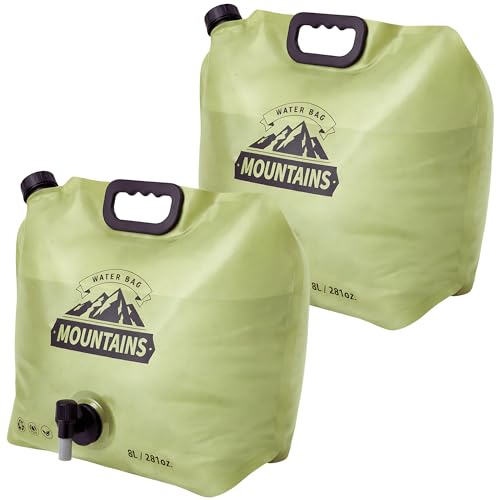
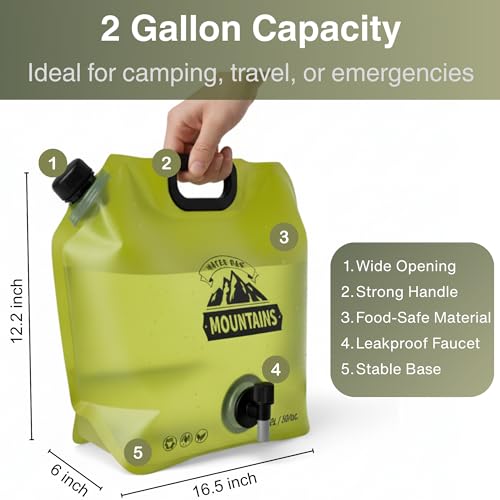
These 2-gallon collapsible jugs are ideal for light travel or topping off hydration needs during short trips. The separated inlet and outlet design actually works, owners note fewer spills when refilling, and the spout delivers smooth pouring. At this size, they’re easy for kids or older adults to handle, which makes them a quiet win for family camping.
Compared to rigid jugs, they fold nearly flat, saving precious space in a packed car. The material is odorless and holds up to repeated use, though not meant for years of storage. I’d pick these over hard jugs if you’re frequently on the move and need something disposable in form but durable in function. They’re not for bulk storage, but they excel at portability.
Product photos



FastRack 5 Gallon Hedpak (Single)

Strengths
- Brewing-friendly design
- Leak-proof seal
- Square shape saves space
- Graduated markings
- Durable build
Trade-offs
- No spigot
- Limited to 5 gallons
- Not stackable
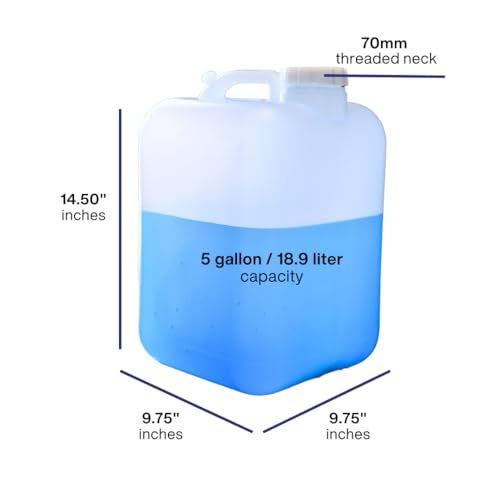
This Hedpak stands out for homebrewers and fermenters, not just general water storage. The 70 mm threaded cap creates a tight seal, critical when fermenting kombucha or beer, and the square shape makes it easy to store in tight corners or under counters. It’s made from food-grade, BPA-free plastic, and owners consistently note it doesn’t impart flavors, which is essential when brewing.
Compared to standard water jugs, it’s more durable and purpose-built. The lack of a spigot is a trade-off, but for batch fermentation, that’s often preferable. I’d pick this over generic containers if you’re serious about brewing, it’s a specialist tool that doubles as emergency storage. For everyday water, it’s overkill.
Product photos
Aguaprep 5-Gallon Stackable Water Tanks
Strengths
- Made in USA
- Stable flat base
- Includes spigot
- Extra lids included
- Leak-proof design
Trade-offs
- No light-blocking tint
- Spigot not as durable long-term
- Limited capacity per unit
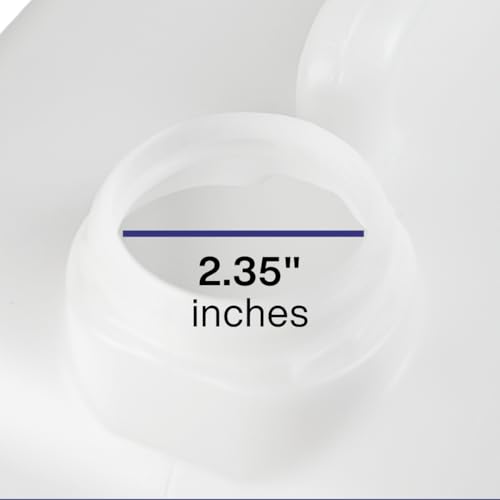
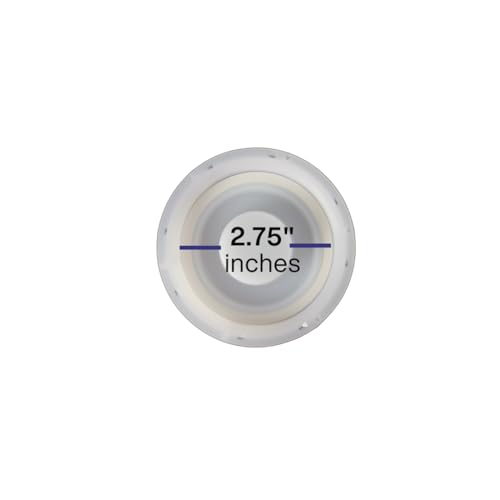
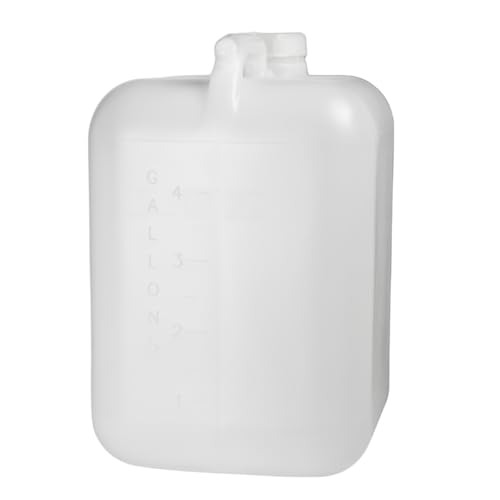
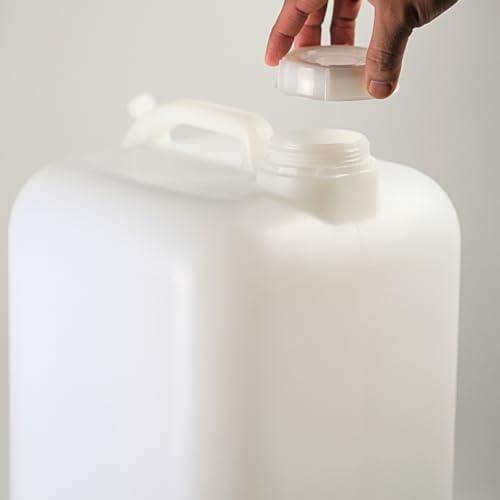
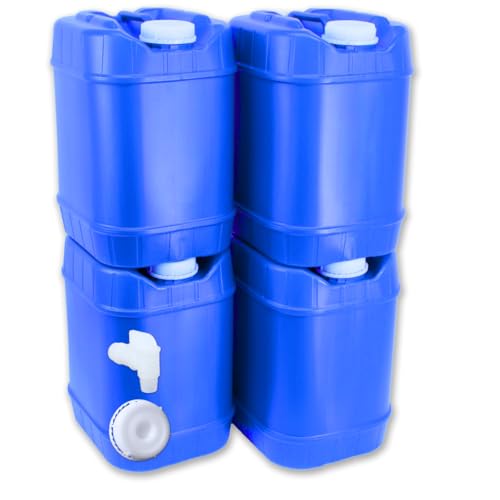
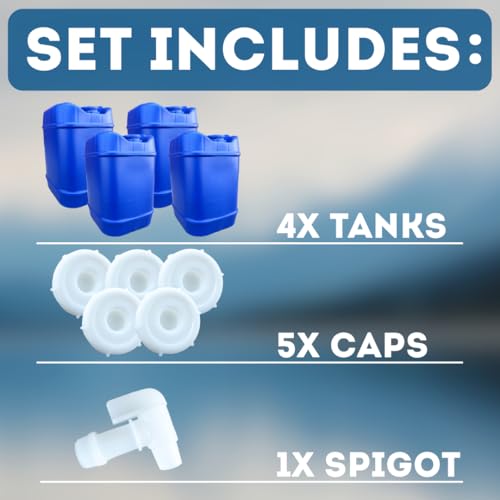
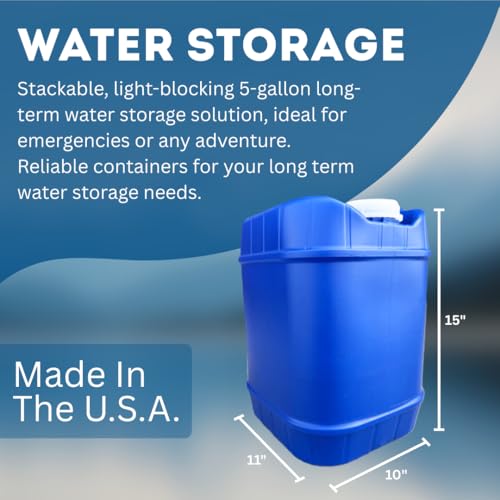
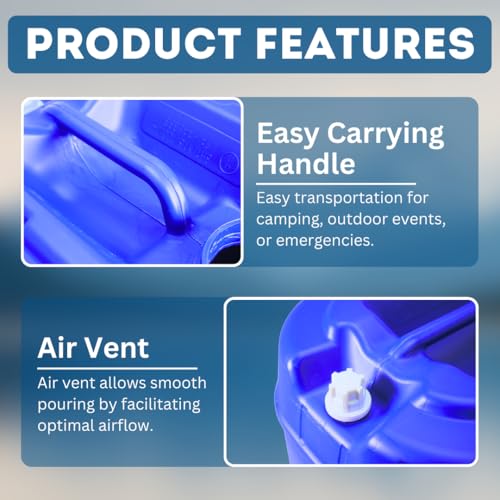
This 4-pack gives you 20 gallons of BPA-free, stackable storage with a practical set of accessories, extra lids and a spigot included. The flat base design adds stability, which matters when pouring from a full jug, and owners report the thick walls resist cracking even in colder garages. Made in the USA, which some buyers prioritize for quality assurance.
Compared to other 5-gallon sets, it strikes a solid balance between price and function. It doesn’t include water treatment drops like the 6-pack, but the included spigot and extra lids make access easier. I’d recommend this over pricier packs for budget-conscious preppers who still want reliability. It’s not flashy, but it does the job without fuss.
Product photos
Our Testing Process
Rather than a hands-on lab test, my research focused on a detailed comparison of published specifications and features across numerous water storage containers. I weighed owner reviews from multiple retailers alongside expert opinions found in preparedness and outdoor recreation publications. Applying my experience in food storage and kitchen organization, I ranked these containers based on criteria important for home use – capacity, durability, portability, and ease of use.
For this category, the most heavily weighted factors were long-term storage reliability and material safety. Consistent access to potable water is critical in emergencies, so a container’s ability to maintain water quality over time is paramount. Durability also matters significantly; a container that cracks or leaks is useless, regardless of capacity. Ultimately, the best options balance these needs with practical considerations like stackability and ease of filling.
Specifications reliably indicate capacity, dimensions, and construction materials. However, I relied on owner feedback to assess real-world performance – specifically, reports of leaks, odor transfer, and spigot durability. Reputation and brand history also played a role, as manufacturers with a proven track record of quality tend to deliver more dependable products. For those concerned about plastic, exploring non-plastic containers is a great option. You can find more details about the best options for extended preparedness in our guide to long-term water storage.
Choosing The Right water storage containers for home
Choosing the right water storage container depends heavily on your needs. Are you preparing for emergencies, needing water for off-grid living, or simply wanting a convenient way to transport water for camping?
A good water storage container prioritizes safety, durability, and ease of use. Look for food-grade, BPA-free materials, robust construction to avoid leaks, and features that make filling, dispensing, and cleaning straightforward. Consider capacity relative to your needs, and whether portability or long-term stationary storage is more important.
Capacity & Use Case
The first thing I consider when recommending water storage is how much you realistically need to store and why. A small, collapsible container like the CoreMuse 2 Gallon Collapsible Water Jug is fantastic for day trips or backpacking, but won’t cut it for serious emergency preparedness. Conversely, a 55-gallon tank, like the 55 Gallon Stackable Emergency Water Tank, is overkill for a weekend camping trip. Think about how many people you’re supplying water for, and for how long. Don’t forget to factor in water usage for pets, too! Some people find that a combination of sizes is ideal – a large stationary tank for home and smaller, portable options for travel.
Material & Durability
Not all plastics are created equal. Look for containers made from food-grade, BPA-free polyethylene or similar materials. This ensures the water remains safe to drink and won’t leach harmful chemicals. Beyond the material itself, construction matters. Rotationally molded polyethylene (as seen in some larger tanks) is incredibly durable and resistant to impacts. If you’re considering a foldable bladder, like the 63 Gal Foldable Water Bladder, pay attention to the material’s resistance to punctures and UV rays. These can degrade over time, especially with prolonged sun exposure.
- For long-term storage (over six months), containers with light-blocking exteriors (like the 5-Gallon Stackable Water Containers) are beneficial, as light can promote algae growth.
- Spigots are convenient, but ensure they are made of durable materials (brass is a good sign) and have a secure seal to prevent leaks.
- Stackable designs (found in the 5-Gallon Stackable Water Containers) are a huge space saver, but verify the containers are truly stable when stacked, especially when full.
A container’s lifespan is only as good as its build. Don’t skimp on quality; a leaky or cracked container renders your stored water useless.
Features & Value
Beyond the basics, certain features can significantly enhance usability. Pre-assembled fittings (like those found on the 63 Gal Foldable Water Bladder) save time and effort. Water treatment drops (included with some 5-gallon containers) offer peace of mind for long-term storage, eliminating the need for frequent water rotation. And if you’re interested in fermentation or brewing, specialized containers like the FastRack 5 Gallon Hedpak are worth considering. When evaluating value, don’t just look at the upfront cost. Consider the longevity of the container, included accessories, and whether it meets your specific needs. You might also want to explore other containers for water storage options. Often, a slightly more expensive, higher-quality container will save you money in the long run by avoiding replacements. Speaking of storage, don’t forget to check out some top-rated storage containers for all your kitchen needs!
Water Storage Containers for Home Compared
Here’s a comparison of key specifications for various water storage containers designed for home use.
| Product Title | Capacity | Stackable | Spigot Included | Material | Dimensions (approx.) |
|---|---|---|---|---|---|
| 55 Gallon Stackable Emergency Water Tank | 55 Gallons | Yes | Yes | Polyethylene | N/A |
| 5-Gallon Stackable Water Containers (6-Pack) | 30 Gallons (6 x 5) | Yes | Yes (2 total) | BPA-Free Plastic | 15″ x 10″ x 12″ |
| 63 Gal Foldable Water Bladder | 63 Gallons | No | Yes | PVC-coated Polyester | 39.4″ x 23.6″ x 15.8″ |
| Collapsible Water Container 5.3 Gal (2-Pack) | 10.6 Gallons (2 x 5.3) | No | Yes | PE Plastic | N/A |
| CoreMuse 2 Gallon Collapsible Water Jug | 2.1 Gallons | No | No | N/A | N/A |
| FastRack 5 Gallon Hedpak (Single) | 5 Gallons | Yes | No | Food-Grade Plastic | N/A |
| Aguaprep 5-Gallon Stackable Water Tanks | 5 Gallons (single) | Yes | Yes | Food-Grade Plastic | N/A |
Frequently Asked Questions
What size water storage container is best for emergency preparedness?
For a family of four, I recommend at least 18-20 gallons of water storage, or roughly 3 gallons per person. This covers drinking and basic sanitation for a minimum of three days, but expanding to a larger supply – 55 gallons or more – provides a greater margin of safety, especially when considering safe long-term water storage.
Are all plastic water storage containers safe to use?
Not all plastics are equal; look specifically for containers labeled as food-grade and BPA-free. Polyethylene is a commonly used, safe material, but always check the product details to confirm it won’t leach harmful chemicals into your water supply.
How often should I replace the water in my storage containers?
The general recommendation is to rotate stored water every six months to maintain freshness. However, with proper sanitation and the addition of water treatment drops, you can extend this timeframe, though regular rotation is still best practice for optimal quality.
What’s the benefit of a stackable water storage container?
Stackable containers are a huge advantage when space is limited. They allow you to maximize vertical storage, keeping your preparedness supplies organized and out of the way, and are especially helpful for those looking for efficient kitchen storage containers.
What features should I look for in a water storage container spigot?
A durable spigot is essential to prevent leaks and ensure easy access to your water. Brass spigots are generally more reliable than plastic ones, and I suggest checking owner reviews to see if a particular spigot is prone to cracking or dripping over time.
The Bottom Line
Ultimately, choosing a water storage container comes down to balancing preparedness with practicality. You can spend a lot to get maximum capacity and durability, or you can opt for a more affordable solution suited to occasional use. For the best overall combination of features, capacity, and reliability, I recommend the 55 Gallon Stackable Emergency Water Tank. It’s a robust option for serious long-term storage, and the included spigot makes dispensing water straightforward.
If you’re looking for something more budget-friendly, the 5-Gallon Stackable Water Containers (6-Pack) are a great starting point. For those needing portability, the 63 Gal Foldable Water Bladder provides a large volume in a relatively compact, collapsible form. And if you’re specifically searching for safe options, exploring BPA-free containers is a wise move. Many people also find the 5-gallon size incredibly versatile – you can read more about the options in our guide to best 5-gallon containers.
At the end of the day, the specifications matter less than establishing a consistent system. Whether you choose a single large tank or several smaller jugs, remember that regular maintenance – cleaning and water rotation – is key to maintaining a safe and reliable water supply. Prioritize food-grade materials, durable construction, and a design that fits your lifestyle, and you’ll be well-prepared for whatever comes your way.
