What Is a Cooling Rack? Its Key Functions and Oven Safety Rules
This post contains affiliate links. As an Amazon Associate, we earn from qualifying purchases.
A cooling rack is a kitchen tool, typically a grid of metal wires on short feet, designed to hold baked goods and other cooked foods above a countertop. This elevation allows air to circulate underneath and around the food, which speeds up cooling by releasing steam and prevents a soggy bottom. The right size, material, and wire pattern are critical for the job.
The feet matter. A rack without them fails its primary job. That simple lift is the whole point, it’s what turns a flat wire grid into a functional cooling tool, not just a storage surface. Without air moving underneath, you might as well leave your cake in the pan.
What follows: a breakdown of the cooling rack’s real job beyond cookies, the one material rule that determines if you can cook with it, and how to match a rack’s size and wire pattern to what you actually bake. We’ll also cover the common mistakes that break cakes and waste counter space.
Key Takeaways
- The feet are non-negotiable. A flat rack traps steam and makes soggy bottoms.
- Oven-safe means bare stainless steel or other untreated metal, any non-stick coating will warp and break down under heat.
- Match the wire pattern to your food: a tight grid supports delicate cookies and cakes; parallel bars let them sag.
- Size is a precision game. A rack too small for your cake pan guarantees a break when you invert it.
- They’re not just for cooling. An oven-safe rack can act as a roasting stand, a dehydrating screen, or a bacon crisper.
The Core Function: Cooling, Not Just Holding
A cooling rack’s job is active, not passive. It manages heat and moisture transfer. When you pull a sheet of cookies from the oven, they’re still releasing steam, especially from the bottom where they contacted the hot pan. Trapping that steam against a solid surface is what creates a soft, sometimes gummy, base.
A cooling rack elevates food to allow air circulation on all sides, actively releasing residual steam and trapped heat to prevent moisture buildup and ensure even cooling. This process is distinct from simply holding food off the counter.
The physics are straightforward. Hot air rises. By lifting the food, you create a chimney effect where cooler air can flow in underneath, absorb moisture and heat, and rise away. This is why a rack with proper feet, usually about half an inch tall, is essential. A flat grid might look similar, but it smothers the bottom of your bake.
Land O’Lakes offers a notable counterpoint. Their kitchen guide suggests cooling cookies on the parchment paper they were baked on, right on the countertop, and flipping them halfway through. The logic is that the parchment acts as a buffer, and flipping promotes even drying. For exceptionally delicate or soft cookies that might sag through rack wires, this method has merit. For most cakes, breads, and firmer cookies, the full air circulation of a rack is superior.
What Makes a Good Rack? The Specs That Matter
You can’t just grab any wire grid. The right rack is defined by three tangible things: its size relative to your bakeware, the pattern of its wires, and the material it’s made from. Get one wrong and the tool fails.
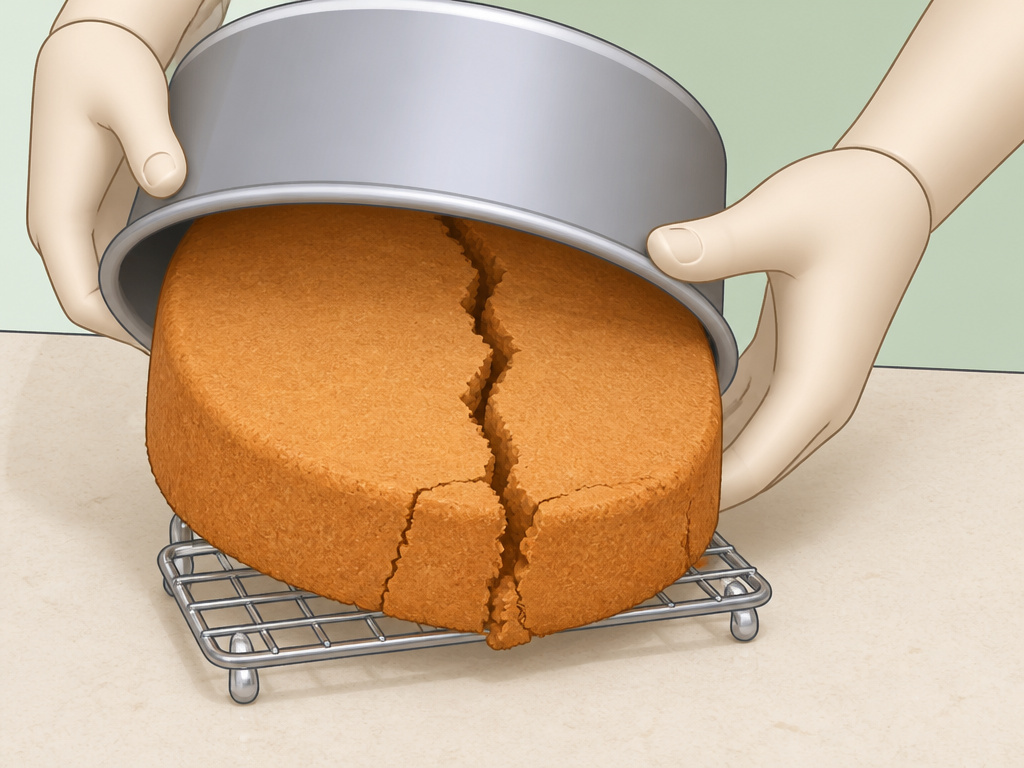
Size is the first failure point. The rule is simple: your rack should be at least as large as the pan you’re cooling from. For a standard half-sheet pan (about 18×13 inches), you need a rack around 16.5 by 12 inches. The consequence of a too-small rack is immediate and physical, especially with cakes.
Where this goes sideways: Inverting a warm layer cake onto a cooling rack that’s smaller than the pan. The unsupported edges fold under the cake’s weight, and it cracks clean through the center. The repair involves glueing with frosting and a lot of swearing.
Wire pattern decides what you can cool. There are two common designs: a grid of crossing wires (like a checkerboard) and a series of parallel bars.
| Wire Pattern | Best For | Risk If Used For |
|---|---|---|
| Grid (criss-cross) | Delicate items: soft cookies, tender cakes, roasted vegetables | None. This is the universally safe pattern. |
| Parallel Bars | Sturdy items: bread loaves, sheet cakes, cooling pans | Soft cookies and warm proteins will sag and droop between the gaps, losing shape. |
The grid provides continuous support. Parallel bars are often cheaper to manufacture, but they create gaps that only firm foods can bridge. For a home kitchen, a grid is the default.
Material dictates everything else, especially heat tolerance. Most racks are made of chrome-plated steel or stainless steel. The finish is critical.
- Chrome-plated or painted steel: Fine for room-temperature cooling. Inexpensive and common.
- Bare stainless steel: The only type that is reliably oven safe. It can withstand roasting temperatures without degrading.
- Non-stick coated (polytetrafluoroethylene): A definite hazard for oven use. The coating breaks down and can warp, releasing fumes and ruining the rack.
If you ever plan to use a rack for roasting or dehydrating, start with stainless. It’s the one material that does both jobs.
The Oven Safety Rule That Most People Miss
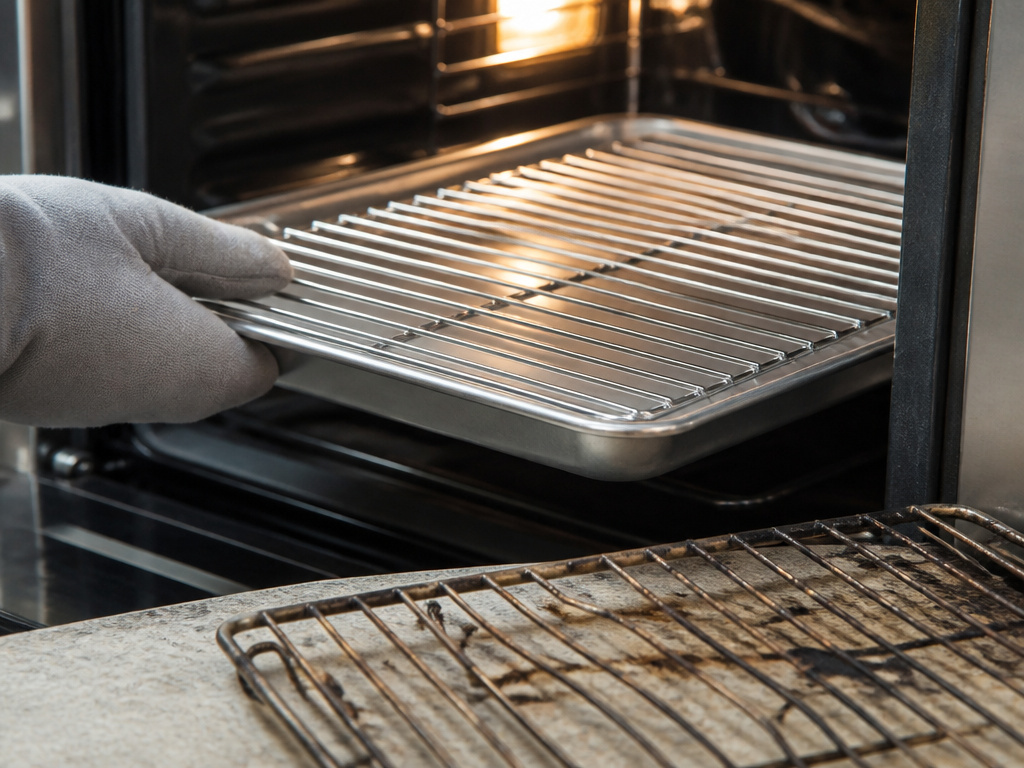
A cooling rack can be a versatile cooking tool, but only if it’s built for the job. This isn’t a suggestion, it’s a material science constraint. Bruce Mattel, associate dean at the Culinary Institute of America, states the rule clearly: you can use an oven-safe cooling rack to cook, but you must avoid any rack treated with a non-stick coating.
The polytetrafluoroethylene coating on many household racks begins to degrade and warp at standard oven temperatures. Beyond ruining the rack, it can release unpleasant fumes. An oven-safe label is your guide, but the surefire test is the material: untreated stainless steel.
With a stainless steel rack that fits snugly inside a sheet pan, you unlock several cooking techniques that leverage its design for better results. This is where a simple tool earns its keep.
For Crispy Roasted Proteins and Vegetables: The rack elevates food, allowing hot air to circulate completely. This renders fat from chicken skin or bacon more efficiently, leading to an all-over crispness that you can’t get from a pan alone. The fat drips away, so the food doesn’t stew in it.
As a Dehydrating Screen: When making oven-dried tomatoes or apple chips, placing them directly on a rack ensures maximum air flow. It prevents scorching on the bottom and speeds up the drying process uniformly.
For Elevated Sheet Pan Dinners: Place a rack over a sheet pan filled with diced potatoes or sturdy greens. As you roast chicken thighs or skirt steak on the rack, the rendered juices and fats drip down and flavor the vegetables underneath. It’s a self-basting, one-pan system.
Common mistake: Assuming any wire rack can go in the oven. That non-stick coating fails predictably, warping the rack and potentially contaminating your food within a few uses.
Choosing the Right Rack for Your Kitchen
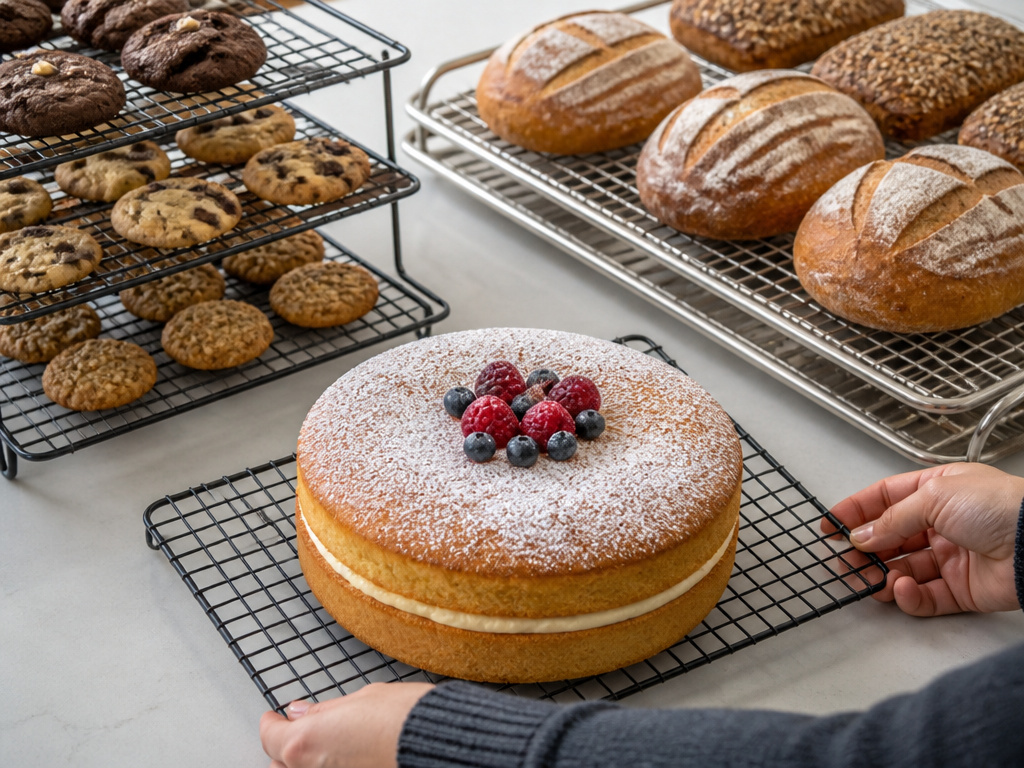
Your baking habits should dictate your rack investment. This isn’t about buying the biggest or the most expensive, it’s about matching the tool to the volume and type of baking you do. A single, well-chosen rack often beats a set of ill-fitting ones.
For the occasional baker making a single batch of cookies or a layer cake, one medium-sized grid rack (about 12×17 inches) is sufficient. Look for sturdy, welded construction and feet that provide clear lift. Brands like Baker’s Secret or Farberware offer reliable basic models. This covers the vast majority of home needs.
If you bake in volume, holiday cookies, multiple cake layers, weekly bread, your bottleneck is counter space, not the rack’s function. This is where multi-tiered, collapsible racks shine. They triple your cooling real estate vertically. A model like the Fox Run 3-Tier Cooling Rack folds flat for storage. The trade-off is that items on the lower tiers cool slightly slower due to trapped heat rising, so stagger your batches.
Commercial bakers and serious enthusiasts operate on a different scale. They need racks that match commercial sheet pans precisely and are built for daily, heavy use. This is where precise specs like those from Cadco matter. Their half-size cooling rack for convection ovens measures 19 ¾” wide x 6 9/16” high x 13 11/16” deep, dimensions designed to fit standard professional equipment. These are the tools you’ll find in bakery kitchens, and they hold up.
| User Profile | Recommended Rack Type | Key Feature | Sample Use |
|---|---|---|---|
| Occasional Baker | Single, medium grid rack | Sturdy feet, standard sheet-pan size | Cooling one cake or a batch of cookies |
| Volume Baker | Multi-tiered collapsible rack | Space-saving vertical design | Cooling 4+ dozen holiday cookies |
| Serious Enthusiast | Commercial half-size rack (e.g., Cadco) | Precise dimensions for pro equipment | Cooling multiple loaves of sourdough |
Consider your storage. A large, fixed rack can be awkward. Collapsible designs or a set of nesting racks solve this. Also, think about cleaning. Grid patterns with many welds can trap grease more than simple parallel bars, but they support more types of food. A quick soak in hot soapy water is usually enough for stainless steel.
Beyond Baking: Unconventional Uses for a Cooling Rack
Once you have an oven-safe stainless steel rack, its utility expands far beyond the cooling of cupcakes. Its core function, elevating items for maximum air flow, applies to many kitchen and pantry tasks.
Drying and Curing: After washing herbs, mushrooms, or leafy greens, spread them on a cooling rack set over a towel. The air circulation speeds drying better than a salad spinner. For homemade cured meats or salt-crusted fish, a rack inside a sheet pan in the fridge is the standard setup, allowing air to circulate and dry the surface evenly. This is the same principle behind dedicated wire racks for meat.
Organizing and Draining: A rack can act as an extra shelf in a crowded cabinet, keeping platters or baking sheets accessible. Use it to drain and dry hand-washed delicate glassware or to hold pots and lids above a sink full of other dishes. It’s a temporary drying rack in a pinch.
Food Presentation and Service: At a buffet, a rack can elevate a cheese board or a tray of sliders, creating visual height and making items easier to reach. Use one under a serving platter of hot, saucy appetizers like meatballs to catch drips and keep the tablecloth clean.
Candy and Chocolate Work: When dipping truffles or making brittle, a cooling rack allows excess chocolate to drip away cleanly and provides a non-stick surface for setting. The even air flow helps chocolate set with a proper snap.
The limit is the rack’s material strength and your oven-safety check. Never use a coated rack for hot applications, and always ensure it’s stable under weight. A storage rack in your pantry might hold cookbooks, but a cooling rack is for food.
Frequently Asked Questions
Can you put a cooling rack in the oven?
Only if it’s explicitly labeled oven-safe and made of untreated metal like stainless steel. Most chrome-plated or non-stick coated racks are not oven-safe. The coating can degrade and release fumes. For confirmed oven use, a bare stainless steel rack is the only safe choice.
What’s the difference between a cooling rack and a roasting rack?
They are often the same tool. A roasting rack is typically designed with taller feet to hold a large roast higher above a pan for drippings. A cooling rack has shorter feet. A sturdy, oven-safe cooling rack can function perfectly as a roasting rack for smaller items like chicken parts or vegetables.
Why do my cookies stick to the cooling rack?
This usually happens with very soft, warm cookies that are high in sugar. The sugary base can melt and act like glue. Let cookies firm up on the baking sheet for 2-3 minutes before transferring. For sticky items like marshmallows or certain bar cookies, a light coating of non-stick spray on the rack can help.
How do I clean a cooling rack?
Soak it in hot, soapy water to loosen baked-on grease and crumbs. Use a soft brush, like a dishwashing brush or a clean toothbrush, to scrub the grid. For stainless steel, you can use a paste of baking soda and water for tough stains. Always dry thoroughly to prevent rust, a key step in rust prevention for any metal kitchen tool.
Are wooden cooling racks any good?
Wooden racks are less common. They are not oven-safe and can absorb odors and stains over time. Their advantage is that they won’t scratch delicate countertops. For cooling room-temperature baked goods only, they work, but metal racks are more durable and versatile.
What size cooling rack do I need for a 9×13 pan?
Your rack should be at least 13 inches long to fully support the pan’s length. A rack measuring 12×16 inches or 13×18 inches is ideal, as it will also accommodate standard half-sheet pans and provide some overhang for easy lifting.
The Bottom Line
A cooling rack is a deceptively simple tool defined by its lift. That half-inch of air underneath your cake is what separates a dry, even crumb from a soggy bottom. The choice comes down to three commitments: pick a size larger than your largest pan, insist on a grid wire pattern for universal support, and if oven use is ever a possibility, buy stainless steel from the start.
For most home kitchens, a single sturdy stainless steel grid rack is the only one you need. It cools, it roasts, and it lasts. Volume bakers should add a collapsible tiered rack to the mix. Skip the non-stick versions and the flimsy parallel-bar designs. Your cookies will thank you, and your bacon will be crispier for it.
