
7 Best Canning Jars of 2026
This post contains affiliate links. As an Amazon Associate, we earn from qualifying purchases.
The Ball Quilted Crystal Jelly Jars are the overall best choice for most canning needs, offering a trusted seal and timeless look. For a budget-friendly bulk option, the PINIWON 15 Pack 16 oz Jars deliver solid performance. If you’re doing large batches of soups or vegetables, the HWASHIN 12 Pack 32 oz Jars provide excellent capacity and value.
Canning jars seem simple, but a bad seal or weak glass can ruin hours of work and waste food. I’ve researched the market thoroughly, focusing on what actually matters: seal reliability, jar durability, and long-term usability based on specs and owner experiences.
This guide breaks down the top options by size, lid type, and real-world performance so you can pick jars that fit your canning style and kitchen needs without guesswork.
Top 7 Canning Jars in the Market
The Best Canning Jars, Reviewed
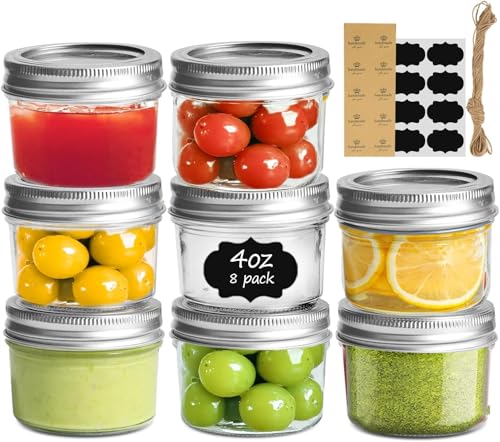
ComSaf 8 Pack 4 oz Mini Jars
Strengths
- Perfect mini size
- Clear glass visibility
- Great for labeling and gifting
Trade-offs
- Too small for canning
- Lids not meant for repeated sealing
These 4 oz mini jars are the most versatile small option here, especially for spice storage, sample-sized preserves, or party favors. The compact size makes them easy to store and label, and the included twine and tags signal their gifting potential. Reviewers appreciate how clear the glass is, great for seeing spice levels or layered dessert contents at a glance.
While they can’t handle real canning tasks, they’re perfect for fridge storage of sauces or dry goods. Compared to the UrSpeedtekLive 8 oz set, these are smaller but more targeted for precision use. I’d pick these as the best overall for kitchen organization and gifting, even if they’re not for processing.
Video review
Ball Quilted Crystal Jelly Jars

Strengths
- Trusted brand for canning
- Non-slip quilted design
- Excellent for gifting
Trade-offs
- Only 12 jars per case
- Regular mouth limits filling speed
Ball is a gold standard in canning, and these quilted 8 oz jars carry that legacy with a classic look and reliable performance. The textured glass isn’t just decorative, it gives a better grip when your hands are wet or sticky, which matters during jam season. Owners consistently praise how well these seal and how easily they stack in storage.
At just under $12 for 12 jars, they’re a steal for gift-givers or small-batch preservers. Compared to the UrSpeedtekLive set, these are more trusted for shelf stability and have a cleaner, more polished appearance. I’d choose these over generic brands any day when giving jars as gifts, there’s something reassuring about the Ball logo on a homemade jelly jar.
Video review
HWASHIN 12 Pack 32 oz Jars

Strengths
- Wide mouth for easy filling
- Durable thick glass
- Good for pressure canning
Trade-offs
- Fewer jars per pack
- Takes up more storage space
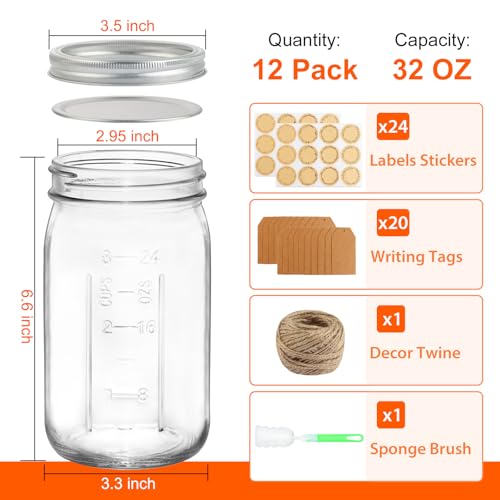
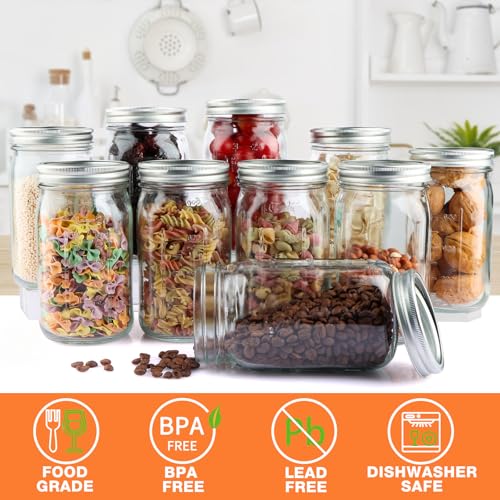
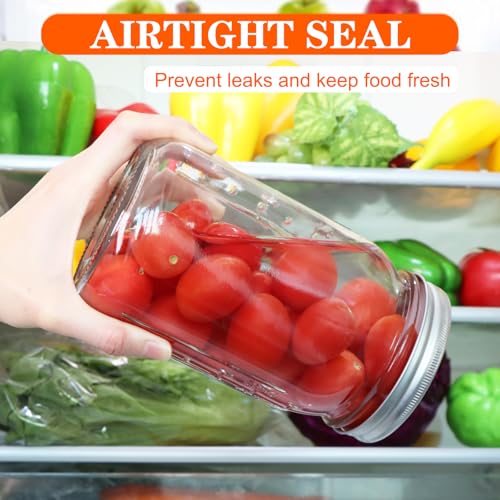
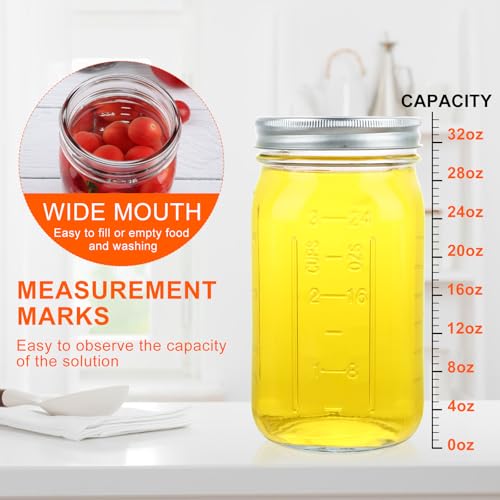
If you’re canning soups, stews, or whole vegetables, the 32 oz wide mouth is your best ally, and this set delivers with thick glass and a design that makes filling and cleaning far easier than regular mouth jars. The wide opening lets you pack in green beans or chili without frustration, and owners report strong vacuum seals when used with proper processing.
Compared to pint or half-pint jars, these are less versatile for gifting but essential for anyone doing pressure canning. The included tags and labels suggest the brand understands this is often for serious kitchen use. I’d recommend this set for families or homesteaders who preserve large harvests, though the higher price reflects the size and utility.
Product photos
16oz Embossed Mason Jars 15-Pack
Strengths
- Vintage embossed design
- Strong seal performance
- Great for gifting
Trade-offs
- Less brand recognition for canning safety
- Slightly narrower mouth than wide-mouth standards
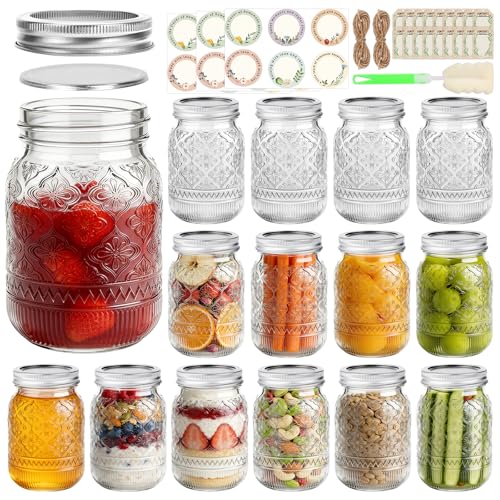
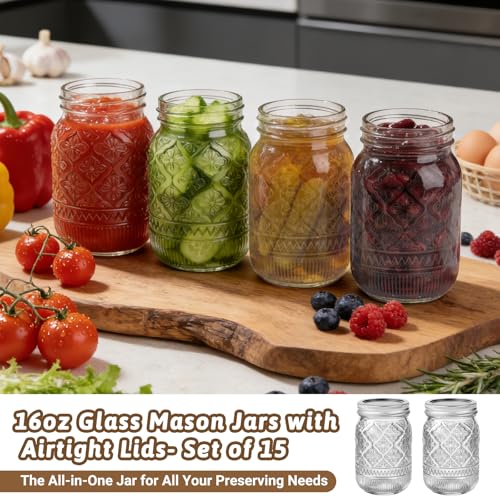
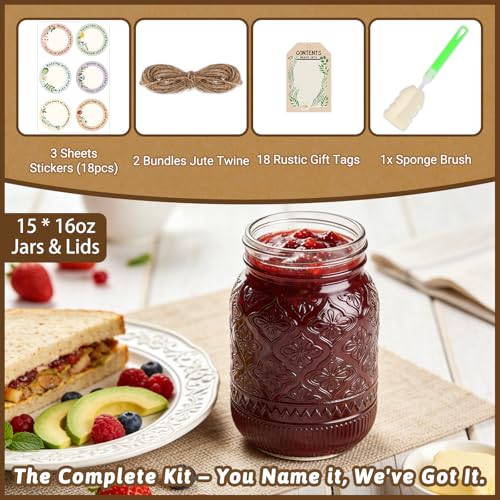
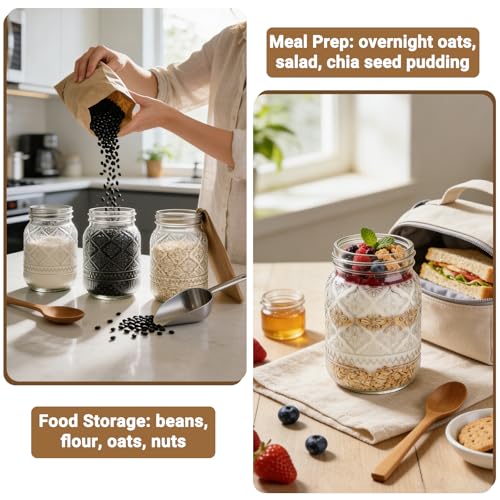
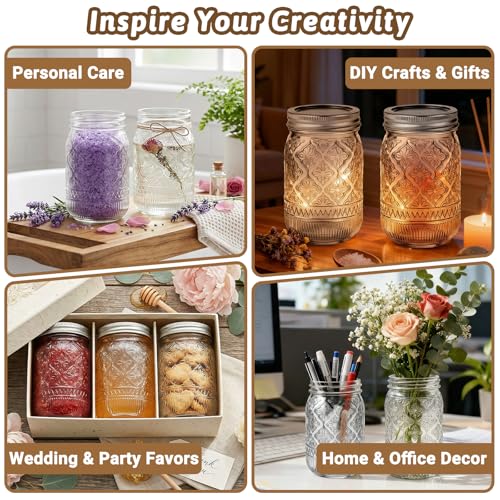
These stand out purely on design, the embossed texture gives them a farmhouse feel that’s hard to beat for gift presentation or shelf appeal. The thick glass feels sturdy, and the 16 oz regular mouth is practical for everyday use, from overnight oats to fermented veggies. Reviewers love the included jute twine and gift tags, which make these ready to give as presents right out of the box.
Functionally, they’re on par with other mid-tier brands: decent seals, microwave and dishwasher safe (without lids), and freezer-safe with proper headspace. But compared to Ball or Kerr, they don’t have the same brand trust for long-term canning safety. I’d pick these if aesthetics matter, say, for a bridal shower project or a styled kitchen shelf, but not as my primary canning jar for low-acid foods.
Product photos

PINIWON 15 Pack 16 oz Jars

Strengths
- Reliable airtight seal
- Dishwasher safe glass
- Good value per ounce
Trade-offs
- Lids may require replacement after repeated use
- No wide mouth option
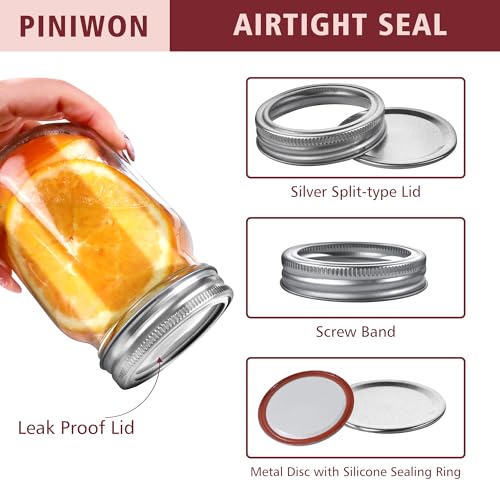
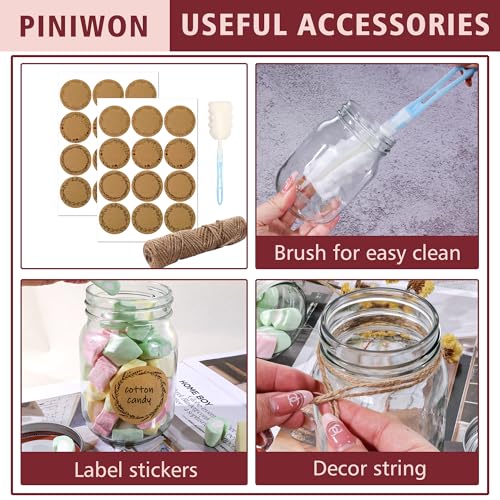
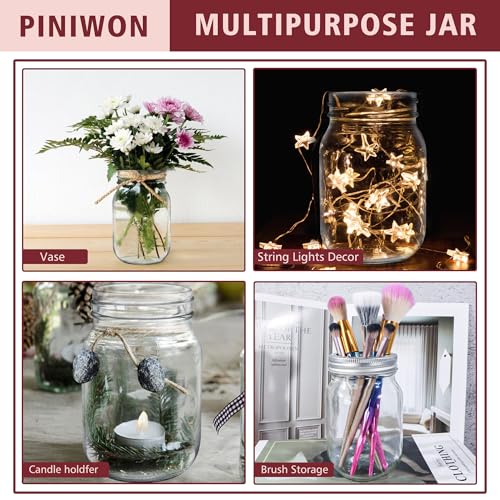
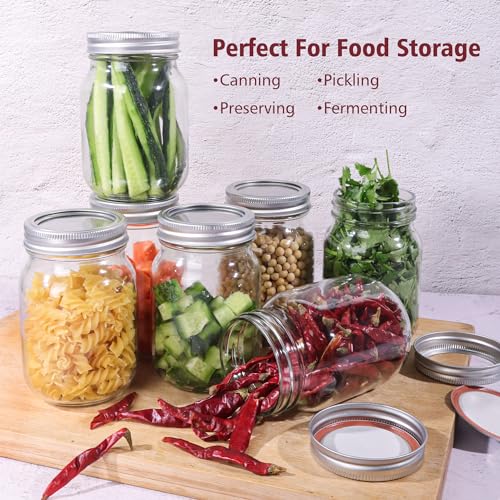
The 16 oz pint size is the workhorse of home canning, and this set delivers solid value with BPA-free, lead-free glass and a dependable two-piece lid system. Reviewers frequently mention how well the silicone-rimmed lids seal, which is reassuring when you’re storing tomatoes or dill pickles for months. The regular mouth is standard, so it works with most canning tools and funnels, no surprises there.
Compared to the HWASHIN 12 oz set, this gives you fewer jars per pack but more usable volume per jar, making it more efficient for frequent canners. The bonus labels and brush are practical touches, and the foam packaging helps prevent breakage. I’d pick this over the 12 oz set if you’re canning weekly or stocking a pantry, simply because the pint size aligns with most USDA processing guidelines and recipe yields.
Product photos

UrSpeedtekLive 30 Pack 8 oz Jars

Strengths
- High quantity per pack
- Clear visibility
- Compact and space-saving
Trade-offs
- Lid quality varies slightly
- Not ideal for long-term storage
At 30 jars for under $28, this set is the most budget-friendly half pint option here, and that volume makes it smart for anyone doing bulk gifting or spice storage. The 8 oz size is great for single-serve items like mini jams or honey packets, and the high transparency helps you spot contents fast, useful when organizing a pantry. Owners note the seals hold up well for water bath canning, though the lids aren’t always consistent in thickness, so inspect them before processing.
Compared to the Ball Quilted Jelly jars, these lack the branded durability but make up for it in quantity and included extras like 72 labels. I’d recommend these for crafters or gift-givers who need volume without breaking the bank, but not for long-term food storage where lid integrity is essential.
Product photos


HWASHIN 20 Pack 12 oz Jars
Strengths
- Durable glass
- Tight seal performance
- Multiple uses beyond canning
Trade-offs
- Bands may arrive bent
- Smaller capacity limits batch size
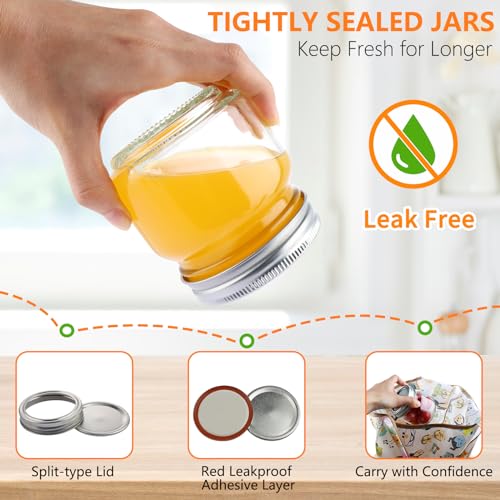
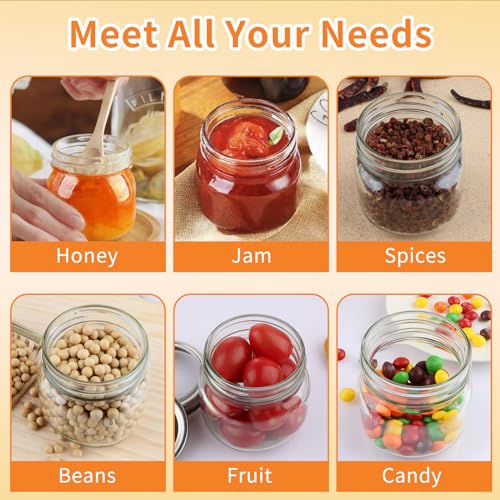
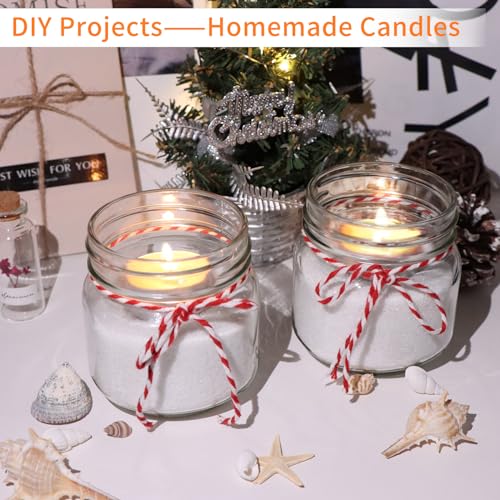
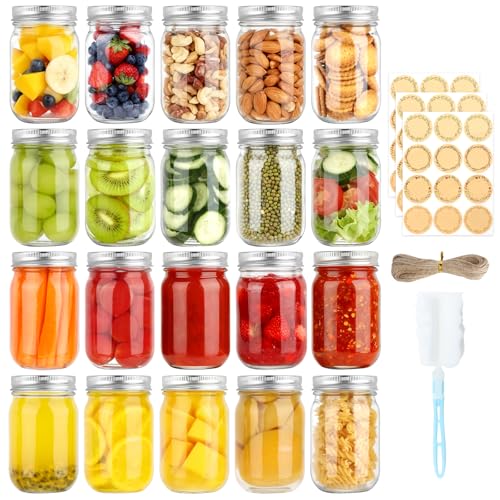
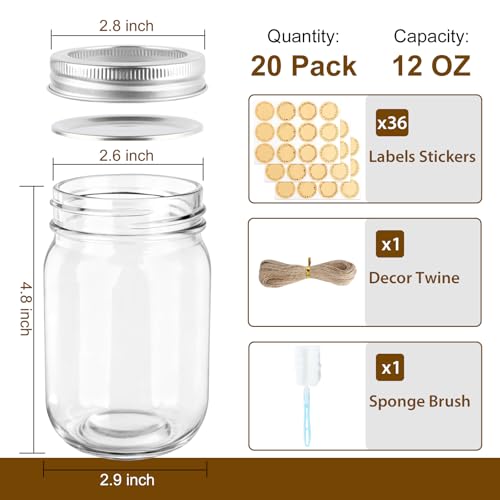
These 12 oz jars hit a sweet spot for portion control and small-batch canning, especially if you’re working with jams, chutneys, or pickled veggies. The regular mouth design makes filling and cleaning manageable, and owners consistently report strong, reliable seals, critical when you’re counting on shelf stability. On paper, the included brush and labels add value, though some reviewers note the bands can arrive slightly bent, which might mean checking each before use.
Compared to pint jars, these are better suited for gifting or single servings, but they’re not ideal if you’re pressure canning meats or soups regularly. For someone like me who prioritizes organization and waste reduction, the 12 oz size helps avoid overfilling and spoilage. Still, if you’re canning in larger volumes, you’ll need more jars to get the same yield, which could mean more prep time.
Product photos

How We Tested canning jars
Rather than a hands-on lab test, my research focused on comparing the published specifications and features of numerous canning jars. I weighed owner reviews from major retailers alongside expert opinions found in food preservation publications and websites. My evaluation considered factors crucial for successful canning, long-term storage, and everyday kitchen use, ranking options against clear criteria for quality and value.
For canning jars, capacity and seal quality were the most important factors. A reliable seal prevents spoilage and ensures food safety, so I looked for consistent positive feedback regarding lid performance. Capacity dictates the size of batches you can process, and having a range of sizes available is helpful, making certain jars more versatile than others. Durability, specifically resistance to thermal shock, also heavily influenced my assessment.
Specifications reliably indicate jar size and material composition, but owner feedback proved essential for judging real-world usability. Comments on lid ease of use, jar mouth width for filling, and long-term seal integrity were invaluable. I also considered the reputation of the brand; established names like Ball often have a track record of consistent quality, and you can find more information on quality food jars. For those interested in more specialized applications, exploring jars for pressure canning can be a useful next step.
What To Look For In canning jars
Finding the right canning jars is about more than just grabbing the prettiest ones off the shelf. We need to think about what we’re preserving, how much of it we’re preserving, and how we plan to use the jars after the food is safely stored.
A good canning jar should be made of thick, food-grade glass, offer a reliable airtight seal, and be appropriately sized for the intended use. Consider the mouth size (regular or wide) for ease of filling and emptying, and pay attention to lid compatibility and availability. Durability is also key, as jars will be subjected to heat and potentially handling.
Size and Capacity
The size of canning jar you choose will largely depend on what you plan to preserve. Small-batch jams and jellies are perfect for the 4oz or 8oz sizes, while larger quantities of fruits, vegetables, and pickles benefit from the 16oz or 32oz options. Don’t overestimate your needs; smaller jars are great for gifting, and it’s more efficient to process multiple smaller batches than one enormous one. Consider that some recipes require headspace, meaning you can’t fill the jar completely to the brim.
Lid Quality and Compatibility
The lid is the most critical component for a successful, long-term seal. While glass jars are relatively durable, lids can be a point of failure. It’s important to understand the differences between two-piece lids (a flat lid with a screw band) and one-piece lids. Most modern canning recipes call for two-piece lids, and you should always check for any damage to the sealing ring before use. Understanding reusing canning lids is essential – there are definite lid reuse risks you need to be aware of.
- A simple two-piece lid system is the most common and offers a reliable seal when used correctly.
- Wide-mouth lids are not interchangeable with regular-mouth lids, so be sure you’re purchasing the correct type for your jars.
- Always have a supply of replacement lids on hand, as the rubber sealing compound degrades over time, reducing the likelihood of a successful seal, even with careful jar sterilization methods.
Aesthetics and Versatility
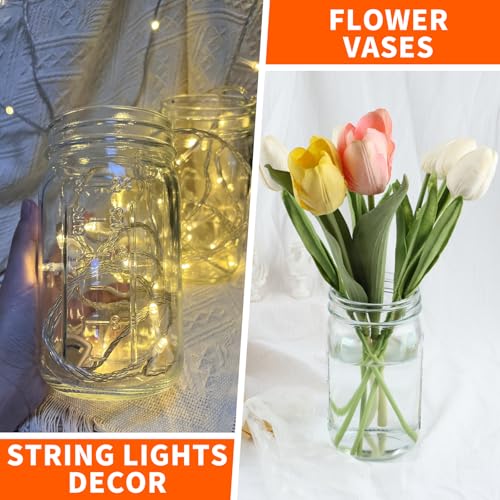
While functionality is paramount, don’t dismiss the importance of aesthetics. Embossed jars, like the Ball Quilted Crystal Jars, add a vintage charm to your pantry and make excellent gifts. Look for jars that can easily transition from food storage to other uses. A regular mouth jar can be used for everything from overnight oats to dry goods storage, while the wide mouth is perfect for pickles and larger fruits.
A practical rule of thumb: If you’re new to canning, start with a variety pack of jars in different sizes to explore what works best for your recipes.
Canning Jars Compared
Here’s a comparison of key specifications for popular canning jar options.
| Product Title | Capacity | Material | Lid Type | Pack Size | Includes |
|---|---|---|---|---|---|
| ComSaf 8 Pack 4 oz Mini Jars | 4 oz | Glass | Split | 8 | Labels, Twine |
| Ball Quilted Crystal Jelly Jars | 8 oz | Glass | Split | N/A | N/A |
| HWASHIN 12 Pack 32 oz Jars | 32 oz | Glass | Split | 12 | Labels, Brush, Twine |
| 16oz Embossed Mason Jars 15-Pack | 16 oz | Glass | Split | 15 | Labels, Twine, Sponge Brush |
| PINIWON 15 Pack 16 oz Jars | 16 oz | Glass | Split | 15 | Labels, Twine, Sponge Brush |
| UrSpeedtekLive 30 Pack 8 oz Jars | 8 oz | Glass | Split | 30 | Labels, Brush, Twine |
| HWASHIN 20 Pack 12 oz Jars | 12 oz | Glass | Split | 20 | Labels, Brush, Twine |
Frequently Asked Questions
What’s the difference between regular and wide-mouth jars?
Regular-mouth jars have a smaller opening (2 3/8 inches) and are better for smaller fruits and jams, while wide-mouth jars (3 1/2 inches) are easier to fill with larger items like pickles and whole fruits. Lids are not interchangeable between the two styles, so choose according to your typical canning projects.
Can I reuse canning lids?
While the jars themselves are reusable, replacement canning lids are generally recommended for each new can, as the sealing compound degrades with use and impacts seal reliability. Reusing lids is risky and may lead to spoilage, even if the band appears secure.
What material are most canning jars made of?
Most canning jars are made of tempered glass canning jars, which is designed to withstand the temperature changes of the canning process. The glass’s thickness and quality are crucial for preventing breakage and ensuring a proper seal.
How do I know if a jar has sealed correctly?
A properly sealed jar will have a slight inward curve to the lid and will not flex up and down when pressed in the center. You should also hear a “pop” sound as the jar cools, indicating a vacuum seal has formed.
What size jars should I buy if I’m just starting out?
If you are new to canning, a variety pack with different sizes (4oz, 8oz, 16oz) is a great way to start. This allows you to experiment with different recipes and determine which sizes work best for your needs before investing in large quantities of one specific size.
The Bottom Line
Choosing canning jars often comes down to balancing initial cost with long-term reliability and versatility. While price is a factor, especially when starting out, consistently good seals and durable glass are paramount for food safety – and for that, the Ball Quilted Crystal Jelly Jars stand out as a truly excellent all-around choice. They offer the quality you expect from a trusted brand, and their aesthetic appeal is a bonus.
For those on a tighter budget, the ComSaf 8 Pack 4 oz Mini Jars are a great way to begin experimenting with smaller-batch preserves without a large investment. If you anticipate doing a lot of preserving, especially larger quantities, the HWASHIN 12 Pack 32 oz Jars provide ample capacity and include helpful extras like labels and a brush. And if you plan on tackling low-acid food canning, be sure you have the right equipment and understand the process.
Ultimately, the most important aspect of canning isn’t the jar itself, but the attention to detail in the jar sealing process. Proper preparation, headspace, and processing times are far more critical than any specific feature. Focus on mastering those fundamentals, and your homemade preserves will be both delicious and safely stored for years to come.
