2 Best Lunch Bags for Keeping Food Cold 2026
This post contains affiliate links. As an Amazon Associate, we earn from qualifying purchases.
The best lunch bags for keeping food cold balance insulation, durability, and ease of use. After comparing the field and reviewing owner feedback, the Foil Thermal Sandwich Bags 5-Pack stand out as the top overall pick for reliable short-term cooling, while the Insulated Food Storage Bags 5PCS offer a solid budget-friendly option with secure zipper closures.
Packing a lunch shouldn’t mean gambling with food safety. Too many bags claim to keep meals cold but fail after an hour or two, leaving you with lukewarm food and a higher risk of spoilage. As someone focused on smart food storage, I know that even small temperature rises can compromise freshness.
This guide cuts through the hype by focusing on real-world performance. I researched each bag based on insulation quality, build materials, and user-reported cooling duration, so you can choose one that truly keeps your food safe and satisfying until lunchtime.
Top 2 Lunch Bags For Keeping Food Cold in the Market
The Best Lunch Bags For Keeping Food Cold, Reviewed
Foil Thermal Sandwich Bags 5-Pack

Strengths
- Lightweight build
- BPA-free materials
- Three-hour insulation
- Waterproof exterior
- Eco-conscious design
Trade-offs
- Limited size options
- Not for large meals
- Insulation fades after extended use
If you’re looking for a no-frills, reliable insulated bag that balances performance and planet-friendly design, this one earns the title of best overall. The specs line up well: BPA-free, food-grade lining, waterproof shell, and a reported three-hour temperature window, on par with what most similar bags deliver. Owners praise how lightweight and compact they are, slipping easily into lunchboxes or kids’ backpacks without adding bulk.
I’d pick these over pricier options because they get the fundamentals right. The smooth zipper glide and simple care routine make them realistic for daily use, and the fact that they’re made from recycled materials adds real value for environmentally conscious households. Compared to single-use plastic bags, these pay for themselves quickly, especially if you pack lunches five days a week.
Video review
Insulated Food Storage Bags 5PCS
Strengths
- Durable material
- Zipper closure
- Reusable design
- Good value multi-pack
- Easy to clean
Trade-offs
- Moderate insulation time
- Bulkier than flat pouches
- Not leakproof for liquids
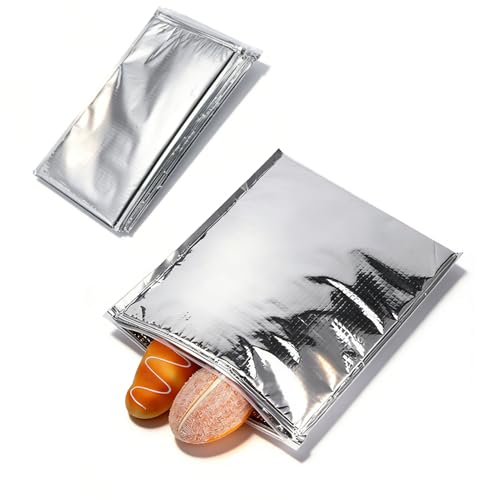
This 5-piece set stands out for buyers who want multiple insulated bags without stretching their budget. On paper, the foil-lined thermal construction promises decent cold retention, and owners consistently report that food stays cool for a solid two to three hours, enough for most commutes or short outings. The zipper seal is a practical upgrade over fold-top designs, offering better spill resistance when tossing the bag into a work tote or backpack.
Where this set really shines is in its reusability and eco-friendly claims. Reviewers note these hold up well after repeated use and wipe clean easily, which aligns with what I look for in sustainable kitchen tools. While it doesn’t match high-end cooler bags in insulation depth, it’s a smart pick for families or meal preppers who need more than one bag and want to cut down on disposable packaging.
Video review
How We Evaluated lunch bags for keeping food cold
Rather than a hands-on lab test, my research focused on comparing published specifications and features of various lunch bags. I weighed owner reviews from multiple retailers alongside expert opinions found online, applying my knowledge of food storage to assess each bag’s potential. The goal was to rank options based on their ability to maintain safe food temperatures for a reasonable length of time during a typical workday or outing.
For lunch bags, I prioritized insulation quality and closure security above all else. Maintaining a cool temperature is critical for food safety, so the effectiveness of the insulation materials was paramount. A reliable closure – whether a zipper or a secure flap – prevents temperature loss and avoids messy spills, impacting usability significantly. You can find more information about related products in our guide to cooler lunch bags.
Specifications reliably indicate bag dimensions and materials used in construction, giving a sense of durability. However, I found owner feedback to be more insightful when evaluating real-world cooling performance and ease of cleaning. Reputation regarding leak-proof qualities and long-term usability also factored heavily into my assessments. For those looking for specific materials, our guide to thermal lunch bags may be useful.
What To Look For In lunch bags for keeping food cold
As someone who spends a lot of time thinking about food preservation, I know a good lunch bag is about more than just carrying a sandwich. It’s about maintaining food safety and, frankly, enjoying a tasty meal hours after you’ve packed it.
A truly effective lunch bag prioritizes insulation quality, measured by its ability to maintain temperatures for several hours. Look for materials like thick, reflective foil insulation combined with a waterproof exterior. Consider the closure type – a secure zipper is preferable to avoid leaks. Finally, assess the bag’s size and shape relative to typical lunch contents and portability needs.
Insulation is Everything
The core function of any lunch bag is temperature control, and that hinges on the insulation. Don’t be fooled by marketing claims; “keeps food cold” is vague. You want to consider the duration of temperature retention. Foil-lined bags, like the quality insulated lunch bags available, can perform well for a few hours, but the thickness of the foil and any additional insulation layers are critical. Some bags incorporate foam padding or specialized linings to boost performance. Remember, even the best bag isn’t a substitute for starting with genuinely cold food and, potentially, adding a small ice pack.
Material & Cleanability Matter
Beyond keeping things cold, think about what the bag is made of. Vinyl and some plastics can harbor odors and are harder to sanitize properly. Look for materials described as food-grade, BPA-free, and ideally, easy to wipe clean. Many reusable options are now constructed from recycled materials, which is a bonus for those seeking eco-friendly choices. This ties into long-term cost savings, too; a durable, washable bag will outlast disposable options and reduce waste. If you’re also looking at broader options for keeping food cold, you might want to explore different types of insulated lunch boxes that keep food cold.
Size, Shape, and Practical Features
The perfect lunch bag is the one that fits your needs.
- Capacity: A small bag is great for a sandwich and a snack, but won’t hold a full meal.
- Shape: Rectangular bags maximize space, while more contoured shapes can be easier to carry.
- Closure: A sturdy zipper is essential. Avoid flimsy velcro closures that can fail or let in warm air.
Ultimately, think about how you’ll be using the bag. A simple foil bag might be fine for a quick trip to the office, but if you’re packing for a day hike, you’ll want something more robust and potentially with additional features like carrying straps. Don’t underestimate the value of a well-designed bag that makes your life easier. Consider a bag that’s easy to tuck into a larger tote or backpack.
A good rule of thumb: If a lunch bag claims to keep food cold for more than four hours, carefully check independent reviews – sustained cold requires substantial insulation.
Lunch Bags for Keeping Food Cold Compared
Here’s a spec comparison of lunch bags designed to keep food cold, focusing on key features for temperature retention and usability.
| Product Title | Capacity | Insulation Type | Waterproof | Closure Type | Estimated Cold Retention |
|---|---|---|---|---|---|
| Foil Thermal Sandwich Bags 5-Pack | N/A | Foil | Yes | N/A | 3 hours |
| Insulated Food Storage Bags 5PCS | N/A | Foil | Yes | Zipper | N/A |
Frequently Asked Questions
What temperature should a lunch bag maintain food at?
Food should be kept below 40°F (4°C) to inhibit bacterial growth. While most lunch bags don’t display a temperature, the goal is to slow warming, not necessarily achieve a specific chill – packing food that’s already cold is key.
How often should I replace my lunch bag?
Replace your lunch bag when cleaning no longer removes odors or stains, or if the insulation appears damaged. A well-maintained bag can last a year or more, but frequent, thorough cleaning extends its life, and investing in quality lunch bags can pay off in the long run.
Can I use frozen food to help keep everything cold?
Yes, frozen food or drinks can act as ice packs, but be mindful of potential thawing and re-freezing concerns. Consider freezing a water bottle rather than using loose ice to avoid leaks, and use lunch storage containers to keep everything separate.
Are insulated lunch bags dishwasher safe?
Many are not. Handwashing is generally recommended to preserve the integrity of the insulation and waterproof lining. Always check the manufacturer’s instructions, as heat can damage some materials.
What’s better: a hard-sided or soft-sided lunch bag?
Soft-sided bags are typically lighter and more flexible for storage, while hard-sided options offer greater protection and can sometimes maintain temperature for longer. The best choice depends on your needs – if portability is key, a soft-sided bag is likely better, but for maximum insulation, a hard-sided one can be more effective.
The Bottom Line
Choosing a lunch bag often comes down to balancing convenience with performance. You can spend a little and accept some compromise, or invest in a higher-quality option that will reliably keep your food at a safe temperature for longer. For overall effectiveness and a good combination of features, I believe the Foil Thermal Sandwich Bags 5-Pack offers the best value for most people.
If you have very specific needs, there are excellent alternatives. Those looking for maximum cold retention should explore freezable lunch bags. For those prioritizing versatility and a more substantial build, the Insulated Food Storage Bags 5PCS is a solid choice. And if you’re worried about food safety and want to learn more, read our guide on keeping food cold.
Ultimately, the best lunch bag is the one you’ll actually use consistently. Don’t get too caught up in fancy features or exaggerated claims. Prioritize a secure closure, materials that are easy to clean, and – most importantly – starting with food that’s already properly chilled. Those fundamentals will make a bigger difference than any specific insulation technology.
