7 Best Picnic Bags for 2026
This post contains affiliate links. As an Amazon Associate, we earn from qualifying purchases.
The Hulongo Large Waterproof Cooler Backpack is the best overall picnic bag for its strong insulation, leakproof build, and smart organization. For a budget-friendly option, the MIYCOO Cooler Backpack delivers solid performance with good capacity. If you value compact storage, the SIYUAN Collapsible Insulated Picnic Basket offers surprising functionality in a foldable design.
Picnic bags promise convenience but too often fall short when food warms up too fast or leaks ruin the blanket. As someone focused on smart food storage at Food Keepy, I know a reliable bag should protect both temperature and cleanliness without falling apart after a few outings.
This guide cuts through the hype by focusing on real-world performance. I researched each pick based on verified owner feedback, material quality, and key features like insulation thickness, leakproofing, and ease of carry, so you can choose one that actually works for your routine.
Top 7 Picnic Bags in the Market
The Best Picnic Bags, Reviewed
Hulongo Large Waterproof Cooler Backpack

Strengths
- Long ice retention
- Waterproof build
- Padded backpack straps
Trade-offs
- Pricier than basics
- Bulkier than totes
If I had to pick one bag for most people, it would be this. The 30L capacity and 12-hour cooling claim are backed by consistent owner feedback, and the 8 mm foam insulation is thicker than most competitors. The backpack design with padded straps makes carrying heavy loads far more comfortable than tote-style bags, especially on hikes or long walks to picnic spots.
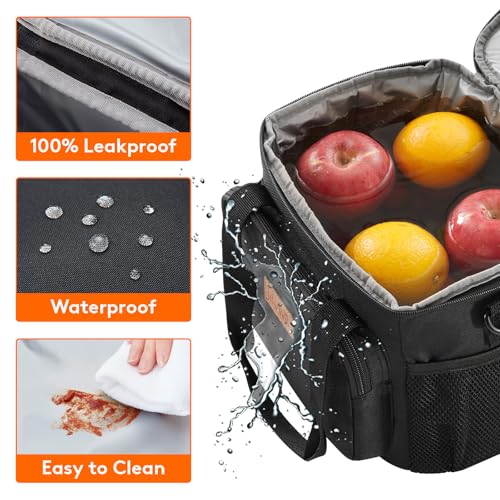
It’s fully waterproof and leak-proof, thanks to the PU-coated nylon and seamless construction, a big plus for beach trips or rainy days. The multiple compartments, including side pockets and a front zip pocket, add real utility. Compared to the MIYCOO, it has slightly less can capacity but better build quality and comfort.
Video review
MIYCOO Cooler Backpack with 2 Compartments
Strengths
- Two insulated compartments
- Bottle holder straps
- Built-in bottle opener
Trade-offs
- Shorter cooling time
- Zippers feel less durable
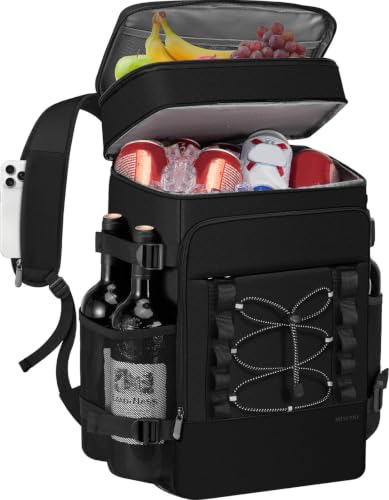
With a 40-can capacity and dual compartments, this backpack is built for group outings. The separation between food and drinks is a smart touch, and owners appreciate the side straps for securing wine or tall bottles. The seamless liner does deliver on leak protection, and the bottle opener on the strap is a small but welcome convenience.
It’s lighter than hard-shell coolers and easier to carry than tote bags when fully loaded. While it doesn’t match the Hulongo’s insulation thickness, it still holds cold for 8–10 hours with ice packs. For couples or small groups heading to the park or beach, it strikes a good balance between capacity and portability.
Video review
Jumbo Insulated Cooler Bag Charcoal

Strengths
- Large capacity
- Keeps ice 8+ hours
- Machine washable
Trade-offs
- Bulky when full
- Heavy when loaded
This bag stands out for sheer size and thermal performance, which makes it a go-to for large gatherings where you need to move a lot of cold or hot items at once. On paper, the 21-inch length and 30-can capacity are impressive, and owners consistently report it handles heavy grocery runs or full picnic spreads without strain. The 8-hour ice retention claim holds up well in real-world feedback, especially when pre-chilled.
What I appreciate most is the dual-purpose design: it’s not just a cooler, but a hot-food carrier too, thanks to the thick thermal foam and wipe-clean interior. The shoulder strap option adds hands-free convenience, and the machine-washable feature is a real win for families or frequent users who hate lingering odors. Compared to slimmer totes, this one sacrifices portability for utility, but if you need volume and insulation, it’s hard to beat.
Product photos


SIYUAN Collapsible Insulated Picnic Basket

Strengths
- Folds to 2 inches
- Ergonomic handles
- Odor-resistant lining
Trade-offs
- Limited weight capacity
- Not backpack-style
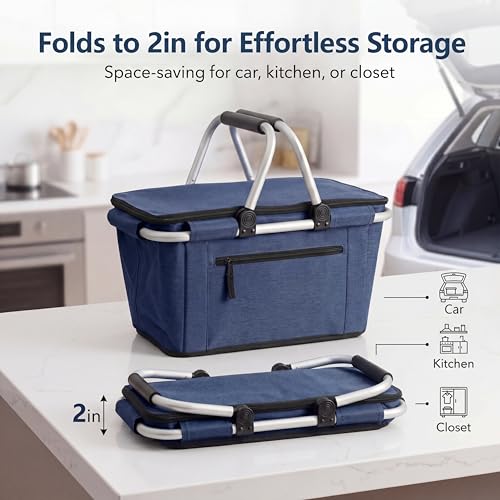
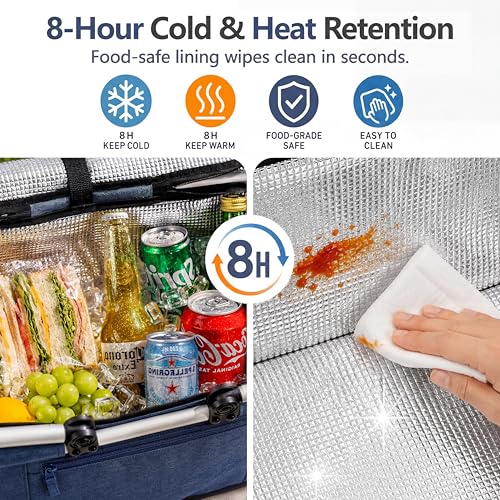
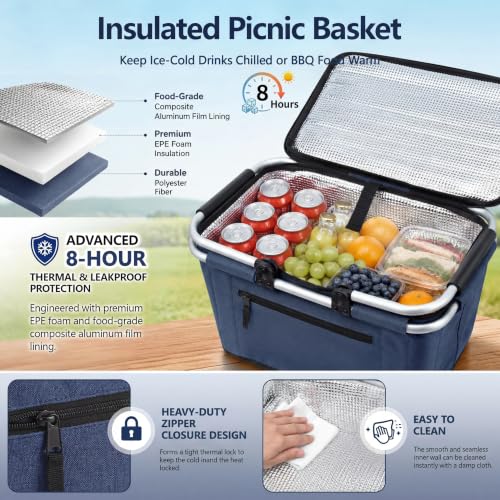
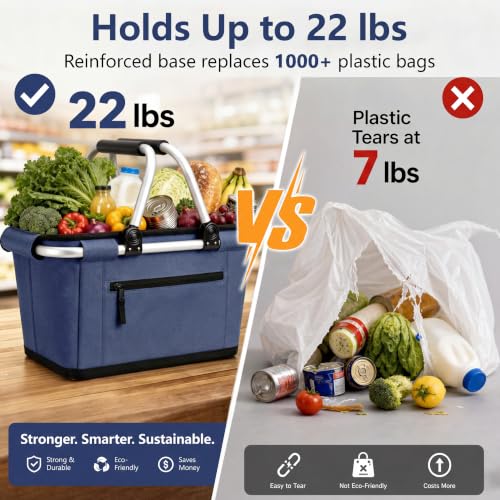
The standout here is the collapsible design, it goes from full basket to a 2-inch disc in seconds, which is a standout for apartment dwellers or anyone tired of bulky bags. The 27L capacity is generous, and the EPE foam lining delivers on the 8+ hour temperature claim, according to owner feedback. I like that it’s marketed as a multi-scenario tool, and users confirm it works well for groceries, picnics, and even as a car organizer.
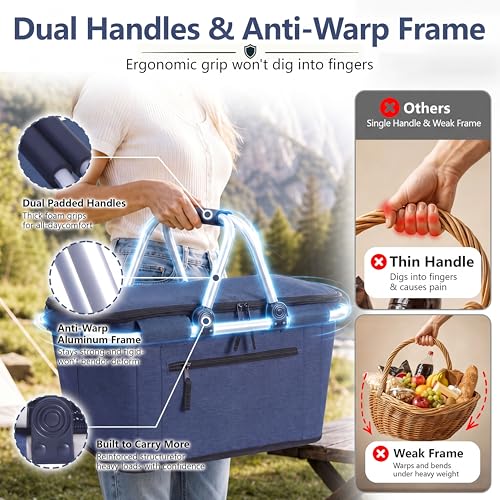
The dual padded aluminum handles are a thoughtful upgrade over flimsy webbing, they genuinely reduce hand fatigue. And the smooth, odor-resistant lining is a win for families dealing with messy spills. It’s not the most rugged option for rough terrain, but for urban use and light outdoor trips, it’s smartly engineered.
Product photos
BALEINE Insulated Reusable Grocery Bag

Strengths
- Folds flat
- Sturdy bottom
- Cart-friendly size
Trade-offs
- Moderate insulation
- Not for large groups
This bag bridges the gap between grocery hauling and picnic readiness better than most. At 16 x 13 x 9 inches, it’s compact enough for cart use but still holds a surprising amount, owners note it fits a week’s worth of chilled essentials or a full meal spread for two. The zippered top really does help maintain internal temps, and the reinforced bottom keeps it upright during loading, which is a small but meaningful detail.
I’d pick this over basic insulated totes because it folds flat for storage, a feature that matters in small kitchens. Reviewers highlight its durability after repeated use, and the long handles make shoulder carry comfortable. While it doesn’t match the ice retention of larger coolers, it’s solid for short trips or casual outdoor meals.
Product photos


HOTOR Leak-Proof Cooler Lunch Bag

Strengths
- Leak-proof lining
- Affordable price
- Compact design
Trade-offs
- Shorter insulation time
- Small capacity
At this price, the HOTOR delivers more than expected. The 3-layer insulation with pearl cotton and PEVA lining keeps food at safe temps for around 6–7 hours, which aligns with what owners report. The leak-proof claim holds up well, multiple reviewers mention carrying soups and sauces without incident, thanks to the seamless hot-pressed liner.
It’s compact but functional, with pockets for organization, and the shoulder strap makes it easy to carry hands-free. For under $10, it’s a solid pick for individuals who pack lunch daily or need a no-fuss bag for short outings. It won’t replace a full cooler, but for solo use, it punches above its weight.
Product photos


Lifewit Medium Insulated Lunch Bag
Strengths
- Wide-opening zipper
- Extra storage pockets
- Durable fabric
Trade-offs
- Average insulation
- Basic design
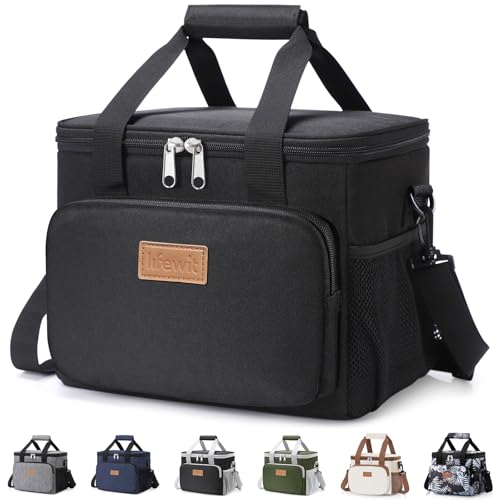
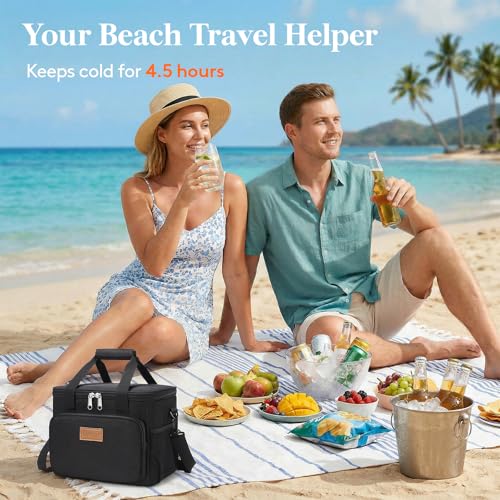
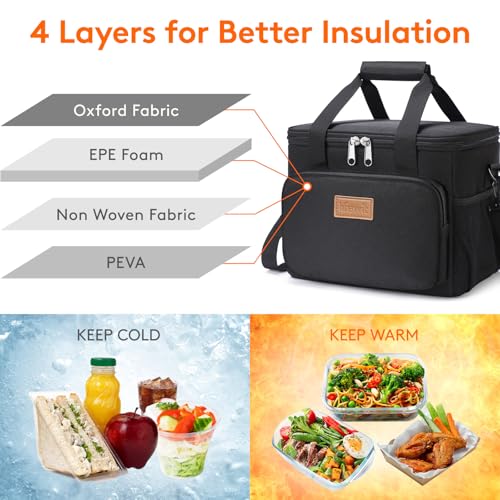
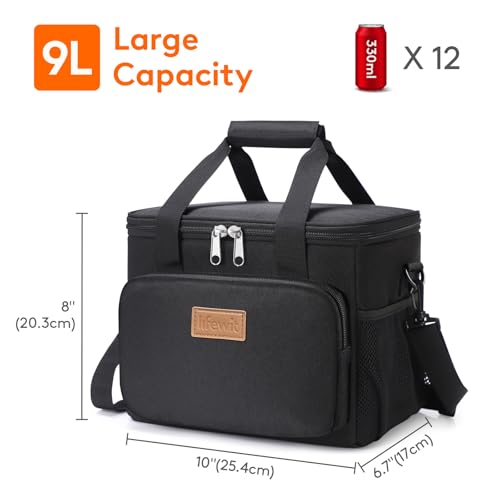
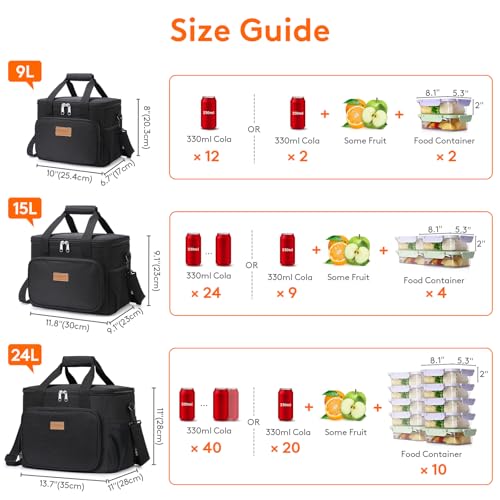
This bag is nearly identical in size and function to the HOTOR, and both land in the same budget tier. The 9L capacity fits a full lunch with room for snacks and drinks, and the food-grade PEVA lining is a must-have for direct food contact. Owners note it keeps items cool for about 4.5 hours, less than premium models, but acceptable for work or short trips.
Where it stands out is the wide-opening two-way zipper, which makes loading and unloading containers much easier. The front and side pockets add practicality, and the durable Oxford fabric resists wear. Between the two sub-$10 options, I’d lean toward the HOTOR for better insulation, but the Lifewit wins on accessibility.
Product photos
How We Evaluated picnic bags
As someone who spends a lot of time thinking about food storage and minimizing waste at Food Keepy, I approached researching picnic bags with a focus on practical performance and durability. Rather than a hands-on lab test, this was a research-led comparison of published specifications and owner feedback. I compared features across numerous models, then weighed those against what people are actually saying about their experiences. This involved carefully reading reviews from verified purchasers and reputable sources to get a realistic picture of each bag’s strengths and weaknesses.
For picnic bags, the most important factors are insulation performance and leak-proof construction. A bag that doesn’t keep food cold (or hot) simply isn’t useful, and nobody wants a soggy picnic blanket. Beyond that, capacity and portability played a significant role in my evaluations. I prioritized bags that offered a good balance between spaciousness and ease of carrying, looking at features like adjustable straps and convenient pocket designs. You can find more information about a wider range of options in our guide to cooler bags.
Specifications reliably indicate capacity and materials used, giving a good baseline for comparison. However, owner feedback proved essential for judging real-world insulation effectiveness and long-term durability. People consistently report on how well a bag actually keeps items cold, or how quickly zippers break. I also considered reputation; established brands often have a track record of quality, while newer entrants need to demonstrate their value. For those interested in reducing their environmental impact, exploring eco-friendly bag options is also worthwhile.
How To Pick The Right picnic bags
Finding the right picnic bag depends on how you plan to use it. A simple tote works for short trips, but a well-designed bag can elevate the whole experience.
A quality picnic bag prioritizes temperature retention, leakproof construction, and comfortable portability. Look for durable materials like Oxford cloth or PEVA lining, well-insulated compartments (at least 3mm foam is a good start), and features like adjustable straps and multiple pockets for convenient organization. Consider the capacity needed based on the number of people you’re typically feeding and the length of your outings.
Insulation & Temperature Control
The primary job of a picnic bag is to keep food at a safe temperature, and the quality of insulation varies significantly. Don’t assume all “insulated” bags are created equal. Some use thin liners that offer minimal benefit, while others employ multi-layered systems with thicker foam and sealed construction. For longer picnics or hot weather, prioritize bags touting 3mm or thicker insulation and features like a zippered lid to trap cool air. Keep in mind that even the best bag won’t maintain a perfect temperature indefinitely, so pre-chilling your food and using ice packs is still a smart strategy.
Capacity & Compartmentalization
Think about what you typically pack for a picnic. A couple might be fine with a 20-30 can capacity, but a family will need something considerably larger. Beyond raw volume, consider how the space is organized. Multiple compartments are incredibly useful. A dedicated dry compartment for snacks and sandwiches prevents sogginess, while insulated sections keep drinks cold without chilling everything else. If you regularly bring wine or bottles, look for bags with dedicated bottle holders or straps. I often recommend looking at options beyond traditional picnic bags; sometimes, a well-organized set of food prep bags can be adapted for picnic use.
- A small bag (under 20 cans) is ideal for solo lunches or quick trips to the park.
- A medium-sized bag (20-40 cans) suits couples or small families for a day out.
- A large bag (over 40 cans) is best for larger groups, all-day events, or when you need to transport a substantial amount of food and drinks, and should ideally include sturdy handles and possibly wheels for easier transport.
Durability & Portability
A picnic bag sees more abuse than most people realize. It gets tossed around, set on rough surfaces, and often stuffed to capacity. Look for bags constructed from durable materials like high-density Oxford cloth or reinforced polyester. Pay attention to the quality of the zippers and stitching; cheap components are likely to fail quickly. Consider how you’ll be carrying the bag. Backpack-style bags distribute weight more evenly and are comfortable for longer walks, while traditional tote-style bags are simpler and easier to pack in a car. If you’re looking for a reliable and versatile option, exploring picnic cooler bags is a great place to start.
A well-made picnic bag should last for years with proper care. Don’t skimp on quality; a durable bag is a sustainable choice and will save you money in the long run.
Picnic Bags Compared
Here’s a comparison of key specifications for popular picnic bags to help you choose the right one.
| Product Title | Capacity | Insulation Type | Waterproof | Leakproof | Features |
|---|---|---|---|---|---|
| Hulongo Large Waterproof Cooler Backpack | 35 Cans | 8mm Foam | Yes | Yes | Multiple Compartments |
| MIYCOO Cooler Backpack with 2 Compartments | 40 Cans | N/A | N/A | Yes | Bottle Fastening Straps |
| Jumbo Insulated Cooler Bag Charcoal | 30 Cans | Thermal Foam | Yes | Yes | Adjustable Handles |
| SIYUAN Collapsible Insulated Picnic Basket | 27L | EPE Foam | N/A | N/A | Collapsible Design |
| BALEINE Insulated Reusable Grocery Bag | 16x13x9 inches | Zippered Lid | N/A | N/A | Folds Flat |
| HOTOR Leak-Proof Cooler Lunch Bag | N/A | 3-Layer | N/A | Yes | Multiple Pockets |
| Lifewit Medium Insulated Lunch Bag | 9L | PEVA Foil/EPE | Yes | Yes | Shoulder Strap |
Frequently Asked Questions
What temperature drop can I realistically expect in a picnic bag?
A good quality picnic bag, particularly one with 3mm or thicker insulation, can maintain a temperature within 30-40°F of the initial food temperature for several hours. However, ambient temperature and how often the bag is opened significantly impact performance.
Are picnic bags truly waterproof, or just water-resistant?
Many bags advertise being waterproof, but most are actually water-resistant. This means they can withstand light rain or splashes, but prolonged exposure or submersion will likely lead to leaks. Look for bags with PEVA lining and sealed seams for better protection.
How do I clean a picnic bag to prevent odors and bacteria?
Most picnic bags have a wipeable interior lining. Turn the bag inside out and wash with mild soap and warm water. For deeper cleaning, you can use a diluted vinegar solution, then ensure it’s completely dry before storing to prevent mildew. Proper reusable bag storage is also key.
Can I use ice packs inside a picnic bag, or will they damage it?
Yes, ice packs are generally safe to use inside a picnic bag. However, avoid placing extremely cold packs directly against the lining, as this could potentially cause damage over time. Wrapping them in a towel provides an extra layer of protection.
Are backpack-style picnic bags better for longer distances, and are there downsides?
Backpack-style picnic bags distribute weight more evenly, making them ideal for longer walks or hikes. The primary downside is that accessing items typically requires fully opening the bag, which can be less convenient than a tote-style bag. If you frequently use insulated lunch bags for work, a backpack style might feel familiar and comfortable.
The Bottom Line
Choosing a picnic bag often comes down to balancing convenience with capacity. Do you want something lightweight and easy to carry, or a larger, more feature-rich option that can handle a feast? For overall performance and versatility, the Hulongo Large Waterproof Cooler Backpack stands out. Its combination of generous capacity, excellent insulation, and backpack-style portability makes it a strong contender for most picnic scenarios.
If you’re on a tighter budget, the BALEINE Insulated Reusable Grocery Bag offers surprising value. For those who need something exceptionally spacious, the MIYCOO Cooler Backpack with 2 Compartments provides ample room for larger groups. And if you’re looking for extra protection for frozen items to keep them colder for longer, consider complementing your picnic bag with some reliable freezer storage solutions.
Ultimately, the best picnic bag isn’t about chasing the highest number of cans or the latest features. It’s about finding a bag that suits your needs and helps you enjoy your time outdoors. Prioritize quality construction, dependable insulation, and a design that makes packing and carrying easy – those fundamentals will make all the difference.
