
8 Best Pressure Cookers for Canning 2026
This post contains affiliate links. As an Amazon Associate, we earn from qualifying purchases.
The Presto 23-Quart Induction Canner is the best overall pick for reliable, safe canning, with strong build quality and induction compatibility. For budget-conscious users, the 24 QT Induction Pressure Canner offers solid performance and a full kit at a lower price.
Home canning isn’t just about preserving food, it’s about doing it safely and consistently. A faulty pressure canner can lead to under-processed jars, putting your family at risk. I’ve researched this category for years through Food Keepy, focusing on how well equipment supports safe, waste-free food storage.
This guide covers the top pressure canners based on specs, owner feedback, and key canning requirements like gauge accuracy, material durability, and capacity. I looked closely at which models help you follow USDA guidelines with confidence.
Top 7 Pressure Cookers For Canning in the Market
The Best Pressure Cookers For Canning, Reviewed
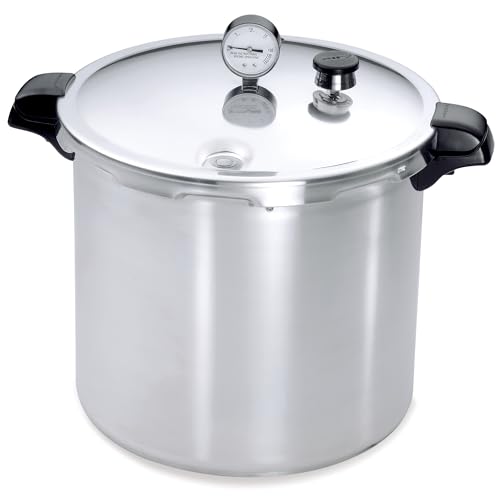
Presto 23-Quart Induction Canner
Strengths
- Induction-compatible base
- 12-year warranty
- USDA-approved safety
Trade-offs
- Slightly shorter handle grip
- No included toolkit
Presto nailed it here, this is the best overall stovetop canner for modern kitchens. The stainless steel-clad base makes it truly induction-ready, unlike some aluminum models that claim compatibility but struggle with even heating. Its 23-quart capacity fits nearly as much as larger 24-quart units, and the air vent/cover lock system is one of the most reliable safety designs in the category. Owners consistently praise how quickly it pressurizes and how stable it stays.
It doubles as a boiling-water canner, which adds real utility, and the 12-year warranty signals confidence in durability. Compared to the older Presto 01781, this model improves heat distribution without sacrificing ruggedness. I’d choose this over any other stovetop option if you want one pot that does it all safely and efficiently, especially at higher altitudes where gauge accuracy matters.
Video review
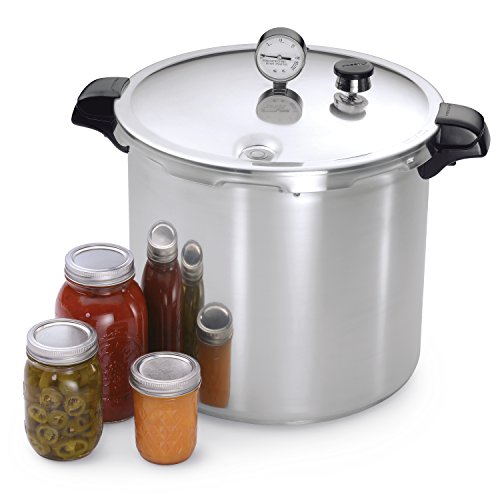
24 QT Induction Pressure Canner

Strengths
- Induction compatible
- Triple-rack system
- Includes full toolkit
Trade-offs
- Aluminum rack less durable
- No altitude adjustment guide
This 24-quart model stands out in the stovetop canning space with its induction compatibility and a rare triple-rack system that boosts efficiency during large harvests. The inclusion of two stainless steel racks is a smart move, rust resistance matters when you’re running repeated cycles, and owners consistently report fewer issues with jar stability. On paper, the 14.5 PSI gauge meets USDA standards for low-acid food safety, which is essential for pressure canning.
The 7-piece tool kit adds real beginner-friendly value, though some reviewers note the aluminum rack feels flimsier than the stainless ones. Still, the dual over-pressure valves and locking lid deliver solid peace of mind. Compared to basic Presto models, this one leans into versatility without sacrificing core safety features. I’d pick it over cheaper options if you regularly can on induction or need that third rack tier.
Video review
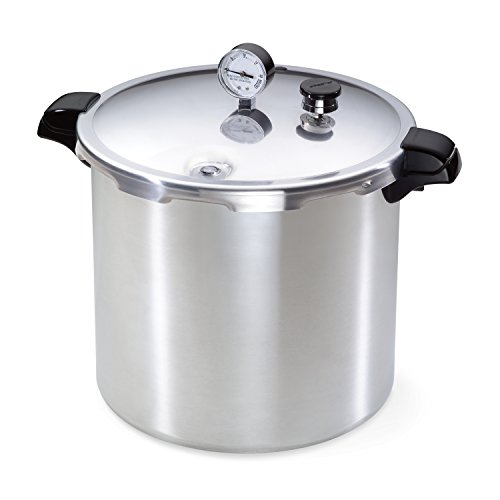
Presto 23-Quart Pressure Canner
Strengths
- Proven long-term durability
- Precise pressure gauge
- Excellent instruction book
Trade-offs
- Not for induction stoves
- Basic handle insulation
This is the old-school workhorse that’s earned its reputation. No fancy cladding or digital displays, just thick-gauge aluminum built to last decades. It heats fast on electric and gas ranges, and the deluxe dial gauge gives precise readings, critical for high-altitude canning where small PSI errors can compromise safety. The included 76-page guide is one of the best intro resources in any canner box.
While it lacks induction compatibility, it’s priced fairly for what you get: unmatched value in materials and engineering. Compared to the newer 01784, it’s slightly less versatile on modern stoves but just as safe and effective. My recommendation? If you’re on a traditional stove and want maximum reliability per dollar, this remains the smarter buy.
Product photos


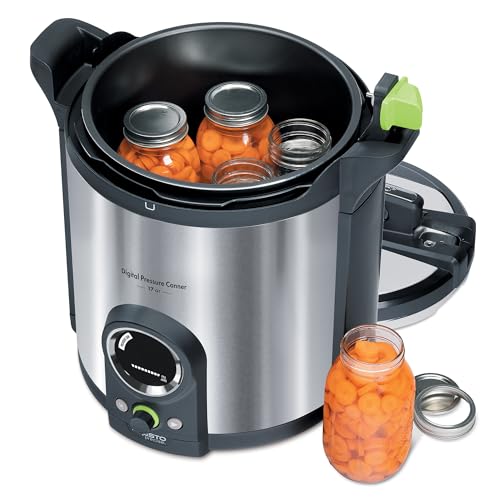
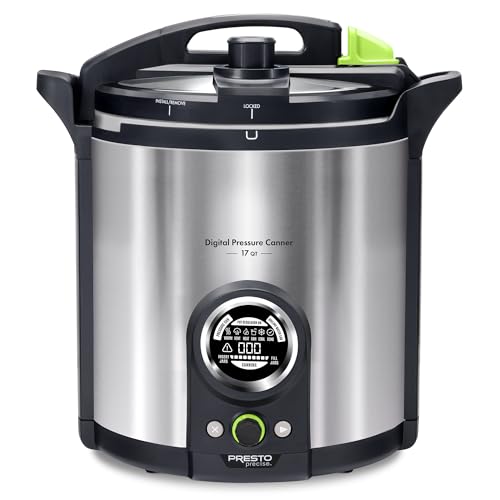
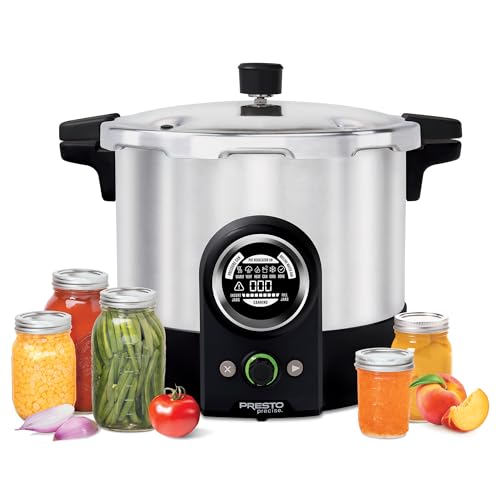
Presto 17-Quart Digital Canner

Strengths
- Fits quart jars vertically
- Hands-free processing
- Smart altitude correction
Trade-offs
- Very high price point
- Large footprint
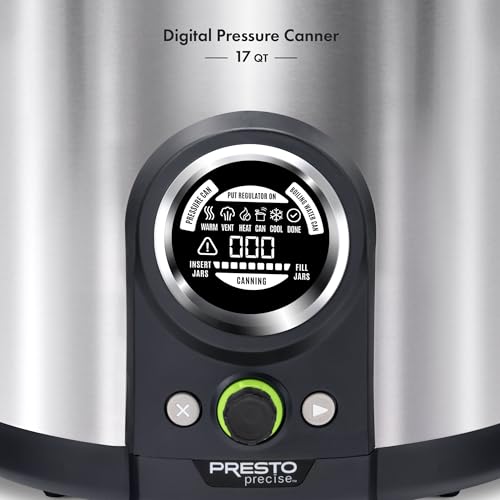
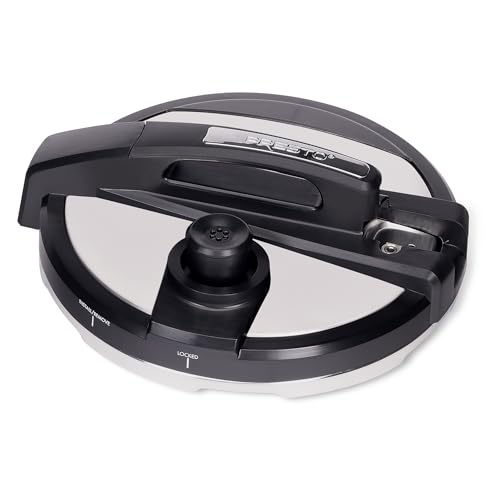
As Presto’s largest digital model, this unit brings automation to serious batch sizes. The extra height accommodates quart jars with room to spare, and the sensor-driven system maintains exact temperatures without user intervention. Reviewers highlight how quiet and consistent it runs, and the LED display walks you through each phase clearly. For households canning meats or soups weekly, the hands-free operation keeps the kitchen cooler and safer than stovetop methods.
But it comes at a steep cost, easily double the price of stovetop alternatives with similar capacity. And while it’s convenient, it’s also a single-function appliance that takes up considerable counter space. If you’re committed to digital ease and process large volumes, it’s justified. Otherwise, I’d stick with stovetop.
Product photos
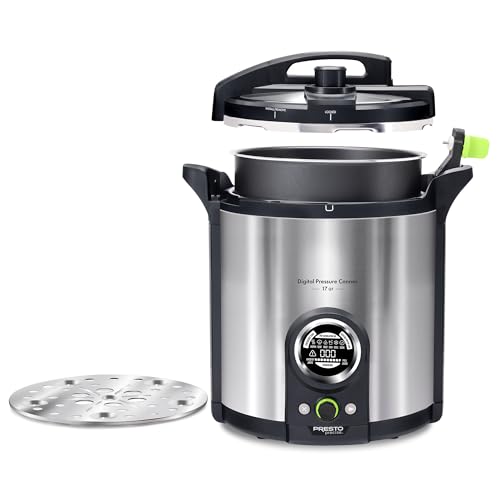
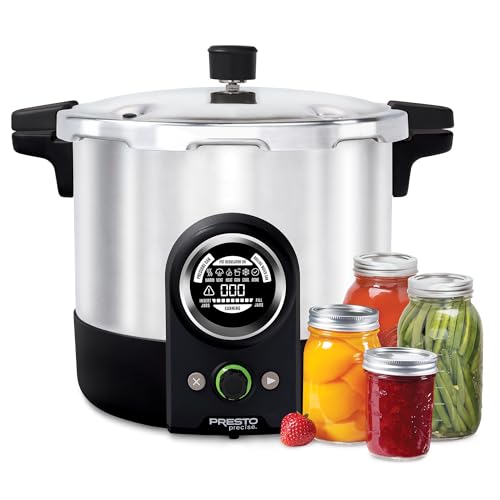
Presto 16-Quart Digital Canner
Strengths
- Beginner-friendly interface
- Automatic heat control
- Altitude auto-adjust
Trade-offs
- Smaller capacity
- High price per quart
This digital model is a standout for nervous beginners. With automatic temperature control and step-by-step prompts, it removes the anxiety of managing burner output, a common pain point when learning stovetop canning. The 16-quart size is compact enough for small kitchens but still holds 10 pint jars, making it practical for regular use. Altitude adjustments happen automatically, which simplifies compliance with safety guidelines.
That said, it’s expensive for its capacity, and advanced users may find it limiting, you can’t multitask on the stovetop while it runs. Still, first-timers who’ve been intimidated by gauges and timing will appreciate the hand-holding. Compared to the larger 02152, this one strikes a better balance between footprint and function.
Product photos

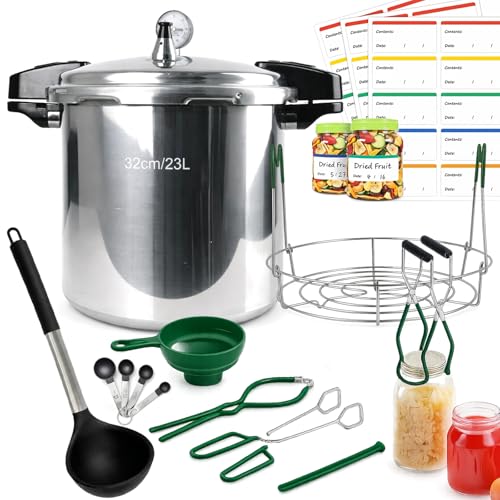
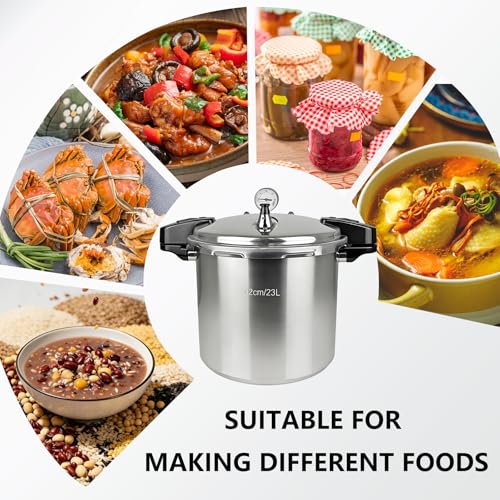
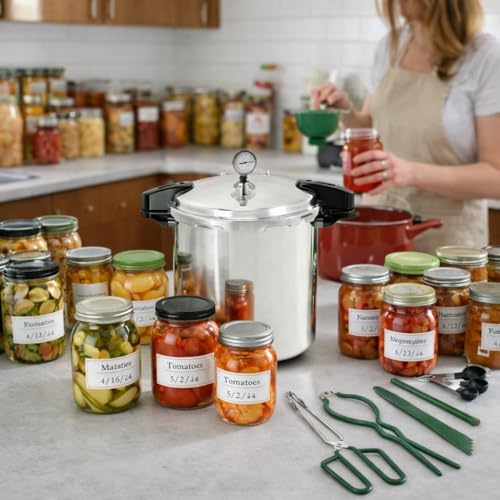
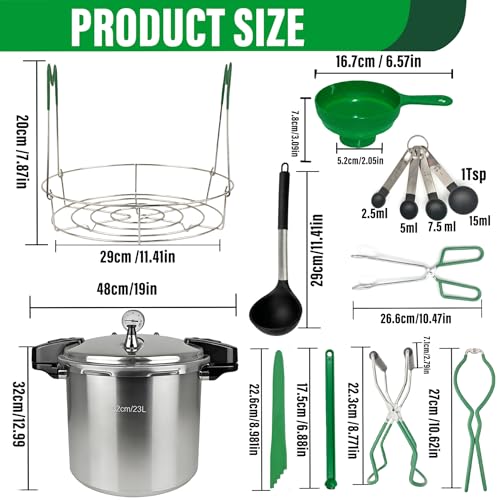
24 Quart Canning Starter Kit
Strengths
- Thorough 9-piece kit
- Induction compatible
- Good batch capacity
Trade-offs
- Average pressure response
- No brand-backed warranty
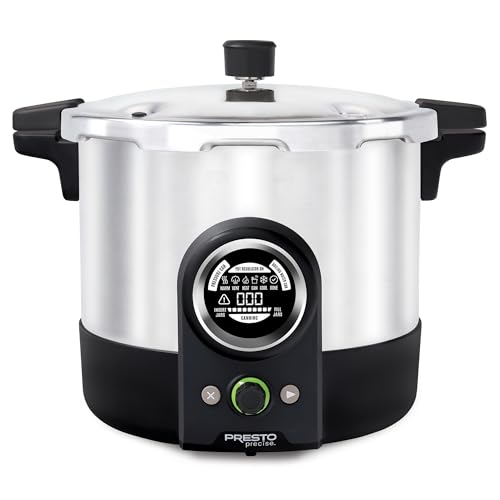
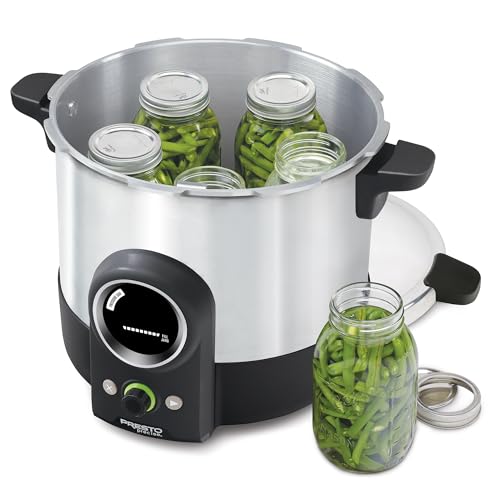
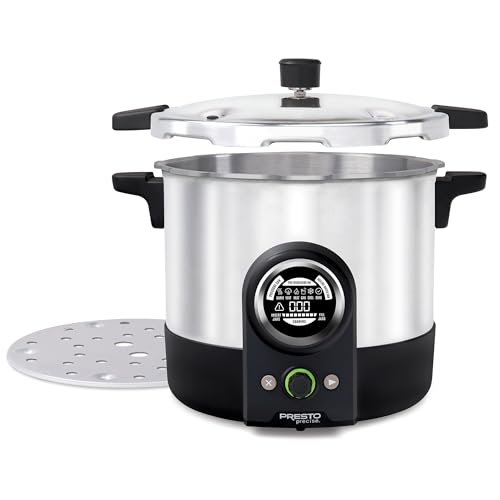
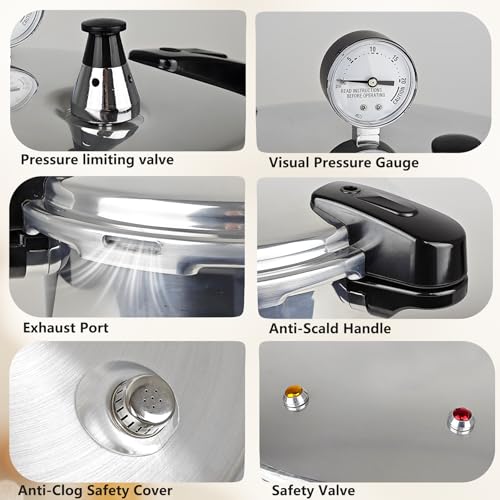
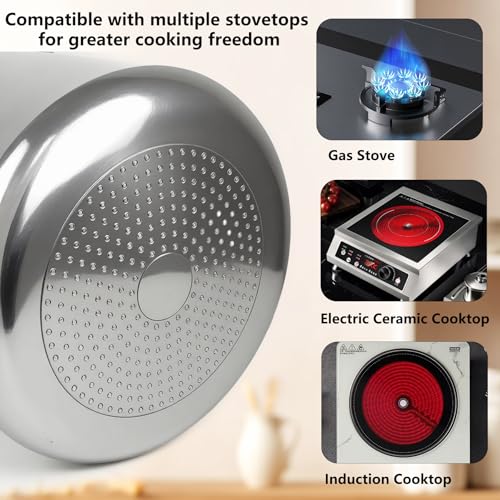
With a 9-piece accessory kit, this canner tries hard to be the ultimate starter bundle, and on that front, it delivers. The tools included are practical and well-matched to common bottlenecks beginners face, like fumbling lids or underfilled jars. However, the build is standard heavy-gauge aluminum, nothing special beyond decent heat conduction. It hits 14.5 PSI, which is essential, but unlike the Presto models, it lacks a long warranty or brand-trusted track record.
Reviewers note the flat bottom works fine on induction, but some mention slower pressure buildup compared to clad-base competitors. While it’s a capable unit, it doesn’t outperform the T-fal or Presto budget lines in actual use. If accessories tip your decision, this makes sense. But if longevity and precision matter more, I’d look elsewhere.
Product photos
T-fal 22-Quart Aluminum Canner

Strengths
- Dual canning modes
- Lightweight design
- Includes two racks
Trade-offs
- Not induction compatible
- One-year warranty only
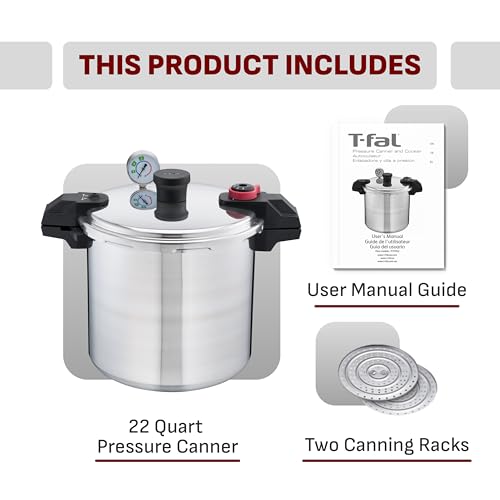
At 22 quarts, this T-fal hits the sweet spot between size and manageability for mid-sized kitchens. It’s lighter than most rivals, which helps when draining water or moving it post-canning, and the dual racks let you stack safely. What I appreciate most is its dual functionality, it handles both pressure and water bath canning, so you’re not buying two pots. That flexibility matters if you preserve fruits and pickles as often as green beans or meat.
It only works on gas and electric coils, not induction, which limits its modern appeal. The gauge is easy to read, and owners say it holds steady at target pressure, though not as precisely as Presto’s dial. For the price, it’s a strong contender. If you don’t need digital smarts or induction support, this is the smarter buy over pricier all-in-one kits with gimmicky extras.
Product photos
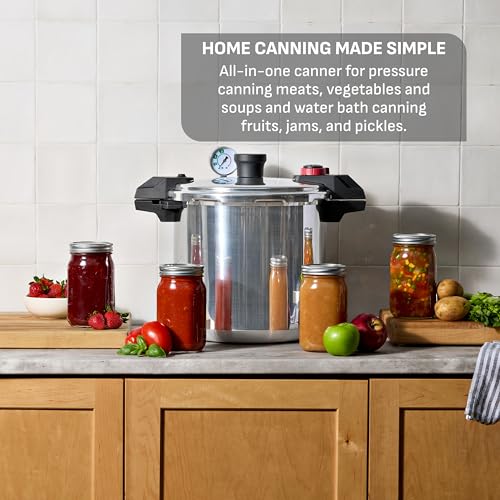
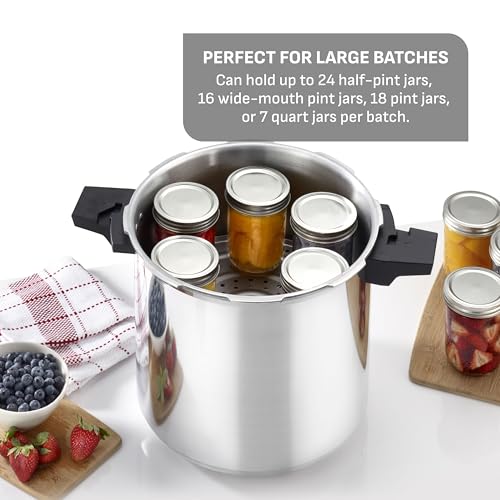
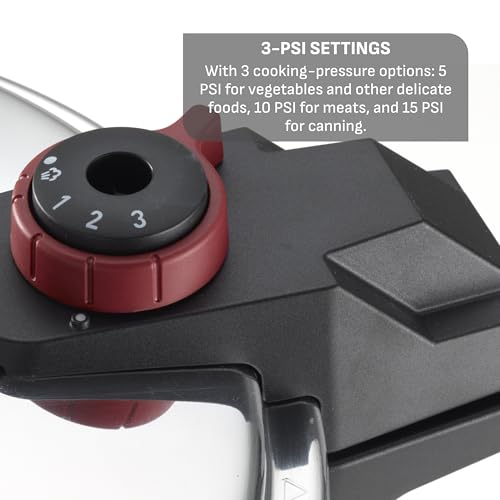
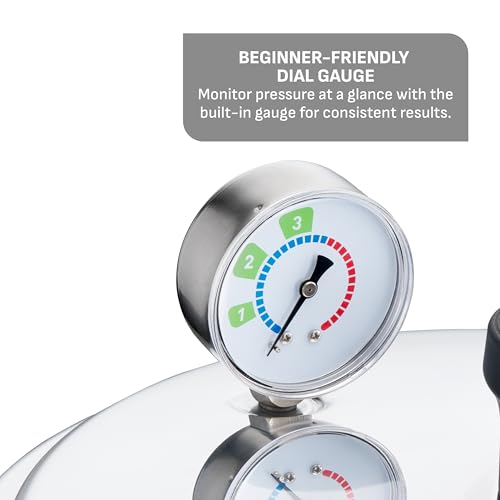
How We Picked These pressure cookers for canning
I approached this guide by first compiling detailed specifications and features for a range of popular pressure cookers marketed for canning. I then weighed these details against owner reviews from major retailers and expert opinions found in reputable food preservation resources. As someone who researches food storage regularly, I considered factors like capacity, materials, safety features, and included accessories to determine which models offered the best combination of performance and value.
For pressure canners, consistent, accurate pressure regulation and build quality are paramount. I prioritized models with clear pressure gauges and robust locking mechanisms, as these directly impact food safety. Capacity was also a key factor; larger capacities are efficient for batch canning, while smaller ones suit occasional users. The inclusion of useful accessories, like jar racks and lifters, added to a model’s overall value.
The published specifications reliably indicated materials and capacity. However, I placed greater weight on owner feedback for real-world usability and durability. Reports on ease of use, how well the gauge held calibration, and the longevity of included accessories were essential in differentiating between models. Reputable expert reviews confirmed safety standards and helped validate the overall quality of construction.
What To Look For In pressure cookers for canning
Choosing a pressure cooker for canning requires a bit more thought than simply grabbing the cheapest model. It’s about safety, consistency, and ensuring you’re meeting USDA guidelines for food preservation.
A good pressure canner must reliably reach and maintain the correct pressure for safe food preservation, offer clear pressure monitoring, and be constructed from materials suitable for repeated, high-heat use. Prioritize models with documented safety features and compatibility with your stovetop type.
Gauge Accuracy & PSI Settings
The pressure gauge is the most important part of any canner. Don’t skimp here. Look for canners with gauges that are easy to read, and ideally, those with a reputation for holding their calibration over time. Digital models are increasingly popular because they eliminate parallax errors (reading the gauge at an angle), but even dial gauges can be accurate if well-made. A canner offering multiple PSI settings (like the Mirro 22 Qt) gives you flexibility, since different recipes and altitudes require different pressures.
Material & Construction Quality
Aluminum is a common material for pressure canners, and it heats quickly and evenly. However, be aware that some people prefer to avoid aluminum altogether. Stainless steel clad bases (like on the Presto 23-Quart Induction Canner) offer a good compromise – the heat distribution of aluminum with a more inert cooking surface. Regardless of material, the canner should feel solid and well-built, with a tight-fitting lid and secure locking mechanism.
- A flimsy canner is a danger. It may not maintain consistent pressure.
- Look for heavy-gauge aluminum, which resists warping over time.
- Check for durable, heat-resistant handles. Repeated lifting of heavy, pressurized pots puts a lot of stress on them.
Capacity & Included Accessories
Think about how much you typically can at once. A 16-quart canner (like the Presto 16-Quart Digital Canner) is good for smaller batches or beginners, while a 24-quart model (like the 24 QT Induction Pressure Canner) is better for preserving large harvests. Don’t forget to factor in accessories. Many canners come with a canning rack, but some also include jar lifters, funnels, and other useful tools. Buying a kit (like the 24 Quart Canning Starter Kit) can be a cost-effective way to get everything you need at once.
A rule of thumb: always double-check USDA guidelines for processing times and pressures specific to your food and altitude. Don’t rely solely on the canner’s instructions.
Pressure Cookers for Canning Compared
Here’s a comparison of key specifications for various pressure cookers designed for canning.
| Product Title | Capacity (Quarts) | PSI Setting(s) | Induction Compatible | Material | Included Accessories |
|---|---|---|---|---|---|
| Presto 23-Quart Induction Canner | 23 | 15 | Yes | Aluminum/Steel | Rack, Book |
| 24 QT Induction Pressure Canner | 24 | 14.5 | Yes | Aluminum | 7-Piece Kit |
| Presto 23-Quart Pressure Canner | 23 | 15 | No | Aluminum | Rack, Book |
| Presto 17-Quart Digital Canner | 17 | N/A | N/A | N/A | N/A |
| Presto 16-Quart Digital Canner | 16 | N/A | N/A | N/A | N/A |
| 24 Quart Canning Starter Kit | 24 | 14.5 | Yes | Aluminum | 9-Piece Kit |
| T-fal 22-Quart Aluminum Canner | 22 | N/A | No | Aluminum | 2 Racks, Guide |
| Mirro 22 Qt Pressure Canner | 22 | 5/10/15 | N/A | Aluminum | 2 Racks |
Frequently Asked Questions
What PSI level is required for canning green beans?
Green beans processed in a boiling water bath canner require 11 PSI if you live below 1,000 feet elevation. Higher elevations will require adjustments to processing time and pressure, so always consult current USDA guidelines for specifics.
Can I use a pressure cooker for canning if it doesn’t have a dedicated pressure gauge?
While some older models relied on a weighted gauge, a dedicated, readable pressure gauge is now considered essential for safe canning. Without precise pressure monitoring, there’s a risk of under-processing, which can lead to spoilage and potential health hazards.
Are aluminum canners safe to use for acidic foods like tomatoes?
Aluminum canners are generally considered safe for canning, but some people prefer to avoid prolonged contact between acidic foods and aluminum. If you’re concerned, look for a model with a stainless steel interior or clad base to avoid potential interactions.
What does “induction compatible” mean for a pressure canner?
Induction compatibility means the canner’s base is made of a ferromagnetic material that will work on induction cooktops. Not all pressure canners are induction compatible, so check the specifications carefully if you have an induction stove, as a non-compatible canner won’t heat properly.
How often should the pressure gauge on my canner be checked for accuracy?
It’s best practice to check your gauge annually for accuracy, especially if it’s a dial gauge. Many local extension offices offer gauge testing services for a small fee, or you can purchase a testing weight and perform the test yourself following USDA instructions.
The Bottom Line
Choosing a pressure canner often comes down to balancing initial cost with long-term reliability and features. While several options exist, the Presto 23-Quart Induction Canner strikes a fantastic balance for most home canners. It offers a generous capacity, induction compatibility, and a solid reputation for maintaining accurate pressure – all at a reasonable price point.
If you’re just starting out, or can smaller batches, the Presto 16-Quart Digital Canner is an excellent choice. For those looking for a complete package with everything needed to begin, the 24 Quart Canning Starter Kit provides exceptional value and convenience. And for those prioritizing versatility and multiple PSI settings, the Mirro 22 Qt Pressure Canner is a dependable option.
Ultimately, the most important factors aren’t necessarily the digital displays or extra accessories. Consistent pressure, a secure locking mechanism, and a commitment to following USDA guidelines are what truly matter when it comes to safe and successful home canning. A well-maintained canner, used properly, will preserve your harvests for years to come.
