
8 Best Smart Refrigerators of 2026
This post contains affiliate links. As an Amazon Associate, we earn from qualifying purchases.
The LG 23 cu. ft. InstaView Smart stands out as the best overall smart refrigerator for its reliable cooling, counter-depth design, and practical smart features. For a budget-friendly option, the Midea 32 Cu. Ft. Smart French Door offers impressive capacity and dual ice makers at a lower price. If you want maximum versatility and high-end convenience, the Samsung Bespoke 4-Door with its Beverage Center is hard to beat.
Most people don’t realize how much a smart refrigerator can either simplify or complicate kitchen life, depending on the model. Too often, buyers end up paying for flashy tech that doesn’t actually help with food storage or daily use.
This guide cuts through the hype. I compared specs and owner feedback to find models that deliver real value, focusing on cooling performance, usable capacity, and smart features that genuinely support food organization and freshness.
Top 6 Smart Refrigerators in the Market
The Best Smart Refrigerators, Reviewed
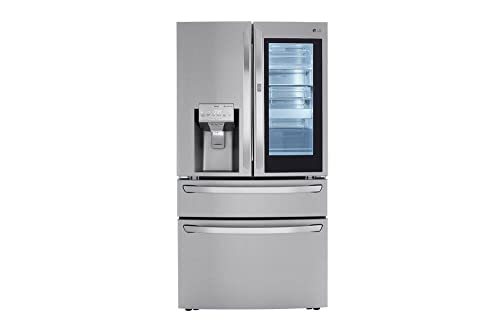
LG 23 cu. ft. InstaView Smart Refrigerator
Strengths
- Door-in-Door access
- Craft Ice maker
- Fingerprint-resistant finish
- Counter-depth design
- Consistent cooling performance
Trade-offs
- Smaller capacity than competitors
- Higher price point
- Limited ice options vs newer models
This LG model stands out in the high-end smart fridge space, not just for its looks but for thoughtful features that align with real kitchen habits. The Door-in-Door design genuinely reduces cold air loss, and owners consistently report fewer temperature swings when grabbing everyday items like milk or condiments. Combined with the Craft Ice™ maker, which produces slow-melting spherical ice popular in home bars, this fridge leans into lifestyle perks beyond basic cooling.
On paper, the 23 cu. ft. capacity is modest compared to others in this list, but the counter-depth build maximizes usable space without protruding past cabinets, ideal for open-concept kitchens where aesthetics matter. The Smart Cooling System gets strong marks in reviews for keeping produce crisp over extended periods, which matters if you’re trying to reduce food waste. It’s not the most spacious, but it’s one of the most refined all-around packages.
Video review
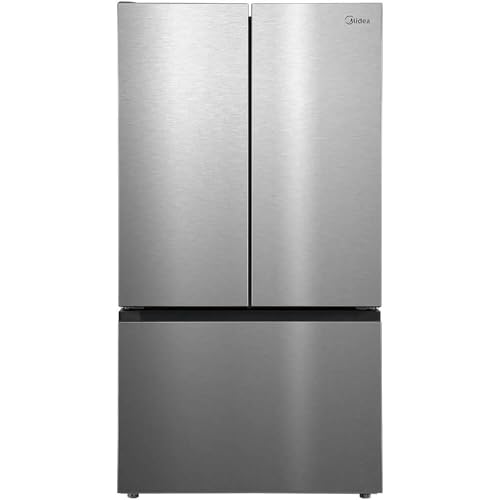
Midea 32 Cu. Ft. Smart French Door
Strengths
- Massive 32 cu. ft. capacity
- AutoFill water pitcher
- Internal water dispenser
- Dual icemakers
- Extremely low price
Trade-offs
- Very large footprint
- Clunky app interface
- Not counter-depth compatible
Thirty-two cubic feet is enormous, this is essentially a walk-in closet for groceries. The sheer scale makes it a top contender for bulk shoppers, meal preppers, or multi-generational homes where fridge real estate is constantly contested. The AutoFill water pitcher is a clever touch: it fills itself to a set level using internal sensors, reducing spills and saving trips to the tap.
Wi-Fi control works adequately for adjusting temps remotely, though it won’t impress tech purists. What’s notable is how Midea packs dual icemakers and an internal water dispenser into a sub-$1,000 frame. Compared to the LG B089JM24P5, which costs five times more, this wins on pure utility. But remember: this is deep and wide. It dominates the room. If you have space, it’s a powerhouse. If not, it’ll overwhelm.
Video review
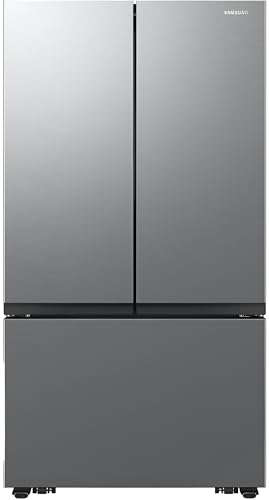
Samsung 27 Cu. Ft. Counter-Depth Smart
Strengths
- Large 27 cu. ft. capacity
- Dual ice maker
- All-Around Cooling
- Counter-depth profile
- Affordable premium build
Trade-offs
- No external water dispenser
- Finish shows fingerprints
- Less smart feature depth
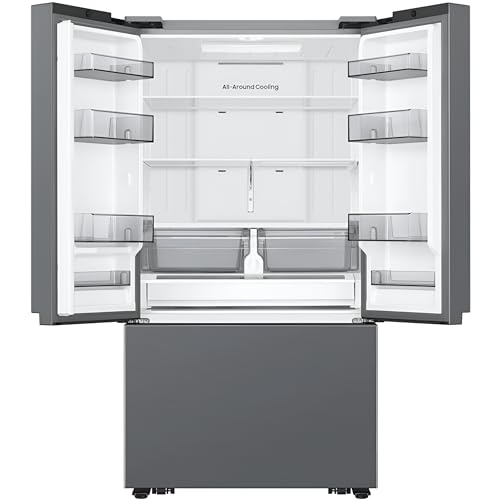
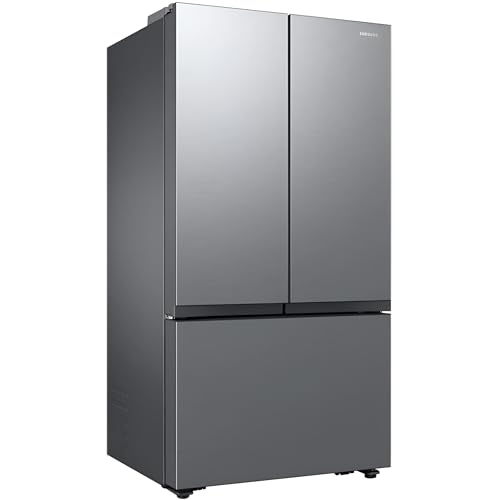
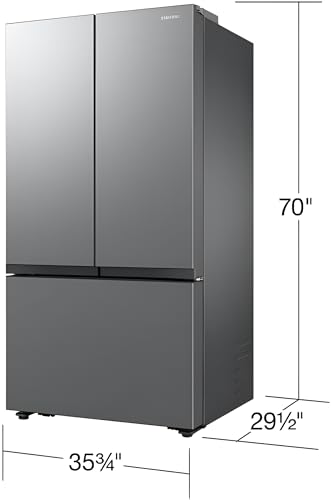
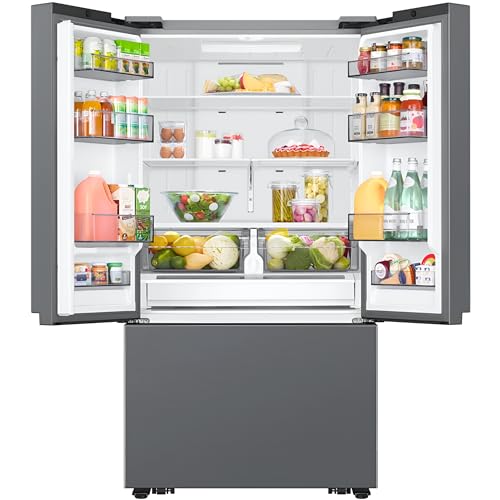
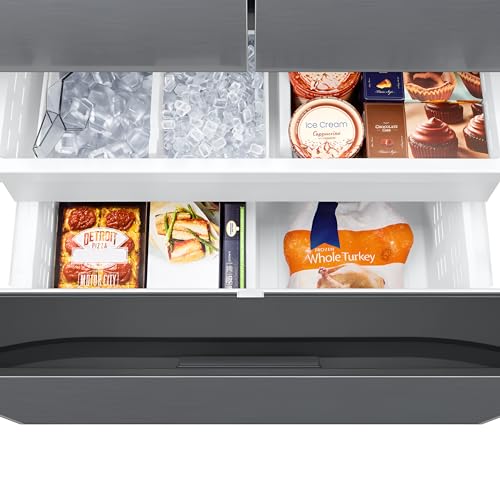
Samsung delivers solid mid-tier performance here with a roomy 27 cu. ft. layout and a practical 3-door split that separates the freezer compartment for faster access. The Dual Auto Ice Maker is a standout, it generates both cube and crushed ice independently, so you’re not waiting on refills during gatherings. That’s a real perk for hosts or busy households.
All-Around Cooling keeps temperatures stable across shelves, and owners say their greens last longer than in non-circulating fridges. While it lacks the flashy extras like InstaView or craft ice, it hits reliability notes well. At this tier, it competes directly with LG’s B0C2X116TR but offers more cubic feet for only slightly more money. My recommendation? Choose this if you want dependable smarts and extra ice without paying for luxury finishes.
Product photos
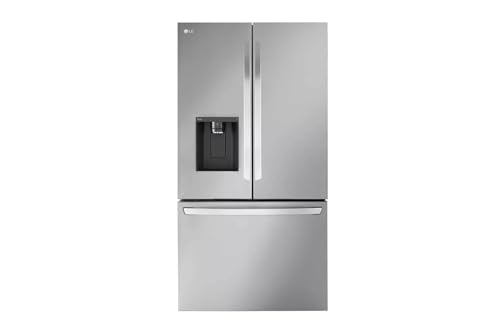
LG 26 cu.ft. MAX Counter-Depth Smart
Strengths
- Dual ice makers
- Energy Star certified
- ThinQ app support
- Counter-depth design
- Smart diagnosis alerts
Trade-offs
- No craft or specialty ice
- Lower fresh food capacity
- Water dispenser only, no ice
LG balances form and function well here, packing dual ice makers and Wi-Fi controls into a counter-depth chassis without sacrificing freezer usability, a common trade-off in slim-profile models. The Slim SpacePlus® Ice System tucks the ice maker into the door, freeing up shelf space in the freezer, which owners appreciate for storing flat packages like frozen pizza or veggies.
Its SmartThinQ integration stands above budget brands: remote alerts for open doors or filter changes help prevent spoilage and maintenance lapses. ENERGY STAR compliance backs its claim of being energy-smart over time. When compared to the Midea MRF29D6AST, this uses significantly less power despite similar capacity. For me, this is the smarter buy if you want long-term efficiency and seamless smart features without going fully luxury.
Product photos
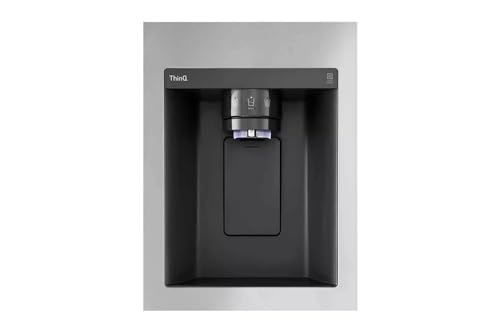
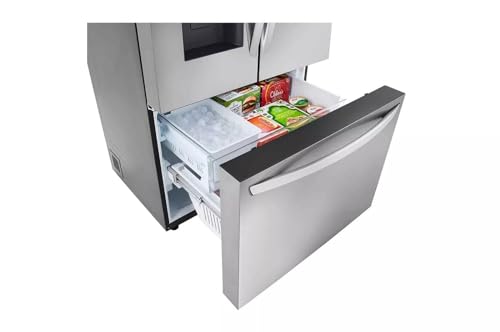
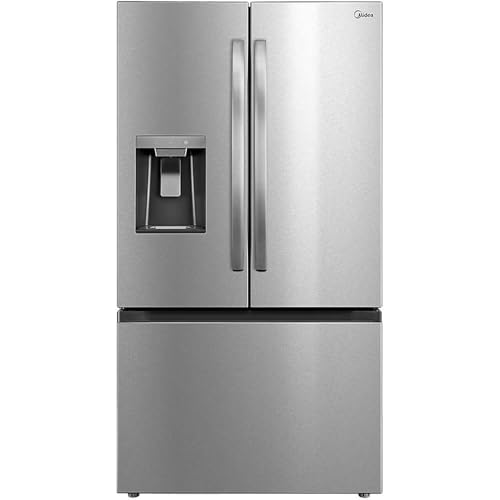
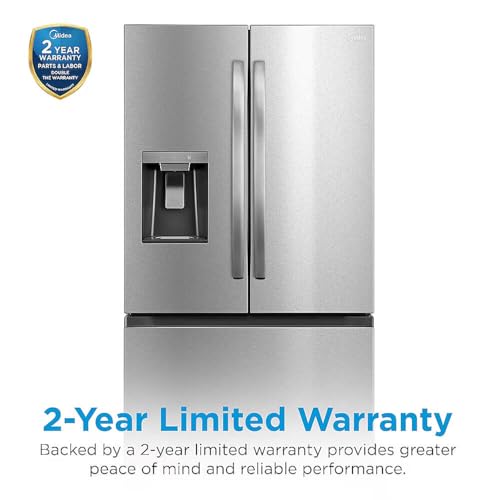
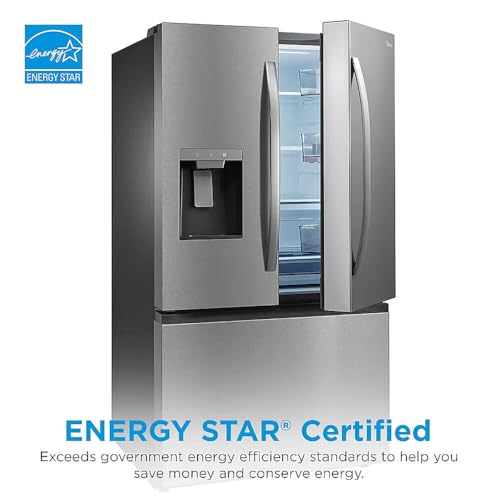
Midea 29.3 Cu. Ft. Smart Fingerprint Resistant
Strengths
- Huge 29.3 cu. ft. capacity
- Dual ice maker with dispenser
- Fingerprint-resistant finish
- Low price for size
- LED interior lighting
Trade-offs
- Standard depth takes more floor space
- Basic smart functionality
- Build quality not as premium
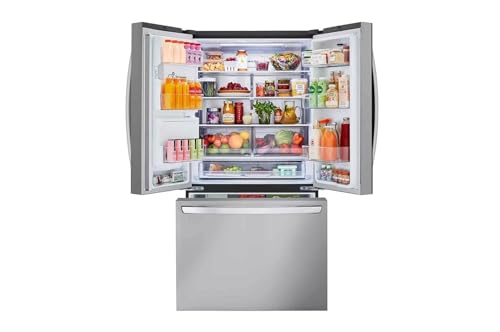
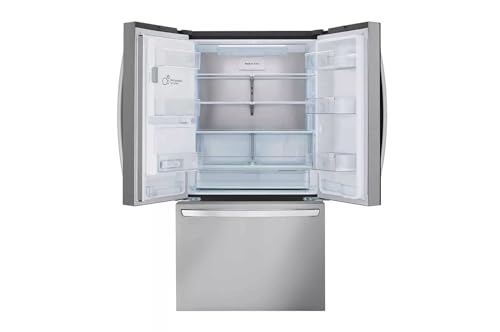
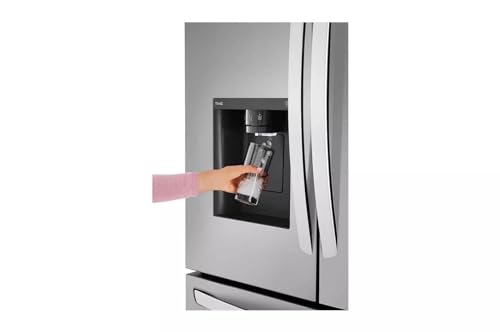
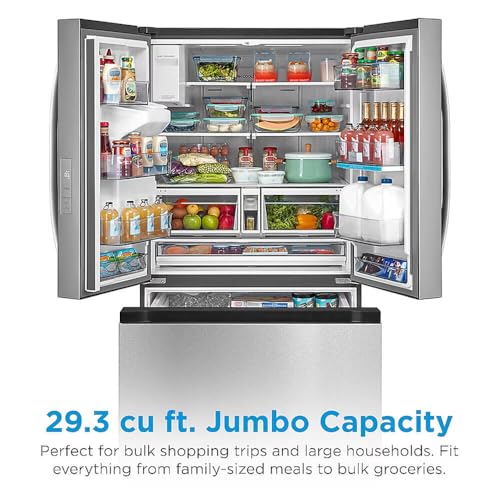
Midea continues to disrupt the smart fridge market by offering massive volume and modern features at prices that undercut every major brand. At nearly 29.3 cu. ft., this is one of the largest standard-depth models available with a dual ice maker and water/ice dispenser combo. For families used to running out of ice by Saturday night, this solves a real pain point.
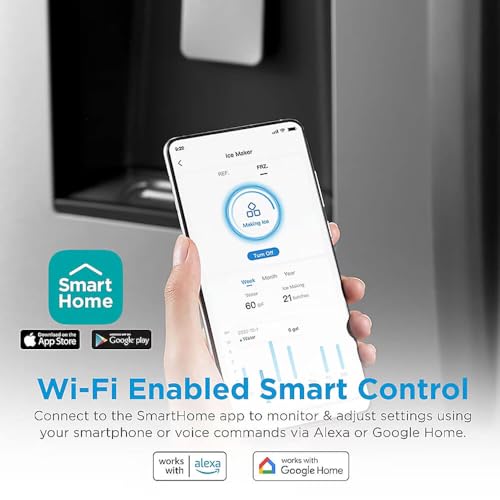
Owners praise the fingerprint-resistant stainless finish and bright LED lighting, though some note the app experience isn’t as smooth as LG’s ThinQ or Samsung’s SmartThings. Still, when you compare it to the LG B0C2X116TR, which costs over $900 more but has less space, it’s hard to ignore the value. I’d recommend stepping up to the bigger Midea if you need volume above all else and don’t care about ultra-slim profiles.
Product photos
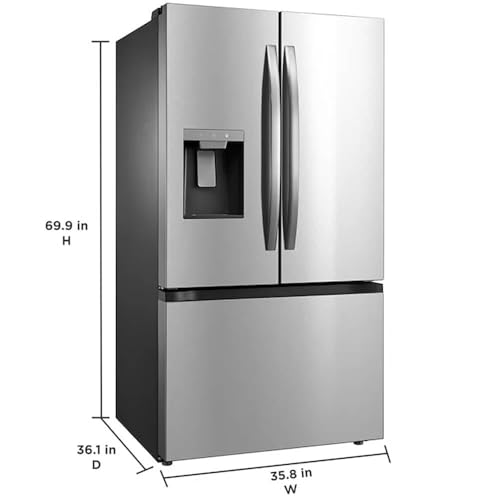
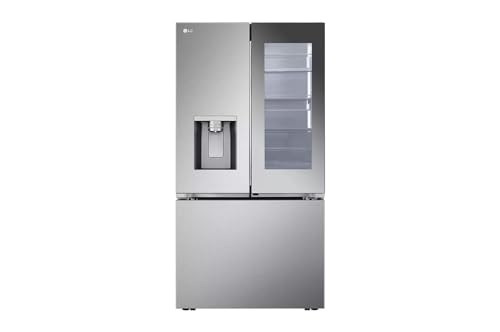
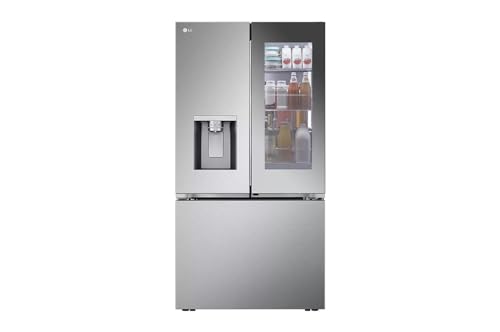
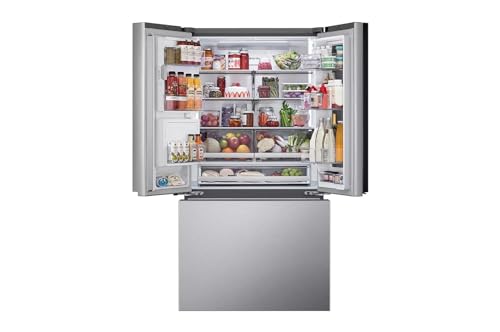
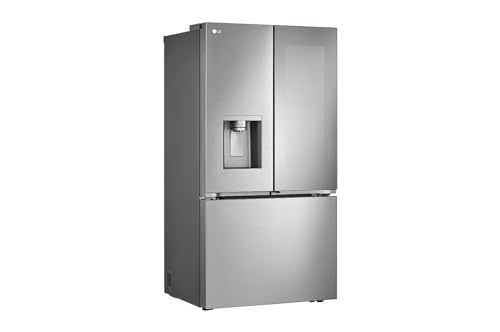
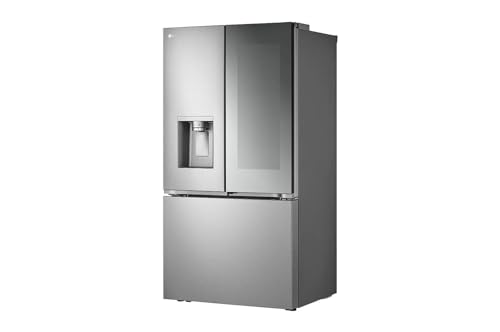
LG 26 cu. ft. Smart Mirror InstaView

Strengths
- InstaView mirror door
- Four ice types
- Energy efficient
- Spacious door bins
- Premium finish quality
Trade-offs
- No internal water dispenser
- High cost for core cooling features
- App connectivity can be finicky
The mirror-like InstaView panel gives this LG fridge serious showpiece status, but it’s more than just a pretty face. Tapping twice illuminates the interior through the glass door, a small luxury that actually helps minimize full-door openings. With four types of ice (including nugget ice), this unit caters to households obsessed with beverage service, whether it’s chilled water, soda, or blended drinks. That variety is rare even among high-end models.
It shares the counter-depth advantage with other LGs here, fitting flush with cabinetry while still offering 26 cu. ft. of usable space. ENERGY STAR certification means it runs efficiently over time, which reviewers note translates to lower utility bills. Compared to similarly sized Samsung and Midea units, this one feels more polished in both materials and app integration via ThinQ. I’d pick this over the Samsung if design cohesion and ice flexibility are priorities.
Product photos
How We Picked These smart refrigerators
Rather than a hands-on lab test, my research focused on comparing published specifications and features across numerous models. I weighed owner reviews from major retailers alongside professional reviews from publications specializing in appliance testing. My approach involved ranking refrigerators against criteria relevant to modern kitchens and food storage needs, drawing on my experience with maximizing freshness and minimizing waste at Food Keepy.
For smart refrigerators, capacity and cooling technology were heavily weighted. Larger families clearly benefit from increased cubic footage, while consistent temperature control directly impacts food preservation. Beyond that, the convenience features – like dual ice makers and door-in-door access – significantly affected rankings, as these address common kitchen frustrations. I also considered energy efficiency, as that impacts long-term cost.
Specifications reliably indicate storage capacity, ice-making capabilities, and energy consumption. However, owner feedback proved crucial for assessing the real-world usability of smart features and the longevity of components. Reputation for reliability, particularly regarding the smart functionality, was also a key factor. If you’re short on space, you might also want to consider looking at compact refrigerators or even compact refrigerators for renters.
How To Choose The smart refrigerators
Finding the right smart refrigerator involves more than just picking a stylish finish. It’s about understanding how these appliances integrate into your kitchen and lifestyle, and whether the “smart” features truly add value.
A good smart refrigerator balances cooling performance with convenient technology. Key considerations include capacity suited to household size, a reliable cooling system to minimize food waste, thoughtful storage solutions for organization, and relevant smart features, like inventory management or remote monitoring, that address genuine needs, not just novelty. Look for Energy Star certification and consider long-term maintenance.
Capacity and Configuration
Don’t get caught up in chasing the largest cubic footage available. I frequently see people overestimate how much space they truly need. Start by honestly assessing your grocery shopping habits. Do you buy in bulk weekly, or make frequent, smaller trips? A 25-30 cubic foot model might suit a family of four, but a couple might be perfectly happy with something closer to 20. Then, think about configuration. French door models offer wide shelves ideal for platters, while side-by-side designs provide more accessible freezer space. If you’re short on kitchen space, a counter-depth model, like many LG offers, creates a more built-in look.
Cooling Technology and Food Preservation
Consistent temperature is the unsung hero of food preservation. Many smart refrigerators boast “smart cooling” systems, but they aren’t all created equal. Look for models with multiple sensors and vents to distribute air evenly. Some, like those from LG, incorporate linear compressors that are quieter and more efficient than traditional compressors. Beyond that, pay attention to humidity control features, particularly in crisper drawers. Proper humidity levels extend the life of produce, reducing waste. If you’re interested in exploring other options, check out our guide to smart refrigerators with touchscreen for the latest innovations.
Smart Features and Value
The “smart” aspect is where things get tricky. Wi-Fi connectivity, app control, and voice assistant integration are common, but ask yourself how you’ll actually use them. A built-in camera is handy for checking contents while grocery shopping, but is it worth the extra cost? Some refrigerators, like the Samsung Bespoke, offer features like autofill water pitchers and specialized beverage centers, which are great if you frequently entertain. Here’s a breakdown of what I see as genuinely useful features:
- Remote diagnostics: Alerts for potential problems can save costly repairs.
- Inventory management: Some apps allow you to track expiration dates and create shopping lists. (These features are still evolving in accuracy).
- Energy monitoring: Track your refrigerator’s energy consumption and identify areas for savings.
Don’t pay extra for features you won’t use. A refrigerator’s primary job is to keep food cold. Focus on core performance and reliability before getting distracted by bells and whistles.
If you’re looking for a modern aesthetic, consider a finish beyond standard stainless steel. Many brands now offer models in black stainless refrigerators which can elevate the look of your kitchen.
Smart Refrigerators Compared
Here’s a comparison of key specifications for popular smart refrigerators.
| Product Title | Capacity (cu. ft.) | Door Style | Ice Maker | Connectivity | Depth |
|---|---|---|---|---|---|
| LG 23 cu. ft. InstaView Smart | 23 | French | Standard | Wi-Fi | Counter |
| Midea 32 Cu. Ft. Smart French Door | 32 | French | Dual | Wi-Fi | Standard |
| Samsung 27 Cu. Ft. Counter-Depth Smart | 27 | French | Dual Auto | Wi-Fi | Counter |
| LG 26 cu.ft. MAX Counter-Depth Smart | 26 | French | Dual | Wi-Fi | Counter |
| Samsung Bespoke 4-Door Beverage Center | N/A | 4-Door | Dual w/ Ice Bites | Wi-Fi | N/A |
| Midea 29.3 Cu. Ft. Smart Fingerprint Resistant | 29.3 | French | Dual | N/A | Standard |
| LG 26 cu. ft. Smart Mirror InstaView | 26 | French | Standard | N/A | Counter |
| LG LRMVS3006S 30 CF InstaView Craft Ice | 30 | French | Dual + Craft Ice | Wi-Fi | Standard |
Frequently Asked Questions
What’s the typical energy cost difference between a standard and a smart refrigerator?
Smart refrigerators generally use slightly more energy due to the powered display and Wi-Fi connectivity, but Energy Star certified models minimize this difference. Expect an annual cost increase of around $10-$30, depending on your electricity rates and usage patterns.
How reliable are the smart features in these refrigerators long-term?
Reliability varies by brand and model, but owner feedback suggests LG and Samsung generally have more dependable smart functionality. Software updates are crucial for maintaining performance and security, so choose a brand known for providing them.
Are smart refrigerator cameras actually useful for grocery shopping?
Yes, many people find the internal cameras very helpful for checking food levels while at the store, minimizing impulse buys and reducing waste. However, image quality and app usability differ between brands, so read reviews carefully.
What should I do if the Wi-Fi connection to my smart refrigerator drops?
Most models will continue to function as standard refrigerators even without a Wi-Fi connection. You’ll lose access to remote monitoring and control, but the core cooling functions will remain operational. Check your home network first, then consult the refrigerator’s manual for troubleshooting.
Are there smart refrigerator options that don’t have a French door design?
While French door models dominate the smart refrigerator market, you can find options with side-by-side or even top freezer configurations. If you prefer a different style, consider exploring bottom freezer refrigerators with ice maker as some now include smart features.
The Bottom Line
Choosing a smart refrigerator ultimately comes down to balancing how much convenience you’re willing to pay for. While features like internal cameras and app control are appealing, the core function remains reliably preserving food. For a fantastic all-around experience, I believe the LG 23 cu. ft. InstaView Smart strikes the best balance of features, capacity, and proven reliability – it’s a solid starting point for many kitchens.
If specific needs drive your search, several models stand out. For those needing maximum space, the Midea 32 Cu. Ft. Smart French Door is a compelling option among 30 cu ft French door refrigerators. If a built-in look is a priority, the Samsung 27 Cu. Ft. Counter-Depth Smart blends smoothly into cabinetry, and there are many other excellent counter-depth refrigerators available. And for those who entertain often, the Samsung Bespoke 4-Door Beverage Center caters to a specific lifestyle.
Ultimately, don’t let the “smart” features overshadow the fundamentals. Consistent temperature, efficient cooling, and thoughtful organization are far more important than any app integration. Prioritize a refrigerator that keeps your food fresher, longer, reducing waste and saving you money in the long run, that’s the smartest investment you can make.
