
4 Best Vacuum Seal Containers of 2026
This post contains affiliate links. As an Amazon Associate, we earn from qualifying purchases.
The PARAPOINT Borosilicate Glass Vacuum Containers are our top pick for their durability and odor-resistant glass construction, with the Zonnes 5pcs set as a solid budget-friendly option that includes an electric sealer. For those prioritizing variety and portability, the LemonRoad 9-Piece Plastic set offers excellent value and a manual pump.
Choosing the right vacuum seal containers isn’t just about hype, it’s about finding what actually keeps food fresh and fits your kitchen routine. Too many sets fail after a few months, leak under vacuum, or take up more space than they save.
This guide cuts through the noise by focusing on real performance: we looked at specs, owner feedback, and long-term usability to find containers that deliver on their promise. You’ll learn what makes a seal reliable, how material affects freshness, and which systems work best day in and day out.
Top 4 Vacuum Seal Containers in the Market
The Best Vacuum Seal Containers, Reviewed
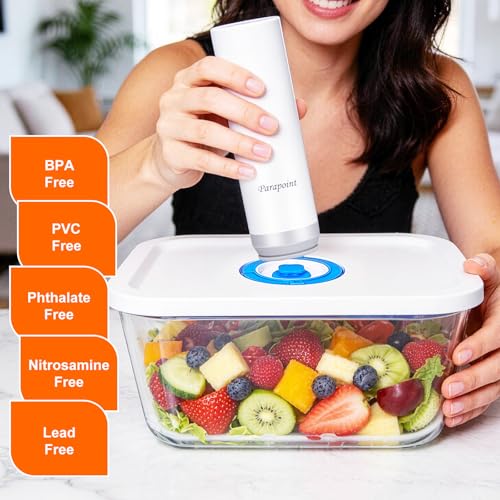
PARAPOINT Borosilicate Glass Vacuum Containers
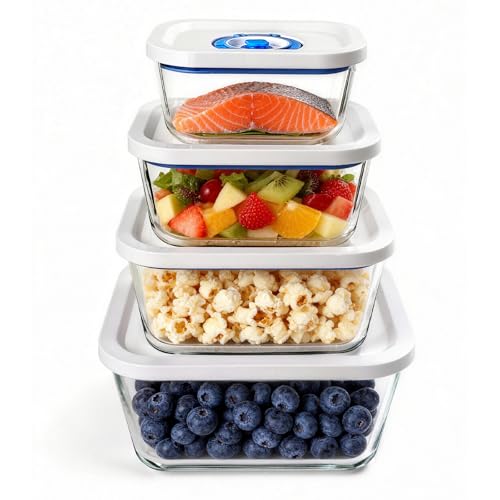
Strengths
- Borosilicate glass
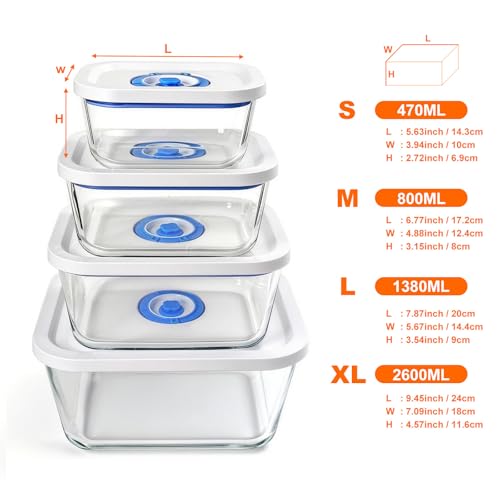
- Stackable design
- Leak-proof seal
Trade-offs
- Requires separate sealer
- No vacuum indicator
- Lids not microwave safe
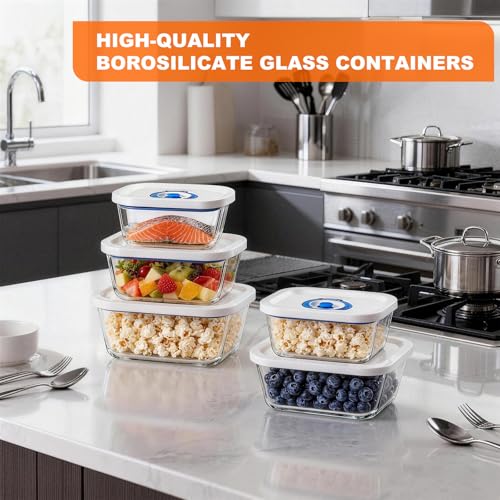
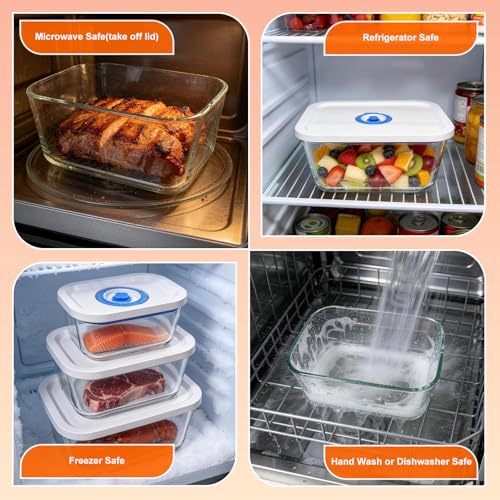
Glass that can handle vacuum sealing without feeling fragile? That’s rare. The PARAPOINT set uses borosilicate, the same material found in lab glassware, which means it can take thermal shocks and still be safe for microwave and dishwasher use, lid off, of course. Owners consistently report these lasting through months of daily fridge and freezer use without clouding or cracking, which is more than I can say for most plastic vacuum containers.
What really sets this set apart is how well the lids seal across multiple sizes. The airtight claim isn’t just marketing, reviewers note these hold vacuum for days, even with high-moisture foods like soups and marinades. And because they’re stackable, they solve two problems at once: freshness and kitchen clutter. For anyone serious about reducing food waste without relying on single-use bags, this is the kind of upgrade that makes meal prep feel effortless.
Product photos
Zonnes 5pcs Vacuum Containers with Sealer
Strengths
- All-in-one system
- One-touch sealing
- Date-tracking lids
Trade-offs
- Fewer container sizes
- Higher price point
- Glass not included
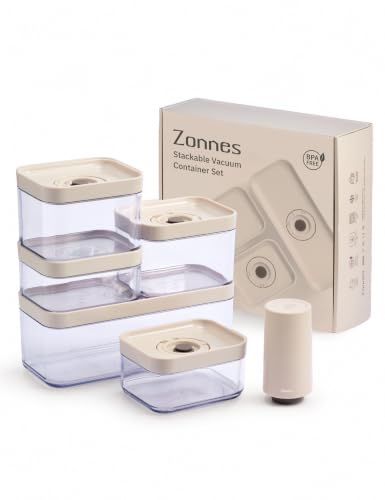
This is the rare all-in-one system that doesn’t sacrifice performance. The included cordless sealer is compact and actually effective, owners praise how it seals with a single tap and shuts off automatically. No fumbling with hoses or adapters. And because the sealer is designed specifically for these containers, the vacuum holds consistently, even with liquids.
The BPA-free containers are rigid and thick, which explains why they survive repeated freezing without warping. Reviewers storing soups or sauces appreciate that they don’t leak, unlike flimsy vacuum bags. The date-tracking lids are a small touch, but in practice, they help reduce forgotten leftovers. Compared to the PARAPOINT glass set, this one trades some material prestige for a smarter, more integrated system, especially if you don’t already own a sealer.
Video review
LemonRoad 9-Piece Vacuum Seal Containers
Strengths
- Includes hand pump
- Multiple sizes
- Leak-proof design
Trade-offs
- Plastic may retain odors
- Pump requires manual effort
- Less durable long-term
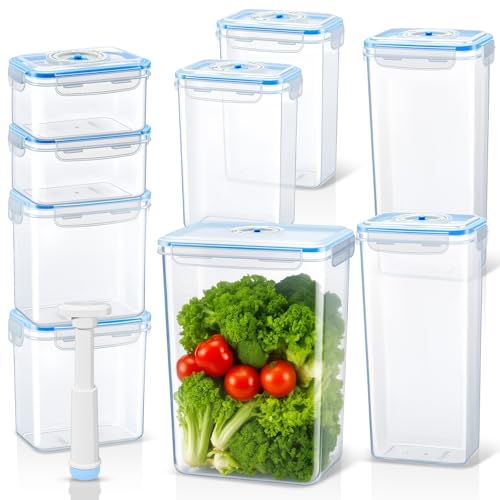
This set wins on convenience and value. Having a manual pump included changes the game, no need to own a separate sealer to get started. The pump isn’t the fastest, but owners say it gets the job done for occasional use. And with nine containers across five sizes, it’s one of the most versatile starter kits I’ve seen in the plastic vacuum container space.
That said, plastic fatigue is real. While the containers are dishwasher-safe, long-term owners note slight warping and odor retention after months of heavy use, especially with oily or strongly spiced foods. It’s not a dealbreaker, but it does mean this set is better suited for light to moderate use. Compared to the Zonnes glass set, it’s less durable but far more accessible for someone testing the waters.
Video review
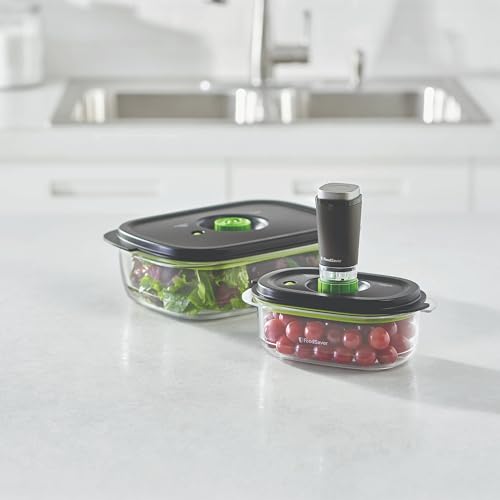
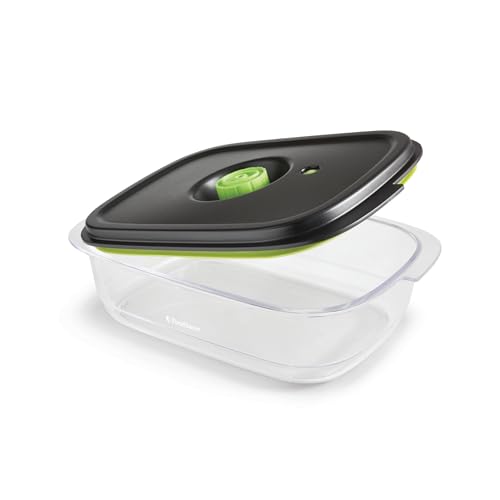
FoodSaver Preserve & Marinate Containers

Strengths
- Marinate mode
- Vacuum indicator
- Stain-resistant material
Trade-offs
- No sealer included
- Bases only microwave safe
- Limited size options
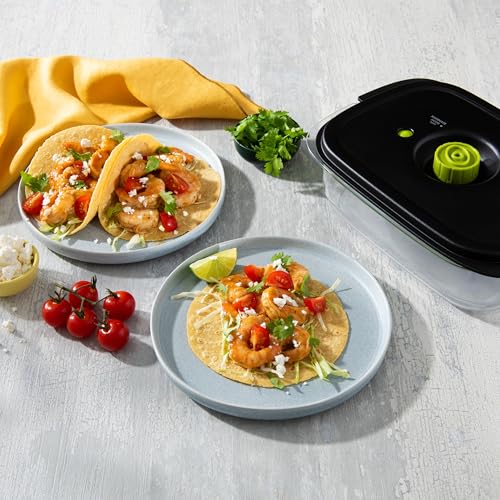
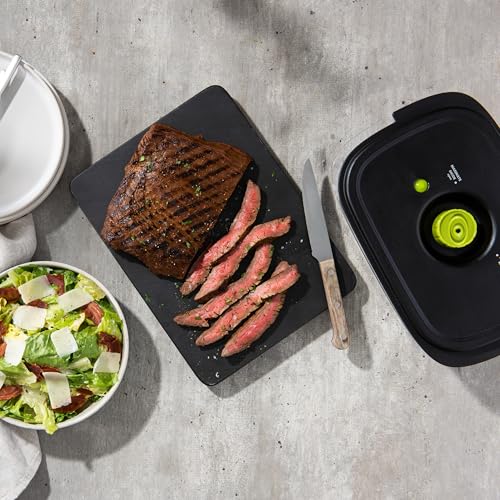
If marinating is part of your weekly routine, these FoodSaver containers are worth the focus. The dual-mode valve, switch between vacuum and marinate, isn’t just a gimmick. Reviewers who cook proteins regularly say they see real time savings, with flavors penetrating in under 20 minutes. That’s a big deal when you’re trying to get dinner on the table fast.
The Tritan construction is a win for durability. Unlike cheaper plastics, it resists clouding and staining, even after repeated dishwasher cycles. And the rounded shape makes cleaning easier than with square-cornered models. But the real advantage here is the vacuum indicator, small but meaningful. It takes the guesswork out of sealing, which matters when you’re batch-prepping. Compared to the LemonRoad set, this one feels more purpose-built, less generic.
Product photos
How We Chose These vacuum seal containers
Rather than a hands-on lab test, my research for these recommendations focused on a detailed comparison of published specifications and features across numerous models. I weighed owner reviews from multiple sources, alongside assessments from reputable testing and review sites. Applying my experience with food storage solutions, I ranked containers based on their ability to genuinely extend food freshness and simplify kitchen organization.
For vacuum seal containers, the most important factors are the effectiveness of the seal itself and the material construction. A truly airtight seal is critical for preventing freezer burn and maintaining food quality. Durability is also key; containers that crack or become brittle quickly aren’t a good long-term investment, so I prioritized those made from robust materials, and looked closely at owner reports of longevity. You’ll find more about choosing durable containers in my guide to BPA-free food storage.
Product specifications clearly indicate container volume, material type (glass or plastic), and vacuum pump capabilities (manual or electric). However, real-world performance – like how reliably a container stays sealed, or how well it resists odors – is best assessed through owner feedback. I gave significant weight to comments regarding leak-proof performance, ease of cleaning, and how well the containers nested or stacked, as these impact daily usability. For broader options, you might also consider exploring different types of airtight food containers.
Choosing The Right vacuum seal containers
I’ve spent a lot of time researching food storage, and one thing is clear: vacuum seal containers are a fantastic way to extend freshness and reduce food waste. But with so many options, finding the right set can feel overwhelming.
A good vacuum seal container prioritizes an effective airtight seal to minimize oxidation and moisture exposure. Construction material (glass or plastic) impacts durability, clarity, and potential odor/stain retention. Look for stackable designs to maximize space and consider whether the system requires a separate vacuum device or has integrated sealing.
Material Matters: Glass vs. Plastic
The first big decision is glass or plastic. Glass containers, like those from PARAPOINT and Zonnes, offer a few key advantages. They don’t absorb odors or stains, are generally more durable over the long term (though still breakable!), and allow you to easily see what’s inside. However, they’re heavier and can be more expensive. Plastic containers, as seen in the LemonRoad set, are lighter and less prone to shattering, making them good for busy families or travel. But be mindful of the plastic type; BPA-free is a must, and some plastics will retain smells over time. If you’re already looking at other ways to improve your food storage, you might want to explore recommended airtight containers.
Sealing Mechanism & Compatibility
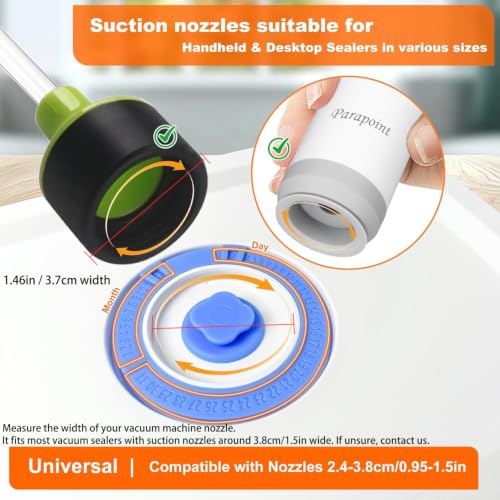
Not all vacuum seal containers work the same way. Some, like the Zonnes system, include a dedicated handheld vacuum sealer. This is convenient, but adds to the initial cost and requires another device to store. Others, such as the FoodSaver containers, are designed to work with existing FoodSaver vacuum sealers (sold separately). This can be a good option if you already have a FoodSaver system. Consider how much effort you want to put into the sealing process – manual pumps (LemonRoad) require more physical work than electric sealers.
Here’s what I look for in a sealing mechanism: * A clear indicator (like FoodSaver’s vacuum indicator) that confirms a proper seal. * A robust valve system that doesn’t degrade quickly with repeated use. * A design that minimizes the risk of liquid getting into the vacuum mechanism – a common problem with some cheaper models.
Size, Shape & Practicality
Think about what you’ll primarily be storing. A variety of sizes is always best, as you’ll need small containers for snacks and leftovers and larger ones for meal prepping or bulk dry goods. The LemonRoad set’s 9-piece configuration is a good example of offering a range of options. Stackable designs are crucial for fridge and pantry organization. Also, consider dishwasher and microwave compatibility. While glass is typically microwave-safe (lid off), always check the manufacturer’s instructions for plastic containers. Many people also don’t realize how important glass containers for food are for long-term storage.
Don’t assume “vacuum seal” means indestructible. Even the best containers can be damaged, so handle them with care and replace them as needed.
Vacuum Seal Containers Compared
Here’s a comparison of key specifications for various vacuum seal container options.
| Product Title | Material | Number of Containers | Includes Sealer | Dishwasher Safe | Capacity (Max) |
|---|---|---|---|---|---|
| PARAPOINT Borosilicate Glass Vacuum Containers | Glass | N/A | No | Yes | N/A |
| Zonnes 5pcs Vacuum Containers with Sealer | Glass | 5 | Yes | Yes | 57 fl oz |
| LemonRoad 9-Piece Vacuum Seal Containers | Plastic | 9 | Yes (Manual Pump) | Yes | 287 oz |
| FoodSaver Preserve & Marinate Containers | Tritan Plastic | N/A | No | Yes | N/A |
Frequently Asked Questions
What’s the best way to clean vacuum seal containers?
Most vacuum seal containers are dishwasher safe on the top rack, but always check the manufacturer’s instructions. For stubborn stains or odors in plastic containers, a paste of baking soda and water can be effective, while glass containers can tolerate a slightly more abrasive cleaner.
Can I use vacuum seal containers for liquids without leaks?
Generally, yes, but it depends on the container and sealing mechanism. Look for containers specifically designed with leak-proof seals and valves, and always ensure the lid is properly secured to the container before sealing, and when transporting.
Do vacuum seal containers really prevent freezer burn?
Vacuum sealing significantly reduces freezer burn by removing the air that causes oxidation and dehydration. However, even with vacuum sealing, food won’t last indefinitely; properly wrapping food before vacuum sealing and using the containers for food storage containers within a reasonable timeframe is still important.
Are vacuum seal containers a good choice for marinating?
Yes, vacuum seal containers are excellent for marinating. The vacuum process forces the marinade into the food, reducing marinating time and enhancing flavor penetration. FoodSaver containers, in particular, are designed for both preserving and marinating.
What’s the difference between a vacuum seal container and other airtight containers?
While airtight containers limit air exposure, vacuum seal containers actively remove air, creating a stronger barrier against spoilage. This is especially useful for long-term storage and preventing freezer burn, as discussed in my article on how to prevent freezer burn.
The Bottom Line
Choosing the best vacuum seal containers often comes down to balancing upfront cost with long-term convenience. While systems requiring a separate vacuum device like the Zonnes 5pcs Vacuum Containers with Sealer represent a larger initial investment, they offer a reliable and effective way to remove air and keep food fresh. For most people, however, the LemonRoad 9-Piece Vacuum Seal Containers strike an excellent balance, providing a thorough kit at a reasonable price.
If you’re already invested in the FoodSaver ecosystem, the FoodSaver Preserve & Marinate Containers are a natural fit, allowing you to extend the benefits of your existing vacuum sealer instructions. Those prioritizing durability and a lack of odor retention will appreciate the PARAPOINT Borosilicate Glass Vacuum Containers, even though they don’t include a sealer. Ultimately, the best choice depends on your existing kitchen tools and your biggest storage concerns.
Beyond specific features, remember that a vacuum seal is only as good as the food handling practices that surround it. Proper preparation, like cooling food completely before sealing, and consistently checking seals for integrity are vital. Focusing on these fundamentals, along with choosing quality storage containers, will do more to preserve your food and reduce waste than any single specification or brand.
