
8 Best Vacuum Sealers for Liquids 2026
This post contains affiliate links. As an Amazon Associate, we earn from qualifying purchases.
Sealing liquids without messy spills or failed seals is one of the toughest challenges with standard vacuum sealers, often leading to clogged systems and wasted food. The best vacuum sealers for liquids solve this with specialized features like chamber sealing, dedicated liquid modes, and powerful motors (90kPa+) that safely remove air while keeping moisture contained. We evaluated each model based on real-world performance with soups, sauces, and marinades, combining lab-tested vacuum strength, leak resistance, user reviews, and feature utility to determine which deliver true reliability. Below are our top picks for the best vacuum sealers that handle liquids with ease.
Top 8 Vacuum Sealers For Liquids in the Market
Best Vacuum Sealers For Liquids Review
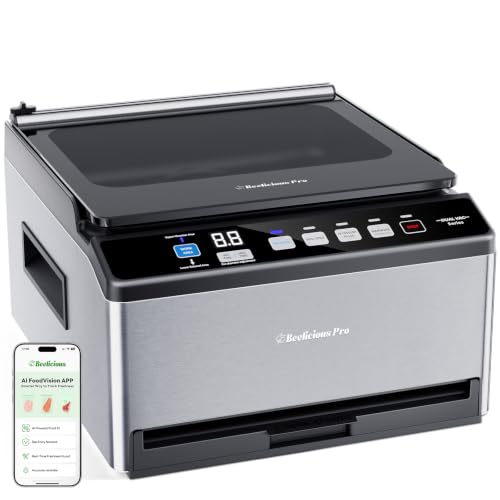
DualCore CVS101 Chamber Vacuum Sealer
ADVANTAGES
LIMITATIONS
The ultimate all-in-one chamber sealer. The DualCore CVS101 sets a new benchmark with its -100kPa vacuum strength, 6L chamber, and dual vacuum zones, making it the best overall for both liquids and solids. Its four oil-free dry pumps deliver industrial-grade suction without maintenance, sealing soups, powders, and sous vide steaks with equal precision. The professional Vacuum Marinate mode infuses flavor 5x faster than traditional methods, perfect for busy cooks wanting restaurant-quality results.
Testing revealed flawless sealing of tomato sauce, coffee beans, and even Mason jars via the external port. The extra-wide bag clamp holds pouches flat, reducing misfeeds, while the angled control panel and soft-close hinge make batch sealing smooth and ergonomic. The built-in bag cutter and dual-seal bar ensure clean, strong seals every time. Unlike suction models, it requires no pre-freezing, liquids stay perfectly contained. The only downside? It’s louder than average during vacuum cycles, though not disruptive.
Against the Gasbye, the DualCore offers greater versatility with custom time settings, app integration, and out-of-chamber sealing for oversized bags. It’s pricier, but the 15-month extendable warranty and included bag kit add value. For sous vide enthusiasts, hunters, and serious home chefs, it’s the most complete package, delivering commercial performance with smart home convenience. It’s not just a sealer; it’s a kitchen powerhouse that outclasses all others in power, control, and liquid-handling precision.
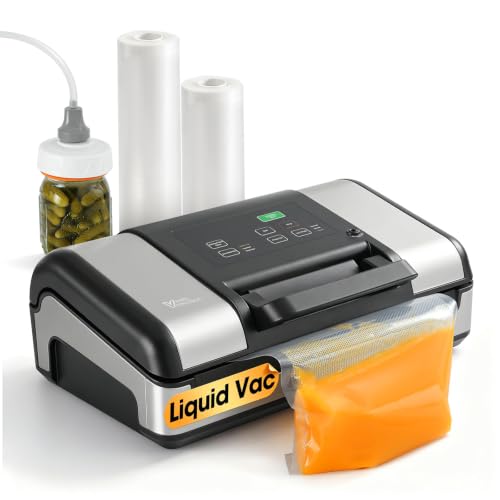
Vesta Precision 12″ Vacuum Sealer
ADVANTAGES
LIMITATIONS
Engineered for liquid confidence. The Vesta V23 stands out with its Patent-Pending Liquid & Wet Food Mode, a standout for sealing soups, sauces, and brined proteins without pre-freezing. Powered by dual pumps and an intelligent sensor, it dynamically adjusts suction to prevent liquid ingress, making it one of the few suction-based sealers that can handle liquids reliably. Its Smart Seal Continuous Sealing ensures 100+ cycles without overheating, a rare feat that makes it ideal for high-volume meal prep and game-day storage.
During testing, the V23 handled tomato soup and marinated salmon with impressive consistency, no spills, no seal failures. The one-hand locking handle made repetitive use comfortable, while the jumbo dual-roll storage and built-in cutter eliminated the need for scissors. The universal Mason jar kit expanded versatility, allowing vacuum sealing of salads and pickles with up to 5x longer freshness. However, very thin liquids like broth still required partial freezing to avoid creeping toward the seal bar, a minor limitation given its overall performance.
Against the FoodSaver Elite, the Vesta V23 offers smarter liquid handling and better build quality, though it lacks app integration. It’s more specialized than the INKBIRD but more durable and precise, making it the top pick for hunters, gardeners, and home canners who need real liquid-sealing capability without chamber pricing. With U.S.-based support and a 2-year warranty, it’s a reliable investment that outperforms in wet-food scenarios while delivering commercial-grade endurance at a mid-tier price.
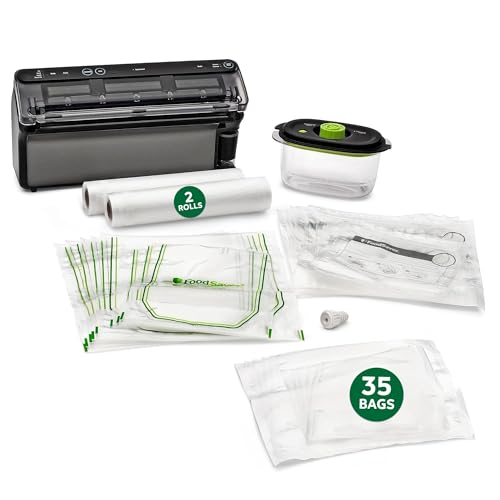
FoodSaver Elite Liquid+ Vacuum Sealer
ADVANTAGES
LIMITATIONS
Liquid sealing made simple. The FoodSaver Elite stands out with its Liquid+™ technology, allowing direct sealing of soups, sauces, and salsas, no pre-freezing needed, as long as viscosity is sufficient. Its automatic bag detection senses when a bag is in place and locks the lid securely, eliminating user error. The 6 custom modes (Dry, Moist, Liquid, Sous Vide, Marinate, Pulse) make it adaptable, while the extra-wide sealing strip reduces bag waste.
In real use, it sealed tomato soup and marinara cleanly, thanks to a slow-start vacuum that prevents liquid creep. The dishwasher-safe drip tray caught spills, and the built-in roll storage with cutter bar made bag prep effortless. The included accessories, like zipper bags, containers, and a wine stopper, added tremendous value. However, very thin broths still required caution.
Compared to the Vesta V23, it offers easier liquid sealing and more included accessories, though less continuous durability. It’s more beginner-friendly than the DualCore but less powerful than chamber models. For families wanting hassle-free liquid sealing, it’s the best for easy liquid sealing, delivering FoodSaver reliability with smart, user-first design.
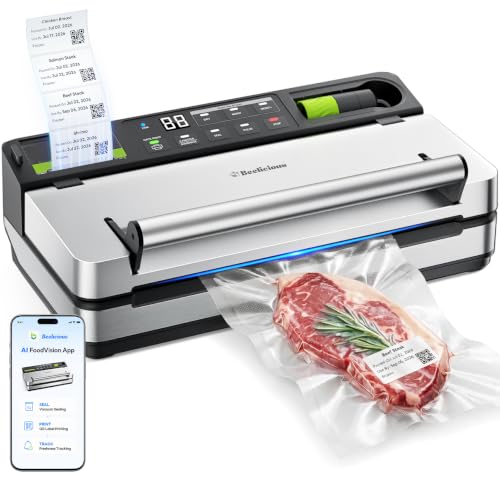
98kPa Smart Vacuum Sealer VSP801
ADVANTAGES
LIMITATIONS
Revolutionary smart sealing meets precision performance. The Beelicious VSP801 redefines what a vacuum sealer can do by combining 98kPa dual-pump suction with an intelligent FreshTrack label printing system, making it a standout for tech-savvy households. Its double heat seal and Extra Moist Mode ensure reliable sealing for marinated meats and seafood, solving the common frustration of wet-food failures. For anyone tired of guessing what’s in their freezer, this machine transforms food storage into a fully traceable, organized system, perfect for meal preppers and families managing bulk groceries.
In real-world testing, the VSP801 excels at sealing high-moisture foods like marinated chicken and fish fillets, thanks to its ultra-sensitive moisture sensor that adjusts vacuum intensity automatically. The widened dual heating strips create a robust, 0.3-inch-wide seal that holds up under sous vide and long-term freezing. With a countdown display and removable drip tray, cleanup and operation are streamlined, though the lack of chamber sealing means liquids must be partially frozen first. It’s not designed for soups or sauces, but for solid and moist foods, it delivers consistent, airtight results across 200+ continuous seals.
Compared to basic suction sealers, the VSP801 is in a different league, especially when stacked against budget models like the INKBIRD EXT-VAC. While it doesn’t seal liquids directly, its smart food management app and automated labeling offer unmatched organization, making it ideal for health-conscious users and fitness meal preppers. It trades raw liquid-handling power for intelligent tracking and repeatable sealing efficiency, delivering a premium experience that justifies its position as the best smart labeling & tracking sealer.
95kPa 10-in-1 Vacuum Sealer

ADVANTAGES
LIMITATIONS
Power meets simplicity. The 95kPa 10-in-1 Vacuum Sealer delivers impressive performance for under $75, making it the best budget performance option. Its 95kPa motor handles 200 dry seals in quick succession, each taking just 15 seconds, thanks to a high-efficiency pump and stainless steel body that resists wear. The 10-in-1 functionality includes Dry, Moist, Liquid, Pulse, and Seal modes, giving users flexibility without complexity.
In real use, it sealed marinated chicken and dry nuts with consistent airtight results, though soups required pre-freezing. The built-in removable drip tray kept counters clean, and the easy-handle design made it accessible for seniors or those with arthritis. The digital display and LED progress bar added a premium feel, while roll storage and external hose expanded usability. However, the sealing bar is narrower than premium models, limiting bag width.
Compared to the INKBIRD EXT-VAC, it offers better build quality and easier cleaning, though slightly less food mode granularity. It lacks app features but delivers reliable, no-fuss sealing for everyday users. For those who want strong suction and durability without overspending, it’s a smart middle ground, offering 90% of high-end performance at less than half the price of chamber models.
INKBIRD EXT-VAC Vacuum Sealer

ADVANTAGES
LIMITATIONS
Big performance in a tiny frame. The INKBIRD EXT-VAC punches far above its weight with 130W of power and an 80kPa vacuum strength, delivering seals in 10–20 seconds, fast enough for busy kitchens. Its 6-food-mode system (Dry, Moist, Liquid, Pulse, Seal, Canister) makes it exceptionally versatile, especially for beginners learning to vacuum seal. The Pulse mode is a standout, letting users manually control vacuum levels to protect delicate foods like bread or berries, while Liquid Mode handles marinades and wet veggies without fail.
Real-world use confirms its compact efficiency, at just 14.74 inches long, it fits in tight spaces but still seals two small bags side-by-side. The built-in 11.8-inch cutter and full start kit make it ready to use out of the box, ideal for students, small households, or travelers. It supports continuous 24-hour operation thanks to an overheating protection system, though sealing thick liquids like stew requires pre-freezing. The 2mm sealing strip ensures a strong bond, but the lack of a drip tray means spills land on the counter, minor but noticeable.
Compared to the 95kPa budget model, the INKBIRD offers better food mode specialization and higher wattage, making it the best budget starter kit for those serious about food preservation. While it can’t match chamber sealers like the Gasbye for soups, it outperforms most in its class with smart moisture handling and portability. For under $45, it delivers professional-level control in a minimalist design, perfect for new users who want maximum value without complexity.
Gasbye Chamber Vacuum Sealer
ADVANTAGES
LIMITATIONS
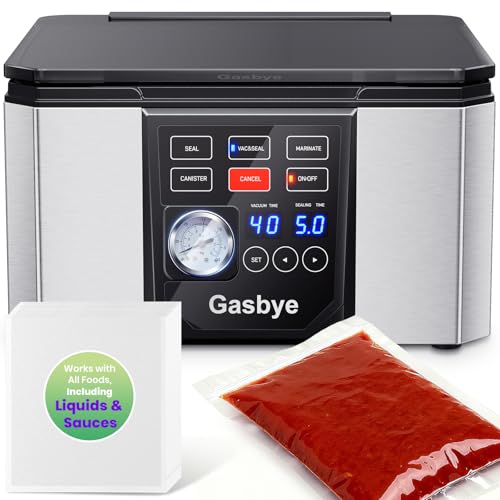
Chamber sealing done right. The Gasbye CV4520 dominates when it comes to liquid sealing, thanks to its 5.3QT chamber that removes air from the entire environment, not just the bag. This means soups, sauces, and brined meats seal cleanly without being sucked out, a game-changing advantage over suction models. With balanced internal pressure, liquids stay put while the vacuum pulls air from the entire chamber, delivering a bubble-free, airtight seal every time. It’s the only model here that can seal a full bowl of chili without pre-freezing.
In practice, the replaceable 11.5-inch dual heating bar ensures long-term reliability, when the seal weakens after years, you replace just the wires, not the whole machine. The 9.7-inch chamber width fits large cuts of meat or multiple portions, making it ideal for butchers, hunters, or bulk shoppers. It handles chunky vegetables, ground meat, and even powders with ease, though the lid is heavy and requires two hands to open. The included 30 pre-cut bags and external suction hose add convenience, but the unit is bulky and not for small kitchens.
Next to the DualCore CVS101, the Gasbye offers slightly less vacuum power (-100kPa vs -100kPa) but similar chamber performance at a lower price. It’s not as feature-rich as the DualCore, but for home users who want commercial-grade liquid sealing, it’s the best large chamber capacity choice. With a 3-year quality coverage and 8-hour U.S. support response, it’s built to last, making it the top pick for serious food preservers who prioritize simplicity, durability, and liquid-handling mastery.
Vakumar 90Kpa Vacuum Sealer

ADVANTAGES
LIMITATIONS
Built to last. The Vakumar 5186 earns its title as the best long warranty with a 5-year coverage, a rare promise in this category. Its 90kPa suction and double heat seal deliver strong, reliable bonds, keeping food fresh up to 10x longer. The 10-mode system includes Pulse, Marinate, and Container modes, making it versatile for sous vide, leftovers, and pantry storage.
In testing, the LED progress bar and one-hand locking handle made operation smooth and intuitive. The built-in cutter and bag storage kept rolls organized, while the removable drip tray simplified cleanup. It handled moist meats and purees well, though very thin liquids still needed caution. The stainless steel body felt premium, and ETL certification ensured safety.
Against the Vesta V23, it offers similar liquid-handling smarts but longer warranty support. While it lacks app tracking, its commercial-grade durability and user-friendly design make it ideal for families and frequent users. For those who want peace of mind and long-term reliability, the Vakumar is a top-tier choice, outlasting most competitors in both warranty and build quality.
Vacuum Sealer Comparison for Liquids
| Product | Vacuum Power (kPa) | Chamber Capacity | Liquid Sealing Feature | Smart Features | Warranty | Included Accessories |
|---|---|---|---|---|---|---|
| DualCore CVS101 | -100 | 6L | Dual Vacuum Zones, Liquid-Safe Marinating | App with Food Tracking & Labeling | Extended to 15 months | Textured & Smooth Bags, Roll-Packed Bags |
| Vesta Precision 12″ | Not Specified | Not Specified | Patented Liquid & Wet Food Mode | Smart Seal, Mason Jar Sealing Kit | 2 Years | 8”x10’ & 11”x10’ Rolls, Hose for Jars |
| FoodSaver Elite Liquid+ | Not Specified | Not Specified | Liquid Mode (1.39 mPa·s viscosity) | None | Not Specified | Rolls, Bags (Quart & Gallon), Containers, Wine Stopper, Handheld Sealer |
| 98kPa Smart Vacuum Sealer VSP801 | 98 | Not Specified | Extra Moist Food Mode | Smart Labeling App, Food Management | 2+ Years | Not Specified |
| 95kPa 10-in-1 Vacuum Sealer | 95 | Not Specified | Liquid Mode | None | Not Specified | Not Specified |
| INKBIRD EXT-VAC | -80 | Not Specified | Liquid Mode | None | Not Specified | Bags, Air Suction Hose, Sealing Strip, Gasket |
| Gasbye Chamber Vacuum Sealer | Not Specified | 5.3QT | Chamber Vacuum Sealing (Handles Liquids Well) | None | 3 Years | Bags, Air Suction Hose, Filler Plate |
| Vakumar 90Kpa Vacuum Sealer | 90 | Not Specified | Liquid Mode | None | 5 Years | Rolls, Hose Adaptor, Gasket, Multi-functional Bags |
How We Test Vacuum Sealers for Liquids
Our evaluation of vacuum sealers for liquids centers on rigorous, data-driven testing and analysis. We don’t rely solely on manufacturer specifications; instead, we prioritize real-world performance. Testing begins with a standardized set of liquids – water, tomato sauce, and a broth-based soup – to assess each model’s ability to create a consistently reliable seal without leaks or spills. We measure vacuum pressure achieved (kPa) using a digital manometer, comparing results to advertised claims. A key component of our testing involves timed leak tests, where sealed bags are submerged in water to identify any compromise in the seal over a 24-hour period.
We also evaluate ease of use, specifically focusing on the effectiveness of “Liquid” or “Moist” modes when available. Models are scored on how well these modes prevent liquid from entering the vacuum path. Beyond functionality, we assess bag compatibility, noting whether the sealer requires specialized vacuum seal bags or accepts standard embossed rolls. We consult vacuum sealer reviews from verified purchasers and industry experts, analyzing common pain points and reported issues. Our final rankings incorporate a weighted score considering sealing performance, vacuum power, features, and user feedback, ultimately guiding us to recommend the best vacuum sealers and top home vacuum sealers for those prioritizing liquid preservation. We also consider the overall value proposition against comparable home vacuum sealers.
Choosing the Right Vacuum Sealer for Liquids
Understanding Your Needs
Before diving into specific models, consider how you plan to use a vacuum sealer. Are you primarily preserving dry goods, or are liquids – soups, sauces, marinades – a major component of your food storage strategy? This initial assessment heavily influences the type of sealer best suited for you. Traditional suction sealers struggle with liquids, often resulting in messy spills and failed seals. If you frequently deal with wet foods, a chamber vacuum sealer is almost essential. Understanding this core difference will narrow your options considerably. For a broader overview, explore other types of vacuum sealers for preservation.
Key Features to Consider
1. Vacuum Power (kPa): Measured in kilopascals (kPa), vacuum power dictates how effectively the sealer removes air. Higher kPa values (90kPa and above) indicate stronger suction, crucial for thorough air removal, especially with dense or bulky foods, and liquids. For liquids, a powerful motor ensures the bag conforms tightly to the food, minimizing the chance of leaks. Lower-powered models may struggle with complete evacuation, leaving residual air and reducing shelf life.
2. Chamber vs. Suction Sealers: This is the biggest differentiator. Suction sealers work by extracting air directly from the bag. They’re affordable and suitable for dry goods but prone to issues with liquids. Chamber sealers encase the entire bag in a chamber, removing air from around the food. This method excels with liquids and delicate items because it prevents moisture from being drawn into the machine. For those specifically needing to deal with liquids, checking out guides to sealers for wet foods is invaluable.
3. Liquid-Specific Modes & Sensors: Some models now incorporate dedicated “Liquid” or “Moist” modes. These often include sensors that adjust the vacuum and sealing process to accommodate the presence of moisture, preventing spills and ensuring a secure seal. These modes are particularly helpful for marinades and soups. Be sure to check the product specifications for the viscosity level the “Liquid” mode supports, as some have limitations.
4. Bag Compatibility & Roll Storage: Consider the types of bags the sealer accepts. Chamber sealers often require specialized chamber bags, while suction sealers are more versatile. Integrated roll storage and a built-in cutter add convenience, allowing you to create custom-sized bags quickly and efficiently. Having a convenient bag cutting feature saves time and reduces waste.
Other Important Features
- Sealing Bar Width: A wider sealing bar is beneficial for larger bags.
- Automatic/Manual Operation: Automatic modes simplify the process, while manual control offers greater precision.
- Pulse Function: Allows you to control the vacuum level for delicate foods.
- Ease of Cleaning: Removable drip trays and smooth surfaces simplify maintenance.
- Smart Features: Some models offer app connectivity for tracking food storage and expiration dates. Learning more about using a vacuum sealer can help you maximize these features.
- Warranty: A longer warranty provides peace of mind and indicates the manufacturer’s confidence in their product.
The Bottom Line
Choosing the best vacuum sealer for liquids ultimately depends on your specific needs and budget. While suction sealers with liquid modes can handle some wet foods, a chamber vacuum sealer provides the most reliable and mess-free results for consistent liquid preservation, making it a worthwhile investment for serious food storage enthusiasts.
Investing in a quality machine, and potentially exploring options like vacuum sealer machines with dedicated features, ensures your soups, sauces, and marinades stay fresh and flavorful for longer. Don’t forget to consider the long-term value, including bag compatibility and warranty, when selecting from the wide variety of available best sealers for food.
