7 Best Canning Cookbooks of 2026
This post contains affiliate links. As an Amazon Associate, we earn from qualifying purchases.
The Ball Complete Book of Home Preserving is our top pick for its reliable, USDA-backed methods and wide range of recipes, followed by The Essential Canning Cookbook for beginners and the Amish Canning And Preserving Cookbook for budget-friendly, no-frills guidance.
Canning can feel overwhelming if you’re unsure which methods are safe or which recipes actually work. Conflicting advice and outdated practices make it hard to know where to start, or what to trust.
As someone who’s researched food preservation for years, I focused on cookbooks that prioritize safety, clarity, and practicality. These picks are based on expert guidelines, owner feedback, and real-world usability, not hype. We looked at recipe variety, instructional quality, and how well each book supports both new and experienced canners.
Top 7 Canning Cookbooks in the Market
The Best Canning Cookbooks, Reviewed
Ball Complete Book of Home Preserving

Strengths
- Excellent organization
- Trusted, tested recipes
- Strong safety protocols
Trade-offs
- Dated design aesthetic
- Less experimental recipes
- Minimal modern flavor trends
This is the gold standard many return to, even years after its release. It’s tightly organized by method, jams, pickles, fermented, pressure canned, making it easy to use regularly. The recipes are consistent, well-tested, and aligned with Ball’s home canning products, which many already trust. Reviewers note they rarely encounter failed seals or spoilage when following this book, which speaks volumes about its reliability.
I’d rank it above The All New Ball Book for overall structure and clarity, even if the recipe count is slightly lower. It doesn’t cover every niche trend, but it doesn’t need to, this is about fundamentals done right. If you want one book that earns a permanent spot next to your canning pot, this is it.
Video review
Amish Canning And Preserving Cookbook

Strengths
- Large recipe count
- Strong on fruit preserves
- Affordable entry point
Trade-offs
- Limited safety guidance
- No pressure canning focus
- Sparse technique instruction
This book leans hard into traditional, homestyle preserving with a strong focus on waterbath canning. On paper, the 350+ recipe count is impressive, and owners consistently report it’s packed with nostalgic, farm-kitchen style recipes, especially for fruit preserves, chutneys, and sauces. I appreciate that it covers less common items like curds and marinades, which adds variety for those looking beyond basic jams.
That said, it lacks depth in modern safety guidance and doesn’t go deep into pressure canning, which limits its usefulness for anyone wanting to preserve low-acid foods safely. Compared to the Ball books, it feels more like a recipe collection than a full educational guide. If you’re on a tight budget and mostly focused on sweet preserves, it’s a solid pickup.
Product photos

The All New Ball Book Of Canning And Preserving

Strengths
- Trusted brand guidance
- Broad recipe variety
- USDA-compliant methods
Trade-offs
- Some advanced users want more depth
- Fewer heirloom-only recipes
- Less focus on no-cook methods
The Ball brand has long been a standard in home preserving, and this edition keeps that reputation intact. It’s a wide-ranging collection with recipes that balance tradition and modern tastes, think lavender honey jam alongside classic dill pickles. Owners consistently praise its reliable processing times and clear safety notes, which align with USDA guidelines. The spec that matters here is versatility, and this book delivers.
While it’s not as deep in pressure canning detail as dedicated guides, it covers enough to be trustworthy. Compared to the Amish Canning Cookbook, it’s far more structured and safety-conscious. My recommendation for most home preservers is to treat this as a dependable all-rounder, especially at its typical price point.
Video review
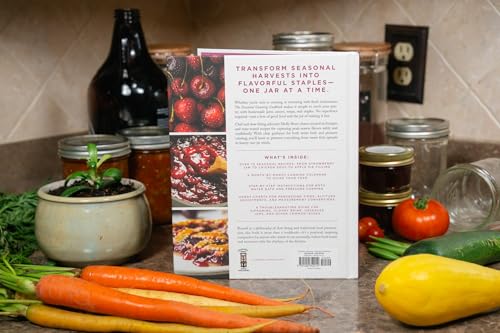
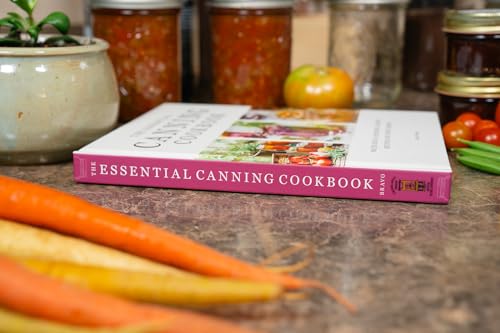
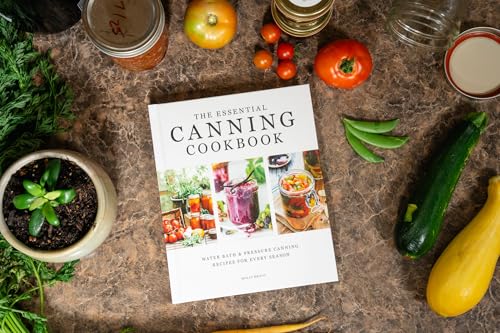
The Essential Canning Cookbook

Strengths
- Beginner-friendly layout
- Seasonal recipe planning
- Clear safety instructions
Trade-offs
- Fewer advanced techniques
- Some recipes feel basic
- Less brand authority than Ball
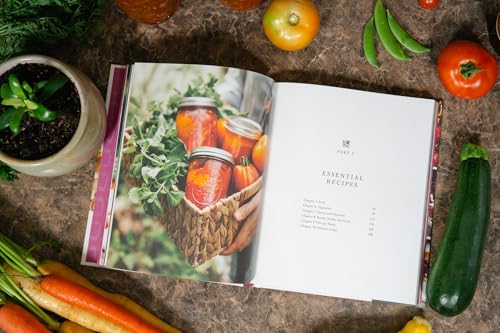
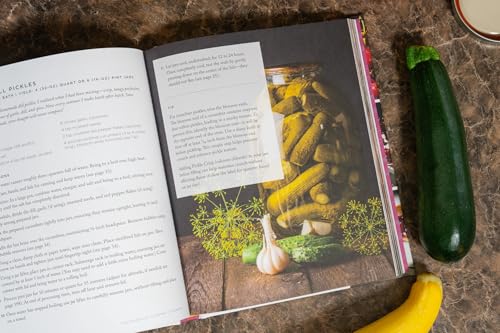
This book aims to be a beginner’s first true all-in-one guide, and it mostly succeeds. It covers both water bath and pressure canning with seasonal recipes that help users plan preserves year-round. Reviewers note the clear diagrams and safety reminders, which I always look for in entry-level books. The pacing feels thoughtful, starting with basics, then building into more complex projects.
Compared to Foolproof Preserving, it’s broader but less focused on small batches. Against the Ball Complete Book, it’s gentler for new users but not as thorough. I’d recommend this as a first purchase for someone just starting out who wants a balanced intro without feeling overwhelmed.
Product photos
Foolproof Preserving and Canning

Strengths
- Perfect for small kitchens
- Minimal ingredient waste
- Easy flavor experimentation
Trade-offs
- Not cost-effective for large batches
- Fewer preservation methods
- Limited pressure canning
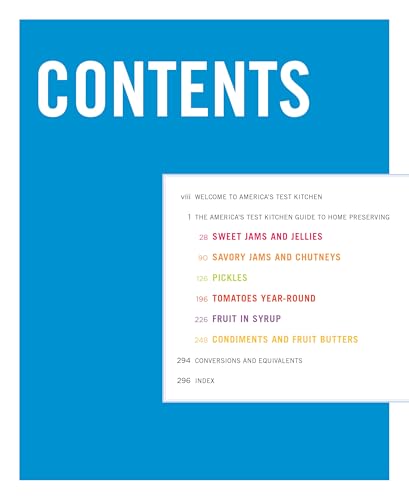
Small-batch canning is a standout for urban kitchens or those who don’t want to commit to 10 jars of peach jam. This book stands out by designing recipes for 1–2 jars at a time, which aligns well with modern cooking habits. Owners appreciate the minimal waste and the flexibility to experiment with flavors without overcommitting. The instructions are straightforward, and the focus on foolproof methods reduces anxiety for new canners.
Compared to the Ball books, it’s less thorough but more approachable for casual users. I’d pick this for someone with a small kitchen or who cooks for one or two. It doesn’t replace a full guide, but it fills a niche the others overlook.
Product photos
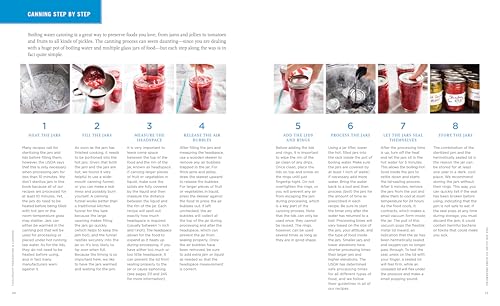
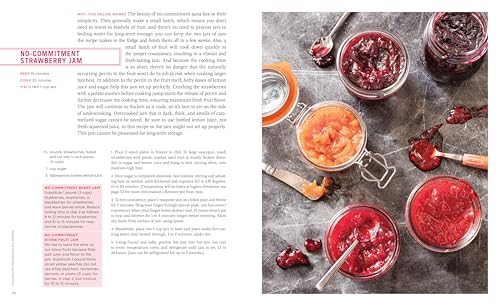
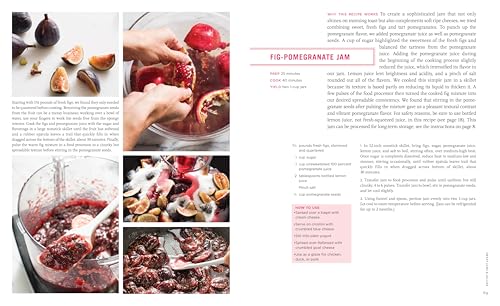
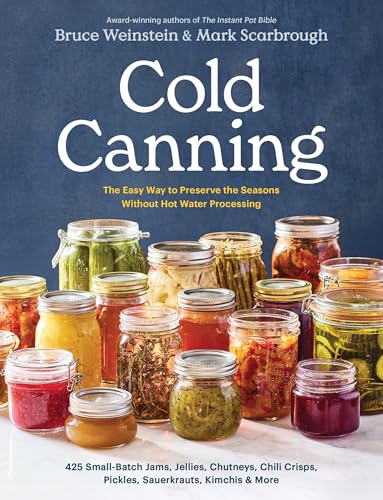
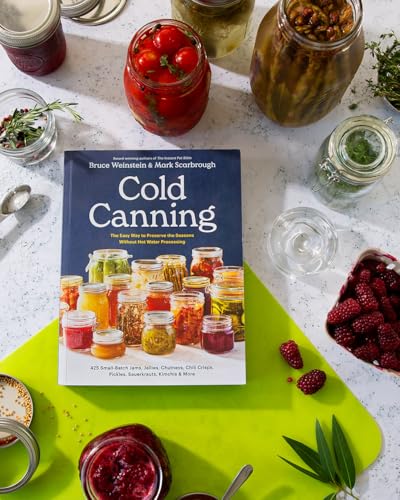
Cold Canning: The Easy Way to Preserve
Strengths
- No cooking required
- Great for fridge preserves
- Fast, fresh results
Trade-offs
- Short shelf life
- Not shelf-stable
- Limited food safety for beginners
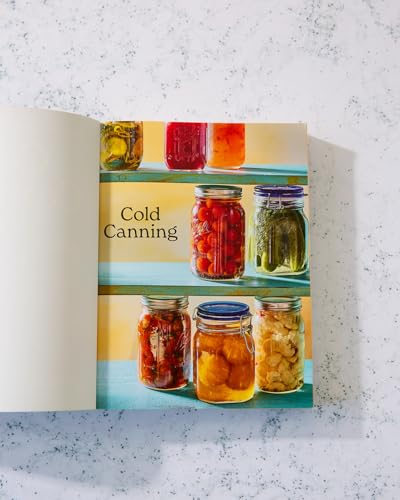
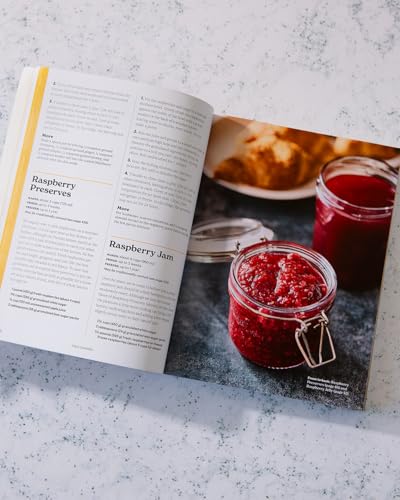
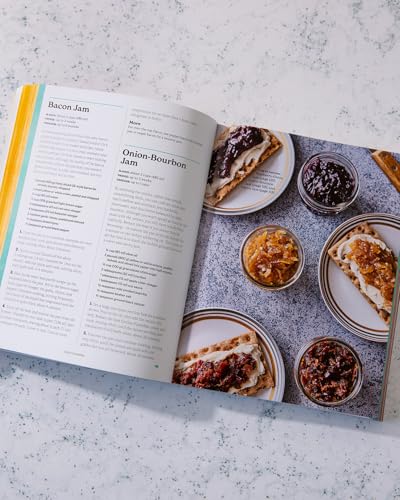
Cold canning is a polarizing topic, but this book presents no-cook methods like vinegar brines, alcohol infusions, and sugar-free preserves in a way that’s accessible and safety-aware. It’s not a replacement for traditional canning, but owners who’ve used it say it’s great for quick fridge pickles, fruit infusions, and condiments meant for short-term use. The recipes emphasize freshness and convenience, which I appreciate for summer produce gluts.
Compared to waterbath or pressure canning guides, it’s far more limited in shelf life and scope. But for people avoiding heat processing or looking for faster results, it’s a smart addition. I’d recommend it as a supplement, not a standalone.
Product photos
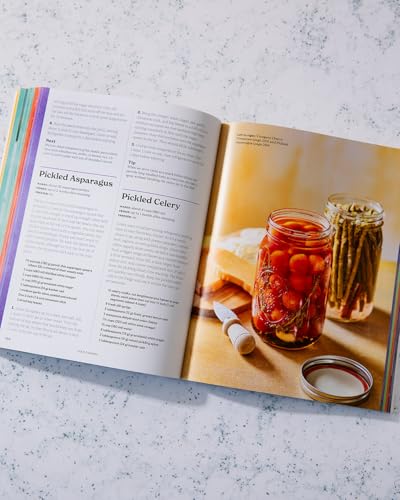
Pressure Canning for Beginners and Beyond

Strengths
- Strong safety focus
- Clear beginner guidance
- Excellent for low-acid foods
Trade-offs
- Limited sweet preserve recipes
- Fewer recipe variations
- Narrower overall scope
If you’re serious about pressure canning, especially for beans, meats, and low-acid vegetables, this is one of the few books that actually bridges beginner friendliness with reliable technique. Reviewers note clear, step-by-step instructions and strong emphasis on USDA-compliant methods, which I always prioritize in food safety. The recipes are straightforward and practical, leaning toward pantry staples like tomato sauce, stewed beans, and canned broth.
Compared to the Ball Complete Book, it’s narrower in scope but deeper in its niche. It doesn’t try to cover every type of preserving, which works in its favor, it stays focused. I’d pick this as a companion to a broader guide if you’re new to pressure canning and want to avoid guesswork.
Product photos

How We Chose These canning cookbooks
To recommend these canning cookbooks, I researched published specifications and features, then weighed owner reviews and expert opinions from sites focused on food preservation. My approach wasn’t a hands-on test of each recipe, but a research-led comparison. I focused on identifying books that clearly explain techniques, offer a wide range of recipes, and cater to different skill levels – from complete beginners to those wanting to explore more advanced methods.
For canning, recipe clarity and safety guidance are paramount. I prioritized books with detailed instructions and explanations of the science behind preserving. A broad range of recipes was also key, as was the inclusion of information beyond just recipes – like troubleshooting, equipment overviews, and advice on choosing canning jars. These factors ultimately decided which books rose to the top.
Specifications alone can tell you the page count or if a book covers pressure canning. However, owner feedback revealed which books were genuinely easy to follow, and which provided reliable results. Reputation matters here; established publishers like Ball have a strong track record, and positive reviews consistently highlighted books that made the process less intimidating, especially when paired with the right canning pot reviews.
Choosing The Right canning cookbooks
A good canning cookbook isn’t just a collection of recipes; it’s a guide to safe food preservation.
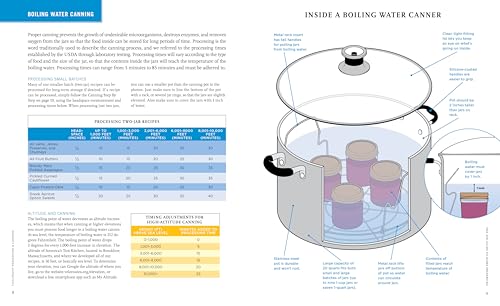
A quality canning cookbook provides tested recipes from a reputable source (like the USDA or Ball), clear instructions on processing times adjusted for altitude, and detailed guidance on equipment preparation. It should also cover essential topics like headspace, acidity levels, and proper jar sealing to prevent spoilage. Look for books with illustrations or photos demonstrating correct techniques.
Recipe Breadth and Focus
Many cookbooks claim to cover all canning, but a focused approach is often more useful. If you’re specifically interested in jams and jellies, a book dedicated to those preserves will likely offer more variety and in-depth instruction than a general canning guide. Conversely, if you plan on tackling a lot of tomatoes and pickles, ensure the book has a substantial section on those, and importantly, covers [low-acid food canning] (https://foodkeepy.com/how-to-use-a-pressure-cooker-for-canning/). Don’t assume every cookbook will cover everything you want to can.
Understanding Safety Guidance
Canning safety standards have evolved, so an older cookbook might contain outdated recommendations. Look for books referencing the USDA Complete Guide to Home Canning or the Ball Blue Book, as these are regularly updated with the latest research. Pay attention to whether the book discusses altitude adjustments – these are critical for safe processing, and failing to adjust can lead to spoilage. It’s also crucial to understand the importance of new lids for canning and why [reusing canning lids] isn’t always recommended.
Beginner Friendliness and Visual Aids
For those new to canning, a cookbook with a gentle learning curve is essential. * A clear introduction to the equipment is a must. * Step-by-step photos or illustrations are incredibly helpful for visualizing proper techniques (especially for tasks like filling jars and checking seals). * A detailed troubleshooting section can save you a lot of frustration; it should address common problems like siphoning, flat seals, and cloudy liquid, explaining what went wrong and how to avoid it in the future. A well-organized index is also vital, allowing you to quickly find recipes based on ingredients or preservation method.
Canning Cookbooks Compared
Here’s a comparison of key specifications for each canning cookbook.
| Cookbook Title | Best For | Features |
|---|---|---|
| Ball Complete Book of Home Preserving | Best Overall | Ball Home Preserving |
| Amish Canning And Preserving Cookbook | Best Budget Friendly | N/A |
| The All New Ball Book Of Canning… | Best Value for Money | N/A |
| The Essential Canning Cookbook | Best for Beginners | N/A |
| Foolproof Preserving and Canning | Best for Small Batches | N/A |
| Cold Canning: The Easy Way to Preserve | Best for No-Cook Methods | N/A |
| Pressure Canning for Beginners… | Best for Pressure Canning | N/A |
Frequently Asked Questions
What if I live at a high altitude?
Recipes in canning cookbooks often require adjustments for altitude to ensure proper sealing and prevent spoilage. Look for books that specifically address altitude adjustments, as processing times need to be increased at higher elevations.
Can I use older canning recipes I find online?
While many online resources exist, I recommend sticking to recipes from trusted sources like the USDA or Ball. Canning practices have evolved, and outdated recipes may not meet current safety standards, potentially leading to unsafe preserves.
What’s the difference between water bath and pressure canning?
Water bath canning is suitable for high-acid foods like fruits, jams, and pickles, while pressure canning is necessary for low-acid foods like vegetables and meats. A good cookbook will clearly explain these differences and provide recipes suited for each method, plus guidance on when to use a beginner canning kits.
Do I really need new lids every time I can?
Yes, a proper canning lid brands are essential for a good seal each time you can. While jars and bands can be reused, the sealing compound on lids degrades with each use, increasing the risk of spoilage.
What should I do if my jars don’t seal?
Several factors can cause jars to fail to seal, including improper headspace, nicks in the jar rim, or insufficient processing time. A good cookbook will have a troubleshooting section to help you identify the cause and prevent preventing seal failures in the future.
What Actually Matters
Choosing a canning cookbook ultimately comes down to how much control you want versus how much fuss you’re willing to tolerate. For the most reliable results and a truly thorough guide, I recommend the Ball Complete Book of Home Preserving. It’s the standard for a reason, offering decades of tested recipes and clear instruction.
If you’re looking to get started without a big investment, the Amish Canning And Preserving Cookbook delivers a lot of value for the price. Those wanting to focus on specific techniques will appreciate the targeted approach of books like Pressure Canning for Beginners for, well, pressure canning, or Cold Canning: The Easy Way to Preserve if you prefer no-cook methods. Properly sterilizing canning jars is a critical first step, no matter which method you choose.
More than any specific recipe or feature, remember that safe canning relies on understanding the fundamentals. Accurate processing times (adjusted for your altitude!) and proper jar sealing are essential. Focus on learning the science behind preserving, and mastering the basics of water bath canning method or pressure canning, and you’ll be well on your way to a well-stocked pantry for years to come.
