
3 Best Salad Containers (2026 Guide)
This post contains affiliate links. As an Amazon Associate, we earn from qualifying purchases.
The best salad containers keep your greens crisp and dressing separate, and after comparing the field, the Rubbermaid Brilliance stands out as the top overall pick for its truly leakproof design and durable Tritan plastic. For a budget-friendly option that still delivers solid performance, the 5 PCS Large Fruit Containers offer great value, especially if you need multiple sizes.
Packing a salad shouldn’t mean resigning yourself to a soggy mess by lunchtime. Too many containers fail at the basics, leaking dressing, cracking after a few weeks, or taking up too much fridge space.
This guide cuts through the noise by focusing on what actually matters: airtight seals, material safety, and smart design. I selected these picks based on specs, owner feedback, and my focus on food freshness and kitchen efficiency.
Top 3 Salad Containers in the Market
The Best Salad Containers, Reviewed
Rubbermaid Brilliance Airtight Food Storage Containers

Strengths
- True leak-proof seal
- Crystal-clear durability
- Microwave-safe with lid on
Trade-offs
- Smaller capacity
- Only 2 containers included
- Higher price per unit
When it comes to salad storage, the Rubbermaid Brilliance line stands out for its true leak-proof performance, something many containers claim but few deliver. The airtight seal and secure latches are a big reason owners consistently report no spills, even with dressed salads or wet ingredients. On paper, the 4.7-cup size is ideal for single or side servings, and the 360-degree clarity makes it easy to identify contents at a glance, which I always recommend for reducing food waste.
These containers are also built for real kitchen life. They’re dishwasher safe, freezer-safe, and the built-in lid vents allow for microwaving without removing the lid, handy when reheating grains or roasted veggies alongside your greens. Compared to cheaper plastic sets, the Tritan material resists clouding and odors, so they look and function like glass without the weight or risk of breakage.
Video review
5 PCS Large Fruit Storage Containers for Fridge

Strengths
- Built-in colanders
- Multiple sizes included
- Stackable and seal-tight
Trade-offs
- Lids not microwave safe
- Less clarity than glass or Tritan
- Some users report stiff latches
These fridge bins are designed with freshness in mind, and the inclusion of colanders inside select containers is a smart touch for managing moisture, the biggest enemy of crisp produce. The sealed environment, combined with the ability to rinse and drain without removing food, aligns well with best practices for storing berries, greens, and washed veggies. Owners appreciate how the system helps extend shelf life, which means fewer trips to the store and less spoilage.
The range of sizes is practical, and the stackable design works whether they’re full or empty, something I always look for in fridge organization. However, the lids aren’t microwave-safe, which limits reheating flexibility. And while the PP material is durable and BPA-free, it doesn’t offer the same clarity or scratch resistance as Tritan. Still, for organizing a crowded fridge and keeping produce in good shape, this set has solid utility.
Video review
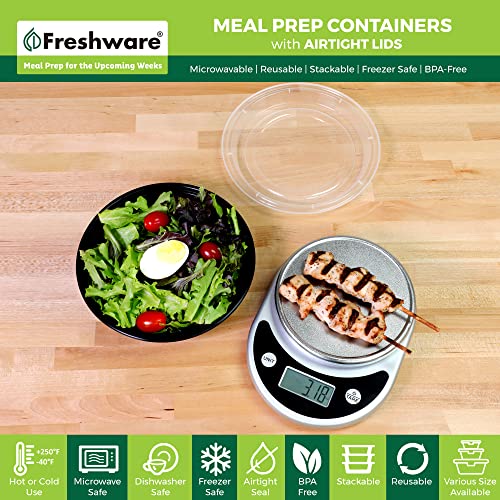
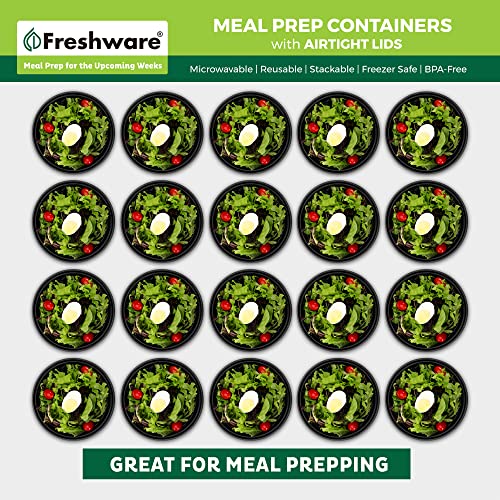
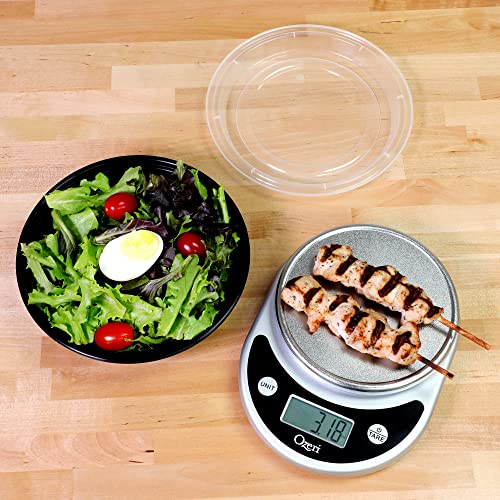
Freshware Meal Prep Bowl Containers 30 Pack

Strengths
- High quantity for the price
- Durable, temp-resistant plastic
- Great for portion control
Trade-offs
- Not fully leak-proof
- Basic lid design
- Single compartment only
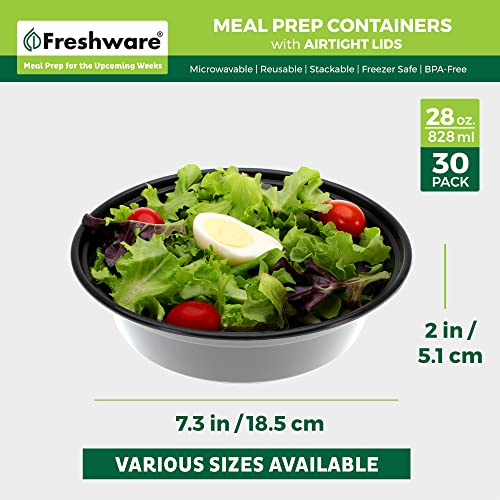
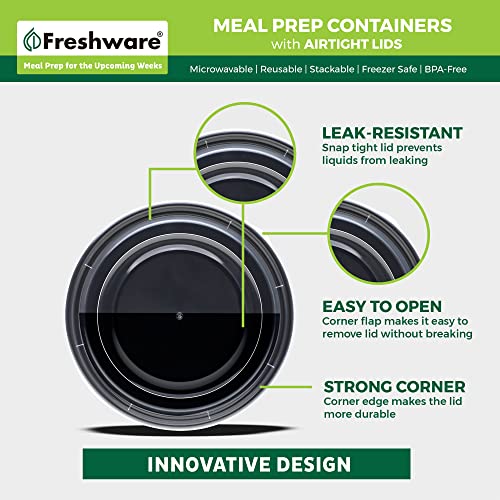
If you’re prepping meals in volume, this 30-pack delivers serious value. The 28-oz size is spacious enough for full salads with protein, and the single-compartment design keeps things simple, no dividers to clean or work around. The material is rated for extreme temps, from deep freeze to microwave, and owners report these hold up well over time without warping or cracking, which is not always the case with budget bento boxes.
But here’s the catch: while they’re labeled leak-proof, feedback is mixed when it comes to dressing-heavy salads. Without a locking latch system like the Rubbermaid Brilliance, they rely more on snug-fitting lids, which can shift during transport. That makes them better for fridge storage or short commutes. Still, for the sheer number of containers, this is the smarter buy for families, fitness meal planners, or offices.
Product photos
How We Picked These salad containers
To recommend the best salad containers, I researched a wide range of options, comparing published specifications and features. I then weighed owner reviews from multiple sources alongside expert opinions found in food storage guides. My evaluation drew on my experience with food preservation techniques and a focus on practical kitchen organization, ultimately ranking containers against criteria like leak-proof design, material quality, and ease of use. Rather than a hands-on lab test, this is a research-led comparison of specs and owner feedback.
For salad containers, airtight seals and material durability are paramount. Preventing wilting and sogginess requires a truly leak-proof design, and containers need to withstand repeated use and washing. I also heavily considered stackability and space efficiency, because a good set should help keep the refrigerator organized and maximize storage. These factors directly impact how long your salad stays fresh and how convenient it is to use.
Specifications reliably indicate container size and material composition, helping assess capacity and whether the plastic is BPA-free. However, I relied on owner feedback to gauge real-world performance – how well the lids actually seal, whether the plastic stains, and long-term durability. Reputation and brand trust also played a role, particularly when evaluating safe plastic containers and assessing potential health concerns. Finding the right options for containers for packing salad for lunch is vital for a fresh, enjoyable meal.
Choosing The Right salad containers
Choosing the right salad containers can make or break your lunchtime experience, and even impact how long your greens stay crisp.
A quality salad container prioritizes airtight seals to maintain freshness, durable construction to withstand repeated use and transport, and thoughtful design features like separate compartments for dressings or toppings. Look for BPA-free materials, leakproof lids, and stackable shapes for efficient storage. Consider microwave and dishwasher compatibility for convenience.
Size and Compartmentalization
Don’t assume one size fits all. Think about your typical salad. A single large container might work for a basic side salad, but if you like a substantial meal with protein and toppings, you’ll want something bigger. Beyond volume, consider compartments. A container with a separate section for dressing is a lifesaver – nobody wants a soggy salad. If you’re prepping several days’ worth of lunches at once, investing in a set with varying sizes is a smart move.
Material and Durability
Plastic is common, but not all plastics are created equal. Look for containers made from Tritan plastic (like the Rubbermaid Brilliance line) or polypropylene (PP) as these are both BPA-free and more durable than cheaper alternatives. Glass containers offer excellent clarity and won’t stain or absorb odors, but they’re heavier and more prone to breakage. Consider how you’ll be carrying the containers and your tolerance for weight versus risk of damage. For long-term use, a slightly higher upfront cost for a more robust material often pays off.
Freshness Features and Airtightness
The whole point of a salad container is to keep your salad fresh, so airtightness is paramount. Containers with secure latches and rubber gaskets are generally more effective at preventing leaks and maintaining crispness than those with simple snap-on lids. Some containers, like those from 5 PCS, incorporate colanders to rinse and drain produce, which can significantly extend freshness. If you’re planning to use your [containers for taking salad to work], these features become even more important. I also recommend checking out [best containers for freezing] if you like to prep ingredients in advance.
- A simple snap lid is fine for short transport times (under 30 minutes).
- Containers with locking lids and rubber seals are best for longer commutes or for keeping salads fresh in the fridge for multiple days.
- Vented lids (like those found on the Rubbermaid Brilliance) are useful if you’re microwaving the salad, preventing pressure buildup and splattering, but they won’t provide the same level of airtightness as a fully sealed container.
A good rule of thumb: if you can smell the salad before opening the container, it’s not sealing properly.
Salad Containers Compared
Here’s a specification comparison of several popular salad containers to help you choose the right one for your needs.
| Product | Capacity (per container) | Material | Leakproof | Microwave Safe | Dishwasher Safe | Count |
|---|---|---|---|---|---|---|
| Rubbermaid Brilliance | 4.7 cup | Tritan Plastic | Yes | Yes | Yes | 2 |
| 5 PCS Large Fruit Containers | 10 oz – 148 oz | PP Plastic | Yes | Yes (lid not included) | Yes (lid not included) | 5 |
| Freshware Meal Prep Bowl Containers | 28 oz | Plastic | N/A | Yes | Yes | 30 |
Frequently Asked Questions
What size salad container should I buy if I often add protein and toppings?
Opt for a larger capacity container, at least 32 ounces, to comfortably accommodate protein, toppings, and a generous portion of greens. A compartmentalized design is also beneficial, keeping ingredients separate until you’re ready to eat to prevent sogginess.
Are glass salad containers really better than plastic, even with the risk of breakage?
Glass offers superior clarity and doesn’t stain or absorb odors like plastic can, making it a good choice if you prioritize those features. However, plastic containers, especially those made from Tritan, are much lighter and more durable for on-the-go use, and many are now available as BPA-free containers.
How can I tell if a salad container is truly leakproof before I buy it?
While specifications can indicate a leakproof design, owner reviews are the best indicator of real-world performance. Look for containers specifically praised for their secure seals and ability to prevent spills, and consider those with locking lids and rubber gaskets.
What’s the best way to wash salad containers to prevent staining and odor buildup?
Most salad containers are dishwasher safe, which is the easiest method. For handwashing, use warm, soapy water and a soft sponge. To tackle stubborn stains or odors, a paste of baking soda and water can be effective, especially for plastic containers.
Beyond airtightness, what features help maintain salad freshness the longest?
Some containers include built-in colanders for washing and draining greens, which removes excess moisture that contributes to wilting. Investing in containers to keep salad fresh with these features can significantly extend the life of your salad.
The Bottom Line
Ultimately, choosing a salad container often comes down to balancing convenience with how seriously you take salad freshness. If you want the best overall performance and aren’t overly concerned with price, the Rubbermaid Brilliance containers are a fantastic choice. Their truly leakproof design and durable Tritan plastic consistently receive high marks from owners.
For those focused on value, the 5 PCS Large Fruit Containers offer a lot of versatility at a lower cost. If you need a large quantity of containers for meal prepping, the Freshware Meal Prep Bowl Containers are a practical option, though they don’t quite match the airtightness of the premium choices. And for those seeking the very best in preservation, explore salad storage containers for fridge for options prioritizing freshness.
Don’t get too caught up in specific features or materials. The most important things are choosing containers you’ll actually use and making sure they seal well. A truly effective system, whether it includes airtight containers or simple snap-lid options, depends more on consistent use and proper cleaning than any single specification.
