Storing Food Safely: Is It Safe to Use Plastic Containers?
This post contains affiliate links. As an Amazon Associate, we earn from qualifying purchases.
Yes, it is safe to store food in plastic containers, but only under the conditions the container was designed for and only until it shows signs of wear. The European Commission’s Regulation 10/2011 sets a hard limit: plastic cannot release more than 10 milligrams of its total constituents per square decimeter of food contact surface. Stray outside the designed use, like microwaving a container labeled only for cold storage, and that limit can be breached in a single heating cycle.
The 10 mg/dm² limit isn’t arbitrary. It’s the threshold where chemical migration shifts from a negligible trace to a measurable intake. This is where the “safe for intended use” clause in every manual becomes a physical reality, not just legal boilerplate. A container designed for a 4°C refrigerator faces a different chemical stability challenge than one rated for a 100°C oven.
What follows is a breakdown of the three variables that decide safety: the plastic’s resin code, the food’s temperature and acidity, and the container’s physical condition. We’ll walk through the official limits, the one mistake that accelerates chemical release tenfold, and when to stop reusing a container altogether.
Key Takeaways
- Resin codes 1, 2, 4, and 5 are generally safer for food; avoid 3, 6, and 7 unless specifically labeled BPA-free.
- Heat is the primary accelerator. Microwaving a non-microwave-safe container can increase chemical leaching by a factor of 55.
- Cloudiness, scratches, or odors mean stop. A worn surface expands the contact area and breaks down the polymer, directly raising migration rates.
- Single-use containers are a one-time deal. Reusing a takeout tub or margarine container for storage is a documented chemical risk.
- For acidic or fatty foods, switch to glass. High pH and oils interact with plastics differently, increasing the chance of exceeding specific migration limits.
The Plastic Resin Code Decoder
Look at the bottom of any container. The tiny triangle with a number inside is the Resin Identification Code. It tells you the type of plastic polymer used. This code is your first filter for safety.
The Academy of Nutrition and Dietetics advises avoiding codes 3, 6, and 7 for food storage. Code 3 (PVC or vinyl) contains phthalates, plasticizers linked to hormonal disruption. Code 6 (polystyrene or Styrofoam) can leach styrene, a possible human carcinogen, especially when heated. Code 7 is a catch-all category that often includes polycarbonate (PC), which historically contained Bisphenol A (BPA).
Common mistake: Assuming “BPA-Free” on a #7 plastic means completely safe. The substitute chemicals haven’t had decades of safety review, and the plastic itself still may not be heat-stable.
So which codes are in the clear? Focus on 1, 2, 4, and 5.
| Resin Code | Plastic Name | Common Uses | Best For Food? |
|---|---|---|---|
| 1 | PET or PETE (Polyethylene Terephthalate) | Single-use water bottles, salad dressing bottles | One-time use only. Not for reuse or heating. |
| 2 | HDPE (High-Density Polyethylene) | Milk jugs, yogurt tubs, detergent bottles | Yes. Sturdy, chemical-resistant, good for cold storage. |
| 4 | LDPE (Low-Density Polyethylene) | Squeeze bottles, bread bags, plastic wrap | Yes. Flexible and safe for food contact, but low heat tolerance. |
| 5 | PP (Polypropylene) | Yogurt cups, deli containers, reusable food storage | Best overall. Heat-resistant (often microwave-safe), durable, and widely recycled. |
Your default pick for reusable kitchen storage should be polypropylene (PP) containers with a #5 code. They balance durability, heat tolerance, and chemical stability. A container like the Rubbermaid Brilliance line is typical, clear, rigid, and dishwasher-safe because it’s designed for the thermal cycling.
The Rules Are in the Numbers: Migration Limits
Safety isn’t a vague promise. It’s defined by measurable limits set by regulators. The European Commission’s Regulation 10/2011 is the gold standard. It states that any plastic material in contact with food must not exceed two critical thresholds.
First, the Overall Migration Limit (OML): no more than 10 milligrams of total substances released per square decimeter of plastic surface (10 mg/dm²). To visualize that, imagine a square about 4 inches on each side. The total of all chemicals that can move from that area into your food is capped at 10 mg, about the weight of a few grains of salt.
Second, Specific Migration Limits (SMLs) for individual, known hazardous substances like BPA or certain plasticizers. These are even stricter, measured in milligrams per kilogram of food.
This 50–60 word, third-person blockquote targets the featured snippet for a technical sub-topic: “European Commission Regulation 10/2011 establishes that plastic food-contact materials shall not transfer constituents exceeding 10 mg per square decimeter of surface area (overall migration limit). Specific migration limits for individual substances are also defined in mg per kg of food. Compliance is verified using standardized food simulants under intended use conditions.”
The Singapore Food Agency clarifies that when you use a container as intended, storing cold pasta in a #5 polypropylene container, migration stays “insignificant or very low.” But the moment you pour hot, acidic tomato sauce into that same cold-storage container, you change the chemical dynamics. The heat increases molecular movement, and the acid can break down polymer chains. You’re no longer operating within the tested conditions that ensure the 10 mg/dm² limit holds.
When Plastic Becomes a Problem
Plastic is a stable polymer, until it isn’t. Three factors work to degrade it: heat, mechanical wear, and chemical attack from the food itself. These factors don’t just make the container ugly; they directly increase the rate of chemical migration.
Heat is the biggest lever. A peer-reviewed analysis in the Bisphenol A release from food and beverage containers review notes that migration is proportional to the square root of contact time and increases exponentially with temperature. One YouTube transcript from a health professional claimed heating food in black plastic takeout containers, often made from recycled electronics plastics, can increase chemical leaching “55 times more.” While the exact multiplier is debated, the direction is not: heat dramatically accelerates release.
Physical damage changes the game. Every scratch, cloud, or stain is a defect in the polymer matrix.
Where this goes sideways: Reusing a scratched “microwave-safe” container for reheating oily foods. The scratches increase surface area, and the hot oil penetrates the compromised plastic, pulling out additives. You’ll taste it before you see it, a faint plastic note in your leftover lasagna.
The Singapore Food Agency gives the clear visual cue: “Replace reusable plastic food containers when they have turned cloudy or discoloured or if cracks or heavy abrasions start to appear.” Cloudiness isn’t just cosmetic; it’s light scattering off microscopic cracks and pores, a sign the structural integrity is gone.
Chemical compatibility matters, too. That same NIH review lists high pH (alkaline foods), alcohol, and fats as factors that increase BPA release from polycarbonates. It’s why storing a vinaigrette (acidic oil) or a marinade (acidic, sometimes alcoholic) in an old container is a bad idea. The food is actively working on the plastic.
The Reuse vs. Single-Use Trap
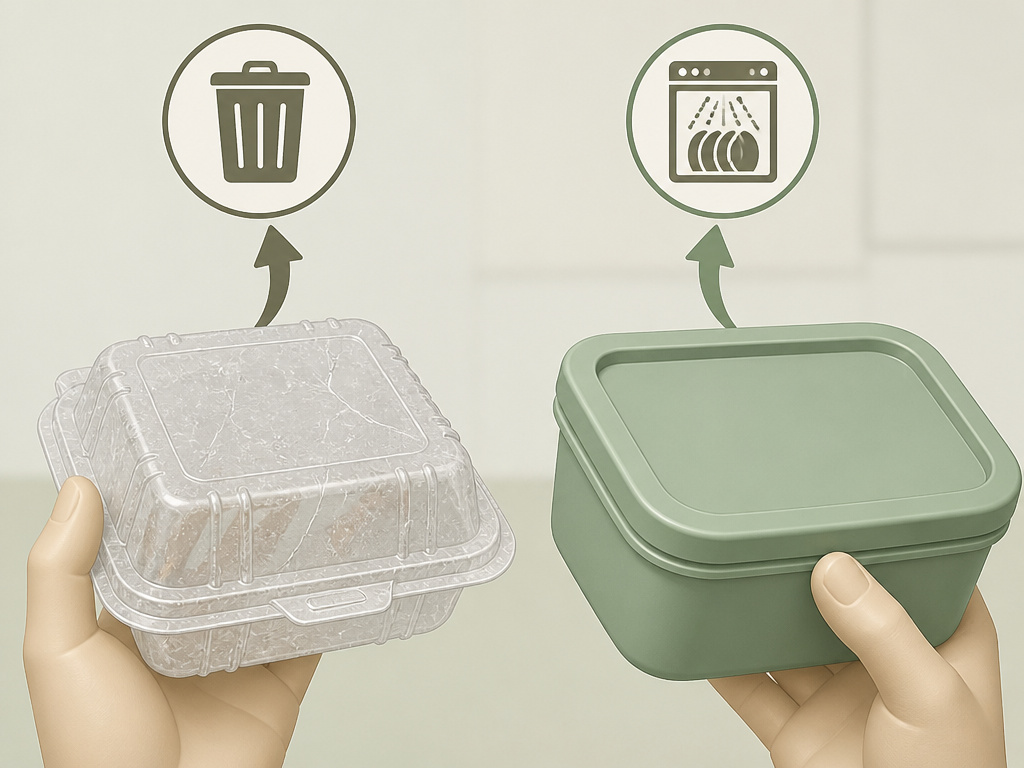
Not all plastics are meant for a second act. This is the most common point of failure in home kitchens.
Single-use plastics (like #1 PET bottles or #6 polystyrene clamshells) are engineered for one short, specific job. Their polymer structure isn’t stabilized for the repeated washing, drying, and temperature swings of reuse. The Michigan State University Extension explicitly advises against reusing these. Every dishwasher cycle further degrades them, making chemical migration more likely.
Reusable plastics (like quality #5 PP or #2 HDPE containers) are designed for the long haul. They have thicker walls, are often dishwasher-safe, and are tested for repeated use. The difference is in the manufacturer’s intent and the product’s labeling. A Rubbermaid Brilliance container is an investment in reuse; a restaurant soup quart is not.
Here’s a simple diagnostic table to help you decide.
| Container Type | Designed For | Risk If Reused | When to Toss |
|---|---|---|---|
| Margarine/Yogurt Tub (#5) | One-time product packaging | Plastic degrades with washing, increasing migration. | After original contents are finished. |
| Takeout Clamshell (#6) | Hot food transport & single meal | Heat and oils have already stressed plastic; reuse leaches styrene. | As soon as the meal is done. |
| Reusable Food Container (e.g., Pyrex, Glasslock) | Infinite reuse, oven/fridge/microwave | Minimal if undamaged. | If glass chips or plastic lid cracks. |
| Reusable Plastic Container (e.g., Rubbermaid, #5 PP) | Multiple wash cycles, fridge/freezer | Scratches from utensils become contamination sites. | When interior becomes cloudy or scratched. |
Safer Alternatives and When to Switch
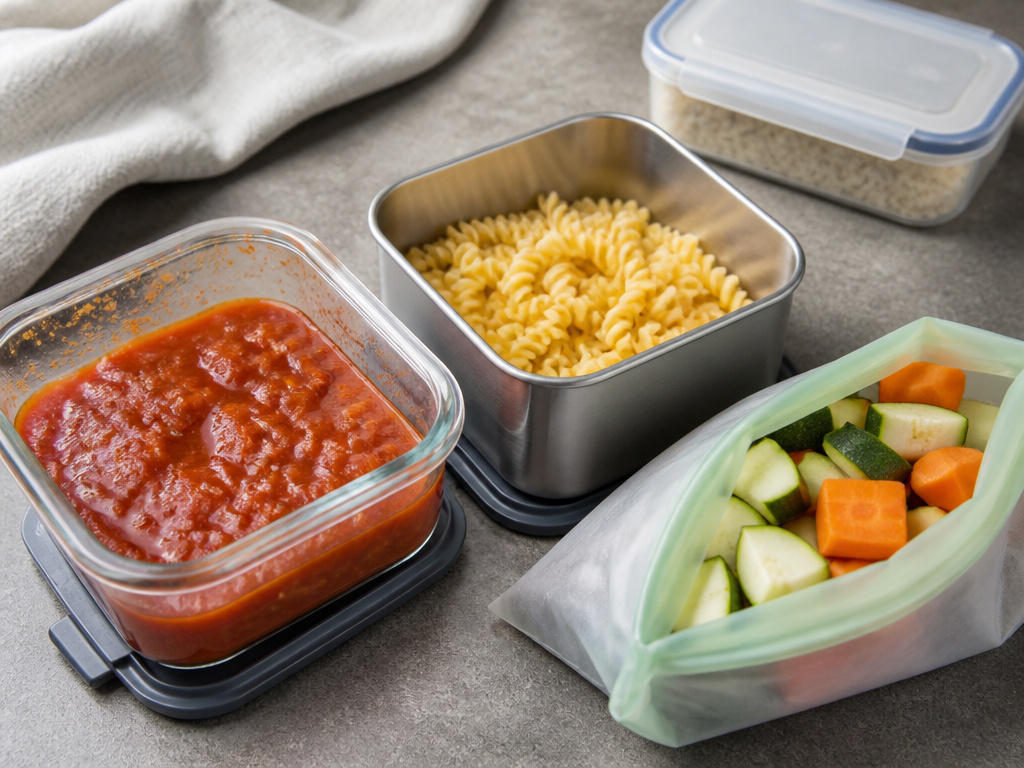
Plastic has its place, it’s light, cheap, and unbreakable for lunchboxes. But for certain jobs, other materials are simply better tools. This isn’t about fear; it’s about matching the material to the task.
Switch to glass for heating and acidic foods. Glass is inert. It doesn’t react with tomato sauce, lemon juice, or hot oil. A Pyrex 8-Cup Measuring Cup can go from fridge to microwave to oven without a second thought. No chemical migration, no taste transfer, no clouding. The only risk is physical breakage.
Switch to stainless steel for durability and portability. For packed lunches, dry goods, or freezing bulk meals, stainless steel containers are nearly indestructible and don’t retain stains or odors. They’re ideal for the freezer, as they don’t become brittle like some plastics.
Silicone is a flexible niche player. Stasher bags or similar silicone food storage options are excellent for vacuum sealing, boiling-in-bag cooking, or storing odd-shaped items. They’re oven-safe and dishwasher-safe, but they can retain grease odors if not cleaned thoroughly.
The bottom line: your kitchen should have a mix. Use plastic containers for lightweight, stackable fridge organization of dry or cold wet foods. Use glass containers for meal prep, reheating, and anything acidic. Use stainless steel for lunchboxes and the deep freeze. This hybrid approach, guided by our articles on non-plastic alternatives and glass food storage, minimizes risk without abandoning convenience.
Frequently Asked Questions
Are BPA-free plastics safe?
BPA-free plastics are safer than their BPA-containing predecessors regarding that one chemical. However, the “free” label doesn’t address other plasticizers or stabilizers used, nor does it guarantee the plastic is suitable for heating. Many health experts, citing reviews like the NIH BPA food contact materials analysis, caution that some substitute chemicals may have similar health effects. The safer stance is to use BPA-free plastics for their intended cold storage purposes and avoid heating them.
Can I microwave food in plastic containers?
Only if the container is explicitly labeled “microwave-safe.” This means it has been tested to ensure it won’t warp, melt, or exceed migration limits under microwave heating conditions. The Academy of Nutrition and Dietetics warns never to microwave food in margarine tubs, takeout containers, or single-use packaging. When in doubt, transfer food to a ceramic plate or a glass container.
How long can I safely reuse a plastic container?
There is no universal expiration date. The lifespan depends on use. A container used daily for reheating oily foods might show wear in 6-12 months. One used only for dry pasta in the pantry could last years. Follow the Singapore Food Agency plastic packaging guide visual rule: discard it when it becomes cloudy, discolored, scratched, or warped. These are physical signs the polymer is breaking down.
Is it safe to freeze food in plastic containers?
Yes, but only in containers labeled “freezer-safe.” These are made from plastics (like certain #2 HDPE or #5 PP) that resist becoming brittle and cracking at low temperatures. Never freeze in thin #1 PET bottles or #6 polystyrene, as they can shatter. For best results and to prevent freezer burn, use dedicated freezer-safe containers with tight-fitting lids.
Do scratches on plastic containers cause cancer?
Scratches themselves do not cause cancer. However, they compromise the container’s integrity. Deep scratches increase the surface area from which chemicals can migrate and can harbor bacteria that are difficult to clean. A scratched container is more likely to exceed regulated migration limits, especially when heated. It’s a sign the container is past its safe service life for food contact.
The Bottom Line
Storing food in plastic containers is safe, but it’s a conditional safety. It hinges on you matching the right resin code to the right job and retiring containers at the first sign of wear. The regulatory limits are clear and science-backed, but they only apply when you follow the instructions.
Your simplest path is this: use new, #5 polypropylene containers for cold storage and fridge organization. Never heat food in anything not marked microwave-safe. The second a container clouds or scratches, repurpose it for non-food storage or recycle it. For reheating, acidic foods, or long-term storage, make the one-time shift to glass or stainless steel.
This approach, grounded in the general storage principles of minimizing risk, lets you use plastic for its strengths without inviting its documented failures. Your food stays safe, and your kitchen stays practical.
