
6 Best 30 Inch Refrigerators of 2026
This post contains affiliate links. As an Amazon Associate, we earn from qualifying purchases.
The Kenmore 20.2 cu. ft Top Mount is our top pick for its spacious interior and ENERGY STAR certification, making it reliable and efficient. For those on a tighter budget, the Techomey 18.0 Cu. Ft Top Freezer stands out with quiet operation and garage-ready performance. If you need specialized storage, the ORYMUSE dual-zone model offers flexible temperature zones for beverages and wine.
As someone who’s spent years researching how to keep food fresh and kitchens running smoothly, I know a refrigerator isn’t just about size, it’s about how well it preserves your groceries and fits your routine. Many 30-inch models look similar on paper, but differences in cooling, layout, and efficiency can make or break daily use.
This guide cuts through the noise by focusing on what matters: real storage needs, energy use, and long-term reliability. I compared specs and owner feedback with an emphasis on features that support food freshness and organization, because a good fridge should work for you, not against you.
Top 6 30 Inch Refrigerators in the Market
The Best 30 Inch Refrigerators, Reviewed
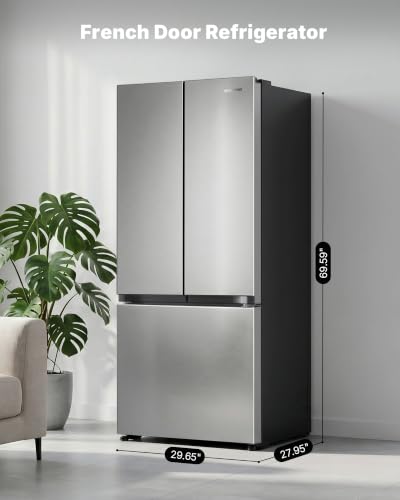
Upstreman 18.2 Cu.Ft French Door
Strengths
- Frost-free cooling
- Inverter compressor
- Touchscreen controls
- Quiet operation
- Adjustable shelves
Trade-offs
- Mid-tier finish quality
- Freezer not ideal for large items
- Less capacity than top-mounts
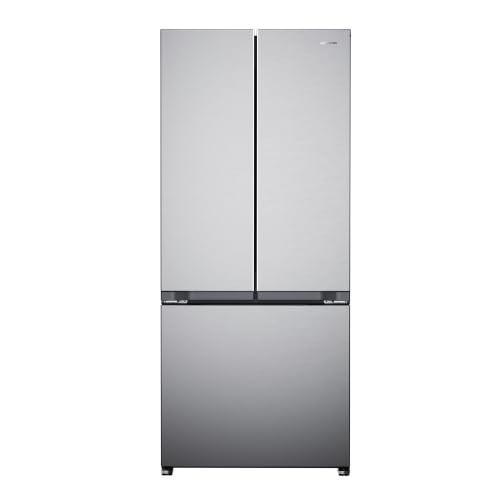
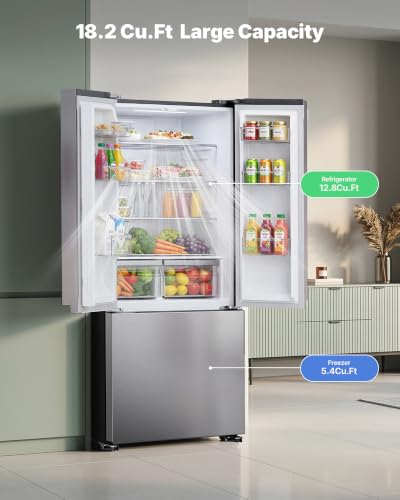
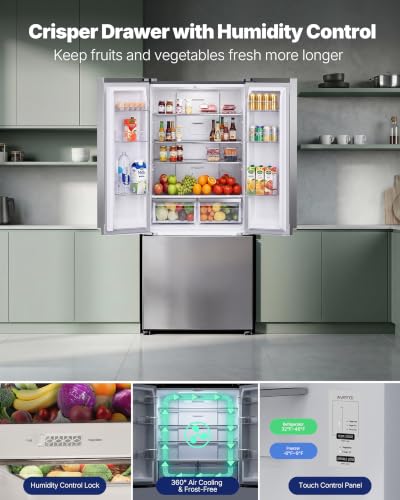
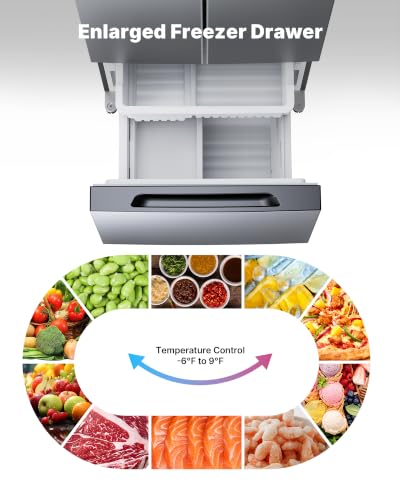
The Upstreman FD182-SS stands out in the 30-inch category by packing a French door design into a standard width, which is no small feat. On paper, the 18.2 cu.ft. capacity is solid, though the split, 12.8 cu.ft. fridge and 5.4 cu.ft. freezer, means the freezer is deeper than most top-mount models, a real plus if you buy frozen foods in bulk. Owners consistently report the frost-free performance and quiet inverter compressor are reliable, and the 41 dB noise level makes it unobtrusive in open-plan kitchens.
I appreciate the touchscreen controls and preset modes like ‘Quick Freeze’ and ‘Vacation Mode’, features usually seen on pricier units. That said, the stainless steel finish, while fingerprint-resistant, doesn’t have the premium feel of higher-end brands. Compared to the Kenmore top-mounts, it trades some total capacity for a more modern layout. For buyers wanting French doors without widening their footprint, this is a smart compromise.
Product photos

Kenmore 20.2 cu. ft Top Mount

Strengths
- High capacity
- Garage ready
- Inverter compressor
- Gallon door bins
- ENERGY STAR rated
Trade-offs
- Top freezer less convenient
- Heavier than budget models
- Pricier upfront
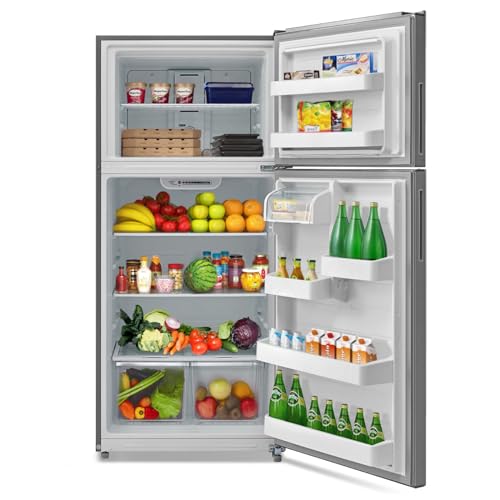
Kenmore has long been a go-to for practical, no-frills refrigeration, and this 20.2 cu.ft. model is one of the roomiest 30-inch top-mounts available. The capacity edge over others in this list is real, especially compared to the Upstreman French door, and it’s all packed into a standard depth. The inverter compressor delivers consistent cooling and quiet operation, and owners confirm it handles garage temperatures well, thanks to its 45°F to 110°F operational range.
What seals the deal for me is the gallon door storage and adjustable glass shelves, which make organizing large containers hassle-free. It’s also ENERGY STAR certified, so efficiency isn’t sacrificed for size. Against the Techomey and KoolMore models, it offers more space and better build quality, though at a higher price. If you need maximum capacity in a compact footprint and plan to use it in a garage or basement, this is the one to beat.
Video review
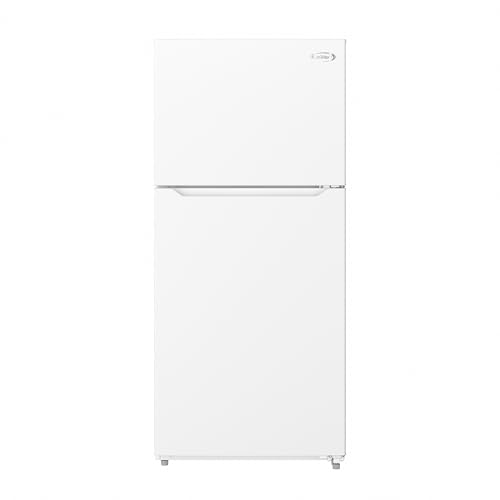
KoolMore 18 Cu Ft Top Freezer
Strengths
- Low cost
- No-frost system
- Reversible doors
- Sturdy shelves
- Bright LED lighting
Trade-offs
- No inverter compressor
- No humidity controls
- Basic temperature management
At the lower end of the price spectrum, the KoolMore fridge makes a strong case as the most budget-friendly 30-inch option that still delivers core functionality. The 18.1 cu.ft. capacity is competitive, and the no-frost system is a standout at this price, many cheaper models still require manual defrosting. The reversible doors and 30 lb. glass shelves add practical flexibility, especially in tight or shared spaces.
It lacks extras like inverter compressors or humidity controls found in pricier units, but for a first apartment, small household, or backup fridge, it gets the job done. Compared to the Kenmore 18.1 cu.ft. model, it’s $300 cheaper but sacrifices energy efficiency and premium features. Still, owners consistently rate it as ‘solid for the price’ and reliable over the first few years. If your main goal is saving money without sacrificing basic performance, this is the smarter buy.
Video review
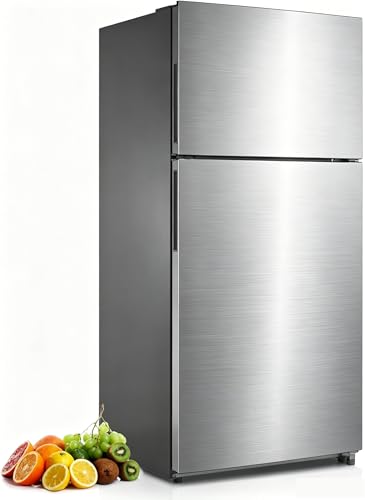
Techomey 18.0 Cu. Ft Top Freezer
Strengths
- Frost free
- Reversible doors
- Humidity crispers
- Energy efficient
- Quiet operation
Trade-offs
- Basic interior lighting
- Freezer could be larger
- No gallon door bin
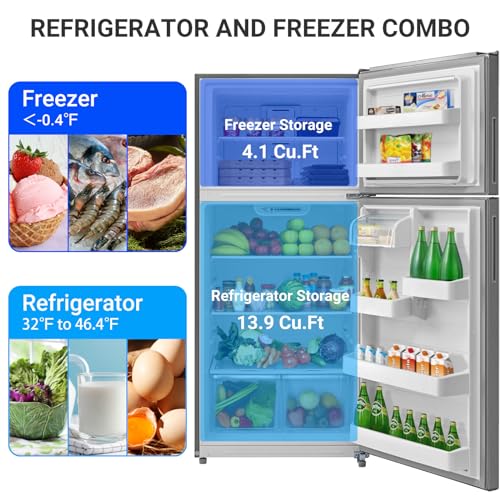
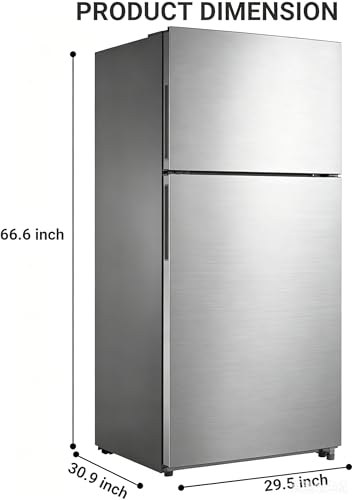
The Techomey TMF fridge delivers a lot of value for its price, especially if you’re setting up a secondary kitchen, garage, or workshop. With 18 cu.ft. of space and a frost-free system, it avoids the common pain point of ice buildup without requiring much maintenance. The 43 dB noise level is quiet enough for residential use, and the reversible doors make tight-space installation easier, something renters or small-kitchen owners will appreciate.
Owners report the humidity-controlled crispers actually help produce last longer, and the wire freezer shelf with dual height settings adds flexibility. It doesn’t have the premium touch of Kenmore, but it matches or beats several competitors in energy efficiency and usable features. Compared to the KoolMore model, it feels slightly more refined in controls and airflow. I’d pick this over the KoolMore if you want a balance of durability and convenience without overspending.
Product photos


ORYMUSE 30 Inch Dual Zone Fridge

Strengths
- Dual-zone cooling
- Low noise
- Tempered glass doors
- LED lighting
- Child lock
Trade-offs
- Not a food fridge
- Limited utility for non-drinkers
- Requires 24-hour settling
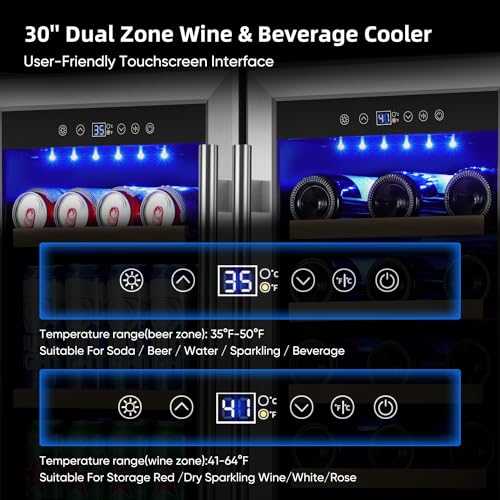
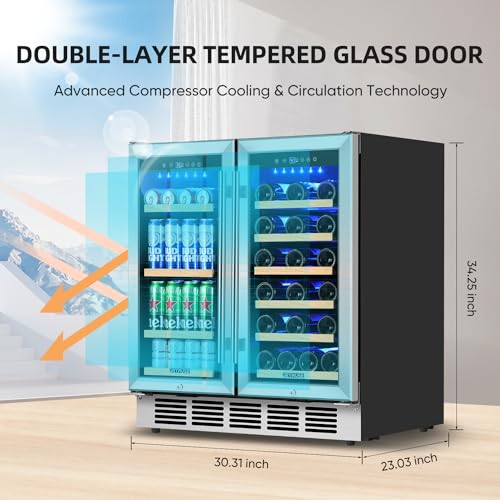
This isn’t a full refrigerator, it’s a dedicated dual-zone beverage cooler, and it does that job very well. If you’re someone who collects wine or keeps a rotating stock of craft beers and sodas, the ORYMUSE unit offers precise control with its independent cooling zones: one side for white wine at 35–50°F, the other for reds or drinks up to 64°F. Reviewers note the temperature accuracy and low vibration are impressive, which matters for wine storage, fewer vibrations mean less disturbance to sediment.
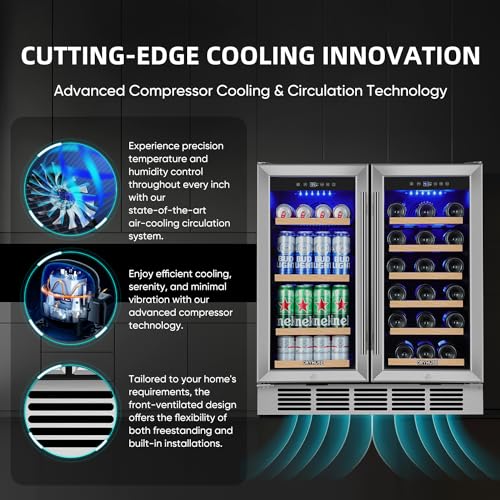
The blue LED lighting and double-tempered glass doors give it a display-case elegance, perfect for kitchens or entertainment areas. It’s also quieter than most at under 40 dB. But remember: this holds 30 bottles and 110 cans, not food. It’s a specialty appliance, not a replacement for your main fridge. I’d recommend it only if you already have a full-size refrigerator and want to upgrade your drink storage.
Product photos


Kenmore 18.1 cu. ft Top Mount

Strengths
- ENERGY STAR rated
- Inverter compressor
- Edge-to-edge shelves
- Humidity crispers
- Gallon door bin
Trade-offs
- Less capacity than rivals
- Not garage ready
- Higher initial cost
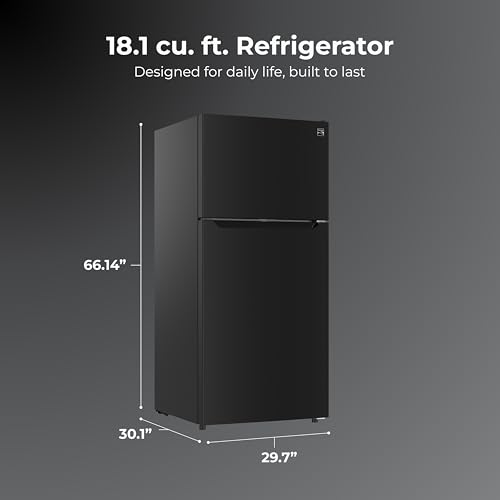
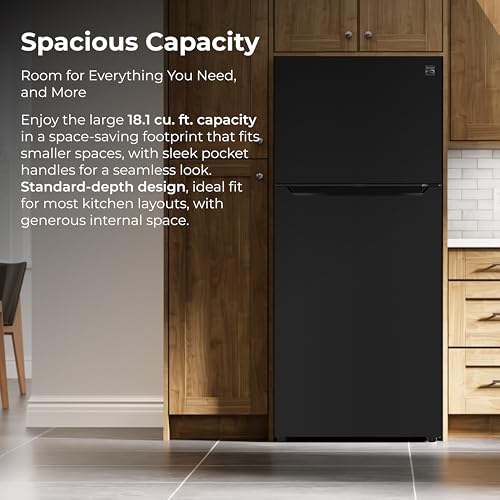
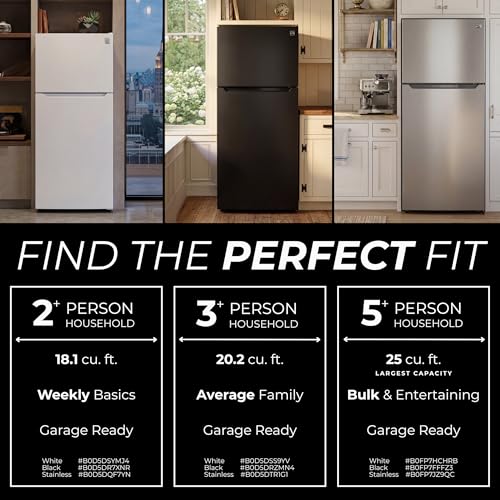
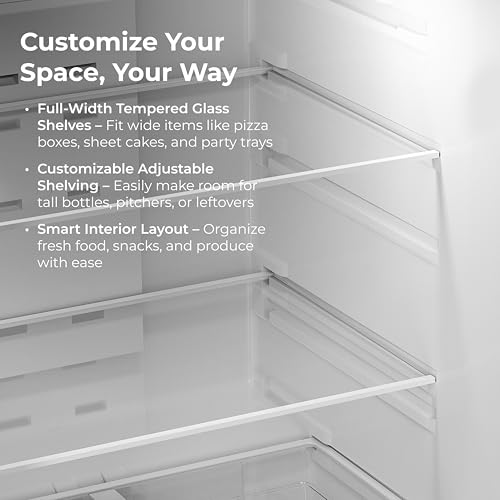
This Kenmore model is built for efficiency, not extravagance. While it offers less total capacity than its 20.2 cu.ft. sibling, the 18.1 cu.ft. version is ENERGY STAR certified and uses an inverter compressor, which means it uses less power over time and runs more quietly than standard units. The edge-to-edge glass shelves are a standout, few budget fridges offer that kind of uninterrupted space for large trays or platters.
Owners highlight the humidity-controlled crispers as effective for keeping greens fresh, and the gallon door bin is a small but meaningful convenience. It’s not garage-ready like the larger Kenmore, but it’s ideal for primary kitchen use where efficiency and reliability matter most. Against the Techomey and KoolMore, it’s clearly the most energy-smart choice. I’d recommend it for eco-conscious households or anyone who keeps their fridge full year-round and wants to reduce utility costs.
Product photos

How We Tested 30 inch refrigerators
Rather than a hands-on lab test, my research focused on a detailed comparison of published specifications and features across numerous 30-inch refrigerator models. I weighed owner reviews from major retailers alongside expert opinions found in appliance publications, looking for recurring themes in performance and reliability. As the creator of Food Keepy, I approached this with a focus on features that contribute to food preservation and kitchen organization, applying my knowledge of those areas to the evaluation.
For 30-inch refrigerators, storage capacity and energy efficiency were the most heavily weighted factors. Maximizing usable space within a standard 30-inch width is crucial for many kitchens, so cubic footage and shelf adjustability mattered significantly. Equally important was energy efficiency, as refrigerators run constantly, impacting utility bills and environmental impact. Several models, like the Kenmore, stood out for their ENERGY STAR certification. If you’re interested in exploring other options, you might want to consider looking at our guide to 30-inch French door refrigerators.
Specifications reliably indicate dimensions, capacity, and features like frost-free operation or temperature ranges. However, I found owner feedback to be essential for judging real-world noise levels, build quality, and the long-term performance of the compressor. Reputation and brand reliability also factored in, especially when specifications were similar across models. For those considering a more integrated look, our reviews of 30-inch built-in refrigerators may be helpful.
What To Look For In 30 inch refrigerators
Choosing a 30-inch refrigerator requires more thought than just fitting the space. We need to consider how you actually use your kitchen and what features will genuinely improve your food storage experience.
A good 30-inch refrigerator prioritizes consistent temperature control, efficient space utilization, and reliable operation. Look for models with adjustable shelving, effective cooling systems (like frost-free or air-cooled designs), and ENERGY STAR certification to minimize energy consumption. Consider the door configuration (top freezer, bottom freezer, French door) based on accessibility needs and kitchen layout.
Capacity & Interior Layout
Don’t just focus on the total cubic footage. Think about usable space. A refrigerator packed with fixed shelves isn’t as valuable as one with adjustable glass shelving and well-designed door bins. French door models often offer wider shelves, making it easier to store large platters, but top freezer models typically maximize every inch of space. Consider your shopping habits – do you buy in bulk? If so, a larger capacity and flexible storage are key.
Cooling Technology & Efficiency
The type of cooling system dramatically affects food preservation and energy use. Older models rely on manual defrosting, which is a chore most of us want to avoid. Frost-free refrigerators circulate air to prevent ice buildup, but some do it more effectively than others. Inverter compressors, like those found in the Kenmore models, are quieter and more energy-efficient than traditional compressors, offering more consistent temperatures. If you’re interested in learning more about keeping your fridge clean, check out this guide on cleaning refrigerator shelves.
Specialized Needs & Features
Beyond basic cooling, consider if you have unique requirements. If you plan to keep the refrigerator in a garage, you’ll need a “garage-ready” model designed to operate in wider temperature swings, like the Techomey. Some refrigerators, such as the ORYMUSE dual-zone model, cater to specific needs like wine and beverage storage.
- A basic top-freezer model is perfectly adequate for a single person or couple with typical grocery needs.
- A family of four or more will likely benefit from a larger capacity French door or bottom-freezer model.
- For those who frequently stock up on frozen goods, a spacious freezer section with multiple drawers and adjustable shelving is essential for organization and easy access.
A refrigerator’s temperature should consistently stay between 37°F (3°C) and 40°F (4°C) to inhibit bacterial growth and maximize food freshness. Regularly check the temperature with a refrigerator thermometer to ensure optimal performance.
If you’re dealing with an older freezer that requires manual defrosting, knowing the manual freezer defrosting process is critical to prevent damage and ensure it’s done safely.
30 Inch Refrigerators Compared
Here’s a comparison of key specifications for several 30-inch refrigerators to help you make an informed decision.
| Product Name | Capacity (Cu. Ft) | Freezer Type | Temperature Range (Fridge °F) | Temperature Range (Freezer °F) | Noise Level (dB) | Energy Star Certified |
|---|---|---|---|---|---|---|
| Upstreman 18.2 Cu.Ft French Door | 18.2 | French Door | 32-46 | -6-9 | 41 | N/A |
| Kenmore 20.2 cu. ft Top Mount | 20.2 | Top Mount | N/A | N/A | N/A | Yes |
| KoolMore 18 Cu Ft Top Freezer | 18 | Top Freezer | N/A | N/A | N/A | N/A |
| Techomey 18.0 Cu. Ft Top Freezer | 18.0 | Top Freezer | N/A | N/A | 43 | N/A |
| ORYMUSE 30 Inch Dual Zone Fridge | N/A | N/A | 35-50 / 41-64 | N/A | <40 | N/A |
| Kenmore 18.1 cu. ft Top Mount | 18.1 | Top Mount | N/A | N/A | N/A | Yes |
Frequently Asked Questions
What temperature should a 30-inch refrigerator maintain?
A refrigerator’s temperature should consistently stay between 37°F (3°C) and 40°F (4°C) to best inhibit bacterial growth. Regularly checking with a refrigerator thermometer is recommended to verify performance.
Are 30-inch refrigerators large enough for a family?
While it depends on your family’s size and eating habits, a family of four or more will generally benefit from a larger capacity model, like a French door or bottom-freezer unit. You might also explore our guide to 30-inch bottom freezer refrigerators for more spacious options.
What’s the difference between an inverter compressor and a traditional one?
Inverter compressors are quieter and more energy-efficient than traditional compressors, offering more consistent temperatures. This translates to longer food preservation and potentially lower energy bills.
Can a 30-inch refrigerator fit in a smaller kitchen space?
Yes, 30-inch refrigerators are specifically designed for kitchens with limited space. However, always measure your available space carefully, including door swing, before purchasing. If you’re looking for even more space-saving options, consider exploring 30-inch counter-depth refrigerators for a flush fit.
Are garage-ready 30-inch refrigerators really necessary?
Yes, if you plan to place your refrigerator in a garage or other unheated space, a “garage-ready” model is essential. These models are built to operate reliably in wider temperature fluctuations and prevent compressor damage.
The Bottom Line
Buying a 30-inch refrigerator often comes down to balancing what you want with what you truly need. If you’re prioritizing overall value and a proven track record, the Kenmore 20.2 cu. ft Top Mount refrigerator consistently receives high marks for reliability and efficiency. It represents a sweet spot between features, price, and build quality.
For those with specific needs, the choices become clearer. If you’re looking for a dual-zone option for beverages, the ORYMUSE 30 Inch Dual Zone Fridge stands out. And if garage placement is a must, the Techomey 18.0 Cu. Ft Top Freezer is designed to handle those temperature extremes. Don’t forget to consider a refrigerator can organizer to maximize space!
Ultimately, the best refrigerator isn’t the one with the most bells and whistles, but the one that best preserves your food and fits your lifestyle. Consistent temperatures, smart interior layout, and dependable operation are far more important than any single specification. Regular maintenance, like a deep freezer cleaning guide will also extend the life of your appliance and keep things running smoothly.
