Preserve Boiled Eggs Properly With These Storage Methods
This post contains affiliate links. As an Amazon Associate, we earn from qualifying purchases.
To preserve boiled eggs, cool them in an ice bath immediately after cooking, then refrigerate in a sealed container. Unpeeled eggs last up to one week. Peeled eggs must be stored in water or covered with a damp paper towel inside a sealed container and used within 3-4 days to prevent drying and bacterial growth.
The ice bath is non-negotiable. It stops the cooking process at the exact moment you want it to stop. Skip it, and the residual heat continues to cook the yolk, pushing it from perfectly jammy to chalky and turning the white rubbery. That texture change happens in the ten minutes you leave them steaming on the counter.
What follows is the breakdown of why speed matters, the physics of the eggshell, and the two storage paths for peeled and unpeeled eggs. By the end, you’ll know how to keep a batch edible for seven days and how to spot the one sign that means you should toss the whole container.
Key Takeaways
- An ice bath within two minutes of boiling is the single biggest factor for texture and safety. It halts cooking and pulls the egg through the temperature danger zone faster.
- Unpeeled eggs have a built-in barrier. Store them in their original carton or a sealed container on a refrigerator shelf for up to a week.
- Peeled eggs lose all natural protection. Submerge them in water in a sealed container or cover them with a damp paper towel to prevent drying; consume within 3-4 days.
- The egg’s natural cuticle and antimicrobial albumen are why unwashed, unpeeled eggs last longer. Peeling removes these defenses entirely.
- Always crack a boiled egg into a separate bowl before eating. A foul odor or slimy texture means discard it immediately, no exceptions.
The Core Rule: Get Them Cold, Fast
Boiled eggs spoil in the temperature danger zone. This isn’t a suggestion; it’s a bacterial growth chart. The USDA defines the danger zone as 4°C to 60°C (40°F to 140°F). Your goal is to move the egg from 100°C boiling to below 4°C refrigeration as quickly as possible.
An ice bath achieves this in minutes. A slow cool on the counter can take an hour, giving pathogens a runway.
Never skip the ice bath. Plunging boiled eggs into ice water contracts the contents slightly, creating a tiny air pocket that also makes peeling easier later. The thermal shock sets the proteins, locking in your desired yolk consistency.
The sequence is strict. The moment your timer goes off, use a slotted spoon to transfer the eggs from boiling water into a bowl full of ice and cold water. Let them sit for at least 15 minutes, until they’re completely cold to the touch. Only then do you dry them and decide on your long-term food storage methods.
Why the Original Carton is Your Best Friend
After the ice bath, you need a stable cold environment. The back shelf of your refrigerator is the coldest and least temperature-fluctuating spot. The best vessel for unpeeled eggs is the carton they came in.
The cardboard carton insulates against temperature shifts every time you open the fridge door. It also prevents odors from other foods (like strong cheese or onions) from permeating the porous shell. If you’ve tossed the carton, any airtight container works, but pad the eggs with a paper towel to prevent rolling and cracking.
This practice is a cornerstone of proper egg storage. A study from the USDA’s Agricultural Research Service notes that egg quality can decline more in less than 24 hours at room temperature than during 15 weeks of proper refrigeration. The clock starts ticking the second the cooking heat stops.
Peeled vs. Unpeeled: Two Different Games
Once you crack the shell, the rules change completely. An unpeeled egg is a fortress. A peeled egg is a city with no walls.
| Storage State | Best Container | Key to Prevent | Maximum Fridge Life | Visual Check Before Use |
|---|---|---|---|---|
| Unpeeled | Original carton or sealed container | Odor absorption, moisture loss | 7 days | Inspect shell for cracks |
| Peeled | Sealed container with water or damp towel | Drying out (rubbery texture) | 3–4 days | Check for slimy film or off smell |
The Science of the Shell
An unpeeled egg has layers of defense. First, the cuticle, a thin protein coating that seals the shell’s pores. Then the shell itself, a physical barrier. Inside that are two membranes, and finally, the albumen (egg white), which contains antimicrobial proteins like lysozyme. This system is why you can preserve eggs in their shell for a relatively long time.
Peeling strips away the cuticle, shell, and membranes. The exposed albumen dries out quickly, becoming tough and rubbery. More critically, it’s now vulnerable to airborne bacteria and cross-contamination in your fridge.
How to Store Peeled Eggs Correctly
For peeled eggs, moisture is everything. You must replace the lost barrier.
The Water Method: Place peeled eggs in a sealed container and cover them completely with cold water. The water maintains humidity and prevents the surface from developing a leathery skin. Change the water every two days. This is the most effective method for storing peeled boiled eggs.
The Damp Towel Method: If you’re short on container space, place the eggs in a container and lay a damp (not wet) paper towel directly over them before sealing the lid. The towel creates a humid micro-climate.
Common mistake: Storing peeled eggs loose on a plate. The surface dries within hours, the texture turns unpleasantly chewy, and the risk of picking up fridge odors skyrockets.
Both methods have the same goal: create a 100% humidity environment. A simple food preservation principle, control the atmosphere, control the shelf life.
The 3 Signs a Boiled Egg Has Gone Bad
Your nose and eyes are the best tools here. Regulations like those outlined in the USDA FSIS farm-to-table guide always advise a visual and olfactory inspection before consumption.
- The Sulfur Smell. A fresh hard-boiled egg has a mild scent. A strong, unmistakable sulfurous or rotten odor is an immediate fail. This smell comes from hydrogen sulfide gas produced by bacterial breakdown.
- Slimy or Powdery Texture. A fresh peeled egg is moist but not slippery. If the surface feels slimy or tacky, or if an unpeeled egg has a chalky, powdery residue on the shell, bacteria or mold is present.
- Unnatural Color. While grey-green yolks are a harmless result of overcooking, any pink, blue, or green iridescence on the whites or shell indicates microbial growth. Toss it.
Before you start: Always crack an egg into a separate bowl before adding it to your dish. If one egg in the batch is spoiled, this prevents it from contaminating your entire meal. This is a standard safe egg handling procedure recommended by extension services.
If you see any of these signs, discard the egg and sanitize the container. Do not taste-test.
Advanced Tips & Problem Solving
 This is where most basic guides stop. But what about meal prep, or saving leftovers from deviled eggs?
Meal Prep for the Week: Boil and ice-bath a dozen eggs on Sunday. Keep them unpeeled in their carton. Each morning, peel only what you need for the day. The unpeeled ones will stay in better condition than a batch you peeled all at once. This leverages the same principles used to preserve vegetables through barrier methods.
Leftover Halved or Sliced Eggs: These have even more exposed surface area. Press a piece of plastic wrap directly onto the cut surfaces before placing them in a sealed container. Use within 2 days.
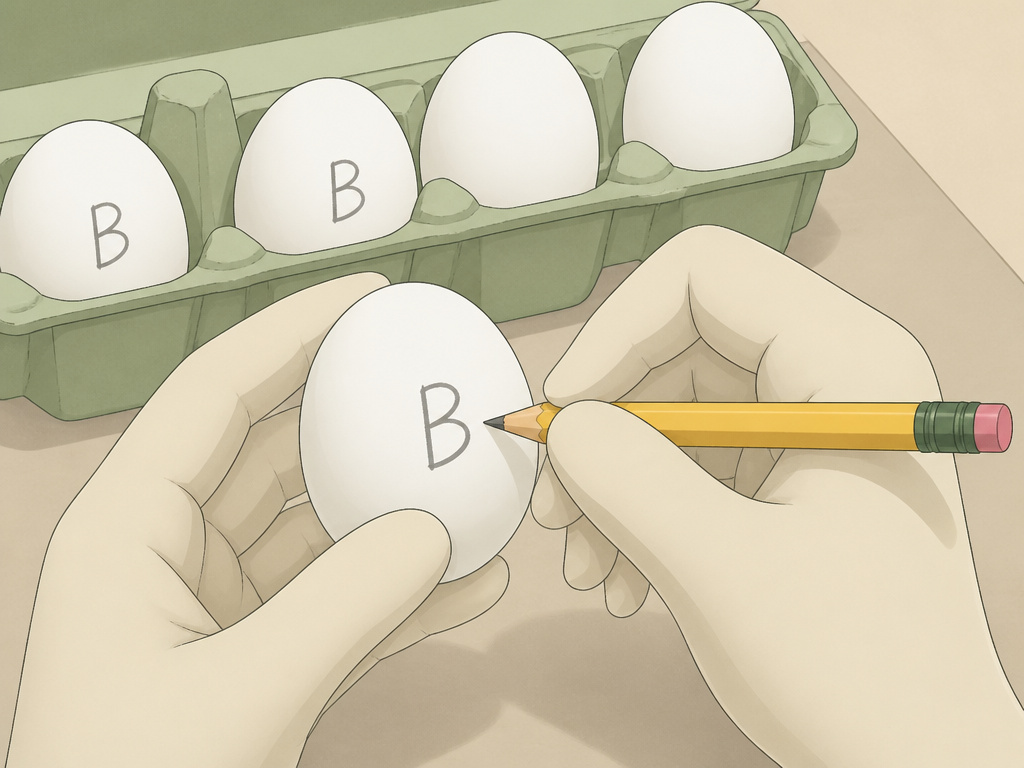
The “Marked Carton” Trick: If you store raw and boiled eggs in the same fridge, confusion is inevitable. As one home cook demonstrated, simply mark the boiled eggs with a pencil “B” on the shell or the carton. This prevents the dangerous mistake of cracking a raw egg into a recipe thinking it’s cooked.
Why Yolks Turn Grey (And How to Minimize It): The grey-green ring around a yolk is ferrous sulfide, formed when iron from the yolk reacts with hydrogen sulfide from the white. Overcooking and slow cooling cause it. The ice bath is your first defense. For even better results, avoid boiling at a furious roll, a gentle simmer is sufficient.
Frequently Asked Questions
Can you freeze hard-boiled eggs?
You can freeze hard-boiled egg yolks successfully. The whites become tough and rubbery when frozen and thawed. To freeze yolks, separate them, place them on a parchment-lined tray to freeze individually, then transfer to a freezer bag. Use within 3 months for best quality. For whites, consider other methods to preserve egg whites like refrigeration for short-term use.
How long do boiled eggs last unrefrigerated?
Unpeeled boiled eggs can sit at room temperature for about 2 hours if they were properly refrigerated after the ice bath. After that, they enter the temperature danger zone and risk bacterial growth. Peeled eggs should not be left out for more than 1 hour. When in doubt, throw it out.
Why are my peeled boiled eggs rubbery?
This is almost always caused by drying out. You either didn’t store them in a water- or humidity-controlled environment, or they were left in the fridge too long after peeling. The albumen proteins lose moisture and contract. Always use the water or damp towel method for keeping peeled eggs.
Is it safe to eat a hard-boiled egg with a cracked shell?
It depends on when it cracked. If it cracked during cooking, the boiling water likely sterilized the crack, and it’s safe if refrigerated promptly. If it cracked in storage, bacteria could have entered. Smell it intensely. If there’s any doubt, discard it. A cracked shell compromises the primary defense system, similar to how a bruise affects the shelf life when you preserve fruit.
Before You Go
Preserving boiled eggs comes down to physics and biology. Win the heat battle with an immediate ice bath. Win the moisture battle by storing unpeeled eggs in their carton and peeled eggs in water. Your nose is the final safety inspector.
For a standard household fridge, the Rubbermaid Brilliance container is hard to beat for peeled eggs, it seals perfectly and the clear lid lets you see what’s inside without opening it. For unpeeled eggs, just reuse the cardboard carton. Mark it with a “B.” That one habit prevents more kitchen mistakes than you’d think.
The goal isn’t just safety; it’s preserving the texture you worked for. A chalky, rubbery egg is a wasted effort. Cool them fast, seal them tight, and they’ll be ready when you are.
