8 Best Airtight Coffee Containers of 2026
This post contains affiliate links. As an Amazon Associate, we earn from qualifying purchases.
The AirScape 2.2 lbs container is the best overall for keeping coffee fresh, thanks to its plunger system that removes air and its reliable seal. If you’re watching your budget, the Veken 39OZ offers strong performance with a date tracker and one-way valve at a lower price. For smaller batches, the Ohtomber 22oz balances simplicity and freshness protection well.
Most coffee lovers don’t realize how quickly beans lose flavor once exposed to air, light, or humidity. A flimsy or poorly designed container can ruin even the freshest roast within days.
In this guide, I compared top airtight coffee containers based on specs, owner feedback, and my experience with food storage at Food Keepy. These picks focus on real freshness protection, using effective seals, quality materials, and smart features like one-way valves and air removal systems.
Top 8 Airtight Coffee Containers in the Market
The Best Airtight Coffee Containers, Reviewed
AirScape 2.2 lbs Coffee Storage

Strengths
- Oxygen-removing plunger
- Blocks all light
- Holds full 2.2 lb bag
Trade-offs
- High price
- Larger footprint
- Plunger requires manual press
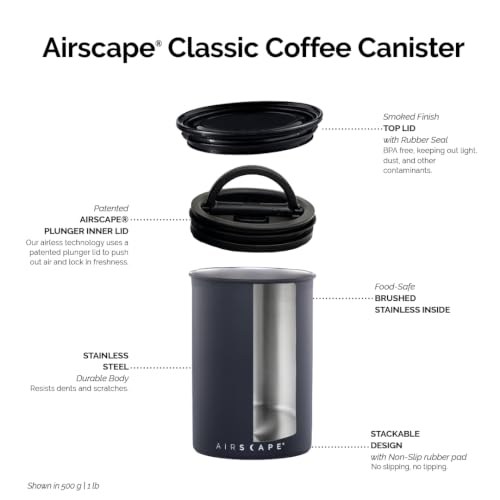
This is the gold standard for a reason. The patented plunger lid doesn’t just seal, it actively removes oxygen, creating near-airless conditions that dramatically slow oxidation. Owners rave about coffee staying vibrant for weeks, not days. The 2.2 lb capacity fits a full standard bag, eliminating the need for temporary packaging. And because it’s fully opaque, UV light can’t degrade the beans.
Yes, it’s expensive. But when compared to others, even the Veken large canisters, the AirScape’s mechanism is in a different class. The ‘swoosh’ of the plunger isn’t just satisfying, it’s functional. For anyone serious about coffee freshness, this is the one to beat.
Video review
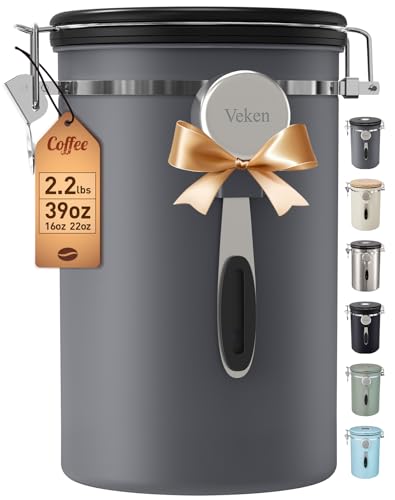
Veken 39OZ Stainless Steel Canister
Strengths
- Fits 2.2 lb bag
- No light exposure
- CO2 valve included
Trade-offs
- No oxygen removal
- Lid lacks plunger mechanism
- Heavier when full
With a 39oz capacity and a design tailored to fit a standard 2.2 lb coffee bag, this Veken model solves a real pain point: leftover beans in half-empty retail bags. It’s fully opaque, so no UV damage, and it includes a CO2 valve and double seal to lock in freshness. Owners appreciate the included scoop and date tracker, and the build quality feels robust for the price.
It doesn’t have the active deoxygenation of the AirScape, but it’s the closest budget-friendly alternative for large-capacity storage. When compared to the Oggi 62oz, this one is smarter for coffee, smaller footprint, better materials, and purpose-built for beans. A strong contender for the best large option under $30.
Video review
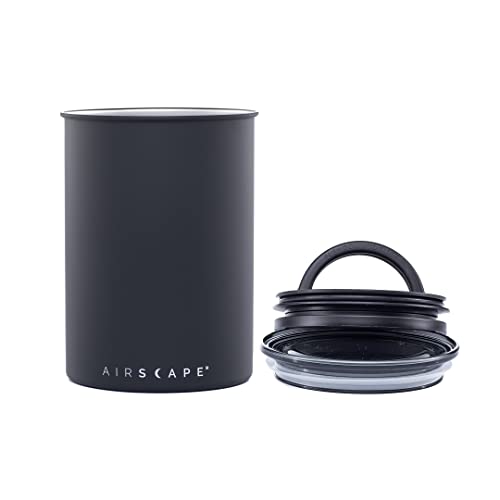
AirScape 500g Airless Coffee Storage
Strengths
- Removes oxygen manually
- Preserves delicate flavors
- Compact yet functional
Trade-offs
- Expensive for size
- Requires daily pressing
- Hand wash only
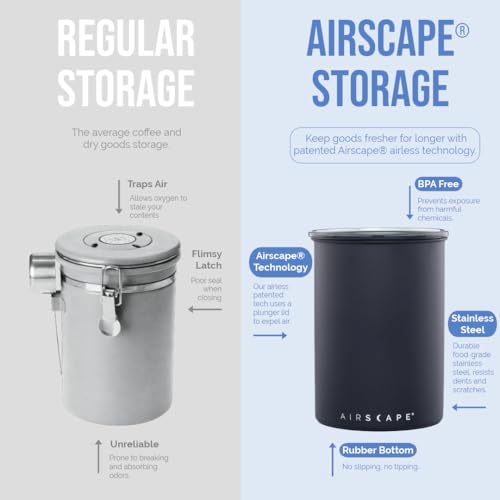
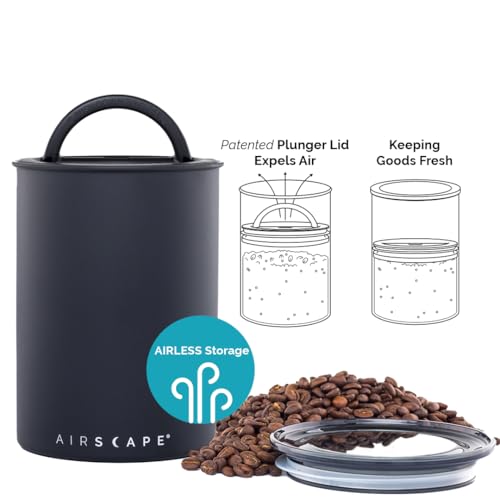
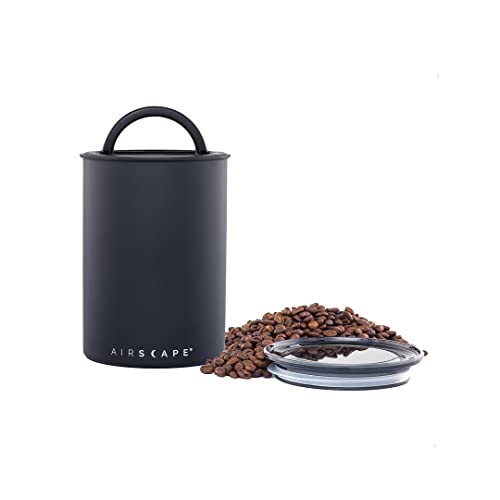
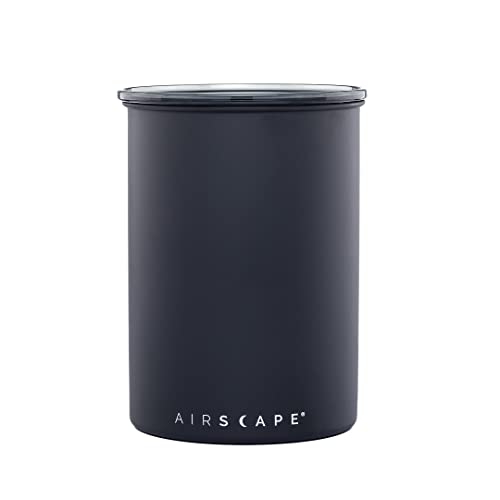
This 500g (about 1 lb) version of the AirScape is perfect for those who rotate beans frequently or have limited space. Like its bigger sibling, it uses the signature plunger lid to remove oxygen, creating an airless environment that reviewers say preserves brightness and complexity in beans for weeks. The 18/8 stainless steel is restaurant-grade, resists odors, and feels premium in hand.
It’s overkill for casual drinkers, but for coffee connoisseurs who care about origin clarity and subtle flavor notes, this is the tool that delivers. Compared to the 2.2 lb AirScape, this one works better for small-batch roasters or those who prefer variety over volume. The swoosh of the plunger isn’t just theater, it’s science.
Product photos
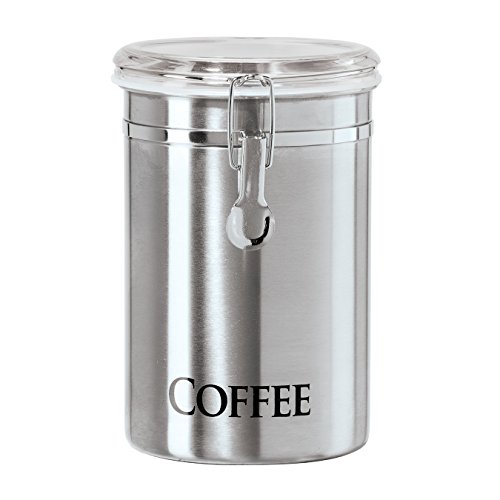
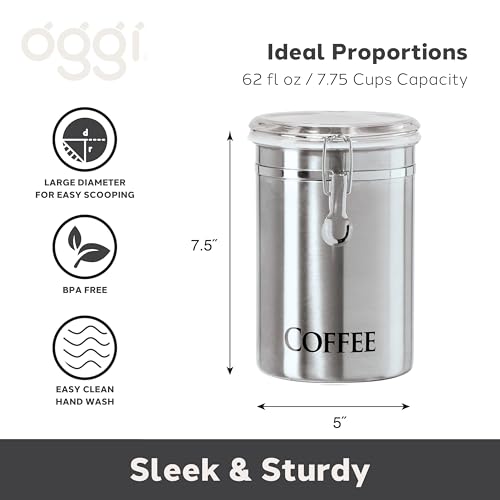
Oggi 62 fl oz Stainless Steel Canister
Strengths
- Large capacity
- See-through lid
- Durable steel
Trade-offs
- No CO2 valve
- Clamp lid less convenient
- Bulkier footprint
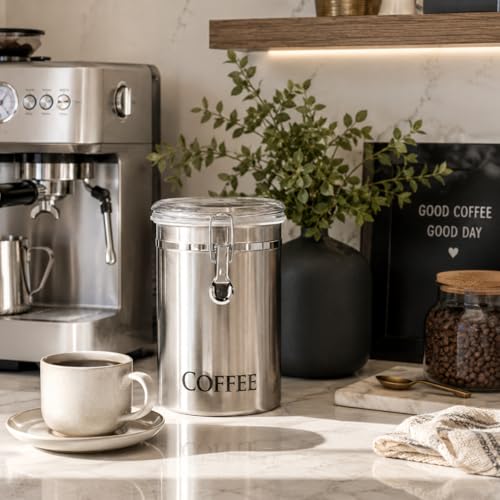
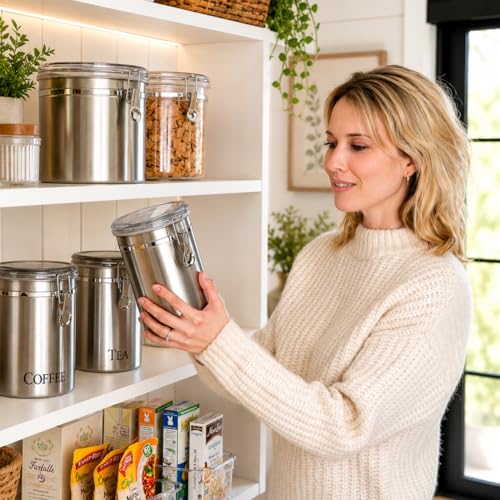
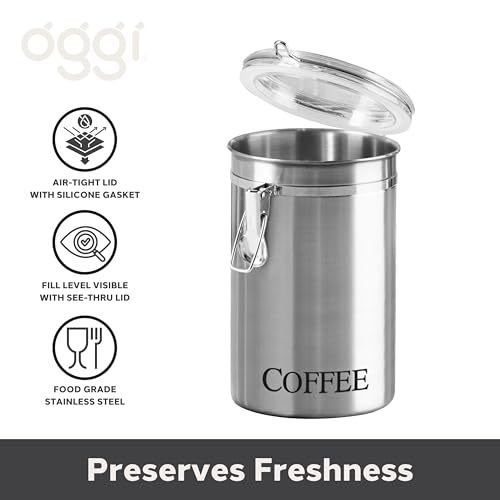
This canister stands out for sheer size and visibility. At 62 fl oz, it’s one of the largest here, ideal for households that go through coffee fast or want a single container for bulk storage. The clear top lets you see contents at a glance, which is helpful if you’re managing multiple dry goods. On paper, the stainless steel build with silicone gasket and clamp-lid system should offer solid airtight performance, and owners generally confirm it keeps coffee fresh for weeks.
That said, it lacks a CO2 valve, so freshly roasted beans may degrade faster due to trapped gases. Compared to premium options like AirScape, it’s more of a pantry organizer than a freshness optimizer. But for the price, it’s a practical pick if you value visibility and capacity over barista-level preservation.
Product photos

Veken 22OZ with Window & Scoop
Strengths
- CO2 one-way valve
- Large viewing window
- Includes scoop
Trade-offs
- Light exposure risk
- Window may yellow over time
- Slightly higher price
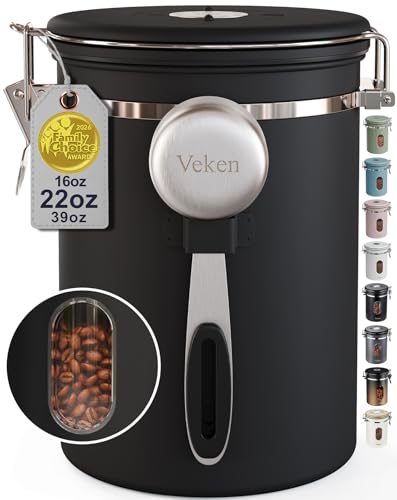
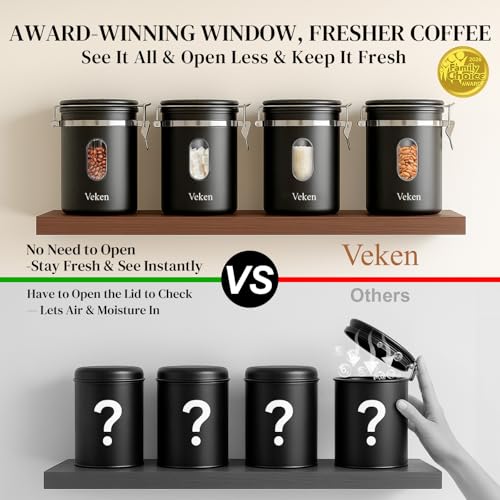
This model tries to balance visibility and freshness, but I’m skeptical about the window. While the 22oz size is practical and the CO2 valve helps vent gases, the large transparent panel exposes beans to light, something even coffee pros caution against. Owners love being able to see how much coffee is left, but some note a slight flavor fade after two weeks, likely due to UV exposure.
It does come with a date tracker and a handy scoop with a hook, and the 304 stainless steel body is solid. Still, when stacked against the Ohtomber 22oz (same size, no window, same features), I’d pick the opaque version for better preservation. This one trades function for convenience.
Product photos


Ohtomber 22oz Stainless Steel Canister

Strengths
- CO2 release valve
- Double silicone seals
- Includes scoop
Trade-offs
- No viewing window
- Basic lid design
- Date dial can be hard to read
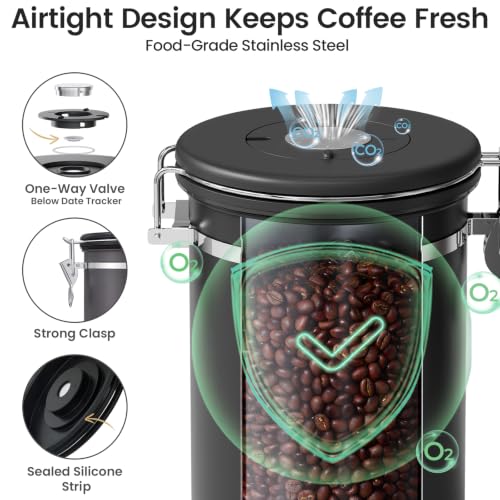
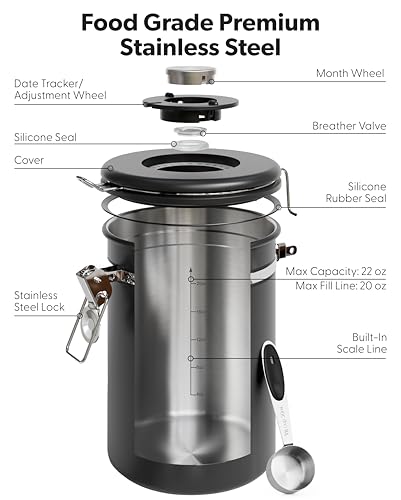
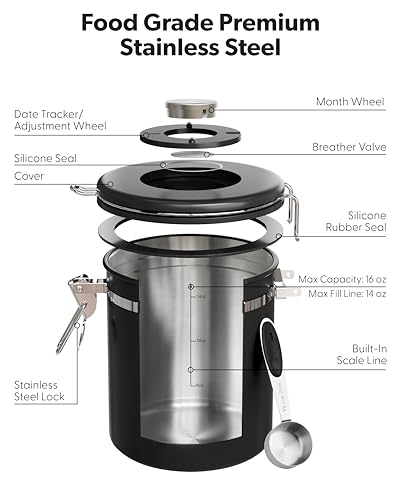
For budget-conscious buyers, this 22oz canister delivers surprising value. It hits the essentials: food-grade 304 stainless steel, a one-way CO2 valve, double silicone seals, and a date tracker, features usually found in pricier models. Owners report it keeps beans fresh for over two weeks, and the included stainless scoop is a nice bonus that actually stays put thanks to the side hook.
It doesn’t have a window, which some may see as a drawback, but that actually helps block light, preserving flavor longer. When compared to the Veken 22oz model with a window, this one may edge it out in freshness retention, even if it sacrifices visibility. For most home users, this is the smarter buy.
Product photos


Coffee Gator 11oz Stainless Container
Strengths
- CO2 freshness valve
- Compact footprint
- Date tracker dial
Trade-offs
- Very small capacity
- No scoop included
- Limited versatility
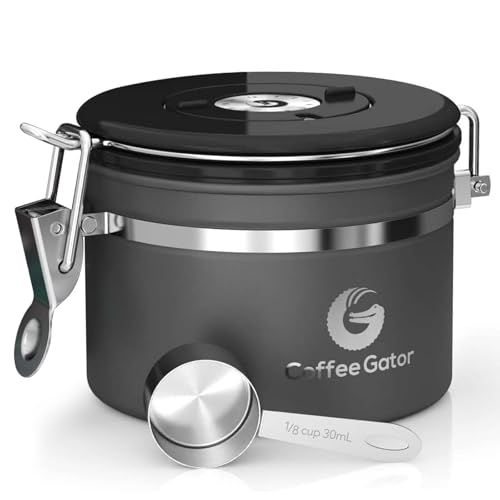
At just 11oz, this is clearly designed for minimalists or those with limited counter space. The compact size works well for single-origin beans or daily use if you buy small batches. It includes a CO2 valve, which is impressive at this price, and reviewers consistently note that it helps maintain aroma and flavor better than basic airtight jars. The date wheel is small but functional, helping track roast dates, a smart touch for reducing waste.
Still, its capacity limits it to light drinkers or as a secondary container. Compared to the Ohtomber or Veken models, it feels a bit niche. I’d recommend it only if you’re storing one type of coffee at a time and want something sleek and purpose-built.
Product photos
Veken 16OZ with Window
Strengths
- CO2 release valve
- Compact with window
- Includes scoop
Trade-offs
- Light degrades beans
- Small capacity
- Same UV risk as larger windowed models
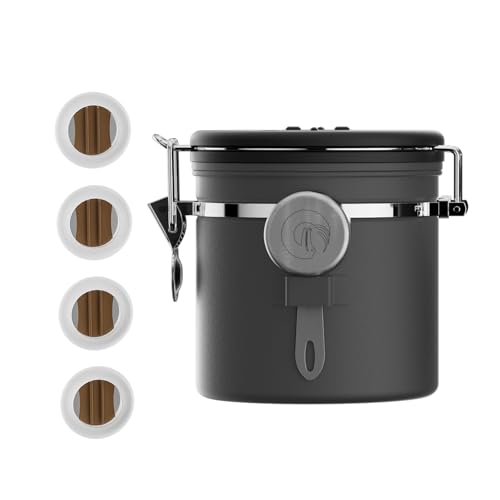
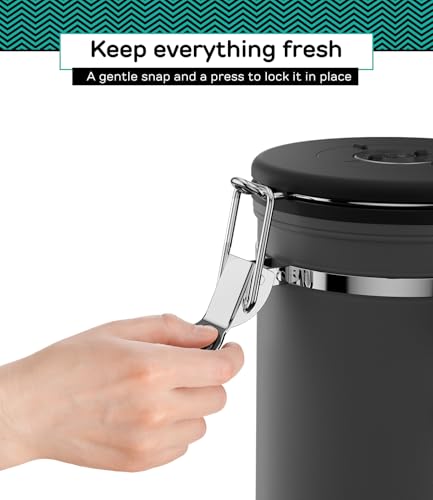
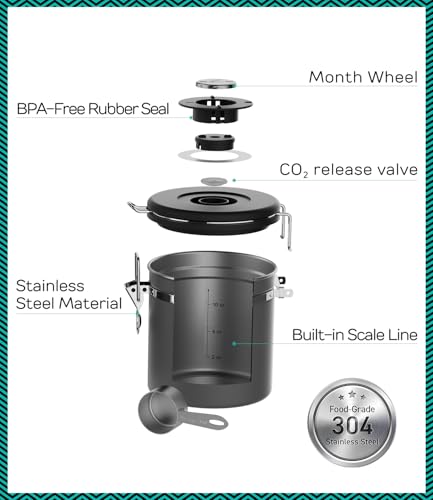
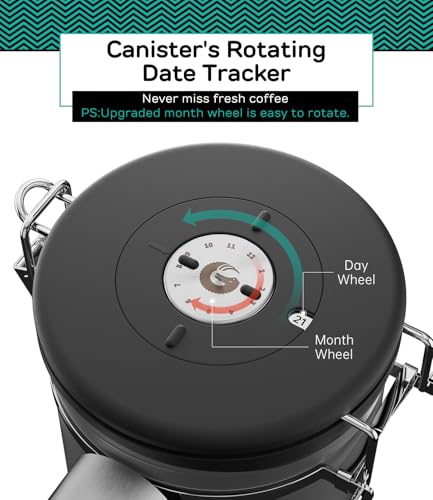
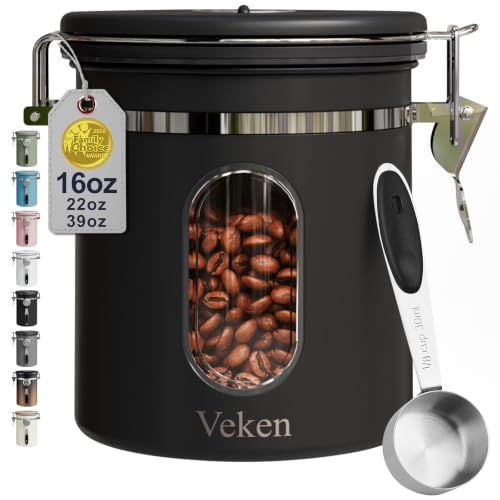
This 16oz model is a smaller sibling to the 22oz version, and it inherits the same strengths and flaws. The window offers convenience, but at the cost of light exposure, especially problematic if your counter gets direct sun. It includes a CO2 valve, date tracker, and scoop, so it’s well-equipped on paper. The 304 stainless steel body feels durable, and the seal is tight enough for short-term storage.
But at this size, it’s only ideal for light to moderate drinkers. Compared to the Coffee Gator 11oz, it offers more capacity and better build. Still, I’d only recommend it if you brew once a day or less and value being able to see your beans. For better preservation, go opaque.
Product photos


How We Chose These airtight coffee containers
Rather than a hands-on lab test, my research focused on comparing the published specifications and features of numerous airtight coffee containers. I weighed owner reviews from multiple sources alongside expert opinions found in online publications, looking for common praise and complaints. Ultimately, I ranked these containers based on their ability to maintain coffee freshness, durability, and overall value, drawing on my experience with food storage solutions at Food Keepy.
For this category, airtightness and material quality were the most important factors. Coffee stales quickly when exposed to oxygen, light, and moisture, so a truly effective seal is essential. I also heavily considered the container’s construction – stainless steel is preferred for its durability and ability to block light, while BPA-free plastics are acceptable for less expensive options. Capacity also played a role, as different households have different coffee consumption habits.
Specifications reliably indicate a container’s size and material, but owner feedback proved crucial in judging real-world performance. I paid close attention to comments regarding the effectiveness of the sealing mechanism, the ease of cleaning, and the longevity of the container. Reputation and brand trust were also considered, especially when assessing the reliability of features like one-way valves and date trackers. You can find more information about related products in our guide to the best airtight containers.
What To Look For In airtight coffee containers
Finding the right container to store your coffee is about more than just keeping it dry. It’s about preserving the delicate flavors and aromas that make a great cup.
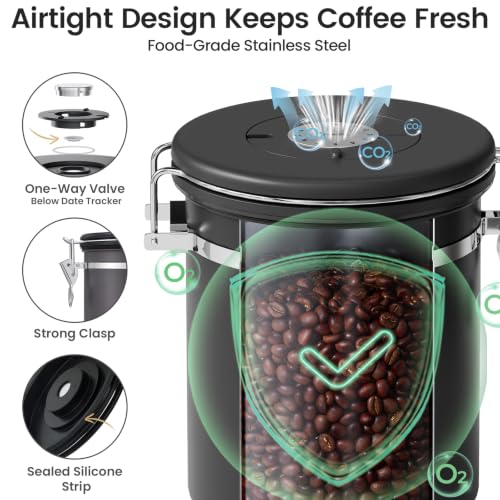
A quality airtight coffee container should prioritize blocking oxygen, UV light, and moisture. Look for durable construction – stainless steel is a popular choice – and features like one-way valves to release CO2 while preventing air ingress. Consistent airtight seals and opaque materials are also crucial for long-term freshness.
Capacity and Bean Volume
The size of the container should match your coffee consumption habits. Don’t buy a huge canister if you only brew a few cups a week, as more air space inside means quicker degradation of the beans. However, if you buy in bulk, a larger capacity is essential. Consider the typical size of the coffee bags you purchase; many are sold in 12oz, 1lb, or 2lb increments. A container slightly larger than your usual purchase is ideal.
Air Removal & Valve Systems
Airtight is the key word here, but completely airless is even better. Many containers rely on a tight-fitting lid, but the best ones actively remove oxygen. The AirScape models, with their patented plunger system, are a prime example of this. These force air out, creating a near-vacuum environment. However, coffee releases carbon dioxide after roasting, so a one-way valve is vital to prevent pressure build-up.
- A simple rubber seal might be adequate for short-term storage (a week or less).
- One-way CO2 valves, like those found in the Veken and Ohtomber canisters, are essential for maintaining freshness beyond a few days.
- Plunger-style systems (AirScape) offer the most effective air removal, extending freshness considerably. This is especially important if you’re serious about coffee bean freshness tips.
A container that simply claims to be airtight isn’t enough. Look for mechanisms that actively manage air exposure – a valve system or a plunger.
Material & Usability Features
Stainless steel is a consistently popular choice for coffee containers due to its durability, lack of reactivity with coffee oils, and ability to block light. However, some containers incorporate clear lids or windows to easily see the remaining coffee. While convenient, remember that light exposure degrades coffee quality, so these should be tinted or avoided altogether. Date trackers are another helpful feature, allowing you to easily monitor how long your beans have been stored. I’ve found that knowing when you first opened a bag or filled the container is a good habit, and a built-in tracker makes that easier. If you’re unsure about long-term storage, exploring freezer damage to coffee can help you decide on the best method.
Airtight Coffee Containers Compared
Here’s a comparison of key specifications for various airtight coffee containers to help you make an informed decision.
| Product Name | Capacity | Material | Window | Date Tracker | Scoop Included | One-Way Valve |
|---|---|---|---|---|---|---|
| AirScape 2.2 lbs | 2.2 lbs | Stainless Steel | No | No | Yes | Yes |
| Veken 39OZ | 39OZ (2.2 lbs) | Stainless Steel | No | Yes | Yes | Yes |
| AirScape 500g | 500g (1.1 lbs) | Stainless Steel | No | No | No | Yes |
| Oggi 62 fl oz | 62 fl oz | Stainless Steel | Yes | No | No | No |
| Veken 22OZ | 22OZ (1.4 lbs) | Stainless Steel | Yes | Yes | Yes | Yes |
| Ohtomber 22oz | 22oz (1.4 lbs) | Stainless Steel | No | Yes | Yes | Yes |
| Coffee Gator 11oz | 11oz (0.7 lbs) | Stainless Steel | No | Yes | No | Yes |
| Veken 16OZ | 16OZ (1 lb) | Stainless Steel | Yes | Yes | Yes | Yes |
Frequently Asked Questions
What capacity container should I buy?
A 1-pound (16oz) container is a good starting point for most individuals, but consider how much you typically purchase at once. If you regularly buy 2-pound bags, opting for a 2.2-pound capacity will prevent needing to transfer beans frequently.
Are stainless steel containers truly better?
Yes, stainless steel is generally preferred because it completely blocks light and doesn’t impart any flavors to the coffee. While BPA-free plastic containers are acceptable, they won’t offer the same level of light protection and may absorb coffee oils over time.
Do one-way valves really make a difference?
Absolutely. Coffee beans release carbon dioxide after roasting, and a one-way valve allows this gas to escape without letting oxygen in, which is crucial for preserving coffee flavor. Containers without valves will build up pressure and eventually compromise the seal.
How often should I clean my coffee container?
You should aim to clean your container every time you empty it, using warm soapy water. This prevents the build-up of coffee oils that can turn rancid and impact the taste of future brews; for more on this, see our coffee storage guide.
What are the benefits of a plunger-style container like the AirScape?
Plunger-style containers actively reduce oxygen exposure, creating a near-vacuum seal, which significantly extends the freshness of your coffee. While more expensive, they are a great option for those prioritizing long-term bean preservation and wanting the best sealed food storage options.
The Bottom Line
Choosing the best airtight coffee container often comes down to balancing how much control you want over the environment with how much effort you’re willing to put in. For the most consistent results and longest-lasting freshness, the AirScape 2.2 lbs really stands out. Its plunger system actively removes oxygen, providing a superior level of protection compared to containers that simply rely on a tight seal.
If you’re looking for a great value or a smaller option, the Veken 39OZ and Ohtomber 22oz containers are both excellent choices. They both offer stainless steel construction, one-way valves, and convenient features like date trackers and included scoops. And if you’re concerned about plastic food container safety, opting for stainless steel across the board removes that worry entirely.
Ultimately, the specifications matter less than establishing good habits. A container is just a tool; regularly buying whole beans, storing them properly, and grinding just before brewing will have a much bigger impact on your coffee’s flavor than any airtight seal. Don’t get lost in the details – focus on the fundamentals of freshness, and you’ll be enjoying a better cup of coffee every time.
