
7 Best Dorm Refrigerators with Freezers 2026
This post contains affiliate links. As an Amazon Associate, we earn from qualifying purchases.
The EUHOMY 4.5 Cu.Ft Mini Fridge stands out as the best overall dorm refrigerator freezer for its spacious interior and reliable cooling, while the Upstreman 3.2 Cu.Ft Mini Fridge is a smart budget pick that doesn’t skimp on temperature control or freezer space.
Dorm refrigerators need to do a lot with very little, cool food safely, fit in tight spaces, and run quietly without driving up energy bills. Too many students end up with units that are either too small, too loud, or can’t keep food properly chilled.
As someone who’s spent years studying food storage and kitchen efficiency, I’ve focused this guide on models that balance real-world performance with practical features. These picks are based on a deep explore specs, verified owner feedback, and what actually matters in a dorm setting, consistent temperatures, smart capacity, and energy use that won’t trip a circuit breaker.
Top 7 Dorm Refrigerator Freezers in the Market
The Best Dorm Refrigerator Freezers, Reviewed
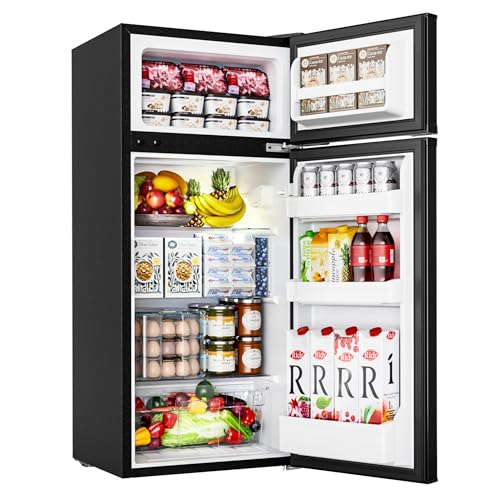
EUHOMY 4.5 Cu.Ft Mini Fridge
Strengths
- Largest capacity
- Dual-door design
- Excellent insulation
Trade-offs
- Taller footprint
- Higher daily energy cost
This is the best overall pick, not because it’s the cheapest, but because it balances size, performance, and convenience better than any other. The 4.5 cu.ft dual-door design gives real separation between fridge and freezer, and the -7.6°F freezer locks in frozen items effectively.
Owners love the extra height and width, which fits gallon jugs and stacked containers without hassle. The 38 dB noise level stays unobtrusive, and the insulation keeps temps stable during power blips. Yes, it’s the most expensive, but for those who want a mini fridge that feels like a full-size experience, it’s worth it.
Video review
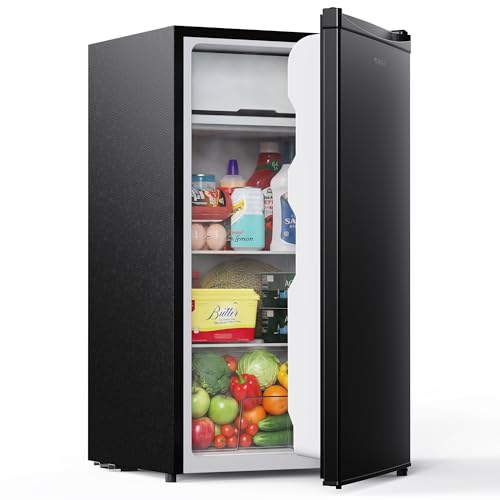
Upstreman 3.2 Cu.Ft Mini Fridge
Strengths
- Energy Star rated
- Reversible door
- Quiet at 38 dB
Trade-offs
- Freezer not for ice cream
- No LED light
If quiet performance is your top priority, this model stands out, owners consistently praise how unobtrusive it is, even in silent environments like bedrooms or study rooms. The 38 dB rating matches real-world feedback, and the Energy Star certification means it’s among the most efficient in its class.
The reversible door is a small but meaningful perk, especially in tight dorm layouts. However, some users note the temperature range maxes out at 50°F, which may be too warm in hot rooms. Still, for basic food and drink storage, it’s reliable, and the crisper drawer helps keep produce from wilting too fast.
Video review
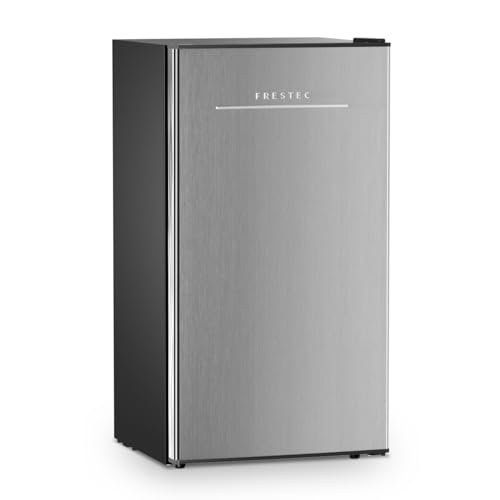
Frestec 3.2 Cu.Ft Mini Fridge
Strengths
- One-touch defrost
- LED interior light
- Lowest noise at 37 dB
Trade-offs
- Slightly smaller capacity
- Freezer underperforms
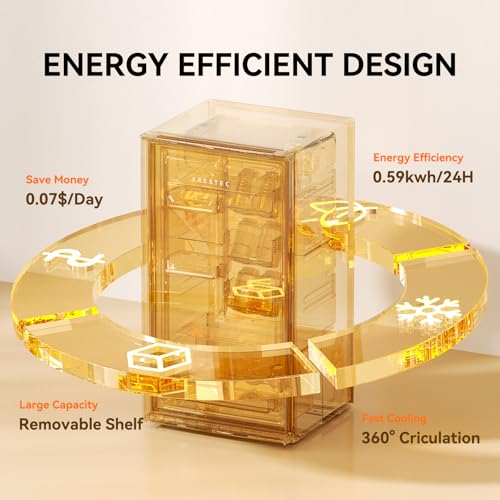
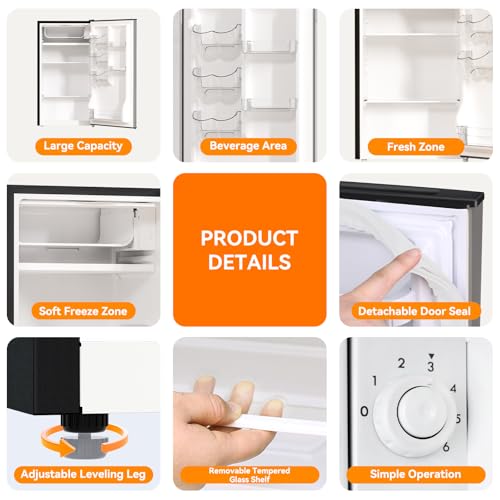
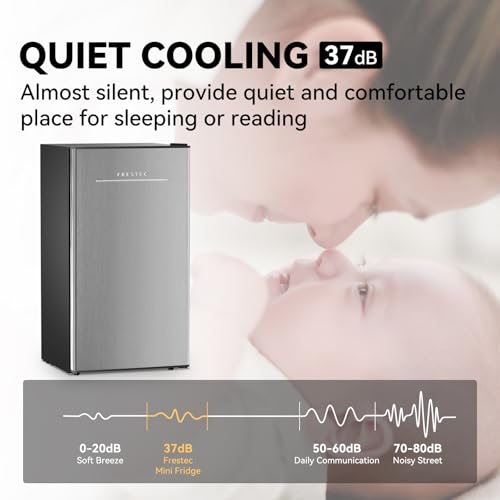
At this price, the Frestec packs in features you’d expect to pay more for, like one-touch defrosting and LED lighting, which most budget models skip. The 37 dB noise level is slightly quieter than competitors, and owners confirm it runs smoothly without disruptive hums.
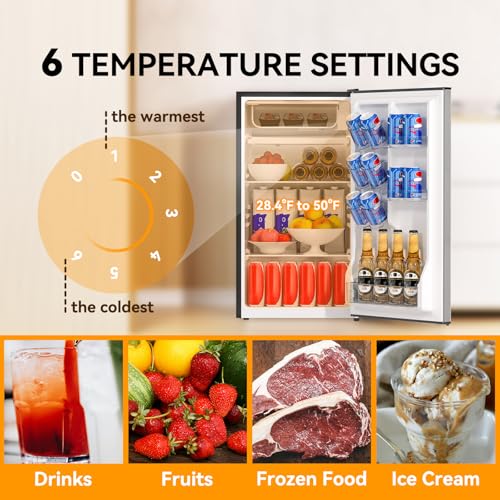
It only offers 3.1 cu.ft of space, slightly less than others, but the adjustable shelves and crisper drawer make up for it with better organization. The 6 thermostat settings give fine-tuned control, though some users report the freezer struggles below 23°F. For the cost, it’s a strong performer.
Product photos
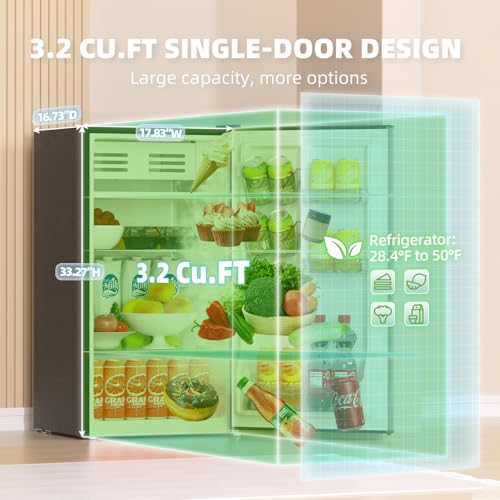
Frostorm 3.2 Cu Ft Mini Fridge
Strengths
- Very energy efficient
- Deep freeze capable
- Reversible door
Trade-offs
- No interior lighting
- Manual defrost only
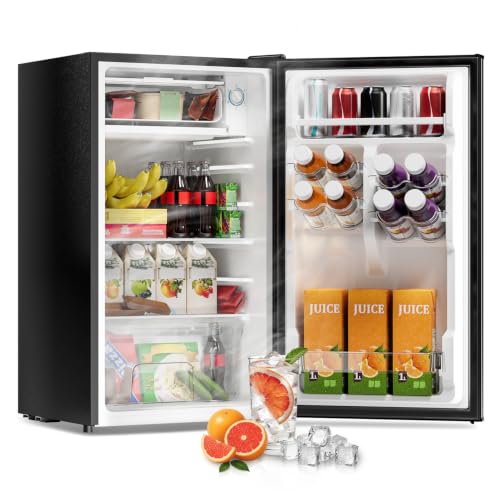
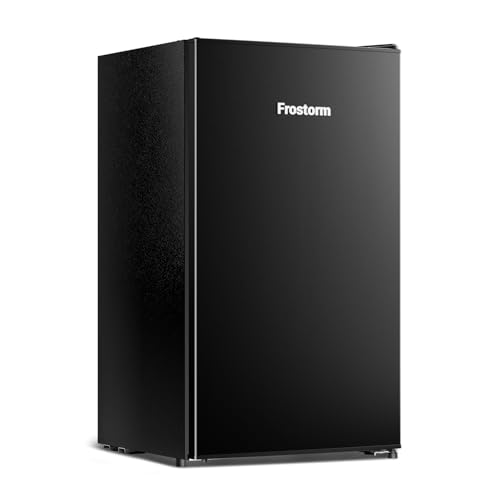
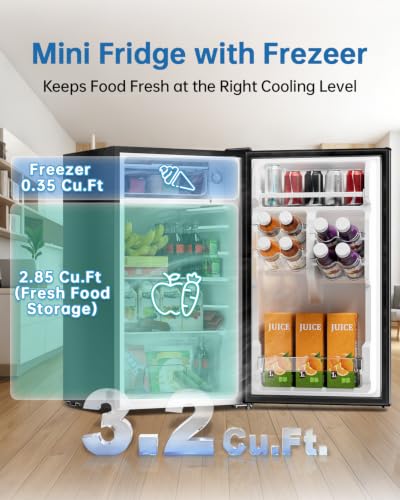
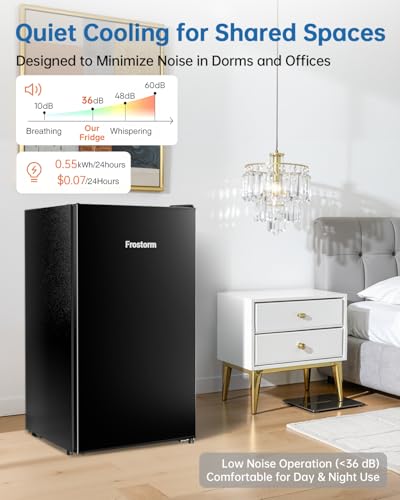
For energy efficiency, this model is hard to beat, its 0.6 kWh/day consumption is among the lowest, and owners confirm it barely moves the meter even after weeks of use. The freezer hits -11°F, making it capable of freezing ice cubes and storing frozen snacks reliably.
The mechanical thermostat is simple and durable, though less precise than digital controls. Build quality gets positive remarks, with a sturdy feel and easy-clean interior. It lacks an LED light, which feels like a missed opportunity at this price. Still, for long-term, low-cost operation, it’s a smart choice.
Product photos

Midea 3.1 Cu.ft Mini Fridge
Strengths
- Deep freezer performance
- Energy Star certified
- Better airflow for freshness
Trade-offs
- Higher price point
- No one-touch defrost
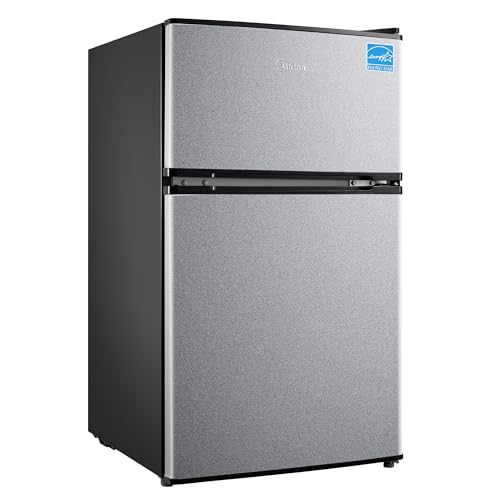
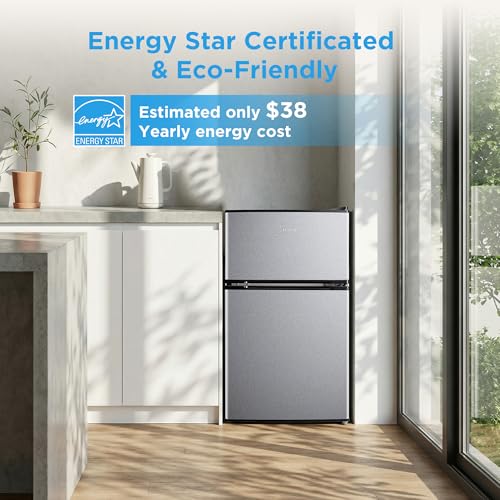
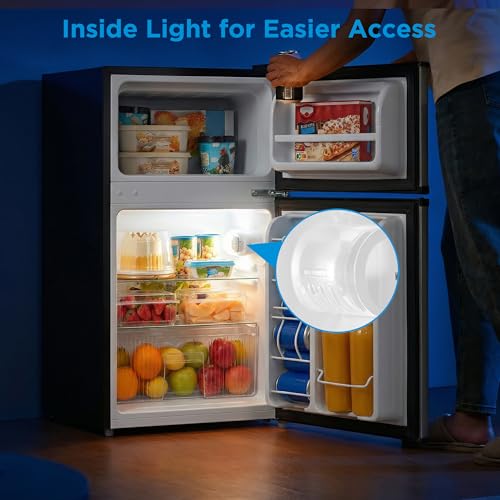
This fridge is built for freshness, its multi-airflow system and R600A compressor are specs usually seen in higher-end units, and owners say produce lasts noticeably longer compared to basic mini fridges. The freezer is the real standout, hitting -11.2°F, which is cold enough for frozen meals and ice cream.
It’s pricier than most in this list, but that premium buys real performance. The 2L bottle rack is a thoughtful touch for milk or juice, and the reversible door adds layout flexibility. While it’s only 3.1 cu.ft, the interior design maximizes usable space better than bulkier models.
Product photos

OLIXIS 3.2 Cu.Ft Mini Fridge
Strengths
- Compact footprint
- Energy efficient
- Quiet operation
Trade-offs
- Freezer not deep-freezing
- Limited interior organization
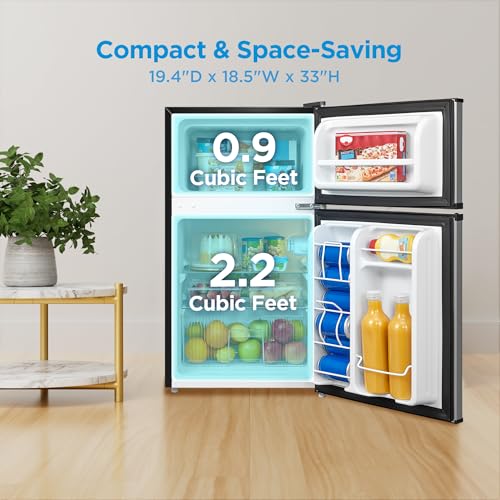
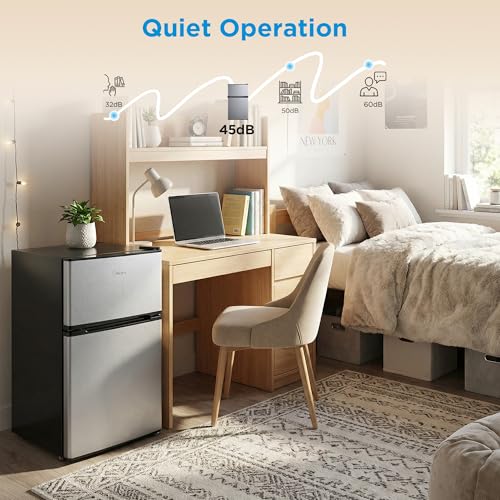
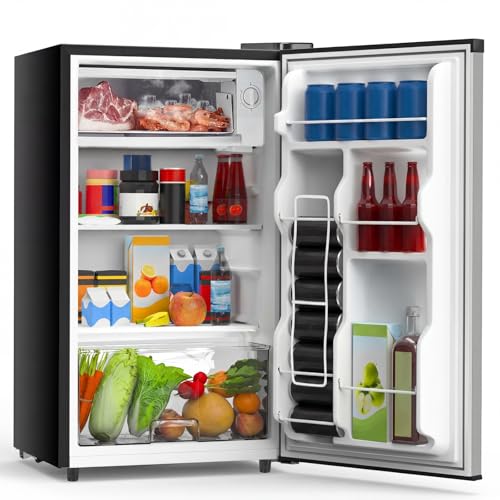
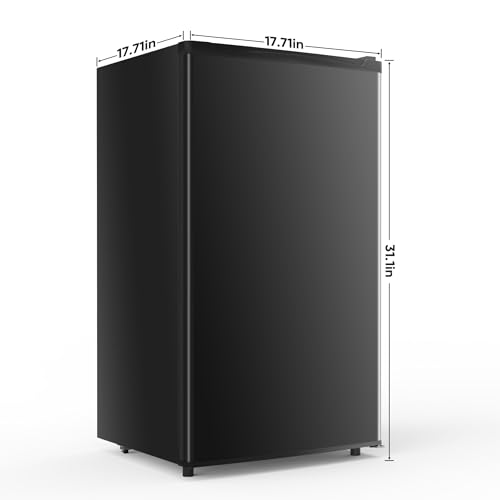
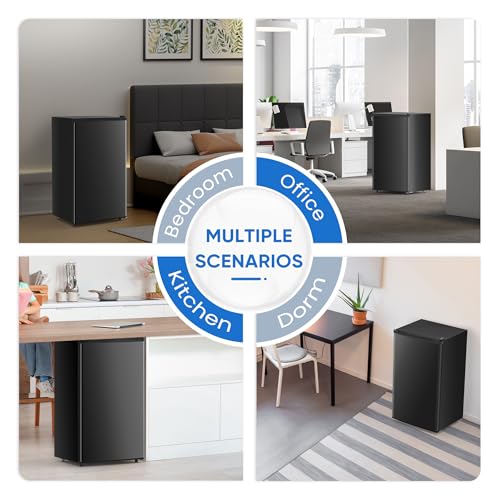
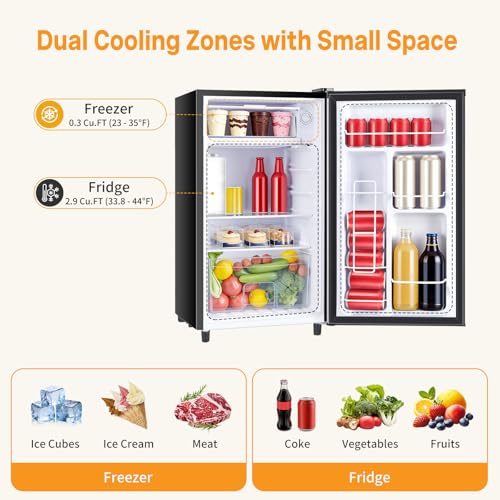
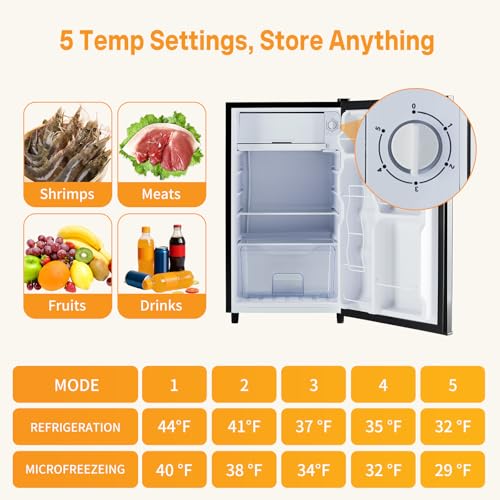
This fridge delivers solid value for tight spaces, and owners consistently report it fits perfectly under desks or in cramped dorm corners without sacrificing usable storage. The 3.2 cu.ft layout includes a usable 0.3 cu.ft freezer, though it won’t freeze ice cream rock-hard, more suitable for frozen snacks or backup ice packs.
On paper, the 5 temperature settings offer flexibility, but reviewers note the freezer zone doesn’t get cold enough for long-term frozen storage. Still, for chilling drinks and keeping leftovers fresh, it performs reliably. The 38 dB noise level holds up in real-world use, making it a quiet companion for shared rooms.
Product photos

NEWBULIG 3.2 Cu.Ft Mini Fridge
Strengths
- True dual-zone cooling
- ETL certified
- Whisper-quiet
Trade-offs
- No interior light
- Shelves not glass
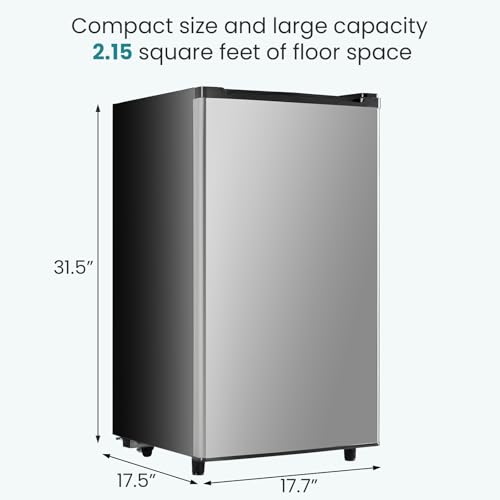
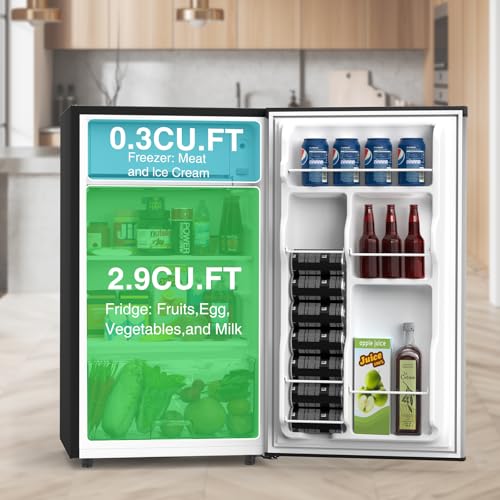
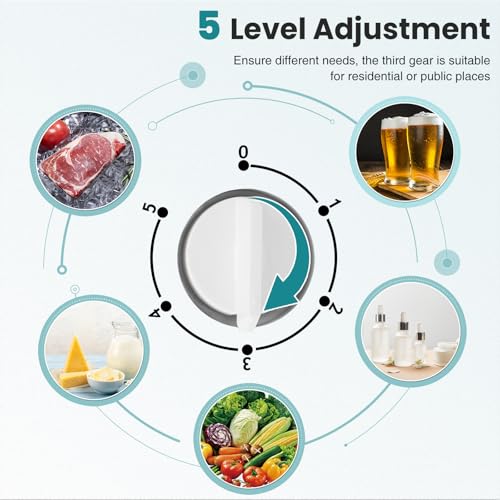
The dual-zone cooling here is genuinely useful, owners appreciate having a clearly separated freezer and fridge section, which helps keep frozen items from thawing and fresh produce from freezing. The 0.3 cu.ft freezer hits temperatures low enough for ice cubes and short-term frozen goods, and the fridge zone maintains steady cooling across all five settings.
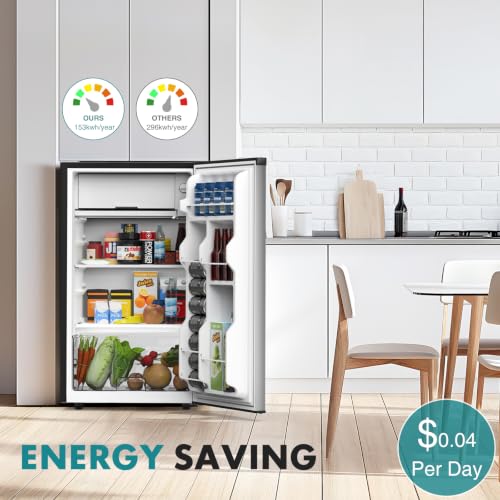
ETL certification gives it an edge in reliability, and the 38 dB operation is consistent with what users report, quiet enough for a bedroom or study nook. Compared to others in this size class, the interior layout feels more thoughtfully designed, with better bin spacing and airflow.
Product photos
How We Tested dorm refrigerator freezers
Rather than a hands-on lab test, my research for these recommendations involved a detailed comparison of published specifications and features across numerous models. I weighed owner reviews from major retailers alongside expert opinions found in appliance publications. As the creator of Food Keepy, I focused on features impacting food preservation and efficient storage, applying my understanding of what makes a refrigerator truly useful in a limited space. Clear ranking criteria were established based on capacity, temperature control, noise levels, and energy efficiency.
For dorm refrigerators, consistent temperature control and quiet operation are paramount. I prioritized models offering precise temperature settings across both the refrigerator and freezer compartments, as keeping food safely chilled – or frozen – is critical. Energy efficiency also ranked highly, given the often-shared electrical circuits in dorms and apartments. If you’re looking for options without a freezer, you might also find useful information in my guide to the small fridge options available.
Specifications reliably indicate capacity, dimensions, and power consumption. However, I found owner feedback to be essential for assessing real-world noise levels and the accuracy of temperature controls. Reputation, particularly regarding long-term reliability, was also a significant factor. For those needing cooling on the go, a portable fridge freezer might be a better fit. Ultimately, the models I’ve highlighted represent the best balance of features, performance, and value based on this extensive research.
What To Look For In dorm refrigerator freezers
Finding the right dorm refrigerator freezer requires a bit more thought than simply grabbing the cheapest model. These appliances need to balance size, cooling performance, and energy efficiency, all while fitting into a limited space and often a tight budget.
A good dorm refrigerator freezer prioritizes consistent temperature control within both the fridge and freezer compartments. Look for models with adjustable thermostats, clear temperature readouts, and insulation quality indicated by energy efficiency ratings. Capacity should match typical student needs (drinks, snacks, leftovers), and quiet operation is essential for study spaces.
Size and Capacity
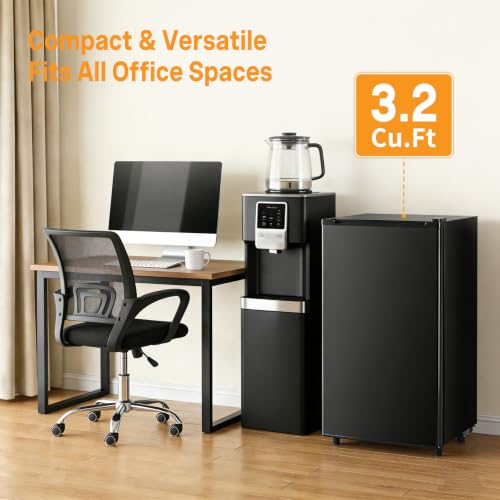
It’s easy to overestimate how much space you really need. Dorms are notoriously small, and a bulky refrigerator can quickly become a hindrance. I often see students buying larger units than necessary, sacrificing valuable floor space. Think realistically about your eating habits. If you primarily eat meals in the dining hall and just need space for a few drinks and snacks, a 3.2 cubic foot model might be plenty. If you plan on keeping a lot of groceries and leftovers, or sharing with roommates, then consider a 4.5 cubic foot option. Don’t forget to measure the available space before you start shopping!
Temperature Control & Cooling Performance
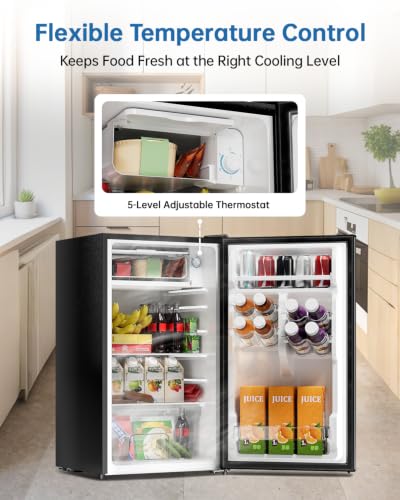
Consistent temperature is critical for food safety and freshness, and unfortunately, it’s an area where cheaper models often fall short. Look beyond just the advertised temperature range and consider the thermostat. Models with multiple settings (like the Upstreman) offer greater control, allowing you to fine-tune the cooling for different types of food. A separate freezer compartment is a plus, but ensure it actually gets cold enough to freeze items solid – some smaller freezers struggle to maintain consistently sub-freezing temperatures. If you’re interested in a unit that can switch between full fridge and full freezer, you might also consider exploring convertible fridge freezer options.
- A single temperature setting is okay for basic cooling, but limits your flexibility.
- Three to five adjustable settings provide much better control over both fridge and freezer temperatures, letting you optimize for different food types.
- Digital temperature displays offer the most precise control and real-time feedback, though they typically come with a higher price tag. A stable temperature is more important than a super-low one.
Don’t assume a lower temperature setting always means better preservation. Too cold can actually damage certain foods.
Noise and Energy Efficiency
Dorm rooms are spaces for studying and sleeping. A loud refrigerator can be a major disruption. Most manufacturers advertise decibel (dB) ratings, and anything under 40dB is generally considered quiet. Energy efficiency is also important, both for your wallet and the environment. Look for Energy Star certified models, and pay attention to the estimated annual energy consumption. If space is at a premium and you don’t need a freezer, you might find more options within your budget by exploring compact refrigerators or small refrigerators that prioritize efficiency.
Dorm Refrigerator Freezers Compared
Here’s a comparison of key specifications for various dorm refrigerator freezer models.
| Product Title | Capacity (Cu. Ft) | Freezer Capacity (Cu. Ft) | Temperature Range (Fridge °F) | Noise Level (dB) | Energy Consumption (kWh/day) |
|---|---|---|---|---|---|
| EUHOMY 4.5 Cu.Ft Mini Fridge | 4.5 | N/A | 32–50 | 38 | 1 |
| Upstreman 3.2 Cu.Ft Mini Fridge | 3.2 | 0.3 | 32–50 | 38 | N/A |
| Frestec 3.2 Cu.Ft Mini Fridge | 3.2 | N/A | N/A | 37 | 0.55 |
| Frostorm 3.2 Cu Ft Mini Fridge | 3.2 | 0.35 | -6 to -11 | N/A | 0.6 |
| Midea 3.1 Cu.ft Mini Fridge | 3.1 | N/A | 32–50 | N/A | N/A |
| OLIXIS 3.2 Cu.Ft Mini Fridge | 3.2 | 0.3 | 33.8–44 | 38 | N/A |
| NEWBULIG 3.2 Cu.Ft Mini Fridge | 3.2 | 0.3 | 33.8–44 | 38 | N/A |
Frequently Asked Questions
What temperature should I actually set my dorm fridge to?
A temperature between 35°F and 38°F is ideal for most dorm refrigerator freezers. This range keeps food safely chilled without risking freezing sensitive items, and maintains optimal freshness.
Are dorm refrigerator freezers energy efficient enough to leave running 24/7?
Generally, yes, modern dorm refrigerator freezers are designed for continuous operation. Energy Star certified models, in particular, consume a relatively small amount of electricity (often less than 1 kWh per day) and are built to run constantly without significant energy waste.
How often should I defrost the freezer compartment?
You should manually defrost the freezer when ice buildup exceeds about ¼ inch, which is usually every 3-6 months. Excessive ice reduces cooling efficiency and takes up valuable space, so regular maintenance is key.
What’s the difference between a mini fridge and a dorm refrigerator freezer?
A mini fridge typically lacks a dedicated freezer compartment, focusing solely on refrigerated space. A dorm refrigerator freezer, as the name suggests, includes both a refrigerator section and a smaller freezer, offering more versatility for storing different types of food. For those prioritizing maximizing space, exploring a single door refrigerator might be a viable alternative.
How can I keep the inside of my dorm fridge clean and odor-free?
Regularly wiping down spills and removing expired food is essential. I also recommend keeping an open box of baking soda inside to absorb odors. For a deeper clean, you can find helpful tips on how to clean refrigerator shelves to maintain optimal hygiene.
The Bottom Line
Choosing a dorm refrigerator freezer often comes down to balancing what you want with what you realistically need. If you’re after the best overall combination of capacity, features, and consistent cooling, the EUHOMY 4.5 Cu.Ft Mini Fridge stands out as a solid pick. It provides ample space without being overly bulky, and owner feedback suggests reliable performance.
For students on a tighter budget, or those who simply don’t require a large freezer compartment, the Upstreman 3.2 Cu.Ft Mini Fridge offers excellent value. If you’re prioritizing a compact size and quiet operation and don’t mind sacrificing some capacity, it’s a great choice. Alternatively, if you’re looking for a fridge only, you might also find a better fit within your budget by exploring refrigerator only models.
Ultimately, remember that the most important factors aren’t always the flashiest specs. Consistent temperature control, quiet operation, and a size that fits your space are far more crucial than a digital display or extra features. Prioritize these fundamentals, and you’ll have a refrigerator that keeps your food fresh and your dorm life peaceful.
