6 Best Glass Soup Containers of 2026
This post contains affiliate links. As an Amazon Associate, we earn from qualifying purchases.
The best overall glass soup container is the Susukkie 32oz, thanks to its durable borosilicate glass and reliable leakproof seal. For a budget-friendly option, the 24oz Glass Soup Freezer Containers offer solid performance, while the Hoenjuno 32oz stands out for versatility with its pressure-release lid.
Packing soup without a mess is harder than it should be. Flimsy lids leak, weak glass cracks under temperature changes, and too many containers take up precious fridge space. After comparing the field and reviewing owner feedback, I focused on what matters most: real leakproof performance, thermal durability, and smart design for daily use. This guide covers the top picks based on specs, build quality, and how well they handle the realities of storing and reheating hot liquids.
Top 6 Glass Soup Containers in the Market
The Best Glass Soup Containers, Reviewed
2Cup Glass Meal Prep Containers

Strengths
- High heat resistance
- Compact and stackable
- Good for small portions
Trade-offs
- Too small for soups
- Limited leakproof reliability
At 16oz, these are the smallest in the lineup, and that’s both their strength and limitation. They’re perfect for side dishes, sauces, or single-serve portions of yogurt and oats, uses I often recommend on Food Keepy to prevent cross-contamination and over-serving. The borosilicate glass is rated up to 752°F, which is impressive, and the 4 locking tabs ensure a solid seal, though not all owners find them fully leakproof for liquids.
While the set is marketed as ‘best overall’, I’d hesitate to give it that title. The capacity is too small for most soups, and the compact size limits versatility. Still, as a dedicated side or condiment container, it’s well-built and freezer-to-oven capable. For general soup storage, I’d point buyers toward larger options.
Video review
Susukkie 32oz Glass Soup Containers
Strengths
- Best value per unit
- Generous 6-pack size
- Includes spare lid
Trade-offs
- Same lid limitations as others
- No color or style options
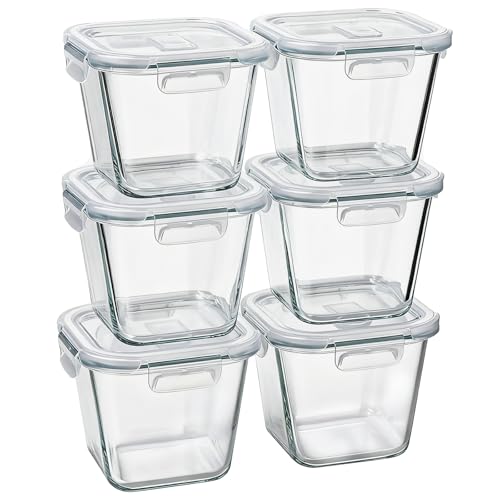
If you need volume without overspending, this 6-pack is the smarter buy. The specs mirror the 4-pack version, same 32oz capacity, 5mm borosilicate glass, 4-hinge locking lids with steam vents, but you get 50% more containers. Owners consistently report these hold up well in daily use, from freezing soups to reheating in the microwave.
The inclusion of an extra replacement lid in a 6-pack feels generous, showing the brand understands long-term use. While the design isn’t flashy, it’s functional: square for stacking, clear for visibility, and durable for repeated cycles. For stocking a kitchen or feeding a busy household, this pack offers the best balance of cost and utility.
Video review
24oz Glass Soup Freezer Containers

Strengths
- Vented lid for splatter control
- High heat tolerance
- Measurement markings
Trade-offs
- Cylindrical shape less stackable
- No extra replacement lids
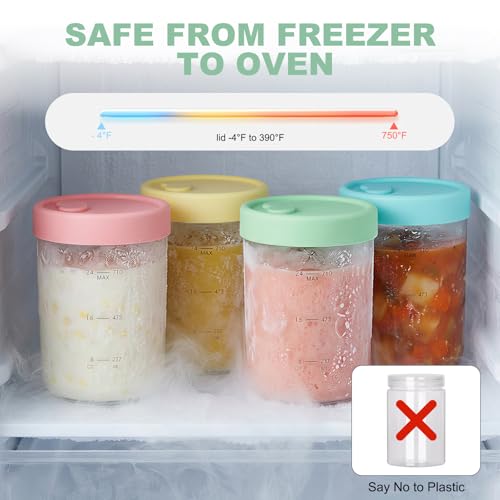
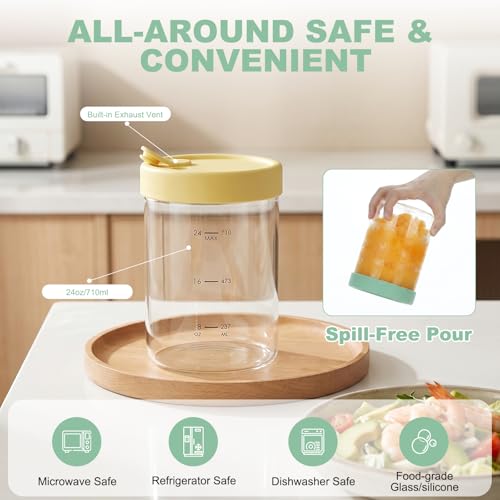
These containers stand out with their vented silicone lids, a small but meaningful upgrade that lets steam escape during microwaving while keeping the lid locked in place. That means less mess and better moisture retention, something many owners highlight as a daily win. The high borosilicate glass handles extreme temps up to 750°F, which is higher than most competitors, giving extra peace of mind when reheating frozen soups.
The vertical measurement markings are a practical touch for portion control, especially useful for those tracking intake or prepping meals with precision. While the 24oz size is standard, the cylindrical shape doesn’t stack as efficiently as square designs. Still, for anyone who reheats food often and hates splatters, this set offers thoughtful engineering.
Product photos


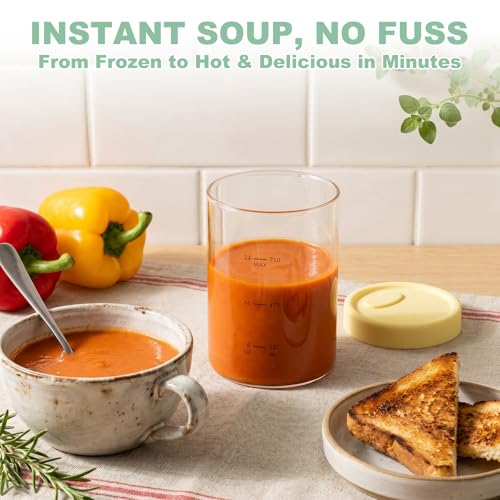
Hoenjuno 32oz Glass Soup Containers
Strengths
- Truly leakproof design
- Vented microwave-safe lid
- Space-saving stackable shape
Trade-offs
- Lid parts can loosen over time
- No spare lid included
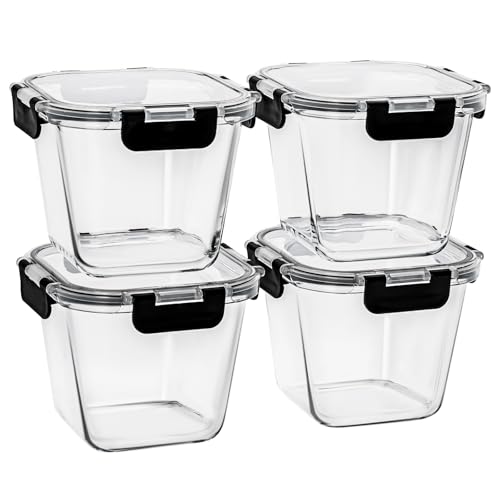
Hoenjuno’s claim of ‘100% leakproof’ is bold, but owner feedback backs it up more than most, thanks to the 4 locking tabs, silicone seal, and pressure-release valve. That combo makes these a top pick for anyone taking soup to work or storing liquids long-term. The vented lid works well in the microwave, reducing mess without sacrificing seal integrity, and the borosilicate glass handles extreme temps without issue.
The stackable, space-saving design is a win for small kitchens or meal-prep fridges, and the 32oz size is practical for full servings. While the lid care instructions are standard, remove before oven or microwave, I appreciate that the clips and seal are removable for cleaning. For reliability and leak resistance, this set stands out.
Product photos
Susukkie 32oz 4-Pack Containers

Strengths
- Large 32oz capacity
- Square stackable design
- Includes spare lid
Trade-offs
- Lid removal required for oven
- Steam vent not adjustable
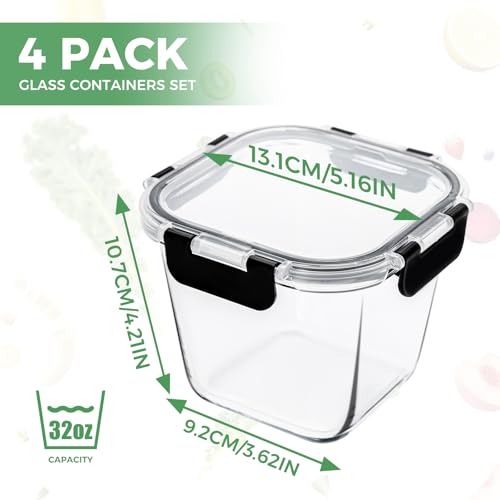
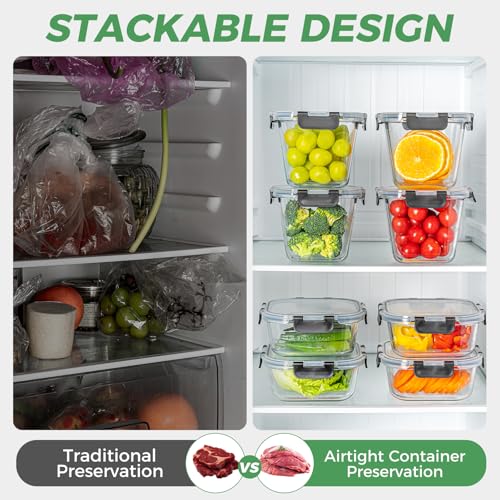
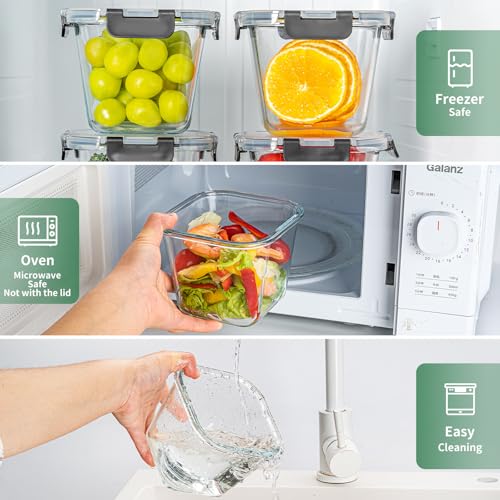
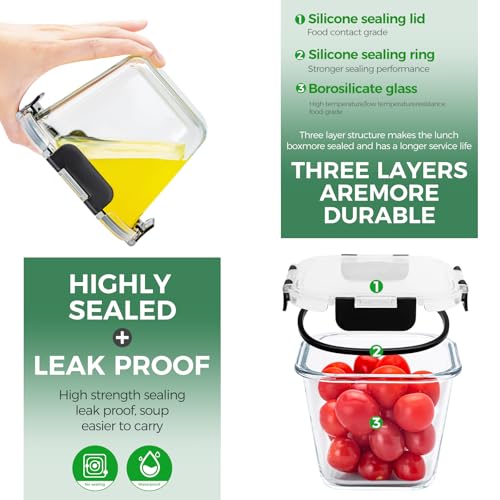
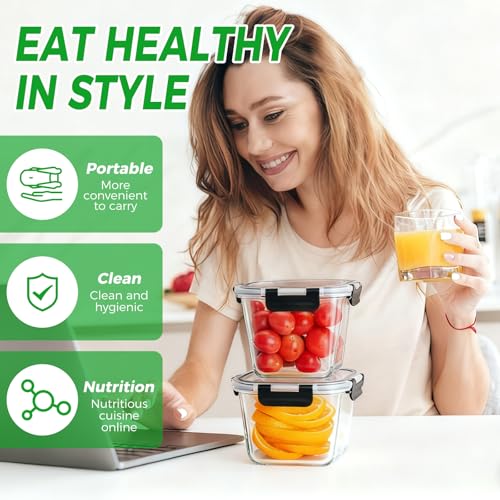
With a 32oz capacity and square shape, these Susukkie containers are built for real-world meal prep, whether you’re storing a full bowl of chili or batch-cooking stews. The 5mm-thick borosilicate glass handles freezer-to-oven transitions without issue, and owners confirm they hold up well over time. The 4-hinge locking system with removable silicone rings delivers a strong seal, and the built-in steam vent is a feature I wish more brands included.
Having an extra replacement lid in the 4-pack is a small but smart touch, acknowledging that lids do wear out. The square design stacks neatly, saving fridge space, something I always look for in storage gear. While the lid isn’t microwave-safe, that’s standard across the category. For balanced performance and value, this set hits the sweet spot.
Product photos


6-Pack 24oz Borosilicate Containers
Strengths
- Upgraded lid durability
- Borosilicate glass
- Airtight seal
Trade-offs
- Smaller capacity
- Lids not microwave safe
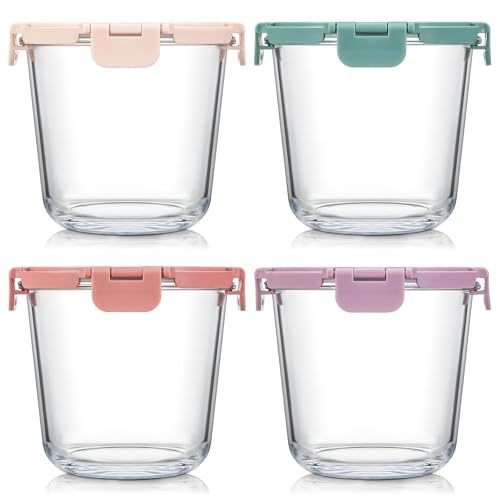
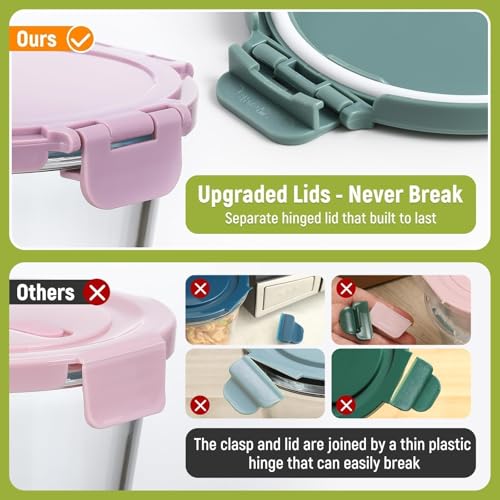
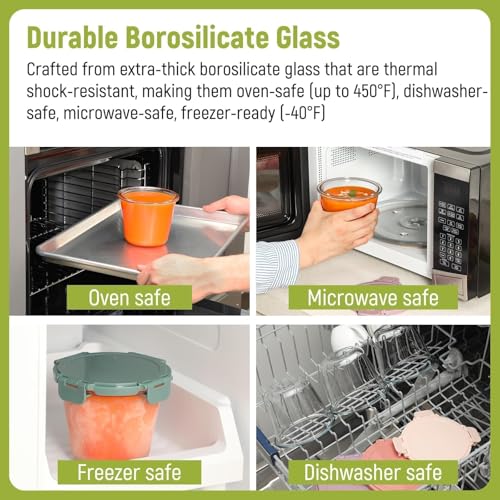
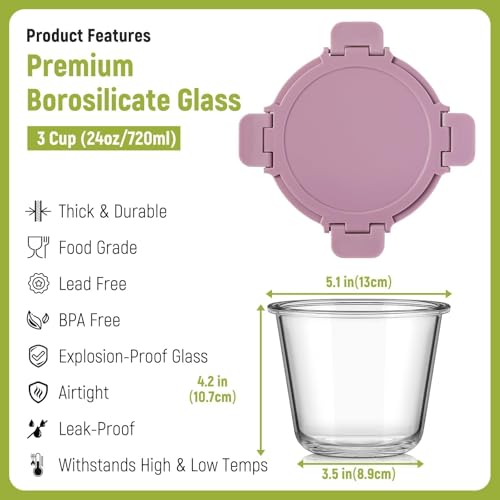
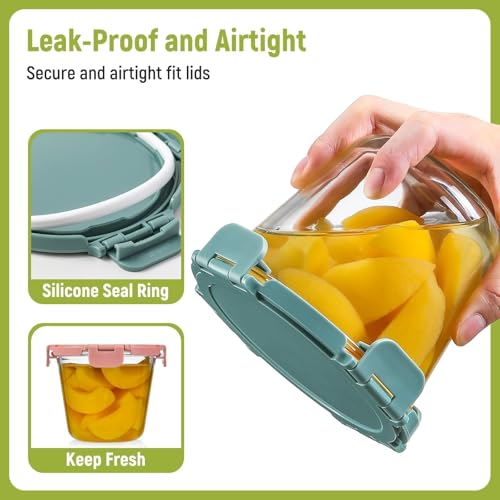
The upgraded hinged lid design here is a smart fix to a real pain point in glass containers, those flimsy one-piece plastic lids that snap after a few weeks. By splitting the hinge and clasp into a reinforced separate system, these lids appear far more durable on paper, and owners consistently report fewer breakages compared to standard models. That, combined with the borosilicate glass rated to 450°F, makes this set a solid pick for daily reheating and storage.
The Morandi-colored matte lids are a nice aesthetic touch, helping them blend into modern kitchens without the plasticky look of clear or bright-colored alternatives. While the 24oz size is practical for single servings, I’d still lean toward larger 32oz options if soup or stew is your main use. Still, with the airtight silicone gasket and freezer-to-oven range, this set delivers where it counts.
Product photos

How We Chose These glass soup containers
To arrive at our recommendations, I researched a wide range of glass soup containers, comparing published specifications and features. I then weighed owner reviews from multiple retailers alongside expert opinions from food storage and kitchenware publications. My assessment focused on identifying containers that balanced durability, functionality, and value, applying my experience with food storage solutions at Food Keepy. This wasn’t a hands-on test, but a research-led comparison.
For glass soup containers, the most important factors are leakproof design and thermal resistance. Soup is messy, so a truly secure lid is vital – flimsy closures simply won’t do. Equally important is the ability to safely transition between fridge, freezer, microwave, and even oven, without risking breakage. Those features directly impact everyday usability and longevity, and therefore heavily influenced my rankings. Finding quality airtight glass containers was key.
Product specifications reliably indicate glass thickness and temperature tolerances. However, I paid close attention to owner feedback regarding lid security and long-term durability – many containers claim to be leakproof, but real-world results vary. Reputation and brand trust also played a role, especially when assessing materials and construction quality. Ultimately, I prioritized containers that consistently received positive reviews for both performance and build quality, making them ideal for packing soup lunch containers.
How To Choose The glass soup containers
Picking the right glass soup containers can really improve how you store and reheat leftovers, and even how you approach meal prepping.
Quality glass soup containers are constructed from borosilicate glass for thermal shock resistance, offer a truly leakproof seal with well-designed lids, and balance durability with practical features like stackability and clear measurement markings. Prioritize containers that can withstand temperature extremes and won’t leach chemicals into your food.
Capacity and Shape
The size of the container is obviously important, but don’t overlook the shape. Wider-mouth containers are easier to fill and clean, while taller, narrower ones take up less space in the refrigerator. Consider how you’ll primarily use them. If you’re often freezing soup for single servings, smaller 24oz options might be ideal. If you’re prepping large batches for a family, the 32oz containers are likely a better fit. Think about portion control too – clear measurement markings, like those found on some models, can be a big help if you’re tracking your intake.
Lid Security and Material
A truly leakproof lid is essential, especially if you’re packing lunch or transporting soup. Look for lids with multiple locking tabs and a silicone gasket. Some containers, like the Hoenjuno options, have a pressure release valve, which is great for microwave reheating. Be aware that even with these features, many lids aren’t microwave or oven-safe, so you’ll need to remove them before heating. I’ve noticed some users appreciate the upgraded, separate hinged lids offered by some brands; they address a common complaint about breakage with older designs.
- Some lids are made of plastic, which is convenient but can stain or absorb odors over time.
- Silicone lids are a good alternative, offering flexibility and heat resistance, but may not be as rigid as plastic.
- The best lids balance a secure seal with ease of use and durability, and clear instructions about whether they’re microwave-safe.
A good rule of thumb: always check the manufacturer’s recommendations for temperature limits. Don’t assume a container is oven-safe just because the glass is.
Value and Versatility
While it’s tempting to go for the cheapest option, investing in a quality set of glass meal prep containers will likely save you money in the long run. Durable borosilicate glass resists cracking and staining, meaning the containers will last longer. Look for sets that are also dishwasher, microwave, and freezer safe for maximum versatility. If you’re looking for a good all-around option, exploring different soup containers is a great starting point. Consider a value pack, like the Susukkie 4-pack, for a cost-effective way to build up your collection of containers for soup.
Glass Soup Containers Compared
Here’s a comparison of key specifications for various glass soup containers to help you make an informed purchase.
| Product Title | Capacity | Material | Temp. Range (Low-High °F) | Leakproof | Dishwasher Safe | Microwave Safe |
|---|---|---|---|---|---|---|
| 2Cup Glass Meal Prep Containers | 2 cup (16oz) | Borosilicate Glass | -4 – 752 | Yes | Yes | Yes |
| Susukkie 32oz Glass Soup Containers | 32oz (4 cup) | Borosilicate Glass | -20 – 450 | Yes | Yes | Yes |
| 24oz Glass Soup Freezer Containers | 24oz | Borosilicate Glass | -4 – 750 | Yes | Yes | Yes |
| Hoenjuno 32oz Glass Soup Containers | 32oz (4 cup) | Borosilicate Glass | -4 – 752 | Yes | N/A | Yes |
| Susukkie 32oz 4-Pack Containers | 32oz (4 cup) | Borosilicate Glass | -20 – 450 | Yes | Yes | Yes |
| 6-Pack 24oz Borosilicate Containers | 24oz (3 cup) | Borosilicate Glass | -40 – 450 | Yes | Yes | Yes |
Frequently Asked Questions
What temperature ranges can these glass containers handle?
Most of the containers I researched using borosilicate glass can safely withstand temperatures from -20°F to 450°F, but a few go up to 752°F. Always double-check the manufacturer’s specifications, as exceeding the recommended limits can lead to breakage.
Are the lids on these containers truly leakproof for carrying soup?
Yes, the containers I featured have lids designed with locking tabs and silicone gaskets to prevent leaks. However, effectiveness can vary with the consistency of the soup and how securely the lid is fastened; thicker soups will naturally be less prone to leakage.
Can I put these glass containers directly from the fridge into the microwave?
Generally, yes. Borosilicate glass is known for its thermal shock resistance, allowing for safe temperature changes. Still, I recommend checking the manufacturer’s guidelines for specific instructions to avoid potential issues.
What’s the best way to clean these glass containers to prevent staining?
While most are dishwasher safe, handwashing with warm, soapy water is often recommended for preserving the clarity of the glass and the lifespan of the lids. Promptly rinsing after use and avoiding abrasive cleaners will help prevent staining and odors. For more info on keeping your foods fresh, explore tips for storing soup in fridge.
Are there alternatives to plastic lids for these glass containers?
Some brands offer silicone lids, which are heat-resistant and don’t absorb odors like plastic can. However, plastic lids are more common because they provide a tighter seal and are generally more affordable. To find the best options in glass food containers, consider the lid material alongside the glass quality.
The Bottom Line
Choosing glass soup containers often comes down to balancing upfront cost with long-term convenience. While there are many options available, the Susukkie 32oz Glass Soup Containers strike the best overall balance of durability, leakproof design, and reasonable price – they’re a solid choice for everyday use. If you prioritize having a variety of sizes and are willing to spend a little more, they’re a worthwhile investment.
For those specifically looking to maximize their budget, the Susukkie 32oz 4-Pack Containers offer excellent value without sacrificing essential features. And if you’re focused on prepping and want containers specifically suited for the freezer, the 24oz Glass Soup Freezer Containers are a great choice – and the best containers for freezing soup. They’re designed to handle the rigors of temperature changes and maintain food quality.
Ultimately, the most important factors aren’t a specific temperature rating or the newest lid design. Prioritize containers made from borosilicate glass, a truly leakproof seal, and a shape that fits your needs. Investing in quality glass freezer containers will pay off in the long run, reducing waste and simplifying your kitchen routine.
