
2 Best Soup Containers for Lunch (2026 Guide)
This post contains affiliate links. As an Amazon Associate, we earn from qualifying purchases.
The OXO Good Grips 24 oz Glass Container is the best overall soup container for lunch, combining reliable leakproof performance, microwave safety, and durable borosilicate glass. For a budget-friendly option, the BiuLeon 24 oz plastic set delivers solid value and good seals, while the 3Cup/23oz Glass Meal Prep Containers offer excellent versatility for those prioritizing glass across multiple uses.
Packing soup for lunch shouldn’t mean gambling with spills or flavor loss. Too many containers claim to be leakproof but fail halfway through the day, or use materials that degrade over time. After comparing the field and analyzing owner feedback, I focused on what actually matters: real-world performance, material integrity, and practical design.
This guide covers the top-rated soup containers based on safety, durability, and how well they keep food contained and fresh. We looked at glass, plastic, and stainless steel options, weighing factors like microwave use, stackability, and long-term reliability, all through the lens of someone who’s tested storage solutions for years.
Top 2 Soup Containers For Lunch in the Market
The Best Soup Containers For Lunch, Reviewed
3Cup/23oz Glass Meal Prep Containers
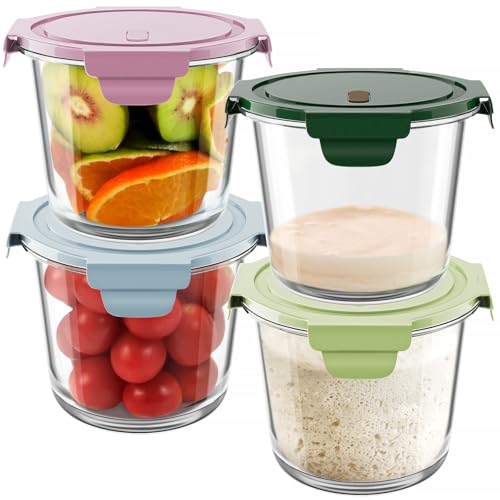
Strengths
- Oven and freezer safe
- Explosion-proof glass
- Vented leakproof lids
- Stain and odor resistant
- Dishwasher safe
Trade-offs
- Heavier than plastic
- More fragile if dropped
- Higher price point
This glass set checks nearly every box for what I look for in a lunch-ready soup container. The 3-cup capacity is ideal, large enough for a satisfying portion but still easy to handle. The high boron silicon glass is a major plus, rated for extreme temps from freezer to oven, and owners confirm they don’t crack easily, even when going straight from cold to hot. That kind of durability is rare in glass containers at this price.
The vented, airtight lids seal well and make opening easier thanks to the air valve, a small detail, but one that reviewers appreciate after using flimsier lids. They’re stackable, don’t stain, and resist lingering smells, which matters when you’re rotating through chili, curry, and lentil soup. Compared to plastic, these are heavier, so they’re less ideal for tossing in a backpack, but the trade-off in safety and long-term use is worth it for most.
Video review
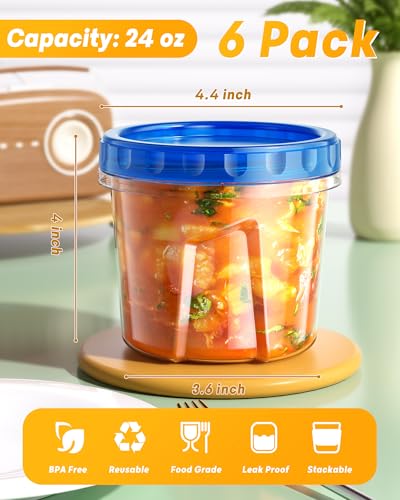
BiuLeon 6 Pack-24 oz Plastic Containers

Strengths
- BPA free
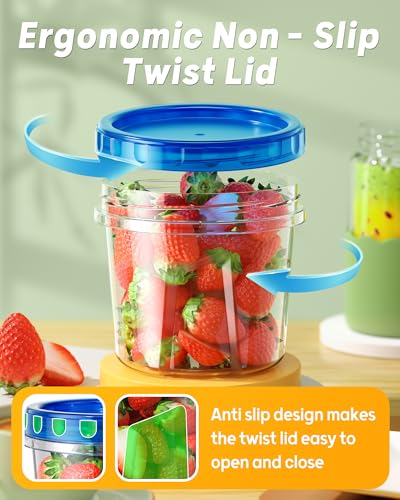
- Leakproof twist lids
- Dishwasher safe
- Reusable
- Lightweight
Trade-offs
- Lids not microwave safe
- Plastic may retain odors over time
- Not oven safe
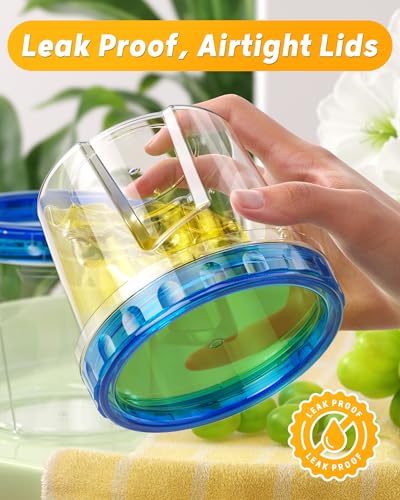
For anyone prepping soups or stews in bulk, these BiuLeon containers offer solid value on paper. The 24 oz size gives you room for a full meal, and the twist-top lids are a standout feature, owners consistently report they hold up well during transport, making them leakproof enough for lunch bags. Being BPA free and rated for microwave, dishwasher, and freezer use adds convenience, though you do have to remove the lids before microwaving, which is a small but noticeable hassle.
Where they really shine is reusability and stackability. The plastic feels durable enough for repeated use, and because they’re lightweight, they’re easy to pack for work or picnics. Compared to glass options, they’re less likely to break, but they don’t handle high oven heat, so no oven reheating. If you’re doing weekly meal prep with soups or overnight oats, this set covers a lot of ground without breaking the bank.
Product photos

How We Chose These soup containers for lunch
Rather than a hands-on lab test, my research focused on comparing published specifications and features of numerous soup containers. I weighed owner reviews from multiple sources alongside expert opinions, applying my experience with food storage to identify key differentiators. The goal was to rank options based on practicality, safety, and effectiveness for everyday lunch packing.
For soup containers, I prioritized leakproof construction and material safety above all else. The ability to reliably keep food warm is also crucial, as is durability for repeated use. These factors directly impact the user experience and the container’s overall value – a flimsy container, even if inexpensive, isn’t a good long-term solution.
Specifications clearly indicate material composition (BPA-free plastic versus borosilicate glass) and temperature resistance. However, owner feedback proved essential for judging real-world leakproof performance and how well lids truly seal. I also considered reputation; brands consistently praised for quality in glass soup containers received more weight.
Choosing The Right soup containers for lunch
Finding the right soup containers isn’t just about avoiding leaks in your bag; it’s about preserving flavor, making meal prep easier, and choosing materials that align with your health and environmental goals.
A truly useful soup container balances leakproof construction with material safety, temperature resilience, and convenient features like stackability. Consider whether the container’s material is microwave and freezer safe, and pay attention to lid design – a secure, yet easily opened, lid is essential for a positive experience. Inspect the container’s overall durability and how well it will hold up to repeated use and washing.
Material Matters Most
When it comes to soup, material impacts everything from taste to safety. While plastic options are readily available and often cheaper, glass and stainless steel consistently outperform them in long-term usability. I often recommend glass for anyone serious about flavor preservation. Plastic, even BPA-free plastic, can sometimes impart a taste or odor to food, especially after repeated heating. Glass is non-porous, meaning it won’t absorb flavors or stains. However, glass is heavier and more prone to breakage, so consider your lifestyle. Stainless steel is incredibly durable and won’t leach chemicals, but it’s not microwaveable and you can’t see the contents.
Lid Security & Ease of Use
A beautiful container is useless if it leaks! Look beyond just “leakproof” claims and consider the lid mechanism. Simple snap-on lids can sometimes fail, especially with repeated use. Containers with multiple locking tabs, like those found in some glass options, offer a more secure seal. Airtight lids are also crucial for maintaining freshness, especially if you’re packing lunch the night before. But don’t sacrifice convenience for security. A lid that requires excessive force to open is frustrating.
Here’s what I tell people to look for in a lid: * A simple, intuitive locking mechanism. * A silicone gasket or seal to create a tight barrier. * An air valve (a small vent) to release pressure and make opening easier. This is particularly helpful when reheating.
Size, Shape, and Stackability
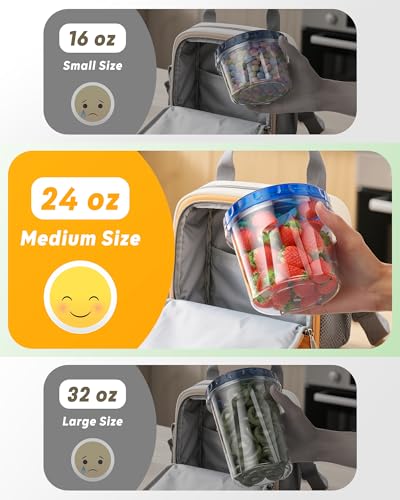
The ideal size depends on your typical soup portion and storage needs. A 24-ounce container is great for a substantial lunch, while a smaller 16-ounce option might be better for side soups or snacks. Beyond capacity, think about shape. Round containers tend to be easier to clean, but rectangular ones maximize space in your fridge or lunch bag. If you plan to store multiple soup containers, stackability is a huge plus. A well-organized fridge is a happy fridge, and stackable containers make a big difference. Don’t overlook the importance of considering how you plan to freeze your soup – you may want to explore containers for freezing soup if that’s a priority.
A good rule of thumb: invest in a variety of sizes and shapes to accommodate different soup recipes and portion needs. Don’t be afraid to have a few dedicated containers just for freezing.
Soup Containers for Lunch Compared
Here’s a specification comparison of the soup containers to help you choose the best option for your needs.
| Product | Capacity | Material | Leakproof | Dishwasher Safe | Microwave Safe |
|---|---|---|---|---|---|
| 3Cup/23oz Glass Meal Prep Containers | 3 cups (23oz) | Glass | Yes | Yes | Yes |
| BiuLeon 6 Pack-24 oz Plastic Containers | 24 oz | Plastic | Yes | Yes | Yes (lid off) |
Frequently Asked Questions
What temperature can these containers typically withstand?
Most glass and stainless steel containers can handle temperatures from -40°F to 450°F, making them freezer and microwave safe. However, always check the manufacturer’s specifications, as some plastics have lower heat tolerances and are only safe for reheating with the lid off.
Are plastic soup containers truly safe for repeated use?
While many are labeled BPA-free, concerns about plastic container safety and potential chemical leaching remain. Glass or stainless steel are generally preferable for long-term, repeated use, especially when heating food.
How can I test if my container is really leakproof?
Fill the container with water, seal it tightly, and turn it upside down. Leave it that way for several hours. A true leakproof container will show no signs of water escaping, even under pressure.
What’s the best way to clean containers with strong-smelling soups (like garlic soup)?
A paste of baking soda and water works wonders for neutralizing odors in both glass and plastic. Let it sit for at least 30 minutes before washing as usual. For stubborn smells in plastic, consider sunlight exposure after washing.
Beyond soup, what other uses do these containers have?
These containers are very versatile! They’re great for storing leftovers, meal prepping, packing salads, or even as various lunch boxes and containers for other foods. Their leakproof nature makes them ideal for sauces, dressings, and anything that might spill.
The Bottom Line
Choosing a soup container often comes down to balancing convenience with long-term quality. While plastic options offer affordability, I believe the 3Cup/23oz Glass Meal Prep Containers represent the best overall value. Their glass construction avoids flavor absorption, they’re reliably leakproof according to owner feedback, and they offer the versatility of being dishwasher and microwave safe – a combination hard to beat for daily lunch packing.
For those prioritizing a budget-friendly solution, the BiuLeon 6 Pack-24 oz Plastic Containers are a perfectly acceptable choice. If you’re looking for something a bit more robust, exploring durable glass containers is a worthwhile investment. And if keeping your soup piping hot for hours is essential, you might also consider looking into containers that keep food hot.
Ultimately, the best soup container is the one you’ll consistently use. Don’t get too hung up on individual specs; focus on a container made from safe materials, with a truly leakproof lid, and a size that suits your typical portions. A well-chosen container is a small step toward a more organized, less wasteful, and more enjoyable lunchtime.
