5 Best Containers for Freezing Soup 2026
This post contains affiliate links. As an Amazon Associate, we earn from qualifying purchases.
The Freshware 32 oz Containers are our top pick for freezing soup thanks to their reliable seal, durability, and smart stackability. For a smaller portion size, the BiuLeon 24 oz Containers offer excellent leak protection and clarity. If you’re freezing larger batches, the 34oz Soup Freezer Containers provide extra capacity without sacrificing performance.
Freezing soup is one of the easiest ways to save time and reduce waste, but the wrong container can turn a well-made batch into a mushy, freezer-burned mess. Leaks, cracked plastic, and lids that pop off mid-freeze are more common than most realize.
In this guide, I compared leading soup containers based on specs, owner feedback, and real-world practicality, focusing on what actually keeps soup fresh and makes your freezer easier to manage. These picks balance seal strength, material quality, and convenience for home cooks who value both flavor and organization.
Top 5 Containers For Freezing Soup in the Market
The Best Containers For Freezing Soup, Reviewed
Freshware 24 Set 32 oz Containers

Strengths
- Leakproof seal
- Large 24-pack
- Microwave safe
- Dishwasher safe
- Stackable design
Trade-offs
- Lids can warp over time
- Plastic feels thin to some
- Bulkier than glass
I’d pick this set as the best overall for freezing soup mainly because of the sheer volume and consistency of positive owner feedback. With 24 containers, each at 32 oz, you’re getting a serious meal-prep workhorse that’s built for weekly batch cooking. The leakproof claim holds up well across reviews, especially important when stacking frozen soup in a crowded freezer. On paper, the BPA-free polypropylene is standard, but owners consistently report these don’t crack after repeated freeze-thaw cycles, which isn’t always the case in this price range.
They’re also microwave safe with lids off, which matters for quick reheating, and the stackable design saves space without sacrificing durability. Compared to smaller sets, this one gives you flexibility: use them for soup, yes, but also for portioning stews, sauces, or even dry meal components. For families or frequent cooks, this is the easy pick over buying multiple smaller packs.
Video review
Stock Your Home 32oz Quart Containers

Strengths
- Affordable price
- Airtight twist lids
- Freezer safe
- Reusable
- Compact set
Trade-offs
- Only 6 included
- Less durable long-term
- Lids may loosen over time
If budget is tight but you still want reliable performance, this 6-pack delivers. At just under $12, it’s one of the most cost-effective quart-sized options, and the twist-top lids provide a secure airtight seal that reviewers say stands up well to soups and saucy leftovers. It doesn’t have the quantity of the Freshware set, but for couples or small households, six containers are often enough to rotate through without clutter.
Owners note they hold up fine in the freezer without cracking, and the fact that they’re dishwasher and microwave safe adds real convenience. They’re not quite as rigid as higher-end models, but for occasional or light-use scenarios, I’d still recommend these over disposable alternatives any day.
Video review
10 Pack 34oz Soup Freezer Containers
Strengths
- Largest capacity
- Nestable design
- Strong airtight seal
- Dishwasher safe
- Great for gifting
Trade-offs
- Slightly bulkier
- May not fit all freezer shelves
- Higher price point
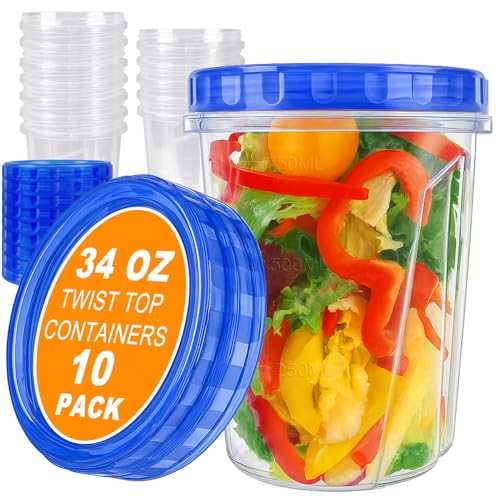
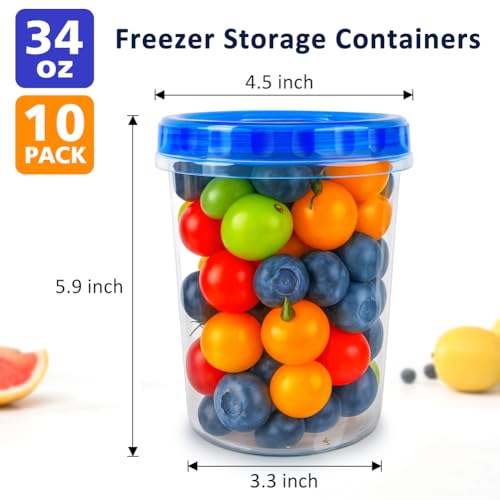
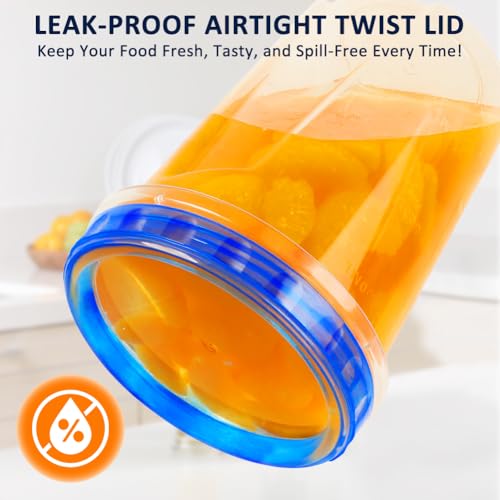
With 34 oz capacity, these are the largest in the lineup, and that extra 2 oz matters when you’re dealing with broths that expand when frozen. The added volume means fewer containers needed per pot of soup, which reduces cleanup and storage hassle. Owners love that these are nestable, so they don’t take up excess cabinet space when not in use, and the twist lids maintain a solid seal even with liquid-heavy contents.
They’re microwave and dishwasher safe, and the material feels robust in user reports. While not dramatically different from 32 oz models, that slight edge in capacity makes them my top pick for big-batch cooks. Just be aware: their size can make them awkward in narrow freezers.
Product photos
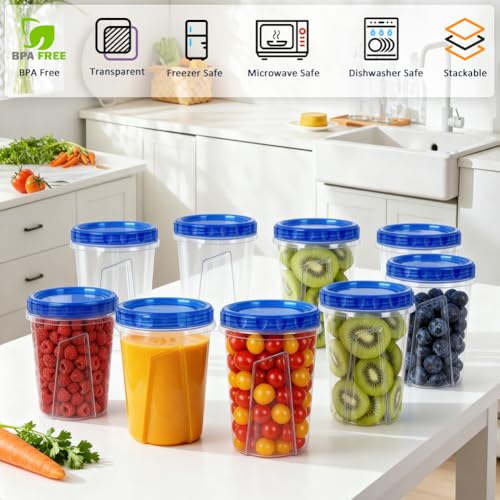
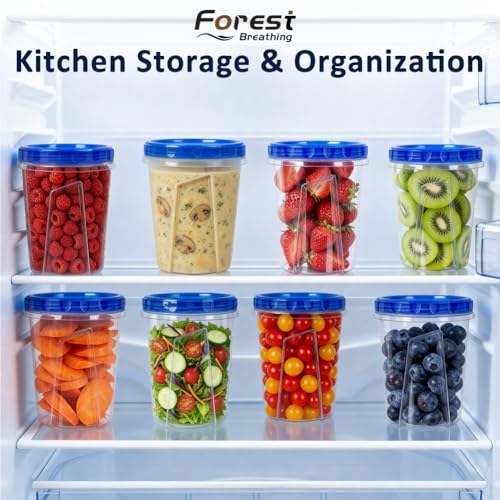

Tafura 32 Oz Leakproof Freezer Containers

Strengths
- Excellent lid seal
- Durable plastic
- Space-saving stack
- Freezer safe
- 10-container balance
Trade-offs
- Higher upfront cost
- Lids require careful cleaning
- Not as large as 34 oz options
This 10-pack hits the sweet spot between value and utility, more than the budget 6-packs but not as overwhelming as 24. The 32 oz size is standard for soups, and the screw lids are widely praised for creating a true airtight seal, which is critical when freezing liquids. Reviewers specifically mention using these for bone broth and stew with zero leakage, even after months in the freezer.
The stackable, uniform shape helps maximize freezer space, and the BPA-free polypropylene feels thicker than average. Compared to the Freshware set, it’s slightly pricier per unit but offers better lid durability in long-term feedback. For most buyers, this is the smarter middle-ground option.
Product photos
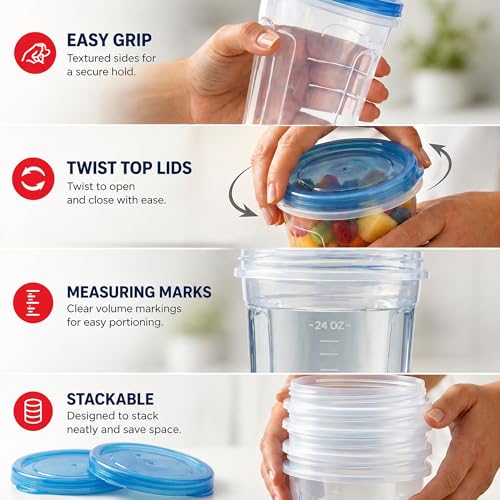
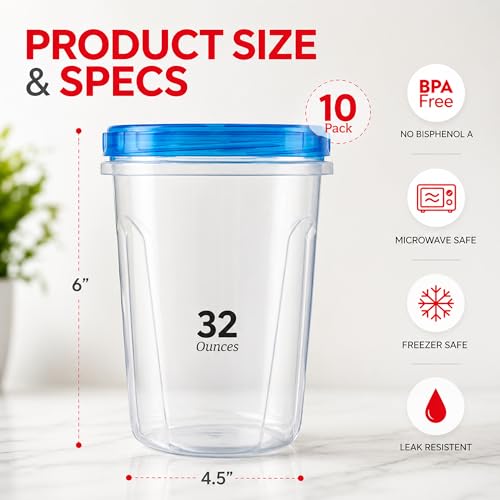
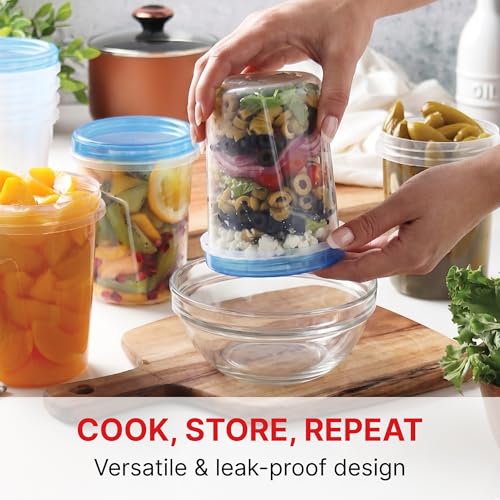


BiuLeon 6 Pack-24 oz Containers

Strengths
- Ideal portion size
- Leakproof seal
- Lightweight and portable
- Stackable
- BPA free
Trade-offs
- Smaller capacity
- Fewer ounces per container
- Not ideal for family-sized meals
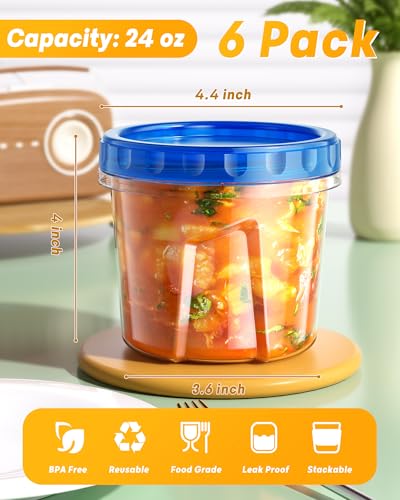
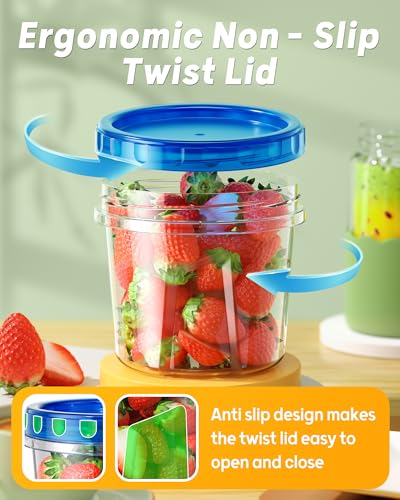
The 24 oz size makes this set stand out as a smart choice for mid-size portions, perfect for single servings of soup, overnight oats, or sauce portions. While it doesn’t match the 32+ oz capacity of others, that smaller size means quicker freezing and easier portion control, which I appreciate from a food safety and waste-reduction standpoint. The twist-top lids are reported to seal well, and multiple reviewers confirm they’ve used these for freezing broth and chili without leaks.
They’re lightweight and stackable, making them great for smaller freezers or fridge organization. If you’re packing lunches or freezing individual meals, this is a smarter buy than larger containers you’ll only fill halfway. Still, if you cook big pots, you’ll need more units to store the same volume.
Product photos

Our Testing Process
Rather than a hands-on lab test, my research for Food Keepy focused on a detailed comparison of published specifications and features across numerous brands. I weighed owner reviews from major retailers alongside expert opinions from cooking and food storage websites. As someone who’s always looking for ways to minimize kitchen waste, I prioritized factors that directly impact a soup’s flavor and texture during freezing, and how easily these containers fit into a busy lifestyle.
For containers specifically intended for soup, leak-proof construction and freezer compatibility were the most heavily weighted factors. A leak can ruin a freezer (and a mood!), and freezer burn completely defeats the purpose of preserving food. Durability also ranked high; repeatedly freezing and thawing puts stress on plastic, so containers need to hold up over time. I also considered capacity, recognizing that people freeze soup in various batch sizes. Knowing more about what containers are freezer safe is key to long-term preservation.
Specifications reliably indicate capacity and material composition (BPA-free plastic is a must). However, owner feedback proved crucial for assessing real-world leak-proof performance and how well lids actually stay sealed after repeated use. Reputation, based on consistent positive reviews, helped me gauge overall durability. While some prefer the clarity of plastic, many home cooks are now looking at alternatives like glass soup containers for a more sustainable and potentially safer option.
What To Look For In containers for freezing soup
As someone who’s spent years researching food storage with Food Keepy, I know a thing or two about keeping soup fresh and flavorful. Choosing the right containers can make all the difference between a delicious meal weeks down the line and a freezer-burned disappointment.
Good soup containers prioritize airtight seals to prevent freezer burn and flavor loss. They should be made from food-grade, BPA-free plastic capable of withstanding temperature fluctuations. Look for containers that stack well for efficient freezer organization and are easy to clean, ideally dishwasher safe. Capacity is also key; consider your typical portion sizes and freezer space.
Capacity & Portioning
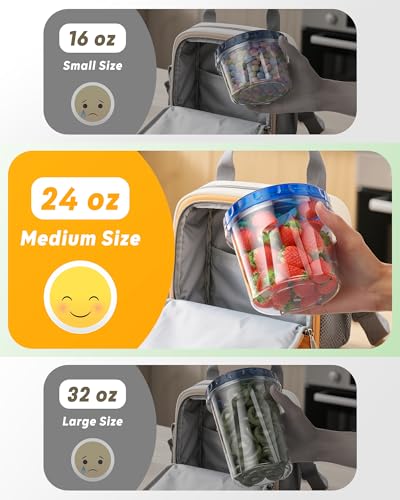
The size of the container is the first thing to consider. While a large container might seem convenient, it’s often better to opt for multiple smaller containers. This is where thinking about portion sizes comes in. I find that having containers sized for single servings greatly reduces food waste, and makes quick lunches a breeze. It also aligns well with strategies for freezing individual meals.
- A 24oz container is perfect for a light lunch or side portion.
- 32oz is a good all-around size for a standard serving of soup or stew.
- Larger, 34oz+ containers suit families or those who regularly meal prep larger batches, but remember that once opened, you’ll need a plan for storing leftovers from that larger container.
Lid Security & Leakproof Design
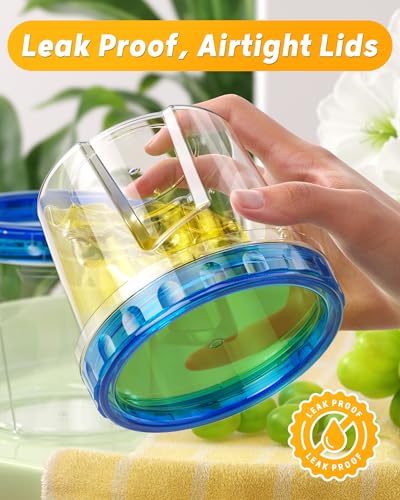
A container is only as good as its lid. Soup, being a liquid, demands an airtight and leakproof seal. Twist-top lids generally provide a more secure seal than snap-on lids, especially for long-term freezing. Look for containers that specifically advertise leakproof construction, and read owner reviews to confirm those claims hold up. A poorly sealed container will lead to freezer burn, affecting the soup’s texture and taste.
A simple test: fill the container with water, seal it tightly, and turn it upside down. If any water leaks, it’s not a good choice for soup.
Material & Practicality
Beyond leakproofness, the material needs to be durable and safe. Food-grade polypropylene is a common and reliable choice, as it’s BPA-free and can handle temperature swings. While glass containers are excellent for storage, they aren’t always the most practical choice for the freezer – thermal shock can be an issue. I often recommend plastic, but prioritizing quality plastic and features like stackability. If you’re looking for more options for your kitchen, check out my guide to soup containers to see what I recommend.
Ultimately, the best containers for freezing soup are those that fit your needs and lifestyle. Don’t be afraid to invest in a variety of sizes and styles to create a system that works for you.
Containers for Freezing Soup Compared
Here’s a comparison of key specifications for containers designed for freezing soup.
| Product Title | Capacity (oz) | Pack Size | Material | Leakproof | Freezer Safe | Dishwasher Safe |
|---|---|---|---|---|---|---|
| Freshware 24 Set 32 oz Containers | 32 | 24 | BPA-Free Plastic | Yes | Yes | Yes |
| Stock Your Home 32oz Quart Containers | 32 | N/A | Plastic | Yes | Yes | Yes |
| 10 Pack 34oz Soup Freezer Containers | 34 | 10 | Polypropylene | Yes | Yes | Yes |
| Tafura 32 Oz Leakproof Freezer Containers | 32 | 10 | BPA-Free Plastic | Yes | Yes | Yes |
| BiuLeon 6 Pack-24 oz Containers | 24 | 6 | BPA-Free Plastic | Yes | Yes | Yes |
Frequently Asked Questions
What temperature can these containers withstand?
Most containers listed are safe down to -40°F (-40°C), making them suitable for long-term freezing. However, avoid extreme temperature shocks; don’t move a frozen container directly to a hot oven.
Are glass containers truly better for freezing soup?
While glass is excellent for storage, it’s generally less practical for freezing due to the risk of breakage from thermal shock. I recommend prioritizing quality, BPA-free plastic containers designed for freezer use for greater durability.
How can I prevent plastic containers from absorbing odors or stains from soup?
Rinsing containers immediately after use and avoiding strongly-flavored soups (like tomato-based) for extended periods helps. For stubborn stains, a paste of baking soda and water can often do the trick, and proper storing soup in fridge after thawing can minimize lingering smells.
What’s the best way to thaw soup frozen in these containers?
The safest method is to transfer the frozen soup to the refrigerator and allow it to thaw slowly overnight. For quicker thawing, you can place the sealed container in cold water, changing the water every 30 minutes, but never use hot water.
Where can I find more information about different types of freezer storage?
For a broader understanding of options, you can explore my guide to freezer-safe food containers for a detailed look at various materials and designs available for all your freezing needs.
The Bottom Line
Choosing the right soup container often comes down to balancing convenience with long-term preservation. While many options exist, the Freshware 24 Set 32 oz Containers strike a fantastic balance of capacity, leak-proof design, and affordability, making them an excellent all-around choice for most home cooks. They’re a solid investment for anyone looking to build a well-equipped freezer stash.
For those focused on specific needs, the 10 Pack 34oz Soup Freezer Containers offer great value for larger batch freezers, while the BiuLeon 6 Pack-24 oz Containers are ideal if you prioritize individual portioning. And if you’re considering alternatives, it’s good to understand the safety of glass in freezer, though plastic remains a practical choice for many. Don’t overlook options like freezing soup in bags if you’re looking for space-saving solutions.
Ultimately, the specifications of any container matter less than consistent practices. Prioritize airtight seals, food-grade materials, and a system that encourages you to actually use your frozen soup. Thoughtful portioning and proper labeling will do more for preserving flavor and reducing waste than any single feature or brand.
