9 Best Long Term Rice Storage Solutions 2026
This post contains affiliate links. As an Amazon Associate, we earn from qualifying purchases.
The best long term rice storage solution is the DYNAMI 12.7Gal Stainless Steel Container for its unmatched durability and pest-proof build, while the 5-Gallon Mylar Bags with Oxygen Absorbers are the top budget-friendly pick for true 25+ year shelf life. For bulk preppers, the Ready Hour Beans & Rice Kit offers a ready-to-go option with proven storage longevity.
Most people don’t realize how quickly rice can degrade when exposed to air, moisture, or pests. Even in a cool pantry, improper storage can lead to rancidity, bugs, or mold within months. As someone who researches food preservation daily through Food Keepy, I know that real long-term storage means cutting off oxygen and locking in freshness from day one.
This guide covers the top options based on material integrity, sealing performance, and owner feedback. I looked at stainless steel, heavy-duty plastic, and mylar systems to find what truly works for multi-year storage, not just kitchen convenience.
Top 9 Long Term Rice Storage in the Market
The Best Long Term Rice Storage, Reviewed
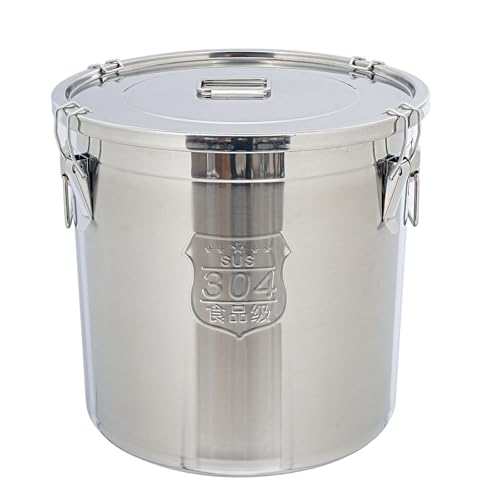
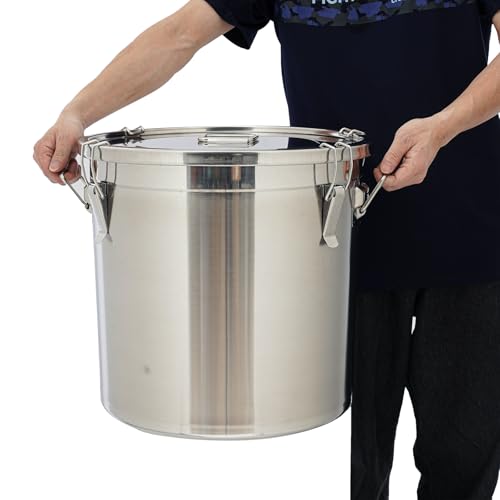
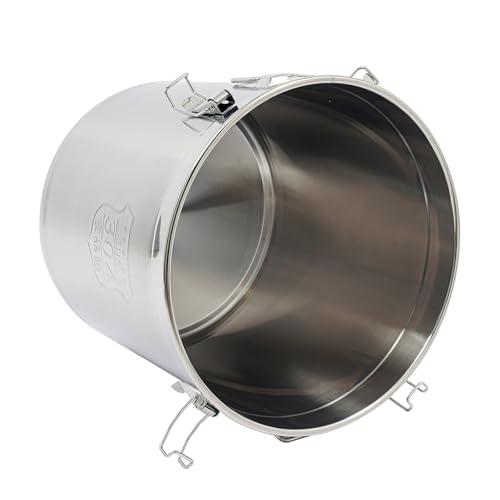
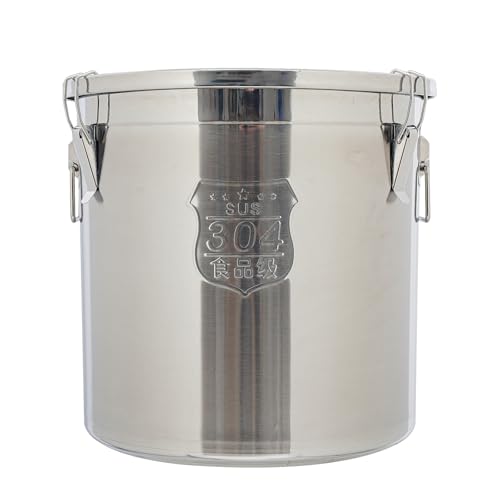
DYNAMI 12.7Gal Stainless Steel Container
Strengths
- 304 stainless steel
- Excellent airtight seal
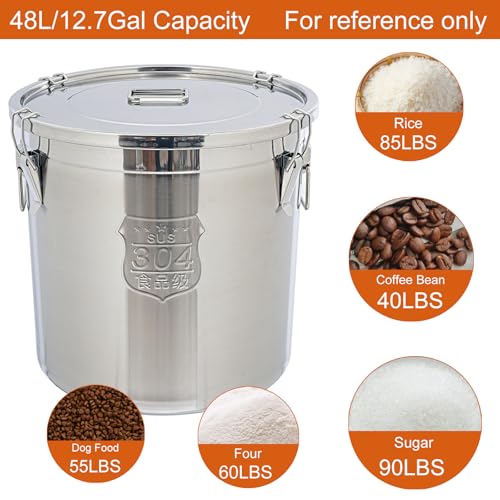
- Large 12.7 gal capacity
Trade-offs
- High price point
- Heavy when full
This stainless steel container is built like a tank, and I mean that in the best way. The 304 food-grade steel resists rust, won’t absorb odors, and feels completely inert, which is critical for storing rice for years. The four sealing clips and silicone gasket create a strong airtight seal, and the wide 15.75-inch opening makes filling and cleaning easy. Owners report using these for everything from rice to flour to pet food, and the lack of plastic means no off-gassing concerns.
At nearly 90 lbs capacity, it’s one of the largest on this list, and the handles make it manageable despite the weight. Yes, it’s pricey, but for the durability and material quality, it’s justified. Compared to plastic bins, this is the smarter long-term investment. If you’re serious about food safety and longevity, this is the one I’d choose for my own pantry.
Product photos

5-Gallon Mylar Bags with Oxygen Absorbers
Strengths
- 11.8 mil thickness
- Triple-layer barrier
- Includes quality O2 absorbers
Trade-offs
- Slightly higher price
- Heat sealing required for full seal
If you’re serious about long-term rice storage, these 11.8 mil Mylar bags stand out. The triple-layer aluminum barrier is exactly what you want, blocking light, moisture, and oxygen completely. Reviewers note they’re noticeably sturdier than standard bags, and the 2500cc oxygen absorbers are properly sealed and effective. The fit for 5-gallon buckets is spot-on, and the resealable zipper adds flexibility for partial use.
What I appreciate most is the attention to material safety, BPA-free, food-grade, and freezer-safe. That matters if you’re storing rice for years and want to avoid any chemical migration. Compared to thinner options, these feel like a premium upgrade. For sealing, you’ll still need an iron or sealer, but the prep is straightforward. This is the kind of set I’d recommend for someone building a reliable emergency pantry.
Video review
Wheatland 20 lbs White Rice Bucket

Strengths
- 25-year shelf life
- Chemical residue tested
- Ready-to-store
Trade-offs
- One-time use after opening
- Higher cost per pound
This isn’t just a container, it’s a complete long-term food solution. The 20 lbs of white rice come already sealed in Mylar with oxygen absorbers inside a sturdy bucket, rated for 25 years. That’s a huge advantage if you don’t want to DIY your storage. The company’s 40-year reputation in prepping adds credibility, and the fact that they test for 210 agricultural chemicals is rare and reassuring.
Owners appreciate the peace of mind: it’s ready to store, no prep needed. The rice is non-GMO and sproutable, which matters to some preppers. While you can open and reseal the Mylar, each access reduces shelf life. So it’s best kept sealed until needed. Compared to buying raw rice and packaging it yourself, this is more expensive per pound, but you’re paying for convenience, purity, and proven longevity.
Product photos


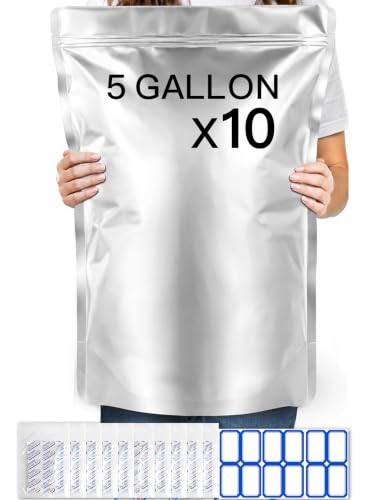
10pcs 5 Gallon Mylar Bags

Strengths
- 5 mil per layer
- Includes O2 absorbers
- Zipper resealable
Trade-offs
- Not puncture-proof
- No vacuum appearance
- Zipper not airtight long-term
This 10-pack of 5-gallon resealable Mylar bags is a solid starting point for anyone new to long-term rice storage on a budget. The inclusion of 2500cc oxygen absorbers is a real plus, owners consistently report that the absorbers work as expected when used correctly, though the note about the bag not ‘deflating’ after use is important. Many beginners expect a vacuum look, but since oxygen is only about 21% of air, the bag stays plump. That can be misleading if you’re not familiar with how oxygen absorbers function.
The 10 mil thickness is decent for general use, but I wouldn’t trust these with sharp grains like cracked rice or wheat berries without careful handling. The zipper seal is convenient for access, but for true long-term storage, heat sealing is necessary. On paper, they’re a good value, especially if you’re lining 5-gallon buckets yourself.
Video review
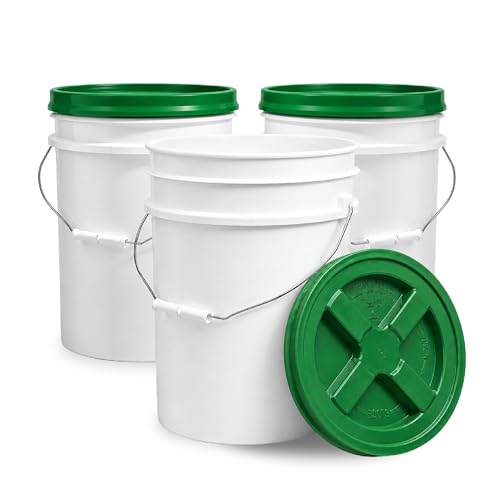
ePackageSupply 5 Gallon Food Grade Bucket
Strengths
- Food-grade HDPE
- Gamma seal lid
- Stackable design
Trade-offs
- No Mylar or absorbers included
- Lid can loosen if over-tightened
These buckets are the foundation of any serious DIY food storage plan. Made from 90 mil HDPE plastic, they’re thick, durable, and FDA-compliant for food contact. The gamma seal lid screws on tightly and creates a solid barrier, many owners use these for water, grains, and even fermentation. The stacking ring is a small but useful detail for keeping multiple buckets organized.
They don’t come with Mylar or absorbers, so you’ll need to line them yourself for long-term rice storage. But that also makes them versatile. Compared to cheaper buckets, these feel sturdier and less prone to warping. At this price, they’re a smart buy if you’re building a system from scratch. Just don’t expect an airtight seal without proper lining.
Product photos


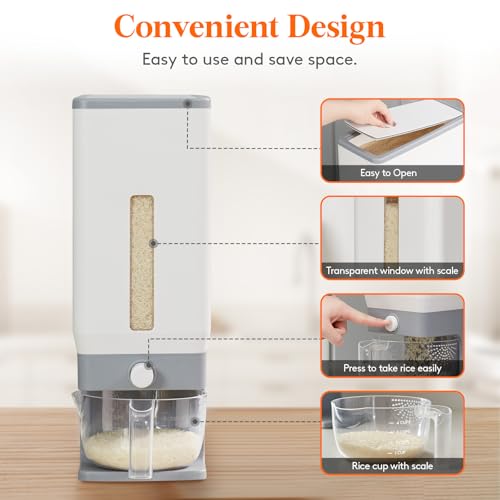
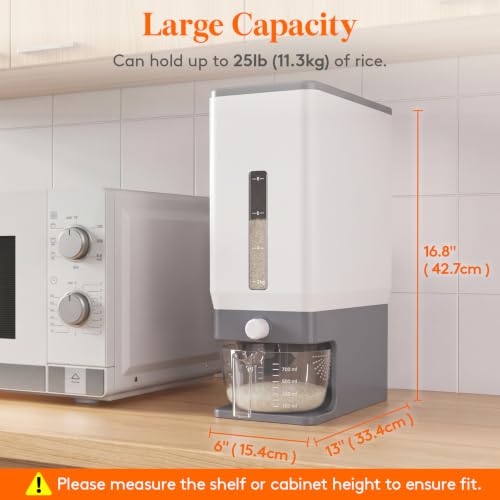
Lifewit 25 Lbs One-Press Dispenser

Strengths
- One-press dispensing
- Rinse-friendly measuring cup
- Space-saving shape
Trade-offs
- Plastic not for decades-long storage
- Button mechanism may wear
This is the most kitchen-friendly rice container on the list. The one-press dispenser is simple and effective, press the button, rice flows, release, it stops. No spills, no mess. The included measuring cup with drainage holes is a clever touch, letting you rinse rice right in the cup. That’s a real time-saver, and owners consistently praise it.
The 25.4 lb capacity fits a lot of rice without taking up much floor space, thanks to its slim vertical design. The silicone seal keeps pests and moisture out, though it’s not rated for 25-year storage like Mylar. Still, for everyday use, it’s excellent. Compared to bulkier bins, this one blends into a modern kitchen without looking industrial. If you go through rice weekly and want convenience, this is my top pick.
Product photos



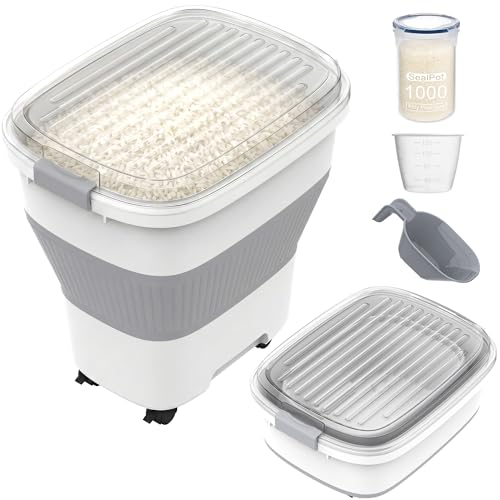
HOYTAMDAR 50Lbs Collapsible Container
Strengths
- Collapsible design
- One-hand lid
- Built-in wheels
Trade-offs
- Not ideal for 10+ year storage
- Wheels feel lightweight
- Seal not fully hermetic
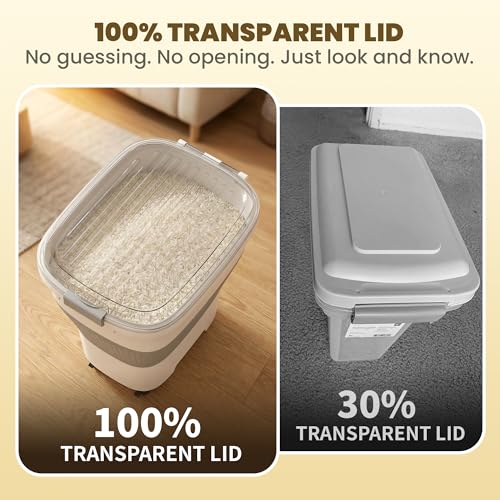
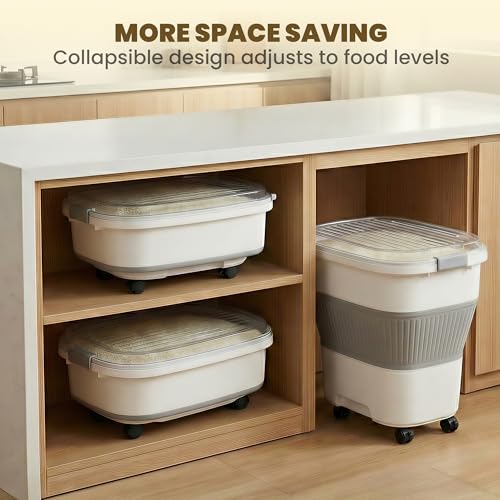
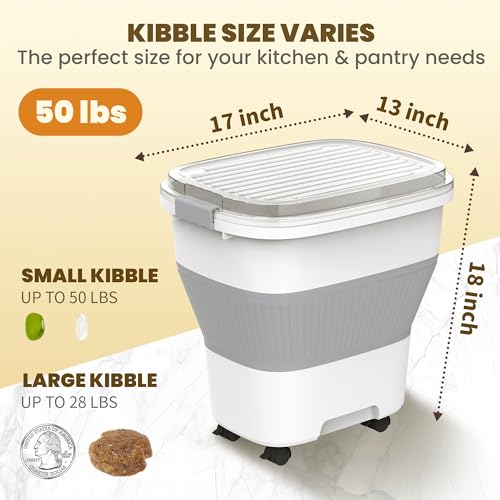
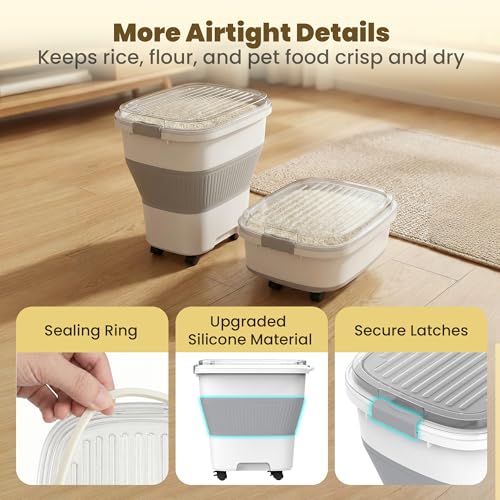
The collapsible design here is genuinely useful for anyone with limited space. When you’re not storing rice, folding it down to 5.5 inches high frees up valuable pantry real estate. The 30 lb capacity when fully extended is practical for medium-term rice storage, and the dual-layer silicone seal does a decent job keeping moisture out. Owners like the one-hand lid operation, it’s smooth and child-resistant, which helps keep curious hands out.
But there’s a trade-off: this isn’t for decades-long storage. The plastic is BPA-free PP, which is safe, but it’s not as impervious to oxygen as stainless steel or Mylar. And while the wheels are a nice touch, they feel a bit flimsy under full load. It’s better suited for kitchen rotation than emergency stockpiling. If you cook rice often and want something tidy and accessible, this works. For true long-term, look elsewhere.
Product photos

Ready Hour Beans & Rice Kit

Strengths
- 30-year shelf life
- Complete meals included
- Easy preparation
Trade-offs
- Not for regular kitchen use
- Limited flavor variety
This isn’t just rice storage, it’s a full emergency meal system. The 100-serving bucket combines rice and beans in multiple flavors, all pre-portioned and sealed for up to 30 years. The quadruple-wrapped pouches are robust, and the bucket itself is water-resistant with a carry handle, making it ideal for grab-and-go emergencies.
Cooking is simple: just add hot water and wait. Owners say the taste is better than expected for survival food. But this isn’t meant for daily kitchen use, it’s for crisis scenarios. Compared to plain rice buckets, it’s more expensive, but you’re getting complete meals, not just grain. If your goal is emergency preparedness, not everyday cooking, this kit delivers real value.
Product photos


YITAHOME 50L Large Rice Bin
Strengths
- Built-in wheels
- Side scale
- Magnetic seal with buckles
Trade-offs
- Very large footprint
- Overkill for small households
- Lid mechanism can snag
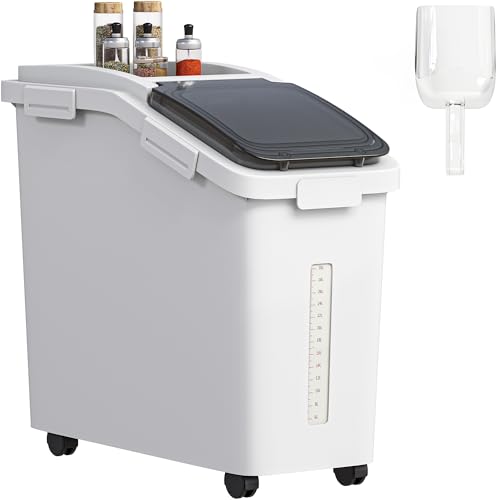
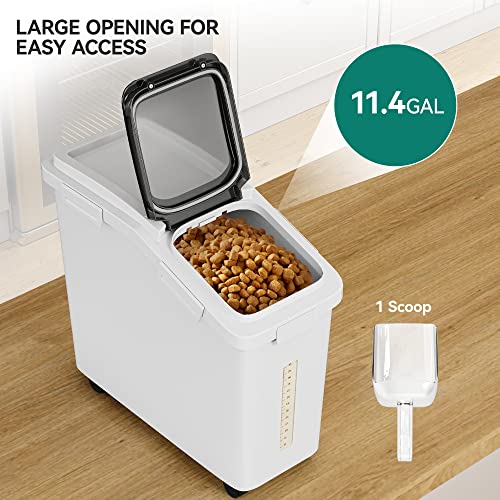
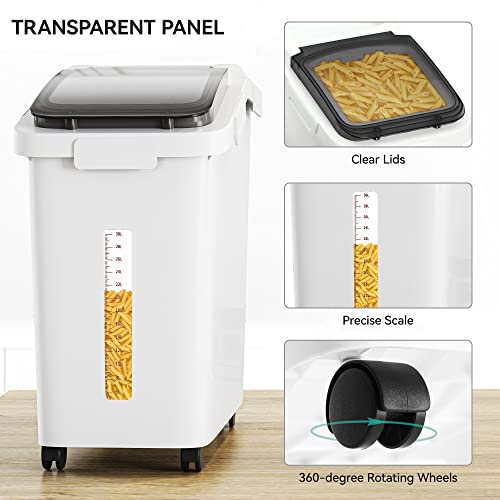
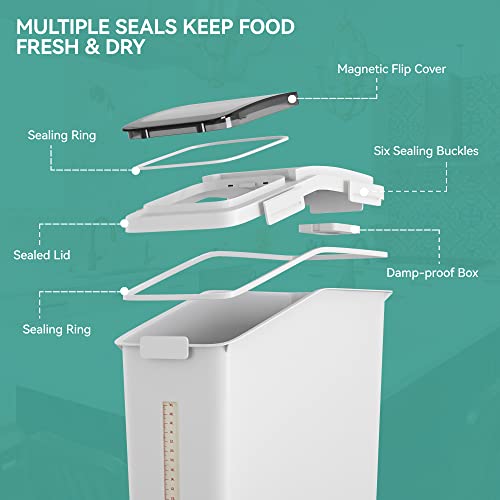
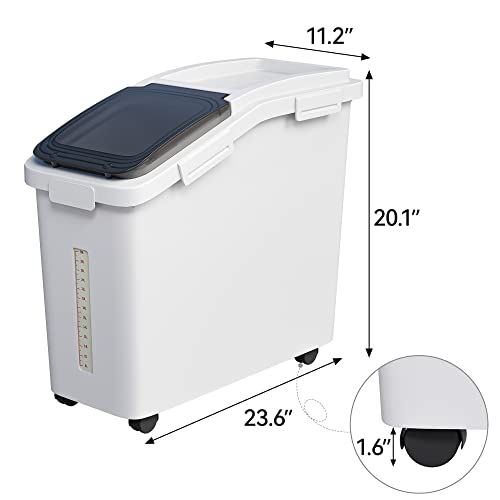
This massive 11.4-gallon bin is overkill for most kitchens, but if you bake often or store rice in industrial quantities, it’s a solid workhorse. The 360-degree wheels make it easy to move, even when full, and the magnetic lid with six buckles creates a strong seal. The built-in scale on the side is a nice touch, no guessing how much rice is left.
The transparent window and internal moisture-proof box (for desiccants or garlic) add practicality. But the size is a double-edged sword, it’s hard to fit in standard cabinets. Owners use it for flour, pet food, and bulk rice, but it’s clearly designed for commercial or large-family use. Compared to smaller dispensers, it’s less refined but far more capacious.
Product photos
How We Evaluated long term rice storage
As someone deeply involved in understanding food preservation through Food Keepy, I approached researching long-term rice storage with a focus on both practicality and longevity. Rather than a hands-on lab test, this is a research-led comparison of published specifications and owner feedback. I examined a range of containers and kits, weighing their features against established principles of food preservation and common user experiences. This involved comparing materials, sealing mechanisms, and reported shelf-life success.
For rice, maintaining a stable, oxygen-free environment is paramount. Therefore, I weighted factors like airtight seals and the inclusion of oxygen absorbers most heavily. The capacity of a container is also crucial; bulk storage is most efficient, but the container must be manageable. Finally, the material construction – specifically its resistance to pests and moisture – significantly influenced my assessment. Understanding these elements is key when considering long term food storage.
Product specifications reliably indicate capacity and material composition. However, real-world performance – particularly regarding the effectiveness of seals and the durability of materials over extended periods – is best gleaned from owner reviews. I carefully considered feedback regarding ease of use, resistance to pests, and whether the containers truly maintained freshness as claimed. Reputation and brand reliability also played a role, especially when evaluating pre-packaged kits, and I often cross-referenced with resources detailing the best rice storage containers.
Choosing The Right long term rice storage
Choosing the right method for long term rice storage is about balancing convenience, cost, and how seriously you take food preservation. It’s not just about throwing a bag in the pantry and hoping for the best.
Successful long-term rice storage relies on several key factors: airtight sealing to prevent moisture and pests, protection from light and oxygen to slow degradation, food-grade materials to avoid leaching, and appropriate container size for your needs. Regularly checking stored rice for signs of spoilage (odor, discoloration, pests) is also essential, even with the best storage methods.
Container Material Matters
Stainless steel and food-grade plastic (HDPE) are the two dominant choices, and each has its strengths. Stainless steel, like the DYNAMI container, offers exceptional durability and won’t leach anything into your rice. However, it’s generally more expensive and doesn’t offer a visual check of contents. Plastic buckets, like those from ePackageSupply, are more affordable and allow you to see how much rice you have left, but quality varies greatly. Don’t skimp here; look for BPA-free HDPE that’s specifically labeled as food-grade.
Sealing and Oxygen Control
Rice’s enemy isn’t just bugs, it’s oxygen. Over time, oxygen causes fats in the rice to go rancid, even at room temperature. Mylar bags with oxygen absorbers, such as those offered by 5-Gallon Mylar Bags, are considered the gold standard for truly long-term (25+ years) storage. The multiple layers of the bag block light, moisture, and oxygen, while the absorbers remove any remaining oxygen. However, these require a heat sealer for a truly airtight closure.
- A simple ziplock bag, even a heavy-duty one, isn’t enough for years-long storage.
- Oxygen absorbers are crucial; they’re a small investment that significantly extends shelf life.
- Consider the size of the bags. 5-gallon buckets fit standard mylar bags perfectly, making the setup easier, but smaller portions might be more practical to avoid opening and resealing a large bag repeatedly.
A good rule of thumb: if you’re aiming for storage beyond five years, invest in mylar bags and oxygen absorbers. It’s the best insurance against spoilage.
Convenience vs. Long-Term Focus
For everyday kitchen use, a dedicated rice dispenser like the Lifewit One-Press Dispenser can be incredibly convenient. These offer portion control and keep your rice fresh for a reasonable amount of time. However, these aren’t designed for true long-term storage. If you’re building a pantry for emergency preparedness, or simply want to buy in bulk to save money, you’ll want to look at more robust options. When deciding, consider how often you’ll access the rice. If you’re regularly using it, a dispenser might be worthwhile. If it’s truly for a “just in case” scenario, prioritizing shelf life over convenience is key. Thinking about selecting rice for storage also impacts how long it will last.
Don’t forget to also consider food storage containers to best protect your rice.
Long Term Rice Storage Compared
This table compares key specifications of various products designed for long-term rice storage.
| Product Name | Capacity | Material | Airtight Seal | Oxygen Absorber | Collapsible | Wheels |
|---|---|---|---|---|---|---|
| DYNAMI 12.7Gal Stainless Steel Container | 12.7 Gal | Stainless Steel | Yes | No | No | No |
| 5-Gallon Mylar Bags with Oxygen Absorbers | 5 Gal | Mylar | Yes | Yes | No | No |
| Wheatland 20 lbs White Rice Bucket | 20 lbs | Mylar/Plastic | Yes | Yes | No | No |
| 10pcs 5 Gallon Mylar Bags | 5 Gal | Mylar | Yes | Yes | No | No |
| ePackageSupply 5 Gallon Food Grade Bucket | 5 Gal | Plastic | Yes | No | No | No |
| Lifewit 25 Lbs One-Press Dispenser | 25.4 lbs | PP Plastic | Yes | No | No | No |
| HOYTAMDAR 50Lbs Collapsible Container | 50 lbs | PP Plastic | Yes | No | Yes | Yes |
| Ready Hour Beans & Rice Kit | N/A | N/A | Yes | N/A | No | No |
| YITAHOME 50L Large Rice Bin | 11.4 Gal | PP Plastic | Yes | No | No | Yes |
Frequently Asked Questions
What temperature is best for long term rice storage?
Cool, consistent temperatures are key; aim for 60°F (15°C) or below. Lower temperatures slow down the rate of fat oxidation, which is what causes rice to go rancid over time, and maintaining a stable temperature prevents condensation within the storage container.
Can I use regular plastic bags for long-term rice storage?
No, regular plastic bags aren’t sufficient for years-long storage. They aren’t typically airtight enough to prevent moisture and oxygen from degrading the rice quality, and they don’t offer protection from pests, unlike mylar bags designed for proper rice storage.
Do I need to freeze rice for long-term storage?
Freezing isn’t necessary for long-term rice storage and can actually introduce moisture if not done correctly. A cool, dark, and dry place with a properly sealed container and oxygen absorber is more effective for maintaining quality over many years.
How often should I check stored rice?
You should check stored rice at least once every six months. Look for any signs of pests, discoloration, or off-odors, even when using the best storage methods, as this can indicate spoilage and compromise the entire batch.
Is it better to store white rice or brown rice for the long term?
White rice is generally better for long-term storage than brown rice. Brown rice contains natural oils that can go rancid more quickly, even with proper storage. If you prefer brown rice, consider how to store rice in mylar bags with oxygen absorbers to maximize its shelf life.
The Bottom Line
Ultimately, choosing the best long-term rice storage solution comes down to how much you value upfront cost versus absolute peace of mind. While convenient containers have their place, for true long-term security – decades, not just years – the 5-Gallon Mylar Bags with Oxygen Absorbers represent the most reliable option. They require a bit more effort to seal, but the protection they offer against oxygen, moisture, and pests is unmatched.
If you’re looking for a specific solution, the ePackageSupply 5 Gallon Food Grade Bucket paired with those mylar bags is a great starting point for building a bulk storage system. For a grab-and-go option, the Wheatland 20 lbs White Rice Bucket offers a pre-packaged solution with a good shelf life. And if you’re worried about unwanted guests, learning how to prevent bugs in rice is always a smart move.
More than any specific container or sealing method, remember that proper preparation and consistent monitoring are key. Storing rice in a cool, dark, dry place and regularly checking for signs of spoilage will extend its shelf life regardless of the method you choose. Don’t underestimate the power of good airtight food containers and a proactive approach to food preservation; these fundamentals matter more than chasing the latest gadget or highest-rated material.
