
2 Best Lunch Containers for Kids 2026
This post contains affiliate links. As an Amazon Associate, we earn from qualifying purchases.
The best lunch containers for kids balance safety, durability, and ease of use. After comparing the field and reviewing owner feedback, the Tanjiae Stainless Steel Snack Containers stand out as our top pick for younger kids, thanks to their compact size and reliable build. For a budget-friendly option that still delivers on quality, the Mostdream Stainless Steel Snack Containers offer great value with more capacity and two compartments.
Packing school lunches means fighting leaks, crushed containers, and lids that small hands just can’t open. You want something that lasts, keeps food safe, and actually gets used.
This guide focuses on what really matters: non-toxic materials, real-world durability, and designs that work for kids. We looked at specs and parent reviews to find containers that hold up day after day.
Top 1 Lunch Containers For Kids in the Market
The Best Lunch Containers For Kids, Reviewed
Mostdream Stainless Steel Snack Containers
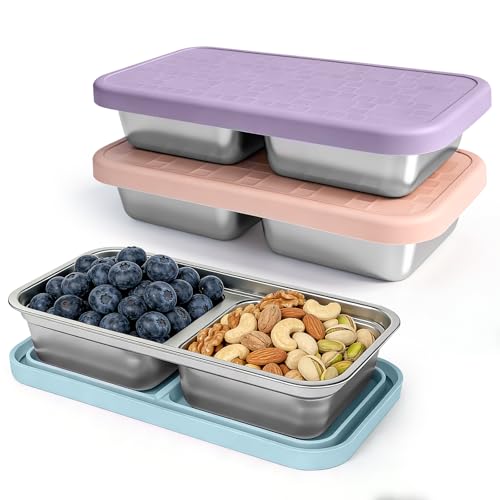
Strengths
- Stainless steel construction
- Easy-open silicone lids
- Two-compartment design
- Dishwasher safe
- Stackable storage
Trade-offs
- Not microwave safe
- Divider not liquid-tight
- Slightly heavier than plastic
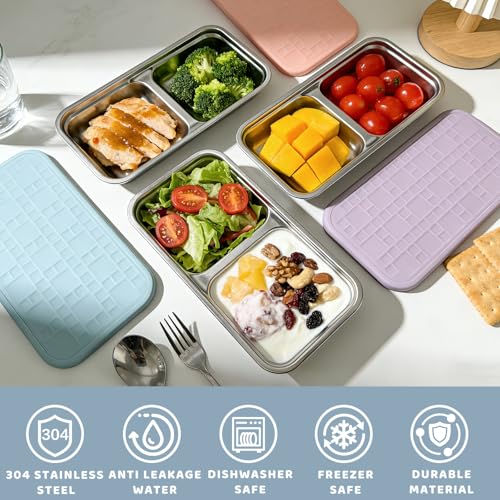
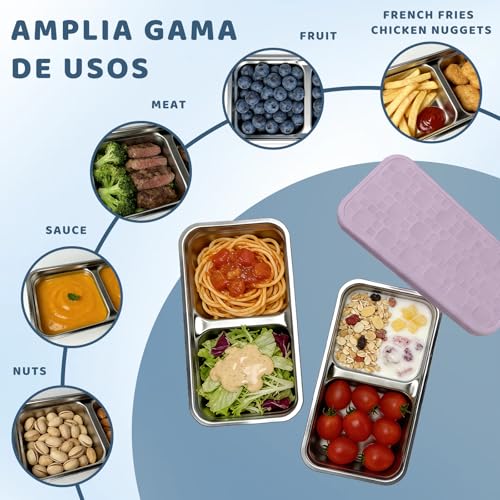
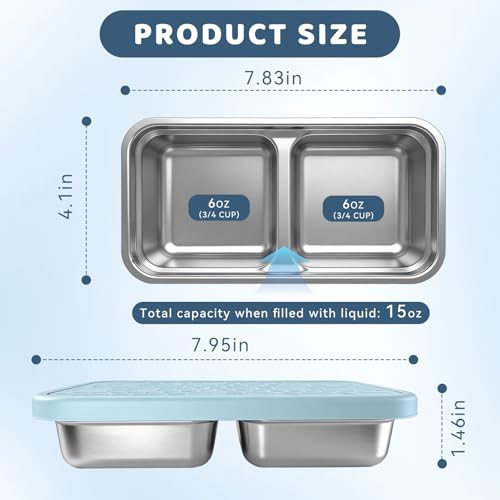
I’ve seen a lot of kids’ lunch containers, and what stands out here is the use of 304 stainless steel, a material I consistently recommend for food safety and longevity. On paper, these containers hit several key points: they’re stain-resistant, odor-resistant, and built to handle daily wear without degrading like plastic can. The 15 oz total capacity with two compartments makes portioning snacks like cheese and crackers straightforward, and owners consistently report that the silicone lids are easy for small hands to manage, which supports independence at lunchtime.
Still, it’s important to clarify that the divider isn’t leakproof, so pairing wet and dry foods requires caution. Reviewers note that while the containers are dishwasher and fridge safe, they shouldn’t be used in the microwave, a limitation with metal, but one worth highlighting for busy parents used to reheating food. Compared to plastic bento boxes, these feel more durable over time, but they’re not as lightweight or impact-resistant as some silicone options. For families prioritizing non-toxic materials and long-term use, these make a strong case.
Product photos
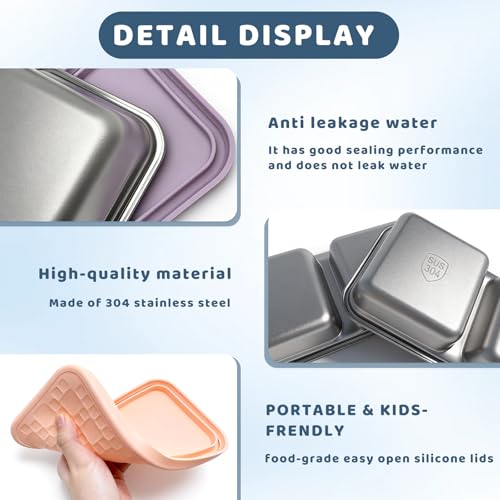
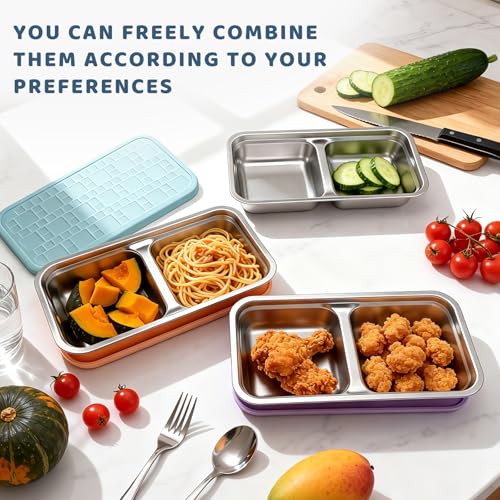
How We Evaluated lunch containers for kids
As someone who spends a lot of time thinking about food storage at Food Keepy, I approached researching lunch containers for kids by looking at a combination of product specifications, owner reviews, and what I know about practical kitchen needs. Rather than a hands-on test, this is a research-led comparison of features and reported experiences. I examined materials, capacity, and design details alongside feedback from parents to understand real-world performance.
For this category, durability and safety were the biggest deciding factors. Kids are tough on everything, so containers must withstand daily use and repeated washing. Equally important is avoiding harmful materials – parents rightly prioritize non-toxic options. Leakproof qualities also ranked highly, because no one wants a soggy lunch bag! I also considered ease of use for small hands, and how well the containers fit into a typical family’s routine.
Specifications give you a baseline for size and materials, but owner reviews revealed a lot about how those specs translate to daily life. I paid close attention to comments about lid security, how easily kids could open them, and whether the containers truly held up over time. While specs confirm stainless steel is robust, feedback tells you if it dents easily or retains odors. For more ideas on keeping lunches fresh, you might want to explore cold lunch tips. You can also find more information on kids bento boxes if you’re looking for more structured lunch solutions.
How To Choose The lunch containers for kids
Choosing the right lunch containers for kids can feel overwhelming, but a few key considerations will help you find options that are both practical and safe.
A quality lunch container needs to be durable enough to withstand daily use (and potential drops!), constructed from safe, non-toxic materials, and easy for small hands to open and close. Leak-proof designs are essential for preventing messy spills, and stackability helps with efficient storage. Consider the portion sizes your child typically eats and choose containers accordingly.
Material Matters Most
The material a lunch container is made from dramatically impacts its safety, durability, and usability. Stainless steel is a fantastic option, and I generally recommend it for its non-reactive properties (it won’t leach flavors or odors) and its resistance to damage. Plastic containers, while often cheaper, can harbor bacteria and may contain BPA or phthalates. Silicone is a good alternative to plastic, offering flexibility and heat resistance, but it’s important to verify it’s food-grade. Look for containers certified by organizations like the CPSC or LFGB (EU standards) to give you peace of mind.
Size & Compartmentalization
Don’t assume bigger is always better when it comes to lunch containers. Consider your child’s appetite and the types of foods you typically pack. Smaller containers are better for younger children or for portion control. Compartmentalization is also a huge benefit.
Here’s what I look for in a well-designed container: * A single, small container (around 8oz) is good for very young toddlers just starting solids. * Containers around 15oz with one or two compartments are versatile enough for a range of snacks and smaller meals. * Larger, multi-compartment containers (20oz+) are ideal for older kids who need a more substantial lunch, especially if you’re packing a main course, sides, and a snack. This helps keep different foods separate and prevents soggy sandwiches.
Ease of Use & Cleaning
Let’s be real: if a lunch container is a pain to clean or your child can’t open it independently, it won’t get used. Dishwasher-safe containers are a huge time-saver. Lids that are easy for little hands to manage are also critical. I frequently recommend checking out snack containers for kids because a secure, yet easily-opened lid is a must-have.
A good rule of thumb: if you have to help your child open the container every day, it’s probably not the right fit. Prioritize designs that foster independence.
If you’re still unsure, exploring a wider range of options for lunch containers can give you more ideas. Ultimately, the best lunch container is one that fits your child’s needs and your lifestyle.
Lunch Containers for Kids Compared
Here’s a comparison of key specifications for popular lunch containers designed for children.
| Product | Capacity | Material | Compartments | Leakproof | Dishwasher Safe |
|---|---|---|---|---|---|
| Tanjiae Stainless Steel Snack Containers | 8oz (230ml) | Stainless Steel | 1 | Yes | Yes |
| Mostdream Stainless Steel Snack Containers | 15oz (443ml) | Stainless Steel | 2 | N/A | Yes |
Frequently Asked Questions
What’s the best way to prevent staining in stainless steel containers?
Stainless steel is generally stain-resistant, but strongly colored foods like tomato sauce can sometimes leave marks. Washing the container promptly after use with warm, soapy water is the best prevention, and a paste of baking soda and water can tackle any lingering discoloration.
Are plastic lunch containers truly unsafe for my child?
While many plastic containers are labeled “BPA-free,” they can still contain other potentially harmful chemicals. I recommend prioritizing stainless steel or food-grade silicone options to avoid any risk of leaching, especially with repeated use and washing.
How many compartments do I really need in a lunch container?
The ideal number of compartments depends on your child’s age and eating habits. For younger children, one or two compartments may be enough, but older kids who like variety often benefit from three or more to keep foods separate and appealing.
What temperature can silicone lunch containers withstand?
Food-grade silicone is quite versatile and can generally withstand temperatures from -40°F to 450°F (-40°C to 232°C). This makes them suitable for both cold lunches and reheating food (though always check the container’s specific instructions).
Where can I find more information on choosing a durable option?
If you’re interested in learning more about long-lasting options, exploring durable steel lunch containers can offer valuable insights into materials and construction quality.
The Bottom Line
Choosing a lunch container often comes down to balancing how much control you want over every detail versus how much fuss you’re willing to tolerate. While many options exist, the Mostdream Stainless Steel Snack Containers strike a great balance of durability, capacity, and ease of cleaning for most kids and families. It’s a reliable workhorse that will likely stand up to years of use.
For those prioritizing budget-friendliness, the Tanjiae Stainless Steel Snack Containers are a fantastic starting point. If you need something specifically for very young children or for packing a variety of small snacks, those are an excellent choice. And for families looking for something to pair with their containers, exploring best insulated lunch boxes for kids can help keep everything fresh.
Ultimately, the most important thing isn’t a specific material or feature, but a container your child can open and close independently and that you feel good about sending to school. Regular cleaning (check out this lunch box cleaning guide) and paying attention to portion sizes will make a bigger difference than any high-tech design.
