
8 Best Mylar Bags for Food Storage 2026
This post contains affiliate links. As an Amazon Associate, we earn from qualifying purchases.
The best overall mylar bags for food storage are the 10pcs 5 Gallon Mylar Bags, thanks to their 10 mil thickness and reliable zipper seals. For a budget-friendly option with great versatility, the 155 Mylar Bags with 155 Absorbers offer excellent value across multiple sizes.
Storing food long-term without waste means more than just sealing it in any bag. Many people end up with stale or compromised food because they choose flimsy mylar bags or skip critical factors like oxygen absorbers and proper thickness. At Food Keepy, I focus on practical solutions that keep ingredients fresh and pantries organized, which is why this guide weighs material quality, usability, and real owner experiences.
These picks are based on a close look at specs, consistent user feedback, and what matters most for food safety, like barrier protection, seal strength, and compatibility with oxygen absorbers. We’re not just listing products, we’re breaking down what actually works for long-term storage.
Top 7 Mylar Bags For Food Storage in the Market
The Best Mylar Bags For Food Storage, Reviewed
15 Mil 5 Gallon Mylar Bags

Strengths
- 15 mil for 5-gallon bags
- Includes oxygen absorbers
- Multiple sizes included
Trade-offs
- Zipper may weaken over time
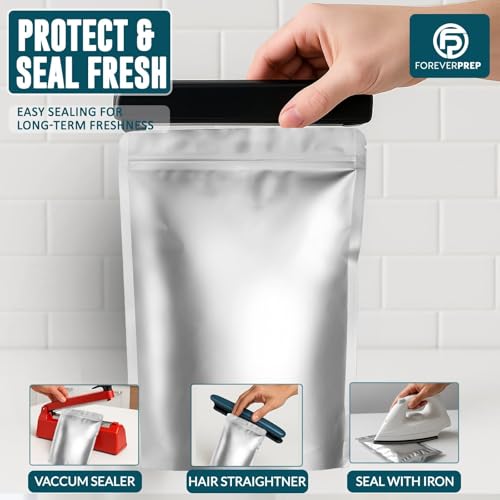
- Heat sealing required for max shelf life
- Bulkier storage footprint
If you’re filling 5-gallon buckets with rice, beans, or wheat, this pack is built for that job. The standout here is the 15 mil thickness on the 5-gallon bags, thicker than most and a real upgrade in puncture resistance. That extra durability matters when storing heavy, sharp-edged grains long-term. The set also includes smaller 1-gallon and quart bags, making it versatile for different batch sizes. Owners appreciate the 2500cc oxygen absorbers, which are appropriately sized for 5-gallon volumes.
The resealable zippers on the larger bags are a nice touch for interim access, but for true long-term storage, heat sealing above the zipper is the way to go. This pack doesn’t skimp on extras: labels and clips are included, and the color-coded sizing helps with organization. Compared to thinner 10 mil options, this is the smarter buy for serious preppers.
Video review
120 Mylar Bags with 150 Absorbers

Strengths
- Four sizes included
- Oxygen absorbers provided
- Labels and clips included
Trade-offs
- No extra-thick options
- Heat sealer not included
- Zippers not for decades-long use
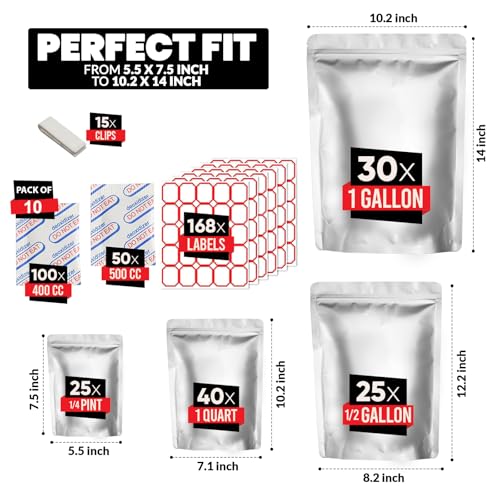
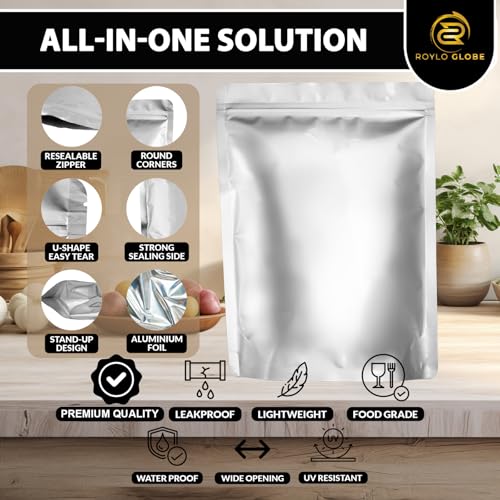
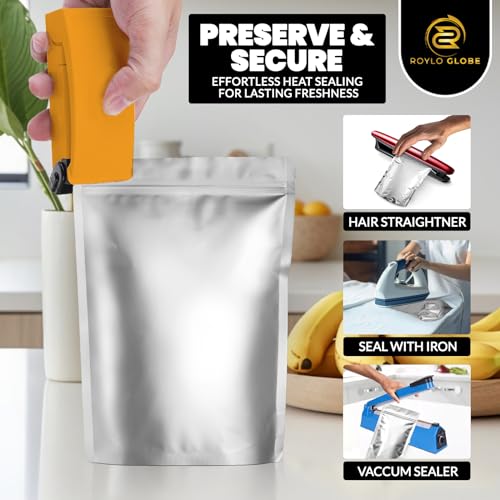
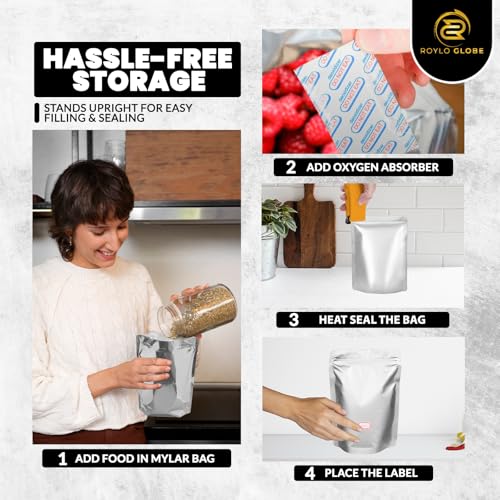
This mid-range pack hits a sweet spot between variety and value. With four sizes, 150 oxygen absorbers, and 168 labels, it’s well-equipped for both pantry organization and longer-term storage. The 10–10.5 mil thickness across sizes is consistent, and the stand-up design with resealable zippers makes these practical for everyday use. Reviewers highlight the ease of writing on the bags for labeling, which is a small but useful feature in a busy kitchen.
Compared to the larger 160-bag pack, this one offers nearly the same features but at a slightly lower volume, ideal if you don’t need massive quantities. The mix of 400cc and 500cc oxygen absorbers aligns well with the bag sizes, which shows attention to detail. While it doesn’t have the heft of the 5-gallon options, it’s more than capable for most household needs.
Product photos
160 Mylar Bags with 160 Absorbers

Strengths
- 160 bags and absorbers
- Four sizes included
- Labels and clips provided
Trade-offs
- No ultra-thick options
- Zippers not for permanent use
- No heat sealer included
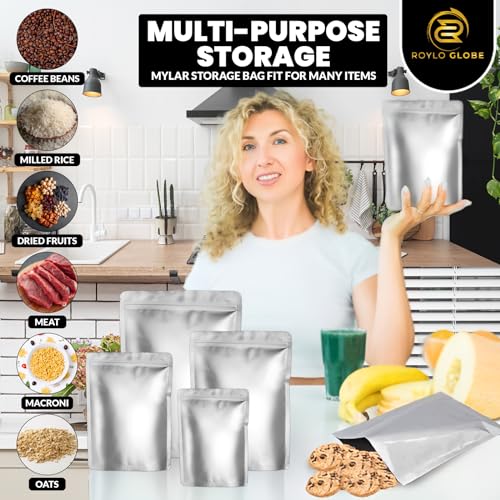
This is the go-to pack if you want maximum quantity with full support accessories. With 160 bags, 160 oxygen absorbers, 196 labels, and clips, it’s the most complete kit on the list. The four sizes offer flexibility, and the 10–10.5 mil thickness holds steady across the range. The triple-layer construction is standard but effective, and owners consistently report success with both zipper use and heat sealing.
What sets this apart is the 1:1 ratio of bags to oxygen absorbers, rare in this category. That means no guesswork or shortages when sealing your batches. The stand-up design and resealable zippers make these practical for both storage and rotation. Compared to the 120-bag kit, this one gives you more without a proportional price jump, making it the better value for high-volume users.
Video review
50Pcs 1 Gallon Mylar Bags
Strengths
- 10.5 mil thickness
- 50 oxygen absorbers included
- BPA-free, food-grade
Trade-offs
- Single size only
- No labels included
- Zipper not for long-term reliance
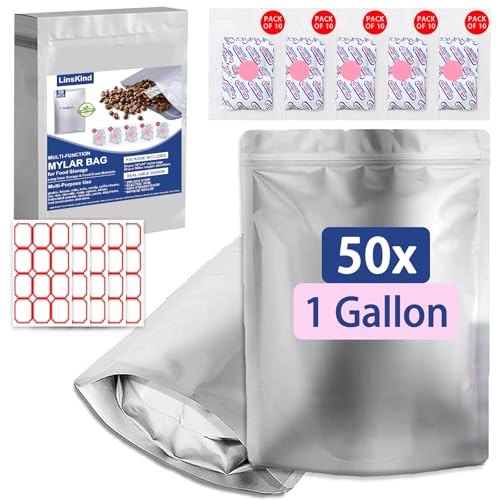
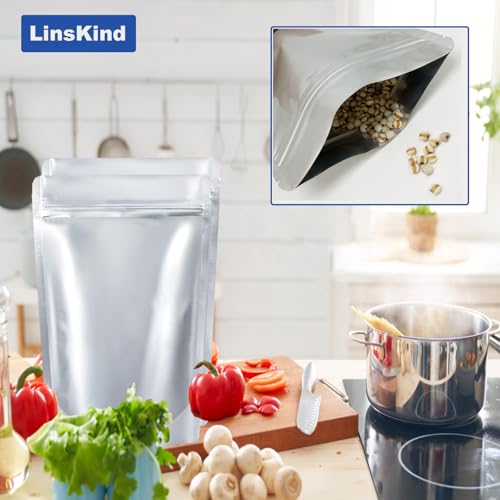
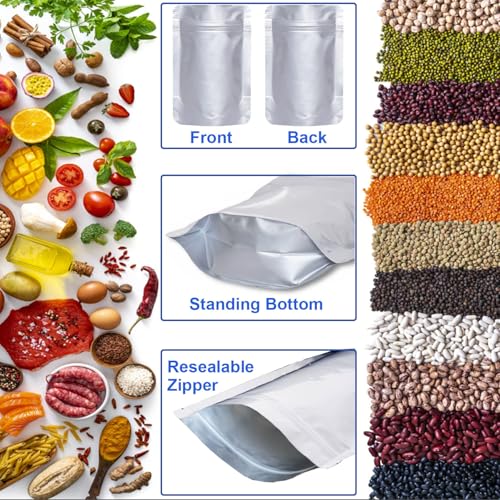
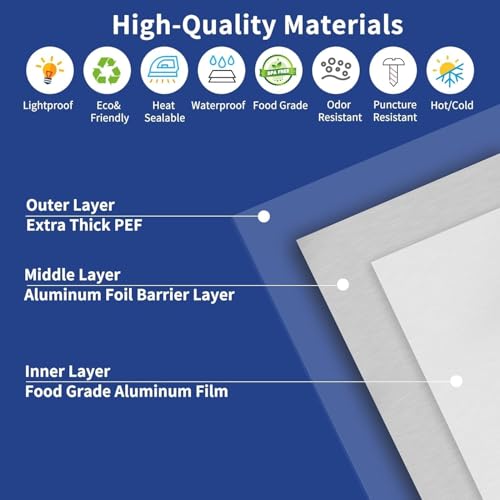
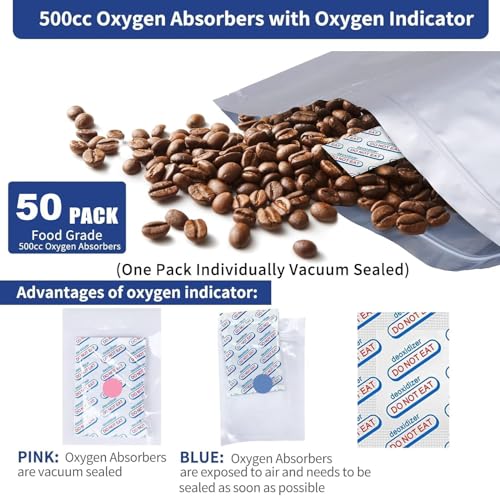
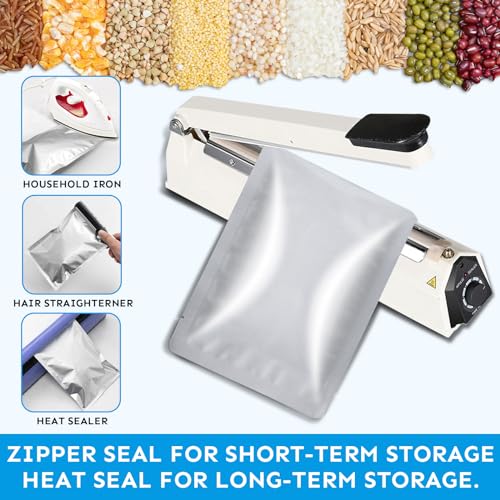
LinsKind’s 1-gallon pack stands out for its 10.5 mil thickness and inclusion of 50 oxygen absorbers, solid specs for the price. The triple-layer, BPA-free material is standard for the category, but the factory’s stated 18-year experience in food preservation adds a layer of credibility. Owners report the ziplocks work well for short-term access, and the bags handle heat sealing cleanly with a household iron or sealer.
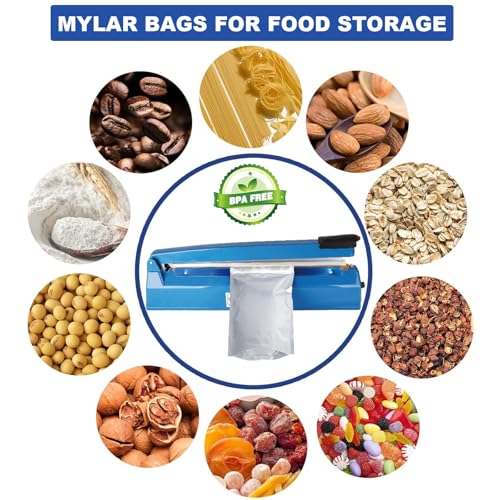
What makes this pack compelling is its focus: it’s not trying to do everything, just deliver a high-volume set of reliable 1-gallon bags. That makes it ideal for someone stocking up on staples like oats, pasta, or lentils. Compared to multi-size kits, this is more efficient if you already know your storage workflow. The claim of ’20+ year shelf life’ is optimistic on paper, but only holds if heat-sealed properly and stored in stable conditions.
Product photos
50pcs 1 Quart Mylar Bags

Strengths
- 10 mil thickness
- Resealable zipper
- Stand-up design
Trade-offs
- No oxygen absorbers
- Limited to small portions
- Single size only
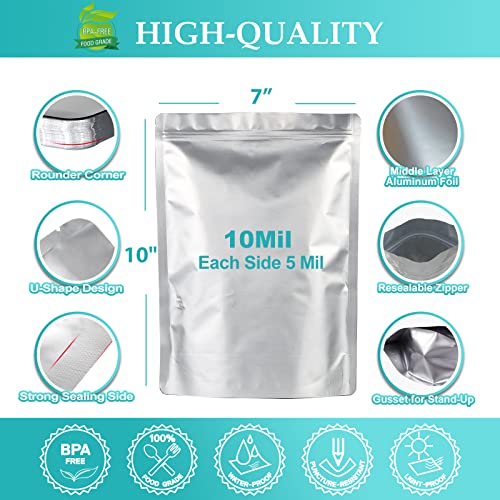
These 1-quart SHXWELL bags are a solid pick for portioning smaller dry goods like spices, dehydrated meals, or coffee beans. The 10 mil thickness is respectable for this size, and the triple-layer construction with aluminum foil helps block light, moisture, and oxygen, key factors in long-term freshness. Owners consistently report that the resealable zipper holds up well for repeated access, which makes these practical for items you use frequently but still want to protect from ambient air.
The stand-up design is a small but meaningful detail, especially if you’re storing them on pantry shelves. While they don’t include oxygen absorbers, that’s expected at this price point. For those building a storage system gradually, this pack offers a reliable starting point without overspending.
Product photos

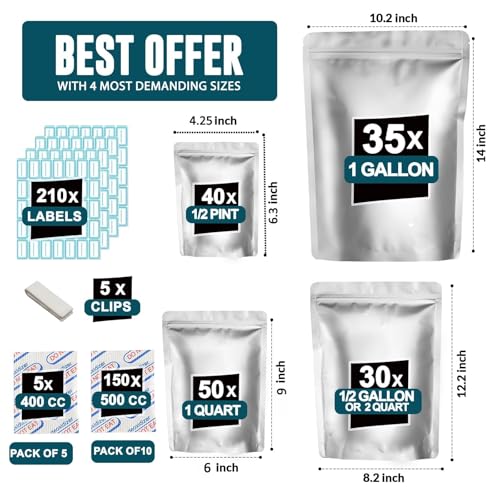
155 Mylar Bags with 155 Absorbers
Strengths
- Four bag sizes
- Includes oxygen absorbers
- Labels and clips included
Trade-offs
- Smaller bags less durable
- No heat sealer included
- Zipper not foolproof
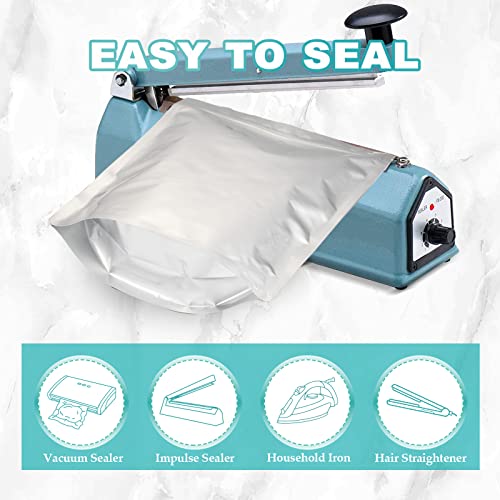
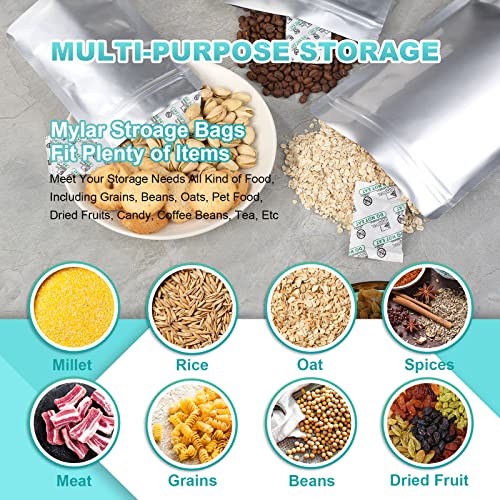
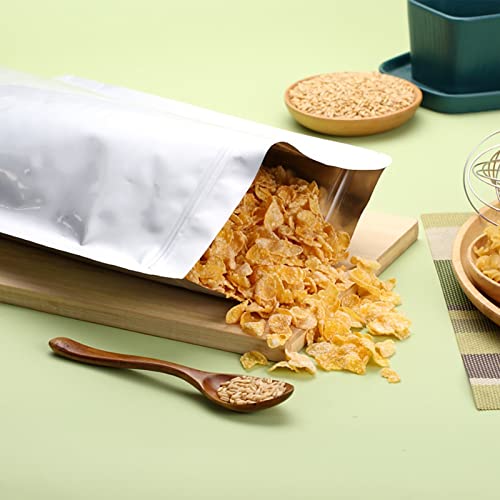
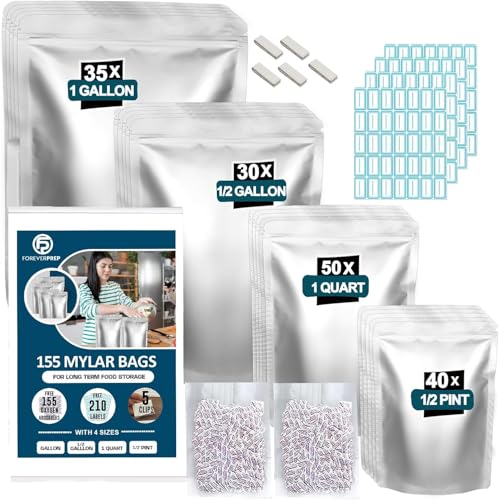
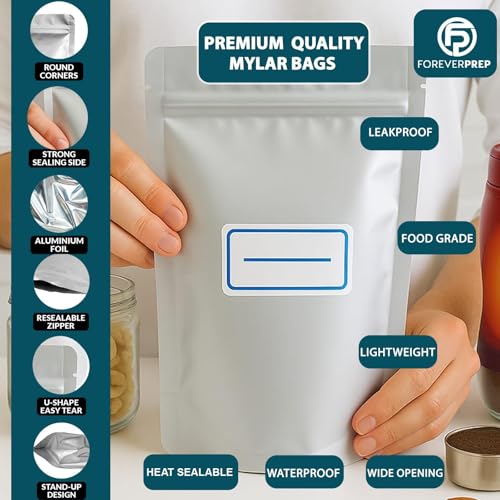
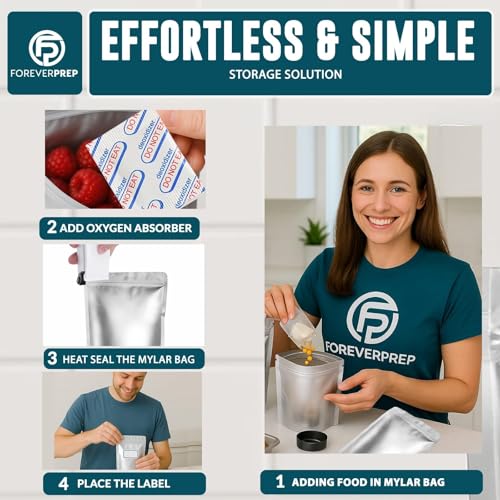
This kit delivers serious value for anyone starting out with food storage or looking to organize a range of dry goods. With four sizes, 155 oxygen absorbers, labels, and clips, it’s one of the more complete starter packs available. The 10–10.5 mil thickness across most sizes is standard but effective, and the triple-layer (PET/foil/PE) build is consistent with what you’d expect from quality mylar. Reviewers note the zipper seals are sturdy, though not indestructible, fine for pantry rotation, less so for decades-long storage without heat sealing.
I’d pick this over basic single-size packs if you want flexibility. The inclusion of both 400cc and 500cc oxygen absorbers matches well with the bag sizes, which shows thoughtful packaging. Some owners mention the smaller bags feel a bit flimsy, but overall, the balance of quantity, accessories, and price makes this a smart buy.
Product photos
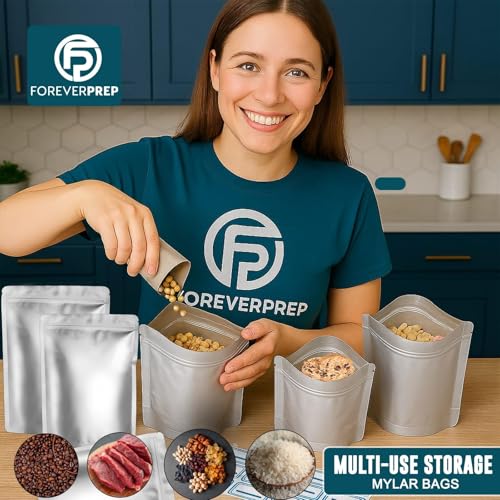
30PCS 2 Gallon Mylar Bags
Strengths
- 2-gallon ideal size
- Resealable with V-notch
- Writable surface
Trade-offs
- Only one size offered
- Absorbers on the small side
- Not for ultra-long-term storage
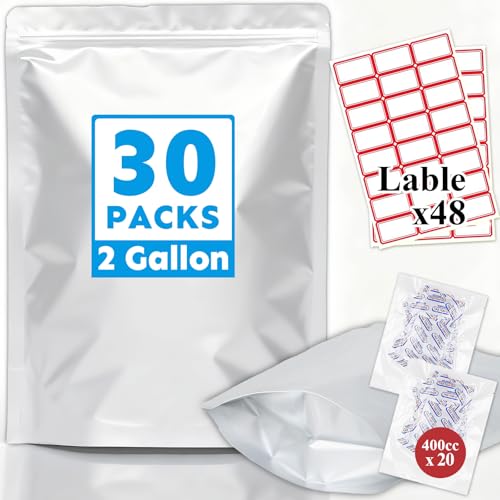
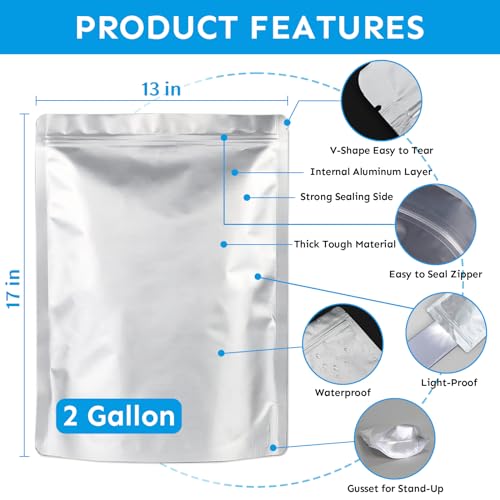
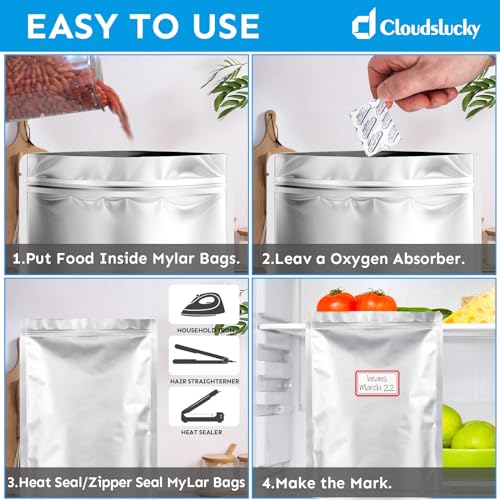
The Cloudslucky 2-gallon bags fill a niche many kits miss: medium-large storage that’s still manageable on pantry shelves. At 10 mil thick with a triple-layer build, they offer solid protection against moisture, light, and oxygen, especially when paired with the included 400cc oxygen absorbers. The stand-up design and V-notch zipper make these easy to fill and access, which is a plus for meal preppers or those packing camping supplies.
Owners like that the bags are writable, making labeling simple without extra tape or tags. The 30-bag count is generous, and the inclusion of 48 labels and 20 absorbers adds real utility. While not as heavy-duty as the 15 mil 5-gallon bags, these are more practical for frequent use. I’d recommend these over quart-sized packs if you’re storing family-sized batches of rice or dehydrated meals.
Product photos

How We Evaluated mylar bags for food storage
Rather than a hands-on lab test, my research for these recommendations focused on a detailed comparison of published specifications and features across numerous mylar bag options. I weighed owner reviews from multiple sources – looking for consistent feedback on durability and seal quality – alongside expert opinions from food storage and prepping communities. As someone dedicated to practical food preservation techniques at Food Keepy, I applied my understanding of what contributes to long-term food safety and quality when evaluating each product.
For mylar bags, thickness and seal integrity are paramount. I prioritized bags with a mil thickness of 7.5 or higher, as this provides a stronger barrier against oxygen, moisture, and light. Equally important was the presence of a reliable seal, whether a sturdy zipper or suitability for heat sealing. A good oxygen absorber inclusion rate was also heavily weighted, as these are essential for maximizing shelf life. You’ll find that many rely on a combination of a good seal and a mylar bag vacuum sealers to achieve optimal preservation.
Product specifications reliably indicate material composition and thickness. However, I found owner feedback to be crucial for assessing real-world durability and the effectiveness of the zipper seals. Reputable sources often discuss how well a bag holds up to repeated use and whether it’s truly puncture-resistant. While specs tell you what a bag is made of, reviews reveal how it performs over time, and whether it’s a suitable alternative to reusable food storage bags for certain applications.
Choosing The Right mylar bags for food storage
Choosing the right mylar bags requires a bit more thought than simply grabbing the cheapest option. We need to consider the specific items you plan to store, how long you want to store them, and the overall quality of the bag itself to ensure your food remains safe and fresh.
Quality mylar bags are constructed with a multi-layered structure – typically PET, aluminum foil, and PE – offering a barrier against light, oxygen, and moisture. Thickness, measured in mils, is a key indicator of durability and puncture resistance. Look for bags with a resealable zipper for convenience and consider the inclusion of oxygen absorbers for extended shelf life. Finally, assess the bag’s size and quantity to match your storage needs.
Thickness and Material Quality
The thickness of a mylar bag, measured in mils, directly impacts its durability. Thinner bags (around 5 mil) are fine for short-term storage of dry goods, but for genuinely long-term storage, you’ll want something thicker – 7 mil or greater. Many bags advertise a “total” thickness, which includes both sides of the material, so pay attention to the per-side measurement. Beyond thickness, the quality of the materials matters. A robust combination of PET, aluminum foil, and PE provides the best barrier against oxygen and moisture. I’ve noticed that some brands skimp on the quality of the aluminum foil layer, which diminishes the bag’s protective capabilities.
Oxygen Absorber Compatibility & Quantity
Mylar bags aren’t magic; they slow down degradation, but oxygen absorbers are crucial for long-term food preservation. Many kits include these, which is convenient, but the amount included is important. The size of the absorber (measured in cc) needs to match the volume of the bag – too small, and it won’t be effective. The bags from 120 Mylar Bags with 150 Absorbers offer a good variety of absorber sizes, recognizing that different food volumes require different levels of oxygen removal. Don’t assume more is always better; overdoing absorbers won’t harm the food, but it’s a waste of money.
Size, Quantity, and Usability
Consider what you’re storing and how much of it. A large 5-gallon bucket bag is great for rice or beans, but overkill for spices. Variety packs, like those offered by 155 Mylar Bags with 155 Absorbers, are excellent if you need to store a range of items in different quantities. Beyond size, usability is key. Features like stand-up bottoms make organization easier, and a reliable zipper seal is essential for frequent access. If you’re serious about long-term storage, you’ll also want to consider how easily the bag can be heat-sealed. For those looking for options beyond mylar, exploring other long-term food storage containers can provide additional security and organization.
A good rule of thumb: if you’re storing food for more than six months, always include an oxygen absorber and consider heat-sealing the bag after initial sealing.
For everyday items that require freshness, you might also consider bread storage bags to keep your loaves soft and delicious.
Mylar Bags for Food Storage Compared
Here’s a comparison of key specifications for various mylar bags designed for food storage.
| Product Title | Size (Gallons) | Thickness (Mil) | Oxygen Absorbers Included | Quantity | Zipper Seal |
|---|---|---|---|---|---|
| 10pcs 5 Gallon Mylar Bags | 5 | 10 (5/5) | 2500cc x 10 | 10 | Yes |
| 15 Mil 5 Gallon Mylar Bags | 5 | 15 | No | 5 + 20 (1 Gallon) + 30 (Quart) | Yes |
| 120 Mylar Bags with 150 Absorbers | Varies (1/4 Pint – 1 Gallon) | 8.5-10 | 400cc x 100, 500cc x 50 | 120 | Yes |
| 160 Mylar Bags with 160 Absorbers | Varies (1/2 Pint – 1 Gallon) | 8.5-10.5 | 400cc x 150, 500cc x 10 | 160 | Yes |
| 50Pcs 1 Gallon Mylar Bags | 1 | 10.5 | 500cc x 50 | 50 | Yes |
| 50pcs 1 Quart Mylar Bags | 1 Quart | 10 | N/A | 50 | Yes |
| 155 Mylar Bags with 155 Absorbers | Varies (1/2 Pint – 1 Gallon) | 8.5-10.5 | 400cc x 5, 500cc x 150 | 155 | Yes |
| 30PCS 2 Gallon Mylar Bags | 2 | 10 (5/5) | 400cc x 20 | 30 | Yes |
Frequently Asked Questions
What’s the difference between a 5-mil and a 10-mil mylar bag?
A 10-mil bag is twice as thick as a 5-mil bag, offering significantly greater resistance to punctures and tears. This added durability is particularly important for long-term storage or when storing heavier items.
Can I reuse mylar bags after opening them?
Yes, you can reuse mylar bags, but the seal’s integrity will be compromised after the initial opening. For continued protection, especially for long-term storage, consider heat-sealing the bag again after re-closing the zipper, or explore reusable vacuum seal bags for food for a more reliable, reusable option.
Are oxygen absorbers safe for all types of food?
Generally, yes, oxygen absorbers are safe, but they aren’t ideal for everything. They shouldn’t be used with foods that naturally release gases, like freshly baked goods, as the absorber will be depleted without benefiting the food.
What if my mylar bag doesn’t come with oxygen absorbers?
You can purchase oxygen absorbers separately, ensuring you select the correct size (cc) for the volume of food in the bag. It’s a small additional expense, but crucial for maximizing the effectiveness of your long-term food storage efforts.
Are there alternatives to mylar bags for long-term food storage?
Yes, while mylar bags are effective, there are other options. If you’re looking to minimize plastic use, you might consider non-plastic food storage solutions like glass jars or stainless steel containers, though they require different preservation techniques.
The Bottom Line
Choosing mylar bags ultimately comes down to balancing upfront cost with the level of long-term protection you need. While many options exist, the 120 Mylar Bags with 150 Absorbers strike the best balance of quality, variety, and included oxygen absorbers, making them our overall recommendation for most people.
For those on a tighter budget, or just starting to build a food storage supply, the 10pcs 5 Gallon Mylar Bags provide a solid, basic level of protection. If you prioritize versatility and want a range of sizes to handle everything from spices to bulk grains, the 155 Mylar Bags with 155 Absorbers is an excellent choice. Understanding how to use oxygen absorbers for storage is crucial for maximizing your bag’s effectiveness.
Ultimately, the thickness of the mylar and the quality of the seal matter far more than any fancy feature. Don’t get lost in the details; focus on bags with a mil thickness of 7.5 or higher and a reliable closure. Supplementing your mylar bags with other food storage containers can create a robust, organized system, but a good mylar bag remains the cornerstone of long-term preservation.
