
8 Best Bread Storage Bags of 2026
This post contains affiliate links. As an Amazon Associate, we earn from qualifying purchases.
The best bread storage bags we’ve found are the GRIN BY GRIN Reusable Zipper Bread Bags for their smart design and durability, with the Tripho 100 Pcs Extra Thick Bread Bags as a solid, no-fuss budget pick. If you prefer natural materials, the 2 Pack Beeswax Bread Bags Reusable offer good breathability and eco-friendly function.
Keeping bread fresh without killing the crust or inviting mold is harder than it looks. Too much moisture and your loaf turns gummy. Too much airflow and it dries out by afternoon. As someone who’s spent years testing food storage solutions, I know the right bag makes all the difference.
This guide cuts through the noise. I compared materials, closures, and real owner feedback to find bags that actually work, whether you bake sourdough weekly or just want sandwich bread to last.
Top 8 Bread Storage Bags in the Market
The Best Bread Storage Bags, Reviewed
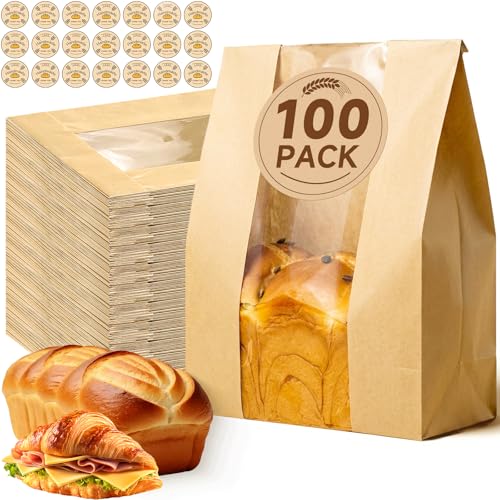
Tripho 100 Pcs Extra Thick Bread Bags
Strengths
- Clear window
- Thick, tear-resistant
- BPA and PFAs free
Trade-offs
- Disposable only
- Not breathable
- Limited eco appeal
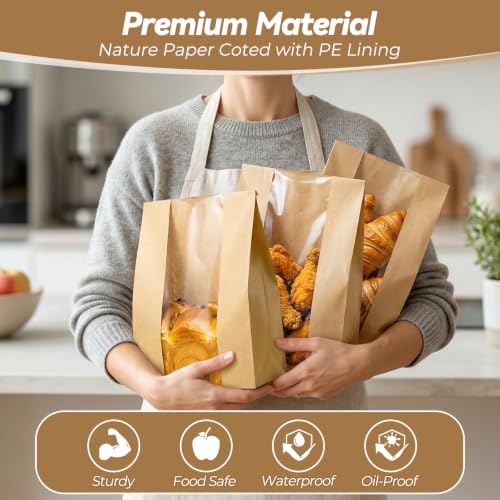
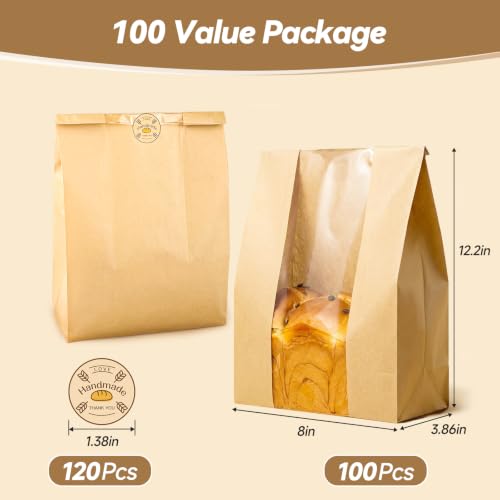
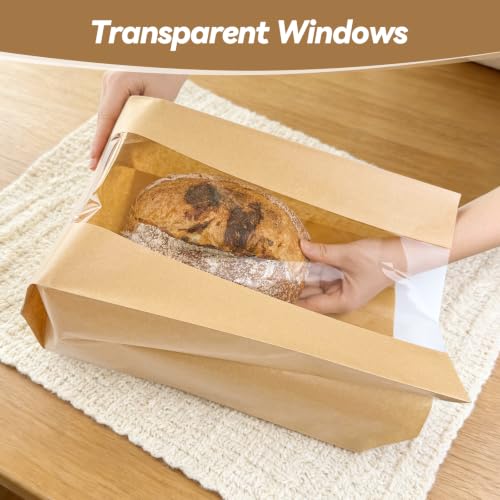
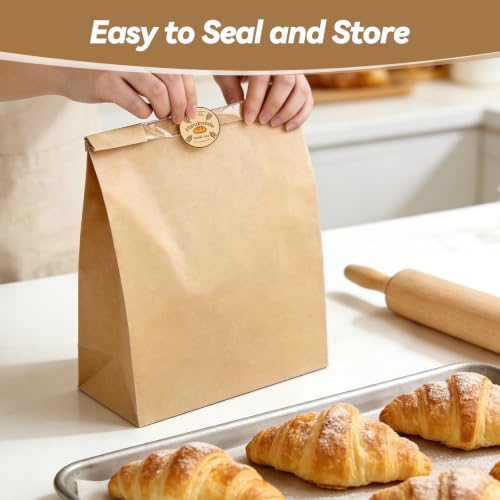
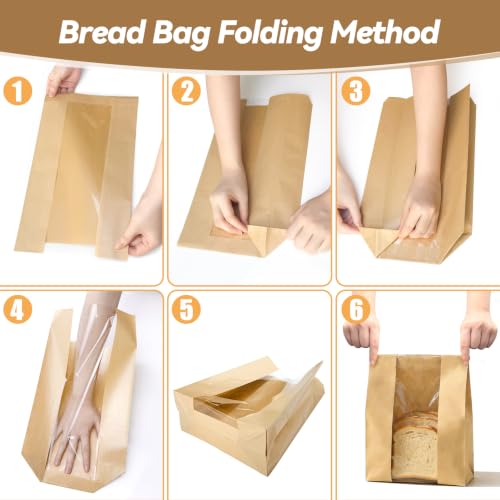
If you’re looking for disposable bags that actually perform, these are the best overall in that category. The thick wood pulp paper with PE coating keeps moisture and oil at bay, and the clear window makes it easy to identify contents, something many reusable bags can’t offer. The 100-pack with 120 stickers is great for bakers who sell goods or host gatherings.
They’re not reusable, but they’re sturdy and food-safe, with no BPA or PFAs. Owners say they hold up well even with warm bread, as long as it’s not overly moist. For everyday home use, I’d lean reusable, but for sharing, gifting, or short-term storage, these hit the sweet spot.
Product photos
2 Pack Beeswax Bread Bags Reusable
Strengths
- Low cost
- Natural materials
- Simple design
Trade-offs
- No zipper
- Fold-top only
- Less durable over time
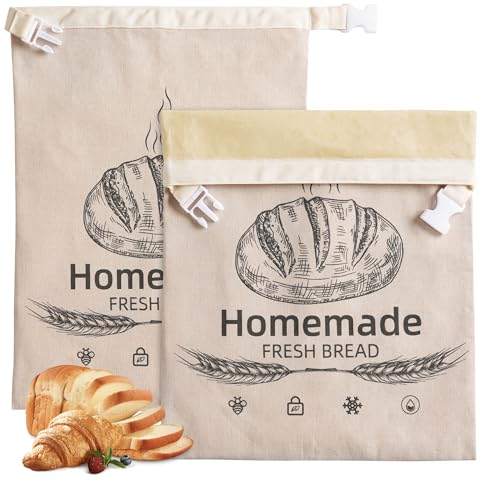
This is the most basic beeswax bag in the lineup, simple, functional, and affordable. It does the job: keeps bread soft, uses natural beeswax and linen, and fits standard loaves. The buckle handle adds a touch of convenience for carrying, and the 17 x 12.6 inch size is roomy enough for most sourdough rounds.
But it lacks a zipper, relying solely on folding the top, which means the seal isn’t as tight. Owners say it works fine for short-term storage but isn’t as reliable in humid environments. Compared to others, it’s a no-frills option, good for beginners or occasional bakers who don’t want to over-invest.
Video review
Premium Beeswax Bread Bags with Zipper
Strengths
- Organic cotton linen
- Wide zipper access
- Freezer and fridge safe
Trade-offs
- Higher price point
- Hand wipe only
- Odor at first use
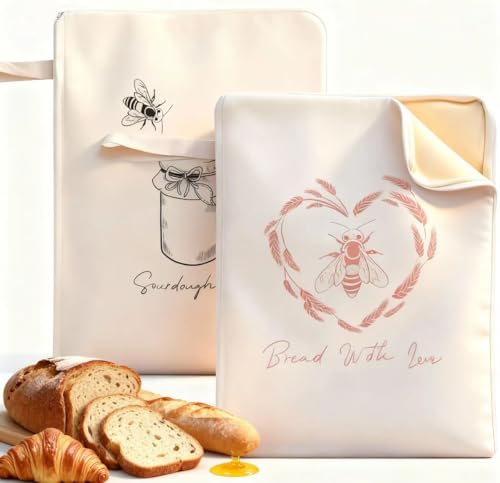
The organic cotton and linen construction here is top-tier for natural materials, and the wide zipper makes access easier than most beeswax models. Owners praise how well it preserves crust texture, crispy outside, soft inside, thanks to balanced breathability. The zipper seal is effective without crushing the loaf, which is a common complaint with tighter closures.
It’s also freezer-safe, and the built-in buckle doubles as a shopping handle, adding versatility. Some note a slight beeswax odor at first, but it fades quickly. While it’s one of the pricier options, the material quality justifies it for those serious about natural storage.
Video review
Amazon Basics Twist Tie Storage Bags
Strengths
- Very low cost
- Twist tie convenience
- Responsible forestry materials
Trade-offs
- Thin plastic
- Not reusable
- Poor breathability
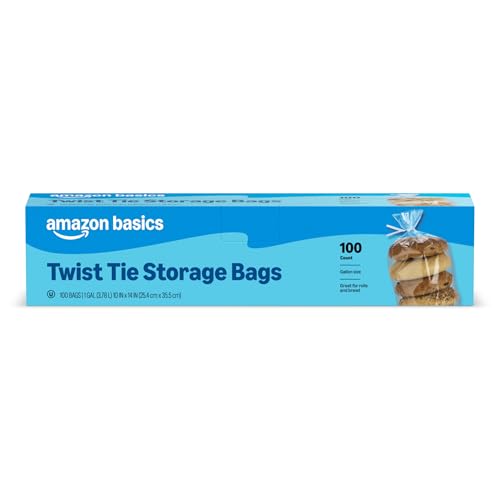
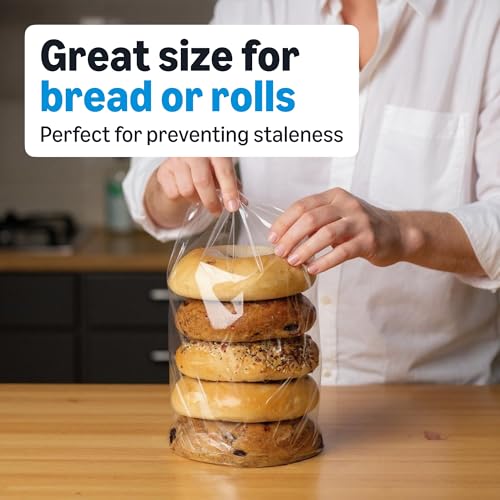
These are the cheapest option by far, and they do exactly what they promise, keep bread sealed with a simple twist tie. At 10×14 inches, they’re best for smaller loaves or rolls, not oversized sourdoughs. The plastic is thin but sufficient for short-term fridge or pantry storage.
They’re not reusable, and they offer no breathability, so bread can get clammy if stored too long. But for occasional use, say, storing a store-bought loaf or freezing rolls, they get the job done without waste guilt, since they’re made from responsibly sourced materials.
Product photos



GRIN BY GRIN Reusable Zipper Bread Bags
Strengths
- Double-lock seal
- Machine washable
- Made from recycled materials
Trade-offs
- Synthetic feel
- No breathability
- Not compostable
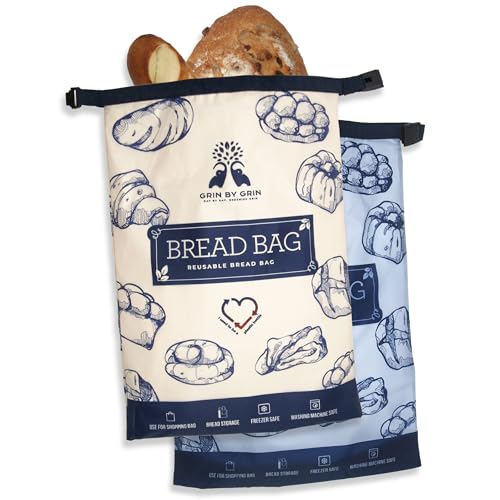
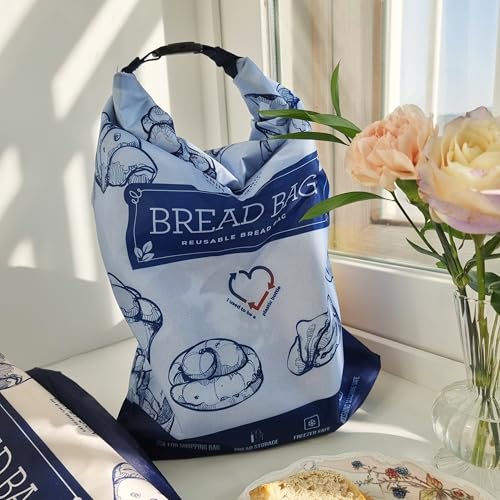
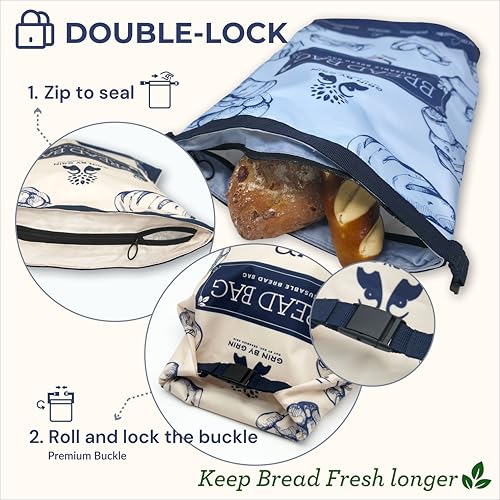
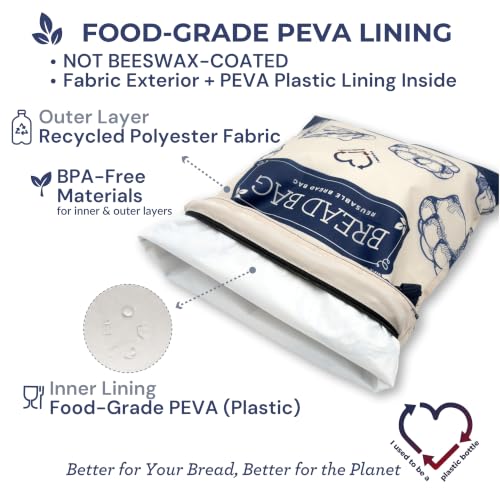
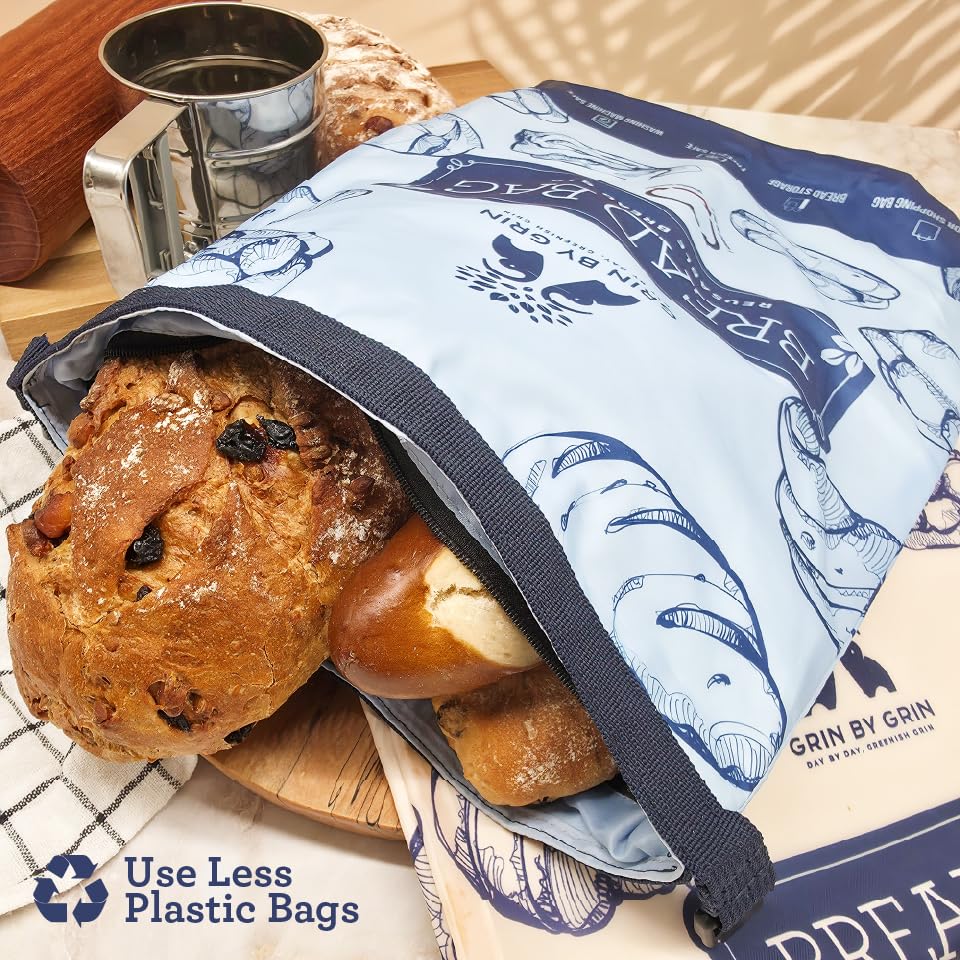
The double-lock system, zipper plus buckle, on these GRIN bags stands out on paper as a smart way to lock in freshness, and owners consistently report bread staying soft for days. The recycled polyester build feels durable, and the food-grade inner lining adds a layer of safety for long-term storage, including freezer use. While not made with natural materials like beeswax, the design leans into practicality and reusability.
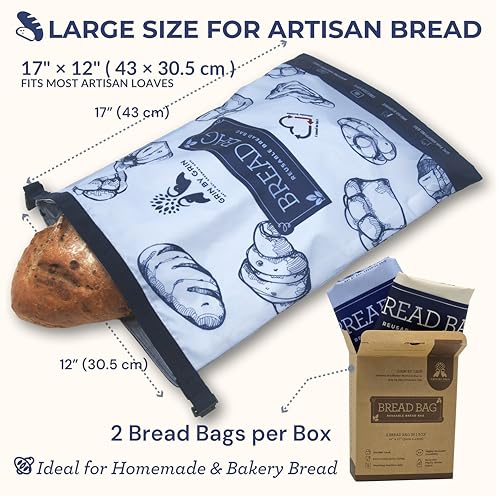
Reviewers note they’re especially effective for sourdough and large artisan loaves, thanks to the 12×17 inch size. The machine-washable feature is a big plus over beeswax models that require hand cleaning. That said, the plastic-like feel might not appeal to those seeking a more natural storage vibe.
Product photos
Reusable Plastic Bread Bags 100 Pack

Strengths
- 100-pack value
- Clear for visibility
- BPA-free and reusable
Trade-offs
- Still plastic
- Ties can break
- Not compostable
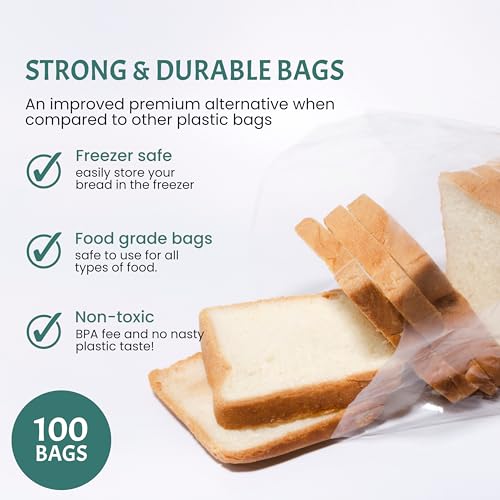
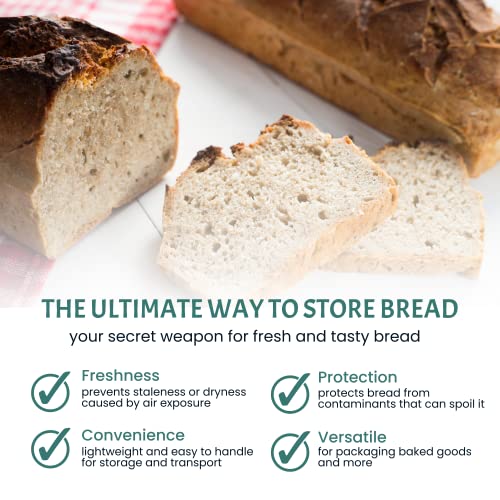
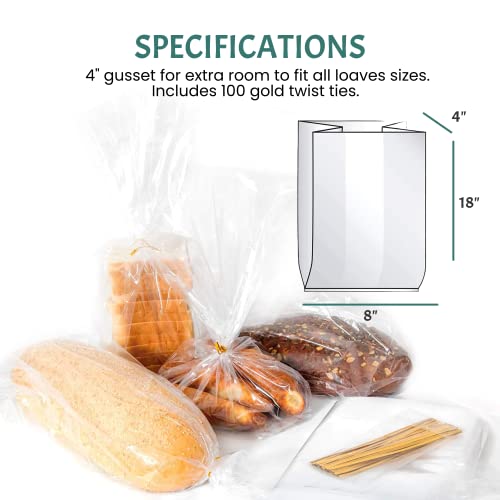
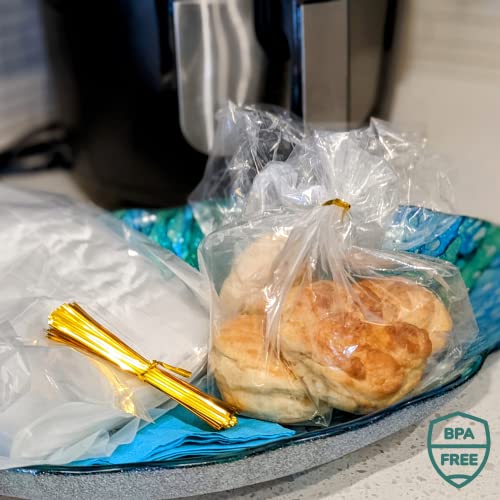
With 100 clear plastic bags and gold twist ties, this pack offers excellent value for bakers who go through a lot of storage bags. The low-density polyethylene is reusable and lets you see the bread inside, which helps spot mold early. The 8x4x18 inch size fits standard loaves well, and the BPA-free material feels sturdier than basic grocery bags.
Owners say they last through multiple uses if wiped down, though they’re not dishwasher-safe. They’re not eco-friendly like fabric options, but for home bakers who bake weekly and want something affordable and semi-reusable, this is a smart middle ground.
Product photos

2 Pack Premium Beeswax Bread Bags
Strengths
- Natural beeswax coating
- Breathable cotton fabric
- Reusable and compostable
Trade-offs
- Hand wash only
- No zipper closure
- Limited moisture control
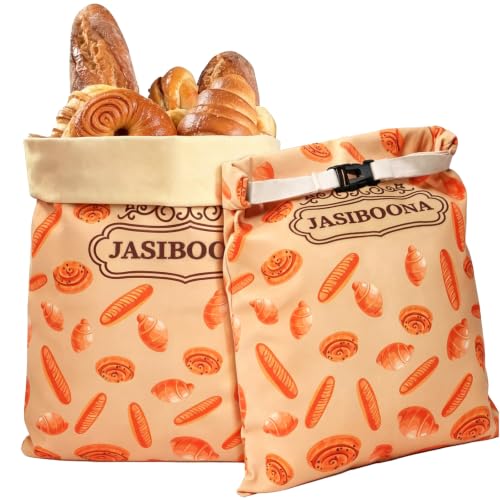
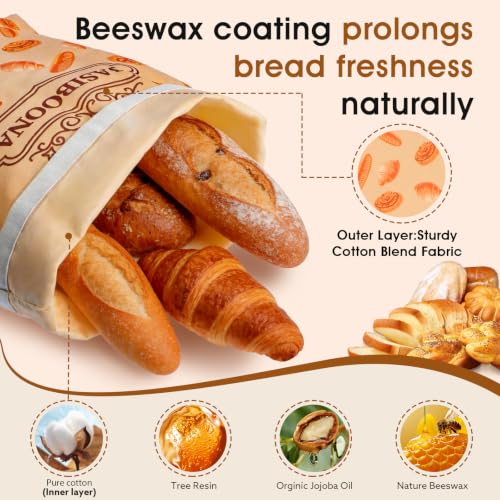
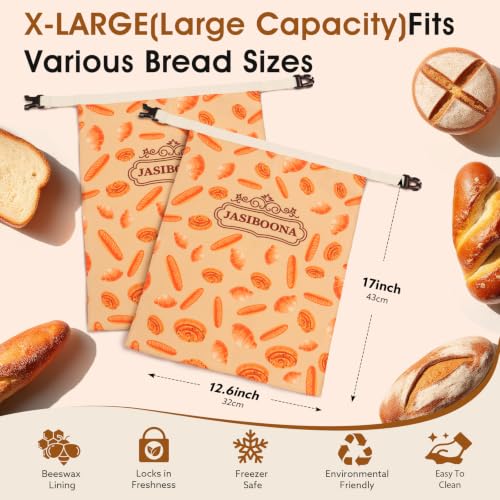
These beeswax-coated cotton bags offer the kind of natural freshness preservation I often recommend for sourdough lovers. The 12.6 x 17 inch size fits most large loaves, and the cotton-beeswax-pine resin blend creates a micro-environment that keeps crusty bread from going stale too fast. Owners report bread staying fresh for up to three days at room temperature, which aligns with what I’ve seen in this category.
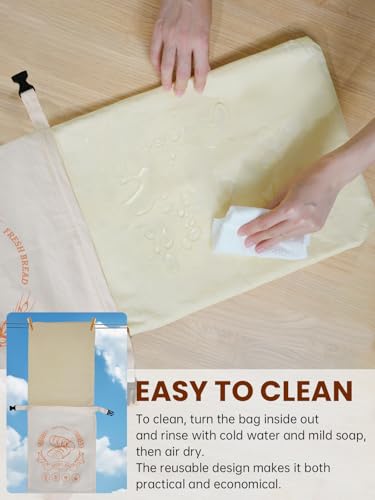
Cleaning is straightforward, cold water, mild soap, air dry, but you can’t toss them in the washer. The fold-top design works well but doesn’t seal as tightly as zippered options. Still, for those prioritizing eco-friendly materials and a traditional feel, this is a solid pick.
Product photos
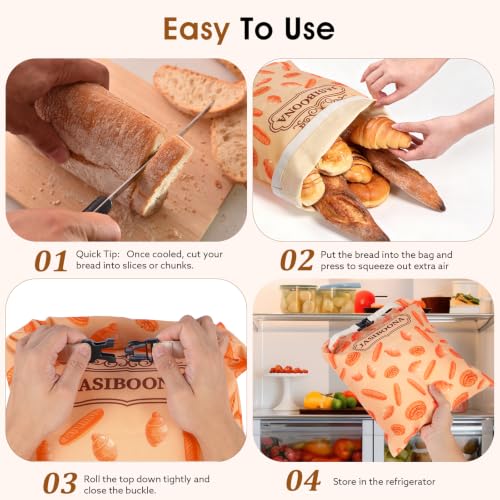

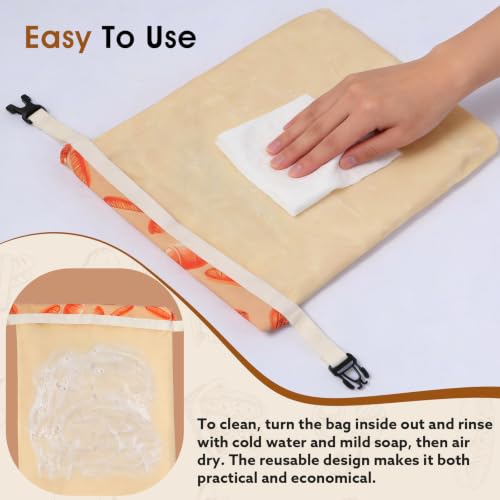
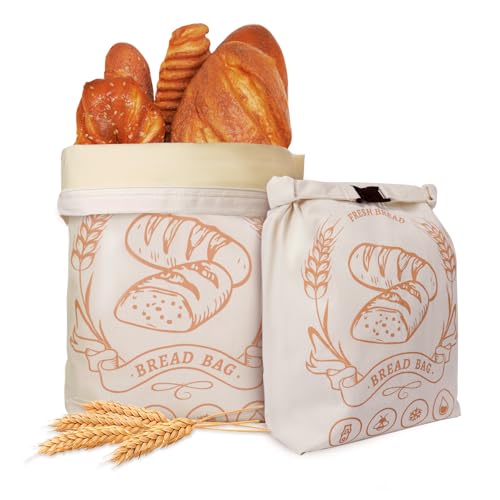
2 Pack Beeswax Bags with Zipper
Strengths
- Pull-out liner for cleaning
- Zippered closure
- Breathable cotton shell
Trade-offs
- Liner may degrade over time
- Higher price
- Limited color options
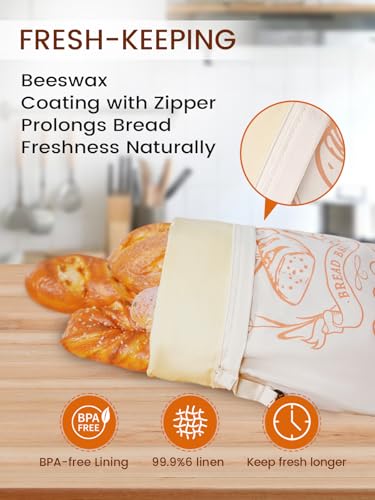
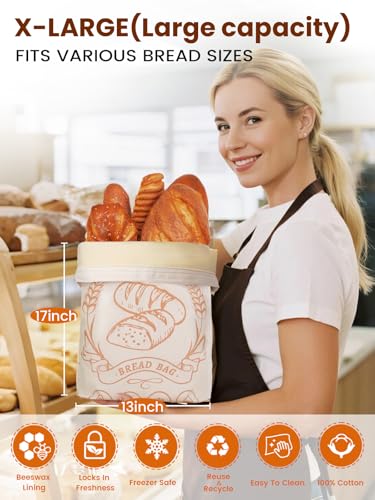
The standout here is the pull-out beeswax liner, brilliant for cleaning. Most beeswax bags are a hassle to clean thoroughly, but being able to remove the liner makes maintenance far easier, and owners appreciate that. The zipper adds a level of seal not found in fold-top models, which helps in keeping moisture balanced.
At 13×17 inches, it fits large loaves comfortably, and the breathable cotton outer shell helps prevent sogginess. However, the off-white color may show stains over time, and the beeswax coating will eventually wear with frequent use. Still, for those who hate sticky crumbs trapped in fabric, this design solves a real pain point.
Product photos

How We Tested bread storage bags
I approached this guide by researching the specifications and features of numerous bread storage bags currently available. Rather than a hands-on lab test, this is a research-led comparison of stated materials, sizes, and closure types, weighed against owner reviews and expert opinions from baking and food storage sites. I looked at a wide range of options, from reusable plastic to beeswax-coated linen, and considered both short-term and long-term storage needs.
For bread storage, the most important factors are how well a bag maintains moisture without causing sogginess, and how easily it can be sealed to prevent staling. I prioritized bags that offered a good balance of breathability and a secure closure – whether that’s a twist tie, zipper, or the natural stickiness of beeswax. Beyond that, durability and ease of cleaning played a significant role in my rankings, as a bag that falls apart quickly isn’t useful regardless of its initial freshness-preserving abilities. You’ll find more information on choosing the right option in our guide to best bread bags for freshness.
Specifications reliably tell you about bag size and materials, which impacts breathability and whether it’s suitable for different loaf shapes. However, owner feedback was crucial for understanding real-world performance. I paid close attention to comments about how well bags actually kept bread fresh, how easy they were to clean, and their overall durability. Reputation and consistency of positive reviews were key indicators; I also considered insights from dedicated resources like our article on sourdough bread bags. Ultimately, I aimed to identify the bags that consistently delivered on their promises and offered the best value for bakers and bread lovers seeking reliable reusable bread storage bags.
How To Pick The Right bread storage bags
Finding the right way to keep your bread fresh is a surprisingly complex issue.
Good bread storage balances moisture retention with airflow. The ideal bag prevents drying while avoiding a soggy crust. Look for food-safe materials that won’t impart off-flavors and consider whether reusability and ease of cleaning are priorities. Breathability is key; truly airtight containers can actually accelerate mold growth.
Material Matters Most
The material a bag is made from dictates its performance, and options range widely. Paper, particularly unbleached wood pulp like you’ll find in the Tripho bags, is a classic for a reason; it breathes and is disposable. However, it offers limited protection against crushing. Beeswax-coated bags, like those from Beeswax Bags, represent a more sustainable approach, but require a bit more care. I’ve seen many people struggle with cleaning beeswax coatings properly, so consider that if convenience is paramount. Finally, plastic options, like the Amazon Basics bags, are the most affordable and water-resistant but don’t offer the same eco-friendly benefits.
Closure Type & Airflow Control
How a bag closes significantly affects how well it preserves bread. Simple twist ties, as seen on the Amazon Basics bags, are convenient but don’t create a particularly tight seal. Zipper closures, like those found on the GRIN BY GRIN bags, offer a more secure closure and better moisture control. However, truly airtight zippers can trap too much moisture, potentially leading to a soggy crust. A balance is ideal. Here’s what I look for:
- A simple twist tie is fine for short-term storage (a day or two).
- A zipper is good for slightly longer storage (3-5 days) and travel.
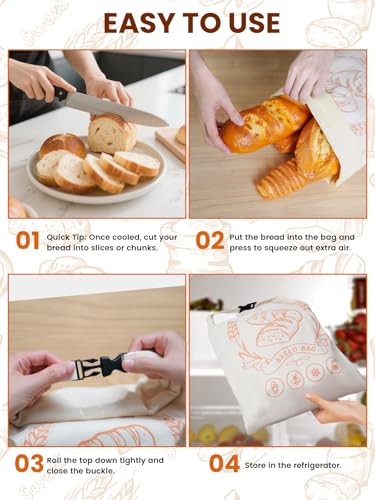
- A combination of a zipper and a buckle (like on the GRIN BY GRIN bags) offers the best of both worlds – a secure seal with some ability to adjust airflow.
A little bit of airflow is your friend. Completely airtight storage can lead to a sticky, moldy mess.
Reusability & Convenience
While single-use paper bags are convenient in the moment, the environmental impact adds up. Reusable options, whether beeswax-coated or durable plastic, are a more sustainable choice. But reusability comes with a responsibility: cleaning. Bags with removable liners, like some of the beeswax options, make cleaning significantly easier. If you’re looking for a simple solution, consider how often you bake and how much effort you’re willing to put into maintenance. For those who frequently bake sourdough, understanding sourdough storage guide is vital. And don’t forget to consider how you generally store bread; often, using a bread box can extend freshness alongside a good storage bag.
Bread Storage Bags Compared
Here’s a comparison of key specifications for the bread storage bags featured in this guide.
| Product Title | Capacity | Material | Closure Type | Reusable | Freezer Safe |
|---|---|---|---|---|---|
| Tripho 100 Pcs Extra Thick Bread Bags | N/A | Paper, PE | Twist Tie | No | N/A |
| 2 Pack Beeswax Bread Bags Reusable | 17 x 12.6 in | Beeswax, Linen | Buckle | Yes | Yes |
| Premium Beeswax Bread Bags with Zipper | 17″ x 13″ | Beeswax, Cotton, Linen | Zipper | Yes | Yes |
| Amazon Basics Twist Tie Storage Bags | 10 x 14 in | Plastic | Twist Tie | No | N/A |
| GRIN BY GRIN Reusable Zipper Bread Bags | 12 x 17 in | Polyester, PEVE | Zipper, Buckle | Yes | Yes |
| Reusable Plastic Bread Bags 100 Pack | 8 x 4 x 18 in | Plastic | Twist Tie | Yes | N/A |
| 2 Pack Premium Beeswax Bread Bags | 12.6” x 17” | Beeswax, Cotton | Fold-Over | Yes | Yes |
| 2 Pack Beeswax Bags with Zipper | XL | Beeswax, Cotton | Zipper | Yes | Limited |
Frequently Asked Questions
What size bread bag should I buy?
Generally, a 12×17 inch bag works well for standard loaves, but consider the size of your typical bread. Larger loaves or boules may require a 17×12.6 inch bag to avoid squishing, while smaller rolls may be fine with a smaller 8×18 inch option.
Are beeswax-coated bread bags truly washable?
While marketed as reusable, cleaning beeswax-coated bread bags requires cool water and mild soap; warm water melts the wax. Many owners report the coating degrades with repeated washing, reducing its effectiveness over time.
Can I freeze bread in these storage bags?
Some bags are freezer-safe, like the 2 Pack Beeswax Bread Bags Reusable, but paper bags and some thinner plastics are not ideal for long-term freezing. Check the product specifications; freezing can cause condensation and potentially affect bread texture if the bag isn’t properly sealed.
What’s the best closure type for maintaining bread freshness?
A zipper combined with a buckle, as seen on the GRIN BY GRIN bags, offers the best balance of security and airflow control. This allows you to adjust the seal to prevent both drying and sogginess, improving bread freshness tips.
What’s the difference between reusable plastic and paper bread bags?
Reusable plastic bags are more water-resistant and durable, while paper bags are breathable and biodegradable. However, plastic isn’t as eco-friendly and paper offers less protection against crushing. Ultimately, the best choice depends on your priorities and bread storage methods.
The Bottom Line
Choosing the best bread storage bag often comes down to how much convenience you’re willing to trade for sustainability and cost. While many options exist, the GRIN BY GRIN Reusable Zipper Bread Bags strike an excellent balance, offering a secure closure, good airflow control, and reusability that makes them a strong all-around pick. They aren’t the cheapest, but the combination of features justifies the price for most bakers.
For those on a tighter budget, or who only occasionally bake, the Amazon Basics Twist Tie Storage Bags are a perfectly acceptable solution. If you’re particularly focused on eco-friendly options and don’t mind a bit of extra care, the Beeswax Bags with Zipper provide a reusable, natural alternative, and are ideal for preserving sliced sourdough. And for long-term storage, remember that freezer tips for bread can significantly extend shelf life.
Ultimately, the “best” bag isn’t about a single feature or material. It’s about finding an option that fits your baking habits, storage needs, and commitment to sustainability. Prioritize a bag that balances moisture retention with airflow, and don’t overlook the importance of a secure closure to prevent staling – those fundamentals matter far more than any fancy specification.
