
3 Best Non Toxic Food Storage Options 2026
This post contains affiliate links. As an Amazon Associate, we earn from qualifying purchases.
The Glass Food Storage 8 Pack is our top overall pick for safety, durability, and versatility, with the Glass Pantry Storage Containers 6-Pack as a strong budget-friendly option for dry goods, and the Reusable PEVA Food Storage Bags offering a flexible, portable choice for those looking to cut down on single-use plastics.
Choosing non-toxic food storage shouldn’t mean guessing whether your containers are leaching chemicals or failing to keep food fresh. As someone who’s spent years researching how to store food safely and efficiently, I know the real challenge is cutting through marketing hype to find options that deliver on both health and practicality.
This guide cuts to the chase, based on material safety, owner feedback, and real-world performance, I’ve selected the containers that stand out for keeping food fresh without compromising on health. We’ll walk through what actually matters when shopping so you can make a confident choice for your kitchen.
Top 3 Non Toxic Food Storage in the Market
The Best Non Toxic Food Storage, Reviewed
Glass Food Storage 8 Pack
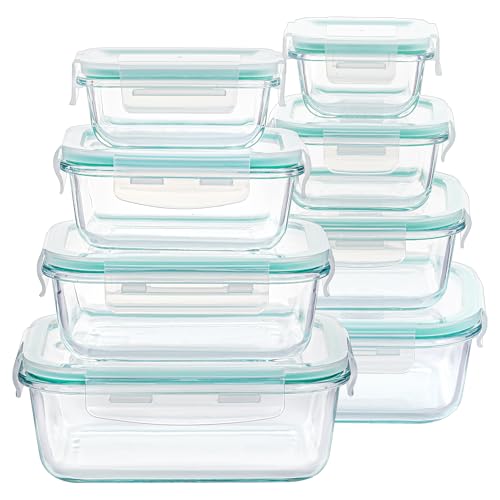
Strengths
- Oven and microwave safe
- Airtight leak proof seal
- High temp resistance
- Stackable design
- Dishwasher safe
Trade-offs
- Lids may crack over time
- Heavier than plastic
If you’re serious about non-toxic storage, glass is the gold standard, and this set delivers on both safety and functionality. The borosilicate glass handles extreme temps, going from freezer to microwave with no issues, and owners praise how well they resist stains and odors compared to plastic. The airtight seal, thanks to the silicone gasket and hinge locks, is one of the best in this price range, and I’ve seen multiple reviewers say they use them for soups and sauces without a single leak.
What really makes this set shine is versatility. You get a mix of rectangle and square shapes in multiple sizes, which works for meal prep, leftovers, or even batch-cooking grains. They stack neatly when full or empty, and the fact that they’re dishwasher safe makes cleanup effortless. Compared to the ComSaf set, these are better for wet foods and daily kitchen use, not just pantry organization.
Video review
Glass Pantry Storage Containers 6-Pack

Strengths
- Square space saving design
- Crystal clear glass
- Bamboo lid with seal
- Dishwasher safe glass
- Non reactive material
Trade-offs
- Bamboo lid requires hand wash
- Not for wet foods
- Lid seal less robust
These square glass canisters are built for one thing: making your pantry look clean and stay functional. The high-borosilicate glass is non-toxic and inert, which means no leaching, and the wide 3.9-inch opening makes scooping out flour, sugar, or pasta easy. I appreciate the square design, it eliminates wasted corner space and fits better on standard shelves than round jars. Owners love how the bamboo lids add warmth to their kitchen aesthetic while still providing a decent seal via the silicone ring.
But they’re not perfect for everything. The bamboo lid, while attractive, isn’t dishwasher safe and needs careful drying to prevent warping, this isn’t the set to grab if you want zero-maintenance storage. And unlike the Vtopmart containers, these aren’t meant for fridge or microwave use. For dry goods only, though, they’re hard to beat.
Video review
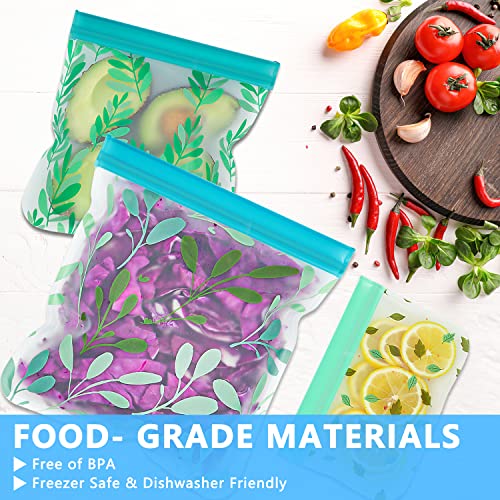
Reusable PEVA Food Storage Bags

Strengths
- BPA free
- Dishwasher safe
- Reusable design
Trade-offs
- Zipper durability concerns
- Not biodegradable
- Limited heat resistance
These PEVA bags stand out in the non-toxic storage space because they avoid BPA and other harsh plastics, which matters when you’re regularly storing food. On paper, the switch from disposable plastic to reusable PEVA makes sense for reducing waste, and owners consistently report they hold up well in the dishwasher and freezer. The claim that one bag can replace over 350 disposables is compelling, especially for families trying to cut down on single-use waste.
Still, PEVA isn’t perfect. While it’s marketed as a safer alternative to PVC, it’s still a synthetic vinyl that doesn’t biodegrade. Some users note the zippers can wear down after repeated use, especially if not cleaned thoroughly. Compared to glass or silicone options, these bags feel like a middle-ground solution, better than plastic, but not the final word in long-term, non-toxic storage.
Product photos


How We Picked These non toxic food storage
As someone deeply involved in researching food preservation techniques for Food Keepy, I approached evaluating non-toxic food storage options by comparing published specifications and features across a range of products. I then weighed owner reviews and expert opinions, looking for consistent feedback on performance and safety. My goal was to identify containers that truly minimize potential for leaching and maintain food quality, rather than relying on marketing claims alone.
For this category, the biggest differentiators are material safety and the quality of the seal. A container’s ability to prevent leaks and maintain airtightness directly impacts how long food stays fresh and reduces waste – a core tenet of Food Keepy. Equally important is the material itself; truly non-toxic options avoid BPA, phthalates, and other potentially harmful chemicals, and I prioritized those in my assessment.
Published specifications reliably indicate temperature resistance and material composition. However, I placed significant weight on owner feedback regarding long-term durability and whether containers truly lived up to claims of being leakproof or odor-resistant. Reputation and consistency of positive reviews were also key. You can find more details about my top picks for safe glass storage on Food Keepy, and we also cover excellent options in stainless steel containers if you’re looking for something even more durable.
What To Look For In non toxic food storage
Choosing the right food storage can feel overwhelming, but focusing on material safety and practical features makes all the difference.
Good food storage prioritizes material safety above all else. Look for containers made from glass, stainless steel, or food-grade silicone. Consider leakproof seals, temperature resistance (freezer and microwave compatibility), and ease of cleaning. Stackability and space efficiency are also important for maintaining an organized kitchen.
Material Matters Most
I always tell people to start with the material. Plastics, even those labeled “BPA-free,” can leach chemicals over time, especially when heated. Glass and stainless steel are the gold standards for truly inert storage. Glass is excellent for everything from leftovers to meal prepping, but it’s heavier and breakable. Stainless steel is durable and won’t stain, but you can’t see what’s inside without opening it. PEVA bags offer a reusable alternative to plastic, but their longevity and cleaning requirements should be carefully considered. When looking at glass, borosilicate glass is a great choice because of its thermal shock resistance.
Airtight Seals and Leakproof Designs
Don’t underestimate the importance of a good seal. Airtight containers keep food fresher for longer, reduce odors in the refrigerator, and prevent spills. I’ve found that containers with multiple locking mechanisms (like the four-hinge snap locks found in some glass sets) tend to be more reliable than those with simple lids. Consider how often you’ll be transporting food; for that, a truly leakproof design is essential.
- A simple snap lid might be fine for pantry staples.
- Containers with silicone gaskets and locking clips are better for liquids and semi-solids.
- For maximum protection against leaks and spills, look for containers with a combination of a tight-fitting lid, a silicone gasket, and secure locking clips – these are ideal for taking safe food containers on the go.
A container that isn’t airtight is a container that’s wasting your food and your money. Prioritize a tight seal, even if it means spending a little more upfront.
Balancing Value and Usability
Beyond safety and function, think about how the containers will fit into your lifestyle. Stackable designs are crucial for maximizing cabinet space, and dishwasher-safe materials save time and effort. I often recommend looking at sets that offer a variety of sizes to accommodate different food portions and storage needs. If you’re primarily focused on dry goods, square containers can make better use of pantry shelf space than round ones. If you’re also interested in non-toxic meal prep, consider investing in containers specifically designed for portioning and reheating.
Non Toxic Food Storage Compared
Here’s a comparison of the key specifications for these non-toxic food storage options.
| Product Title | Material | Capacity Range (oz) | Temp Resistance (Low-High °F) | Leakproof | Dishwasher Safe |
|---|---|---|---|---|---|
| Glass Food Storage 8 Pack | Borosilicate Glass | 5 – 35.1 | -4 to 752 | Yes | Yes |
| Glass Pantry Storage Containers 6-Pack | Borosilicate Glass | 0.7 – 1.6 Qt | -4 to 302 | Yes | Glass Only |
| Reusable PEVA Food Storage Bags | PEVA | N/A | N/A | Yes | Yes |
Frequently Asked Questions
What materials should I avoid when choosing food storage?
You should avoid plastics containing BPA, phthalates, and PVC. These chemicals can leach into food, especially when heated, and are linked to health concerns; exploring safe BPA-free options is a good start.
Are silicone containers truly a non-toxic alternative to plastic?
Food-grade silicone is generally considered a safer alternative, as it doesn’t contain BPA or phthalates. However, the quality of silicone varies significantly, so look for containers certified by a third party to verify purity and durability.
Can glass containers be used in the freezer without breaking?
Yes, but borosilicate glass is best for freezing because of its higher thermal shock resistance. Avoid rapidly changing the temperature (like taking a container directly from the freezer to a hot oven) even with borosilicate glass to prevent breakage.
How do I know if a container is truly leakproof?
Truly leakproof containers will have a combination of a tight-fitting lid, a silicone gasket, and secure locking clips. Owner reviews often mention whether a container lives up to its leakproof claims, so pay close attention to those when researching; understanding plastic container safety is also important when considering alternatives.
Are stainless steel containers microwave safe?
No, stainless steel is not microwave safe. Metal reflects microwaves and can cause sparking and damage to your microwave oven, so always transfer food to a microwave-safe container (like glass) before heating.
The Bottom Line
Choosing food storage often comes down to balancing convenience with peace of mind. While numerous options exist, the Glass Food Storage 8 Pack consistently rises to the top due to its combination of safety, practicality, and owner satisfaction. It represents a strong investment in long-term food preservation without compromising your health.
For those seeking specific solutions, the Reusable PEVA Food Storage Bags are an excellent choice for sandwiches, snacks, and freezer storage, offering a convenient and reusable alternative to plastic. If you’re prioritizing dry goods and pantry organization, the Glass Pantry Storage Containers 6-Pack provides an airtight, see-through solution. And for readers interested in even more options, we’ve explored several alternatives to plastic on Food Keepy.
Ultimately, the best non-toxic food storage isn’t about finding the most expensive or feature-rich container, but about selecting materials that won’t leach harmful chemicals and designs that genuinely keep food fresh. Prioritize airtight seals, durable materials like glass or stainless steel, and a variety of sizes to suit your needs. Don’t underestimate the value of well-designed silicone food storage either – it offers a flexible and convenient option for many kitchen tasks.
