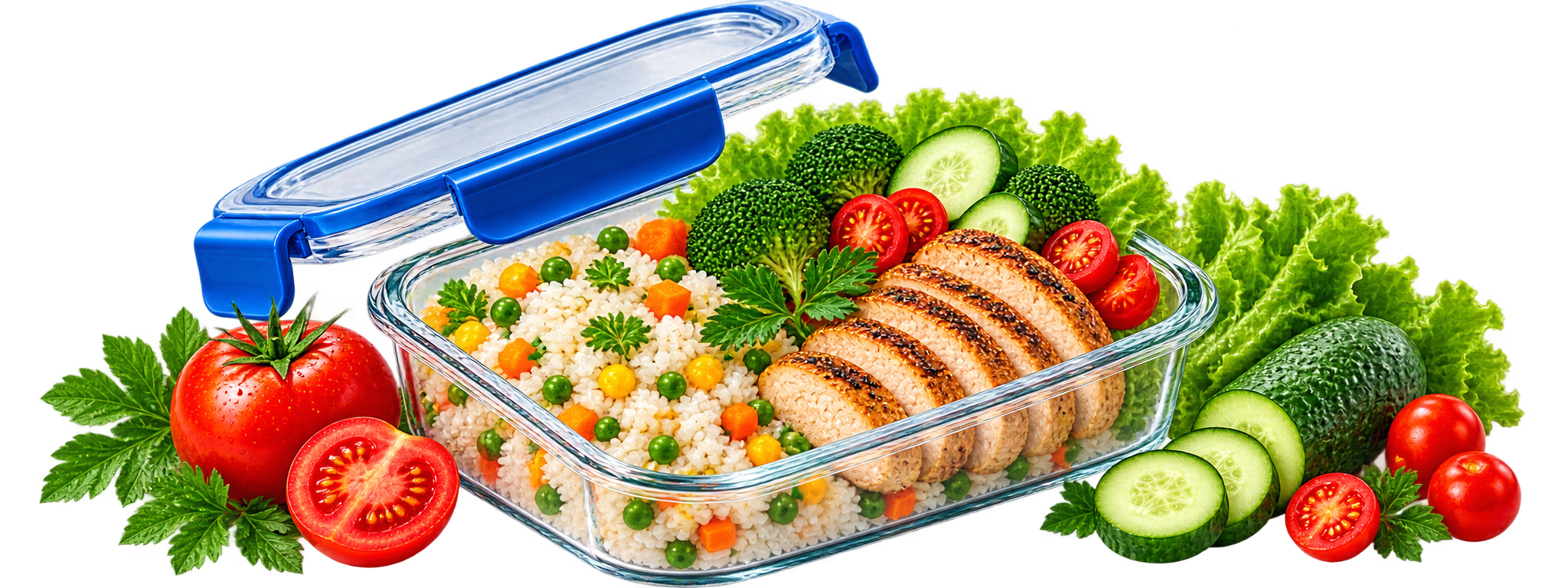
4 Best Non Toxic Glass Food Storage Containers 2026
This post contains affiliate links. As an Amazon Associate, we earn from qualifying purchases.
The BOROHOUSE 10-Pack Glass Containers are our top pick for their durable borosilicate glass and excellent temperature resistance, making them ideal for everyday use. For a budget-friendly option, the Bestfull 12-Pack offers solid performance and space-saving stackability. If you prefer glass lids, the 4-Pack 35 oz containers deliver a plastic-free seal with a clean, minimalist look.
Most people want food storage that keeps meals fresh without exposing their family to harmful chemicals, and glass is one of the safest choices. But not all glass containers perform the same, and a poor seal or fragile build can lead to spills, wasted food, and cluttered cabinets.
This guide cuts through the noise by focusing on what actually matters: verified borosilicate glass, airtight seals, lid safety, and real-world usability. I researched each set based on material specs, owner feedback, and practical needs like stackability and temperature tolerance, so you can choose with confidence.
Top 3 Non Toxic Glass Food Storage Containers in the Market
The Best Non Toxic Glass Food Storage Containers, Reviewed
Liuruiyu 8-Pack Meal Prep Containers

Strengths
- Multiple sizes
- Airtight seal
- Dishwasher safe
Trade-offs
- Lids can warp over time
- Not the most stackable
- Some reports of chipping
This set delivers solid performance for everyday meal prep and storage, with a thoughtful mix of sizes that covers most household needs. The tempered glass is tough and handles thermal shocks well, staying stable from freezer to oven without cracking under normal use. Owners consistently report the airtight lids hold up during transport, making these a reliable pick for packed lunches or carrying soups.
The BPA-free construction and non-porous glass mean no lingering odors or stains, which aligns with what I look for in containers that claim to be non-toxic. While they’re not quite as space-efficient when stacked as some competitors, the clarity and durability make it easy to keep track of what’s inside. Compared to bulkier sets, this one strikes a practical balance between function and footprint.
Video review
BOROHOUSE 10-Pack Glass Containers

Strengths
- Extremely heat resistant
- Tempered glass lids
- Leak-proof valve design
Trade-offs
- Limited size options
- Higher price
- Lid drying temp restriction
What sets this set apart is the exceptional temperature tolerance, rated up to 950°F, it outperforms nearly every other glass container in this category. That makes it ideal for direct oven use, including baking or browning, without transferring food. The use of borosilicite glass and tempered glass lids means both container and lid can go into the oven, which is rare and valuable.
Owners praise the air-release valve on the lids, noting it makes opening easier while still maintaining a secure seal during transport. At this price point, it’s clearly positioned as a premium option. Compared to more basic sets, this one justifies its cost with materials and engineering, though the two-size offering may not suit those needing more portion variety.
Video review
Bestfull 12-Pack Glass Containers

Strengths
- Highly stackable
- Multiple shapes
- Borosilicate glass
Trade-offs
- Plastic lids not heat safe
- Latch mechanism may wear
- Some inconsistency in sealing
With 12 containers in a variety of shapes and sizes, this set stands out for versatility and space efficiency. The borosilicate glass is a strong choice, it resists thermal shock better than standard tempered glass, so going from freezer to oven is less of a gamble. I appreciate that the design prioritizes compact stacking, which owners confirm saves noticeable space in crowded fridges or cabinets.
However, the plastic lids aren’t oven or microwave safe, which limits true multi-use convenience despite the glass being rated for high heat. Reviewers note the rotating latch system works well for sealing, but long-term durability of the plastic components is a question mark. For someone focused on organization and reducing clutter, this set has merit, but it’s not the most robust for frequent high-heat use.
Product photos


How We Evaluated non toxic glass food storage containers
As someone deeply involved in researching food storage solutions for Food Keepy, I approached evaluating these containers by first comparing published specifications – capacity, temperature resistance, and material composition. I then weighed owner reviews from multiple retailers alongside expert opinions from sites focused on kitchenware. My goal was to identify which containers truly delivered on promises of safety, functionality, and longevity, rather than relying on personal use, which isn’t feasible with this many options.
For non-toxic glass food storage, the most critical factors are undoubtedly the glass composition and lid material. Borosilicate glass is key, as it resists thermal shock and doesn’t leach chemicals. Equally important is a truly airtight seal; maintaining freshness and preventing leaks are essential for reducing food waste, and I prioritized containers demonstrating effective sealing mechanisms. Finding options for safe meal prep containers was a central focus.
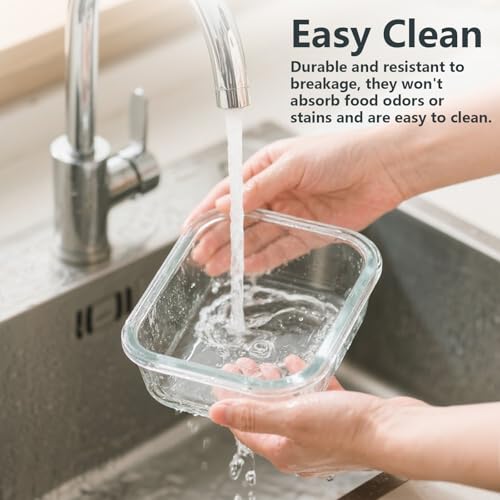
Published specs reliably indicate temperature tolerances and glass type. However, real-world performance – how well lids actually seal, how easily containers clean, and long-term durability – are best gleaned from owner feedback. I gave significant weight to comments regarding staining, odor retention, and lid breakage. Many consumers are also searching for airtight glass containers to maximize freshness, so that was a key consideration in my assessment.
How To Choose The non toxic glass food storage containers
Choosing the right glass food storage containers involves more than just picking a pretty set. It’s about ensuring your food stays fresh, your kitchen stays organized, and you’re avoiding harmful chemicals.
Quality glass containers are constructed from borosilicate glass, capable of withstanding temperature swings. Look for airtight seals to prevent leaks and maintain freshness. Consider lid material – glass, silicone, or BPA-free plastic – and whether the set is oven, microwave, and dishwasher safe for maximum convenience. Prioritize sets with stackable designs to optimize space.
Temperature Tolerance & Glass Type
Borosilicate glass is the gold standard here, and for good reason. It handles thermal shock far better than standard glass, meaning you can realistically move a container from the refrigerator to the microwave without worrying about shattering. The BOROHOUSE containers boast a high temperature resistance up to 950°F, which is excellent if you like to reheat directly in the container. However, even “standard” borosilicate (around 750°F tolerance) is usually sufficient for everyday use. Don’t assume all “glass” is created equal; cheaper sets may use soda-lime glass, which is more prone to breaking with temperature changes.
Lid Material & Airtightness
Lids are just as crucial as the containers themselves. While glass lids look beautiful and avoid plastic altogether, they can be heavy and expensive. Silicone lids offer a good balance of flexibility and sealing ability. If a set uses plastic lids, ensure they are clearly labeled as BPA-free. Airtightness is paramount; look for lids with robust locking mechanisms and silicone gaskets. A truly airtight seal isn’t just about preventing leaks in your bag, it’s about slowing oxidation and keeping food fresher for longer.
Here’s what I look for in a lid: * A simple snap closure is fine for dry goods. * Silicone gaskets are vital for liquids and keeping smells contained. * A latching system with a release valve (like the BOROHOUSE containers) is ideal for preventing pressure buildup and ensuring a reliable seal – it’s worth the slight extra cost.
A good rule of thumb is to always test the seal before packing anything liquid. Fill the container with a small amount of water, seal it, and turn it upside down. If it leaks, it’s not airtight enough for your needs.
Stackability & Practicality
Let’s be realistic: kitchen space is precious. A set of containers that doesn’t stack well is a set that will quickly become a source of frustration. The Bestfull containers prioritize this with a design specifically intended to save space. Consider the shapes and sizes offered in a set. Do they nest efficiently? Are there enough sizes to accommodate your typical meal prep needs? If you’re prioritizing organization, I recommend considering a set with a variety of rectangular and square shapes, as these tend to stack more efficiently than round containers. If you are looking for more information on safe storage, check out these safe food containers and explore alternatives to plastic containers to make informed decisions for your kitchen.
Non Toxic Glass Food Storage Containers Compared
Here’s a comparison of key specifications for various non-toxic glass food storage container sets.
| Product Title | Pack Size | Capacity (Largest Container) | Material (Lid) | Temp. Range (°F) | Dishwasher Safe (Container) |
|---|---|---|---|---|---|
| Liuruiyu 8-Pack Meal Prep Containers | 8 | N/A | Silicone | -4 to 752 | Yes |
| BOROHOUSE 10-Pack Glass Containers | 10 | 1040ml (35.2oz) | Tempered Plastic | -4 to 950 | Yes |
| Glass Food Containers 4-Pack 35 oz | 4 | 35 oz (4.4 cup) | Glass | N/A | Yes |
| Bestfull 12-Pack Glass Containers | 24 | 1040ml (35.6oz) | Plastic | -4 to 752 | Yes |
Frequently Asked Questions
What’s the difference between borosilicate and tempered glass for containers?
Borosilicate glass is superior due to its lower coefficient of thermal expansion, meaning it’s much more resistant to cracking from rapid temperature changes. While tempered glass is stronger, it’s more prone to shattering if exposed to sudden heat or cold, making borosilicate the better choice for everyday use and freezing in glass.
Are glass lids truly better than plastic, even BPA-free plastic?
Glass lids avoid any potential for chemical leaching associated with plastic, even BPA-free varieties. However, they are heavier and more expensive, and can break if dropped. Silicone lids offer a practical compromise, providing a good seal without the risks of plastic.
How can I tell if a container is really airtight?
The simplest test is to fill the container with a small amount of water, seal it tightly, and then turn it upside down. If any water leaks out, the seal isn’t airtight enough for storing liquids or preventing odors from escaping. Look for containers with robust latching systems for a more reliable seal.
My containers stain easily; how can I prevent this?
Prevention is key; promptly wash containers after use. For stubborn stains, a paste of baking soda and water can often do the trick. Avoid storing highly pigmented foods (like tomato sauce) for extended periods, and consider using a container specifically designed for such items. You can find more on recommended glass containers to help with this.
What’s the best way to store these containers to save space?
Stackability is crucial. Look for containers with a similar shape (rectangular or square are often best) and nesting designs. Prioritize sets that include a variety of sizes, allowing you to efficiently use vertical space in your cabinets. The Bestfull containers are a good example of a set designed for space saving, and many consumers seek out top glass storage containers for this reason.
The Bottom Line
Ultimately, choosing non-toxic glass food storage often comes down to balancing upfront cost with long-term convenience. While many options exist, the BOROHOUSE 10-Pack Glass Containers stand out as a strong all-around performer, offering a good balance of temperature resistance, secure lids, and reasonable price. It’s a solid choice for anyone looking to upgrade their food storage without breaking the bank.
For specific needs, the market offers excellent alternatives. If you’re prioritizing space-saving solutions, the Bestfull 12-Pack Glass Containers are designed for efficient stacking and organizing with stackable glass. And for those seeking a completely plastic-free option, the Glass Food Containers 4-Pack 35 oz provide the elegance and safety of all-glass construction.
At the end of the day, remember that the most important features aren’t necessarily the highest temperature tolerances or the fanciest locking mechanisms. A good set of containers will be made from quality borosilicate glass containers, seal effectively to keep food fresh, and be something you’ll actually use regularly. Prioritize those fundamentals, and you’ll be well on your way to a more organized and healthier kitchen.
