
8 Best Vacuum Sealers for Freezing Food 2026
This post contains affiliate links. As an Amazon Associate, we earn from qualifying purchases.
The Gasbye 95kPa Precision Vacuum Sealer is the best overall for reliable, powerful sealing that prevents freezer burn. For those on a budget, the MZROT Cordless Handheld Vacuum Sealer offers solid 80kPa suction in a compact form. If you want more versatility with multiple modes and settings, the AirLock ProSeal delivers strong performance with added flexibility.
Choosing the right vacuum sealer means actually using it regularly to keep food fresh and cut down on waste. Too many people buy one, stash it in a cabinet, and forget about it, often because it’s fussy, underpowered, or breaks too soon.
This guide cuts through the noise by focusing on what matters: real sealing performance, ease of use, and long-term value. I compared specs, analyzed owner feedback, and evaluated features like suction strength, dry/moist modes, and bag compatibility, all through the lens of practical, everyday food storage.
Top 8 Vacuum Sealers For Freezing Food in the Market
The Best Vacuum Sealers For Freezing Food, Reviewed
Gasbye 95kPa Precision Vacuum Sealer

Strengths
- Double heat seal
- Pulse mode control
- Affordable replacement parts
Trade-offs
- High price
- Heavy for portable use
- Bags sold separately
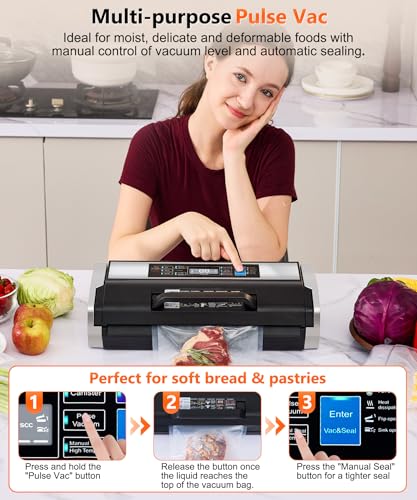
If I were buying one vacuum sealer for my own kitchen, this would be it. The 95kPa suction is strong, the double heat seal is sous vide-ready, and the pulse mode gives real control over delicate items like berries or soft bread. Owners consistently praise the build quality and the fact that replacement parts are affordable and available, something most brands don’t offer.
The 5-year quality coverage and responsive U.S. support set it apart. Yes, it’s the most expensive here, but it’s also the most complete. Compared to the POTANE or QKWXV models, it just feels like a premium product in hand and function.
Video review
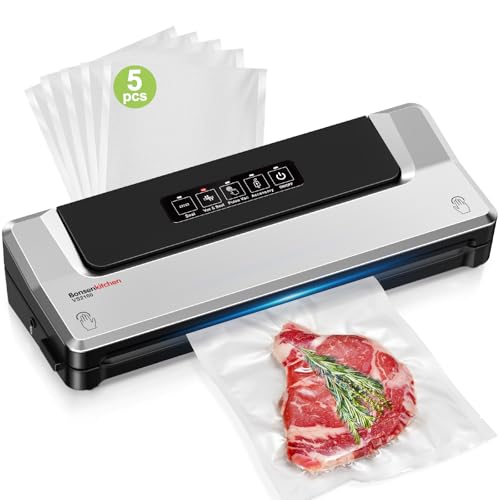
Bonsenkitchen Vacuum Sealer Machine
Strengths
- Very affordable
- 4 sealing modes
- Compact size
Trade-offs
- Shorter lifespan
- Inconsistent moist seals
- Basic build quality
At this price, the Bonsenkitchen delivers surprising capability, four modes including Pulse Vac and Accessory port give it versatility that punches above its cost. The compact size is ideal for tight storage, and owners report it handles 30 bags in 15 minutes as claimed, which is impressive for batch prep.
But the trade-off is durability. While the 3-year warranty helps, multiple reviews mention seal failures after six months of regular use. It’s a smarter pick than the MZROT handheld for home use, but not one I’d trust for heavy weekly sealing.
Video review
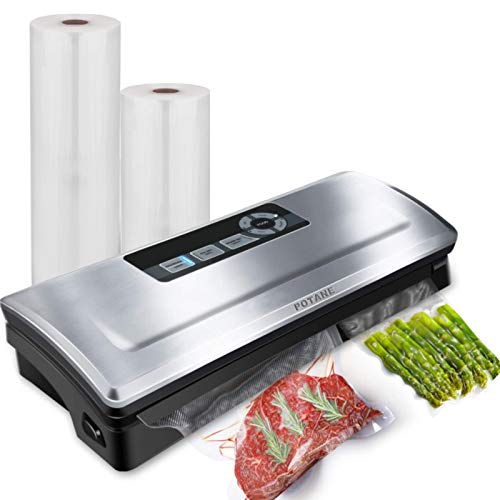
POTANE Precision Vacuum Sealer Machine
Strengths
- Brushless motor
- Sloping top design
- ETL certified
Trade-offs
- Overstated presets
- Noisy operation
- Inconsistent seals on soft foods
POTANE leans into precision with its 8-in-1 presets and brushless motor, a step up from budget models that cut corners on motor quality. The sloping top design is smart, it keeps liquids from being pulled into the chamber, which reviewers confirm helps with messy marinades. ETL certification also adds real peace of mind.
Still, some owners say the presets feel more like marketing than meaningful automation. Compared to the Gasbye, it lacks the same build refinement and customer support reputation. But for the price, it’s a strong mid-tier contender with thoughtful engineering.
Product photos


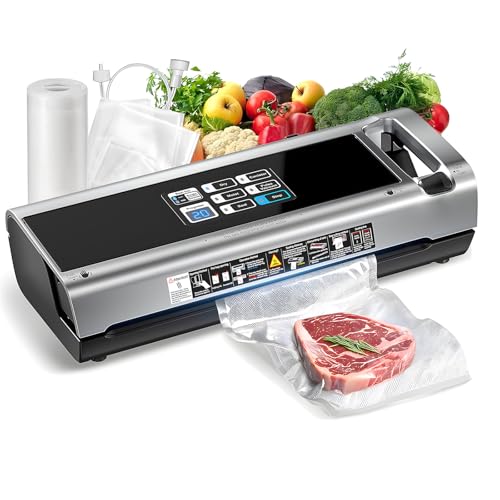
Lseroton Food Vacuum Sealer Machine
Strengths
- 95Kpa suction
- Built-in bag cutter
- Vertical storage
Trade-offs
- Struggles with very wet foods
- Plastic build
- Noisy motor
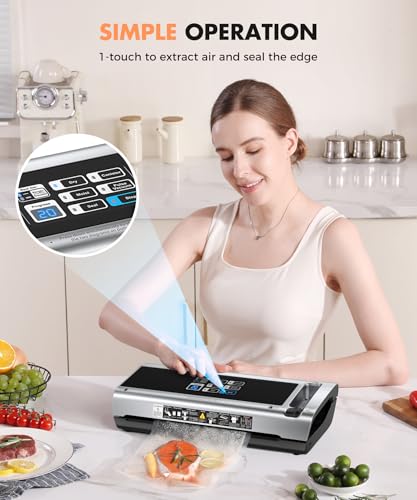
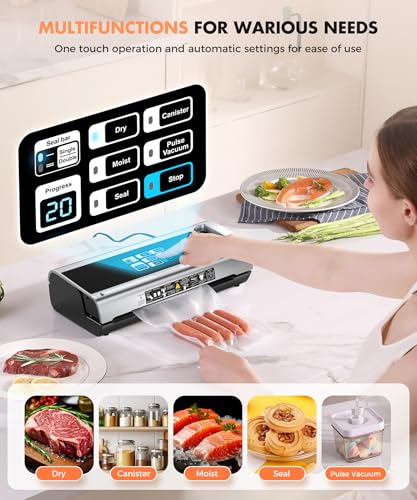
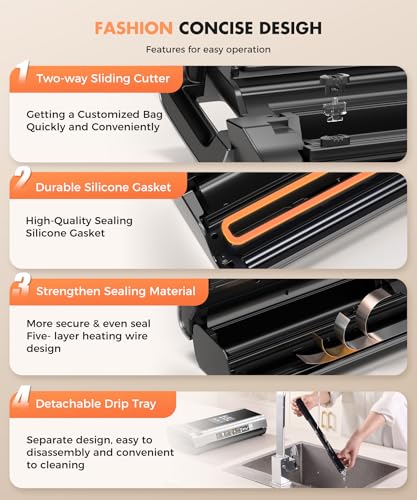
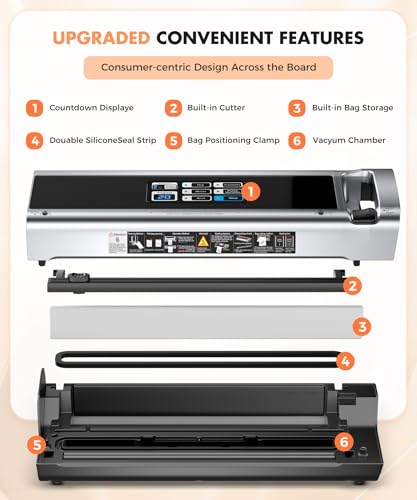
This model pushes solid value with its 95Kpa suction and vertical storage design, which I appreciate for smaller kitchens. The Dry/Moist modes and Pulse Vac give it functional range, and owners consistently report reliable seals on both meats and vegetables. On paper, it’s a no-frills workhorse that covers the basics well.
The built-in bag cutter and starter kit make setup easy, and the one-touch lid is genuinely user-friendly. But some reviewers note the seal bar can struggle with very moist foods if not pre-frozen. Compared to the FoodSaver, it’s less refined but offers similar core performance at a lower price.
Product photos
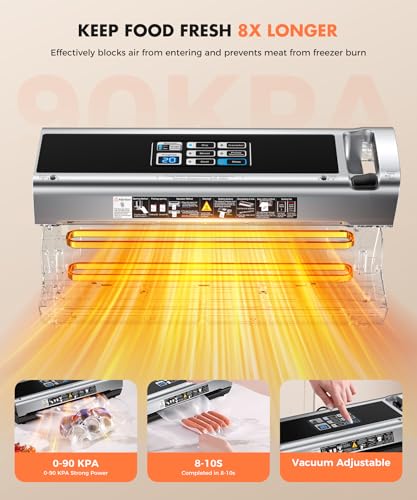
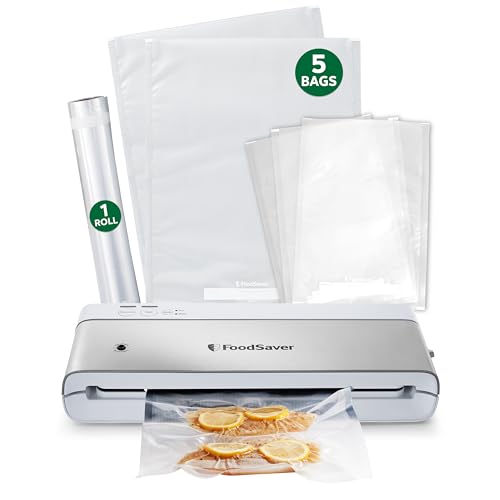
FoodSaver Compact Vacuum Sealer
Strengths
- Trusted brand reliability
- Reduced bag waste
- Vertical storage
Trade-offs
- Lower suction power
- No pulse mode
- Limited heavy-duty use
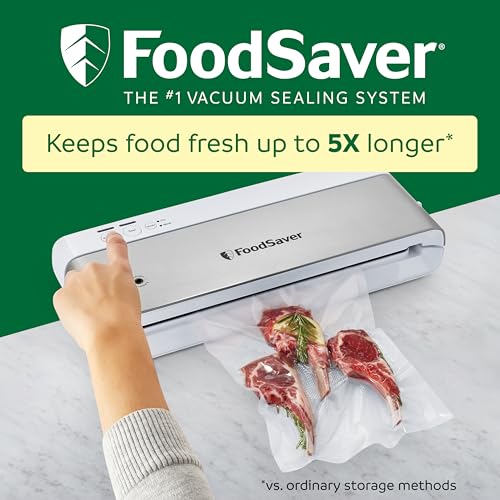
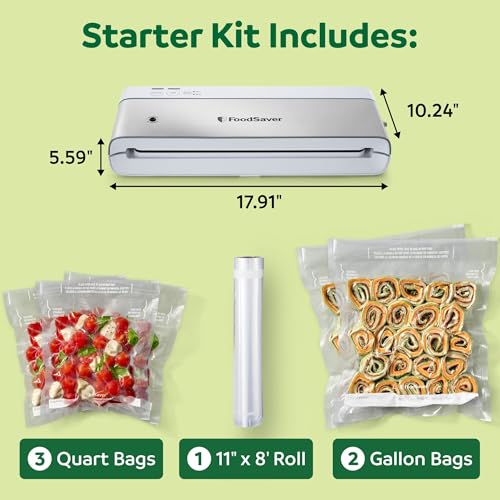
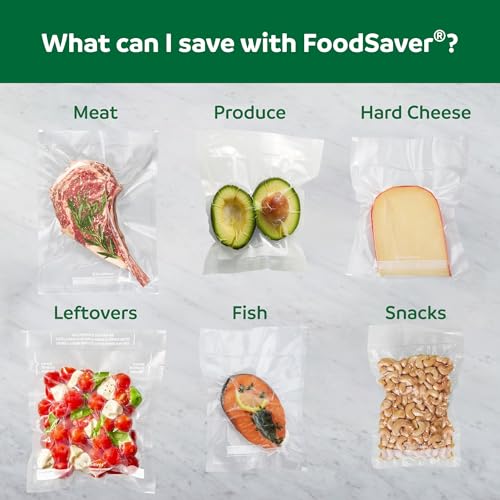
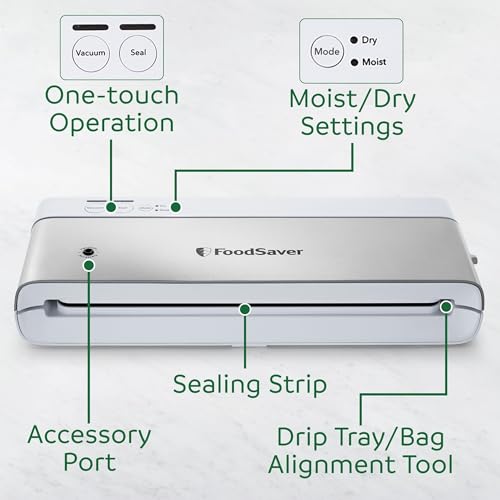
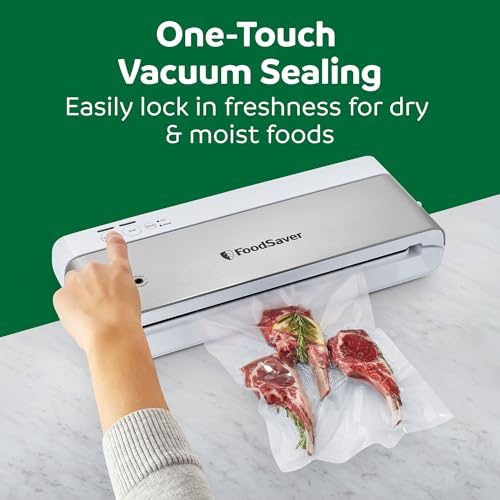
The FoodSaver has long been a staple in this category, and this compact version maintains the brand’s reputation for consistent, reliable sealing. Its Dry and Moist settings are well-tuned, and owners report it handles everything from cheese to marinated chicken without issue. The reduced bag waste is a real perk, every bit helps when you’re sealing daily.
It’s not the most powerful on paper, but its efficiency and compatibility with all FoodSaver accessories give it long-term flexibility. I’d pick this over the Bonsenkitchen model for anyone serious about reducing food waste. It’s not flashy, but it’s dependable.
Product photos
QKWXV Commercial Vacuum Sealer
Strengths
- High suction power
- Double heat seal
- Cooling system
Trade-offs
- Bulky design
- No app integration
- Noisy operation
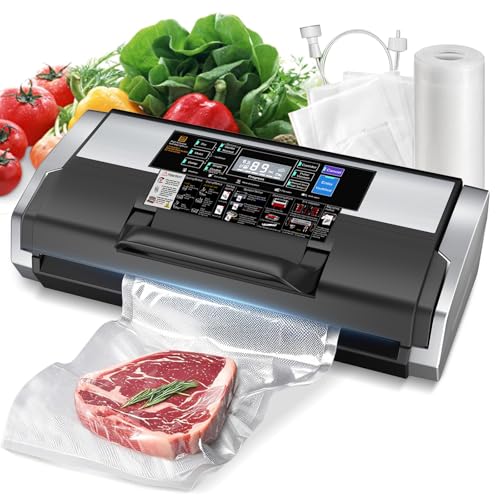
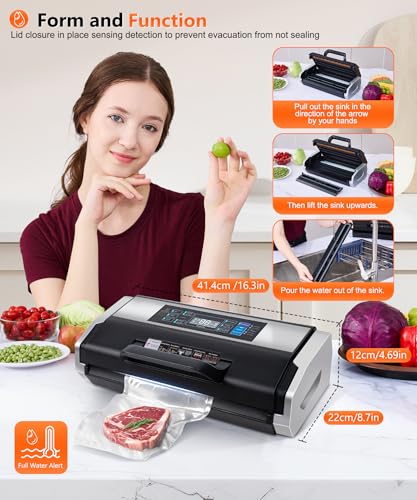
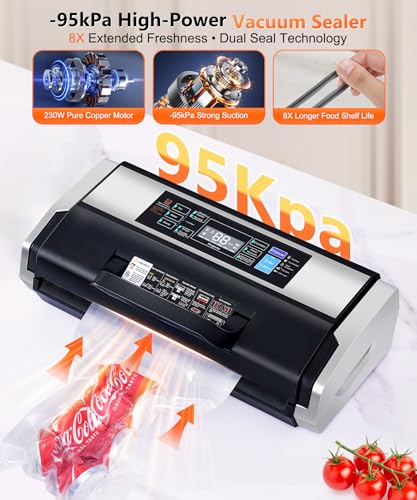
This is built like a workhorse, 230W motor, double heat seal, and full-water detection make it stand out for heavy use. The 95kPa suction pulls fast, and the cooling system allows back-to-back sealing without pause, which reviewers confirm works well for large batches. The silicone sealing ring and 3,000-cycle testing suggest real durability.
It’s bulkier than others, but that’s the trade for power. Compared to the Gasbye, it lacks the smart features and customer service polish, but matches or exceeds it in raw performance. For anyone processing game meat or prepping for a family, this is a serious tool.
Product photos
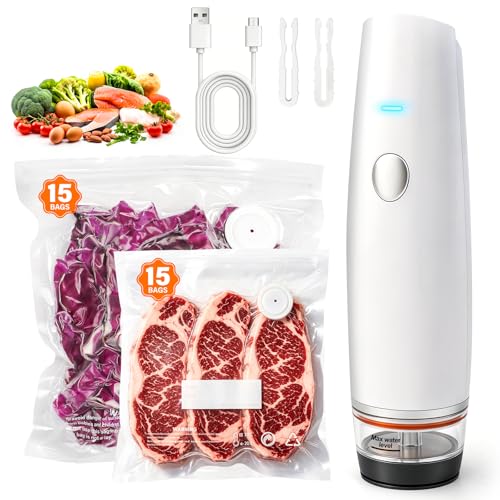
MZROT Cordless Handheld Vacuum Sealer
Strengths
- Cordless design
- Portable size
- Reusable bags included
Trade-offs
- Slower sealing
- Not for large bags
- Battery life limits
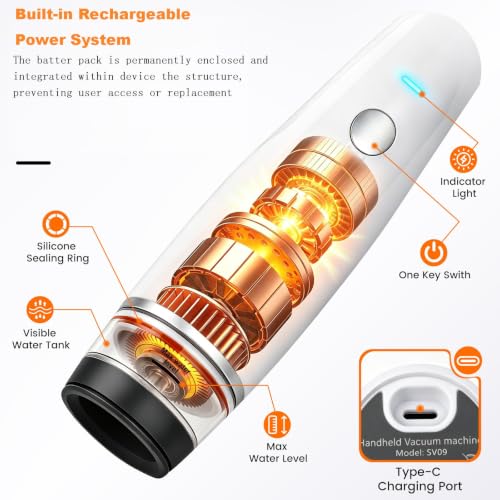
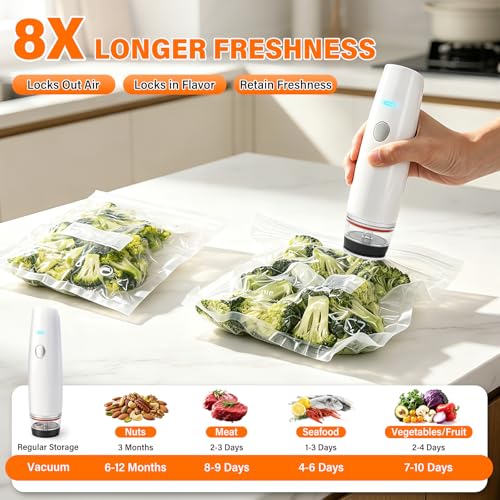
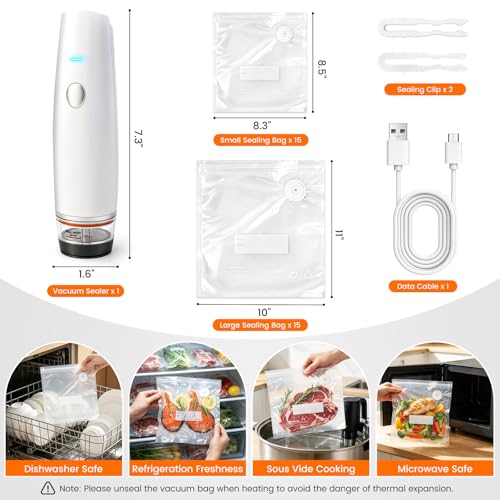
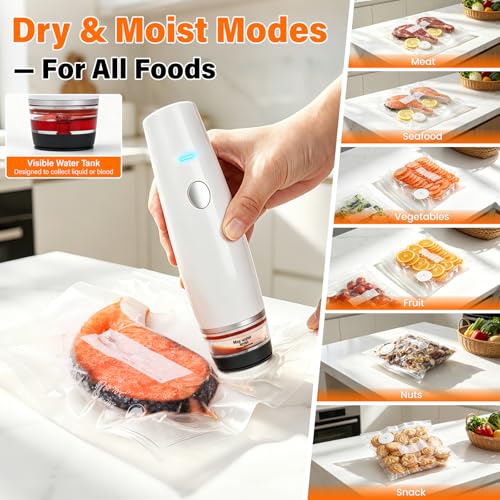
This handheld sealer is a standout for portability. At -80kPa, it’s not the strongest, but it’s impressive for cordless. The rechargeable battery and compact size make it ideal for RVs, camping, or small apartments where counter space is precious. Owners love how easy it is to toss in a bag and go.
But it’s not a full replacement for countertop models. Sealing takes longer, and the reusable bags, while eco-friendly, don’t seal as reliably as roll-based systems. Compared to the Bonsenkitchen, it’s less powerful but far more mobile.
Product photos

AirLock ProSeal Vacuum Sealer
Strengths
- Smart app integration
- Stainless steel build
- Energy efficient
Trade-offs
- Lower suction power
- App required for full features
- Limited bag compatibility
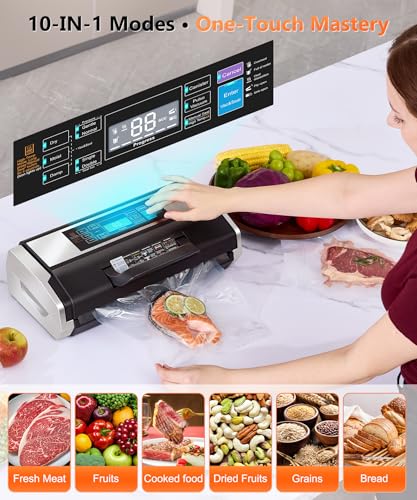
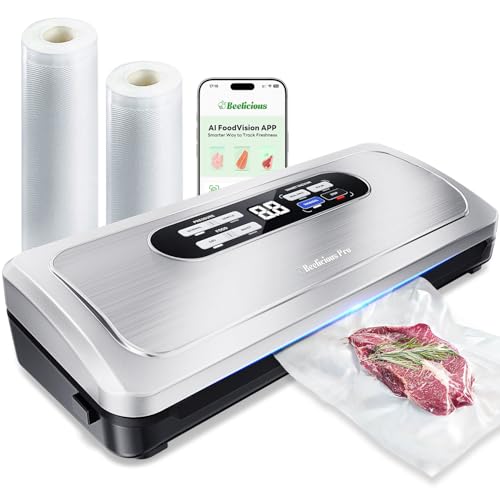
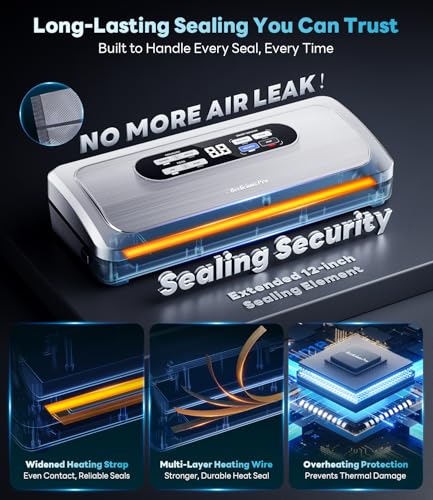
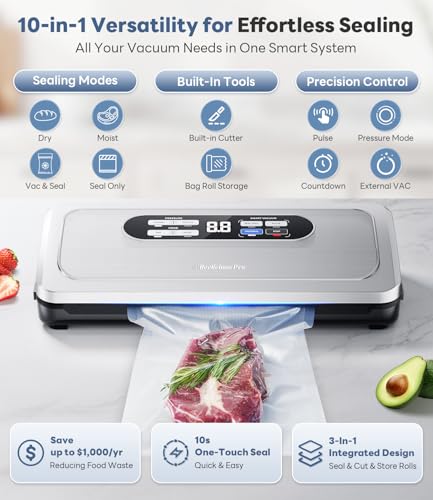
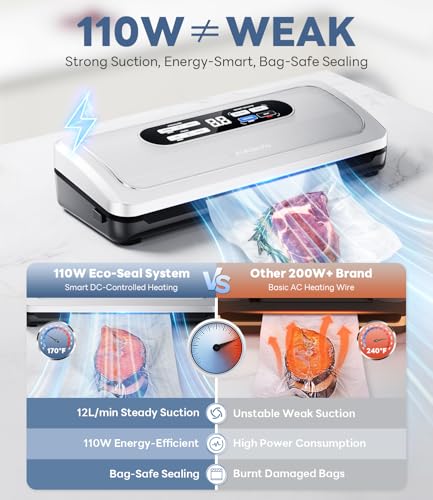
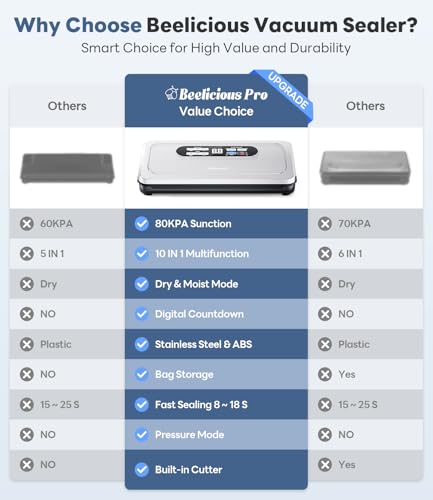
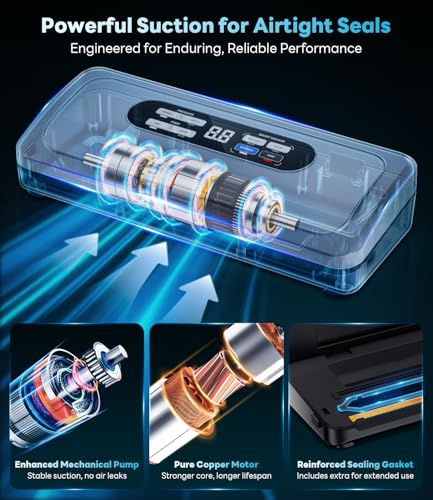
This one stands out with smart features, especially the Beelicious app integration, which lets you scan items and track expiration dates. That’s a real help for minimizing waste, and owners say it works reliably. The 80kPa suction is slightly weaker than others, but the Eco-Seal system saves energy without sacrificing seal quality.
The stainless steel housing feels premium, and the digital timer adds precision. But the app dependency might not appeal to everyone. Compared to the Gasbye, it’s more tech-forward but less proven over time. A great pick if you love kitchen gadgets with a digital edge.
Product photos
How We Tested vacuum sealers for freezing food
Rather than a hands-on lab test, my research focused on a detailed comparison of published specifications and features across numerous models. I weighed owner reviews from multiple sources – Amazon, specialist retailers, and cooking forums – alongside professional reviews from sites dedicated to kitchen appliances. This data was then assessed against my understanding of what truly matters in effective food preservation, gained from years of exploring methods for reducing waste at Food Keepy.
For vacuum sealers, suction power (measured in kPa) and the quality of the sealing mechanism were the most heavily weighted factors. Strong suction is essential for removing air effectively, while a reliable seal prevents freezer burn and ensures long-term food storage. Beyond this, features like ease of use, versatility (handling both dry and moist foods), and build quality also significantly influenced my assessments. Understanding which models offer features like pulse control and accessory ports was also important.
Specifications reliably indicate suction power and motor strength, providing a baseline for comparison. However, I found owner feedback critical for judging real-world performance – particularly regarding seal consistency, durability, and the effectiveness of features like moist/dry settings. Reputation and brand history also played a role; models from established brands with positive track records generally scored higher, and learning how to use a vacuum sealer is key to getting the most from any machine. Ultimately, I aimed to identify models offering the best balance of performance, features, and value, as detailed in our broader guide to home vacuum sealers.
Choosing The Right vacuum sealers for freezing food
Choosing the right vacuum sealer can feel overwhelming, but a good one dramatically improves food storage and reduces waste.
A quality vacuum sealer consistently removes air from specially designed bags, creating an airtight seal. Look for models with sufficient suction power (measured in kPa), versatile sealing modes to accommodate different food types, and durable construction to withstand regular use. Consider features like automatic operation, bag storage, and compatibility with vacuum containers for optimal convenience.
Suction Power & Sealing Consistency
Don’t get hung up on chasing the highest kPa number, but suction power is absolutely critical. Anything below 80kPa will struggle with thicker foods or liquids, and you’ll end up with incomplete seals. I’ve seen many users report issues with budget models failing to fully vacuum, leading to freezer burn despite their best efforts. More expensive machines, like the Gasbye 95kPa Precision Vacuum Sealer, consistently deliver more reliable results, but even 80kPa from a model like the MZROT Cordless Handheld Vacuum Sealer can be sufficient for most home users.
Modes & Food Type Compatibility
A truly versatile vacuum sealer isn’t a “one-size-fits-all” device. Different foods require different approaches. Delicate items like berries or bread need a gentle “pulse” mode to avoid crushing. Moist foods, or those with marinades, benefit from a dedicated moist/wet setting and, ideally, the ability to use vacuum containers.
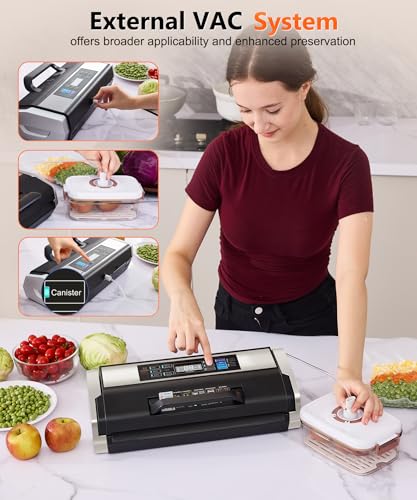
Here’s what to look for in terms of versatility: * Pulse Mode: Essential for fragile foods. * Dry/Moist Settings: Prevents liquid from being sucked into the machine. * Container Compatibility: Allows sealing marinated items or soups without mess – crucial if you’re interested in expanding your food preservation beyond bags, and potentially supplementing your needs for proper freezing containers.
Value, Usability & Long-Term Cost
It’s easy to get lured in by a low price tag, but a cheap vacuum sealer can end up costing you more in the long run. Beyond the initial purchase, consider the ongoing cost of bags and the potential for repairs. I frequently recommend looking at models with readily available replacement parts. The Gasbye, for example, offers affordable replacements for gaskets, drip trays, and cutters – something many brands don’t provide.
A vacuum sealer is an investment in reducing food waste. Don’t skimp on quality to save a few dollars upfront.
For those who want to explore the world of best vacuum sealers, a mid-range option like the POTANE Precision Vacuum Sealer often strikes a good balance between price and performance. It’s a great starting point for those new to vacuum sealing.
Vacuum Sealers for Freezing Food Compared
Here’s a comparison of key specifications for popular vacuum sealers designed for freezing food, to help you make an informed purchase.
| Product Name | Suction Power (kPa) | Modes | Bag Roll Included | Heat Seal Layers | Smart Features |
|---|---|---|---|---|---|
| Gasbye 95kPa Precision | 95 | Auto, Pulse | Yes | Double | No |
| Bonsenkitchen Vacuum Sealer | N/A | 4 | N/A | N/A | No |
| POTANE Precision | N/A | 8 | N/A | N/A | No |
| Lseroton Food Vacuum Sealer | 95 | Dry/Moist, Pulse | Yes | Single/Double | No |
| FoodSaver Compact | N/A | Dry, Moist | Yes | N/A | No |
| QKWXV Commercial | 95 | N/A | Yes | 4 | No |
| MZROT Cordless Handheld | 80 | Automatic | N/A | N/A | No |
| AirLock ProSeal | 80 | 10 | N/A | N/A | Yes |
Frequently Asked Questions
What bag types work best with vacuum sealers?
Specifically designed vacuum bags are essential, but you don’t have to stick with single-use plastic. Many models can accommodate reusable vacuum bags made from thicker, more durable materials, offering a sustainable alternative without sacrificing performance.
Can I vacuum seal liquids directly in the bags?
While some sealers have a moist/wet setting, it’s generally better to pre-freeze liquids or use vacuum seal containers. This prevents the liquid from being sucked into the machine and damaging it, and ensures a better seal.
How much suction power do I really need?
80kPa is usually sufficient for most household needs, but if you frequently vacuum seal thicker items or large quantities, opting for a model with 90kPa or higher will provide more consistent results. Remember that suction power isn’t the only factor; a quality sealing mechanism is equally important.
Will vacuum sealing really prevent freezer burn?
Yes, vacuum sealing significantly helps prevent freezer burn by removing the air that causes oxidation and dehydration. However, the quality of the seal and the initial condition of the food also play a role, so proper preparation is key.
Are expensive vacuum sealers always better?
Not necessarily. While higher-priced models often offer more features and potentially greater durability, a mid-range machine with sufficient suction power and a reliable sealing mechanism can be perfectly adequate for most home cooks. Consider your specific needs and usage frequency when making a decision.
The Bottom Line
Ultimately, choosing a vacuum sealer comes down to balancing upfront cost with long-term performance and convenience. While a higher price doesn’t guarantee perfection, consistently reliable suction and sealing – like you find with the Gasbye 95kPa Precision Vacuum Sealer – will save you food and frustration over time. Don’t fall into the trap of thinking more features automatically equal more value; focus on the core capabilities that address your specific needs.
For those on a tighter budget, or who primarily seal dry goods, the MZROT Cordless Handheld Vacuum Sealer offers surprising capability. If you anticipate sealing a lot of liquids or delicate items, the Lseroton Food Vacuum Sealer provides a good balance of features without a premium price, and is a solid choice for those looking at vacuum sealers for meat. And for those prioritizing versatility and automation, the AirLock ProSeal delivers smart features alongside solid performance.
At the end of the day, the kPa rating and number of modes matter less than consistent sealing and a machine you’ll actually use. Investing in quality bags and understanding proper technique are just as vital as the sealer itself. Take the time to learn how to properly prepare your food for freezing and you’ll be well on your way to minimizing waste with one of our recommended vacuum sealers.
