
7 Best Canned Meats for Long Term Storage 2026
This post contains affiliate links. As an Amazon Associate, we earn from qualifying purchases.
The best canned meat for long-term storage is Werling Canned Beef, it’s simple, shelf-stable for 5 years, and has clean ingredients. For a budget pick, Armour Star Potted Meat offers basic protein at a low cost. If you want variety, the Keystone Meat Variety Pack covers all the bases and lasts up to 5 years.
Storing reliable protein for the long haul isn’t just for preppers, it’s for anyone who wants to cut waste, save time, and keep meals flexible during shortages or busy weeks. But not all canned meats are built the same; some go bad faster, others taste overly processed, and many are packed with fillers that reduce quality.
I compared shelf life, ingredient lists, can integrity, and real owner feedback to find the most dependable options. These picks balance longevity, taste, and practicality so you can stock up with confidence.
Top 7 Canned Meats For Long Term Storage in the Market
The Best Canned Meats For Long Term Storage, Reviewed
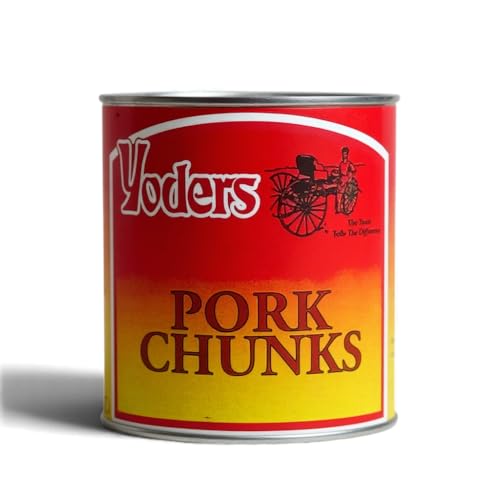
Yoder’s Canned Pork Chunks
Strengths
- 10-year shelf life
- Real meat chunks
- Ready to eat
Trade-offs
- Pork only
- No variety
- Single can packaging
Yoder’s canned pork is, in my view, the best overall option for long-term storage, and the reason is simple: a 10-year shelf life with real, chunked pork. Most canned meats top out at 5 years, so doubling that is a standout for serious preppers. Each 28 oz can is packed with tender, fully cooked US-raised pork that heats quickly and works in everything from tacos to stews.
Owners consistently praise its flavor and texture, saying it tastes closer to home-cooked than most shelf-stable meats. It’s also ready to eat straight from the can, which is crucial in emergency situations. Compared to the Keystone variety pack, Yoder’s offers longer storage and better meat integrity, though you lose variety. The price is reasonable for the quantity and shelf life, making it a smart anchor for any long-term pantry.
Video review
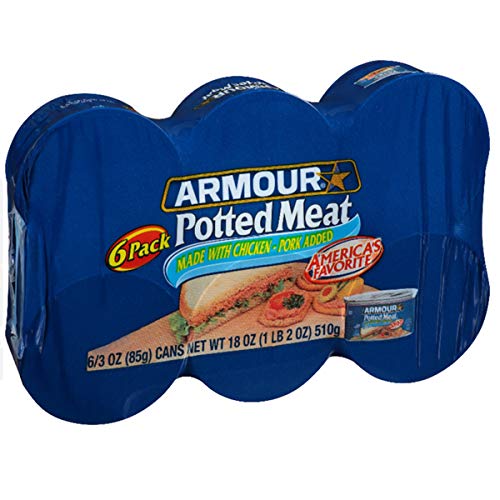
Armour Star Potted Meat
Strengths
- Extremely affordable
- Compact and light
- No cooking needed
Trade-offs
- Processed texture
- Short shelf life
- Low meat content
Armour Star Potted Meat is the definition of no-frills, budget-friendly protein. At under $5 for six 3 oz cans, it’s one of the cheapest ways to add meat to crackers or sandwiches in a pinch. It’s made with pork and chicken, so it’s not pure beef or pork like other options, and the texture is more paste-like, fine for spreading, not for chunky recipes.
Still, for emergency kits or short-term storage, its portability and low cost make it worth considering. It’s gluten-free and requires no cooking, which helps in power-outage scenarios. But compared to Werling or Yoder’s, it’s a step down in quality and ingredient transparency. I’d keep a couple cans on hand for backup, but not rely on it as a primary protein.
Video review
Keystone Meat Variety Pack

Strengths
- Multiple protein types
- All-natural ingredients
- Family-sized cans
Trade-offs
- High initial cost
- Takes up storage space
- 5-year shelf life
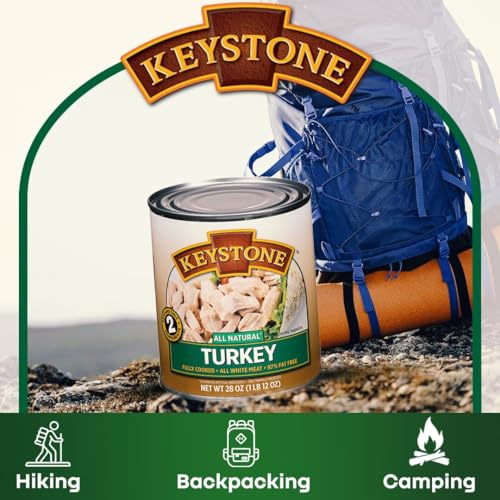
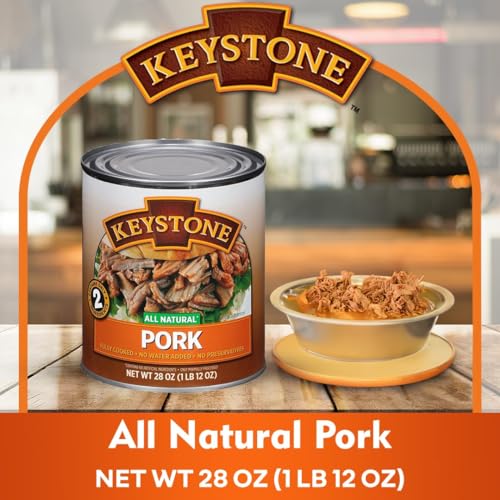
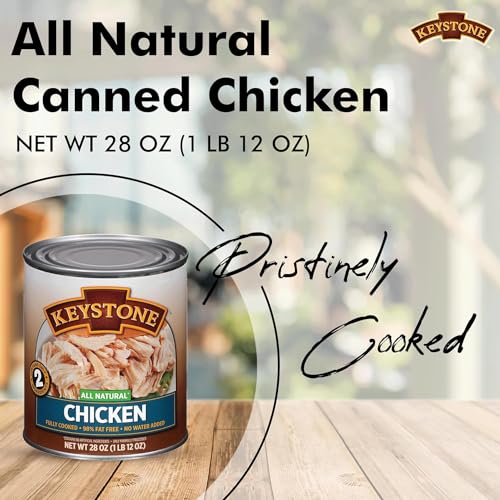
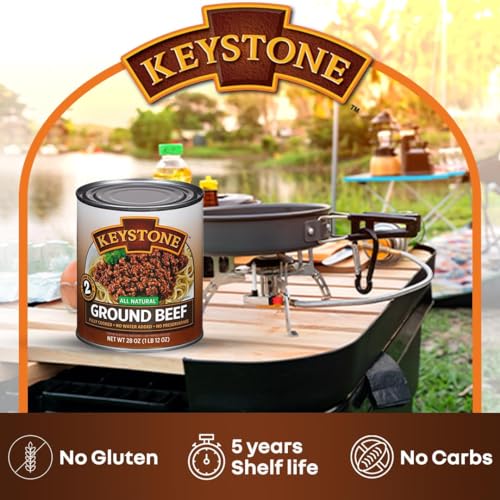
For anyone tired of buying the same canned meat over and over, the Keystone Variety Pack is a breath of fresh air. With 12 cans across five proteins, beef, chicken, turkey, pork, and ground beef, it brings real meal flexibility to long-term storage. Each is made with just meat and sea salt, no fillers, aligning with clean-storage principles I advocate.
The 5-year shelf life is standard, but the real value is in diversity. You can rotate proteins to avoid burnout, which matters when relying on stored food. Compared to buying single cans separately, this pack saves money and time. It’s pricey upfront, but the per-can cost is competitive. The 28 oz size means each can feeds multiple people, great for families. Just be mindful of storage space, this is a large pack.
Product photos
Werling Canned Beef 14.5 Oz

Strengths
- No artificial additives
- Bulk value
- Consistent quality
Trade-offs
- Shorter shelf life than Yoder’s
- Higher initial cost
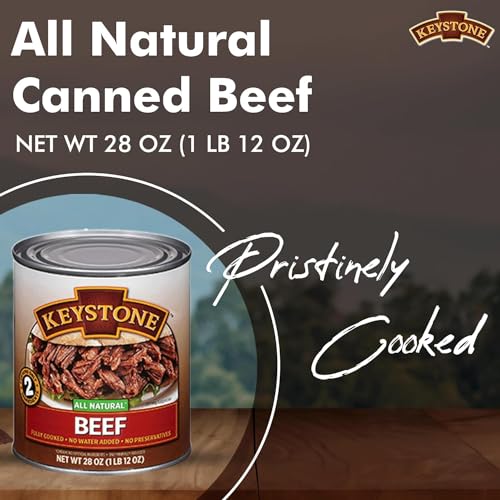
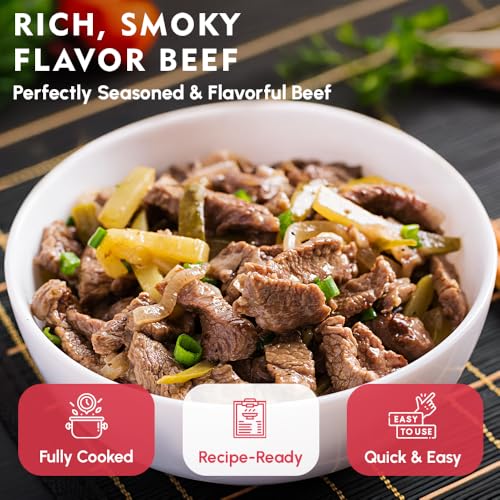
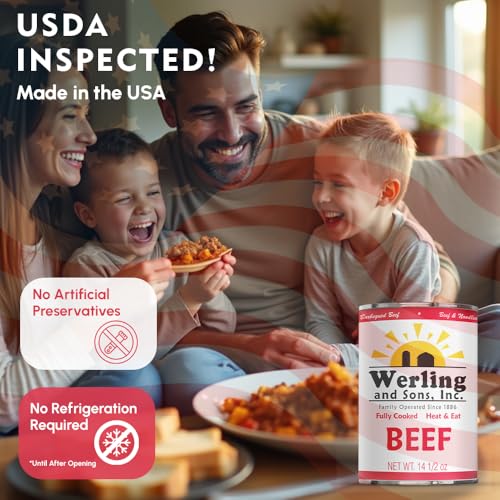
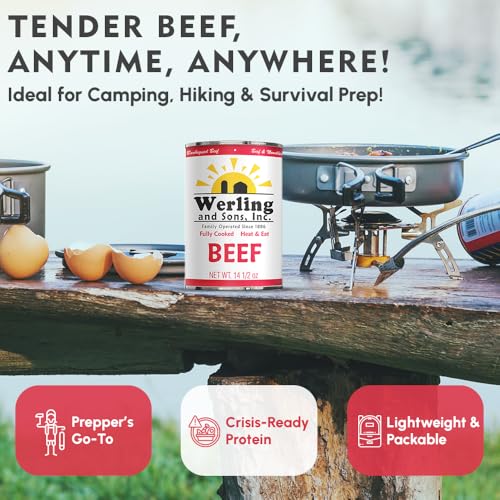
If you’re stocking up for the long haul, Werling’s 12-pack of canned beef is one of the smarter bulk buys I’ve seen. Each can is 14.5 oz of fully cooked, tender beef with just beef and sea salt, no fillers, no preservatives. That kind of purity matters when you’re relying on stored food for months or years. The 5-year shelf life is standard, but the real win here is consistency: owners report uniform quality across cans, which isn’t always the case with budget brands.
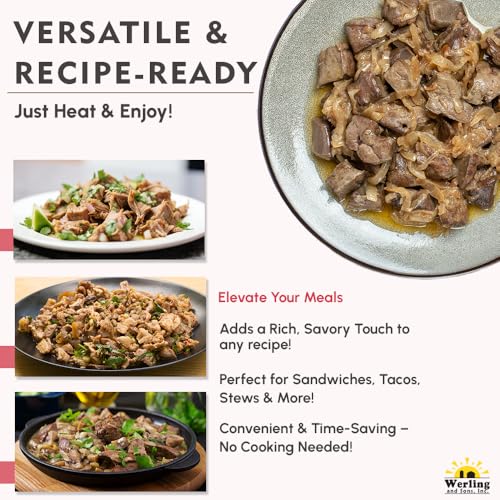
It’s more expensive upfront than single cans, but the per-can cost drops significantly in bulk. Compared to the MOUNTAIN ESSENTIALS single can, this pack offers better long-term value for families. It reheats well in soups and tacos, and the smaller size per can gives more flexibility in meal planning. Still, it’s not the longest shelf life on the list, so rotate accordingly.
Product photos
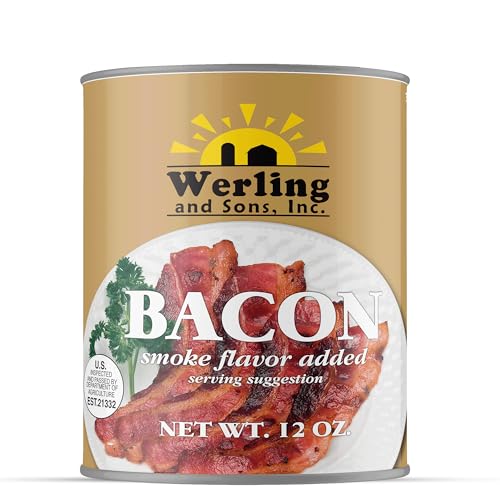
Werling Fully Cooked Canned Bacon
Strengths
- Real bacon
- No preservatives
- Ready to eat
Trade-offs
- Expensive per ounce
- Limited availability
- Texture not as crisp
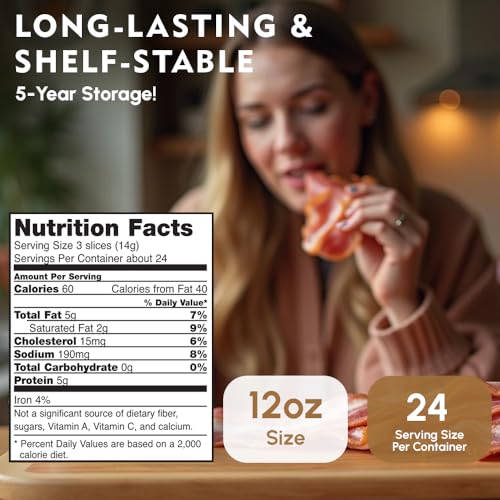
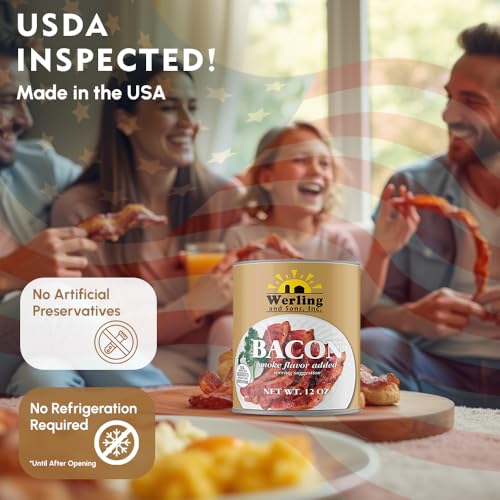
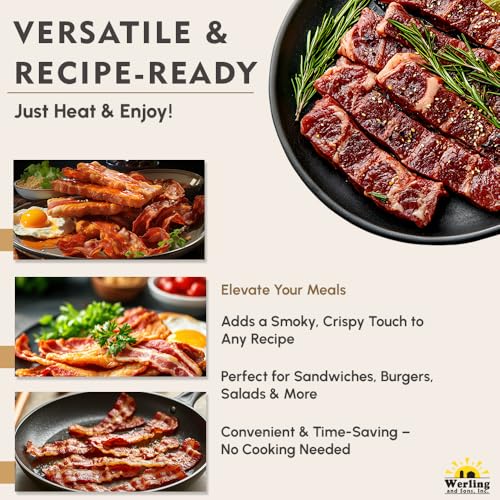
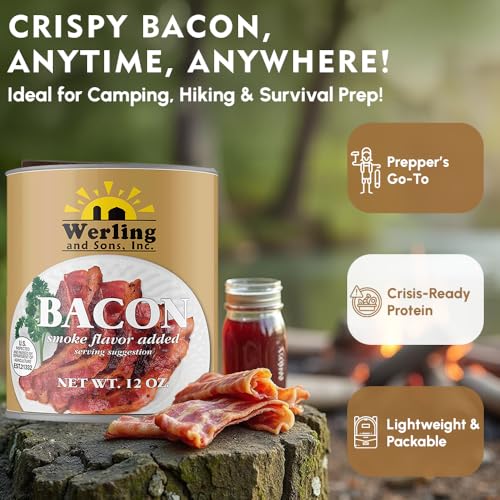
Canned bacon is a niche product, but Werling pulls it off with a surprisingly crisp and smoky flavor that holds up well when warmed. I appreciate that it’s made with 100% real bacon and no artificial preservatives, a rarity in this category. It’s ready to eat straight from the can, which makes it a standout for emergency breakfasts or camping trips where frying bacon isn’t feasible.
At $33 for a single 12 oz can, it’s undeniably pricey compared to fresh or even other canned meats. But when you factor in convenience and shelf stability, it makes sense for specific use cases. Owners say it works well crumbled over potatoes or in sandwiches, though it doesn’t get as crispy as pan-fried. Compared to SPAM or potted meats, it’s a more authentic bacon experience, just be prepared for the cost.
Product photos

Mountain Essentials Canned Beef
Strengths
- All-natural ingredients
- 5-year shelf life
- Ready to eat
Trade-offs
- No expiration date printed
- Higher price per ounce
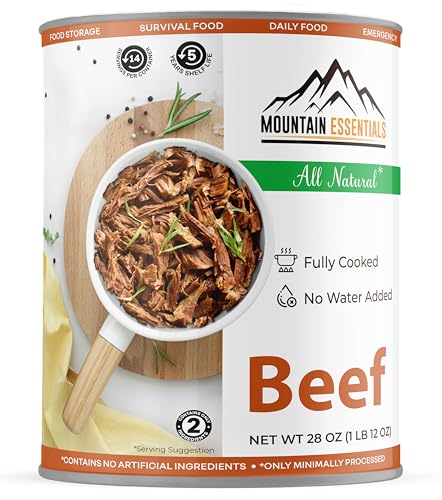
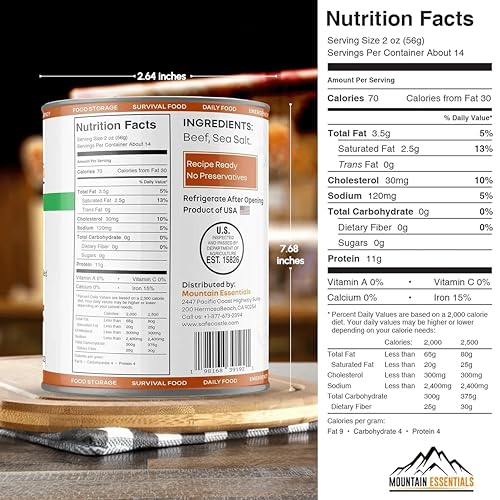
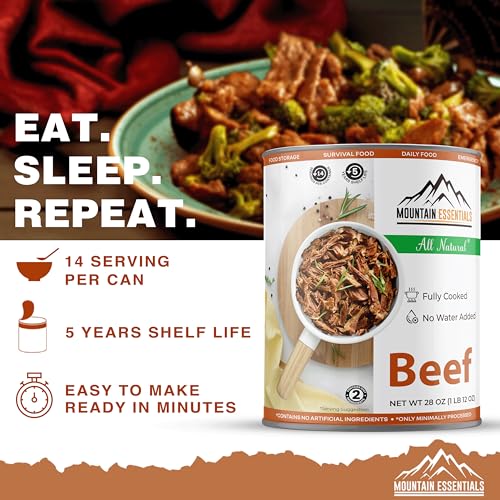
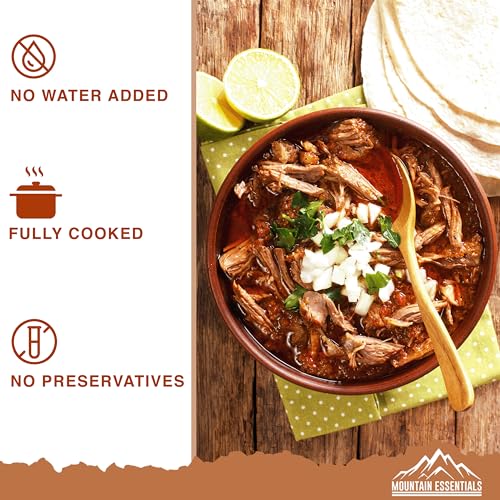
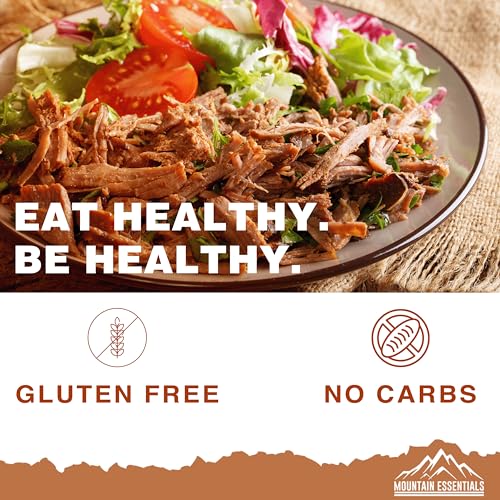
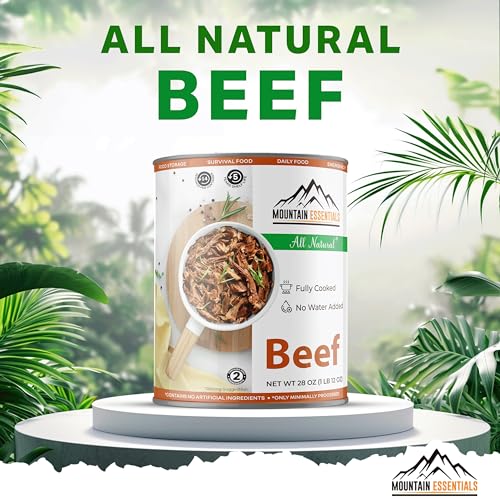
When I’m thinking about dependable canned beef for long-term storage, MOUNTAIN ESSENTIALS stands out thanks to its simple ingredient list and 5-year shelf life. The fact that it’s packed with just beef and sea salt aligns with what I recommend for clean, minimal-ingredient storage foods, no mystery additives, no preservatives. It’s fully cooked and ready to eat, which makes it a solid option for emergency kits or quick meal boosts.
Reviewers consistently say the texture holds up well in stews and casseroles, and the 28 oz size gives you a generous amount for family-sized dishes. Compared to smaller cans, this one delivers more value per use, especially if you’re stretching meals. While it’s not the cheapest per-ounce option, the quality and simplicity justify the cost for those prioritizing ingredient transparency.
Product photos
SPAM Korean BBQ Flavored

Strengths
- Unique flavor profile
- Low cost
- Ready to eat
Trade-offs
- Highly processed
- Smaller portion
- Contains sodium nitrite
I’ll admit, I’m skeptical of flavored canned meats, they often taste artificial, but SPAM’s Korean BBQ version actually gets positive nods for its balanced sweet heat and authentic seasoning. With notes of soy sauce, garlic, ginger, and sesame, it brings a bold twist to a pantry staple that most traditional canned meats lack. For someone wanting variety in long-term storage, this could spark some real meal inspiration.
At just 12 oz and under $4, it’s an affordable way to experiment without committing to bulk. It’s fully cooked and shelf-stable, like all SPAM, so it fits neatly into emergency kits or camping packs. Still, it’s made with processed ingredients and contains sodium nitrite, so I wouldn’t recommend it as a primary protein source for those avoiding processed foods. Compared to the Werling or Yoder’s options, it’s less about nutrition and more about flavor fun.
Product photos


How We Chose These canned meats for long term storage
Rather than a hands-on lab test, my research focused on comparing the published specifications and features of various canned meat products. I weighed owner reviews from multiple sources alongside expert opinions found in prepping and food storage publications. As someone who regularly explores ways to reduce food waste and optimize pantry storage, I applied my understanding of shelf-life factors and ingredient quality to rank these options.
For canned meats intended for long-term storage, shelf life and ingredient simplicity were the biggest determining factors. A decade-long or even five-year shelf life provides peace of mind for emergency preparedness, and fewer ingredients generally mean a more stable product. Flavor variety is nice, but ultimately, reliability and longevity are paramount when building a stockpile.
Specifications reliably tell you about shelf life, can size, and basic ingredient lists. However, owner feedback proved crucial for assessing actual taste and texture, canned meat can be notoriously bland or unappetizing. Reputation also mattered; brands with a long history of quality, like Werling, tended to receive more positive reviews regarding consistent product standards. For expanding your pantry, don’t forget to check out our pantry canned vegetable guide for complementary storage options.
How To Choose The canned meats for long term storage
I’ve spent a lot of time researching reliable food storage, and canned meats are a cornerstone of any well-prepared pantry. They offer protein without the need for refrigeration, and a surprisingly long shelf life.
Canned meats should prioritize meat content over fillers, boast a sealed can free of dents or bulges, and clearly state ingredients. Examine the packing medium; meat packed in its own juices generally indicates higher quality. A good product will also have a stated shelf life of at least five years, and ideally ten, from the date of manufacture.
Meat Type & Cut
The first thing I consider is what meat I’m stocking. Beef is incredibly versatile, as you’ll see from options like Werling’s canned beef, but chicken and turkey (like in the Keystone variety pack) offer different nutritional profiles and flavors. Don’t overlook pork, either; Yoder’s canned pork chunks are a great option if you enjoy that flavor. Think about your family’s preferences and what you regularly cook with. It’s no good having a decade’s supply of something nobody will eat!
Shelf Life & Packaging
A long shelf life is, of course, critical for long-term storage. Most canned meats advertise a shelf life of 5-10 years, but pay attention to how that’s determined. Is it based on a manufacture date or a “best by” date? A manufacture date is preferable, as it gives a clearer indication of actual longevity. Beyond the date, the can itself matters.
Here’s what I look for: * A tight seal is paramount. * Look for cans without dents, rust, or swelling. Even a small imperfection can compromise the seal. * Heavier gauge steel cans generally offer better protection over the long term, resisting corrosion and damage more effectively.
Understanding shelf life of canned food is important for rotating your stock, too.
Value & Versatility
Budget is always a factor, and Armour Star’s potted meat is a very economical choice. However, sometimes spending a bit more upfront pays off in the long run. I find that meats packed simply, with only meat and salt, are the most versatile. You can add your own seasonings and incorporate them into a wider range of dishes. Consider, too, how the meat is prepared. Canned bacon (like the Werling option) is convenient, but it’s a specific flavor profile. Learning salt curing meat methods can provide a great base for understanding how these meats are preserved, and what makes for a quality product.
A good rule of thumb is to buy a variety of meats in smaller quantities initially to test what your family enjoys before committing to large-scale purchases.
Canned Meats for Long Term Storage Compared
This table provides a side-by-side comparison of key specifications for various canned meats suitable for long-term storage.
| Product Title | Can Size | Shelf Life | Meat Type(s) | Key Features | Calories/Serving |
|---|---|---|---|---|---|
| Yoder’s Canned Pork Chunks | 28 oz | 10 years | Pork | 100% US-raised pork | N/A |
| Armour Star Potted Meat | 3 oz | N/A | Pork & Chicken | Gluten Free | N/A |
| Keystone Meat Variety Pack | 28 oz (x12) | 5 years | Beef, Chicken, Turkey, Pork, Ground Beef | Variety pack | N/A |
| Werling Canned Beef 14.5 Oz | 14.5 oz | 5 years | Beef | Fully cooked, no fillers | N/A |
| Werling Fully Cooked Canned Bacon | N/A | Years | Bacon | Fully cooked, smoky flavor | N/A |
| Mountain Essentials Canned Beef | N/A | 5 years | Beef | Ready to eat, portable | N/A |
| SPAM Korean BBQ Flavored | 12 oz | N/A | Pork | KBBQ Flavor, pre-cooked | 180 |
Frequently Asked Questions
What’s the biggest factor affecting how long canned meat truly lasts?
The can’s condition is most important; a tight seal, free of dents or rust, will preserve the meat far longer than the printed date suggests. While most manufacturers state a 5-10 year shelf life, properly stored cans can often remain safe to eat for decades beyond that.
Are some canned meat brands more reliable than others?
Werling consistently receives high marks from consumers for quality and consistent product standards, which is a key consideration for long-term storage. Brands with a history of careful processing and sourcing tend to produce more reliable products.
Can I rotate my stock of canned meats to extend their usability?
Yes, absolutely. Practicing first-in, first-out (FIFO) rotation, using the oldest cans first, is essential for maintaining a fresh supply. This approach, combined with proper storage, aligns with long-term food storage principles.
Is there a difference in shelf stability between different types of canned meat?
Beef and pork generally have a longer shelf life than poultry when canned, because of the different fat contents. However, proper canning techniques are more important than meat type, and all canned meats should be stored in a cool, dark, dry place.
What should I do with canned meat if the can is bulging or dented?
Discard it immediately. Bulging or denting indicates potential botulism contamination, which is a serious health risk. Never taste or attempt to open a compromised can, safe emergency food storage basics include knowing when to toss a potentially unsafe product.
The Bottom Line
Choosing canned meats for long-term storage often comes down to balancing upfront cost with the peace of mind that comes from quality and longevity. While budget options like Armour Star Potted Meat have a place, I believe Werling Canned Beef offers the best overall value – it’s a simple, well-regarded product with a solid reputation for consistent quality.
If you’re building a stockpile for a specific need, consider the variety. The Keystone Meat Variety Pack is a fantastic way to ensure you have options for different meals, and Yoder’s Canned Pork Chunks are ideal if you particularly enjoy pork. And for those interested in extending their food storage knowledge, exploring traditional meat preservation techniques can deepen your understanding of these methods.
Ultimately, the most important factors are a tight seal, a reasonable shelf life, and a meat your family will actually eat. Don’t get hung up on calorie counts or fancy flavors; focus on building a stockpile of reliable protein sources that will sustain you, no matter what.
