8 Best Long Term Food Storage Solutions 2026
This post contains affiliate links. As an Amazon Associate, we earn from qualifying purchases.
The Ready Hour Beans Trio with Rice stands out as the best overall for long-term food storage, offering real food with a 30-year shelf life in durable packaging. For those on a tighter budget, the READYWISE Favorite Sample Bucket delivers solid value and variety, while the Ready Hour Fruit & Veggie Mix is ideal if you’re looking to add nutrient-rich, freeze-dried produce to your stockpile.
Most people don’t realize how quickly food can degrade without the right protection, even in a pantry. Oxygen, moisture, and light silently ruin staples, turning what should be a reliable backup into wasted space. I’ve researched dozens of options, focusing on shelf life, packaging integrity, and real user feedback to identify the ones that actually hold up over time. This guide cuts through the noise to show you what really works for long-term storage, based on proven materials and practical needs.
Top 7 Long Term Food Storage in the Market
The Best Long Term Food Storage, Reviewed
Ready Hour Beans Trio with Rice

Strengths
- Real ingredients
- 30-year shelf life
- Versatile meal base
Trade-offs
- Requires cooking
- No seasoning included
- Heavier storage footprint
If I had to choose one product from this list as the backbone of a long-term pantry, it would be this beans and rice bucket. Five real-food components – including three types of beans and two rice blends – offer real versatility. Unlike single-flavor survival meals, this kit lets you mix and match, which owners say keeps meals feeling less repetitive over time. The 30-year shelf life matches the best in class, and the quadruple-wrapped pouches inside a rugged bucket inspire confidence during floods or transport.
Prep is straightforward: boil water, pour, and wait under 30 minutes. Many reviewers use this not just for emergencies but for backpacking and weekend cabin trips. Compared to fully prepared meals, it requires slightly more effort, but the payoff in texture and satisfaction is worth it. This is the kind of staple that turns survival eating into actual meals.
Video review
Ready Hour Fruit & Veggie Mix

Strengths
- 30-year shelf life
- Resealable pouches
- Tastes fresh when rehydrated
Trade-offs
- Not a full meal
- Lightweight packaging
- Few savory options
This freeze-dried fruit and veggie mix earns praise for balancing nutrition with palatability – a rare combo in emergency food. With a full 30-year shelf life and seven resealable pouches, it gives users flexibility to use portions without wasting the rest, which owners say makes it practical for both emergencies and camping trips. The fact that it’s made in the USA adds to its appeal for those prioritizing domestic sourcing.
Reviewers consistently mention how well the colors and textures hold up after rehydration, and some even use it in everyday smoothies or trail mixes. Compared to single-serve meal kits, this isn’t a complete meal, but it fills a critical gap: fresh-like produce when none is available. I’d pick this over canned veggies any day for long-term storage.
Video review
READYWISE Protein Bucket 296 Servings

Strengths
- High serving count
- Long shelf life
- Convenient prep
Trade-offs
- Limited flavor depth
- Repetitive menu
- Plastic aftertaste reported
On paper, the sheer volume of servings here is impressive – 296 meals in two buckets is a serious commitment to preparedness. Owners consistently report that the convenience of ‘just add water’ meals makes this a go-to during power outages or when setting up camp, though the menu variety feels limited for long-term reliance. The inclusion of protein-focused options like Cheesy Macaroni and whey-based drinks suggests an effort toward balanced nutrition, but reviewers note the taste can lean toward the artificial side after several servings.
The 25-year shelf life is solid for this category, and the split lid doubling as a tray is a small but smart design touch many appreciate. Still, compared to freeze-dried alternatives, this leans more toward caloric sustenance than culinary enjoyment. I’d recommend it as a high-volume backup rather than a primary nutrition source over months.
Product photos


Augason Farms Lunch & Dinner Kit
Strengths
- Wide meal selection
- Long shelf life
- Easy stove-top prep
Trade-offs
- Some textures inconsistent
- Heavy reliance on carbs
- Limited protein options
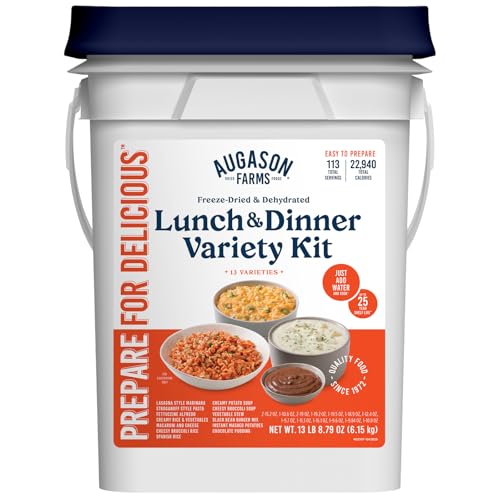
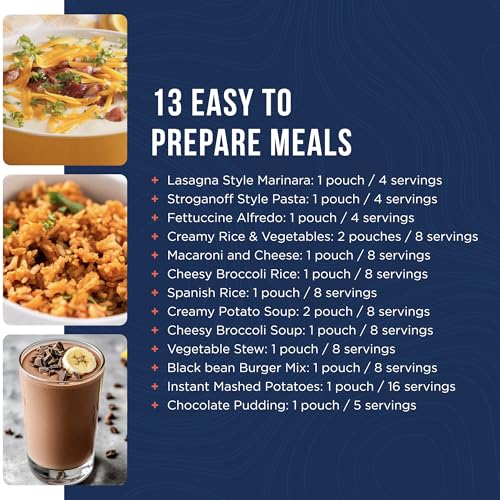
With 13 different meals and 113 total servings, this bucket wins on variety – a major factor when you’re facing weeks or months without fresh groceries. From mac and cheese to black bean burger mix and chocolate pudding, it covers breakfast, lunch, dinner, and even dessert. Reviewers frequently mention that the creamy soups and pastas rehydrate well, though some dishes like the stroganoff get mixed feedback on texture.
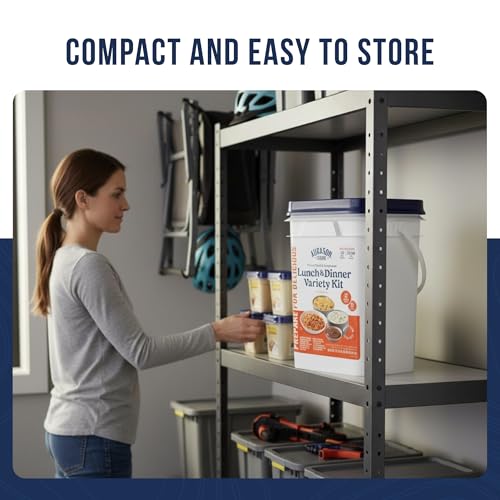
Packed in a 4-gallon pail with a 25-year shelf life, it’s portable and doesn’t require refrigeration, making it popular for earthquake kits or RV storage. Compared to plain grain buckets, this offers immediate meal satisfaction with minimal effort – just add water and heat. While it’s not as nutritionally balanced as whole-food kits, it does what it promises: deliver familiar, comforting flavors when stress runs high.
Product photos



120 Packs 500CC Oxygen Absorbers
Strengths
- Food grade certified
- Indicator included
- Works with oily foods
Trade-offs
- Small absorber size
- Not resealable packaging
- Bulk handling tricky
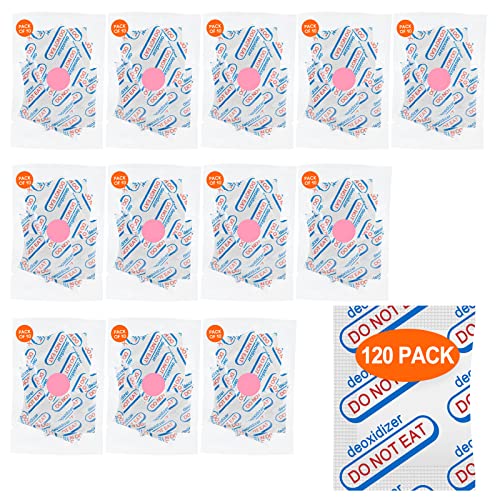
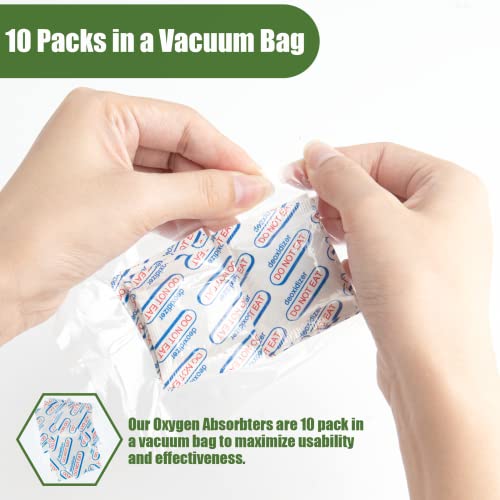
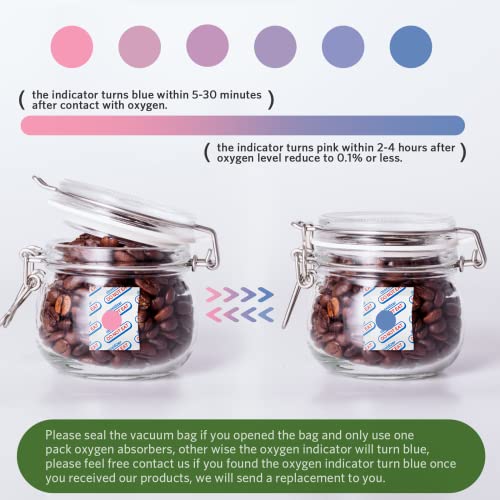
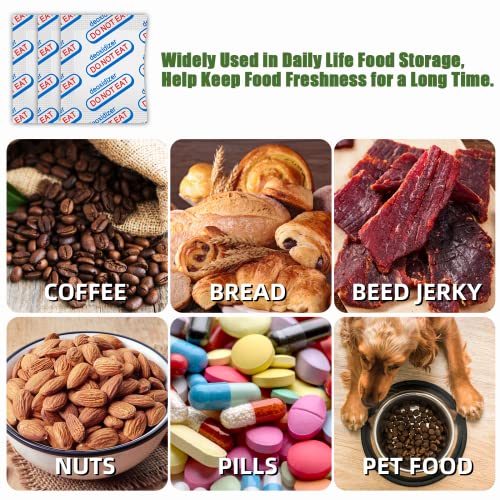
Oxygen absorbers are the unsung heroes of long-term food storage, and this pack stands out for its thoughtful packaging and food-grade certification. The fact that they come in vacuum-sealed 10-packs with oxygen indicators means you can trust their freshness upon arrival – something many buyers highlight as a major plus. The anti-oil film design also sets these apart, making them safe to use with nuts, jerky, or other oily foods without breakdown, which isn’t always guaranteed in budget packs.
At this price point, it’s one of the smarter buys for DIY preppers sealing grains, legumes, or dehydrated meals in mylar or mason jars. Reviewers note fewer duds per batch compared to off-brands, and the included indicator takes the guesswork out of usability. For anyone serious about preserving nutritional value and preventing spoilage, these are a quiet necessity.
Product photos
120 Mylar Bags with Oxygen Absorbers

Strengths
- Multiple bag sizes
- Resealable and labeled
- Good oxygen blocker
Trade-offs
- Heat sealing requires practice
- Absorbers could be larger
- Clips not very durable
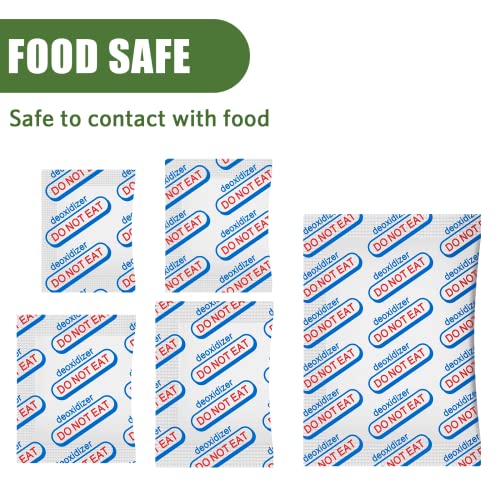
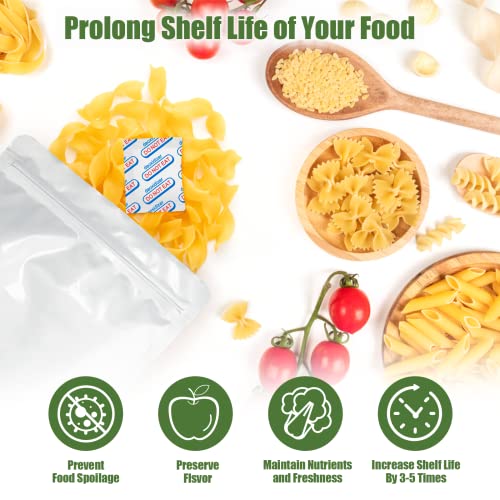
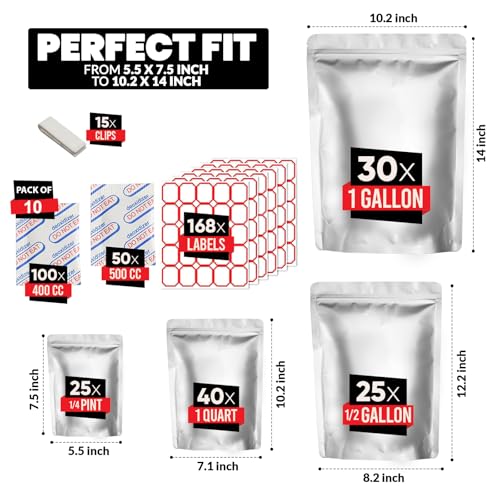
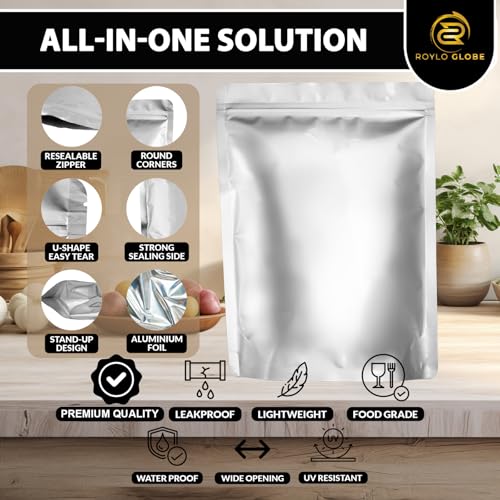
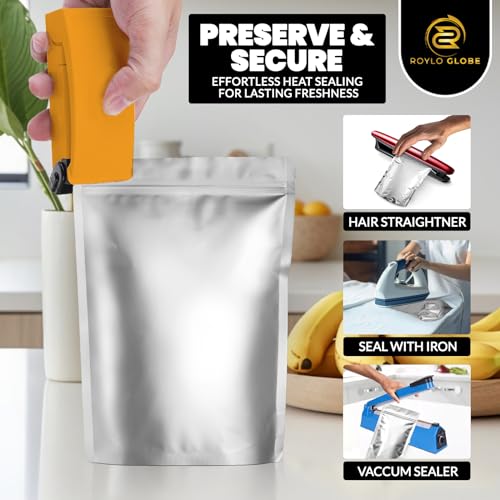
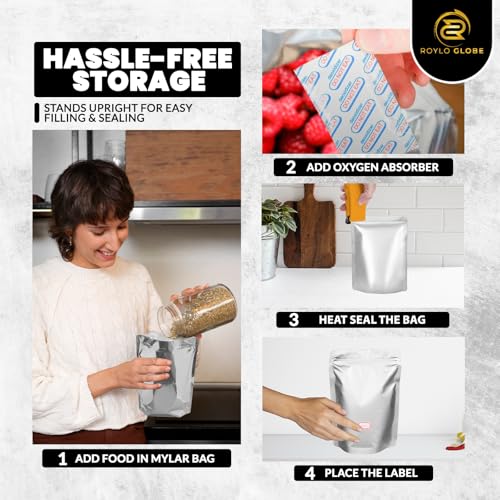
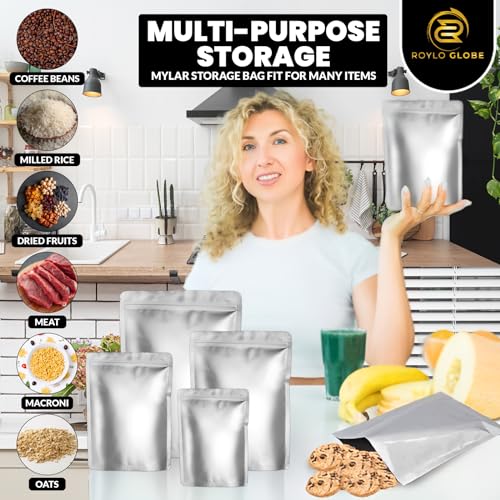
This value pack delivers exactly what most home storers need: a range of sizes, quality materials, and enough oxygen absorbers to get started without constant restocking. The triple-layer construction (PET, aluminum foil, PE) provides real protection against light, moisture, and air – the big three enemies of shelf stability. Owners appreciate the stand-up design and resealable feature, which makes accessing contents mid-storage easier than standard flat bags.
The inclusion of 168 labels is a small but meaningful touch for organizing batches by date or content. While the manufacturer recommends a professional heat sealer, many users report success with household irons and parchment paper, though consistency varies. Compared to buying bags and absorbers separately, this bundle saves time and often money. It’s the kind of starter kit that grows with your needs.
Product photos
ePackageSupply 5 Gallon Food Grade Bucket
Strengths
- FDA compliant
- Stackable design
- Durable HDPE material
Trade-offs
- Lid can warp over time
- No oxygen barrier
- Basic appearance
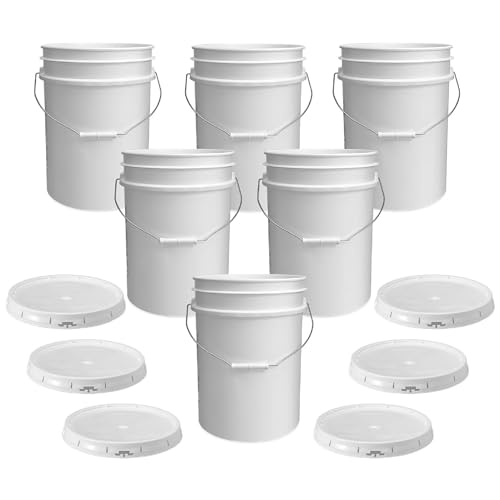
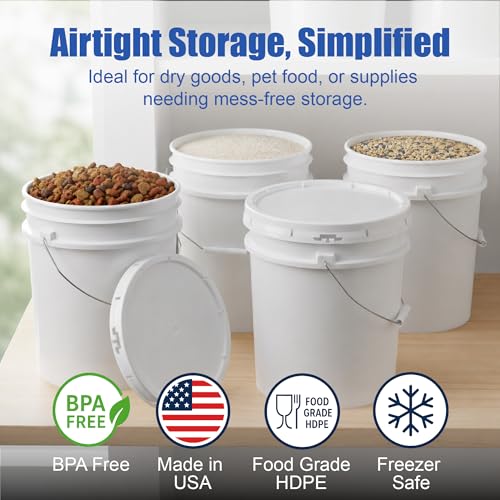
These buckets are the workhorses of food storage – simple, durable, and genuinely food-safe thanks to FDA compliance and BPA-free construction. At six per pack, they’re ideal for repackaging bulk grains, sugar, or salt into manageable, moisture-resistant containers. The gasketed lid creates a solid seal, and the stacking rings make vertical organization possible, which owners consistently praise in tight pantries or garages.
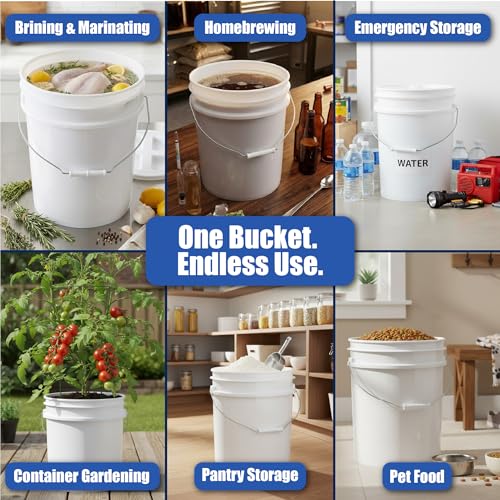
While they don’t come with oxygen absorbers or mylar lining, that’s not their job. Their strength lies in being versatile: you can line them for long-term storage or use them for fermenting, water collection, or dry goods rotation. Compared to flimsier containers, these HDPE pails feel substantial without being too heavy. For under $10 each, they’re the foundation every serious storage plan should consider.
Product photos


How We Evaluated long term food storage
As someone deeply involved in the world of food preservation through Food Keepy, I approached researching long-term food storage solutions with a focus on practicality and longevity. Rather than a hands-on lab test, this was a research-led comparison of published specifications and owner feedback across a range of products. I weighed features, materials, and owner experiences to determine which options offer the best balance of shelf life, convenience, and value. A key part of this process involved analyzing expert reviews from preparedness websites and communities.
For this category, the most significant factors were shelf life, packaging quality, and serving size/value. A long-term supply is useless if the food isn’t palatable after a few years, so preservation methods were paramount. Robust packaging – protecting against oxygen, moisture, and pests – was also heavily weighted. Finally, I considered the cost per serving to identify options offering substantial value for those building a thorough supply. Understanding your needs for long-term storage containers is also critical.
Product specifications reliably indicate storage life and serving counts, but owner reviews offered crucial insights into real-world usability. I paid close attention to comments regarding taste, ease of preparation, and the effectiveness of packaging over time. Reputation and brand reliability also played a role, particularly when assessing the quality of freeze-dried or dehydrated foods. Equally important is thinking about your overall emergency preparedness, including secure long-term water storage solutions.
How To Choose The long term food storage
Preparing for emergencies or simply wanting to reduce waste requires careful planning when it comes to food storage.
Effective long-term food storage relies on air-tight, durable packaging, food quality, and preservation techniques that maximize shelf life without sacrificing nutritional value. Consider oxygen absorbers, mylar bags, and food-grade buckets to protect against moisture, pests, and light. Regularly check stored food for signs of spoilage, even with robust packaging.
Understanding Shelf Life & Food Type
One of the first things I tell people is that not all foods are created equal when it comes to long-term storage. Some foods, like dried beans and rice, naturally lend themselves to decades of storage if properly protected. Others, like fats and oils, will go rancid much faster, even in ideal conditions. Don’t assume everything can be stored indefinitely. Focus on building a supply of staples like grains, legumes, and dehydrated options. Knowing the inherent limitations of each food will guide your choices and prevent disappointment down the line.
Packaging Matters Most
Packaging is arguably more important than the food itself, because even the most stable food will degrade quickly if exposed to oxygen, moisture, or pests. Mylar bags, especially when used in conjunction with oxygen absorbers, are the gold standard for long-term storage. A quality food-grade bucket (like the ePackageSupply 5 Gallon Food Grade Bucket) provides a protective outer layer.
Here’s what to look for in packaging: * Durability: A flimsy bag won’t withstand handling. * Oxygen Barrier: Mylar is superior to standard plastic. * Moisture Barrier: Essential for preventing spoilage and clumping. Invest in oxygen absorbers to further safeguard your supplies.
Balancing Cost with Nutritional Value
While it’s tempting to stock up on the cheapest calories possible, remember that nutrition is vital, especially in a long-term situation. A bucket of white rice is affordable, but lacks the vitamins and minerals found in more diverse options. Consider kits that include fruits, vegetables, and protein sources, even if they are more expensive upfront. A well-rounded supply will support better health and morale. You can learn more about principles of long-term storage on my site, Food Keepy.
A good rule of thumb is to prioritize quality over quantity when it comes to essential nutrients. A smaller supply of nutrient-dense foods will often be more valuable than a larger supply of empty calories.
Long Term Food Storage Compared
This table provides a specification comparison of various long term food storage products to help you assess their features.
| Product Title | Servings | Shelf Life | Food Type(s) | Container Type | Key Features |
|---|---|---|---|---|---|
| Ready Hour Beans Trio with Rice | N/A | 30 years | Beans, Rice | Bucket | Real food, easy to cook, robust packaging |
| Ready Hour Fruit & Veggie Mix | 56 | 30 years | Fruits, Vegetables | Bucket | Freeze-dried, resealable pouches, made in USA |
| READYWISE Protein Bucket 296 Servings | 296 | 25 years | Protein Meals | Bucket | High servings, easy to prepare, nutritious |
| READYWISE Favorite Sample Bucket | 120 | 25 years | Entrees | Bucket | Budget-friendly, stackable, convenient |
| Augason Farms Lunch & Dinner Kit | 113 | 25 years | Variety of Meals | Bucket | 13 meal varieties, just add water |
| 120 Packs 500CC Oxygen Absorbers | N/A | N/A | N/A | Packs | Food grade, extends shelf life, anti-oil film |
| 120 Mylar Bags with Oxygen Absorbers | N/A | N/A | Various | Mylar Bags | Triple-layered protection, resealable |
| ePackageSupply 5 Gallon Food Grade Bucket | N/A | N/A | Various | Bucket | Food safe, stackable, durable |
Frequently Asked Questions
What’s the biggest mistake people make when starting long-term food storage?
People often underestimate the importance of proper packaging. Even foods with long shelf lives will spoil quickly if exposed to air, moisture, or pests, so investing in quality Mylar bags for storage and oxygen absorbers is critical.
How often should I rotate my long-term food storage?
While properly stored food can last for decades, I recommend rotating your stock every five to ten years to maintain optimal quality and flavor. This also gives you a chance to check packaging for any signs of damage or compromise.
Is freeze-dried food really better than dehydrated?
Freeze-dried food generally retains more of its original nutritional value and flavor compared to dehydrated food, but it’s also typically more expensive. Both are excellent options for long-term storage; the best choice depends on your budget and priorities.
What’s a cost-effective way to supplement a long-term food supply?
Including canned meats is a smart way to boost your protein intake without a huge expense. They have a long shelf life and require no refrigeration, making them ideal for emergency preparedness.
Can I store food directly in plastic buckets?
While convenient, standard plastic buckets aren’t ideal for long-term storage as they aren’t always a sufficient barrier against oxygen and moisture. Food-grade buckets are better, but should still be used with mylar bags and oxygen absorbers for optimal preservation.
The Bottom Line
Building a long-term food supply often comes down to a trade-off between upfront cost and the peace of mind that comes with preparedness. While many options exist, the Ready Hour Beans Trio with Rice strikes an excellent balance, providing a substantial calorie base with real food ingredients and packaging designed to last. It’s a solid foundation for anyone starting to build their stores.
For those prioritizing variety or specific dietary needs, the Augason Farms Lunch & Dinner Kit is an excellent choice. If budget is a primary concern, the READYWISE Favorite Sample Bucket offers a surprisingly high serving count for the price, allowing you to begin storing dried beans and other essentials without a large initial investment. Don’t underestimate the value of supplementing with quality freeze-dried foods for essential nutrients and variety.
Ultimately, the best long-term food storage isn’t about finding the single longest-lasting product, but about creating a well-rounded supply that meets your family’s needs and preferences. Focus on durable packaging, a variety of food types, and a commitment to regularly check and rotate your supplies. Prioritizing these fundamentals will serve you far better than chasing the highest number of years on a label.
