8 Best Water Storage Tanks of 2026
This post contains affiliate links. As an Amazon Associate, we earn from qualifying purchases.
The WaterPrepared 35 Gallon Portable Tank stands out as the best overall choice for most households, combining durability, portability, and a reliable spigot. For those on a budget, the 5-Gallon Stackable Water Containers (6-pack) offer smart, modular storage, while the waterBOB 100 Gallon Bathtub Bladder is unmatched for emergency capacity in tight spaces.
When it comes to water storage, the real challenge isn’t just holding water, it’s keeping it safe, accessible, and practical over time. Too many people buy based on size alone, only to struggle with leaks, awkward filling, or contaminated supplies.
As the founder of Food Keepy, I’ve spent years researching how to store essentials effectively, and water is at the top of that list. This guide cuts through the noise by focusing on what actually matters: material safety, real-world usability, and long-term reliability, based on specs, owner experiences, and trusted brands in preparedness circles.
Top 8 Water Storage Tanks in the Market
The Best Water Storage Tanks, Reviewed
55 Gallon Stackable Emergency Water Tank
Strengths
- Stackable
- Brass spigot
- Durable build
Trade-offs
- Heavy when full
- Higher upfront cost
- No pump included
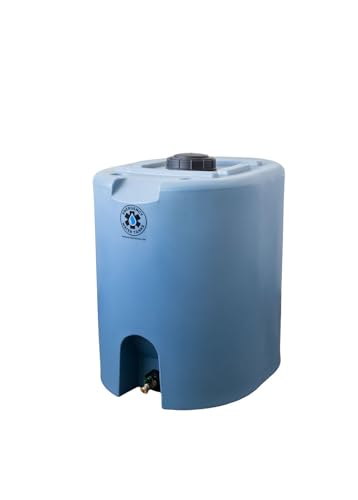
This is the gold standard for home water prep. With 55 gallons of food-grade, BPA-free storage and a stackable design, it gives you serious capacity without eating up floor space. The rotational molding ensures durability, and the brass spigot is a standout, far more reliable than plastic ones on budget tanks.
Owners appreciate the 5-inch twist lid for easy cleaning and filling, and the build quality feels industrial-grade. Backed by decades of manufacturing experience, it’s clearly built to last. Compared to single-use bladders or non-stackable barrels, this is the smarter buy for serious preppers.
Video review
HOANK 55-Gallon Water Storage Barrel

Strengths
- UN rated
- Weather resistant
- Dual fittings
Trade-offs
- No spigot
- Heavy when full
- Not portable
This HOANK drum is built like industrial equipment, which is exactly the point. With a 55-gallon capacity, UN rating, and HMWPE construction, it’s meant for chemicals, oils, or bulk liquid storage in labs or workshops. The BPA-free plastic and tight head design make it safe for potable water, but it’s overkill for most home preppers.
Reviewers note its durability in harsh conditions, and the dual fittings offer real flexibility for pumping or draining. But it’s not user-friendly for casual use, no spigot, no portability, and the rigid form takes up space. I’d pick this only if you need a rugged, certified container for serious industrial or chemical storage.
Video review
RTS 50-Gallon Recycled Rain Barrel

Strengths
- Eco-friendly material
- Flat-back design
- Overflow valve
Trade-offs
- Plastic spigot
- Not for drinking
- No stand included
If you’re into sustainable gardening, this rain barrel is a no-brainer. Made from 100% recycled plastic and designed to hug a wall, it’s both eco-friendly and space-smart. The 50-gallon capacity fills quickly in moderate rain, and the overflow valve lets you chain multiple barrels.
The plastic spigot is basic and can leak over time, but it works fine for garden hoses. Owners say it blends well with landscaping and requires little maintenance. It’s not for drinking water, but for irrigation, it’s efficient and responsible. I’d pick this over standard barrels for its design and green credentials.
Product photos


WaterPrepared 35 Gallon Portable Tank

Strengths
- Lightweight empty
- Hose-compatible spigot
- Easy to transport
Trade-offs
- Plastic less durable
- No overflow valve
- Not stackable
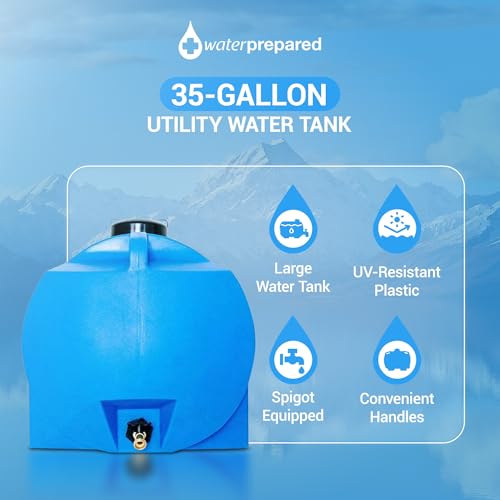
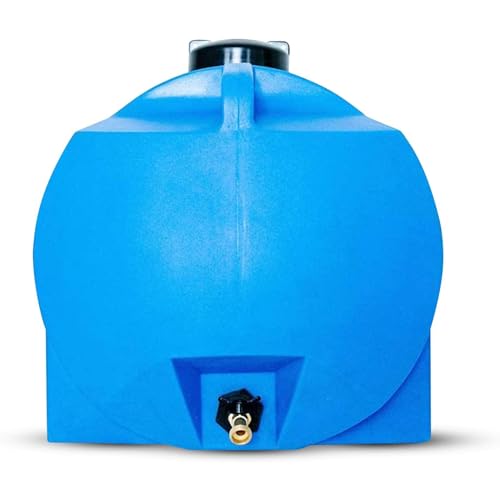
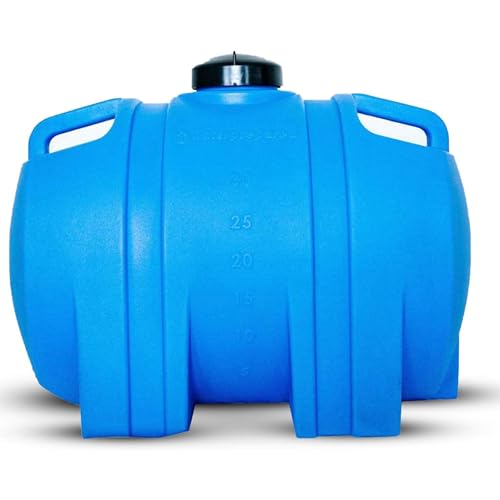
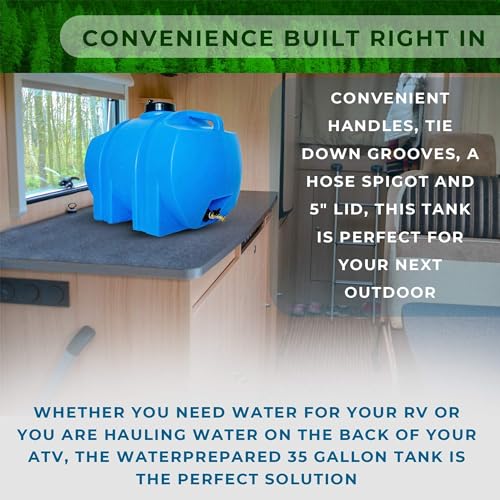
This 35-gallon tank hits the sweet spot between capacity and portability. At just 16 pounds empty, it’s easy to move, and the horizontal shape with two handles fits neatly in trailers or SUVs. The built-in spigot connects to garden hoses, so no pump or siphon is needed, just turn and go.
Owners love it for camping and road trips, and the UV-resistant plastic keeps water safe over time. But at 35 gallons, it’s still heavy when full, and the plastic isn’t as rugged as rotationally molded tanks. Still, for mobile water needs, this is one of the most user-friendly options out there.
Product photos

21 Gallon Portable Water Tank
Strengths
- Affordable
- Multi-use design
- Includes accessories
Trade-offs
- Less durable material
- Faucet leaks reported
- Not UV-stable long term
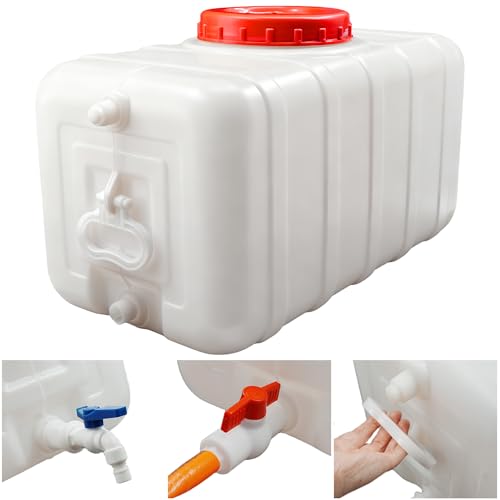
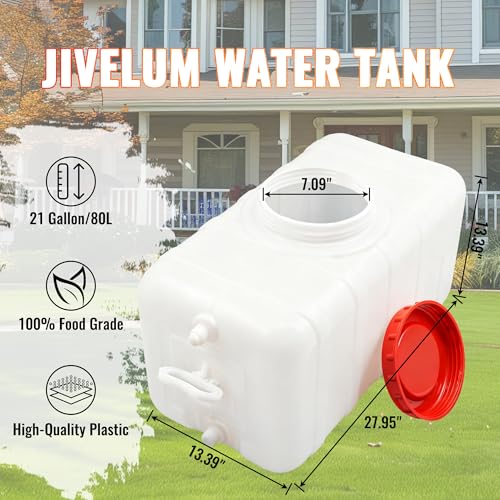
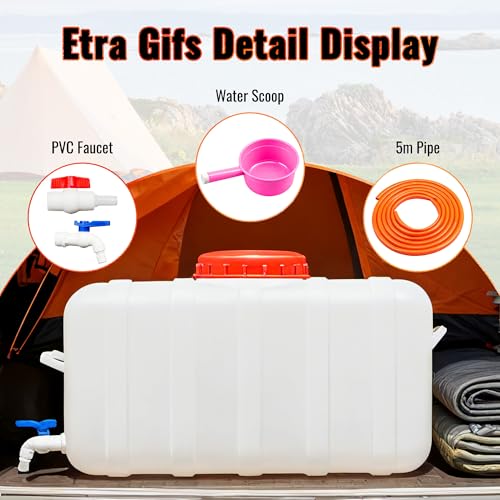
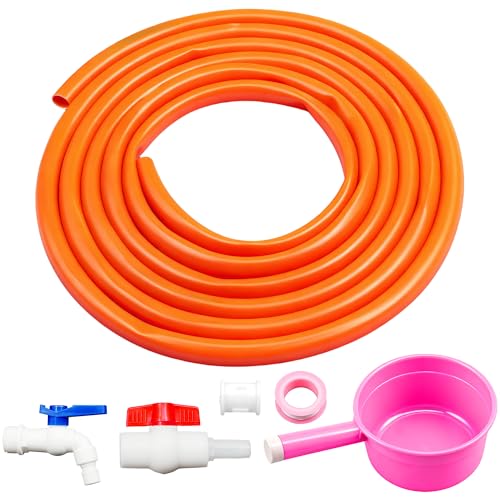
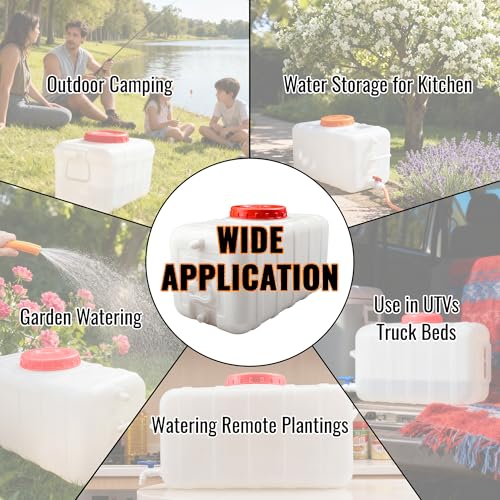
This midsize tank offers solid value for a range of uses, from camping to farm chores. The rectangular shape saves space in trucks or corners, and the 7-inch wide opening makes filling and cleaning a breeze. It comes with a faucet, hose, and sealing tape, so it’s ready to go out of the box.
Made from BPA-free PVC, it’s safe for drinking water, but not as tough as polyethylene tanks. Some users report seam issues after prolonged use, especially in direct sun. Still, for the price, it’s a versatile workhorse. I’d choose this over pricier models if you need a multi-use tank without long-term storage demands.
Product photos

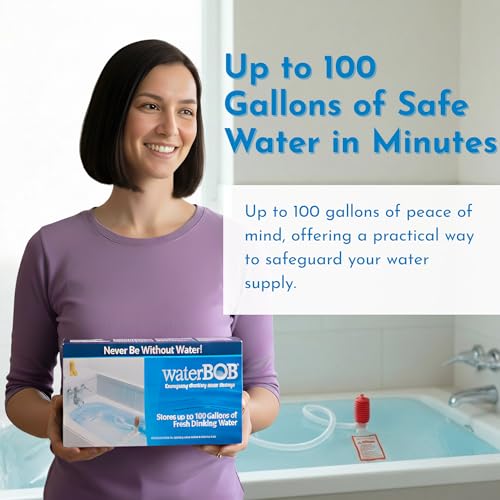
waterBOB 100 Gallon Bathtub Bladder
Strengths
- High capacity
- Easy setup
- Space-saving
Trade-offs
- Short storage life
- Requires clean bathtub
- Manual siphon only
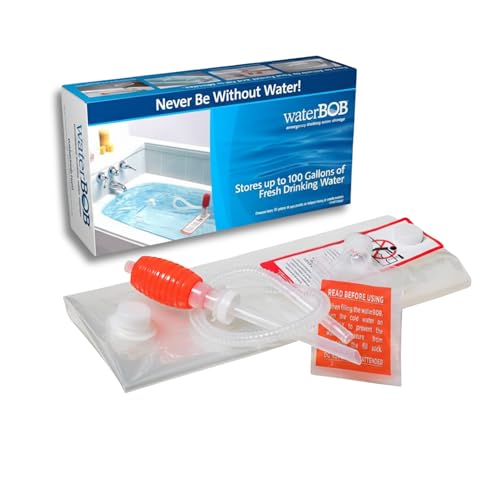
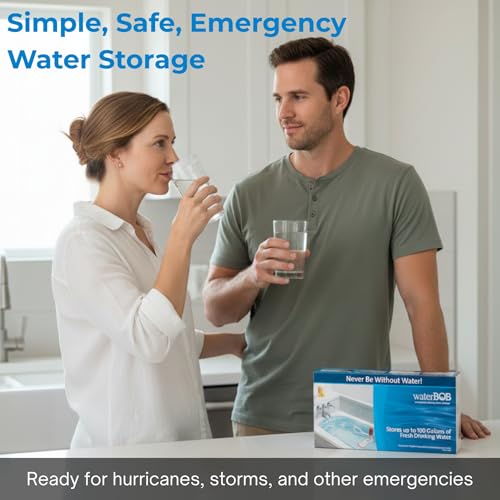
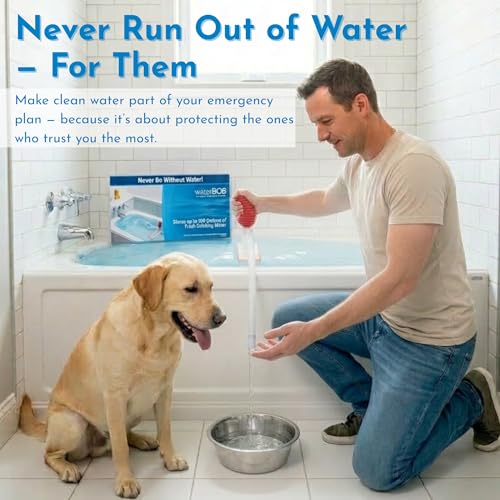
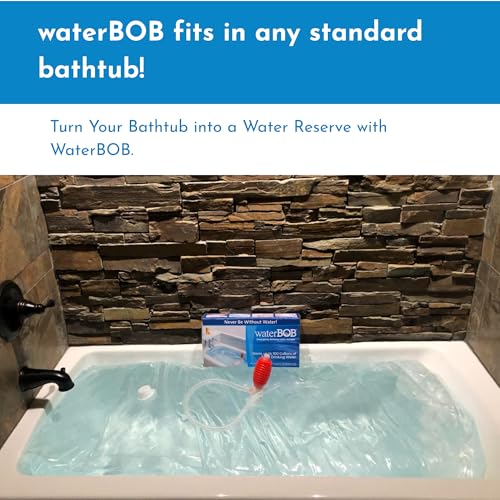
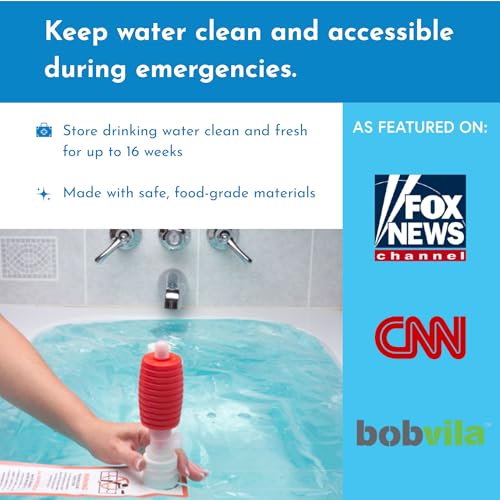
If you’re looking for a no-fuss way to store a lot of water fast when disaster hits, the waterBOB makes a lot of sense. It turns your bathtub into a 100-gallon reservoir without permanent setup or storage hassles. On paper, it’s brilliant, lightweight, food-grade, and ready in under 30 minutes. Owners consistently report it’s a go-to during hurricanes, especially in apartments or small homes where floor space is tight.
Still, it’s not a long-term solution. The water stays safe for up to 16 weeks, but you’ll need to drain and sanitize your tub afterward. And without a powered pump, siphoning water can be slow. But for short-term emergencies, it beats hauling bottled water.
Product photos
LOFTANK 65 Gallon Portable Bladder

Strengths
- High capacity
- Foldable design
- Durable PVC
Trade-offs
- Stiff in cold
- No pump included
- Spigot quality varies
At 65 gallons, this foldable bladder packs serious volume into a lightweight, portable design. Made from thick 1000D PVC, it’s built to handle outdoor conditions, UV, rain, even minor punctures. The included 3/4″ PVC spigot kit makes dispensing water straightforward, and the foldable nature means it disappears when empty.
Owners praise its versatility for camping, irrigation, or emergency drought prep. But some note the material feels stiff when cold and can be awkward to fill without a hose adapter. Still, for the capacity and price, it’s hard to beat. I’d recommend this over rigid tanks if you need mobility and space efficiency.
Product photos


5-Gallon Stackable Water Containers 6-Pack
Strengths
- Long shelf life
- Stackable
- Includes treatment
Trade-offs
- Expensive per gallon
- Slow dispensing
- Heavy when full
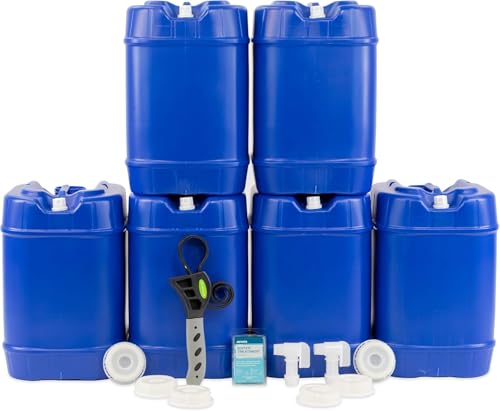
This set delivers exactly what long-term preppers want: modular, safe, and organized water storage. Six BPA-free, 5-gallon jugs with treatment drops mean you can fill and forget for up to five years. The dark blue, light-blocking plastic helps prevent algae, and the stackable ribs make vertical storage efficient.
The included spigots and vent caps work well, though some owners mention slow flow. The real win is the system’s manageability, each jug is heavy but carry-able, and you can rotate or move them individually. For families building a lasting emergency supply, this beats single large tanks.
Product photos


How We Chose These water storage tanks
As someone who spends a lot of time thinking about food and water preservation at Food Keepy, I approached researching water storage tanks with a focus on practical, long-term solutions. Rather than a hands-on lab test, this was a research-led comparison of published specifications, owner reviews from multiple retail sites, and expert opinions found in preparedness publications. I weighed features against price, durability reports, and ease of use to arrive at recommendations. My goal was to identify tanks suited for a variety of needs, from emergency preparedness to rainwater harvesting.
For this category, capacity and material safety were the most heavily weighted factors. A tank’s usefulness is obviously tied to how much water it holds, but equally important is ensuring the material won’t leach chemicals or degrade over time. Beyond these, I prioritized designs that offer convenient filling, dispensing, and cleaning features, as those are critical for maintaining water quality. Anyone considering serious preparedness should also look into long-term storage containers to ensure a safe and reliable supply.
Specifications reliably indicate a tank’s capacity, dimensions, and the type of plastic used in construction. However, owner feedback proved invaluable for assessing real-world durability, leak resistance, and the functionality of features like spigots. Reputation also mattered. Brands with a long history in tank manufacturing, and positive mentions in trusted preparedness resources, earned higher marks. For more options and a broader overview, you can explore other water storage containers.
What To Look For In water storage tanks
Finding the right water storage tank requires thinking beyond just capacity. It’s about matching the tank to your specific needs, from emergency preparedness to rainwater harvesting.
A good water storage tank balances durability with safe material construction. Look for BPA-free, food-grade plastics (like polyethylene) or stainless steel. Consider the intended use; potable water requires stricter standards than irrigation water. Assess whether portability, stackability, or UV protection are crucial features, alongside a secure sealing mechanism to prevent contamination.
Capacity And Intended Use
The size of the tank is obviously key, but don’t overestimate. A family of four generally needs at least a gallon per person per day for drinking and basic sanitation, meaning a 55-gallon tank can cover approximately two weeks. However, that’s a bare minimum. Think about your long-term needs and available space. Smaller, stackable containers like the 5-Gallon Stackable Water Containers (6-pack) offer flexibility, while larger tanks like the waterBOB 100 Gallon Bathtub Bladder are ideal for those seeking maximum capacity in a limited footprint. Don’t forget to check local regulations regarding water storage, especially for rainwater harvesting.
Material And Durability
The material dictates how long the tank will last and what types of water it can safely hold. High-density polyethylene (HDPE) is a common choice for its durability and affordability. However, for industrial applications involving chemicals, the HOANK 55-Gallon Water Storage Barrel, with its robust HMWPE construction and UN rating, is a better bet. UV resistance is also critical if the tank will be exposed to sunlight; otherwise, algae growth and plastic degradation are likely. If you’re looking for water storage recommendations that prioritize sustainability, explore options made from recycled materials, like the RTS 50-Gallon Recycled Rain Barrel.
Portability & Accessibility
Consider how you’ll fill, drain, and move the tank. A built-in spigot, like the one on the WaterPrepared 35 Gallon Portable Tank, is incredibly convenient. For emergency situations, portability is paramount. The LOFTANK 65 Gallon Portable Bladder is a good option when you need to quickly move a large volume of water, and the handles on the WaterPrepared tank are a welcome feature.
Here’s a quick rule of thumb:
Always choose a tank with a wide-mouth opening (at least 2 inches) for easy cleaning and access.
Furthermore, if you are preparing for extended emergencies, researching long-term water storage methods is crucial.
- A small tank (under 40 gallons) is best for single-person use or short-term outages.
- Mid-size tanks (50-75 gallons) strike a balance between capacity and manageability, often suitable for small families.
- Large tanks (100+ gallons) are ideal for larger families or those wanting a significant reserve, but they require more space and are less portable, and should be paired with water treatment supplies for storing water long-term.
Water Storage Tanks Compared
Here’s a comparison of key specifications for various water storage tanks.
| Product Title | Capacity | Material | Portability | Spigot Included? | Special Features |
|---|---|---|---|---|---|
| 55 Gallon Stackable Emergency Water Tank | 55 Gallons | Polyethylene | Stationary | Yes | Stackable |
| HOANK 55-Gallon Water Storage Barrel | 55 Gallons | HMWPE | Stationary | No | UN Rated |
| RTS 50-Gallon Recycled Rain Barrel | 50 Gallons | Recycled Polyethylene | Stationary | Yes | Overflow Valve |
| WaterPrepared 35 Gallon Portable Tank | 35 Gallons | UV-Proof Plastic | Portable | Yes | Built-In Strapping Points |
| 21 Gallon Portable Water Tank | 21 Gallons | PVC | Portable | Yes | Includes Hose & Sealing Tape |
| waterBOB 100 Gallon Bathtub Bladder | 100 Gallons | BPA-Free Plastic | Stationary | No | Bathtub Liner |
| LOFTANK 65 Gallon Portable Bladder | 65 Gallons | 1000D PVC | Portable | Yes | Foldable |
| 5-Gallon Stackable Water Containers 6-Pack | 30 Gallons (6 x 5) | BPA-Free Plastic | Portable | Yes (2 total) | Stackable, Water Treatment |
Frequently Asked Questions
What water tank material is safest for drinking water?
Food-grade, BPA-free polyethylene is generally considered the safest and most common plastic for potable water storage, but stainless steel is also an excellent, albeit more expensive, option. Always verify a tank is certified for drinking water to avoid potential chemical leaching.
How long can water realistically be stored in a plastic tank?
With proper preparation and occasional sanitizing, water can be stored in a quality plastic tank for up to six months, but you should ideally rotate the supply every three months to maintain freshness and prevent bacterial growth. Refer to a long-term water storage guide for detailed rotation and treatment advice.
Are larger water tanks more prone to leaking?
Not necessarily, but larger tanks place more stress on seams and fittings. Look for tanks made with thicker plastic and those that have undergone pressure testing during manufacturing to minimize the risk of leaks, and check owner reviews for reports of durability.
Can I store a water storage tank outdoors, even in direct sunlight?
While some tanks are made with UV-resistant plastic, prolonged sun exposure will eventually degrade most materials. If outdoor storage is unavoidable, choose a tank specifically labeled as UV-protected, or cover it with a tarp to shield it from the elements and prevent algae growth. Consider home water storage containers designed for indoor use if possible.
What’s the best way to clean a water storage tank?
A mild bleach solution (1 tablespoon unscented bleach per gallon of water) is effective for sanitizing most plastic tanks. Thoroughly scrub the interior, rinse multiple times until the bleach smell is gone, and allow to air dry completely before refilling. Proper cleaning is essential for safe storing water at home.
The Bottom Line
Choosing a water storage tank really comes down to balancing how much control you want over your water supply with the practicalities of space and budget. While a large, stationary tank like the waterBOB 100 Gallon Bathtub Bladder offers significant capacity, the WaterPrepared 35 Gallon Portable Tank strikes an excellent balance between size, portability, and ease of use, making it our overall pick. It’s a versatile solution for most families.
For those focused on specific needs, the recommendations diverge nicely. If you’re prioritizing affordability and flexibility, the 5-Gallon Stackable Water Containers (6-pack) are a fantastic choice, especially when combined with information on the best 5-gallon water containers. Meanwhile, anyone serious about long-term preparedness should consider the HOANK 55-Gallon Water Storage Barrel for its durable construction and chemical resistance, and be sure to explore options for storing emergency water.
Ultimately, the best water storage tank isn’t about a single feature or a high price tag. It’s about having a reliable supply of safe water when you need it. Focus on choosing a food-grade material, protecting the water from contamination, and ensuring you have a plan for regular maintenance and rotation – those fundamentals are far more important than any specific capacity or accessory.
