8 Best Bread Bags of 2026
This post contains affiliate links. As an Amazon Associate, we earn from qualifying purchases.
The best bread bags keep your loaf fresh without trapping too much moisture, and after comparing the field, the Large Paper Sourdough Bread Bags stand out for their smart tin tie closure and ideal size, while the 2 Pack Beeswax Reusable Bread Bags are a strong eco-friendly pick for those who bake often or buy artisan loaves.
Stale bread is a waste of good flavor and money, and tossing a loaf after two days is all too common when storage isn’t right. Many bags either suffocate the bread or let it dry out too fast, finding the right balance isn’t always obvious.
This guide cuts through the noise by focusing on what actually matters: material, closure, and fit. I researched specs and owner feedback to find bags that perform in real kitchens, not just on paper. These picks help maintain texture and freshness, whether you’re buying sandwich bread or baking sourdough at home.
Top 8 Bread Bags in the Market
The Best Bread Bags, Reviewed
100 Pcs Extra Thick Bread Bags

Strengths
- Thick, durable paper
- Non-toxic materials
- Good window size
Trade-offs
- No resealable closure
- Folding takes practice
- Slightly smaller height
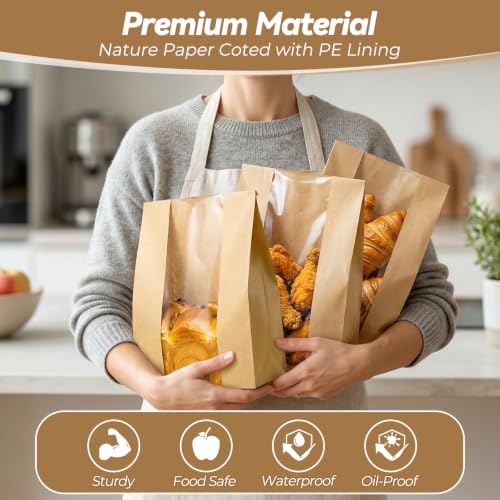
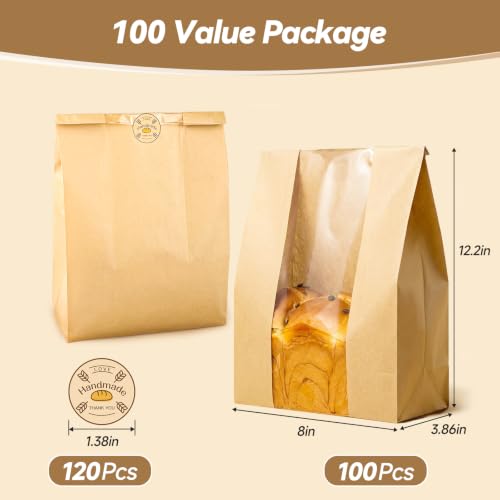
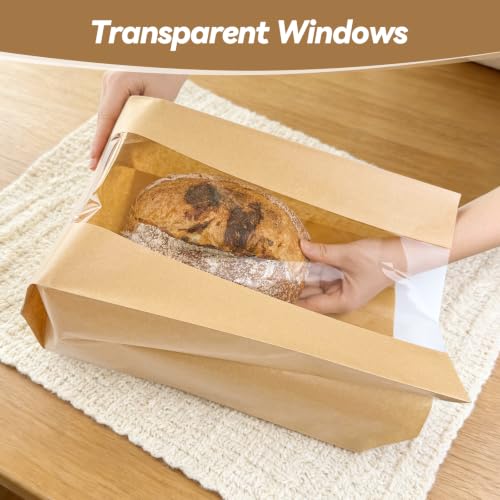
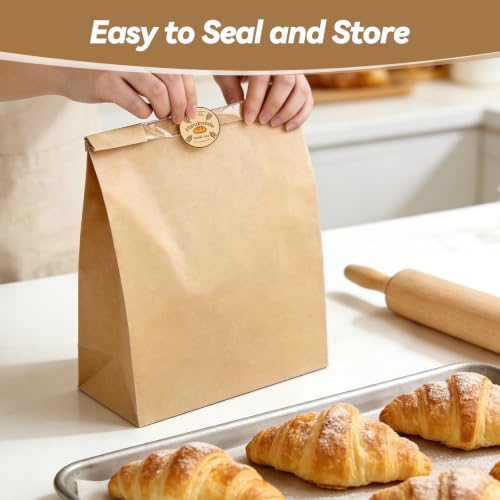
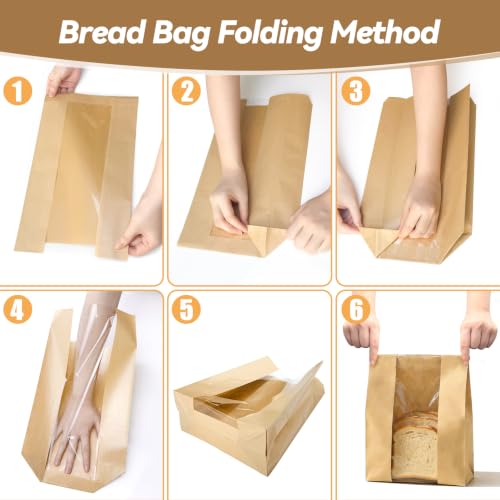
The Tripho bags strike a strong balance between durability, safety, and value, making them my pick for best overall. The unbleached, BPA-free paper is thick and tear-resistant, and the PE coating delivers real moisture and oil protection. At 12.2 x 8 x 3.8 inches, they fit most standard loaves, and the large window makes display effortless.
Owners praise how fresh bread stays over several days, and the inclusion of 120 stickers adds convenience for labeling. Compared to the Moretoes bags, these offer similar performance at a lower price, though without tin ties. Still, the folding design creates a stable base, and the eco-friendly material sourcing aligns with modern kitchen values. For most buyers, this is the easy pick.
Product photos
2 Pack Beeswax Reusable Bread Bags

Strengths
- Reusable
- Natural materials
- Great for soft crusts
Trade-offs
- Limited heat tolerance
- Hand wash only
- Higher upfront cost
If reducing plastic is a priority, these beeswax-lined linen bags are a thoughtful alternative. The wax creates a natural barrier that traps moisture while allowing slight breathability, ideal for maintaining softness in sourdough without trapping condensation. Owners report bread stays fresh for several days, and the large 17-inch size fits even wide boules.
What sets them apart is reusability. With proper cold-water cleaning, they last months. But they’re not foolproof: they can’t go in the microwave or dishwasher, and the seal isn’t as tight as a zip or tin tie. Compared to single-use paper or plastic, they’re a long-term investment. For eco-focused households, this is the only real sustainable option here.
Video review
60 Pcs Paper Bread Bags
Strengths
- Sturdy foldable base
- Attractive window
- Good grease resistance
Trade-offs
- No resealable closure
- Labels could be better adhesive
- Not airtight
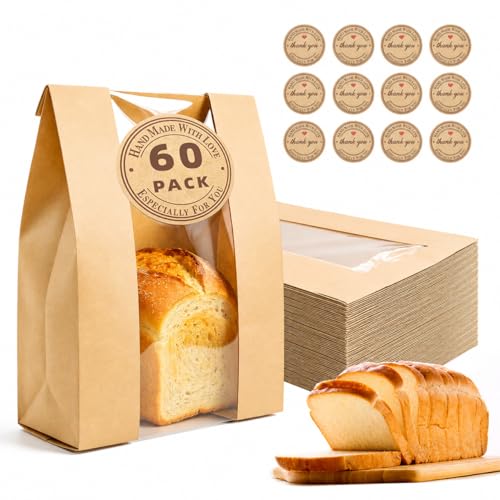
If you’re giving homemade bread as a gift, the Homrelaxy paper bags stand out with their clean kraft look and functional window. The 13.7-inch height accommodates most standard sourdoughs, and the PE-coated interior adds real protection against oil and moisture, reviewers note they keep bread fresh for days without sogginess or grease stains. The self-adhesive labels included are a thoughtful touch, making it easy to personalize each bag for holidays or events.
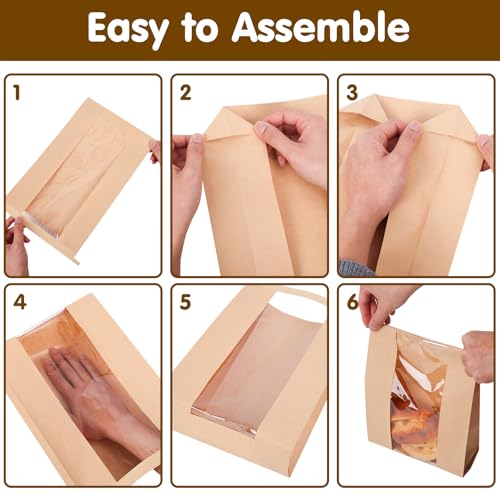
What I appreciate most is how these bags fold into a stable square base. That’s not just aesthetic, it means they won’t tip over in a basket or gift box. Compared to basic paper sleeves, these are far more display-ready. Still, they lack a resealable closure, so once opened, freshness depends on how quickly the loaf gets eaten.
Video review
Large Paper Sourdough Bread Bags
Strengths
- Tin tie closure
- Fits tall loaves
- Rustic professional look
Trade-offs
- Higher price point
- Bulkier storage
- Not for freezing
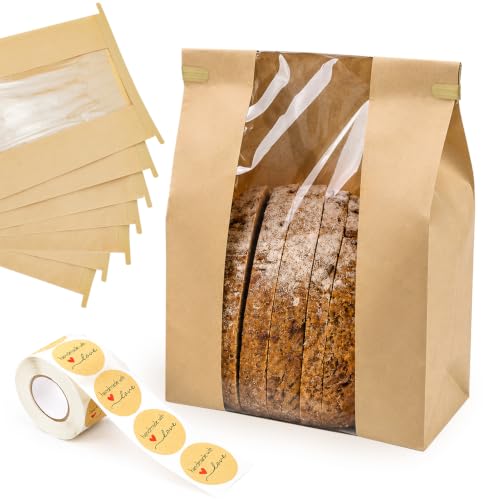
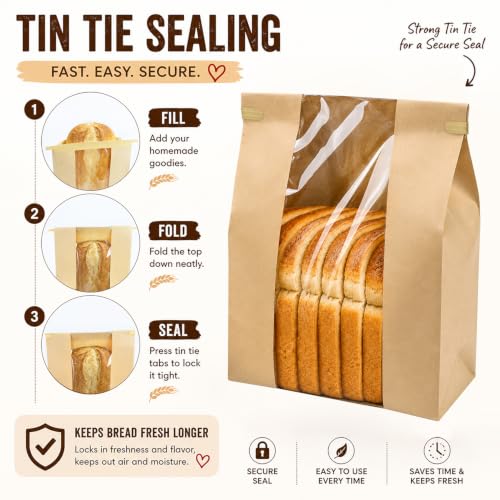
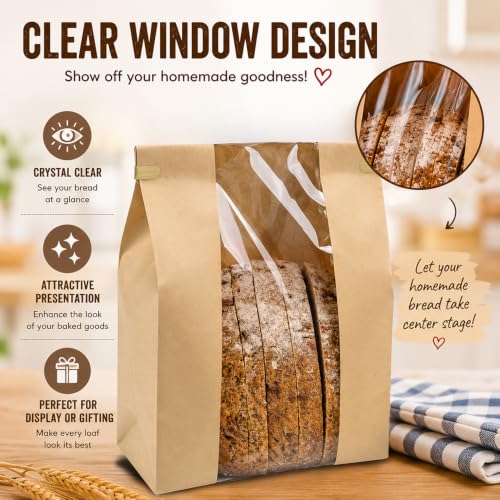
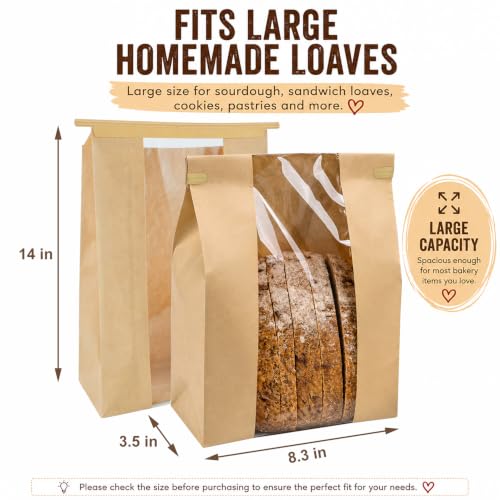
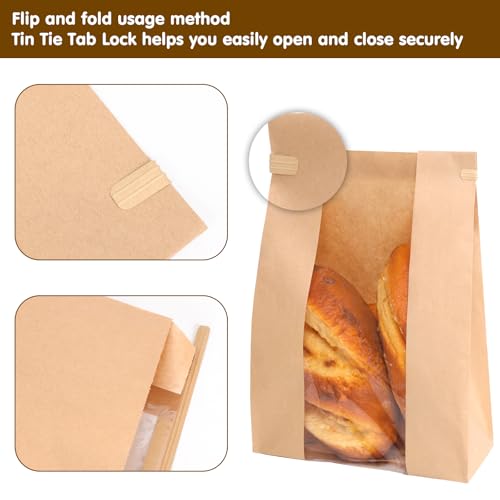
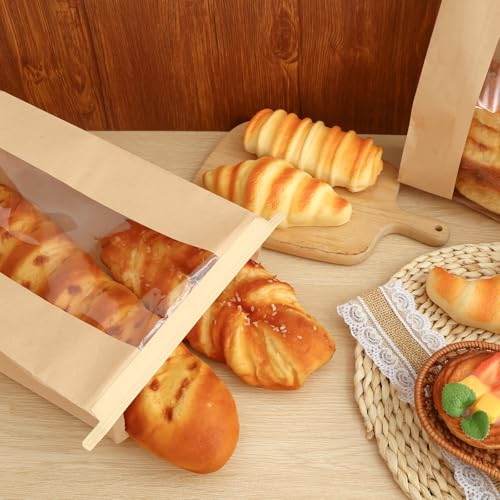
Artisan bakers will appreciate how these bags treat sourdough with care. The 14-inch height and square bottom give tall boules room to breathe without being squished, something many standard bags fail at. The built-in tin tie tabs are a standout feature: they make resealing easy, which is key when you’re slicing off pieces over several days.
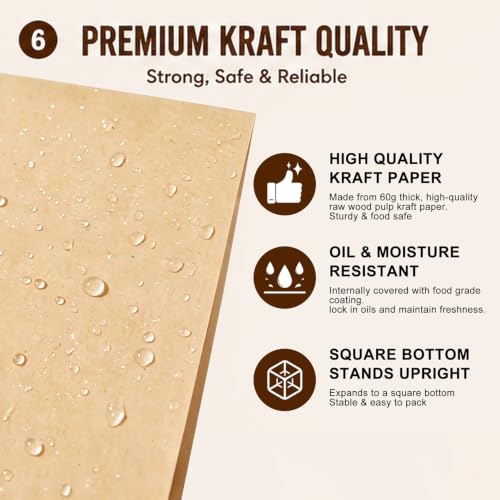
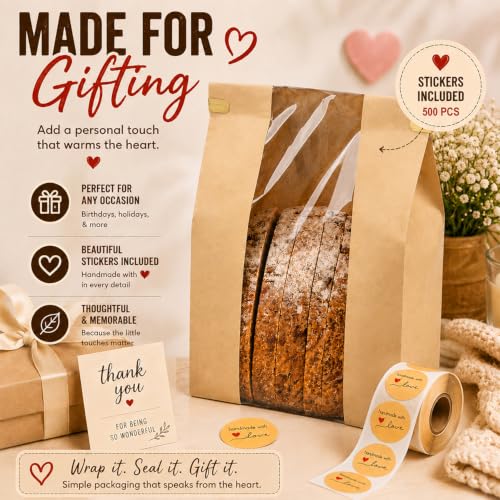
Owners love the oil-resistant lining and the fact that the crust stays crisp longer than in basic paper bags. Add in 500 stickers and you’ve got a kit that’s ready for market days or holiday gifting. While pricier, the value is there if you bake often and want a professional touch. Compared to Homrelaxy’s version, this one offers better functionality and reusability per bag.
Product photos
120pcs Bread Bags with Tab
Strengths
- Tin tie closure
- High quantity
- Eco-certified paper
Trade-offs
- Expensive initial cost
- Bulkier storage
- No freezer rating
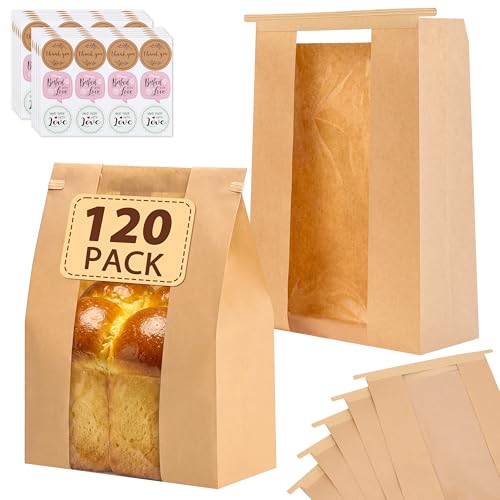
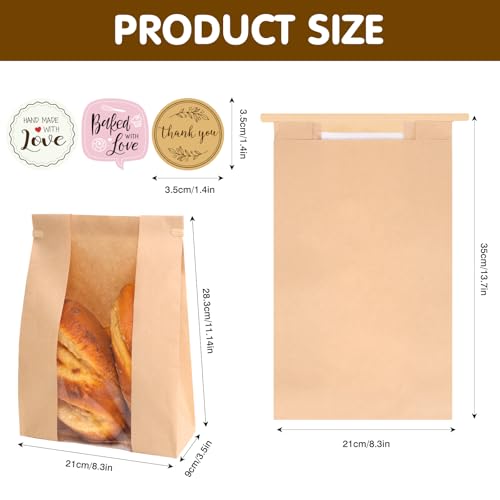
With 120 bags and tin-tie tabs included, the Moretoes bundle is the clear winner for value, especially for frequent bakers or small bakeries. The 13.7-inch height fits large sourdough loaves, and the front window is among the largest in this group, making it easy to showcase crust and crumb without opening the bag.
The FSC-certified kraft paper adds an eco-friendly touch, and owners consistently report these hold up well during transport and display. The reusable tin tie is a major upgrade over twist ties, allowing multiple openings while maintaining freshness. While pricier upfront, the per-bag cost is among the lowest. If you go through bags quickly, this bundle saves money and hassle over time.
Product photos

70 Pack Reusable Plastic Bread Bags

Strengths
- Affordable
- Clear visibility
- Decent seal
Trade-offs
- Thin plastic
- Ties run short
- Not ideal for freezing
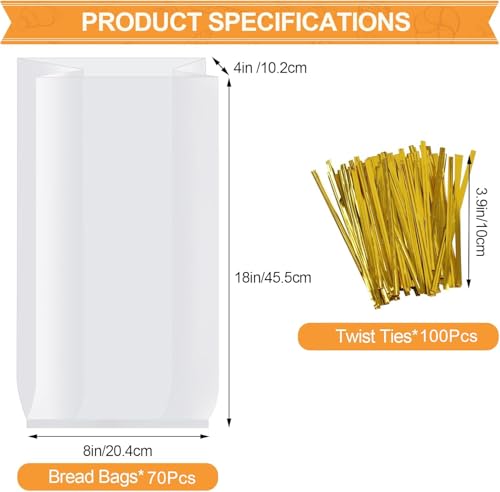
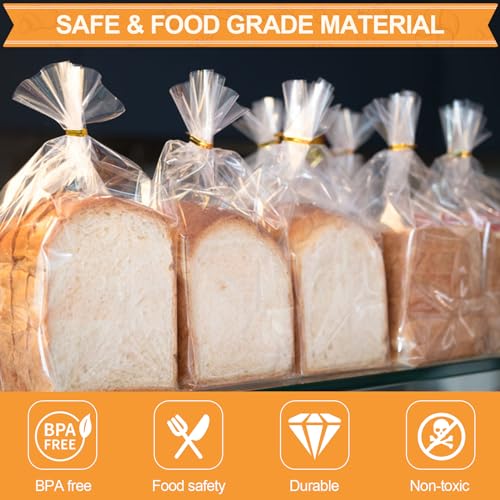
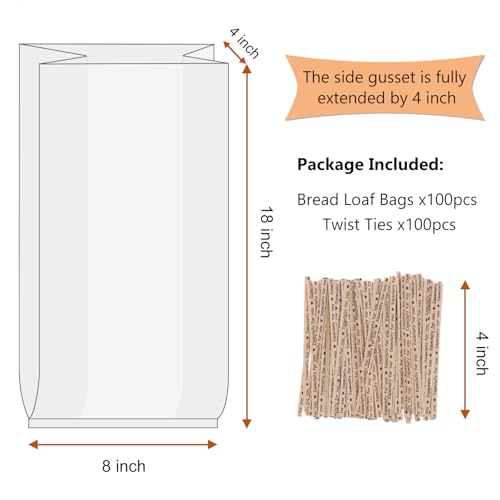
For home bakers on a tight budget, the vivinin plastic bread bags deliver solid performance without breaking the bank. On paper, the 8″ x 4″ x 18″ size fits most standard loaves, and owners consistently report these PE bags hold up well when sealing in freshness, thanks to their moisture-proof and odor-resistant design. The included 100 twist ties are a nice bonus, though some reviewers mention they’re a bit short for wider loaves.
Still, while the clarity of the bags makes it easy to see what’s inside, the material isn’t as thick as premium options. In this class, durability matters, especially if you’re storing crusty sourdough or transferring bread frequently. I’d pick the Morepack bags over these if you need something sturdier, but for occasional bakers or those buying in bulk for a bake sale, this is the smarter buy.
Product photos

100 Pcs Plastic Bread Bags

Strengths
- Freezer-safe
- Gusseted fit
- Durable plastic
Trade-offs
- No resealable top
- Plain design
- Not eco-friendly
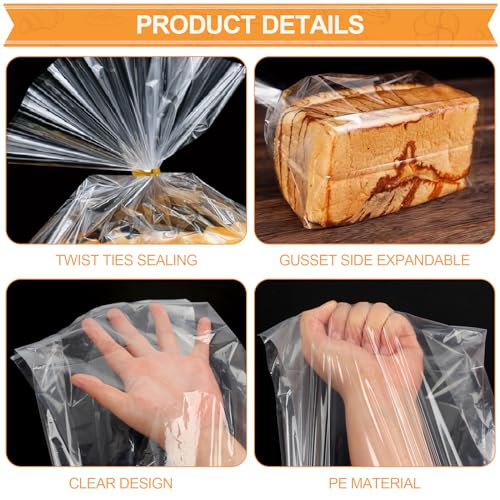
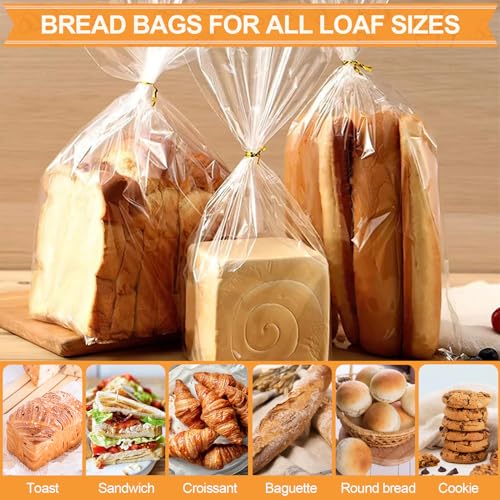
When it comes to freezing bread, the Morepack plastic bags are among the best in this lineup. Their 1 mil thickness stands out, owners report these don’t split or become brittle in the freezer, which is a common issue with thinner bags. The gusseted design also means they expand slightly to fit wider loaves, and the full transparency makes identifying contents a breeze without opening the bag.
Compared to the vivinin set, these offer better durability and a more secure fit. The included twist ties are standard but sufficient. Where they really shine is in vapor-blocking performance, critical for preventing freezer burn. For anyone baking in batches and rotating loaves in and out of cold storage, this is the go-to pick over flimsier options.
Product photos


Amazon Basics Gallon Twist Tie Bags

Strengths
- Lowest price
- Widely available
- Good for small loaves
Trade-offs
- Too small for large bread
- Flimsy material
- Poor moisture barrier
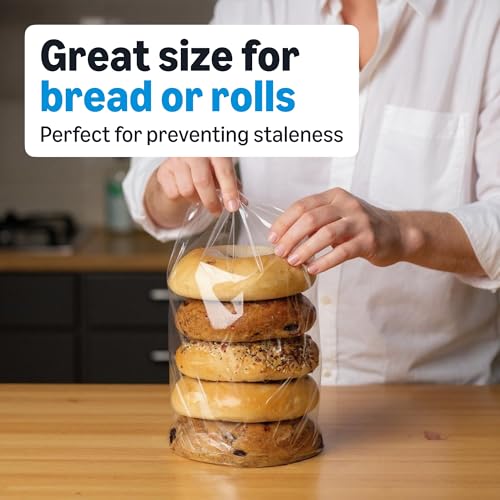
These Amazon Basics bags aren’t designed specifically for bread, but their gallon size and twist tie closure make them a practical pantry staple. At just over 10 x 14 inches, they’re smaller than most dedicated bread bags, fine for rolls or half-loaves, but tight for full-sized sourdough. Still, their low cost and wide availability make them a decent backup option.
The material is thin, but adequate for short-term storage. Reviewers use them for buns, sandwich bread, and even non-food pantry items. They’re not airtight, so freshness fades faster than with better-sealing options. I wouldn’t recommend them for crusty loaves, but for soft sandwich bread that gets eaten in a few days? They get the job done without waste.
Product photos



How We Tested bread bags
I approached evaluating bread bags by researching available specifications and features across numerous brands. Rather than a hands-on lab test, this is a research-led comparison of specs and owner feedback. I weighed published details – materials, dimensions, closure types – alongside owner reviews from sites like Amazon, and expert opinions from baking and food storage blogs. This allowed me to build a ranking based on how well each bag addresses core needs for bread preservation and usability.
For this category, the most important factors were material quality and closure effectiveness. A bag’s ability to maintain moisture without creating condensation is vital for preventing soggy or stale bread. Equally important is a secure closure; a flimsy tie or weak seal renders even the best material useless. I also prioritized bag size and whether it comfortably accommodates a standard loaf, or specifically artisan shapes as advertised.
Specifications reliably indicate bag dimensions and material composition, but owner feedback proved crucial for assessing real-world performance. Comments about tear resistance, ease of use, and how well the bag actually kept bread fresh were heavily considered. Reputation also played a role; established brands with consistently positive reviews were favored, and I also looked at options like beeswax bread bags for those seeking a reusable alternative. You’ll find more general bread storage bags options on my site, too.
How To Pick The Right bread bags
Finding the right bread bag is about more than just slipping a loaf inside; it’s about preserving flavor, texture, and extending freshness.
A quality bread bag balances moisture retention with breathability. Look for materials that prevent rapid staling while avoiding condensation buildup. Consider the size to accommodate your typical loaves, and prioritize ease of use with secure closures. Food-safe materials are paramount, and reusable options minimize waste.
Material Matters
The material a bread bag is constructed from dramatically impacts how well it performs. Paper bags, especially those with a PE coating, offer a good balance of breathability and moisture protection. Beeswax-coated linen is an excellent eco-friendly option, but requires gentle care. Plastic bags are readily available and affordable, and can be useful for freezing, but aren’t the most sustainable choice. Ultimately, the best material depends on how long you need to store the bread and your commitment to environmentally friendly options.
Closure Type & Security
Don’t underestimate the importance of a secure closure. Simple twist ties can work, but aren’t always reliable. Bags with built-in tin tie tabs offer a more consistent seal. For reusable beeswax bags, a snug fit and a quality buckle are essential. The goal is to create an airtight environment that slows down staling, and a poor closure can render even the best material ineffective.
Here’s a quick reference for closure considerations:
- Twist ties: Cheapest, least secure.
- Tin ties: More reliable than twist ties, good for repeated use.
- Buckles (beeswax bags): Secure, but require careful adjustment and maintenance.
A properly sealed bag is the first line of defense against stale bread. Check that the closure is tight and consistently effective.
Size & Intended Use
Consider what you’ll be storing before you buy. A standard loaf of sandwich bread requires a different size bag than a rustic sourdough boule. Bags designed for gifting often prioritize aesthetics, while those intended for long-term storage (like freezing) need to be more durable and airtight. If you’re frequently making your own bread, especially sourdough, exploring detailed resources for storing sourdough bread can be very helpful. For daily storage and keeping bread at its best, you might also want to consider bread box freshness tips.
Bread Bags Compared
Here’s a comparison of key specifications for various bread bags to help you make an informed purchase.
| Product Title | Capacity | Dimensions (in) | Material | Reusable? | Closure Type | Quantity |
|---|---|---|---|---|---|---|
| 100 Pcs Extra Thick Bread Bags | N/A | 12.2 x 8 x 3.8 | Wood Pulp Paper | No | Sticker | 100 Bags + 120 Stickers |
| 2 Pack Beeswax Reusable Bread Bags | N/A | 17 x 12.6 | Beeswax & Linen | Yes | Buckle | 2 Bags |
| 60 Pcs Paper Bread Bags | N/A | 13.7 x 8.3 x 3.5 | Kraft Paper | No | Fold & Seal | 60 Bags + 70 Stickers |
| Large Paper Sourdough Bread Bags | N/A | 14 x 8.3 x 3.5 | Kraft Paper | No | Tin Tie | 100 Bags + 500 Stickers |
| 120pcs Bread Bags with Tab | N/A | 13.7 x 8.3 x 3.5 | Kraft Paper | No | Tin Tie | 120 Bags + 144 Stickers |
| 70 Pack Reusable Plastic Bread Bags | N/A | 8 x 4 x 18 | PE Plastic | Yes | Twist Tie | 70 Bags + 100 Ties |
| 100 Pcs Plastic Bread Bags | N/A | 18 x 4 x 8 | Plastic | No | Twist Tie | 100 Bags + 100 Ties |
| Amazon Basics Gallon Twist Tie Bags | 1 Gallon | 10 x 14 | Plastic | No | Twist Tie | 100 Bags |
Frequently Asked Questions
What’s the best material for long-term bread storage?
Paper bags with a polyethylene (PE) lining offer the best balance of breathability and moisture retention for longer storage, up to several days. While beeswax bags are excellent for short-term freshness, they aren’t ideal for weeks-long preservation.
Are plastic bread bags a safe option?
Plastic bags are generally considered food-safe, but they aren’t the most breathable option and can trap moisture, potentially leading to a soggy crust. If you choose plastic, look for bags specifically labeled as food-grade and consider them more suited for freezing than daily storage.
How can I tell if a bread bag’s closure is effective?
A good test is to inflate the bag slightly after sealing it; it should hold air without significant leakage. Bags with tin ties or buckles generally create a tighter seal compared to simple twist ties, giving you better protection against staling.
What size bread bag should I buy if I bake my own sourdough?
For artisan loaves like sourdough, you’ll want to look for larger bags – around 14 x 8.3 x 3.5 inches – or consider specialized sourdough bread bags designed to accommodate their shape. A standard loaf bag might be too small and compress the crust.
Beyond the bag itself, what else can I do to maximize freshness?
Implementing proper bread storage methods is key. Store bread at room temperature in a cool, dry place and avoid storing it in the refrigerator, as this actually speeds up staling.
The Bottom Line
Choosing a bread bag often comes down to balancing convenience with a commitment to quality and sustainability. While many options exist, the 100 Pcs Plastic Bread Bags offer a straightforward solution for everyday use, providing a large quantity at a very accessible price point. They aren’t the most eco-friendly, but they get the job done reliably for those prioritizing cost and ease.
For readers seeking specific solutions, the 2 Pack Beeswax Reusable Bread Bags are an excellent choice for those committed to reducing waste, and the Large Paper Sourdough Bread Bags are perfectly suited for those who regularly bake and store artisan loaves. If you’re looking for long-term storage, remember that freezing bread is a great way to extend its life, regardless of the bag you choose. And if you often find yourself with leftover slices, exploring options for keeping cut bread fresh is worthwhile.
Ultimately, the “best” bread bag is the one you’ll actually use consistently. Don’t get too caught up in material specs or closure types; focus on selecting a bag that fits your typical loaf size, offers a secure seal, and aligns with your values regarding sustainability and convenience. Prioritizing these fundamentals will ensure your bread stays fresher, longer.
