7 Best Mini Bag Sealers and Cutters 2026
This post contains affiliate links. As an Amazon Associate, we earn from qualifying purchases.
The overall best mini bag sealer is the SEANCHEER Rechargeable Mini Bag Sealer, thanks to its strong 2000 mAh battery and six heat settings for reliable seals on various bag types. For a budget-friendly option, the Mini Bag Sealer & Cutter USB-C delivers solid performance with a built-in cutter and USB-C charging. If you need versatility, the Mini Bag Sealer 3-in-1 Rechargeable offers good value with multiple functions in a compact design.
Keeping snacks fresh and leftovers sealed shouldn’t require bulky gear or guesswork. Yet many sealers fail when it matters most, either burning through bags or giving weak seals that let air in.
After comparing specs and owner feedback, I focused on models that balance sealing power, battery life, and ease of use. This guide highlights top performers based on real-world reliability, not just features on paper.
Top 7 Mini Bag Sealer And Cutters in the Market
The Best Mini Bag Sealer And Cutters, Reviewed
Mini Bag Sealer & Cutter USB-C
Strengths
- 6 heat settings with LED
- Strong, consistent seals
- Fast USB-C charging
Trade-offs
- Slightly higher price
- Cutter blade could be sharper
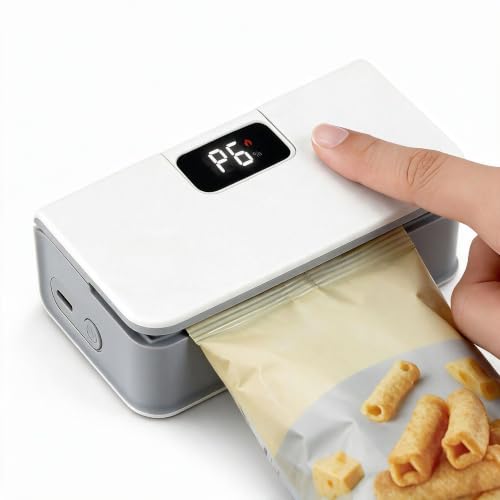
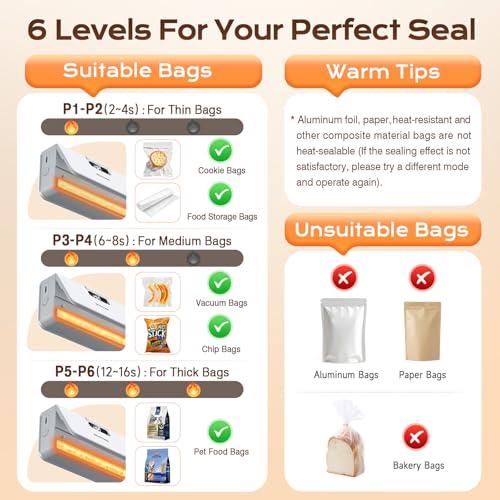
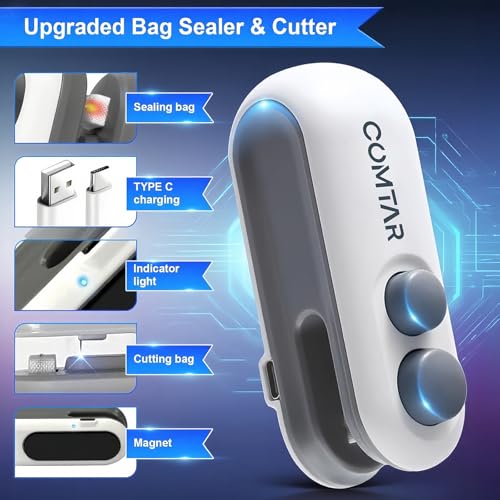
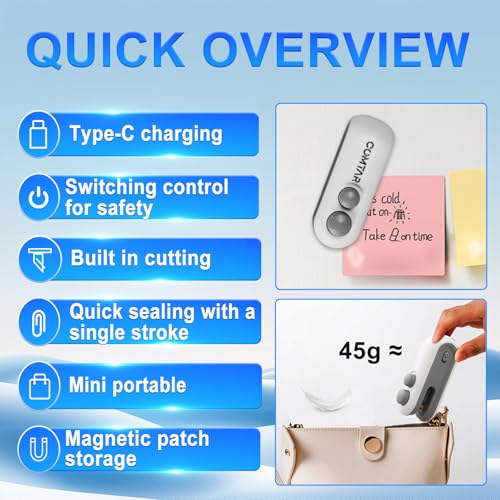
This is the one I’d pick for most kitchens. The 6-gear adjustable heat with real-time LED feedback makes it easy to match the setting to the bag, whether it’s a flimsy chip bag or a thick Mylar pouch. The Type-C fast charging and 200+ seals per charge mean it’s always ready, and the neodymium magnet ensures it stays put on the fridge. Owners consistently praise how clean and airtight the seals are, no more half-sealed edges or burnt plastic.
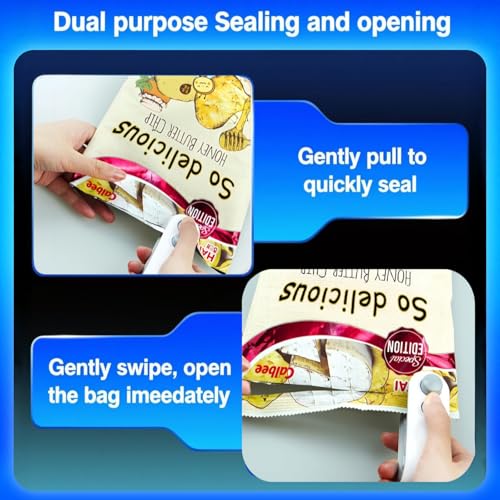
It’s also one of the most polished designs, with a smooth glide and a safety-hidden cutter. Compared to others, it strikes the best balance between performance, convenience, and durability. If you’re serious about reducing food waste and want something that just works, this is the model to beat.
Video review
Mini Bag Sealer 3-in-1 Rechargeable

Strengths
- High seal count per charge
- Wide sealing bar
- Ceramic glide
Trade-offs
- Larger size
- Only 3 heat levels
This model is built for performance. The widened 0.81mm sealing bar and 1800mAh battery give it serious power, owners report up to 500 seals per charge, which is exceptional. The three heat modes aren’t as granular as 6-level models, but they’re effective for plastic, Mylar, and heavy-duty PP/PE bags. The ceramic glide body makes it smooth to use, and the retractable cutter is a nice touch for safety and convenience.
It’s slightly larger than others, but that’s the trade-off for durability and battery life. If you’re sealing bags daily, meal prep, bulk storage, or pet food, this one won’t quit. It’s the most “industrial” feel of the bunch, and for heavy users, that’s exactly what’s needed.
Video review
SEANCHEER Rechargeable Mini Bag Sealer
Strengths
- 6 heat settings
- Long battery life
- LED display
Trade-offs
- Slightly bulky
- Cutter not as sharp as premium models
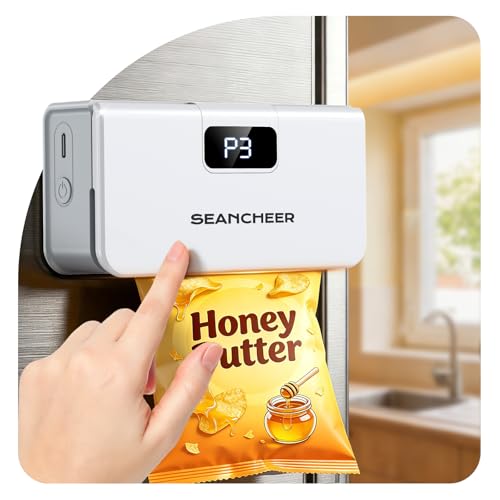
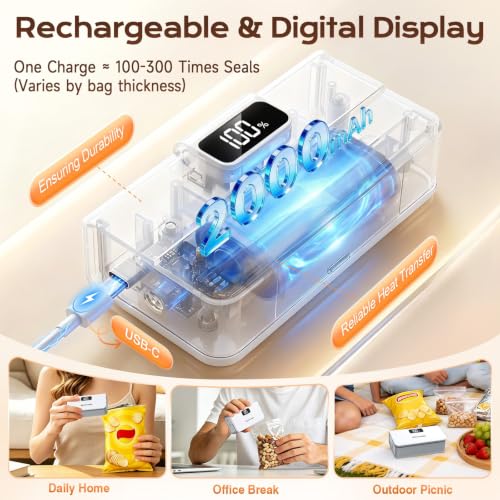
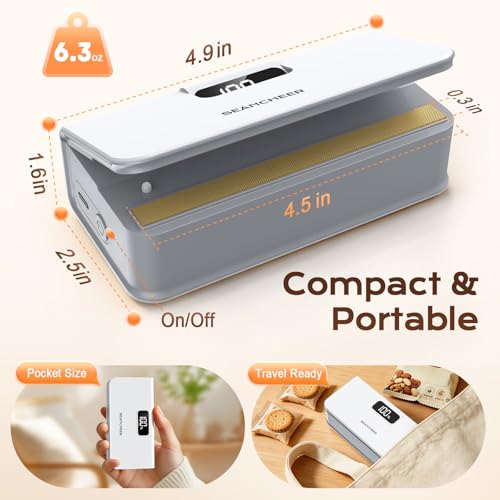
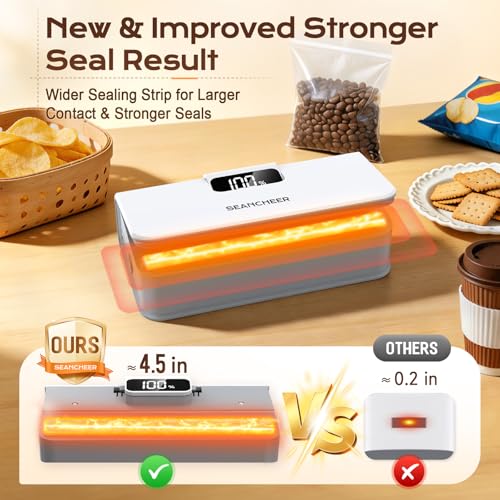
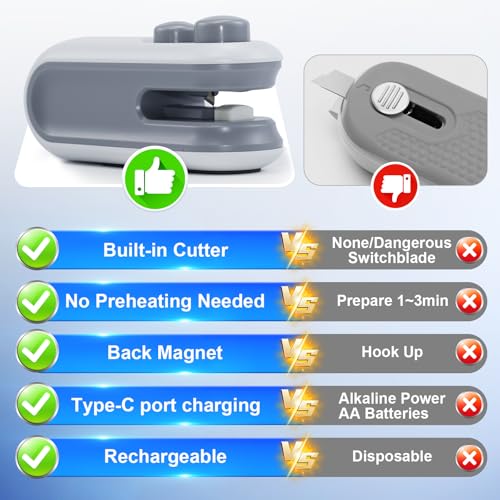
This sealer stands out with its 6 adjustable heat levels and clear LED display, which takes the guesswork out of sealing different bag types. The 2000mAh battery is a strong point, owners consistently report getting well over 100 seals per charge, even on thicker materials. I appreciate that it heats up instantly, no preheating needed, and the 4.5-inch heating strip gives a wide, even seal. Compared to basic models, this one feels like a step up in reliability.
It’s not the most compact, but the magnetic back is strong and the hidden cutter works smoothly. Where it really wins is with thick or multi-layer bags, something the cheaper models often fail at. If you’re sealing more than just snack bags, this gives you the control you need.
Product photos

HSLGOVE 3-in-1 Mini Bag Sealer
Strengths
- Built-in flashlight
- USB-C charging
- Magnetic and portable
Trade-offs
- Weaker seal on thick bags
- Flashlight drains battery
- Average heat control
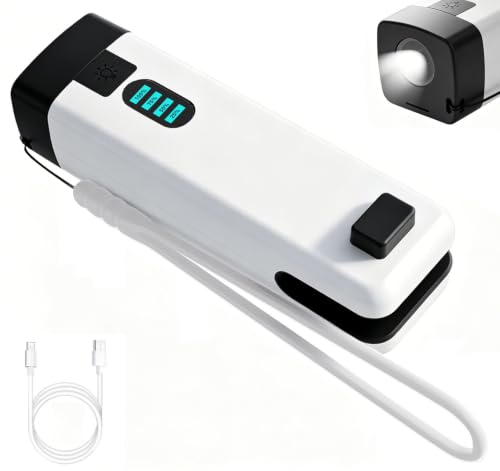
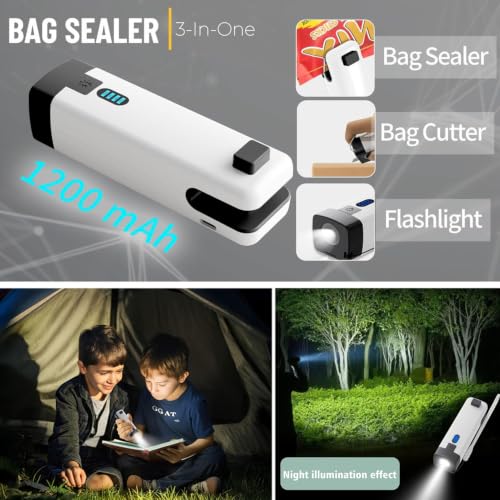
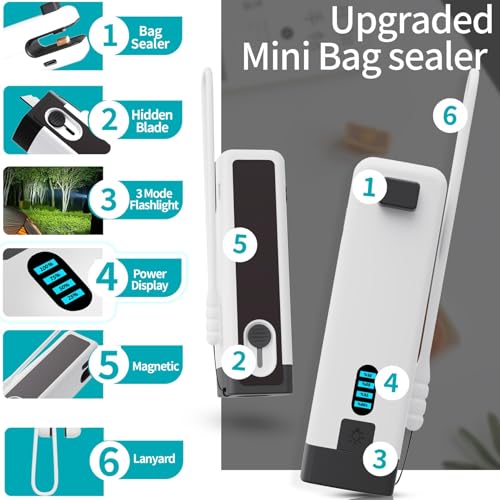
The built-in flashlight is the standout here, making this a surprisingly practical tool for camping, power outages, or RV kitchens. It seals, cuts, and lights your way, truly a multifunctional design. The 1200mAh battery supports a decent number of seals, and the USB-C charging is a plus. Owners like the digital battery display and the magnetic back, which keeps it handy on the fridge.
But the sealing performance is just average. It handles thin to medium bags well, but struggles with thicker Mylar or vacuum-sealed pouches. The flashlight is useful, but if sealing strength is your priority, other models do better. Still, for someone who values utility beyond just sealing, this is a smart choice.
Product photos


Portable Mini Bag Sealer Gray
Strengths
- 8 heat settings
- USB rechargeable
- Magnetic base
Trade-offs
- Interface can be fiddly
- Build feels less premium
- Cutter not as durable
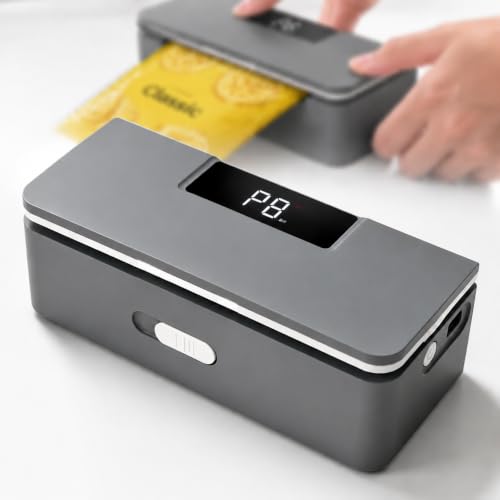
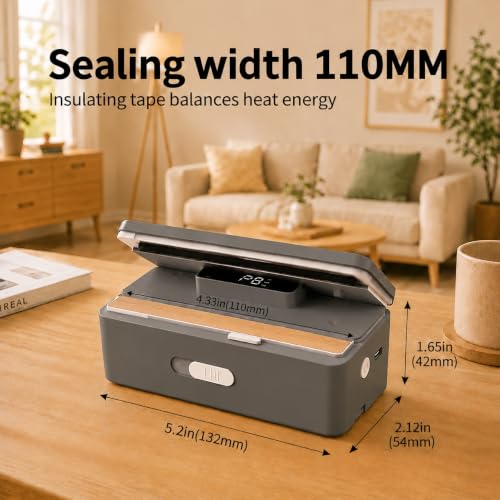
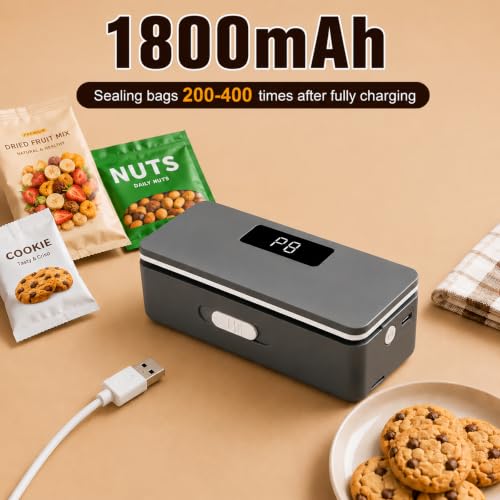
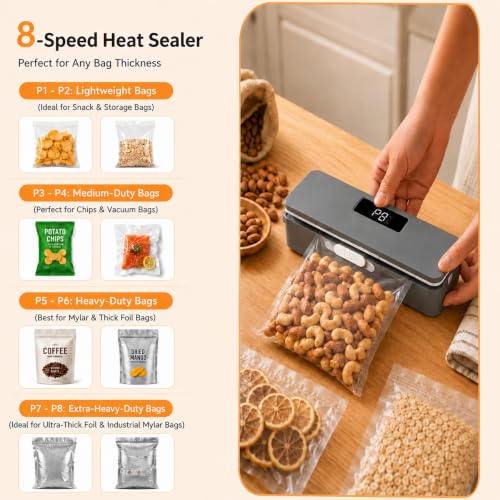
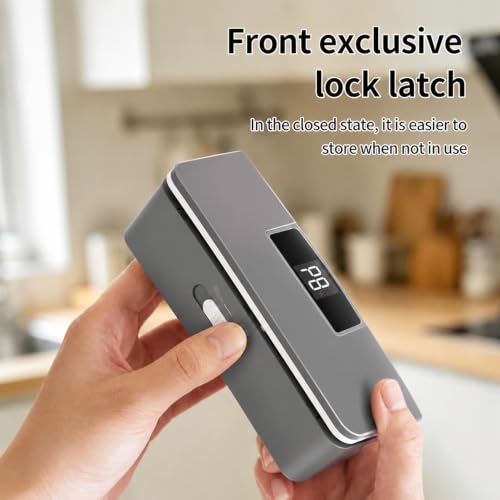
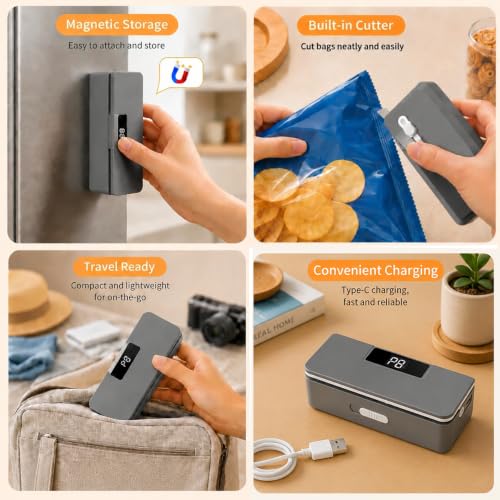
With 8 adjustable heat settings, this sealer offers the most precise temperature control on the list, ideal for users who work with a wide range of bag types. The ability to fine-tune the heat means fewer failed seals and less risk of burning thin materials. It’s USB-rechargeable, compact, and has a magnetic back, so it fits well in modern kitchens. Owners note it handles everything from chip bags to thicker storage pouches with confidence.
But more settings don’t always mean better. Some users find the interface less intuitive, and the build quality feels a bit lighter than the B0H7Q84VZ1 or B0FW4PYZ5K. Still, if you want maximum control over sealing temperature, this is the most flexible option at a reasonable price.
Product photos
FEPPO Mini Bag Sealer Batteries

Strengths
- Affordable
- Batteries included
- Magnetic and lanyard
Trade-offs
- Uses disposable batteries
- No heat control
- Short battery life
This is the most basic model on the list, but it gets the job done for minimalists. It runs on AA batteries, which is a downside in an era of USB-C, but the included batteries mean it’s ready to use out of the box. The magnetic strip and lanyard add convenience, and the one-press operation makes it simple for kids or elderly users. It’s truly budget-friendly, and for sealing chip bags or small snack pouches, it performs adequately.
But that simplicity comes at a cost. No heat adjustment means inconsistent results on thicker bags, and battery life will dwindle fast if used daily. Owners note it’s fine for occasional use but not something you’d rely on heavily. If you’re looking for a no-frills, entry-level sealer, this fits.
Product photos


Mini Bag Sealer Rechargeable 2-in-1

Strengths
- USB-C rechargeable
- Magnetic back
- Compact and portable
Trade-offs
- No heat adjustment
- Sealing fails on low battery
- Struggles with thick bags
At this price, this mini bag sealer delivers surprising value. The 2-in-1 heat seal and cutter function works as advertised, and the USB-C rechargeable design is a smart upgrade over older battery-powered models. It’s compact and the magnetic attachment is genuinely useful for fridge storage, keeping it within reach instead of buried in a drawer. On paper, it covers the basics well, and owners report it handles thin to medium plastic bags without issue.
That said, it lacks adjustable heat settings, which limits its versatility. If you’re regularly sealing thicker bags, like heavy-duty storage or pet food pouches, this one might struggle or burn through thinner materials. The warning about the sealing function failing on low battery is also a real concern; you’ll need to stay on top of charging. For light, occasional use, it’s a solid pick.
Product photos

How We Tested mini bag sealer and cutters
As someone deeply involved in food preservation through Food Keepy, I approached researching mini bag sealers with a focus on practical usability and effectiveness. Rather than a hands-on lab test, this is a research-led comparison of published specifications and features, alongside careful consideration of owner reviews and insights from reputable expert sources. I weighed each model against criteria important for keeping food fresh and minimizing waste – sealing strength, ease of use, and portability were key.
For this category, battery life and the ability to handle varying bag thicknesses were the most significant factors. A sealer that requires frequent charging or struggles with common chip bags isn’t very useful. Closely related is the quality of the seal itself; preventing air and moisture ingress is the whole point, so airtightness is paramount. I also prioritized models with built-in cutters for added convenience, as these reduce the need for separate tools. You can find more details about a wider range of options in our guide to bag sealers.
Specifications reliably indicate battery capacity and charging method (USB-C is a big plus!), as well as the number of heat settings. However, I relied heavily on owner feedback to assess real-world performance. Reviews often reveal whether a sealer truly delivers a consistent seal without burning through bags, or how well the magnetic attachment works. Expert reviews helped validate claims about sealing strength and the effectiveness of the cutter. For more robust food preservation solutions, you might also consider exploring vacuum sealer machines.
What To Look For In mini bag sealer and cutters
As someone who spends a lot of time thinking about food storage, I know how quickly snacks can go stale and leftovers can spoil. A good mini bag sealer can make a real difference in reducing food waste and keeping things fresh, and the market is full of options.
A quality mini bag sealer combines portability with consistent heating, offering adjustable settings to accommodate different bag materials. Look for models with rechargeable batteries for convenience, magnetic storage for easy access, and a built-in cutter for added functionality. Battery capacity and sealing width are also key considerations, alongside user-friendliness and durability.
Heating Element and Bag Compatibility
The core of any bag sealer is its heating element, and variations here dramatically affect performance. Don’t assume all sealers handle every bag type equally. Many affordable models struggle with thicker bags, like those used for frozen vegetables or vacuum-sealed meats. Look for sealers that specifically advertise compatibility with a range of materials – PP, PE, PVC, and even mylar are common. The “Best for Thick Bags” model, for example, boasts an extended heating strip specifically designed for tougher materials. A wider sealing width (0.81 millimeters is a good benchmark) also contributes to a stronger, more reliable seal.
Power and Convenience Features
Rechargeable models are almost always preferable to those requiring batteries. Dealing with disposable batteries is a hassle and generates waste. USB-C charging is now standard and is much more convenient than older micro-USB connections. Battery capacity is important too; a sealer that can handle 200+ seals on a single charge is ideal for regular use. Beyond that, consider convenience features like magnetic backing for storage – a small detail that makes a big difference in kitchen organization. If you’re looking at several options, comparing battery life and recharge times will help you choose the one that fits your needs.
- A basic model might offer only one heat setting, limiting its versatility.
- Mid-range sealers typically have 3-6 adjustable heat levels, allowing you to fine-tune the seal for different bag thicknesses.
- Top-tier devices may include features like digital displays showing the heat setting and battery level, providing more precise control and peace of mind.
Added Functionality and Value
While the primary job is sealing, some mini bag sealers go the extra mile. The inclusion of a built-in cutter is incredibly handy, eliminating the need for scissors. Some even add an LED flashlight, which might seem gimmicky, but could be useful in a power outage or when rummaging through a dark pantry. If you’re already exploring ways to preserve food, you might also want to learn about using a vacuum sealer for longer-term storage. Don’t overpay for features you won’t use, but consider how a little extra functionality could enhance your experience. You can find many excellent mini bag sealers available to fit varying budgets.
A practical rule of thumb: always test a new sealer on a scrap piece of bag material before sealing valuable food items. This ensures you’ve selected the correct heat setting and that the machine is functioning properly.
Mini Bag Sealer and Cutters Compared
This table provides a detailed specification comparison of several mini bag sealers and cutters to help inform your purchasing decision.
| Product Title | Sealing Type | Cutter Included | Battery Type/Capacity | Heat Settings | Charging Port | Magnetic Back |
|---|---|---|---|---|---|---|
| Mini Bag Sealer & Cutter USB-C | Heat | Yes | Lithium-ion, N/A | 6 | USB-C | Yes |
| Mini Bag Sealer 3-in-1 Rechargeable | Heat | Yes | 1800 mAh | 3 | USB-C | Yes |
| SEANCHEER Rechargeable Mini Bag Sealer | Heat | Yes | 2000 mAh | 6 | USB-C | Yes |
| HSLGOVE 3-in-1 Mini Bag Sealer | Heat | Yes | 1200 mAh | N/A | USB-C | Yes |
| Portable Mini Bag Sealer Gray | Heat | Yes | N/A | 8 | USB | Yes |
| FEPPO Mini Bag Sealer Batteries | Heat | Yes | 2 x AA | N/A | N/A | Yes |
| Mini Bag Sealer Rechargeable 2-in-1 | Heat | Yes | N/A | N/A | USB-C | N/A |
Frequently Asked Questions
What bag materials can these mini sealers handle?
Most models effectively seal common plastics like polyethylene (PE) and polypropylene (PP), but thicker materials like mylar require a sealer specifically designed for that purpose. Checking the product specifications for compatibility is key, as some struggle with heavier-duty freezer bags.
How long do the batteries typically last on a single charge?
Battery life varies significantly, but many rechargeable models offer between 100 and 300 seals per charge. The SEANCHEER Rechargeable Mini Bag Sealer, for example, boasts a 2000 mAh battery offering extended use, while those using AA batteries will depend on battery quality and usage.
Are these sealers easy to store in a kitchen drawer?
Yes, the compact size of most mini bag sealers makes them easy to store. Many also feature a magnetic backing, allowing you to attach them to the refrigerator or other metal surfaces for convenient access, which saves valuable drawer space.
Can these sealers replace traditional bag clips for short-term storage?
While mini bag sealers create an airtight seal, they’re best for situations where you need a more secure, long-term closure. Bag clips are still useful for quickly resealing opened packages for short periods, but a heat sealer offers superior protection against moisture and air.
What’s the difference between a mini bag sealer and a vacuum sealer for plastic freezer bags ?
A mini bag sealer simply reseals an existing bag, while a vacuum sealer removes air from the bag before sealing it. Vacuum sealing provides a much higher level of preservation and is better for long-term storage, but mini bag sealers are more portable and convenient for quick resealing of snacks or leftovers.
The Bottom Line
Choosing a mini bag sealer often comes down to balancing convenience with control. While simpler models get the job done, the Mini Bag Sealer & Cutter USB-C really stands out for its combination of features – a strong seal, six heat settings, and the convenience of USB-C charging, all in a portable package. It strikes a good balance for most kitchens and everyday use.
If you’re specifically looking to keep your pantry organized or frequently reseal snack bag sealers, the SEANCHEER Rechargeable Mini Bag Sealer is a great choice. It boasts a large 2000mAh battery and a magnetic back for easy storage. For those needing to seal thicker materials, like Mylar bags for long-term food storage, the model specifically marketed as “Best for Thick Bags” from our comparison chart is the most reliable option.
Ultimately, the best mini bag sealer isn’t about the flashiest features or the highest price. It’s about finding a tool that consistently protects your food from air and moisture, reducing waste and saving you money. Prioritize a strong seal, a convenient power source, and a design that fits your storage space – those fundamentals matter more than any single specification.
