Can You Keep Pancake Mix in the Fridge for Longer Freshness?
This post contains affiliate links. As an Amazon Associate, we earn from qualifying purchases.
Yes, you can and often should keep pancake mix in the fridge. Refrigeration extends its shelf life from the pantry’s typical 6-9 months to a full 9 months or longer by slowing the oxidation of fats and the activation of leavening agents. The key is storing it in an airtight container at 34-40°F (1-4°C) to prevent moisture absorption and spoilage.
That temperature window isn’t a suggestion. It’s the verified safe zone where bacterial growth slows to a crawl but your mix won’t freeze. Stray above 40°F, and you’re back in the danger zone where spoilage accelerates. Stray below 32°F, and you risk condensation every time you open the container, which introduces the very moisture you’re trying to avoid.
What follows: the exact fridge temperature from three university extensions, the science behind why baking powder doesn’t fully expire overnight, a direct comparison of all three storage methods, and the physical signs that tell you your mix has gone bad.
Key Takeaways
- Refrigerate opened pancake mix in an airtight container at 34-40°F to maximize shelf life.
- Unopened commercial mixes last 6-9 months in a cool, dry pantry; refrigeration can push that to 9+ months.
- Freezing is an option for long-term storage (12+ months), but the mix must reach room temperature before use to prevent clumping.
- Spoilage signs include off odors (musty or sour), visible mold, clumping that doesn’t break apart, and insect presence.
- Double-acting baking powder in most mixes provides a second rise when heated, so refrigerated batter can still work the next day.
The 34-40°F Sweet Spot for Refrigerated Pancake Mix
Your fridge’s average temperature decides everything. The NDSU food storage guide PDF specifies “34 to 40 F is best” for refrigerator storage. The Texas A&M AgriLife food storage guide advises maintaining temperatures “at 40 °F or below.” This tight band is where you win.
Refrigerator temperatures only slow bacterial growth; they do not prevent it. Storing perishable foods above 40 F allows spoilage organisms to multiply rapidly.
The mechanism is straightforward. Cool temperatures drastically slow down the chemical reactions that cause fats in the mix to oxidize and turn rancid. They also put the leavening agents, baking powder and baking soda, into a state of suspended animation. This is why an opened bag of mix left in a humid pantry might clump and lose potency within months, while the same mix in a sealed jar in the cold back of your fridge stays dry and functional for the better part of a year.
Invest in a standalone refrigerator thermometer. The built-in dial is famously inaccurate. Place the thermometer on the middle shelf, away from the door and the back wall. Check it over a couple of days. If it consistently reads above 40°F, adjust the fridge’s cooling setting or clear vents blocked by food. Overloading the fridge is a common culprit that reduces air circulation and raises the internal temperature.
Why an Airtight Container Isn’t Optional
The bag your mix comes in is a barrier, not a seal. Once you break that factory seal, you introduce two enemies: moisture and odors. Your fridge is a humid environment full of other food smells. Without a true seal, your flour-based mix will act like a sponge.
A glass or thick plastic container with a locking lid is the answer. A wide-mouth mason jar, a Cambro container, or a dedicated OXO Pop container all work. The goal is to eliminate air exchange. Before sealing, tap the container to settle the mix and minimize the air pocket at the top.
This same principle applies to many other dry goods. Proper flour storage in an airtight container is what keeps it from developing off-flavors, and it’s the best practice for storing dried fruit like raisins or cranberries you might add to your pancakes.
Pantry vs Fridge vs Freezer: A Side-by-Side Look
The right choice depends on your timeline and how often you bake. Here’s how the three methods stack up.
| Storage Method | Expected Shelf Life (Opened) | Best For | Critical Step |
|---|---|---|---|
| Pantry (Cool & Dry) | 2–3 months | Frequent use within a season | Keep in original bag, folded tightly |
| Refrigerator | 6–9 months | Extending life of opened mix | Transfer to airtight container |
| Freezer | 12+ months | Long-term storage, bulk buys | Double-bag in sealed plastic freezer bag |
The pantry is for speed. If you make pancakes every weekend and will finish the box within two months, the pantry is fine. The key is a truly cool, dry cabinet, not one next to the oven or dishwasher. The “best by” date on the box assumes pantry storage.
The refrigerator is for security. This is the move if you bake occasionally or have opened a mix you won’t use quickly. It’s also the recommended method for storing cheese long-term and for keeping hard-boiled eggs safe. The cold dramatically decelerates quality loss. The NDSU guide explicitly lists “pancake mixes” with a 9-month storage life, a benchmark that assumes proper, cool storage.
The freezer is for the long game. Manufacturers like “JIFFY” Mix state you may “place the package within a sealed plastic freezer bag in a refrigerator or freezer” for longer-term storage. Freezing can extend life beyond a year. The catch is physics: you must let the mix reach room temperature before using it. Opening a frozen mix container in a warm kitchen causes immediate condensation on the cold powder, leading to lumps. Plan ahead and move it to the fridge for a day before you need it.
Does Refrigeration Kill the Rise? The Baking Powder Truth
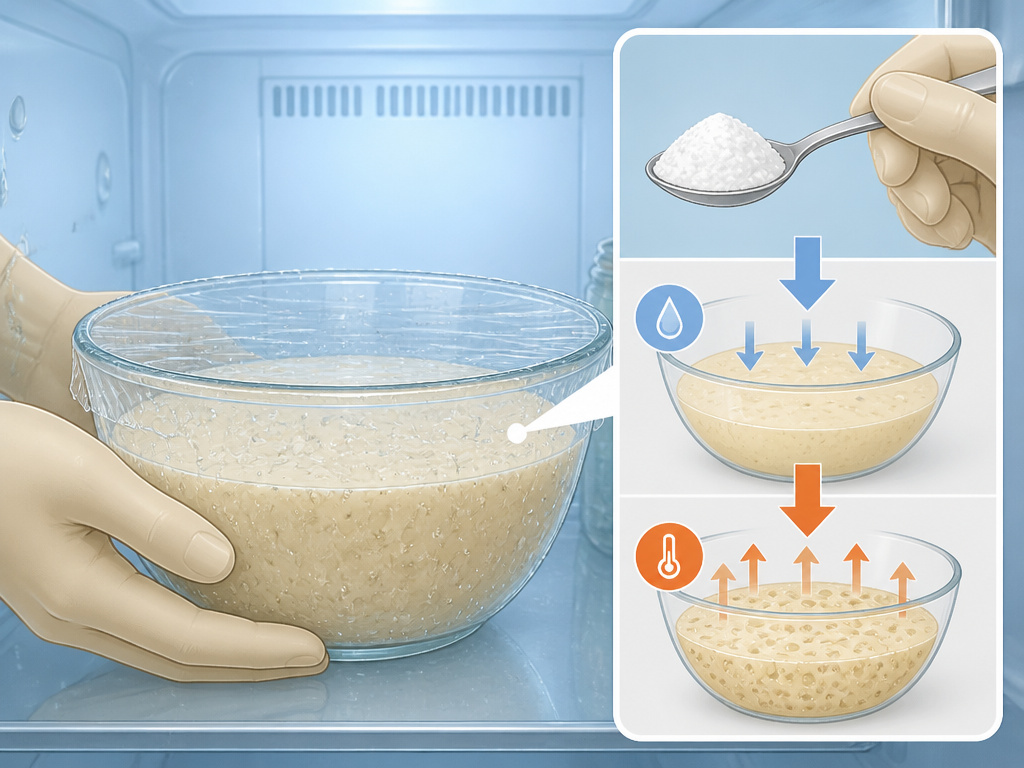
A common fear is that chilling the mix will neutralize the baking powder, leaving you with flat pancakes. This fear misunderstands the ingredient. Most commercial mixes use double-acting baking powder.
The first rise happens when the powder gets wet in your batter. The second, more powerful rise occurs only when heat is applied on the griddle. Refrigerating mixed pancake batter overnight leverages this fact. The cold slows the first reaction, so the batter doesn’t go flat before morning. The second reaction remains untouched, waiting for the heat.
This is why you can prep batter the night before. The chemical leavening capacity is largely preserved. Your Saturday night batter will still produce fluffy Sunday morning pancakes, as countless home cooks and YouTube tutorials demonstrate. The difference in rise between same-day and overnight batter is marginal.
Where this goes sideways: Assuming all baking powder is the same. Single-acting powder (rare in modern mixes) does react immediately and lose potency. Always check your mix’s ingredient list if you’re unsure.
For this system to work, you must also store your baking soda properly. An opened box left in a humid pantry loses its potency faster, which can affect any mix you augment with extra leavening. Keeping it in a sealed container in the fridge preserves its strength.
Step-by-Step: How to Refrigerate Pancake Mix Correctly
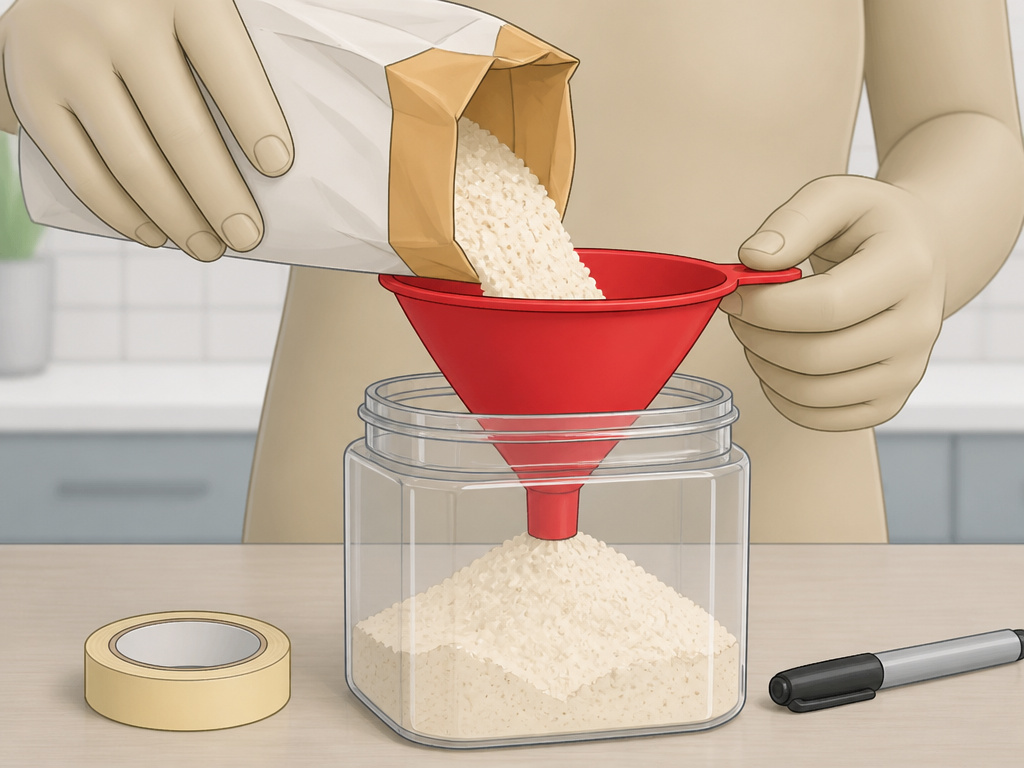
- Transfer. Pour the entire contents of your opened pancake mix bag into a clean, dry airtight container. A funnel helps avoid mess.
- Label. Use a piece of masking tape and a marker to write the date and contents. “Pancake Mix – Opened 3/15.” You will forget.
- Place. Put the container on a shelf in the main body of the refrigerator, not in the door. The door’s temperature fluctuates too much with opening and closing.
- Use. When ready to bake, scoop out the amount you need directly from the cold container. Do not let the whole container sit out and warm up repeatedly.
- Reseal. Immediately close the container lid tightly and return it to the fridge.
Skipping the transfer step is the most common mistake. Rolling down the bag and clipping it shut seems fine, but it isn’t airtight. Within a few weeks, you’ll notice the mix becoming compact and difficult to sift. That’s absorbed moisture at work.
The process for storing coffee beans is strikingly similar: an opaque, airtight container in a cool, dark place (often the fridge or freezer) to preserve volatile aromatics. Good storage habits transcend individual ingredients.
How to Tell If Your Pancake Mix Has Gone Bad
Trust your senses. Dry mix doesn’t typically host pathogens like salmonella, but rancid fats and molds are real risks.
- Smell it. Fresh mix has a neutral, floury scent. A musty, sour, or chemical smell means the fats have oxidized or mold has taken hold. Toss it.
- Look at it. Spread a small amount on a white plate. Look for any discoloration, especially blue, green, or black specks of mold. Also look for signs of pantry moths or beetles (small webs or larvae).
- Feel it. Squeeze a bit between your fingers. Good mix is powdery and free-flowing. If it’s hardened into lumps that don’t break apart with light pressure, moisture has gotten in and likely compromised it.
If you see any one of these signs, discard the entire container. The risk isn’t worth the dollar you save. This is a stricter rule than for something like cooked rice, where you might cut away a small spoiled section; in a dry mix, moisture and spoilage spread uniformly.
Easy to miss: Insect eggs can be present in flour-based products before you buy them. They hatch in warm pantry conditions. Refrigeration prevents this lifecycle completely, which is another silent benefit.
Frequently Asked Questions
Does pancake mix go bad in the fridge?
Yes, eventually. Even under ideal refrigeration at 34-40°F, an opened pancake mix will last about 6-9 months before quality degrades noticeably. An unopened box stored in the fridge can last years, often well past its printed “best by” date.
Can you freeze pancake mix?
Absolutely. For the longest storage, place the original package inside a sealed plastic freezer bag, squeeze out the air, and freeze. For opened mix, transfer it to an airtight container or a heavy-duty freezer bag first. Always let it thaw to room temperature inside the sealed container before opening to prevent condensation.
How long does pancake batter last in the fridge?
Pre-mixed batter containing liquids (milk, eggs, oil) is a different beast. It lasts only 1-2 days in the fridge. The liquid activates the leavening agents immediately, and they slowly lose power. It also presents a bacterial risk from the eggs and dairy. For make-ahead convenience, mix your dry and wet ingredients separately the night before, then combine them in the morning.
What’s the best container for storing pancake mix?
Glass or BPA-free plastic container with a silicone-gasket locking lid is ideal. The seal is crucial. Canning jars work well if you use new lids. Avoid thin plastic containers or bags that aren’t rated for freezer use, as they can allow odor transfer and aren’t truly airtight.
Can I refrigerate homemade pancake mix?
Yes, and the same rules apply. Because homemade mixes often contain whole-grain flours or freshly ground ingredients with more natural oils, they spoil faster at room temperature. Refrigerating or freezing a homemade blend is strongly recommended. Use an airtight container and label it with the date and all ingredients, you’ll forget your own recipe ratios.
The Bottom Line
Refrigerating pancake mix isn’t just safe; it’s the smart move for anyone who doesn’t use a box within a couple of months. The goal is simple: keep it cold, keep it sealed, and keep it dry.
Grab an airtight container, today. Transfer that opened mix, label it, and stick it in the back of your fridge. You’ll extend its life by months, protect its rising power, and guarantee a stack of fluffy pancakes whenever the craving strikes. It’s the same principle that keeps breast milk safe and sourdough bread fresh: control the environment, and the food stays good.
