The Complete Guide on How to Store Egg Bites for Freshness
This post contains affiliate links. As an Amazon Associate, we earn from qualifying purchases.
Store egg bites in an airtight container in the refrigerator for 3-5 days. For long-term storage, flash-freeze them on a sheet pan before transferring to a freezer-safe container for up to 3 months. Reheat to an internal temperature of 165°F (74°C) for safety. The critical step everyone misses is the initial cool-down, skipping it guarantees soggy, condensation-damaged bites.
That two-hour window is a food safety line, not just a texture tip. Salmonella grows fastest between 40°F and 140°F, and cooked eggs left in that danger zone become a risk. Your storage container matters less than your timing.
What follows breaks down the refrigerator and freezer methods with manufacturer-specific times, explains why the Hamilton Beach egg bite maker needs extra water for a second batch, and gives you the reheating numbers that actually match the packages in your freezer.
Key Takeaways
- Cool egg bites completely on a wire rack before storing to prevent condensation and sogginess.
- Refrigerate in an airtight container within 2 hours of cooking; they last 3-5 days.
- For freezing, flash-freeze individually first to prevent a solid, icy block.
- Reheat frozen egg bites directly from frozen in the microwave, aiming for an internal temperature of 165°F (74°C).
- Always check manufacturer instructions on pre-packaged bites, thawing and heating times vary.
The Refrigerator Method: Airtight and Cool
Get the egg bites out of the cooking vessel and onto a wire rack as soon as they’re cool enough to handle. This isn’t just about speeding things up. Letting them steam in the hot tray or muffin cup is the fastest route to a wet, rubbery bottom.
Common mistake: Sealing warm egg bites in a container. Trapped steam turns to condensation, creating a damp environment that sogs the texture and encourages bacterial growth within the first 12 hours.
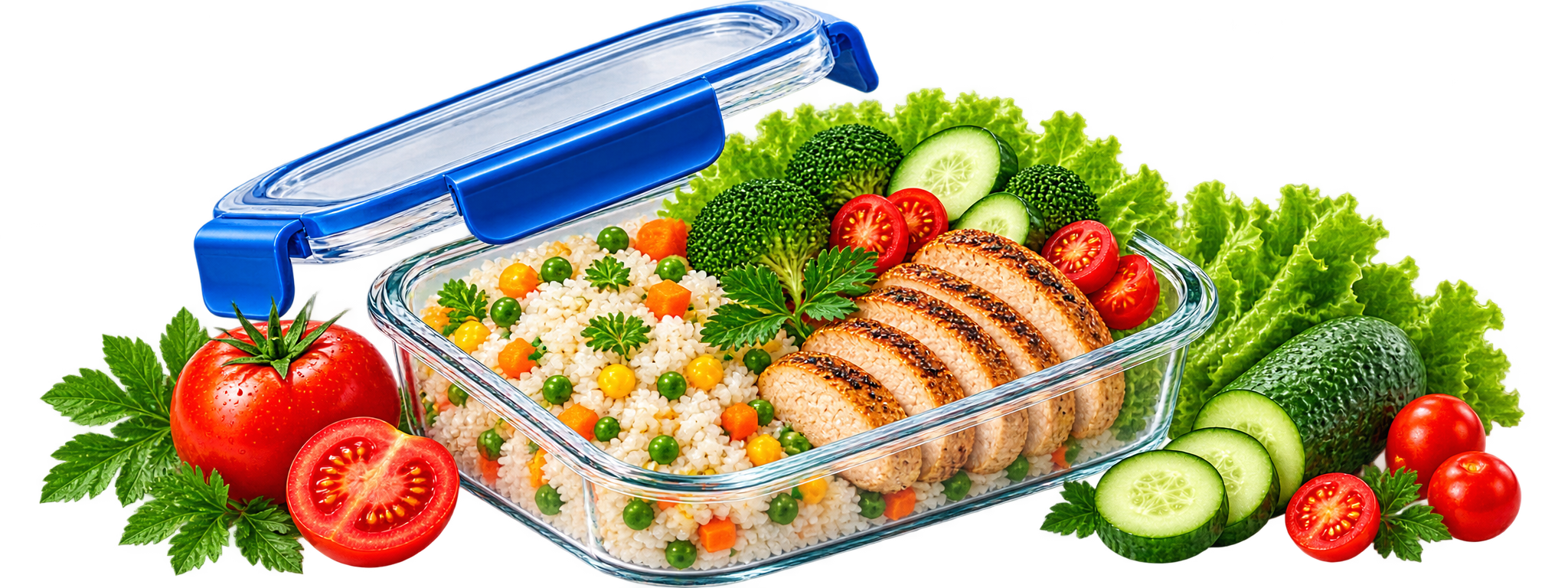
Once they reach room temperature, which should take no more than an hour, transfer them to an airtight container. A glass container with a locking lid or a sturdy BPA-free plastic container works best. Do not stack them more than two layers high, and separate layers with parchment paper if you must stack.
How long do cooked egg bites last in the fridge?
Most homemade egg bites will stay fresh for 3 to 5 days when stored correctly. This aligns with general food storage principles for cooked eggs. The clock starts the moment they finish cooking, not when you put them away.
If you’ve bought pre-made bites like Egg Solutions Omelet Bites, their manual is the law. It states thawed product must be kept at 4°C (39°F) or colder and used within 2-3 days. Commercial products often have shorter fridge lives due to their specific formulations.
| Storage Step | Key Action | What Happens If You Skip It |
|---|---|---|
| Cooling | Spread on a wire rack until room temp. | Steam condenses inside the container, making bites soggy and slimy within a day. |
| Containing | Use an airtight, shallow container. | Bites dry out and absorb fridge odors; potential cross-contamination. |
| Timing | Refrigerate within 2 hours of cooking. | Risk of Salmonella growth increases; USDA says discard after 2 hours at room temp. |
This timeline is non-negotiable for safety. The USDA states that leftovers containing cooked eggs should be refrigerated within 2 hours, or within 1 hour if the ambient temperature is above 90°F (32°C). Your egg bites are no exception.
Freezing for Long-Term Storage
Freezing is your best bet for meal-prepping weeks in advance. The goal is to prevent the bites from fusing into a single, unusable mass. The trick isn’t the container you freeze them in forever; it’s what you do before they go into it.
- Cool Completely: Just like for the fridge, let the bites cool entirely on a rack. A warm bite will form ice crystals faster.
- Flash-Freeze: Line a baking sheet with parchment paper. Place the bites on the sheet, ensuring they aren’t touching. Put the whole sheet, flat, in your freezer for 2-3 hours. This is the “flash-freeze” step.
- Bag and Label: Once the bites are solid, quickly transfer them to a freezer-safe bag or container. Squeeze out excess air, label with the date and contents, and return to the freezer.
Why bother with the sheet pan? Freezing them individually first means you can pull out one or two breakfasts without thawing the whole batch. It also prevents freezer burn, which occurs when air reaches the food’s surface, causing dehydration and off-flavors.
How long do frozen egg bites last?
Properly stored, they maintain best quality for about 3 months. While they may remain safe to eat beyond that, the texture and flavor will noticeably decline. This is a similar timeframe to other frozen cooked goods, like sourdough bread.
I learned the hard way that skipping the flash-freeze step costs you convenience. I once dumped a dozen warmish bites straight into a gallon bag. The next morning, I had an egg-bite iceberg. Trying to pry two apart shattered one and left chunks of cheese all over the kitchen. Now, the parchment-lined sheet pan is non-negotiable.
How to Thaw and Reheat Stored Egg Bites
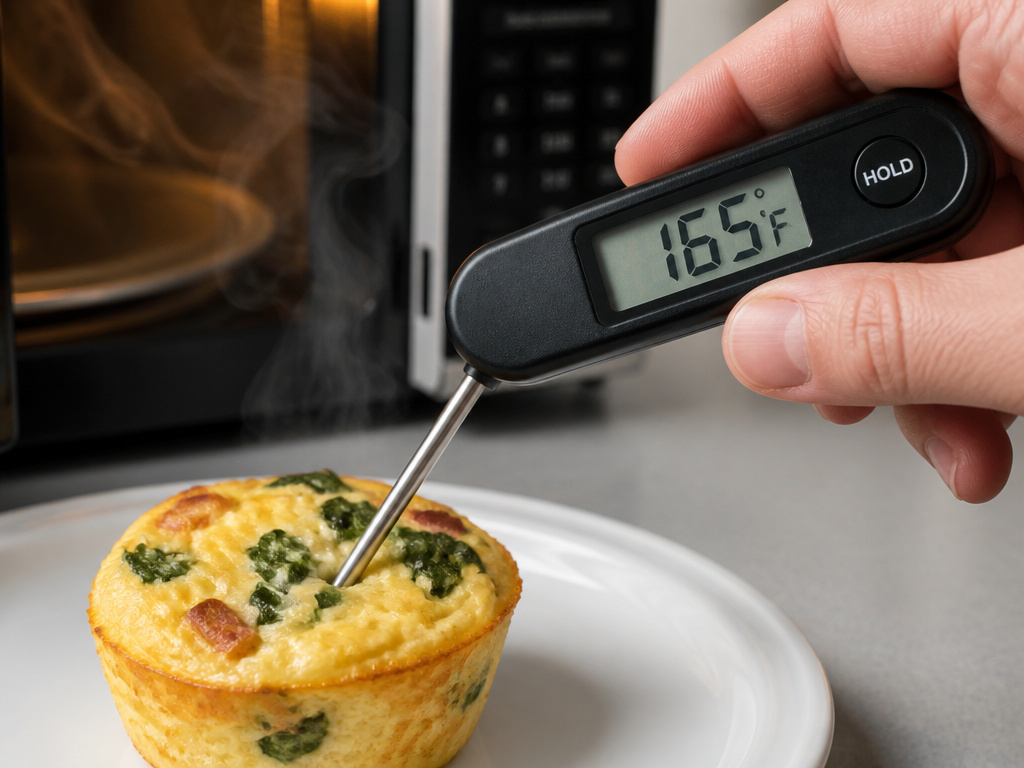
Your reheating method depends on where your bites are starting from: fridge, freezer, or a commercial package. The universal target is an internal temperature of 165°F (74°C), the FDA-recommended temperature to kill any potential bacteria.
Reheating from Refrigerated
For cold, previously cooked bites, the microwave is fastest. * Place 1-2 bites on a microwave-safe plate. * Cover loosely with a damp paper towel. This adds steam to rehydrate the edges and prevent rubberiness. * Heat on high for 30-45 seconds per bite. Check the center with a fork; it should be steaming hot.
For a crisper texture, use a toaster oven or air fryer at 350°F for 5-8 minutes. This works especially well for bites with cheese or meat that you want to re-crisp.
Reheating from Frozen
You have two paths: thaw overnight or cook from frozen. * Thaw First (Recommended): Move the desired number of bites from the freezer to the fridge the night before. Reheat as you would refrigerated bites. This yields the most even result. * Cook From Frozen: If you’re in a rush, place frozen bites on a microwave-safe plate. Use the defrost setting or 50% power for 2-3 minutes, then finish on high for 30-60 seconds until hot throughout. The outside may get a bit tough.
Following Packaged Product Instructions
If you’re storing a product like Egg Solutions Omelet Bites, their sellsheet is specific. For single-serve packs, they instruct: “cut 2 slits in the plastic or partially open package before heating.” This is a critical safety step to allow steam to escape and prevent the package from bursting. Their microwave time is 60-90 seconds on high, or until the internal temperature reaches 165°F (74°C). Wattages vary, so start at the lower end.
Special Considerations for Egg Bite Makers
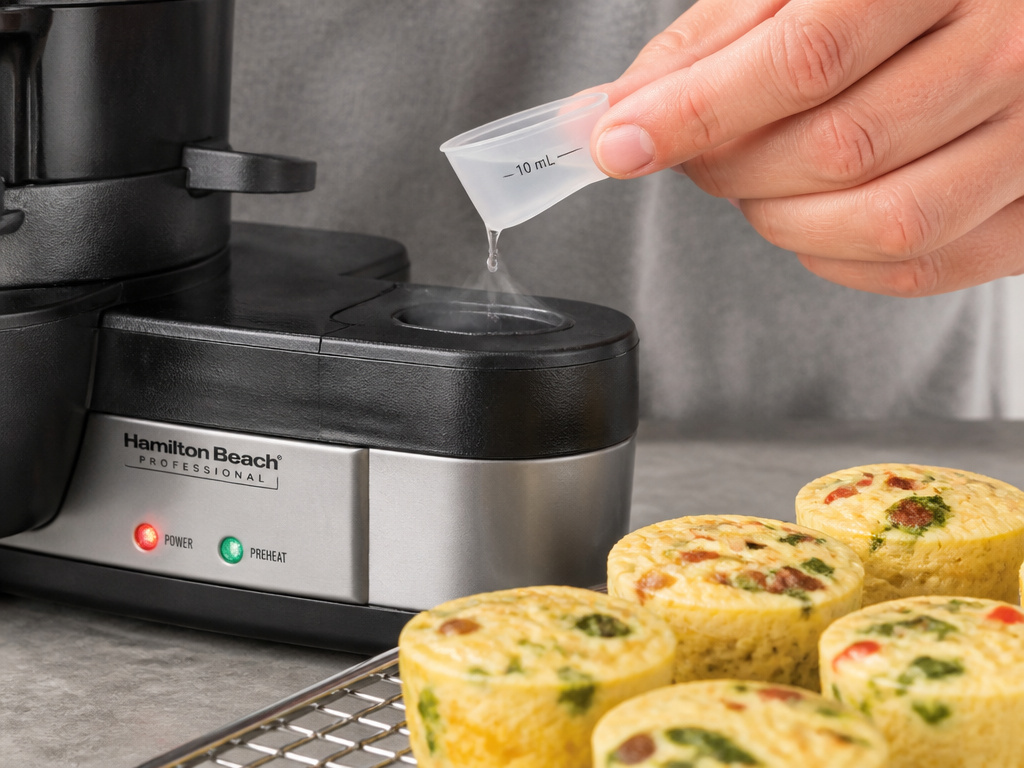
If you use a gadget like the Hamilton Beach Egg Bite Maker (models 25505 or 25511), the storage rules are the same, but a cooking quirk affects your process. The manual contains a note most people overlook when making a second batch.
The part nobody mentions: “If preparing a second batch, the Egg Bite Maker is hot, and water will turn to steam quickly. To achieve the same cooking time as a cold start, add 10 mL to the recommended amount of water.”
The appliance uses steam to cook. When the base is already hot from a previous batch, the cold water you add flashes to steam faster. If you don’t add that extra 10 mL, the water evaporates before the eggs are fully set, leaving you with undercooked, wet centers. It’s a small spec that makes a big difference in texture.
Once cooked, the storage protocol doesn’t change. Cool them on a rack, then follow the fridge or freezer steps above. Treat them like any other homemade egg bite.
Food Safety: The Why Behind the Rules
The strict timelines aren’t arbitrary. They’re built around the biology of Salmonella and the nature of eggs. In the U.S., eggs are washed, which removes a natural protective cuticle. Once refrigerated, they must stay cold; warming them causes condensation on the shell that can pull bacteria inside.
Cooked eggs are a fertile ground for bacteria if mishandled. The “danger zone” between 40°F and 140°F is where bacteria double rapidly. Leaving your freshly cooked egg bites to cool for three hours on the counter gives them a long, dangerous head start.
This is the same principle that governs storing cooked rice or hard-boiled eggs, rapid cooling and prompt refrigeration are non-negotiable for safety. The USDA’s 2-hour rule is your hard stop.
Furthermore, ingredients within your bites affect longevity. Bites with dairy like cheese or milk, or moist veggies like spinach, may sour slightly faster than plain egg-white bites. If anything smells off, looks slimy, or shows mold, discard it immediately. No reheating can fix spoilage.
Frequently Asked Questions
Can you store egg bites at room temperature?
No. You should not store cooked egg bites at room temperature. The USDA advises that cooked eggs and egg dishes should not be left out for more than 2 hours (or 1 hour if above 90°F). For safety and quality, refrigerate or freeze them promptly.
How do you keep egg bites from getting soggy when reheating?
The key is to reintroduce moisture gently. When microwaving, cover them with a damp paper towel. The steam generated will rehydrate the bites without making them wet. For oven reheating, sprinkle a few drops of water over them before covering with foil.
Can you freeze egg bites with cheese in them?
Yes, you can freeze egg bites containing cheese. In fact, cheese freezes quite well. The flash-freeze method is especially important here to maintain the cheese’s texture and prevent it from becoming overly greasy or rubbery upon reheating.
How long do Starbucks egg bites last in the fridge?
If you’ve brought Starbucks egg bites home, treat them as a refrigerated commercial product. Consume them within 2-3 days. Their packaging is designed for short-term holding, not long-term storage. For longer storage, freeze them using the flash-freeze method.
Is it better to store egg bites in glass or plastic?
Glass is generally better. It’s non-porous, doesn’t absorb odors, and is easier to clean thoroughly. A glass container with an airtight lid is ideal for both refrigerator and freezer storage. If using plastic, ensure it’s BPA-free and labeled as freezer-safe.
Before You Go
Storing egg bites well comes down to three actions: cool them fast, seal them tight, and respect the clock. Whether they’re from your Hamilton Beach maker, a batch you baked, or a pack from the store, getting them cold within two hours locks in safety and texture.
For the fridge, an airtight glass container gives you 3-5 days. For the freezer, the flash-freeze sheet-pan trick is what lets you grab a single serving months later. And when reheating, always aim for that center to be steaming hot, 165°F isn’t just a number, it’s your guarantee.
Your other egg-based leftovers, like peeled boiled eggs or leftover egg whites, follow similar rules. Apply that same diligence, and you’ll cut down on waste without a second thought.
