Learn How to Preserve Avocados in the Freezer Successfully
This post contains affiliate links. As an Amazon Associate, we earn from qualifying purchases.
To preserve avocados in the freezer, you must inactivate the browning enzyme polyphenol oxidase (PPO) and control ice crystal formation. The most effective method is a heat treatment, dipping prepared fruit in boiling water until the tissue reaches 80°C, before rapid freezing. For home use, freezing as an acidified puree in vacuum-sealed, freezer-safe containers is the most reliable way to maintain quality for up to six months.
Freezing serves as a race against three chemical and physical reactions: enzymatic browning, lipid oxidation, and cellular rupture from ice crystals, rather than merely being cold storage. Most guides tell you to add lemon juice and toss slices in a bag.That approach yields a brown, mushy, bitter-tasting result within weeks. The difference between that failure and a successful, green, usable product is a specific sequence of interventions.
What follows: the industrial heat-treatment protocol adapted for a home kitchen, the foolproof puree method, the exact acid measurements that matter more than guesswork, and the five storage mistakes that cut your shelf life in half.
Key Takeaways
- Enzymatic browning is caused by polyphenol oxidase (PPO). Heat denatures it permanently; acid only slows it down. A quick boil-water dip is the most effective browning blocker.
- Ice crystals destroy texture. Rapid initial freezing (a “flash freeze” on a tray) creates smaller crystals than tossing a whole bag into the freezer. Clumping guarantees large, damaging crystals.
- Citric acid is more reliable than lemon juice for pH control. You need a final pH between 4.2 and 4.5 to maximally inhibit browning without making the avocado taste sour.
- Air is the enemy. Vacuum sealing or using a water-displacement method with high-barrier freezer bags prevents oxidation and freezer burn, which causes rancid flavors.
- Your freezer’s temperature stability is as important as its coldness. Storing avocado near the door or on a top shelf where temperature fluctuates can halve its safe storage life.
The Science of Avocado Degradation (And How to Stop It)
Avocados spoil in the freezer for three mechanical reasons. Understanding them tells you which steps are non-negotiable.
First, polyphenol oxidase (PPO) is the enzyme that causes browning when the fruit’s flesh is cut and exposed to air. It’s incredibly persistent. Standard home freezing temperatures around -18°C don’t destroy PPO; they just put it on pause. The moment the fruit thaws, the enzyme reactivates and browning proceeds at warp speed. Antioxidants like ascorbic acid (vitamin C) scavenge the oxygen PPO needs, but they get used up. Heat, however, denatures the enzyme’s protein structure permanently. That’s why the heat-treatment method is so effective.
Second, avocados are about 75% water. During slow freezing, large, jagged ice crystals form outside the fruit’s cell walls. As they expand, they act like microscopic knives, slicing through the cell structure. When you thaw, the water doesn’t re-enter the damaged cells. It leaks out as syneresis, leaving you with a grainy, watery, mushy texture. Rapid freezing creates numerous tiny crystals that do far less structural damage.
Third, the high oil content (14-20%) makes avocados susceptible to lipid oxidation. Exposure to oxygen in the freezer leads to rancid, “off” flavors often described as soapy or cardboard-like. This is why excluding air is crucial for preserving flavor, not only for preventing freezer burn.
The part nobody mentions: Freezing whole avocados with the pit is a total failure. The pit tissue contains laccase, another browning enzyme that’s even more heat-stable than PPO. It remains active at freezer temperatures, so pit-in samples brown three times faster than pit-free ones.
The Heat-Treatment Method (For Halves & Chunks)
This method is adapted from a published food science study. It’s the gold standard for preserving color and texture in frozen avocado pieces, but it requires precision.
When to use it: You want frozen avocado chunks for salads, garnishes, or dishes where distinct pieces are needed. It’s more work than puree, but it’s the only way to keep slices from turning to mush.
The core finding from the research is that dipping fruit in boiling water until the internal tissue temperature reaches approximately 80°C inactivates PPO and leaches out phenolic compounds. This stops browning cold and also prevents the bitter flavor that can develop in frozen storage.
| Step | Critical Detail | Why It Matters |
|---|---|---|
| 1. Ripen to Perfect Softness | Fruit should yield slightly to gentle pressure. Under-ripe fruit lacks oil; over-ripe fruit has elevated enzymes. | Texture after thawing depends on starting ripeness. |
| 2. Peel, Pit, and Slice | Use a stainless steel knife. Cut into halves or uniform chunks. | Consistent size ensures even heat penetration and freezing. |
| 3. The Boiling Water Dip | Use a slotted spoon to submerge pieces in rolling boil for 30-45 seconds. Goal is ~80°C internal. | This is the step that denatures PPO permanently. Do not skip. |
| 4. Ice Bath Shock | Transfer immediately to a bowl of ice water for 2 minutes. | Stops the cooking process to preserve texture and bright green color. |
| 5. Drain & Dry Thoroughly | Pat pieces completely dry with paper towels or a clean kitchen towel. | Surface moisture leads to ice clumping and freezer burn. |
| 6. Flash Freeze on Tray | Spread pieces in a single layer on a parchment-lined baking sheet. Freeze for 90 minutes. | Prevents pieces from fusing together and promotes rapid crystal formation. |
| 7. Package for Storage | Transfer frozen chunks to a vacuum-sealed bag or high-barrier freezer bag. Remove all air. | Air exposure causes oxidation and rancidity. |
After this process, the avocado pieces can be stored for over six months. They’ll remain green for hours after thawing. The texture will be softer than fresh but intact, not watery.
Technical Snippet: The browning enzyme polyphenol oxidase (PPO) is permanently inactivated when avocado tissue reaches 80°C. A brief dip in boiling water achieves this without cooking the flesh, while also leaching phenolic compounds from cut surfaces that can cause bitterness during frozen storage.
Freezing Avocado Puree (The Home Kitchen Standard)
For guacamole, smoothies, dressings, or baking, freezing as a puree is the most practical and forgiving method. The key is acidification and air removal.
Start with ripe Hass avocados. Scoop the flesh into a bowl and mash until smooth with a fork or potato masher. For a super-smooth consistency for sauces, a food processor works, but don’t over-process, it can incorporate too much air.
Now, acidify. This is where most people guess wrong.
- Lemon Juice Method: Add 1 tablespoon of fresh lemon juice for every two avocados. This is the classic approach. It works okay but is less precise.
- Citric Acid Method: For reliable pH control, dissolve 1/4 teaspoon of food-grade citric acid powder in a teaspoon of water, then mix it thoroughly into the puree from two avocados. Citric acid delivers consistent acidity without adding the variable flavor of lemon.
The acid drops the pH, creating an environment where PPO and spoilage bacteria struggle. Next, package. Do not just spoon it into a container.
- Portion the puree into amounts you’ll use at once (e.g., 1/2 cup servings). Press it into the corners of a high-barrier freezer bag, squeeze out all air, and seal. Laying the bags flat to freeze creates thin, stackable “bricks” that thaw quickly.
- For containers, use small, rigid freezer-safe containers. Press a piece of plastic wrap directly onto the surface of the puree before sealing the lid to minimize air contact.
Freeze immediately. Thaw overnight in the refrigerator, not on the counter. Use within 4-6 months for best quality, though it will remain safe longer.
Tools & Ingredients You Actually Need
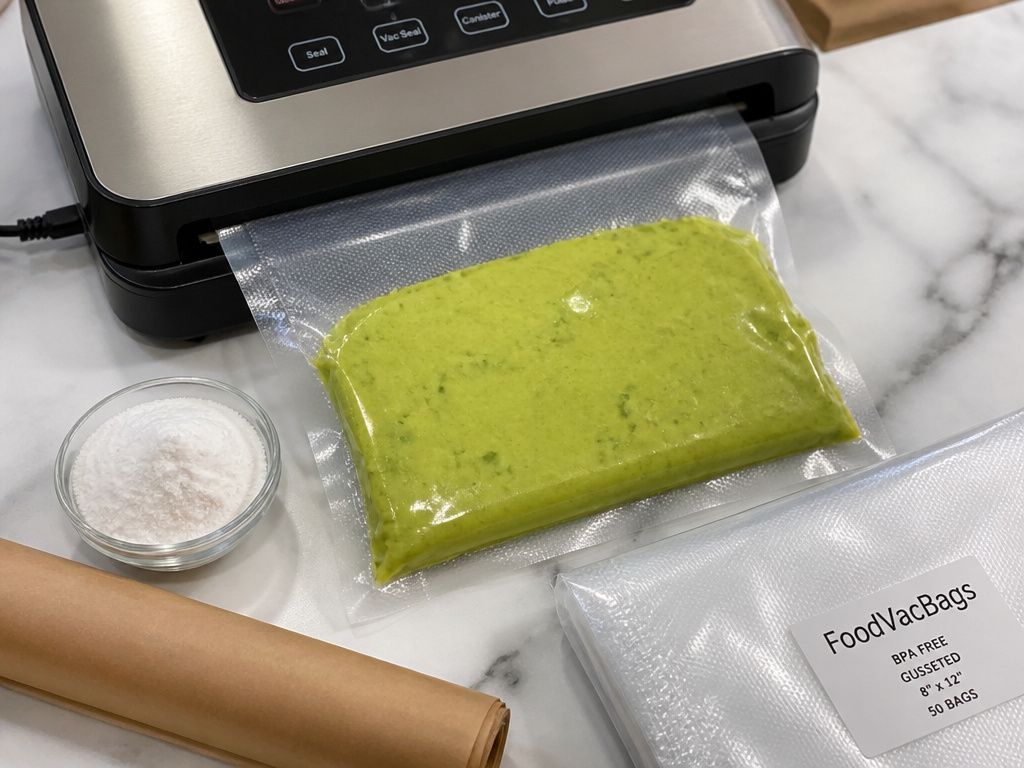
You don’t need professional gear. These four items turn freezing from a gamble into a reliable process.
- A Vacuum Sealer. This is the single biggest upgrade for frozen food quality. It removes air far more effectively than the water-displacement method. Look for a model that handles wet foods and uses bags with an EVOH oxygen barrier.
- High-Barrier Freezer Bags. If you don’t have a sealer, buy high-quality bags labeled for freezer use. Thicker plastic and a double-zip seal are worth the extra cost. They are essential for preventing freezer burn on your puree.
- Citric Acid Powder. Find it in the canning section of grocery stores or online. It’s cheap, lasts forever, and gives you precise control over acidity, which is crucial for preserving color in freezer jam and other fruit preserves, too.
- Parchment Paper & Baking Sheets. For the essential “flash freeze” step. Don’t skip it. Freezing items individually first prevents you from ending up with a solid, unusable block.
A blender or food processor is helpful for puree but not mandatory. A good knife and a slotted spoon are your main tools for the heat-treatment method.
What NOT to Do: 5 Mistakes That Ruin Frozen Avocados
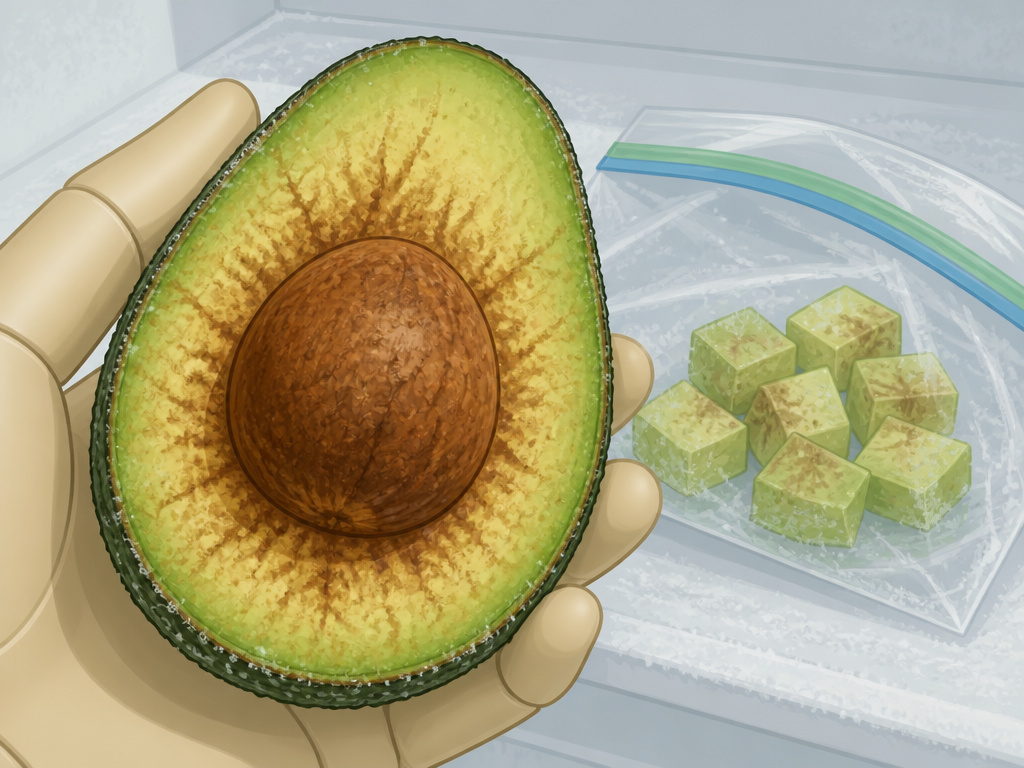
These errors are the difference between a vibrant green ingredient and a science experiment gone wrong.
Common mistake: Freezing slices or cubes with the pit still in the half. The pit’s laccase enzyme stays active, accelerating browning from the inside out. Your chunks will be brown within a month.
**Mistake 1: Skipping the Acid or Using Too Little.Acid is a necessary preservative. Without it, browning begins the moment the flesh is exposed to air during prepping and continues enzymatically in the freezer.Inadequate acid means a grayish-brown puree.
Mistake 2: Using Flimsy Storage Bags. Standard sandwich bags are too permeable. Oxygen slowly migrates through the plastic, leading to oxidation and freezer burn. You’ll see white, dried patches and taste rancidity.
Mistake 3: Thawing at Room Temperature. This is an open invitation for bacterial growth on the outer layers while the inside is still frozen. It also creates a temperature zone where enzymes and oxidation work fastest. Always thaw in the fridge.
Mistake 4: Storing in the Freezer Door. Temperature fluctuations in the door are brutal. Every 5°C swing above -18°C can cut shelf life in half. Store your avocado puree or chunks in the back, bottom, or most stable zone of the main compartment.
Mistake 5: Freezing Whole, Unpeeled Avocados. The skin offers no real protection. The flesh still freezes slowly, forming large ice crystals that turn the creamy texture into a stringy, watery mess. It’s the least effective method.
How to Use Frozen Avocado
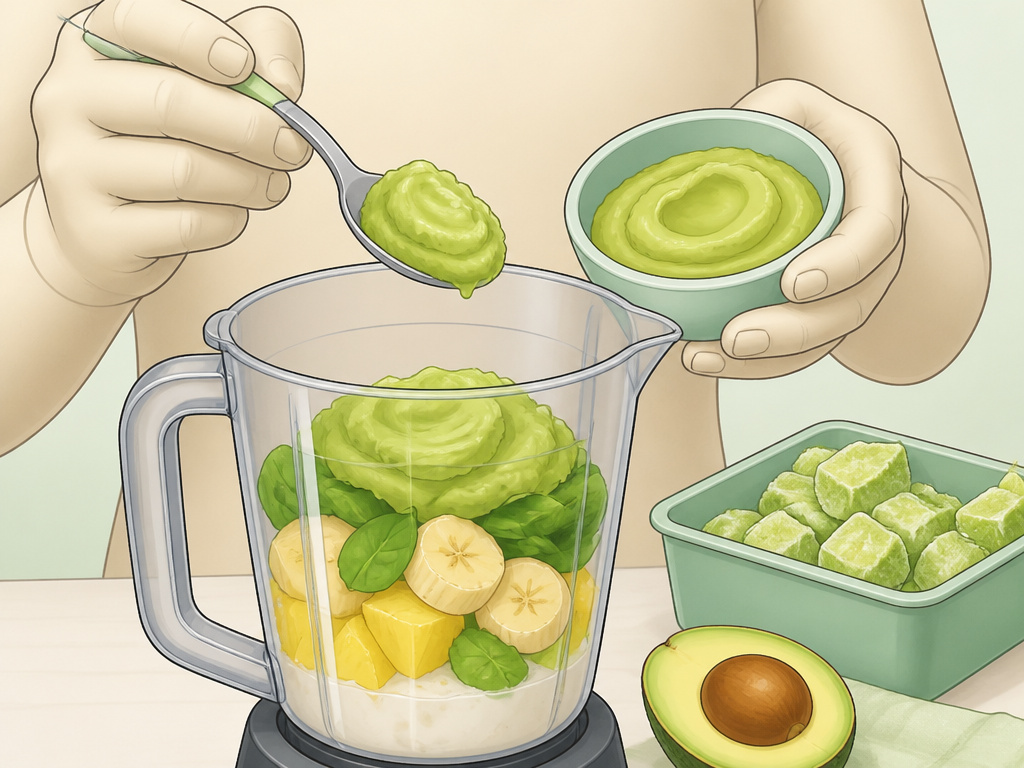
Your frozen avocado won’t behave exactly like fresh, and that’s okay. Match the form to the function.
Thawed Puree is perfect for dishes where texture is secondary or emulsified: * Smoothies & Dressings: Add directly to the blender frozen for a chilled smoothie, or thaw for creamy dressings. * Baking: Use it as a fat substitute in brownies, cakes, or quick breads. The flavor is mild. * Dips & Spreads: Stir thawed puree into sour cream, Greek yogurt, or season for a quick dip. It may be slightly wetter, so drain excess liquid or adjust other ingredients.
Heat-Treated Chunks, once thawed, are best for: * Salads & Garnishes: Add at the very last second to cold dishes. They will be softer but hold shape. * Cooked Dishes: Stir into warm pasta, risotto, or atop toast where slight softening is acceptable.
Do not try to make pristine, Instagram-worthy avocado toast with thawed slices. It will disappoint. The flavor and nutrients are preserved; the structural integrity is not.
Frequently Asked Questions
Can you freeze avocado for guacamole?
Yes, but freeze it as a seasoned puree. Before freezing, mash the avocado and mix in your lime juice, salt, and cilantro. Onions and fresh tomatoes become mushy and watery when frozen, so add those after thawing. The texture will be slightly softer but perfectly acceptable for dipping.
How long does frozen avocado last?
Frozen avocado puree maintains best quality for 4 to 6 months. The heat-treated chunk method, done correctly, can last over 6 months. While it remains safe to eat indefinitely, flavor and texture degrade over time. Adhering to the FDA Frozen Food Storage Guidelines of a stable -18°C is key to hitting these timelines.
Does frozen avocado taste different?
It can. Improper freezing leads to rancid or bitter flavors from oxidation. Properly processed frozen avocado, acidified, air-excluded, and rapidly frozen, retains a clean, mild avocado flavor. It may lack the very top notes of fresh, peak-season fruit, but it shouldn’t taste “off.”
Why did my frozen avocado turn brown?
Browning means the polyphenol oxidase (PPO) enzyme was never controlled. You either didn’t use enough acid, didn’t heat-treat, or air got into the package and oxidized the flesh. Once it’s brown, the color change is irreversible, though it may still be safe to eat if frozen continuously.
Can you refreeze avocado?
It is not recommended. Thawing and refreezing gives ice crystals a second chance to grow larger, destroying what little cell structure remains. The temperature swing also accelerates oxidation. Portion your avocado before freezing so you only thaw what you need.
Before You Go
Freezing avocados is a short, specific procedure, not a hack. The goal is to pause time without sacrificing too much of what makes the fruit worthwhile.
For most home cooks, the puree method is the answer. Mash, acidify with citric acid, vacuum-seal in usable portions, and freeze flat. It’s a reliable way to capture ripeness at its peak. If you need chunks, the heat-treatment method is your project, it’s the only way to win against browning.
Remember the three enemies: the PPO enzyme, large ice crystals, and oxygen. Your job is to denature, minimize, and exclude. Skip the trendy “freeze whole with the pit” video. That path leads straight to the compost bin. Your freezer is a tool. Use it with intention.
