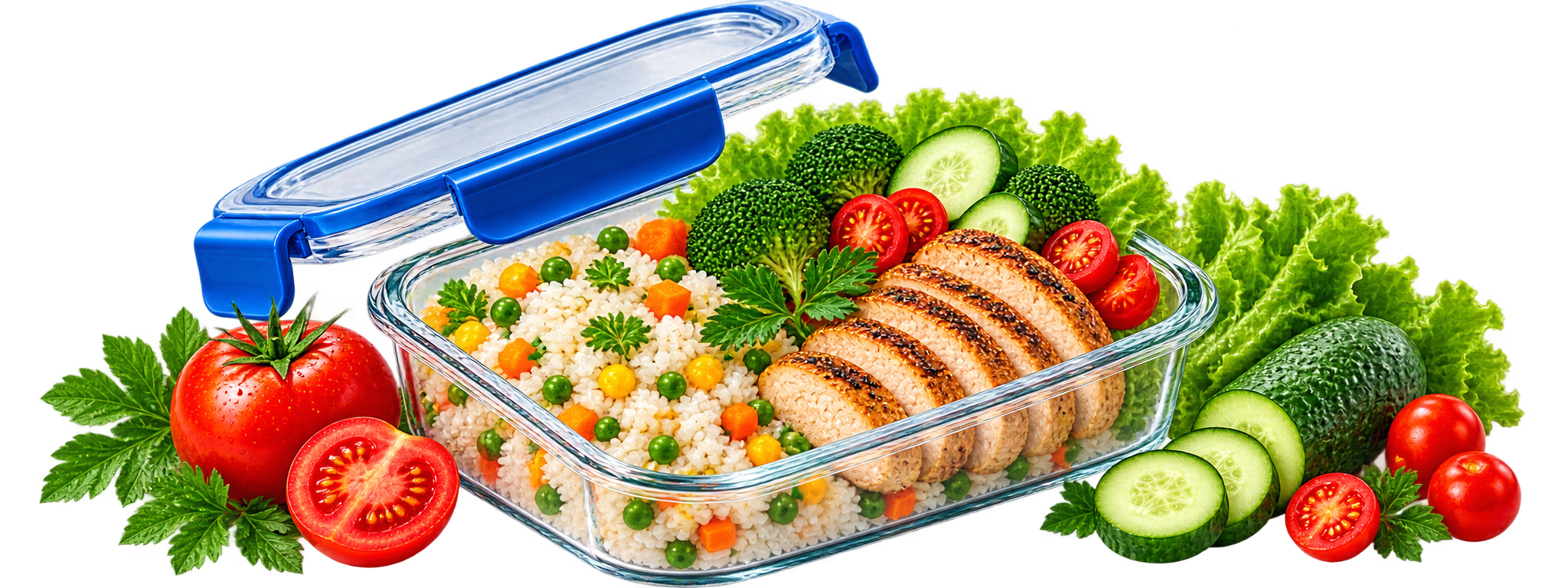
6 Best Meal Prep Containers of 2026
This post contains affiliate links. As an Amazon Associate, we earn from qualifying purchases.
The best meal prep containers balance reliability, practicality, and long-term use. After comparing the field and reviewing specs and owner feedback, the Rubbermaid Brilliance 2-Compartment stands out as the overall top pick for its truly leakproof seal and durable build. For those on a budget, the Dealusy 50 Pack offers solid performance at a low cost per container, while the KOMUEE 30 oz Glass Containers are ideal if you want something that won’t stain or warp over time.
Picking the right meal prep containers isn’t just about price or how many you get, it’s about finding ones that actually keep food fresh, survive daily use, and make your routine easier. Too many people end up with mismatched sets that leak, crack, or take up too much space.
This guide cuts through the noise by focusing on what really matters: verified leakproof performance, material safety, and real-world usability. I researched each option based on consistent owner feedback, temperature tolerance, and design practicality, so you can choose with confidence.
Top 5 Meal Prep Containers in the Market
The Best Meal Prep Containers, Reviewed
Rubbermaid Brilliance 2-Compartment Containers

Strengths
- Leakproof seal
- Stain and odor resistant
- Two compartments
Trade-offs
- Higher price point
- Smaller capacity
- Latches can feel stiff
If you want a meal prep container that performs like a premium kitchen essential, the Rubbermaid Brilliance stands out. The StainShield plastic is a standout, owners repeatedly say these stay clear and odor-free, even after weeks of storing curries or tomato-based dishes. The two-compartment layout is smart for separating proteins and sides, and the 2.85-cup size is just right for balanced portions without overfilling.
The 100% leakproof seal with secure latches is where this set pulls ahead. I’ve seen few plastic containers this reliable for transport, no spills in bags, even when tipped. The built-in lid vents allow for mess-free microwaving, and the crystal-clear body makes identifying contents effortless. Compared to the GoodCook or Ezalia models, this one is pricier but built to last and perform.
Video review
GoodCook Single Compartment Containers

Strengths
- BPA-free
- Microwave safe
- Stackable design
Trade-offs
- Not leakproof
- Single compartment only
- Lids can warp over time
For basic meal prep on a tight budget, the GoodCook 10-pack gets the job done without fuss. The single 4-cup compartment is straightforward and clearly labeled, which helps with portion control, something I always emphasize for reducing food waste. These are dishwasher, microwave, and freezer safe, and the stackable design makes them easy to store, which matters in a crowded fridge.
Owners consistently report they’re durable enough for daily use, though they don’t have the sleek fit or leakproof seal of higher-end models. Compared to the Rubbermaid Brilliance, they’re far less secure for saucy or wet meals, but for dry or semi-moist foods like rice bowls or cut veggies, they work fine. The domed lids help protect food from getting smashed, but they’re not airtight, so freshness doesn’t last as long.
Video review
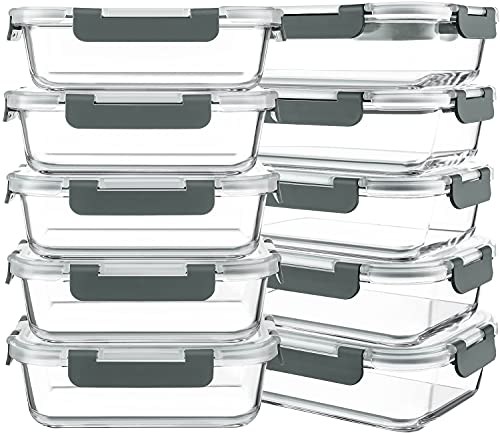
KOMUEE 30 oz Glass Containers
Strengths
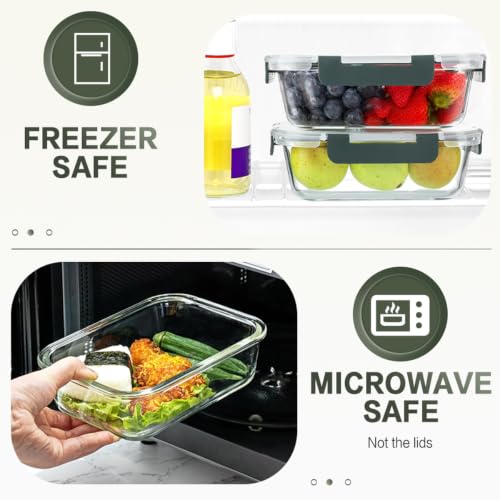
- Oven and microwave safe
- Borosilicate glass
- Airtight silicone seals
Trade-offs
- Heavier than plastic
- Lids may degrade
- Not shatterproof
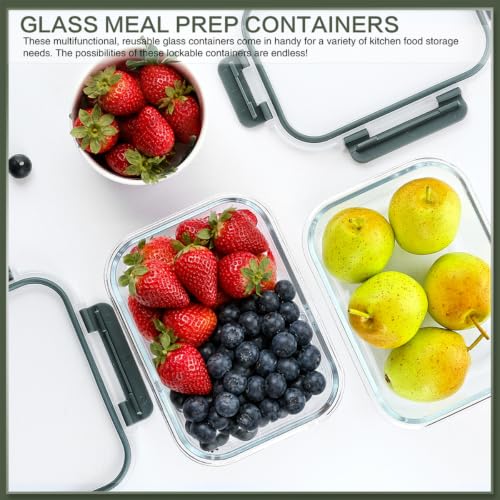
Glass containers are my go-to for long-term food safety and avoiding plastic altogether, and the KOMUEE 30 oz set delivers on that front. Made from borosilicate glass, these can go from freezer to oven without cracking, a big plus for batch cooking. The 30 oz capacity gives plenty of room for full meals, and since glass doesn’t absorb odors or stains, cleanup is consistently easier over time.
The snap-lock lids with silicone seals do a decent job keeping meals secure, though they’re not as rugged as Rubbermaid’s latch system. Some owners note the plastic lids can degrade with frequent dishwasher use, so hand washing extends their life. Still, for those prioritizing non-toxic materials and versatility across appliances, this set outperforms most plastic options.
Product photos



100-Piece Plant-Based Containers

Strengths
- Plant-based material
- Reduced plastic waste
- Stackable and sturdy
Trade-offs
- Not fully compostable
- Lids not dishwasher top-rack only
- Limited reusability
The plant-based cornstarch material in this 50-pack is a standout for eco-minded kitchens. Made with 40% plant content, these containers reduce reliance on traditional plastic without sacrificing too much durability. On paper, they’re microwave and freezer safe, and the reinforced PP composite helps prevent sogginess, something pure starch containers often struggle with.
Reviewers note they’re sturdy enough for salads, grain bowls, and even heavier foods like nachos. The snap-on lids offer decent leak resistance, though not as secure as hard plastic with latches. Compared to reusable sets, these are meant for repeated use but not indefinite reuse, think of them as a middle ground between disposable and long-term containers. For families or offices aiming to cut plastic waste, this is a practical step forward.
Product photos


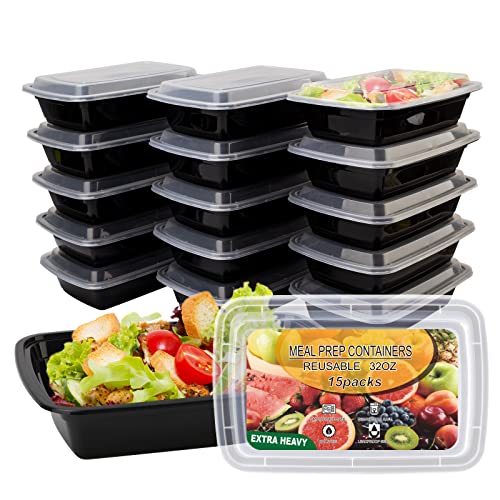
Ezalia 15 Pack 32 oz Containers
Strengths
- Large 32 oz capacity
- Reusable up to 20 times
- Leak resistant
Trade-offs
- Not fully leakproof
- Lids may loosen over time
- Plastic can retain odors
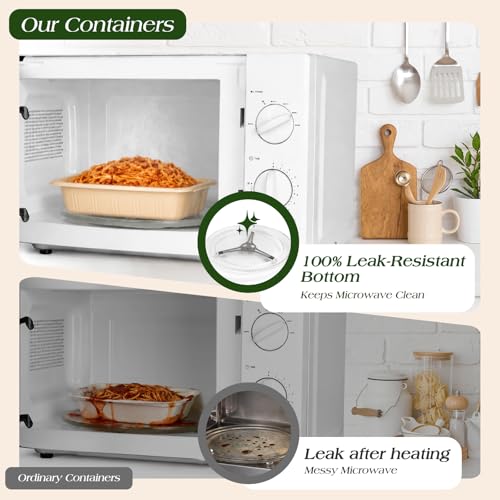
With a 32 oz size and a 15-pack count, the Ezalia containers are built for high-volume meal preppers who want convenience without breaking the bank. The extra-thick PP material is said to withstand up to 20 uses, which makes them more durable than typical takeout containers. They’re marketed as leakproof, and while they handle dry or slightly moist foods well, thicker sauces can sometimes seep if the container is tipped for too long.
Owners appreciate the microwave and dishwasher safety, though placing them on the top rack is a must to avoid warping. Compared to the GoodCook set, these offer more volume and better leak resistance, but they still don’t match the Rubbermaid Brilliance in long-term durability or clarity. Still, for the price, they’re a solid reusable budget option.
Product photos


How We Picked These meal prep containers
We approached this guide by researching the specifications and features of numerous meal prep containers, then weighing those details against owner reviews and assessments from reputable sources. Rather than a hands-on lab test, this is a research-led comparison based on published information and real-world user experiences. I considered factors like material durability, leakproof qualities, and convenience features to determine which containers offer the most value.
For meal prep containers, the most important factors are truly leakproof construction and material safety. A container that doesn’t reliably seal is useless for taking meals on the go, and the material needs to be food-safe, and ideally, able to withstand temperature changes from fridge to microwave. Beyond that, portion size and ease of cleaning significantly impacted my rankings. I often referenced resources on choosing freezer safe containers to assess long-term usability.
Specifications reliably indicate container dimensions, material composition (like BPA-free plastic or borosilicate glass), and temperature tolerances. However, owner feedback proved crucial for gauging real-world leakproof performance, durability over time, and how well lids actually stay securely fastened. Reputation matters, too; brands known for quality consistently received higher marks, and I looked for consistent patterns in both positive and negative reviews, especially regarding concerns about staining or odor retention. For those planning to use these for extended storage, checking out guides for containers suitable for freezing is a good idea.
What To Look For In meal prep containers
Choosing the right meal prep containers can really elevate your kitchen organization and healthy eating habits.
Quality meal prep containers prioritize airtight seals to maintain freshness, durable materials that withstand repeated use and temperature changes, and a practical design that fits your portion sizes and storage space. Look for containers clearly labeled as BPA-free and consider whether you prioritize microwave safety, freezer compatibility, or stackability.
Capacity and Compartments
The size and configuration of your containers should align with your typical meal portions and preferences. For single-person meals, a 2-3 cup capacity might suffice, while families will naturally need larger options. Don’t automatically assume more compartments are better. While two- or three-compartment containers like the Rubbermaid Brilliance options are great for keeping components separate, a single, larger container is often more versatile – you can always add a small silicone cup for sauces or dressings. Consider if you regularly prep breakfasts, lunches, and dinners; a variety of sizes will likely be the most useful.
Material Matters
Plastic is the most common and affordable material, but quality varies drastically. Look beyond “BPA-free” and investigate the type of plastic. Polypropylene (PP) is a good, durable choice, and some brands are now incorporating plant-based materials like cornstarch to reduce environmental impact, as seen in the 100-Piece Plant-Based Containers. However, even plant-based plastics can have limitations in terms of heat resistance. Glass offers superior durability and doesn’t absorb stains or odors, making containers made of glass a popular choice despite the added weight and potential for breakage.
- Budget-friendly: Basic plastic containers (GoodCook) are excellent for getting started without a large investment.
- Durability: Glass containers (KOMUEE) are the most durable option but require more careful handling.
- Sustainability: Plant-based containers (100-Piece Plant-Based Containers) offer an eco-conscious alternative, though their long-term performance may not match traditional plastics or glass.
Long-Term Use & Care
Investing in containers you’ll actually use means considering how easy they are to clean and maintain. Dishwasher-safe containers, like the Ezalia 15 Pack, will save you time and effort. However, if you’re considering glass, be mindful of specific guidelines for freezing glass containers – rapid temperature changes can cause thermal shock.
A good rule of thumb: if a container feels flimsy or the lid doesn’t create a secure seal when you first open it, it’s unlikely to hold up to repeated use.
Meal Prep Containers Compared
Here’s a comparison of key specifications for popular meal prep containers to help you choose the right option.
| Product Title | Capacity | Material | Leakproof | Microwave Safe | Freezer Safe | Pack Size |
|---|---|---|---|---|---|---|
| Rubbermaid Brilliance 2-Compartment | 2.85 Cup | Plastic | Yes | Yes | Yes | 2-Count |
| Dealusy 50 Pack 24 oz Containers | 24 oz | Plastic | Yes | Yes | Yes | 50-Count |
| GoodCook Single Compartment | 4 Cup | Plastic | N/A | Yes | Yes | 10-Count |
| KOMUEE 30 oz Glass Containers | 30 oz | Glass/Plastic | Yes | Yes | Yes | 10-Count |
| 100-Piece Plant-Based Containers | N/A | Plant-Based PP | Yes | Yes | Yes | 50-Count |
| Ezalia 15 Pack 32 oz Containers | 32 oz | Plastic | Yes | Yes | Yes | 15-Count |
Frequently Asked Questions
What’s the best way to prevent staining in plastic meal prep containers?
Choosing containers made from polypropylene (PP) plastic helps, as it’s less prone to staining than other plastics. If staining does occur, a paste of baking soda and water, left to sit for a while, can often lift the discoloration.
Are glass containers truly worth the extra cost?
Yes, if durability and avoiding odor/stain retention are priorities. While more expensive and breakable, glass containers offer a longer lifespan and won’t absorb flavors like plastic can, making them a good investment for frequent meal preppers.
How can I tell if a container is really leakproof?
Manufacturer claims are a starting point, but owner reviews are the best indicator. Look for feedback specifically mentioning use with liquids and during transport. I also recommend checking if the lid has a secure locking mechanism with a rubber gasket.
What should I do with containers once I’m ready to replace them?
Many plastics, even those labeled as BPA-free containers, aren’t easily recyclable depending on your local facilities. Check your local recycling guidelines, or consider repurposing them for non-food storage in the garage or craft room.
I need something to carry my prepped meals to work. What are my options?
Beyond the containers themselves, you’ll want to consider a good carrying case. There are many options for portable meal prep containers or dedicated meal prep lunch boxes designed to hold your containers securely and keep your food at the right temperature.
The Bottom Line
Choosing meal prep containers often comes down to balancing upfront cost with long-term durability and peace of mind. While there are many options available, the Rubbermaid Brilliance 2-Compartment containers strike a fantastic balance between leakproof performance, material quality, and convenience, making them a solid all-around choice for most people.
If you’re specifically looking to save money, the GoodCook Single Compartment containers are a great starting point. For those prioritizing sustainability, the 100-Piece Plant-Based Containers offer an appealing alternative, though understanding their limitations regarding heat is key. And if you’re concerned about plastic container safety, the KOMUEE 30 oz Glass Containers provide a reliable, non-reactive option.
Ultimately, the best meal prep containers aren’t necessarily the ones with the most features or the highest price tag. Focus on airtight seals, food-safe materials – perhaps exploring options for BPA-free meal prep containers – and a size that genuinely suits your needs. Those fundamentals will contribute far more to successful meal prepping than any single specification.
