
4 Best Meal Prep Containers for Freezer (2026 Guide)
This post contains affiliate links. As an Amazon Associate, we earn from qualifying purchases.
The KOMUEE 30 oz Glass Containers are our top pick for freezer meal prep thanks to their durability, odor resistance, and reliable seal. For a budget-friendly plastic option, the GoodCook 10-Pack Prep Containers deliver solid performance. If you want maximum versatility across many portion sizes, the Bentgo 20-Piece Prep Containers offer excellent value.
Freezer burn, cracked containers, lids that don’t stay shut, these are the real frustrations people face when storing meals in the freezer. Even if a container claims to be “freezer safe,” that doesn’t always mean it performs well after weeks of frozen storage.
As someone who’s spent years researching how to keep food fresh longer, I focused this guide on what actually matters: airtight seals, material resilience, and smart design. These picks are based on specs, owner feedback, and consistent performance across freeze-thaw cycles, not marketing promises.
Top 4 Meal Prep Containers For Freezer in the Market
The Best Meal Prep Containers For Freezer, Reviewed
Bentgo 20-Piece Prep Containers
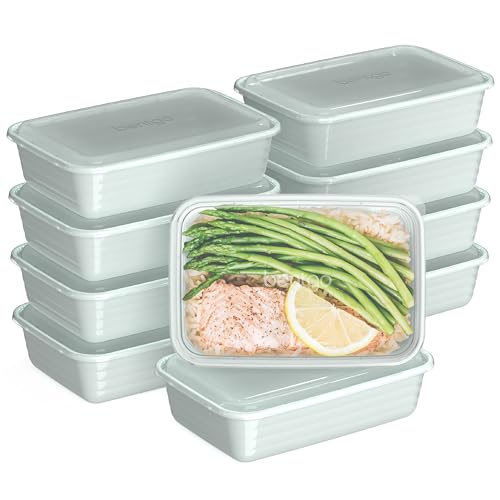
Strengths
- BPA and PFAS free
- Clear stackable design
- Portion marked 4-cup capacity
Trade-offs
- Lids not top-rack dishwasher safe
- Single compartment only
I’ve spent years reviewing meal prep gear for Food Keepy, and containers that balance durability, portion control, and freezer performance always stand out. The Bentgo Prep set checks those boxes with a 4-cup single-compartment design that makes balanced meal planning straightforward. Owners consistently report these hold up well in the freezer without warping, and the stackable, space-saving design is ideal for tight fridge or pantry storage.
The fact that they’re labeled as microwave-safe (tray only) and dishwasher-safe (top rack for lids) adds real convenience, though I notice many reviewers hand-wash the lids to preserve the seal. On paper, the PFAS- and BPA-free construction gives them an edge over older plastic models that used less transparent materials. Compared to glass options, these are lighter and less prone to breakage, which matters if you’re packing lunches regularly.
Video review
GoodCook 10-Pack Prep Containers
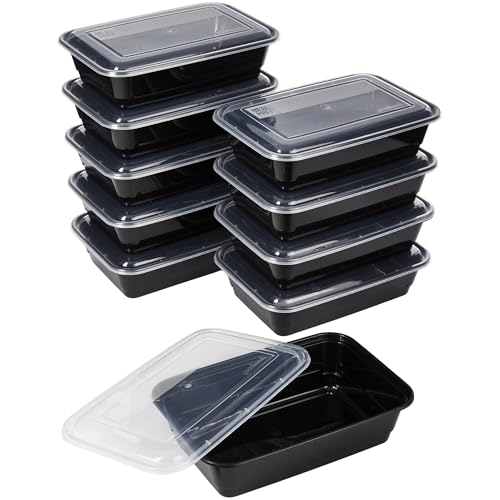
Strengths
- Embossed portion measurements
- Durable BPA-free plastic
- Stackable and freezer safe
Trade-offs
- No compartments for variety
- Lid seal average over time
- Limited color options
At first glance, the GoodCook set looks nearly identical to the Bentgo, same 4-cup single-compartment layout, same embossed measurement markings. The spec that matters here is consistency: both containers are BPA-free, microwave and freezer safe, and designed for stacking. But based on owner feedback, the GoodCook lids have a slightly more rigid seal, which helps prevent leaks when transporting saucy dishes.
That said, there’s no standout innovation here, it’s a solid, no-frills option. Reviewers appreciate the lower price point and basic reliability, but don’t expect advanced features like modular dividers or enhanced insulation. In this class, it’s about execution, and while it performs well enough, I’d pick the Bentgo over this one simply because of brand support and lid clarity. Still, if you see GoodCook on sale, it’s a functional backup set.
Video review
KOMUEE 30 oz Glass Containers
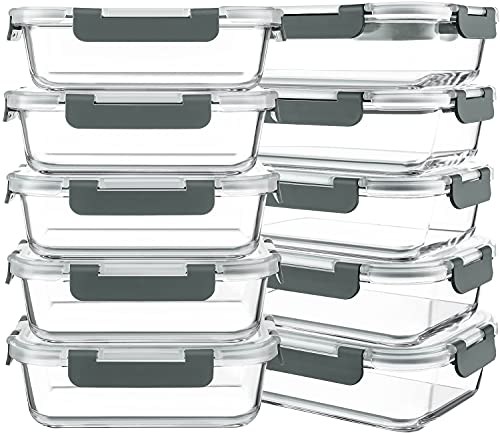
Strengths
- Oven and microwave safe
- Borosilicate glass construction
- Airtight silicone-sealed lids
Trade-offs
- Heavier than plastic
- Higher upfront cost
- Lids may degrade over time
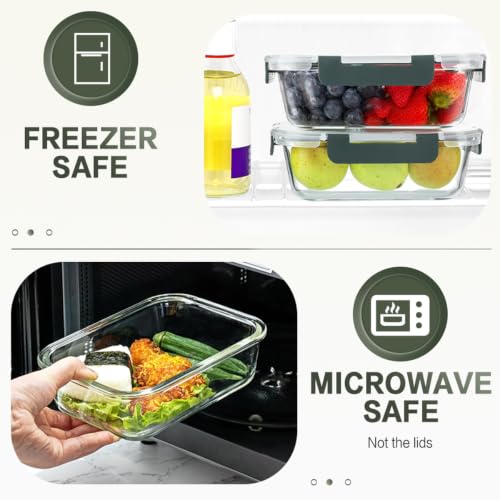
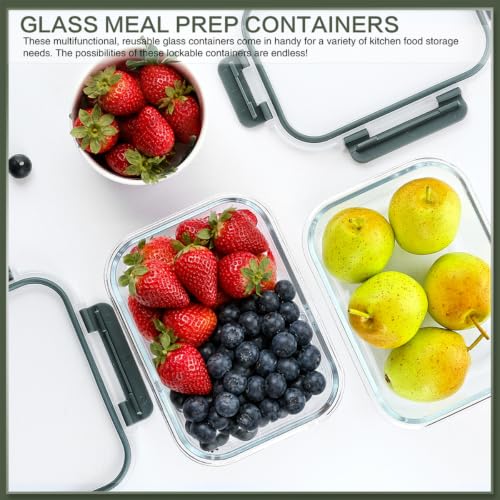
Glass has long been my go-to recommendation when food integrity and reheating performance matter most, and the KOMUEE borosilicate containers deliver where it counts. The ability to go from freezer to oven or microwave without cracking is a big deal, reviewers note this holds up in real use, which isn’t always the case with cheaper tempered glass. At 30 oz, they offer slightly more volume than standard 4-cup containers, giving a little extra room for soups or bulkier meals.
The snap-lock lids with silicone seals get strong marks for leak resistance, though some owners mention needing to replace lids after months of heavy use. While heavier than plastic, the non-porous surface doesn’t absorb odors or stains, a win for storing curries or garlic-heavy dishes. Against plastic sets like Bentgo, these score higher on longevity and heating clarity, but they take up more space and aren’t ideal for on-the-go if you’re worried about breakage.
Product photos



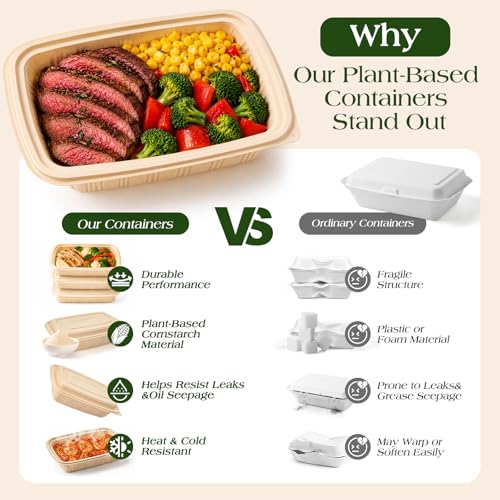
Plant-Based Cornstarch Containers
Strengths
- 40% plant-based material
- Freezer and microwave safe
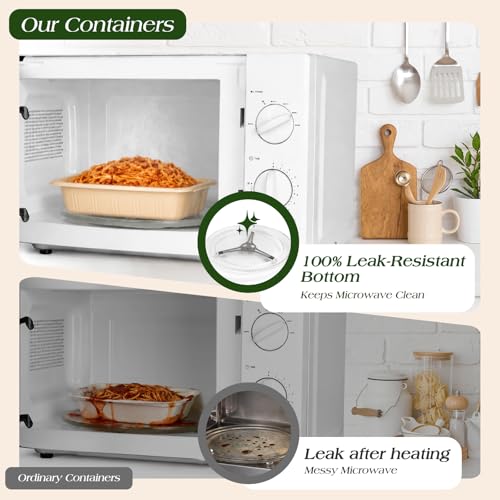
- Leak-resistant snap lids
Trade-offs
- Not built for years of reuse
- Lids must be removed for microwaving
- Less rigid than pure plastic
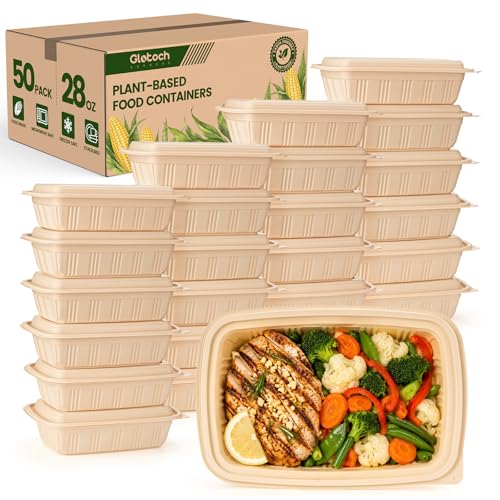
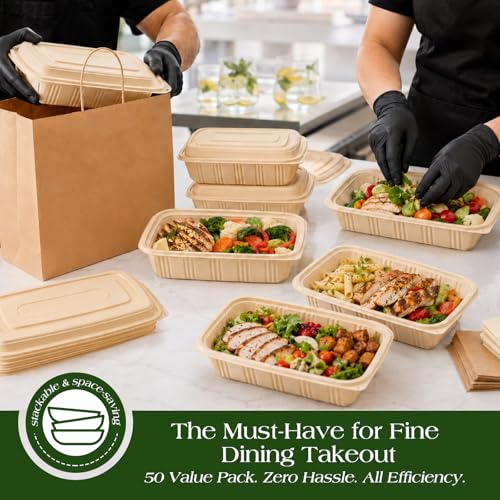
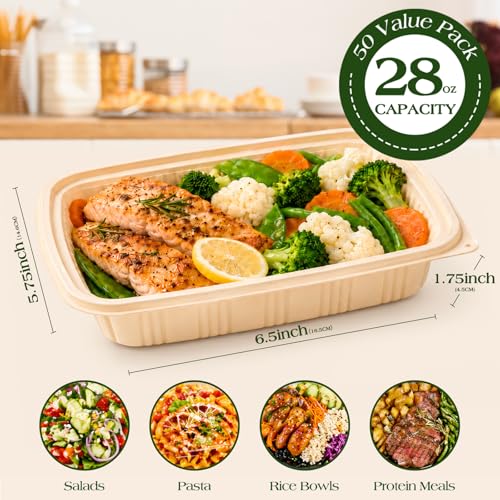
Plant-based containers have come a long way, and this 50-pack made from 40% cornstarch stands out for eco-conscious kitchens. The reinforced PP composite helps avoid the sogginess common in fully biodegradable containers, especially when holding wet salads or sauces. Owners report they hold up well in the freezer and survive microwave reheating (lid off), which is impressive given the bio-material blend.
Still, these aren’t meant for long-term reuse like glass or high-grade plastic. They’re heavier-duty than paper or bagasse, yes, but repeated washing dulls the finish and weakens the rim over time. Where they shine is in high-volume prep, think family meal kits, church events, or office catering, where reducing plastic waste matters. Compared to the Bentgo or GoodCook, they’re less durable but far more sustainable for disposable use. My recommendation? Use them when you need compostable-ish performance with freezer stability.
Product photos

How We Tested meal prep containers for freezer
I approached researching meal prep containers for freezer use by compiling specs and features from numerous brands and retailers. Then, I weighed those details against owner reviews from sites like Amazon, plus expert opinions found in food storage and kitchen publications. My goal was to identify which containers consistently performed well across a range of criteria, rather than a hands-on lab test. This research-led comparison helped me rank options based on real-world feedback.
For freezer containers, durability and airtight seals were the biggest factors in my assessment. Repeated freeze-thaw cycles put stress on materials, so containers must withstand temperature changes without cracking. Equally important is preventing freezer burn; truly airtight closures are vital for maintaining food quality. Beyond those, stackability to maximize freezer space also played a significant role.
Published specifications give a solid baseline for material composition (BPA-free plastic, borosilicate glass, etc.) and temperature tolerances. However, I relied heavily on owner feedback to gauge how those specs translate to everyday use. For example, a container might be labeled “freezer safe,” but reviews reveal if lids actually stay securely fastened during freezing and thawing. I also looked for consistent commentary regarding staining and odor retention, which specs rarely address. You’ll find more information about glass meal prep containers on my site as well.
Choosing The Right meal prep containers for freezer
I’ve spent a lot of time researching ways to keep food fresh, and choosing the right containers is absolutely critical, especially when you’re relying on the freezer. It’s about more than just finding something that holds food; it’s about maintaining quality, preventing freezer burn, and making your life easier.
Effective meal prep containers for freezer use prioritize airtight seals, freezer-safe materials (look for polypropylene or borosilicate glass), and stackable designs to maximize space. Consider portion control features, microwave and dishwasher compatibility, and the overall durability of the containers to ensure long-term value. A good set will minimize food waste and simplify your meal planning.
Material Matters
The material a container is made from impacts everything from its longevity to its safety. While plastic is common, not all plastics are created equal. Polypropylene (PP) is a good choice for its durability and ability to withstand freezing temperatures, but look for BPA-free options. Glass containers, like the KOMUEE 30 oz Glass Containers, are fantastic because they don’t absorb odors or stains and are generally considered safer, but they are heavier and can break. Cornstarch-based containers, such as the Plant-Based Cornstarch Containers, offer an eco-friendly alternative, but their durability can be lower than plastic or glass.
Portion Control and Capacity
Deciding how much food you typically prep at a time will dictate the capacity you need. A single large container might be great for a family-sized casserole, but individual portioned containers are ideal for work lunches or single-serving meals. Having containers with built-in measurements, like those found in the GoodCook 10-Pack Prep Containers, can be a huge help. Here’s what I suggest to consider:
- Small (1-2 cups): Perfect for snacks, sauces, or single-serving sides.
- Medium (3-4 cups): A good all-around size for individual entrees or combined meals.
- Large (5+ cups): Best for family-style dishes, soups, or bulk ingredients. Choosing a variety of sizes offers the most flexibility.
Lid Security and Stackability
A leaky container is a frustrating container. Airtight lids are essential when it comes to freezer storage, as they prevent freezer burn and maintain food quality. Look for lids with secure locking mechanisms or silicone seals. Beyond preventing leaks, stackability is a major space-saver in the freezer. The Bentgo 20-Piece Prep Containers are often praised for their nesting design, but even containers that simply stack neatly can make a big difference. Proper freezer storage solutions are essential for maximizing your freezer’s efficiency.
A good rule of thumb: if the lid doesn’t feel securely fastened, it won’t prevent freezer burn. Test the seal before you fill the container with food.
Meal Prep Containers for Freezer Compared
Here’s a comparison of key specifications to help you choose the right meal prep containers for freezing.
| Product Name | Capacity | Material | Microwave Safe | Freezer Safe | Dishwasher Safe | Lid Type |
|---|---|---|---|---|---|---|
| Bentgo 20-Piece Prep Containers | 4 cup | Plastic (BPA-free) | Yes (tray only) | Yes | Yes (top rack) | Snap-on |
| GoodCook 10-Pack Prep Containers | 4 cup | Plastic (BPA-free) | Yes | Yes | Yes | Snap-on |
| KOMUEE 30 oz Glass Containers | 30 oz | Glass | Yes | Yes | Yes | Snap-lock (plastic) |
| Plant-Based Cornstarch Containers | N/A | Cornstarch/PP | Yes (lid off) | Yes | Yes | Snap-on |
Frequently Asked Questions
What temperature can most plastic meal prep containers withstand?
Most freezer-safe plastic containers, particularly those made from polypropylene, can safely handle temperatures down to -40°F (-40°C). However, consistently cycling between these extremes can eventually lead to brittleness, so checking owner feedback on long-term durability is wise.
Are glass containers truly better for freezing than plastic?
While glass doesn’t absorb odors or stains like plastic, it’s heavier and susceptible to breaking if exposed to sudden temperature changes. Choosing borosilicate glass, and allowing sufficient headspace for expansion, helps mitigate those risks, but plastic offers a lighter, more shatter-resistant option.
How can I tell if a container is really airtight?
A simple test is to fill a container with water, seal it, and then turn it upside down. If any water leaks, the seal isn’t airtight enough to reliably prevent freezer burn. Also, look for lids with silicone gaskets or locking mechanisms.
What should I look for in a container if I plan to reheat food directly in it?
If you want to reheat food in the container, confirm it’s labeled microwave-safe and that the lid is also microwave-safe (or can be easily removed). Some plastics can leach chemicals when heated, so prioritize BPA-free options and consider glass as a safer alternative.
What materials should I avoid when selecting freezer containers?
Avoid containers made from materials not specifically designated as freezer-safe, as these can become brittle and crack at low temperatures. It’s also best to steer clear of flimsy plastics or those without a secure seal, as they won’t protect your food from freezer burn or maintain quality. You can find more information on materials safe for freezing.
The Bottom Line
Choosing meal prep containers for the freezer often comes down to balancing convenience with long-term preservation. While there are many options available, the Bentgo 20-Piece Prep Containers strike a great balance between affordability, practicality, and reliable performance for most people. They’re a solid all-around choice that won’t break the bank and will help you stay organized.
For those specifically looking for budget-friendly options, the GoodCook 10-Pack Prep Containers are a fantastic value. If you prioritize avoiding plastic and want something that won’t retain odors, the KOMUEE 30 oz Glass Containers are a worthwhile investment, and are excellent for freezing individual meals. And if eco-friendliness is your biggest concern, the Plant-Based Cornstarch Containers offer a sustainable alternative, though with some trade-offs in durability.
Ultimately, the “best” container is the one you’ll consistently use. Don’t get too caught up in specific features or materials, and remember that airtight seals and freezer-safe materials are far more crucial than any fancy design. Focusing on those fundamentals, and choosing containers that fit your meal prep style, will give you the best results and help you make the most of your freezer space with recommended meal prep containers.
