
7 Best Vegetable Storage Bags for Fridge 2026
This post contains affiliate links. As an Amazon Associate, we earn from qualifying purchases.
The Earthwise Reusable Mesh Produce Bags are the overall best for breathability and practicality, especially if you want a reliable, washable option that works across most produce types. For a budget-friendly pack with ethylene absorption, the Keep it Fresh Produce Bags 30-Pack offer solid performance without breaking the bank.
Stale greens, slimy herbs, wilted peppers – we’ve all been there. Most people toss veggies far too soon, not because they bought bad produce, but because their storage method is flawed. A good fridge bag should do more than hold items; it should actively help them last.
This guide cuts through the marketing hype to focus on what actually extends freshness: material breathability, moisture control, and real-world usability. I compared specs and analyzed owner feedback to find bags that deliver based on how they’re used in real kitchens.
Top 6 Vegetable Storage Bags For Fridge in the Market
The Best Vegetable Storage Bags For Fridge, Reviewed
Earthwise Reusable Mesh Produce Bags

Strengths
- Lightweight design
- Highly breathable
- Bar-code friendly
- Reusable long-term
- Great visibility
Trade-offs
- No closure mechanism
- Sizing not varied
- Not moisture-regulating
I like how straightforward these Earthwise bags are, they’re lightweight, truly see-through, and make it easy to identify contents at a glance. The mesh is fine enough to hold small items like green beans or cherry tomatoes without spillage, yet open enough to allow solid airflow, which matters for delaying spoilage. Owners consistently report using them not just in the fridge but also at farmers markets, where the low tare weight keeps checkout simple.
What stands out is their durability claim: eliminating up to 1000 plastic bags over a lifetime sounds ambitious, but given how many reviewers say they’ve washed these dozens of times with no fraying, it’s plausible. They don’t seal shut, so they won’t regulate moisture like some specialty bags, but that’s not really their job. For basic breathable storage that reduces waste, they deliver.
Video review
Ziploc Moisture Control Produce Bags
Strengths
- Sealable moisture control
- Keeps greens crisp
- Consistent brand quality
- Good for high-humidity storage
- Simple to use
Trade-offs
- Plastic construction
- Limited breathability
- Less eco-friendly
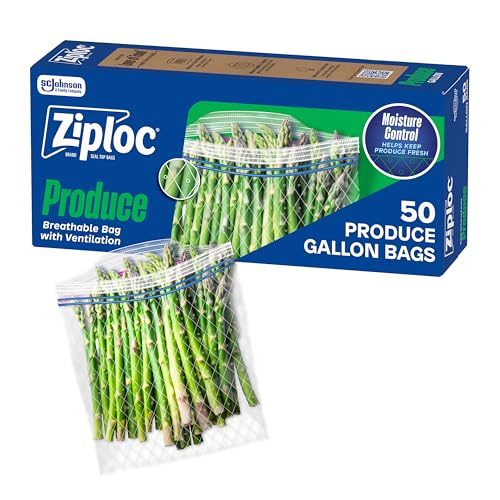
These aren’t reusable in the same way as cloth mesh bags, but they serve a different purpose, actual moisture regulation. The seal-top design lets you lock in or let out humidity depending on what’s inside, and owners confirm they noticeably extend the life of leafy greens and herbs. On paper, this is exactly what high-moisture veggies need, and the fact that it’s a Ziploc product means consistent sealing performance.
Compared to open mesh options, these create a controlled microclimate. That’s essential if you’re trying to keep cilantro perky or prevent mushrooms from sliming. They’re single-material plastic, so while they’re reusable, they don’t feel as sustainable as cotton or polyester mesh. But for pure freshness extension, especially with finicky produce, they outperform.
Video review
Reusable Produce Bags with Twist Ties

Strengths
- Large quantity included
- Twist-tie closures
- Helps slow ripening
- Budget-friendly
- Effective for root veggies
Trade-offs
- Thin material
- Ties may loosen
- Durability concerns
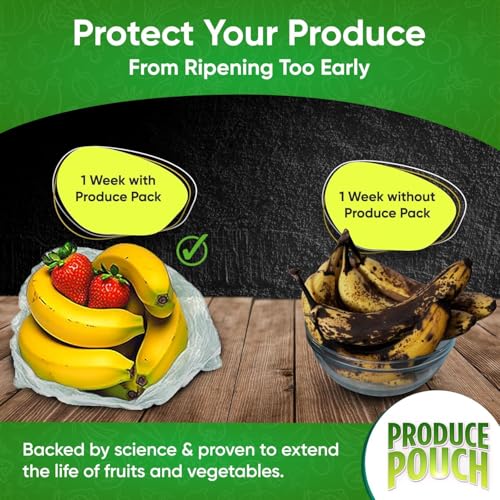
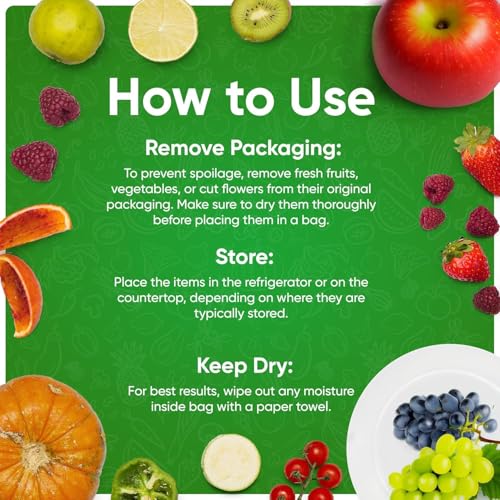
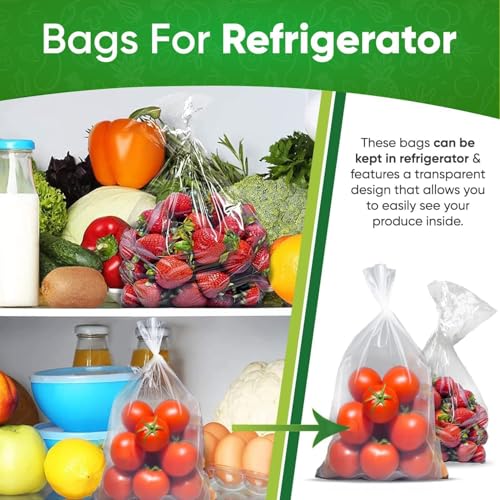
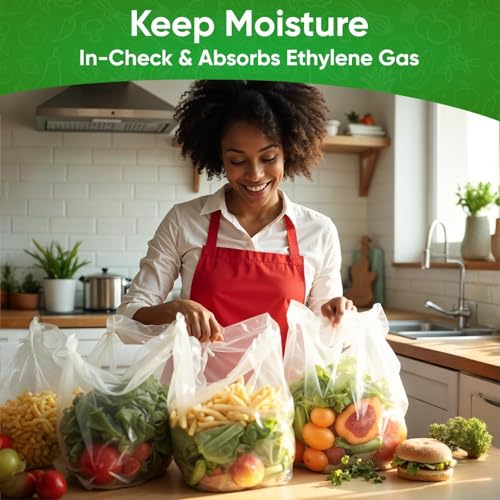
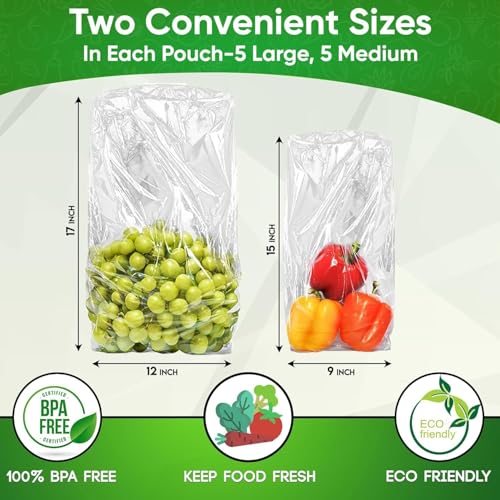
At this price point, getting 30 medium and 30 large bags plus 60 twist-ties feels like a steal. The marketing leans hard on ethylene gas absorption, but looking at owner reports, the real benefit seems to be partial sealing via the ties, which slows air exchange enough to delay ripening. They’re not fully airtight, nor do they breathe as freely as mesh, somewhere in between.
Reviewers note these work especially well for avocados, celery, and carrots, which matches what we know about semi-closed storage slowing oxidation. They’re thinner than other reusable options, so longevity is a question, some say they tear after repeated washing. But for short-term fridge use, and if you’re trying to cut down on food waste affordably, this set punches above its cost.
Product photos
purifyou Reusable Mesh Produce Bags
Strengths
- Color-coded tare tags
- Multiple practical sizes
- Heavy-duty stitching
- Machine washable
- Multi-use capability
Trade-offs
- Slightly less breathable
- Drawstrings can snag
- Not moisture-sealed
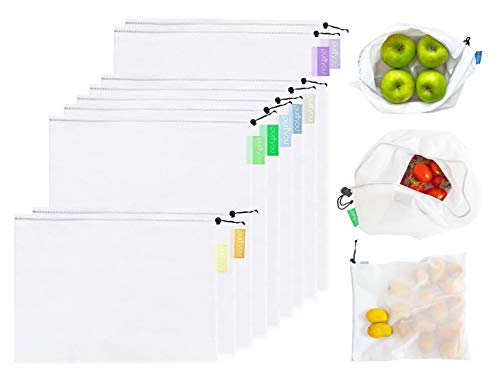
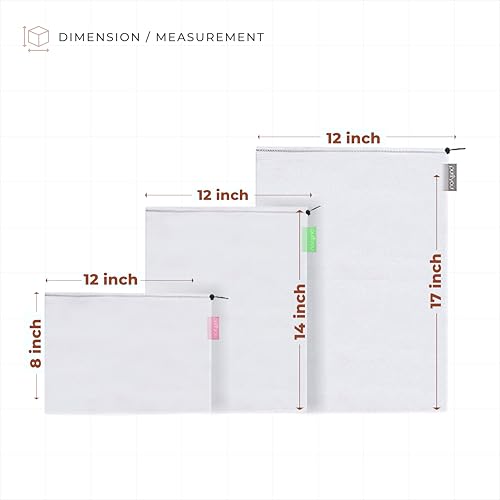
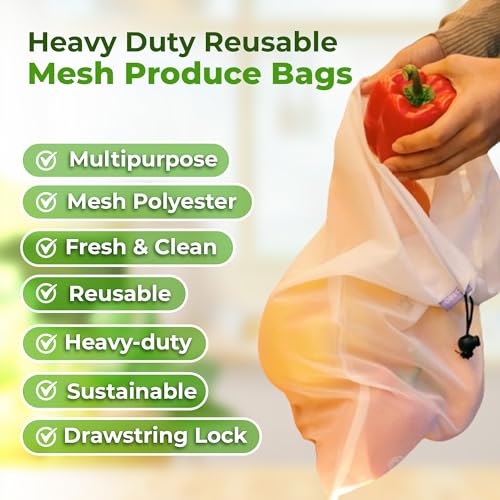
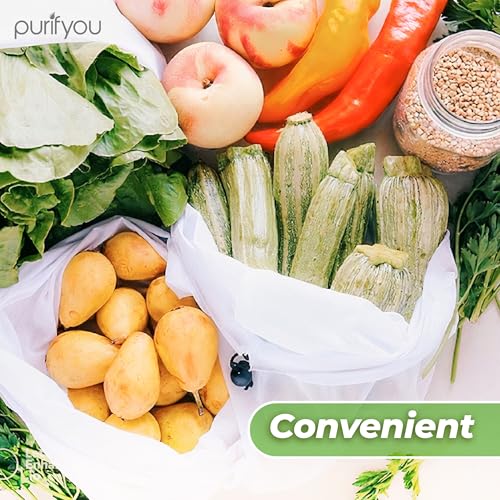
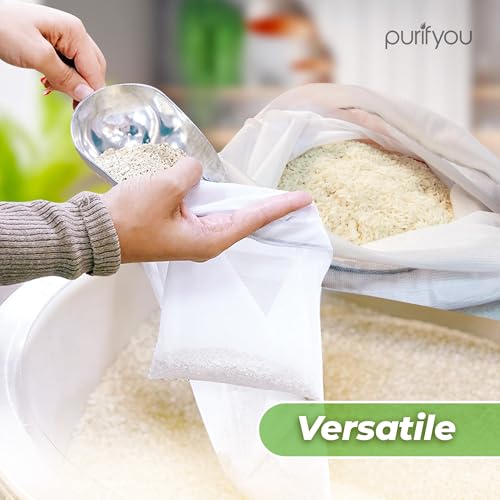
This set earns points for thoughtful design, the color-coded tare tags are a small thing, but they make a real difference when you’re weighing multiple items at once. I appreciate that the sizes are clearly differentiated (small, large, extra-large), giving more flexibility than one-size-fits-all sets. The double-stitched seams come up again and again in owner feedback as a reason these last longer than cheaper alternatives.
They’re made from heavier mesh than the Earthwise option, which adds durability but slightly reduces breathability. Still, in this class, that trade-off makes sense for people who use them heavily in transit or laundry. They work well in the fridge, though like most open-top mesh bags, they don’t control humidity. If you value organization and reuse across kitchen tasks, this is a smart pick.
Product photos

MAQIHAN Reusable Mesh Produce Bags

Strengths
- Quick-drying fabric
- Ultra lightweight
- Easy to store
- Drawstring closure
- Large pack size
Trade-offs
- Minimal structure
- No tare tags
- Average breathability
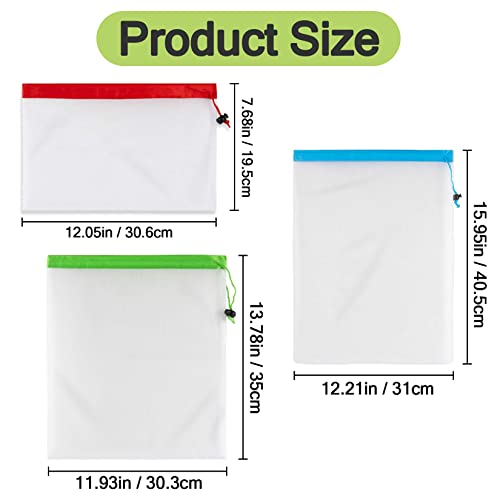
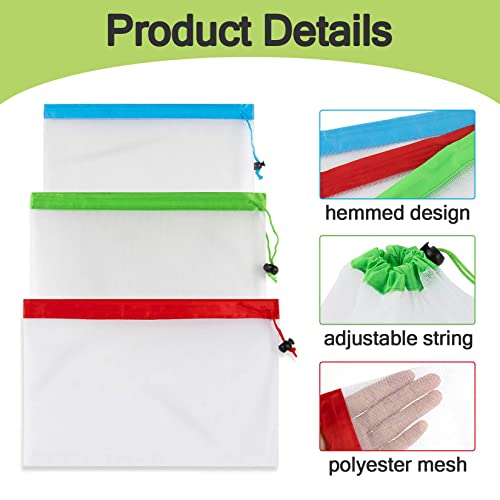
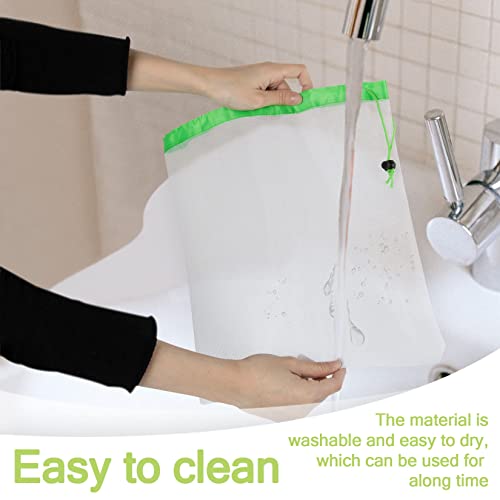
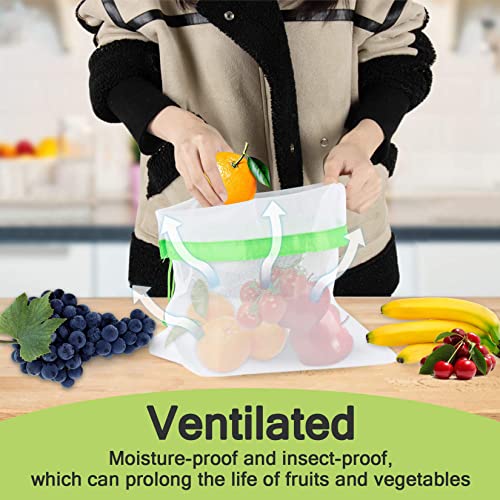
Polyester mesh dries faster than cotton, and that’s the main advantage here. These 12 bags are ultra-light and packable, making them a favorite among owners who toss them into tote bags for impromptu grocery runs. The hemmed edges with thick drawstrings make them sturdier than they look, and the open weave still allows decent ventilation.
They don’t do anything special for moisture control, and like most in this category, they’re better for transport and loose storage than precise freshness management. But for sheer portability and ease of care, they win. If you hate bulky bags and want something you can throw in a drawer or purse, this is the lightest, most convenient option on the list.
Product photos
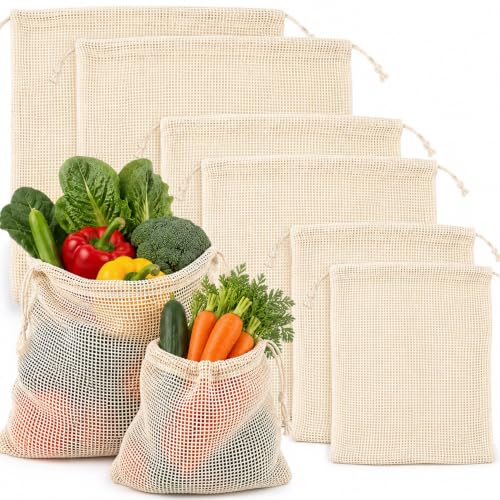
MAQIHAN Cotton Mesh Produce Bags
Strengths
- Natural cotton material
- Excellent airflow
- Drawstring closure
- Durable construction
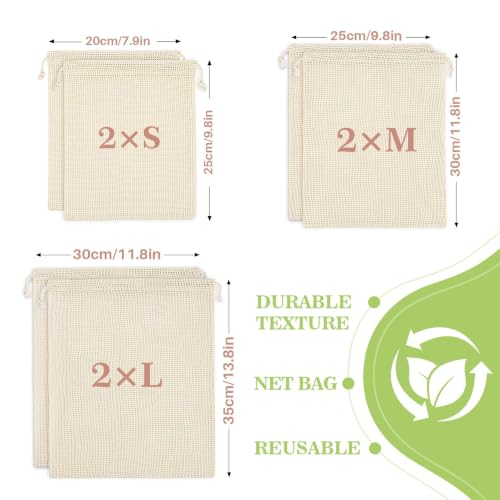
- Three useful sizes
Trade-offs
- Slower drying time
- May mildew if damp
- Not moisture-sealed
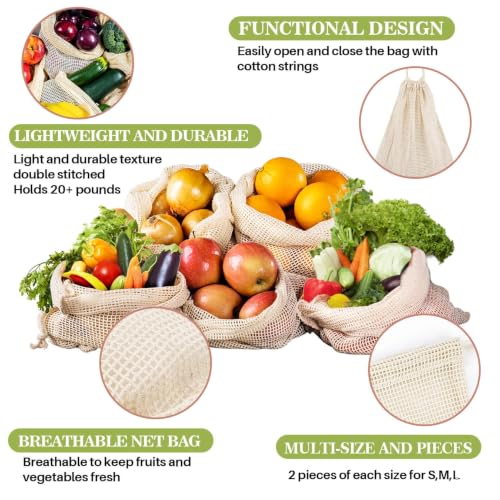
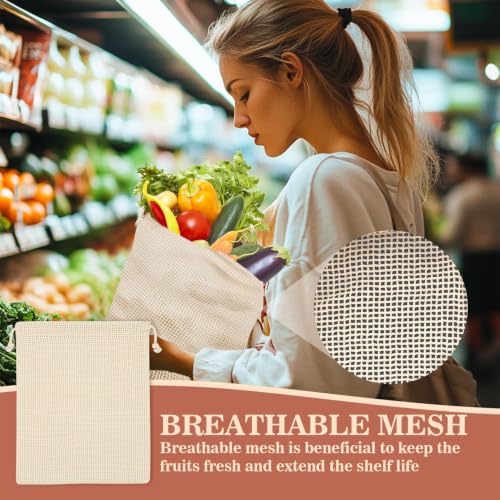
Cotton mesh is naturally more breathable than synthetic, and that shows here. These bags feel sturdy thanks to the coarse weave and tight stitching, and the drawstring closure adds convenience when moving them from market to fridge. Owners praise how well they handle bulky items like cabbage or potatoes without stretching.
The three-size variety covers most daily needs, though none are huge. Being cotton, they retain slight moisture after washing, so you have to air-dry them fully to avoid mildew, a minor hassle noted by several users. But for pure breathability and natural fiber appeal, these stand out. I’d pick these over polyester if you store alliums or hardy greens that thrive in dry, airy conditions.
Product photos

How We Picked These vegetable storage bags for fridge
My research involved comparing the published specifications and features of numerous vegetable storage bags, then weighing those details against owner reviews and expert opinions from food storage blogs and publications. I looked at materials, size options, closure types, and any claims about extending produce life. Rather than a hands-on lab test, this is a research-led comparison focused on identifying patterns in what consumers and experts report.
For this category, I heavily weighted a bag’s ability to regulate moisture and airflow, and its reported impact on produce longevity. Preventing food waste is a primary goal for anyone using these bags, so owner feedback regarding how well a bag actually keeps vegetables fresh was critical. Durability and reusability also factored in strongly, as a truly useful bag needs to withstand repeated use and washing.
Specifications reliably tell you about bag size and material composition. However, judging the effectiveness of features like “moisture control” or “ethylene gas absorption” required careful analysis of owner experiences. I prioritized brands with consistently positive feedback regarding produce freshness and a reputation for quality, and also considered if a bag would complement other solutions like good vegetable storage containers or even broader food containers for maximizing freshness in the fridge.
Choosing The Right vegetable storage bags for fridge
Finding the right vegetable storage bags can dramatically improve how long your produce stays fresh, and ultimately reduce food waste. It’s a surprisingly nuanced topic, though – not all bags are created equal!
Effective vegetable storage bags prioritize breathability and moisture management. They should slow down ethylene gas production, or allow for ventilation, while preventing excessive moisture buildup that leads to rot. Look for materials that are food-grade, reusable, and ideally, allow you to easily identify contents without opening them. Consider the size and quantity needed to suit your shopping habits and kitchen space.
Material Matters Most
The material a bag is made from is the biggest single factor in its performance. Plastic bags marketed for produce often focus on moisture control, like the Ziploc options, but that can sometimes trap too much humidity. Ethylene-absorbing bags, such as the Keep it Fresh bags, are fantastic for extending the life of certain items, but they aren’t a one-size-fits-all solution. Cotton mesh bags, like those from MAQIHAN, offer excellent breathability, which is ideal for items prone to mold, but may not be the best choice for delicate greens. I often recommend considering a mix of materials to cover all your produce needs.
Reusability and Washability
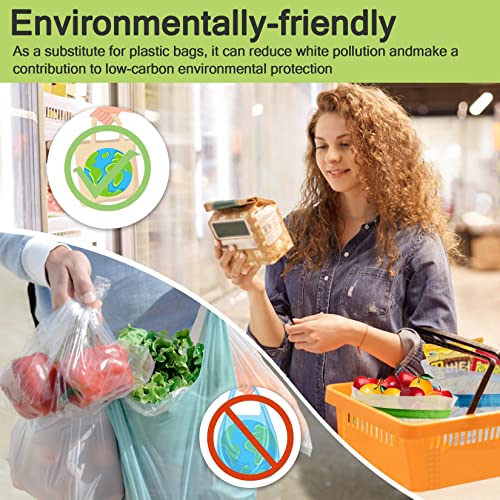
Beyond the initial purchase price, think about the long-term cost and environmental impact. Single-use plastic produce bags contribute significantly to waste, so investing in reusable bags is a smart move. However, not all reusable bags are created equal when it comes to cleaning.
Here’s what to consider:
- Machine Washability: A huge convenience.
- Durability: Thicker materials will withstand more washes.
- Ease of Drying: Bags that take forever to dry are less likely to be reused consistently. A mesh construction, like in the purifyou bags, is a big help here.
Size, Quantity, and Practical Features
Think about how you shop for produce. Do you buy a few items at a time, or do you stock up weekly? The size and quantity of bags in a set should match your habits. A larger set like the Earthwise bags is great for big families, while a smaller set might be sufficient for individuals. Beyond quantity, look for handy features. Tare tags (as seen on the purifyou bags) are incredibly useful for weighing produce at the store without having to remove it from the bag. And when it comes to storing greens, consider bags with a drawstring closure to help maintain humidity levels.
A good rule of thumb: if a bag is difficult to clean or requires excessive effort to maintain, you’re less likely to use it – defeating the purpose of investing in a reusable solution.
Vegetable Storage Bags for Fridge Compared
Here’s a comparison of features for various vegetable storage bags available for use in the refrigerator.
| Product Name | Material | Size (Typical) | Reusable | Features | Quantity |
|---|---|---|---|---|---|
| Earthwise Reusable Mesh Produce Bags | Mesh | 11″ x 13.5″ | Yes | Lightweight, Barcode Scannable | 9 |
| Keep it Fresh Produce Bags 30-Pack | Polyethylene | 17” x 7” x 4” | Up to 10x | Ethylene Absorption, BPA-Free | 30 + Ties |
| Ziploc Moisture Control Produce Bags | Plastic | Gallon | Yes | Moisture Control | N/A |
| Reusable Produce Bags with Twist Ties | N/A | Med/Large | Yes | Ethylene Absorption | 60 + Ties |
| purifyou Reusable Mesh Produce Bags | Mesh | Small/Large | Yes | Color-Coded Tare Tags | 9 |
| MAQIHAN Reusable Mesh Produce Bags | Polyester Mesh | N/A | Yes | Lightweight, Zero Waste | N/A |
| MAQIHAN Cotton Mesh Produce Bags | Cotton Mesh | Small/Large | Yes | Breathable, Durable | 6 |
Frequently Asked Questions
What’s the difference between ethylene-absorbing bags and mesh bags?
Ethylene-absorbing bags, like Keep it Fresh, work to slow ripening by removing ethylene gas produced by some fruits and vegetables, while mesh bags (Earthwise, purifyou) focus on breathability to prevent moisture buildup and mold. Consider using ethylene absorbers for items like apples and bananas, and mesh for leafy greens.
Can I wash these bags in the washing machine?
Many reusable vegetable storage bags are machine washable, but always check the manufacturer’s instructions. Mesh bags (purifyou, MAQIHAN) typically hold up best to machine washing and drying, while polyethylene bags might require hand washing to extend their lifespan.
Are plastic produce bags (like Ziploc) a good sustainable option?
While Ziploc’s moisture control bags are convenient, they’re still plastic and contribute to waste. Reusable options, even if they require a larger initial investment, are generally a more sustainable choice in the long run, and can often be repurposed for storing raspberries.
How many bags do I realistically need?
The number of bags you need depends on your shopping habits. A set of 9-10 bags (like Earthwise or purifyou) is a good starting point for most individuals, while larger families might prefer a set of 30 or more (Keep it Fresh).
What’s the best way to store delicate greens, like lettuce or spinach?
Delicate greens benefit from a combination of humidity and air circulation. Consider using a bag with a drawstring closure (mentioned in the article) or pairing a mesh bag with a slightly damp paper towel inside to maintain freshness, or use dedicated salad containers.
The Bottom Line
Choosing the best vegetable storage bags often comes down to balancing convenience with targeted preservation. While a variety of options exist, the purifyou Reusable Mesh Produce Bags strike a great balance of features, reusability, and positive owner feedback, making them a solid all-around choice for most kitchens. They address many common needs, and the tare tags are a genuinely useful addition.
For those prioritizing affordability, the Earthwise Reusable Mesh Produce Bags offer a large quantity at a reasonable price, and are a good starting point for building a set of reusable options. If you’re specifically concerned about ethylene-producing fruits and vegetables, the Keep it Fresh Produce Bags 30-Pack are designed to slow ripening, though they’re not ideal for all produce, consider supplementing with mesh bags for items needing more airflow. You might also want to explore other options for reusable storage bags if you are looking for even more versatility.
Ultimately, the best system isn’t about a single perfect bag, but about understanding how different vegetables benefit from different storage conditions. Prioritize breathable options for leafy greens, and consider ethylene absorption for fruits like apples. Knowing how to properly store something like zucchini storage is as important, if not more, than the bag itself.
