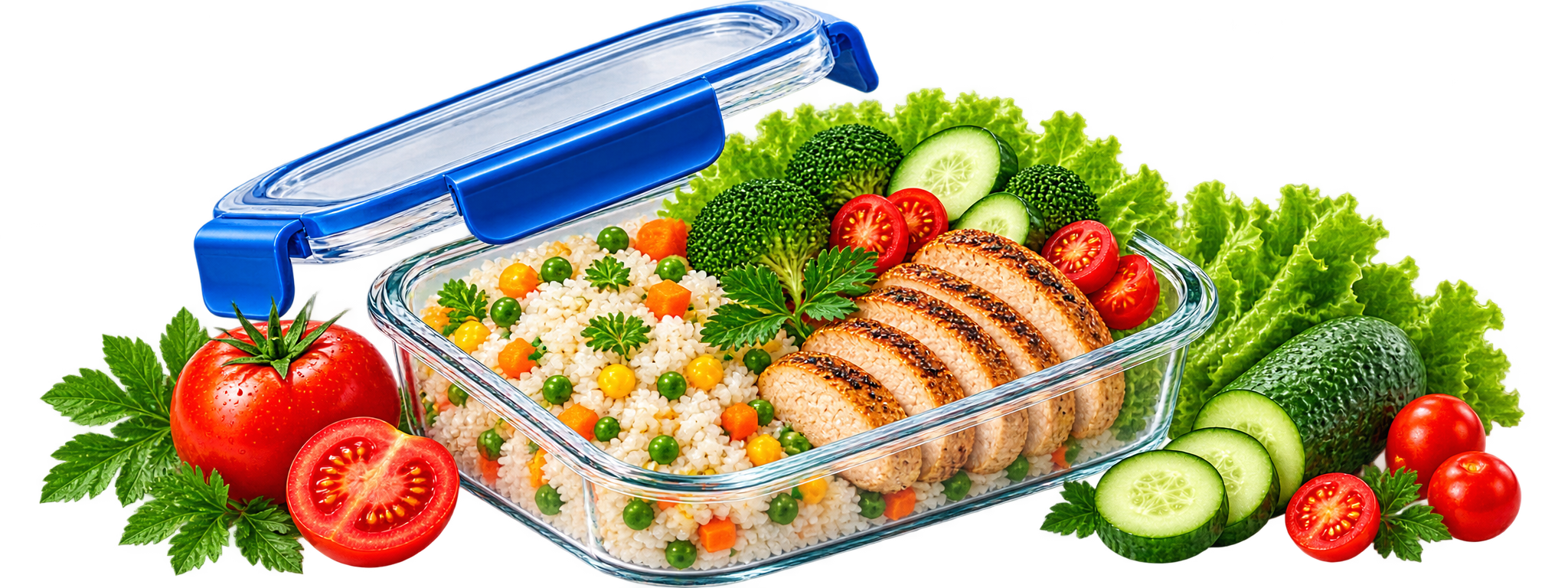
How to Get Smell Out of Plastic Container Using Home Items
This post contains affiliate links. As an Amazon Associate, we earn from qualifying purchases.
To get smell out of a plastic container, you must match the method to the plastic type and the odor source. Start by washing with cold water and dish soap, hot water sets grease and odors into the polymer. For persistent smells, a 24-hour baking soda soak or a 2-3 hour vinegar soak are proven solutions. Avoid heat above 80–90°C, as it drives odors deeper into materials like LDPE and PET.
That cold-water start is the whole game. It comes from Tammy Snook Quezada at Tupperware, and it flips the standard “use hot water to cut grease” logic on its head. Hot water opens the polymer’s microscopic pores, letting odor molecules and oils sink in and lock down. Cold water keeps the surface tension tight, so soap can lift the grime off before it bonds.
What follows: the polymer science behind why plastic smells, the three most effective deodorizing agents ranked by test-kitchen results, and the specific warnings for microwave use and silicone gaskets that turn a clean container into a smelly one within weeks.
Key Takeaways
- Always wash plastic containers first with cold water and dish soap. Hot water sets oils and odors into the plastic’s porous structure, making them permanent.
- For general food odors, a dry baking soda soak for 24 hours is highly effective. For strong, oily smells like garlic or fish, a 2-3 hour white vinegar soak works better.
- Heat is the enemy of odor-free plastic. Exceeding a plastic’s heat tolerance, often between 80–90°C for common types like PET, causes it to release trapped volatile compounds and absorb new ones faster.
- Silicone seals and gaskets require a different approach: a clean, dry bake at 170°F (77°C) for 20 minutes can drive out embedded smells without damaging the material.
- Never store a container while damp. Trapped moisture breeds mold and creates a musty base note that all future foods will pick up.
Why Plastic Holds Odors (And Why Hot Water Makes It Worse)
Plastic isn’t a solid wall. It’s a spongy matrix of polymer chains with microscopic gaps. Odor molecules, volatile organic compounds (VOCs) from garlic, curry, tomato sauce, are small enough to seep into these pores. Fats and oils act as carriers, shuttling smells even deeper.
Low-density polyethylene (LDPE) and polyethylene terephthalate (PET) begin to soften and increase VOC diffusion above ~80–90°C. Polystyrene (PS) and polyvinyl chloride (PVC) exhibit lower softening temperatures.
That temperature note isn’t just a spec. It’s the reason your microwave-safe bowl smells like last week’s chili. Heat expands the polymer, opening more pores for odor absorption. It also energizes trapped VOCs, pushing them to the surface where you can smell them. This is why washing with hot water is a classic mistake. It doesn’t clean; it bakes the smell in.
The fix starts cold. Tammy Snook Quezada, a Tupperware communications head, states plainly: “Remember that hot water sets colors, grease, and odors.” Your first rinse should always be cold water and dish soap. This lifts surface oils without activating them. Follow with warm, soapy water to clear any residue. This sequence is the single most effective preventive measure you can take for long-term plastic food storage.
The 4-Step Odor Removal Process
This isn’t a random list of home remedies. It’s a severity ladder. Start with Step 1 for every clean. Move to Step 2 for weekly maintenance smells. Steps 3 and 4 are for the “forgotten in the back of the fridge” offenses.
Step 1: The Cold-Water Wash (Non-Negotiable)
- Rinse the container with cold water.
- Add a drop of dish soap and scrub with a soft sponge or bottle brush. Pay special attention to corners and the lid’s seal channel.
- Rinse again with cold water.
- Wash a second time with warm, soapy water.
- Dry thoroughly with a clean towel, then air-dry upside down.
Skip the cold rinse, and you’re washing oils into the plastic, not off it. The second warm wash is safe because the sealing oils are already gone.
Step 2: The Baking Soda Soak (For General Food Odors)
Baking soda (sodium bicarbonate) is a mild alkali that neutralizes acidic odor compounds. It’s best for smells like onion, spaghetti sauce, or cooked vegetables.
Common mistake: Making a baking soda paste with water. A wet paste is less effective and messy. Use dry baking soda for a full container soak.
- Ensure the container is completely dry.
- Add about a quarter cup of plain baking soda.
- Secure the lid and shake to coat the interior.
- Let it sit, undisturbed, for 24 hours.
- Dump the baking soda, then wash normally with the cold-then-warm method.
This is your go-to for best plastic containers that just need a refresh.
Step 3: The White Vinegar Soak (For Pungent, Oily Odors)
White vinegar (acetic acid) cuts through alkaline odors and fats. America’s Test Kitchen found it “more effective than baking soda paste” against potent smells like garlic, cumin, and fish sauce.
- Fill the container about halfway with white vinegar.
- Let it soak for 2 to 3 hours. Don’t go longer, prolonged acid exposure isn’t necessary and can be harsh on some plastics.
- Empty the vinegar, then wash thoroughly with dish soap and water to remove any vinegar scent.
This method is particularly good for plastic storage containers used for meal prep with strong ingredients.
Step 4: The Bleach Sanitization (For Mold or Forgotten Food)
This is for biological smells, forgotten soup, fuzzy leftovers. It’s a sanitization, not just a deodorization.
- Wash the container with cool, soapy water to remove all residue.
- In a large basin or clean sink, mix 1 tablespoon of unscented, food-safe bleach per 1 gallon of water.
- Submerge the container completely for at least 2 to 5 minutes.
- Remove, air-dry completely (no towel), then wash again by hand before use.
This kills the microbes causing the smell. After this, if an odor persists, it’s chemically embedded and the container might be a candidate for specialty uses, not food.
Advanced Methods for Stubborn Cases & Specific Materials
Sometimes the standard ladder isn’t enough. The smell might be in a silicone gasket, or the plastic has been heat-damaged. These are your next moves.
For Silicone Lids and Gaskets
Silicone is a different beast, it’s less porous than plastic but can still absorb oily smells. You can’t soak a gasket in baking soda effectively.
Oven-safe silicone containers or gaskets can be baked at 170°F for 20 minutes to remove odors, provided they are clean and dry first.
- Pre-heat your oven to 170°F (77°C). Not hotter.
- Ensure the silicone piece is perfectly clean and bone-dry.
- Place it on a baking sheet and bake for 20 minutes.
- Let it cool completely before handling. The heat drives out the volatile odor compounds.
This is a great trick for keeping your silicone food storage accessories fresh.
The Freezing Method
This sounds odd, but it works for some water-soluble odors. The expansion of water into ice can physically push some odor molecules out of the plastic’s surface layer.
- Fill the container with cold water.
- Seal it and place it in the freezer overnight.
- Remove the ice block in the morning and wash the container normally.
It’s a low-effort option, though less reliable than chemical methods. It’s the same principle you’d use for tackling a persistent freezer smell in the appliance itself.
| Method | Best For Odors From | Time Required | Key Risk If Skipped |
|---|---|---|---|
| Baking Soda Soak | Tomato sauce, onions, general leftovers | 24 hours | Using a wet paste reduces effectiveness by 50% |
| White Vinegar Soak | Garlic, fish, curry, oily foods | 2-3 hours | Soaking >3 hours can leave a vinegar scent |
| Bleach Sanitization | Mold, mildew, rotten food | 10 mins active, 5 mins soak | Not air-drying after bleach leaves toxic residue |
| Oven Bake (Silicone) | Oils in gaskets, spicy foods | 20 minutes | Exceeding 170°F can melt or deform silicone |
What Not to Do: Practices That Lock Odors In
 Good technique gets you halfway there. Avoiding these mistakes gets you the rest of the way.
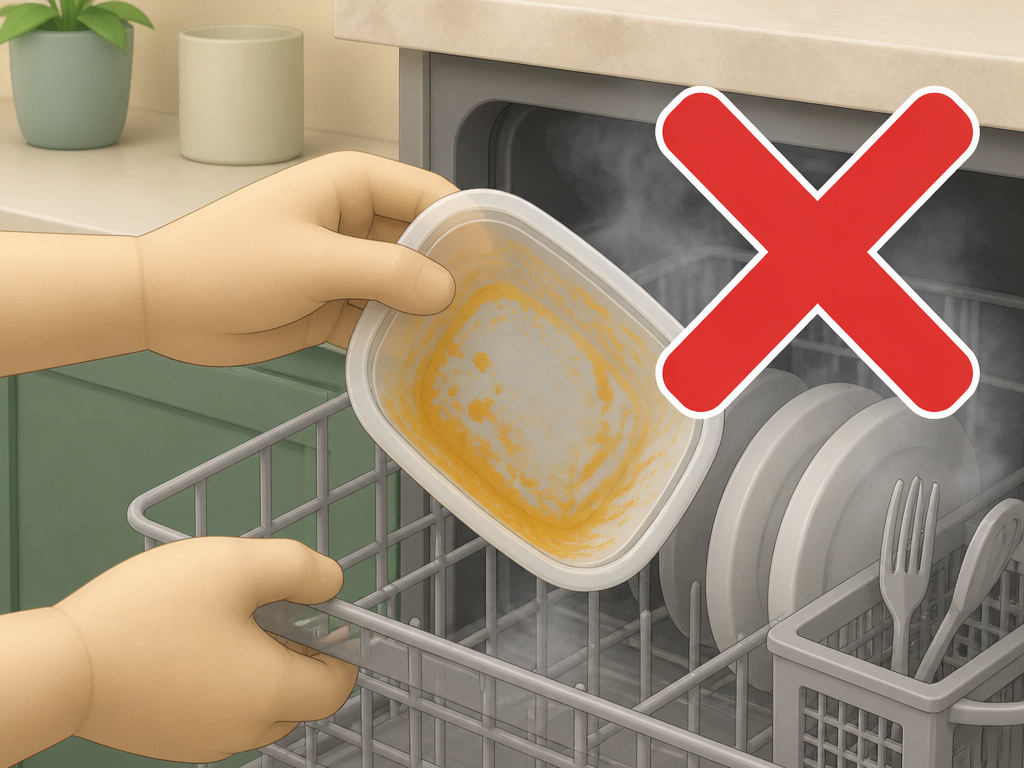
Don’t use the dishwasher as a first resort. The steam and sustained high heat are a recipe for setting smells. If your container is dishwasher-safe, always pre-wash with cold water first. The American Cleaning Institute plastic guide advises checking manufacturer instructions, but the cold-water pre-wash is universal.
Don’t store containers wet. This is how you trade a curry smell for a damp-basement mildew smell. Moisture trapped inside with the lid on creates a perfect environment for mold. Always towel-dry and then air-dry upside down with the lid off. This is the same vigilance needed to prevent a general fridge smell.
Don’t microwave pungent, fatty foods in plastic. Heat dramatically increases the rate of odor absorption. If you must reheat something like curry in plastic, transfer it to a microwave-safe glass or ceramic dish first. The plastic container is for storage, not for high-heat cooking.
Don’t turn reusable bags inside out. This is a specific warning from America’s Test Kitchen. Turning a reusable silicone or PEVA bag inside out to scrub it stresses the seams and can damage the seal, creating tiny crevices where smells and bacteria hide. Use a bottle brush to clean the interior instead.
When to Give Up and Switch Materials
 You can do everything right and some containers will still smell. When is it time to retire one?
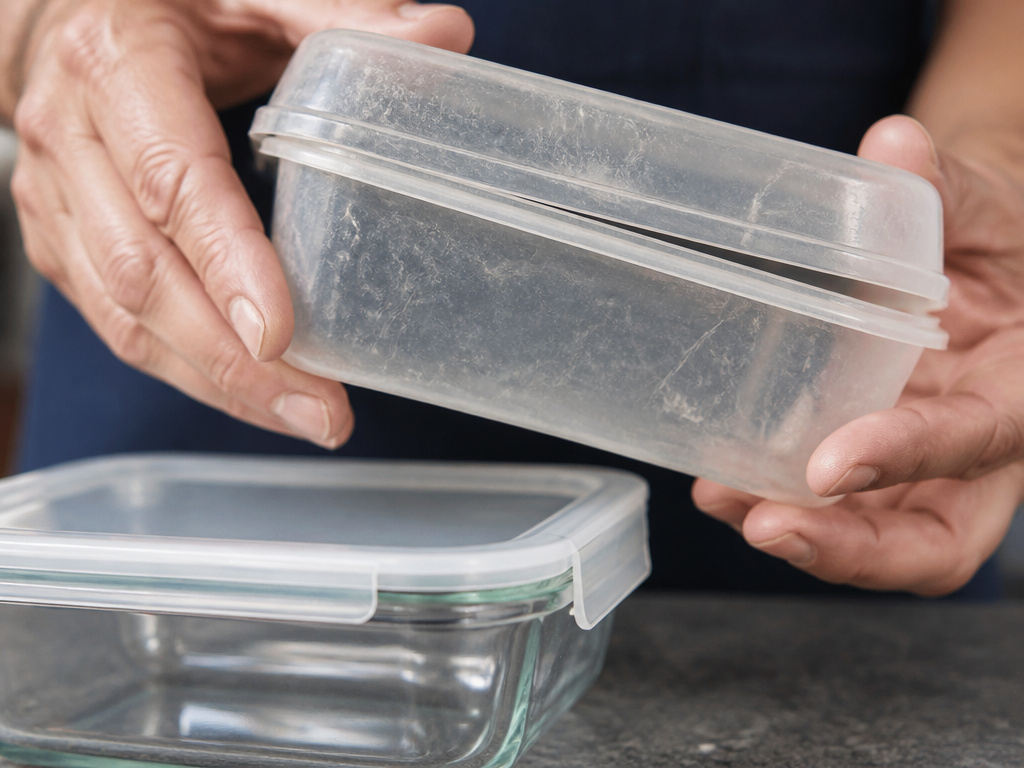
- The plastic is cloudy or scratched. Scratches dramatically increase the surface area for odor absorption. A cloudy appearance often indicates plastic degradation, which means it’s more porous.
- The lid is warped or doesn’t seal. A broken seal lets in new odors and defeats any deodorizing work. It’s also a food safety issue.
- A chemical smell persists after bleaching. If a sanitized container still has a distinct “plastic” or chemical odor, it may be off-gassing from the material itself. Don’t use it for food.
This is the moment to consider non-plastic storage options. Glass and stainless steel are non-porous, so they don’t absorb odors. They’re also easier to deodorize with high heat if needed. For those who prefer to stay with plastic but want the highest safety margin, look for certified non-toxic containers.
Frequently Asked Questions
Can sunlight remove plastic container odors?
Sunlight (UV radiation) can break down some odor molecules, and some manufacturers recommend it. However, America’s Test Kitchen found it only “moderately effective” and a bit impractical. The heat from direct sun can also soften plastic, potentially worsening the problem. Chemical methods are more reliable.
Why does my new plastic container smell?
New plastic can have a “plastic” smell from manufacturing residues or off-gassing from the polymer itself. Wash it thoroughly with soap and water. If the smell persists after drying, try a baking soda soak. If it still smells, it might be low-quality plastic; consider returning it or using it for non-food storage.
How do I clean reusable silicone food storage bags?
Hand-wash with a drop of dish soap and hot water, using a bottle brush for the corners and seal. Never turn them inside out. Dry thoroughly with a towel and then air-dry propped open. For odors, a vinegar soak or a bake at 170°F (if the manufacturer allows) works. Stains from turmeric or tomato sauce may never fully come out, choose darker-colored bags.
Is it safe to use bleach on food containers?
Yes, if done correctly. Use only unscented, food-safe bleach. The proper dilution is 1 tablespoon per gallon of water. Soak for 2-5 minutes, then air-dry completely. Always wash the container again with soap and water after bleaching and before using it for food. This kills pathogens but leaves no safe residue when done right.
Can I use lemon juice instead of vinegar?
You can, but it’s less effective and more expensive. Lemon juice is also a weaker acid (citric acid) than vinegar (acetic acid) and contains sugars that can leave a sticky residue if not rinsed thoroughly. White vinegar is the better, more economical choice for odor removal.
The Bottom Line
Odor-free plastic storage comes down to three rules: start cold, avoid heat, and dry completely. The cold-water wash is your first and best defense. When smells set in, match the solution, baking soda for everyday smells, vinegar for strong oils, and a low-temperature oven bake for silicone parts.
Some plastics, especially cheap or scratched ones, will lose the fight. When that happens, upgrade to food storage boxes made from glass or high-quality, odor-resistant plastic. Your meal prep deserves a clean slate, not last week’s lingering garlic breath.
