8 Best Cheese Containers for Fridge 2026
This post contains affiliate links. As an Amazon Associate, we earn from qualifying purchases.
The Felli Duo Loc Deli Meat Container is the best overall cheese container for its durable Tritan construction, reliable airtight seal, and stackable design. For a budget-friendly option, the Baiseju Sliced Cheese Container works well for standard packs of cheese slices. If you want versatility for different cheese types, the ProKeeper Split Deli Food Storage stands out with its moisture-control base and date-tracking lid.
Cheese dries out fast in flimsy wrap or open bowls, and tossing spoiled blocks every few weeks adds up, in cost and waste. A dedicated container can make a real difference, but not all are built equally.
This guide cuts through the noise by focusing on what actually matters: airtight seals, food-safe materials, and smart features that keep cheese fresher longer. I looked at specs, owner feedback, and real-world usability to find the ones worth your fridge space.
Top 7 Cheese Containers For Fridge in the Market
The Best Cheese Containers For Fridge, Reviewed
Felli Duo Loc Deli Meat Container

Strengths
- Stain and odor resistant
- Dishwasher and microwave safe
- Easy-lock lid mechanism
Trade-offs
- Higher price point
- Larger footprint
- Rubber seal requires maintenance
This is the most complete package on the list, no surprise it’s labeled ‘Best Overall’. The Tritan material stands out: it’s crystal clear, resists stains, and doesn’t hold odors, which is huge when storing pungent cheeses or cured meats. The push-pull locking lid is genuinely user-friendly, especially for older adults or kids, and the seal is consistently reported as leakproof.
Beyond cheese, these double as meal prep containers, they’re microwave, freezer, and dishwasher safe, which adds serious value. At nearly $31 for a 3-pack, they’re the priciest, but owners say they’re worth it for durability and versatility. Compared to others, they’re the only ones I’d confidently use for both storage and reheating.
Video review
Kilner Cheese Store Airtight Glass Container

Strengths
- Serves as presentation dish
- Breathable or airtight options
- Premium, sustainable materials
Trade-offs
- Small storage capacity
- Fragile glass lid
- Higher price
This one stands out for looks and function, few cheese containers double as serving pieces, but the Kilner does. The ceramic base is elegant enough to bring straight to the table, and the glass lid with a removable silicone seal gives you control: airtight for strong cheeses, breathable for softer ones like brie. That level of versatility is rare.
It’s also made from high-quality, stain-resistant materials and is dishwasher safe (just remove the seal). Owners praise its durability and aesthetic, though some note it’s too small for large blocks. At over $32, it’s the most expensive, but it feels like a keepsake kitchen item. Compared to plastic models, it’s the clear pick if you value design and dual-purpose use.
Video review
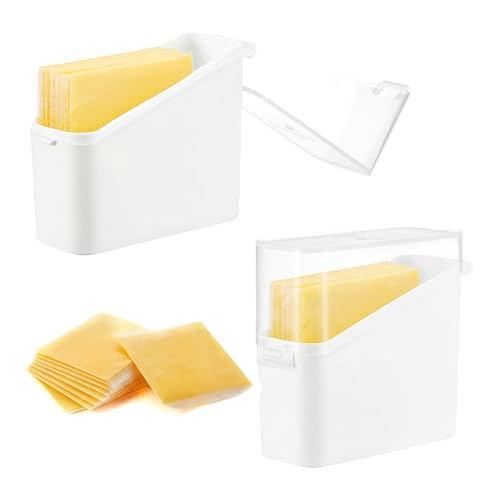
Baiseju Sliced Cheese Container 2 Pack
Strengths
- Very affordable
- Dishwasher safe
- Compact and clear
Trade-offs
- Thin plastic build
- Seal wears quickly
- Limited capacity
At under $8 for a 2-pack, this is the budget pick that still delivers core functionality. The airtight seal isn’t as robust as the Felli or ProKeeper models, but owners say it keeps pre-sliced cheese fresh for days longer than leaving it in the original packaging. The flip-top lid is convenient, and the compact size fits easily in small fridges or lunch bags.
It’s not going to impress with premium materials, this is basic BPA-free plastic, but it’s dishwasher safe and surprisingly versatile. I’ve seen users repurpose it for snacks, sauces, and even spice packets. If you need a no-frills, low-cost solution for organizing a few slices, this gets the job done.
Product photos
Pikanty American Cheese Slice Container

Strengths
- Perfect fit for cheese singles
- Hinged, never-lost lid
- Dishwasher safe
Trade-offs
- Limited to thin slices
- Not for large cheeses
- No airtight seal
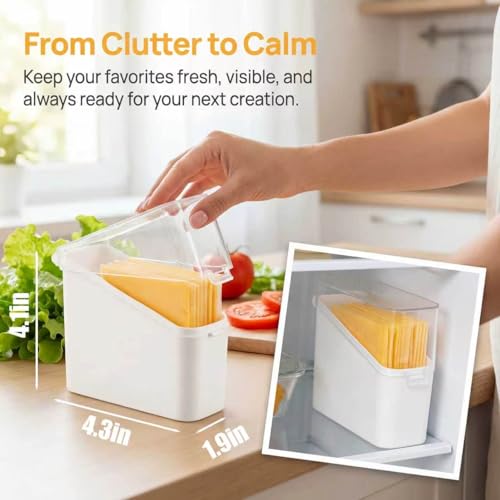
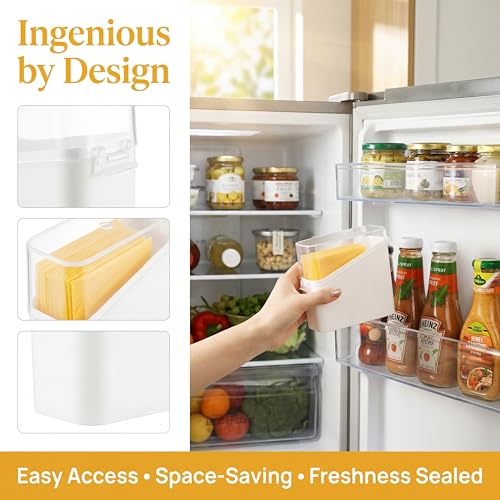
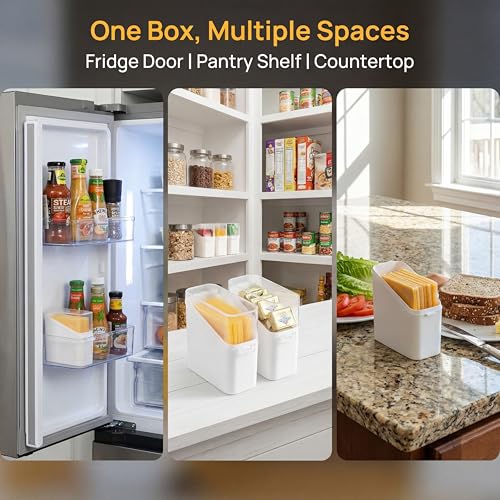
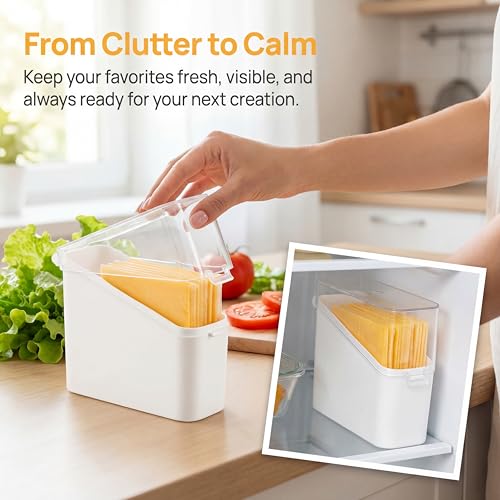
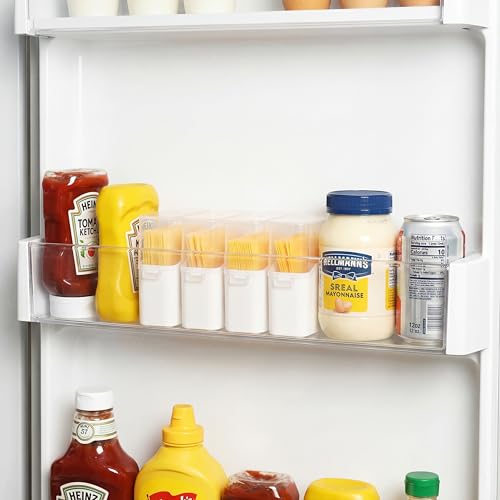
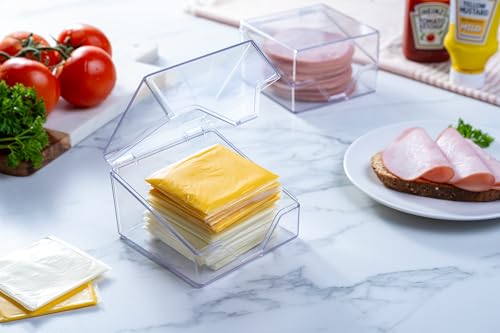
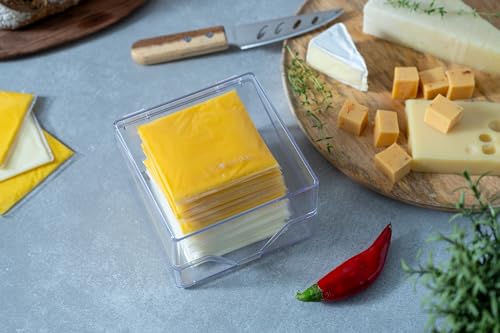
If you go through American cheese singles like my family does, this is the container you’ve been missing. It’s built specifically for a full 24-slice pack, Kraft, Sargento, you name it, so you can ditch the crumpled plastic sleeves that always end up scattered in the deli drawer. The hinged lid is a small but meaningful win: it never gets lost, and the flip-open design is smooth even with one hand.
Owners love how it keeps the fridge tidy and how easy it is to toss in the dishwasher. Made in the USA from durable plastic, it feels like it’ll last years. While it’s not ideal for blocks or soft cheeses, I’d pick this over any generic container for sliced American. It’s the only one in this list that solves a very specific, very common kitchen mess.
Product photos


Yomjarl 2 Pcs Cheese Keeper with Time Record
Strengths
- Date tracking feature
- Airtight seal
- Stackable design
Trade-offs
- Not dishwasher safe
- Bulky dimensions
- Plastic quality varies
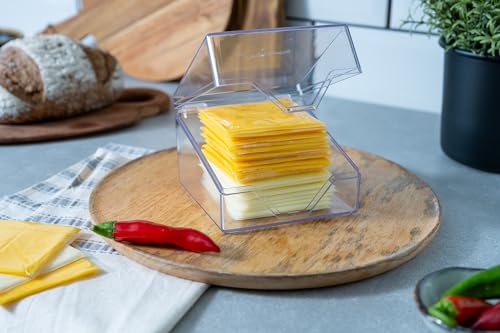
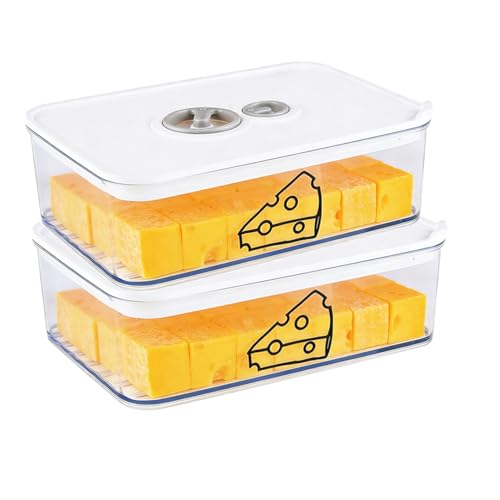
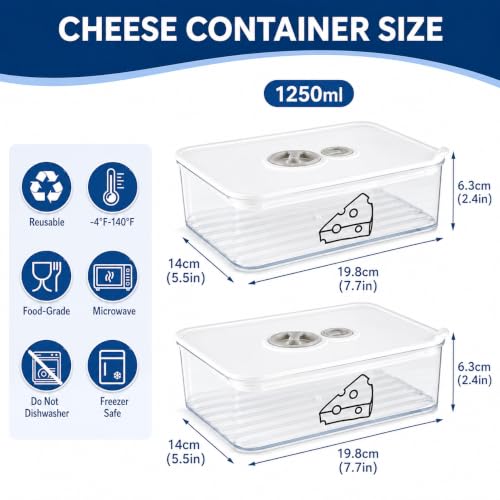
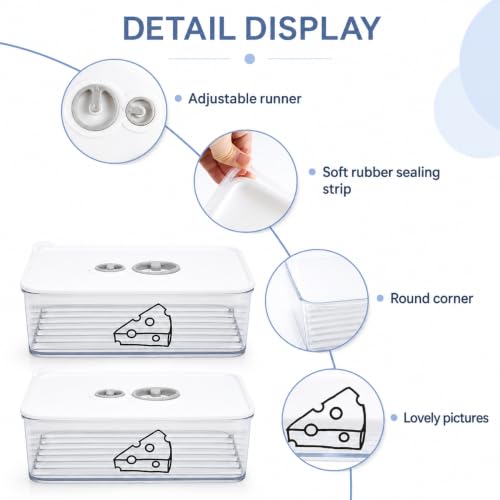
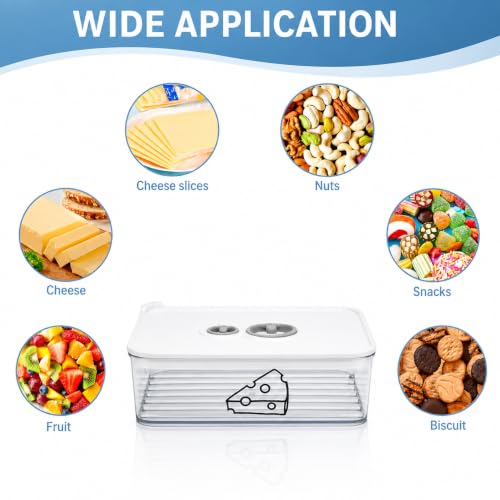
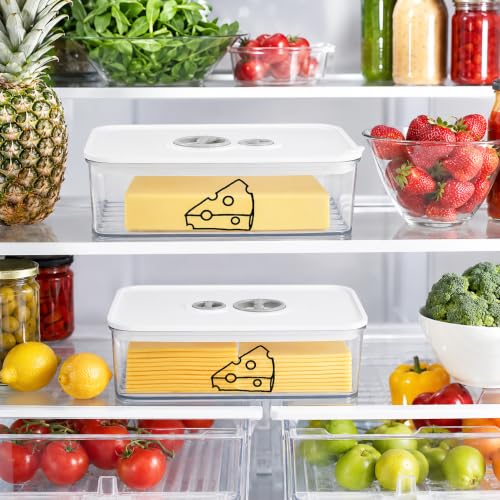
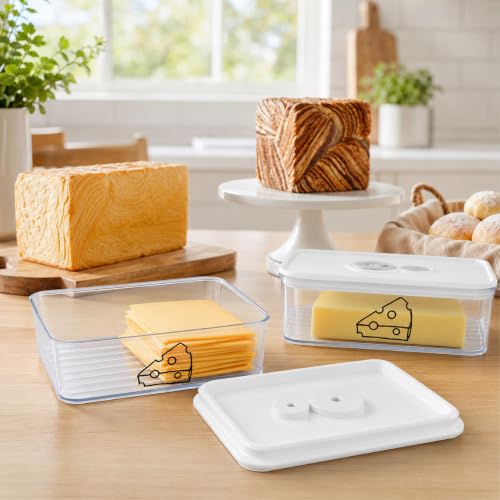
I like that these containers come with a date-tracking feature, something I always recommend for reducing food waste. On paper, the adjustable date dial is a smart touch for anyone trying to keep up with freshness, especially with cheeses that degrade quickly. The airtight seal and thick BPA-free plastic check the right boxes for basic fridge storage, and owners consistently report they do help extend the life of sliced and grated cheeses.
That said, the lack of dishwasher safety is a real downside for busy households. For a set priced near $22, I’d expect easier cleanup, especially since other options in this range offer it. While the transparency and stackability help with fridge organization, the size may be too large for smaller fridges or those who only buy cheese occasionally.
Product photos
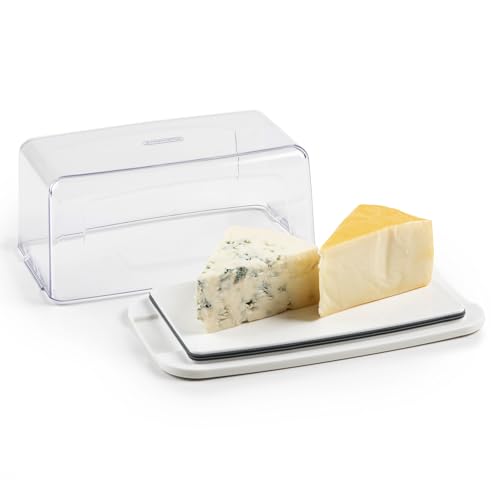
Progressive International Cheese ProKeeper
Strengths
- Eco-friendly design
- Airtight seal
- BPA-free material
Trade-offs
- No labeling option
- Limited stackability
- Seal durability concerns
I appreciate the eco-angle here, the brand pushes reusable use to replace plastic wrap, and that’s a message I stand behind at Food Keepy. The airtight silicone seal is effective, and the size fits neatly in most fridge drawers, making it a tidy option for cheese lovers who want to reduce waste. It’s not the flashiest container, but it does the job without overpromising.
Still, it lacks standout features like labeling or stackability, and owners report it doesn’t seal as tightly as pricier models. For the price, it’s decent, but I’d only recommend it if sustainability is your top priority and you don’t need advanced freshness features. Compared to the Felli or Pikanty models, it feels more basic.
Product photos

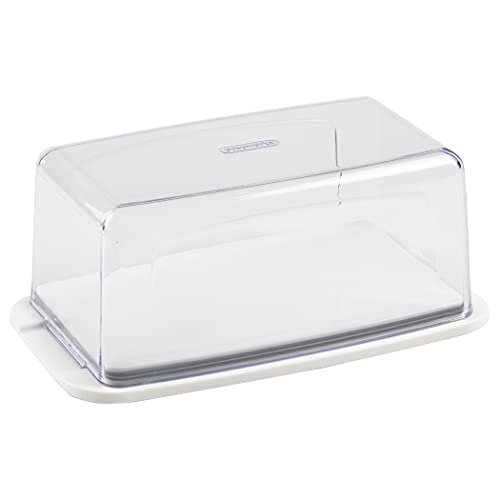
ProKeeper Mini Deli Food Storage

Strengths
- Grooved bottom design
- Dishwasher safe
- Compact and stackable
Trade-offs
- Small capacity
- Dry erase lid wears over time
- Lid seal can loosen
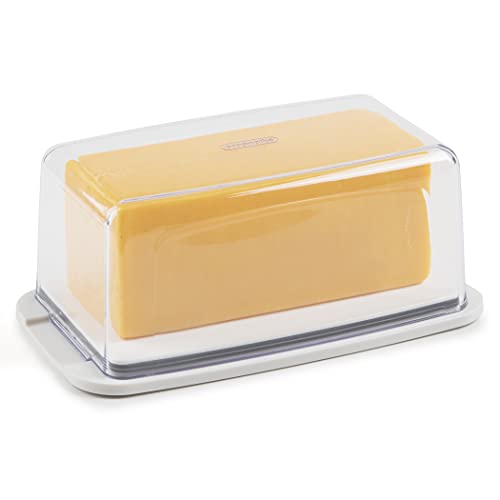
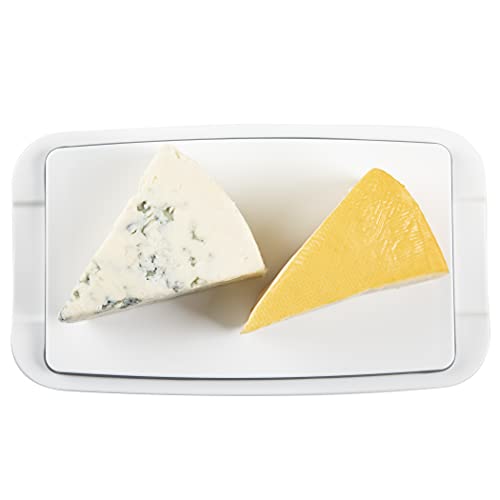
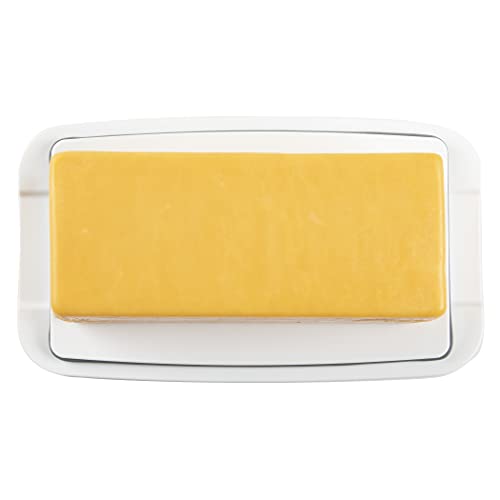
This little container punches above its weight when it comes to organization. The grooved bottom is a standout feature, something I rarely see in budget containers, and it’s designed to keep juices away from deli meats and softer cheeses, which helps slow spoilage. Owners note it works especially well for pre-sliced mozzarella or turkey, and the airtight silicone seal holds up over time.
At under $11, it’s a solid value, and being dishwasher safe makes it a no-brainier for daily use. While it’s not large enough for big cheese blocks or family-sized portions, I’d pick this over bulkier options if you’re storing small amounts or packing lunches. Compared to others, it’s one of the few that balances compact size with real functionality.
Product photos


How We Evaluated cheese containers for fridge
As someone who spends a lot of time thinking about food storage on Food Keepy, I approached researching cheese containers by looking at a combination of product specifications, owner feedback, and what I know about keeping cheese – and other fridge staples – at their best. Rather than a hands-on lab test, this is a research-led comparison of features and what current owners are saying about their experiences. I considered dozens of options, ultimately focusing on those that consistently appeared across multiple “best of” lists and had a substantial number of reviews.
For cheese containers, airtightness, material safety, and practical design were the most important factors. Cheese is sensitive to drying out and absorbing odors, so a truly effective seal is critical. Beyond that, I focused on containers made from materials considered food safe plastic – ideally BPA-free – as well as features like stackability and ease of cleaning. Ultimately, a container that helps reduce food waste and keeps things organized is the most valuable.
Specifications reliably tell you about a container’s size, material composition, and whether it’s dishwasher or microwave safe. However, judging real-world performance – how well a lid actually seals, how easily it cleans, or how well it resists stains – requires looking at owner reviews. That’s where I paid close attention to comments about longevity, leak-proof qualities, and whether the containers lived up to claims about keeping cheese fresh, and whether owners found it easy to freeze cheese for longer storage if needed.
How To Pick The Right cheese containers for fridge
Finding the right containers to keep your cheese fresh is a surprisingly impactful step toward reducing food waste and enjoying better flavor.
Quality cheese containers prioritize airtight seals, durable materials that won’t absorb odors, and designs that maximize fridge space. Look for containers made from BPA-free plastic or glass, with features like adjustable vents or moisture control to suit different cheese types. Consider size and stackability to optimize your refrigerator organization, and don’t overlook ease of cleaning for long-term convenience.
Size and Capacity
It’s easy to fall into the trap of buying containers that are too large. Think about how you buy cheese most often. Do you tend to purchase large blocks, pre-sliced packages, or a variety of smaller portions? A container that’s too spacious allows excess air to circulate, accelerating spoilage. Conversely, cramming cheese into a container that’s too small can damage delicate rinds or slices. Specifically for individually wrapped slices, a container like the Pikanty American Cheese Slice Container is designed to hold a full pack, eliminating messy wrappers.
Material and Airtightness
The material of your cheese container significantly impacts freshness and odor control. Glass and high-quality plastic (like Tritan) are excellent choices because they don’t absorb lingering smells. Airtightness is paramount; even a small amount of air exposure can cause cheese to dry out or develop unwanted flavors. Look for containers with silicone seals or locking mechanisms. Don’t assume all containers marketed as “airtight” truly are – owner reviews can be incredibly helpful here. If you’re looking for more information about different types of storage, check out our guide to airtight containers.
Features and Usability
Beyond basic storage, consider features that enhance usability. Some containers, like the Kilner Cheese Store, include a ceramic base that doubles as a serving dish. Others, such as the ProKeeper series, offer dry-erase lids for labeling contents and dates, which helps prevent forgotten leftovers.
- A simple flip-top lid (like on the Baiseju container) offers quick access for everyday use.
- Stackable designs (common in Felli and ProKeeper containers) maximize fridge space and create a more organized layout.
- Moisture control features (like the grooved bottom in the ProKeeper Split Deli Food Storage) are particularly important for softer cheeses or deli meats; this keeps the cheese from sitting in its own liquid, which speeds up spoilage.
A well-chosen cheese container isn’t just about preserving flavor; it’s about minimizing waste. Properly stored cheese lasts longer, saving you money and reducing your environmental impact.
Ultimately, the best cheese containers will depend on your individual needs and preferences, but keeping these factors in mind will help you find the perfect solution for keeping your cheese fresh and delicious. Knowing the best way to store cheese is a great start, but the right container is a close second.
Cheese Containers for Fridge Compared
Here’s a comparison of features for popular cheese containers available for refrigerator storage.
| Product Title | Capacity | Material | Airtight Seal | Dishwasher Safe | Special Features |
|---|---|---|---|---|---|
| Felli Duo Loc Deli Meat Container | 1.2qt (x3) | Tritan | Yes | Yes | Stackable, Microwave Safe |
| Kilner Cheese Store Airtight Glass Container | N/A | Glass, Ceramic | Optional | Yes | Serving Base, Dual Function |
| ProKeeper Split Deli Food Storage | 1.45 QT | Plastic | Yes | Yes | Moisture Control, Date Label |
| Baiseju Sliced Cheese Container 2 Pack | 10-20 slices | Plastic | Yes | Yes | Compact Size |
| Pikanty American Cheese Slice Container | 24 slices | Plastic | Yes | Yes | For Cheese Singles |
| Yomjarl 2 Pcs Cheese Keeper with Time Record | 7.8″x5.5″x2.5″ | Plastic | Yes | No | Date Tracking |
| Progressive International Cheese ProKeeper | N/A | Plastic/Silicone | Yes | N/A | Eco-Friendly |
| ProKeeper Mini Deli Food Storage | 5.75″ Long | Plastic | Yes | Yes | Grooved Bottom |
Frequently Asked Questions
What container material is best for strong-smelling cheeses?
Glass or high-quality, food-grade plastic (like Tritan) are ideal because they don’t absorb odors like some other materials do. This prevents flavors from transferring to other foods in your fridge, and keeps your cheese tasting its best.
Can I use just any airtight container I already have?
While you can use existing airtight containers, those specifically designed for cheese often have features, like moisture control or adjustable vents, that extend freshness. Using containers for refrigerator storage will help prevent spoilage and waste.
Are plastic cheese containers safe to use?
Look for containers labeled “BPA-free” to avoid potential health concerns. Many quality plastic containers now use BPA-free materials, and are perfectly safe for food storage, though some prefer glass for this reason.
Will a cheese container help if I want to freeze cheese?
Yes, a good quality airtight container will protect cheese from freezer burn, but be sure to check if the container is also freezer safe containers before placing it in the freezer. Consider wrapping the cheese in plastic wrap before putting it in the container for an extra layer of protection.
How can I tell if a container is truly airtight?
Owner reviews are the best indicator. Look for comments specifically mentioning whether the container prevented leaks or kept contents fresh for an extended period. Don’t rely solely on marketing claims; real-world feedback is more reliable.
The Bottom Line
Choosing the best cheese container really comes down to balancing how much control you want over the storage environment versus how much effort you’re willing to put in. For most people, the Felli Duo Loc Deli Meat Container strikes that balance beautifully. Its airtight seal, stackable design, and dishwasher-safe convenience make it a practical, everyday choice that will genuinely help keep cheese fresher for longer.
If you have very specific needs, there are excellent alternatives. Those who prioritize keeping individually wrapped slices tidy will appreciate the Pikanty American Cheese Slice Container, while anyone wanting a container that doubles as a serving piece should consider the Kilner Cheese Store. And for those interested in long-term storage, knowing whether you can safely use glass containers freezer is a helpful consideration.
Ultimately, the most expensive, feature-rich container won’t matter if you don’t use it consistently. Focusing on airtightness, food-safe materials, and a design that fits your fridge and habits will deliver the biggest benefits. Don’t overthink it – a little attention to these fundamentals will go a long way toward enjoying better cheese and reducing waste, even if you are also interested in learning about freezing shredded cheese.
