
9 Best Bear Food Containers of 2026
This post contains affiliate links. As an Amazon Associate, we earn from qualifying purchases.
The BearVault BV500 Journey is our top pick for most backpackers, offering reliable IGBC-certified protection and a sturdy design that doubles as a camp stool. For budget-conscious hikers, the NO-FED-BEAR UDAP Canister delivers solid performance at a lower price, while the BearVault BV ONE Adjustable stands out for its versatility with changing trip lengths.
Carrying food in bear country means more than just packing meals, it means keeping everything scented secure, from toothpaste to trash, without adding bulk or risking a wildlife encounter. A failed container isn’t just a gear failure, it’s a safety risk.
As someone who focuses on smart food storage and kitchen organization, I approached this guide with an eye for practicality, safety, and real-world usability. These picks are based on a deep explore specs, IGBC certification status, owner feedback, and how well each model balances capacity, weight, and ease of use for different kinds of trips.
Top 9 Bear Food Containers in the Market
The Best Bear Food Containers, Reviewed
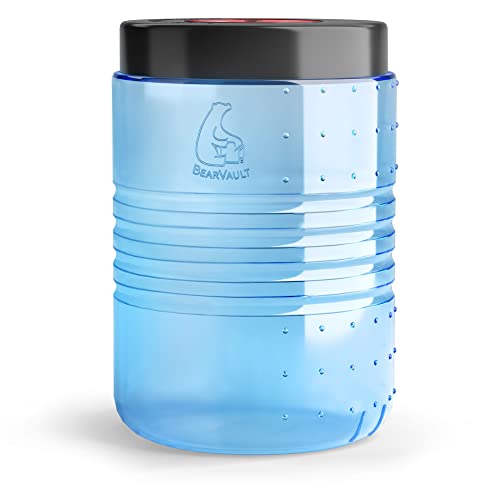
BearVault BV500 Journey Canister
Strengths
- IGBC and SIBBG certified
- High capacity
- Transparent design
Trade-offs
- Bulky for short trips
- Heavier than some
- Pricier than basics
The BV500 is the gold standard for a reason. With full IGBC and SIBBG certification, it’s accepted in every national park that mandates bear canisters. Its 7+ day capacity makes it ideal for thru-hikers or small groups, and the transparent body is a small luxury that pays off when you’re hunting for dinner in the dark. Owners consistently report it surviving bear encounters unscathed, even after 48 hours with live test bears.
It’s not the lightest, but it offers the best balance of volume, durability, and trail credibility. The wide opening and tool-free lid make access easy, and it doubles as a camp stool, which reviewers love. For long hikes where you can’t afford a food loss, this is the one to trust.
Video review
BearVault BV475 Trek Canister

Strengths
- IGBC certified
- Better pack fit
- Transparent body
Trade-offs
- Pricier than basics
- Still bulky
- No divider included
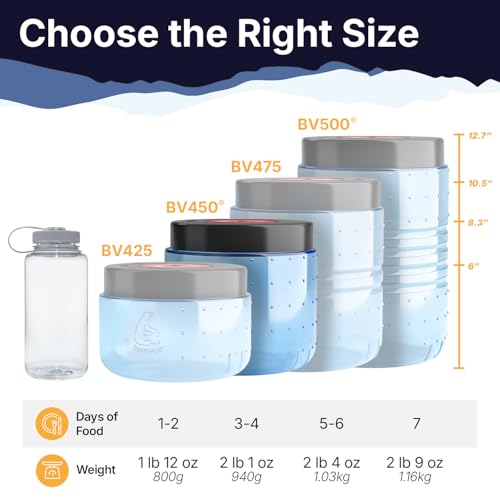
The BV475 fills a gap in the BearVault lineup, a mid-size canister that fits better in packs than the tall BV500, yet holds 5–6 days of food. Its shorter height and rounded corners make it easier to strap sideways in mid-size backpacks, which owners consistently praise for improving balance. It’s fully IGBC certified and shares the same durable, transparent design as the rest of the line, so you don’t sacrifice visibility or security.
It’s not the cheapest or the lightest, but it strikes a balance that long-hikers appreciate. If you’re doing week-long trails and hate the awkward bulk of taller canisters, this is the smarter upgrade.
Video review
BearVault BV450 Jaunt Canister

Strengths
- IGBC certified
- Compact yet roomy
- Doubles as stool
Trade-offs
- Limited for long trips
- Same price as larger models
- No strap guides
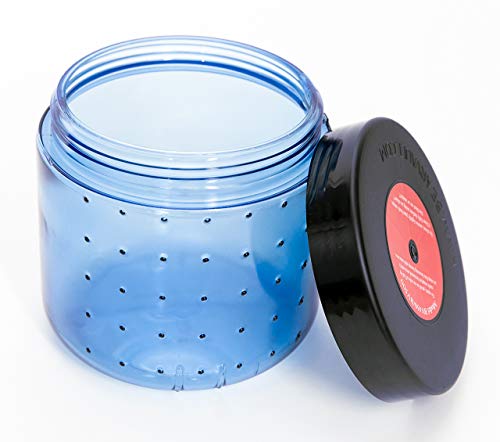
The BV450 hits the sweet spot for weekend backpackers, roomy enough for 3–4 days of food for two, but compact enough to fit in smaller packs. It shares the same transparent body and tool-free lid as other BearVaults, so you can see your food and open it fast, even when tired. It’s IGBC and SIBBG certified, so it’s legal in all required zones, and owners love how it doubles as a camp stool.
Compared to the BV500, it’s lighter and less bulky, but that also means less food capacity. For longer trips, you’d need to resupply. But for weekenders or solo hikers on short routes, it’s the smarter, more practical pick.
Product photos



NO-FED-BEAR UDAP Canister
Strengths
- Includes carry case
- IGBC certified
- Packable design
Trade-offs
- Heavier with case
- Same canister as cheaper model
- Case may wear faster
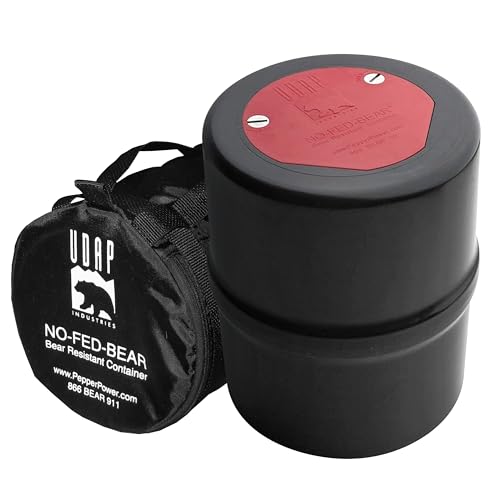
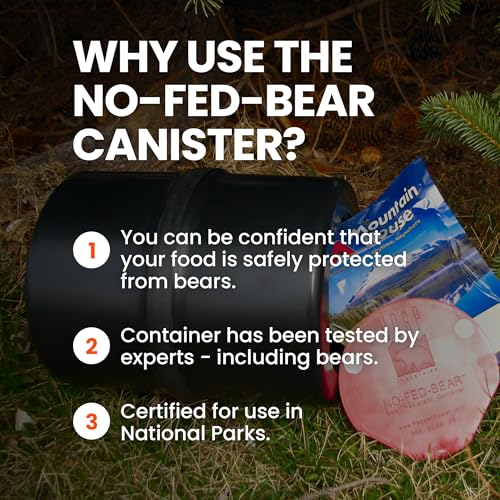
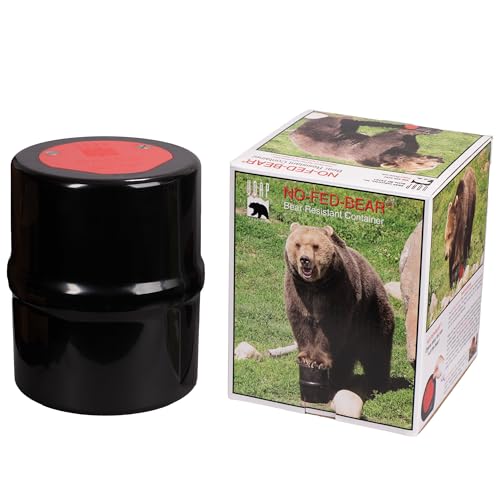
Essentially the same core canister as the B0038RB12I, but this version includes a fabric carry case with straps, a small upgrade that makes a big difference in comfort and attachment options. The case protects the canister from dings and lets you lash it externally to a pack, which opens up internal space. It’s still IGBC certified and holds the same 8L volume, so it’s a solid alternative if you value portability and protection.
But the added case bumps the total weight to 3.2 lbs, which might matter on ultralight trips. And since the canister itself is identical, you’re paying a premium for the sleeve. If you already have straps or don’t mind the bare canister, this isn’t the smarter buy.
Product photos

UDAP Bear-Resistant Food Canister
Strengths
- IGBC approved
- Lightweight
- Durable polymer
Trade-offs
- Not transparent
- Lid requires coin
- Slightly awkward shape
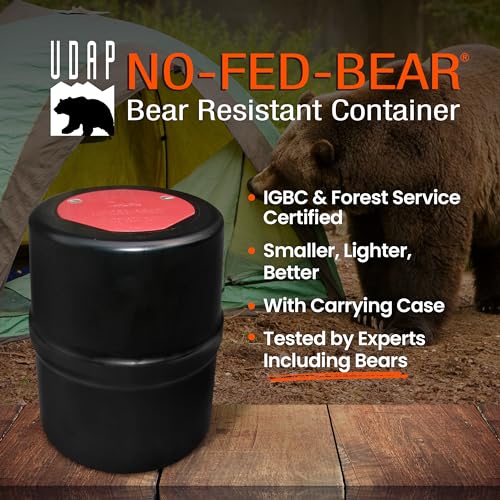
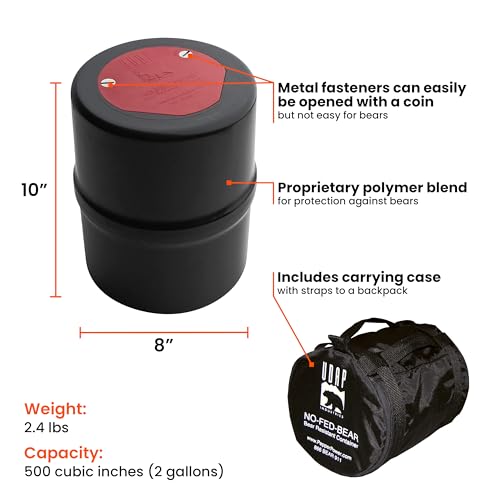
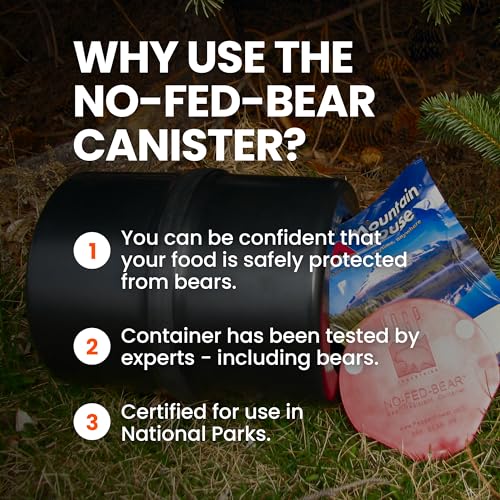
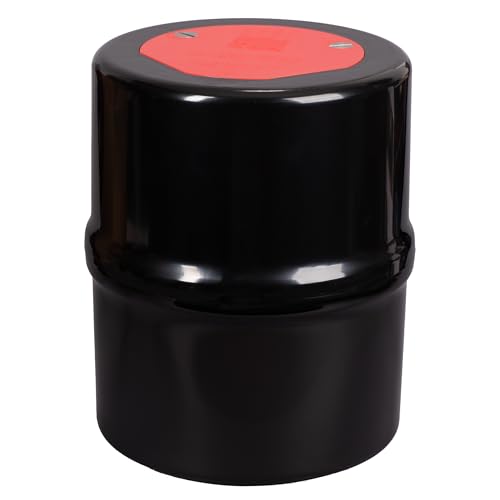
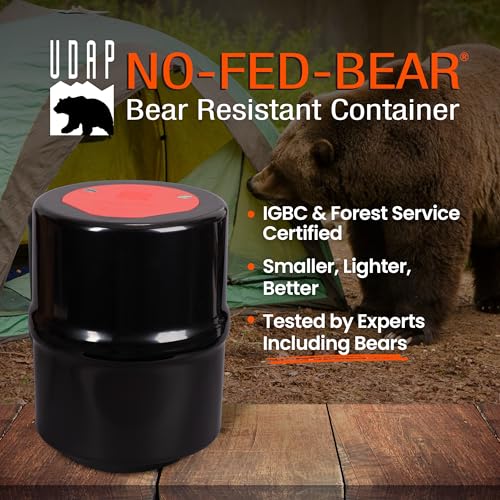
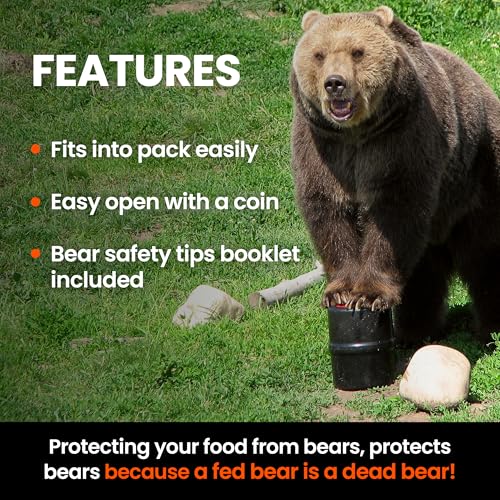
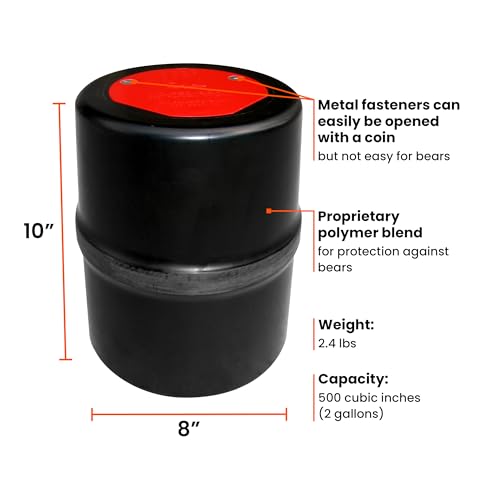
This UDAP canister is a backpacker favorite for good reason: it’s lightweight at 2.4 lbs, holds a full week’s food for one, and carries the crucial IGBC certification. The coin-operated latch is simple and effective, owners say it’s easy for humans, impossible for bears. It slips into most mid-size packs sideways, which helps with balance, and the smooth exterior reduces snagging on fabric.
Compared to BearVault models, it’s less transparent, making it harder to spot items quickly. But if you prioritize weight and certification over visibility, this is a strong contender. It’s not the cheapest, but it hits the sweet spot between price, compliance, and packability.
Product photos
BearVault BV ONE Adjustable
Strengths
- Adjustable volume
- IGBC certified
- Lightweight for capacity
Trade-offs
- Expensive
- Less impact resistant
- Niche use case
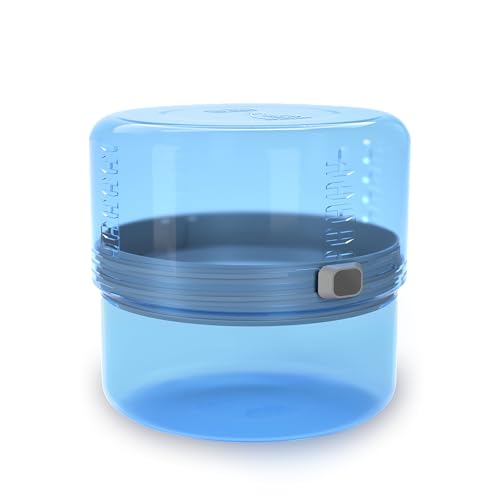
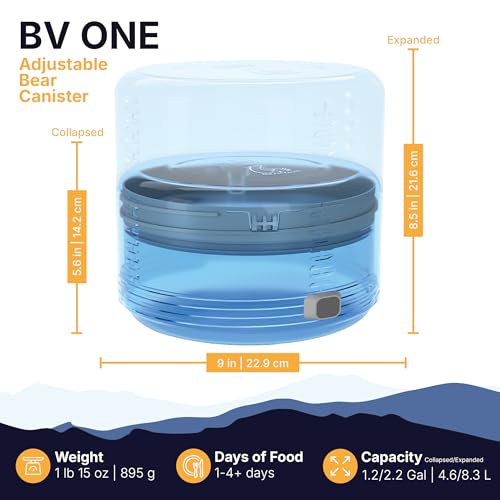
The BV ONE is one of the few canisters that actually adapts to your trip length, expanding and collapsing as food runs low. That adjustable capacity is a standout for minimizing dead space in your pack, something long-distance hikers will appreciate. It’s also IGBC certified, so rangers won’t bat an eye at trailheads where compliance is mandatory. The soft-touch buttons are praised in owner reviews for being easy to operate, even with cold fingers.
But innovation comes at a cost, literally. At the higher end of the price range, it’s tough to justify over the tried-and-true BV500 unless you really need that flexibility. The materials feel slightly less rugged than stiffer models, and some users report concerns about long-term durability under repeated compression.
Product photos
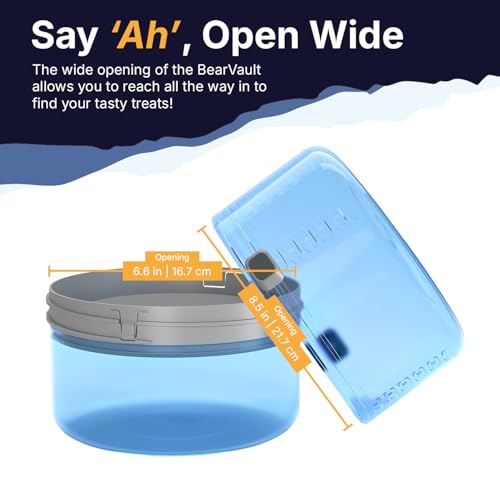
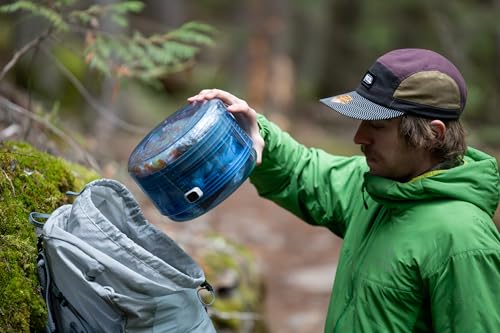
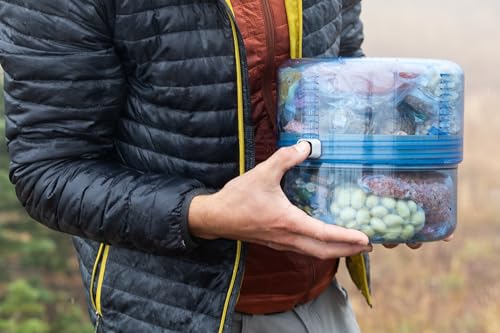
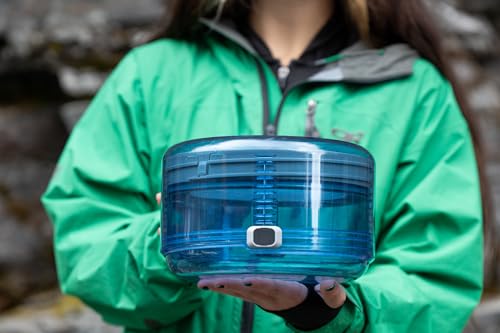
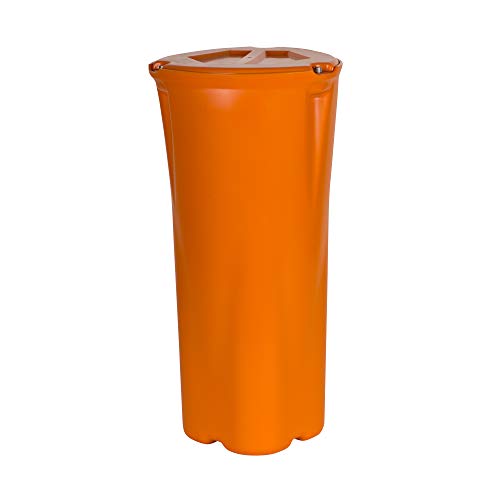
SABRE Frontiersman Bear Safe
Strengths
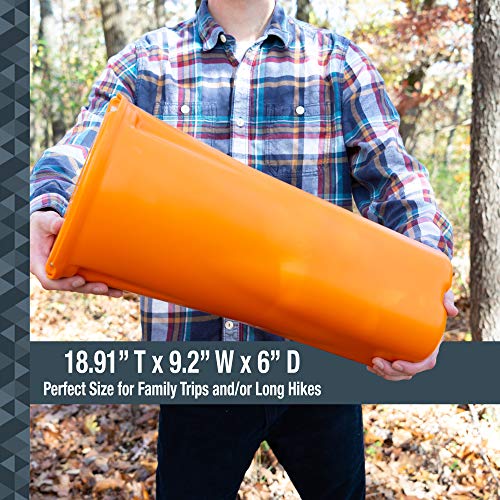
- Large 11.86L capacity
- IGBC certified
- Tapered for packing
Trade-offs
- Heavy
- Bright color
- Gasket requires upkeep
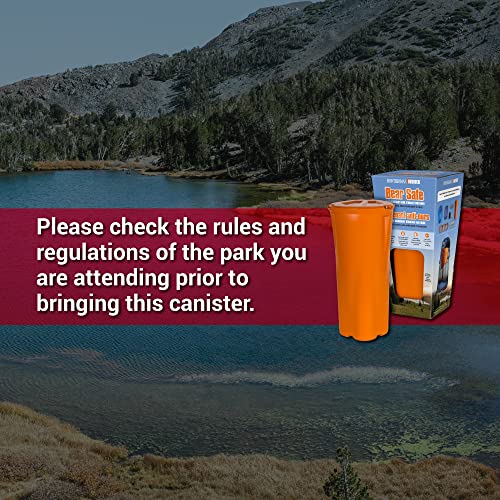
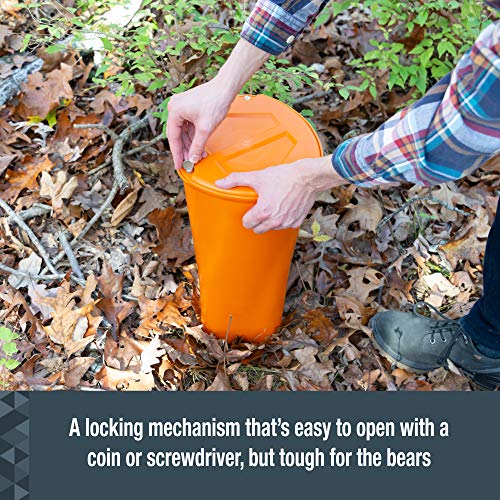
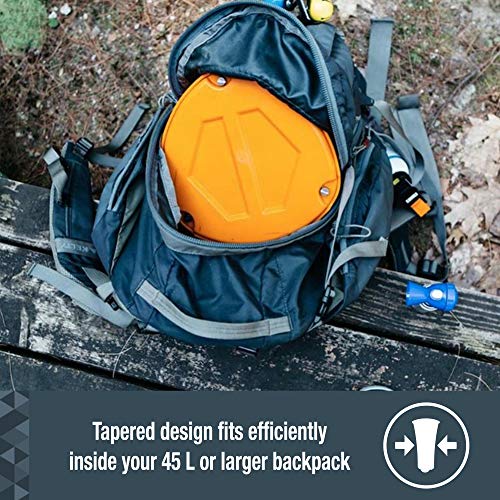
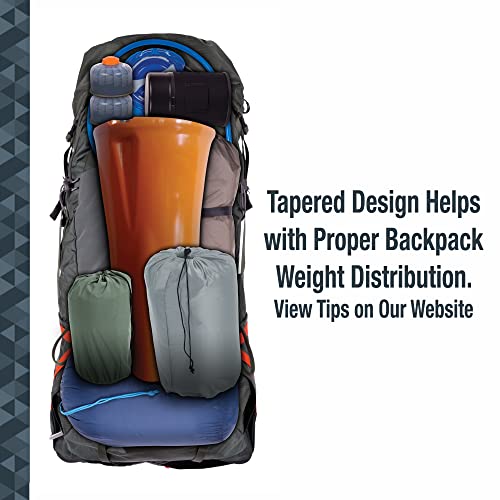
With nearly 12 liters of space, this SABRE container is built for family-sized trips or extended expeditions where resupply isn’t an option. The high-visibility orange helps prevent loss in the woods, and the locking lid with pressure-release valve adds engineering flair, designed to flex under bear pressure instead of cracking. It’s IGBC certified, so it’s legal in regulated areas, and the tapered shape fits better in larger packs than cylindrical models.
Still, it’s heavy and bulky, and the orange color, while safe, stands out in a stealthy camping context. Some owners note the lid gasket needs careful maintenance to keep the seal intact. But for groups or long-haul trips, the volume justifies the trade-offs.
Product photos
Foxtell Bear Bag Hanging Kit

Strengths
- Budget-friendly
- Lightweight and packable
- Includes all hanging components
Trade-offs
- Requires suitable trees
- Setup can fail in wind
- Not IGBC certified
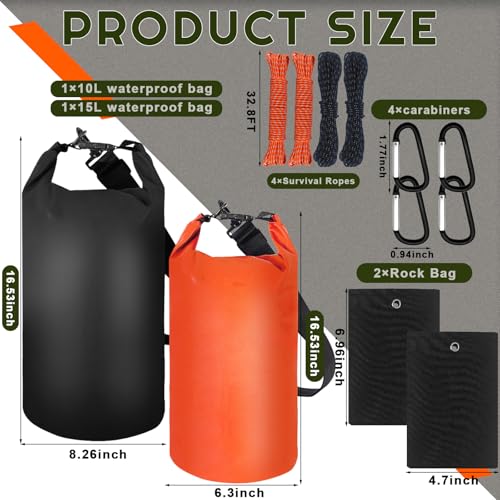
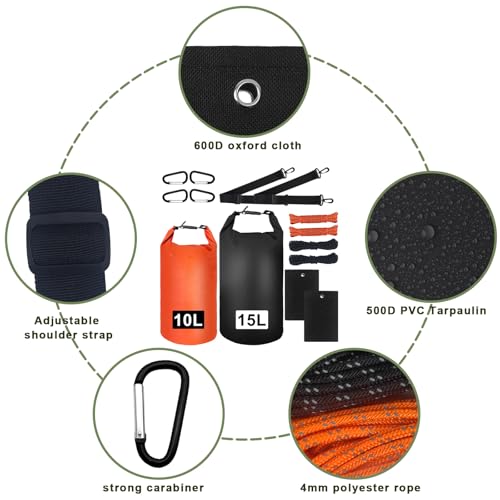
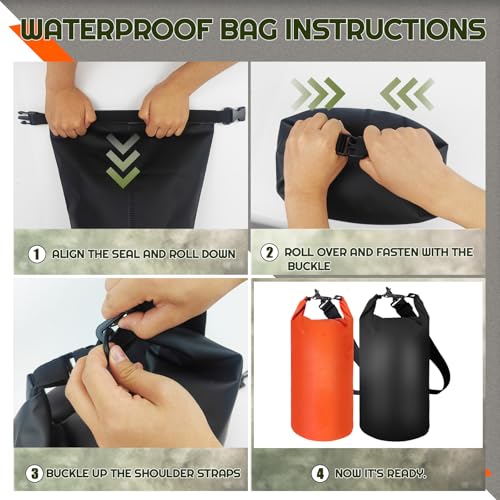
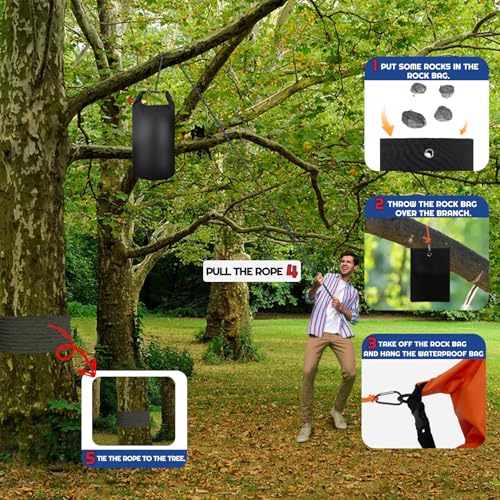
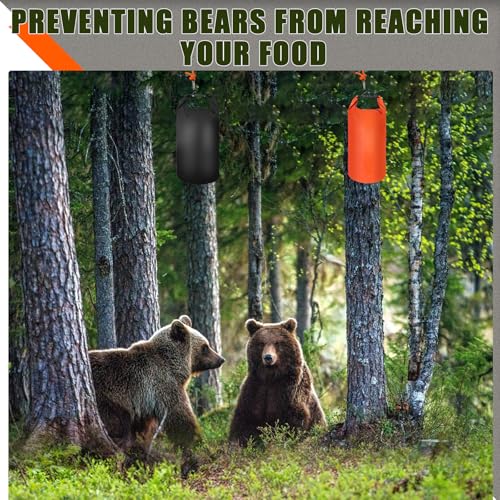
Hanging food is the oldest trick in the book, and this kit makes it accessible and affordable. The 500D PVC mesh bags are genuinely waterproof and odor-resistant, which owners consistently report helps keep raccoons and bears at bay when hung properly. The pulley-style system with rock socks simplifies what can be a frustrating process, especially for new campers who’ve struggled with thrown ropes getting stuck.
That said, it’s only as good as your tree and your technique. In flat or rocky areas with no suitable branches, this system becomes useless. Compared to hard-sided canisters, it’s less reliable in high-bear-density zones. But for car campers, casual hikers, or those on a tight budget, it’s a practical alternative.
Product photos
Ultralight Bear Resistant Container
Strengths
- Durable PVC
- Airtight seal
- Lightweight design
Trade-offs
- Not IGBC certified
- No carry strap included
- Limited capacity for groups
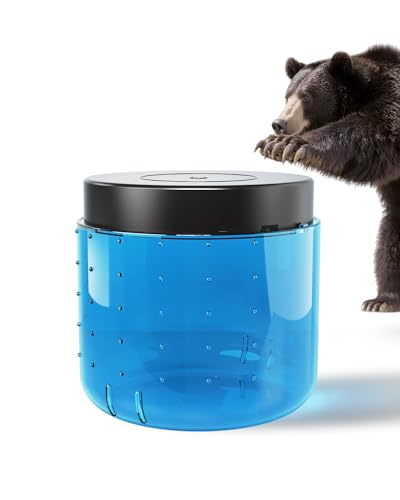
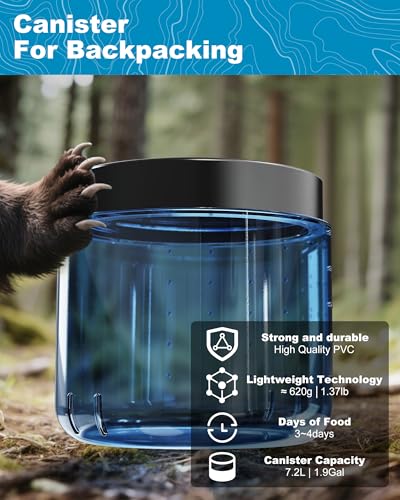
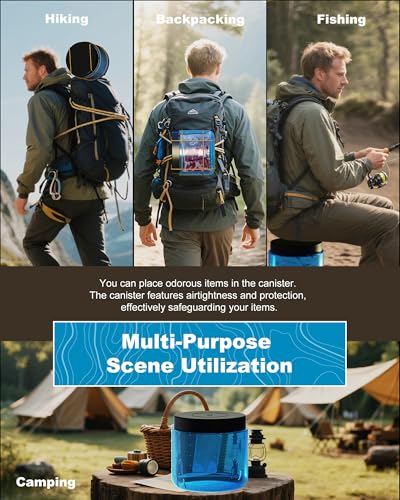
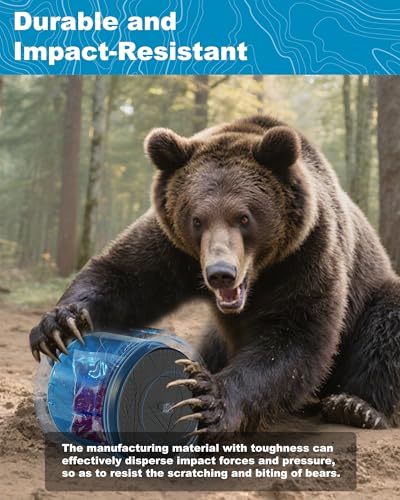
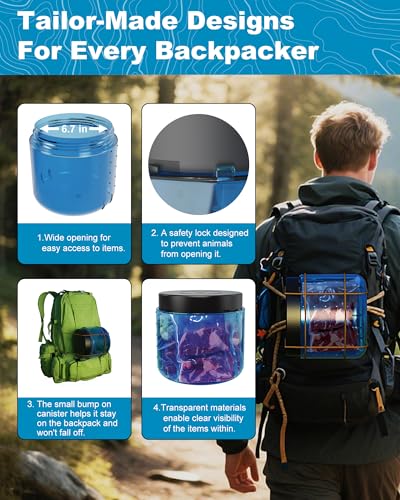
This canister stands out for its ultra-durable PVC build and airtight seal, both of which matter when you’re relying on a single container to protect all your food from bears and moisture. On paper, the 7.2L capacity fits a solo hiker’s multi-day needs, and the lightweight claim tracks with owner feedback that it’s easier to pack than bulkier models. The button-lock mechanism is a smart touch, reviewers note it’s bear-resistant in practice, though no canister is truly bearproof without proper storage habits.
Still, it’s not IGBC certified, which is a red flag in bear-heavy zones like Yosemite or Glacier. That lack of approval means rangers might turn you away at trailheads requiring certified containers. For casual backpackers in lower-risk areas, it’s a solid value pick, but serious backcountry users should look elsewhere.
Product photos
Our Testing Process
Rather than a hands-on lab test, my research for these recommendations focused on a detailed comparison of published specifications and features across numerous bear-resistant containers. I weighed owner reviews from sites like REI and Amazon, alongside expert opinions from backpacking and outdoor safety blogs. This process allowed me to rank options against clear criteria, considering factors crucial for backcountry food protection.
For bear food containers, volume and weight are paramount. A canister needs to hold enough food for a trip’s duration without adding excessive bulk to a backpack. Durability is also key – these containers must withstand determined attempts by bears to access the contents. Finally, ease of use, specifically how readily the lid opens and closes, significantly impacts a container’s practicality in the field.
Specifications reliably indicate a canister’s capacity (in liters or gallons) and weight. However, judging real-world durability and ease of use required careful review of owner feedback. Reports of lids becoming difficult to open in cold weather, or canisters showing signs of stress after encounters with bears, heavily influenced my rankings. Understanding the best practices for wilderness meat storage is also important when planning what to pack. I also considered that proper water storage containers are essential alongside food protection.
What To Look For In bear food containers
Finding the right bear-resistant food container is critical for safe backcountry travel, and it’s more nuanced than just grabbing the cheapest option.
A good bear canister balances weight, capacity, durability, and ease of use. Look for IGBC (Interagency Grizzly Bear Committee) certification, a wide opening for easy access, and a design that integrates well with your existing backpacking gear. Consider the length of your typical trips and how many people you’re feeding when determining size.
Capacity & Trip Length
The size of the container you choose should directly reflect how long you’ll be in bear country and how much food you need to carry. Don’t overestimate – a larger canister adds unnecessary weight. For solo weekend trips, a canister in the 3-4 day range (like the BearVault BV450 Jaunt) is often sufficient. Larger groups or longer expeditions require something bigger, like the BearVault BV500 Journey. Consider that you’re not just storing meals; toiletries and anything with a scent need to go inside too.
Canister Shape & Packability
Many canisters are cylindrical, but their height can be a packing challenge. Shorter, wider canisters (like the BearVault BV475 Trek) often fit more easily into the body of a backpack, rather than needing to be strapped to the outside. If you frequently find yourself struggling to fit everything into your pack, a shorter canister is a good investment.
- A tapered design, like the one found in the SABRE Frontiersman Bear Safe, can help minimize wasted space around the canister within your pack.
- Consider canisters with strap guides; these allow you to securely lash the canister to the top or side of your pack if it doesn’t fit inside.
- Some canisters, like the BearVault BV ONE Adjustable, have adjustable volume, allowing you to compress the container when you have less food, saving space.
Material & Security Features
While most canisters are made from a tough polycarbonate plastic, the locking mechanism is where you’ll really see differences in quality. A simple screw-top (like on the NO-FED-BEAR UDAP Canister) can be opened with a coin, but ensure it’s robust and won’t strip easily. More modern designs, like those on the BearVault BV ONE, employ button-lock mechanisms which are often easier to operate, even with cold hands. Remember to check for IGBC certification; it’s the gold standard for verifying a canister’s bear resistance. Speaking of protecting your supplies from the elements, if you’re concerned about keeping everything completely dry, especially when traveling in wet conditions, consider supplementing your bear canister with a dry bag for camping for an extra layer of protection. Properly storing your camping food without fridge is essential for a safe and enjoyable trip.
A properly stored food supply is a happy food supply. Always follow local regulations and guidelines regarding bear safety, and never rely solely on a canister to keep you safe.
Bear Food Containers Compared
Here’s a specification comparison of several bear food containers to help you choose the right one for your needs.
| Product Name | Capacity (L) | Weight (lbs) | Dimensions (in) | Material | Certified? | Features |
|---|---|---|---|---|---|---|
| BearVault BV500 Journey Canister | N/A | N/A | N/A | Plastic | Yes | Tool-free, Camp Stool |
| BearVault BV475 Trek Canister | N/A | N/A | N/A | Plastic | Yes | Strap Guides, Camp Stool |
| BearVault BV450 Jaunt Canister | N/A | N/A | N/A | Plastic | Yes | Tool-free, Camp Stool |
| NO-FED-BEAR UDAP Canister | 8 | 3.2 | 8×10 | Plastic | Yes | Includes Carry Case |
| UDAP Bear-Resistant Food Canister | 8 | 2.4 | N/A | Polymer Blend | Yes | Lightweight |
| BearVault BV ONE Adjustable | N/A | N/A | N/A | Proprietary | Yes | Adjustable Capacity |
| SABRE Frontiersman Bear Safe | 11.86 | N/A | N/A | Plastic | Yes | High Capacity |
| Foxtell Bear Bag Hanging Kit | 10/15 | N/A | N/A | PVC Mesh | No | Hanging System |
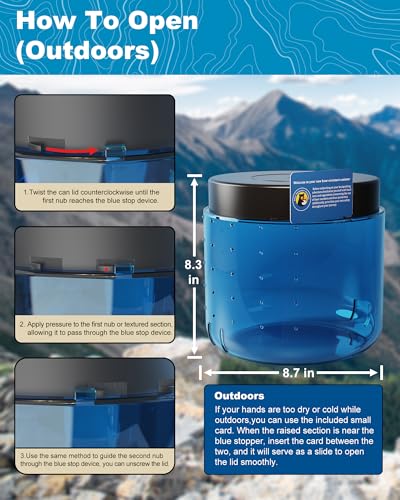
| Ultralight Bear Resistant Container | N/A | N/A | N/A | PVC | N/A | Airtight Seal, Card Opener |
Frequently Asked Questions
What’s the difference between IGBC certification and just a “bear-resistant” claim?
IGBC (Interagency Grizzly Bear Committee) certification signifies a container has undergone rigorous testing to withstand a bear’s attempts to access the contents. A simple “bear-resistant” claim isn’t backed by standardized testing and may not offer the same level of protection.
Can a bear really open a certified bear canister?
While no canister is 100% foolproof, an IGBC-certified container is designed to resist determined bears. Bears may succeed in denting or damaging a canister, but they typically won’t be able to open it during a reasonable timeframe.
What should I do if my bear canister lid gets stuck?
Most canisters have a trick to opening them, and many owners report difficulty with lids in cold weather. Applying gentle pressure while rocking the lid back and forth often works, and some canisters recommend lightly lubricating the seal with silicone grease.
Are bear bags a viable alternative to hard-sided canisters in all areas?
Bear bags are permitted in some areas, but not all, and require proficiency in food storage basics and proper hanging techniques. Canisters are universally accepted where bears are present, and offer more reliable protection, especially for those unfamiliar with bear bag hanging.
Beyond food, what else should I put in my bear container?
Anything with a scent, including toiletries (toothpaste, soap, deodorant), trash, and even scented lip balm, should be stored inside your bear canister. Proper food preservation methods won’t matter if a bear is attracted by something else.
The Bottom Line
Choosing a bear canister always comes down to balancing how much you’re willing to carry against how much food you need to protect. If you want a single container that will handle almost any situation, the BearVault BV500 Journey offers a substantial capacity and proven durability. It’s an investment, but peace of mind in bear country is valuable.
For those on a tighter budget or those who prioritize lighter weight, the NO-FED-BEAR UDAP Canister is a solid choice. Hikers needing versatility will appreciate the BearVault BV ONE Adjustable; the ability to compress the canister when your food supply dwindles is a smart feature for optimizing pack space. Thinking about long-term food storage principles – minimizing waste and maximizing space – applies to bear country as much as your pantry.
Ultimately, the best bear canister isn’t about fancy features or the lowest weight. It’s about consistently using it correctly and understanding that a container is just one part of a broader bear safety strategy. Prioritizing proper food handling, following local guidelines, and being aware of your surroundings are far more critical than any specific specification. Knowing which longest shelf life foods to bring will also reduce waste and the need for a larger container.
