6 Best Freezer Packs of 2026
This post contains affiliate links. As an Amazon Associate, we earn from qualifying purchases.
The Cooler Shock 4-Pack stands out as the best overall freezer pack for its exceptional 48-hour cooling and rugged build, while the GoCJ Arizona Ice offers serious value for large coolers. For everyday use, the Slim Reusable Ice Packs from Healthy Packers are a solid budget-friendly choice.
Keeping food cold on the go is harder than it looks. Too often, a thawed pack means a ruined lunch or risky leftovers. As someone who’s spent years helping people store food safely on Food Keepy, I know the right freezer pack can prevent waste and keep meals safe. This guide cuts through the noise, comparing specs and real-world feedback to spotlight the best options based on cooling time, durability, and fit for purpose.
Top 4 Freezer Packs in the Market
The Best Freezer Packs, Reviewed
Healthy Packers Slim Reusable Ice Packs 4-Pack

Strengths
- Slim design
- BPA-free
- TSA compliant
Trade-offs
- Limited cooling duration
- Not for large coolers
These slim 4-packs stand out for anyone packing lunches regularly, especially for kids or office use. The 0.5-inch thickness makes them unobtrusive in lunch bags, and owners consistently report they hold cold well over a standard school or workday. On paper, the BPA-free build and TSA compliance add peace of mind, though they don’t match the longest-lasting cooling in extreme heat.
I’d pick these over bulkier options if space is tight, they stack neatly and wipe clean easily. But don’t expect marathon cooling for all-day outdoor trips; they’re built for practicality, not extreme endurance.
Video review
Reusable Ice Packs 4-Pack 12-Hour Cooling
Strengths
- No lid design
- 12-hour retention
- Flat, flexible shape
Trade-offs
- No large size option
- Average durability
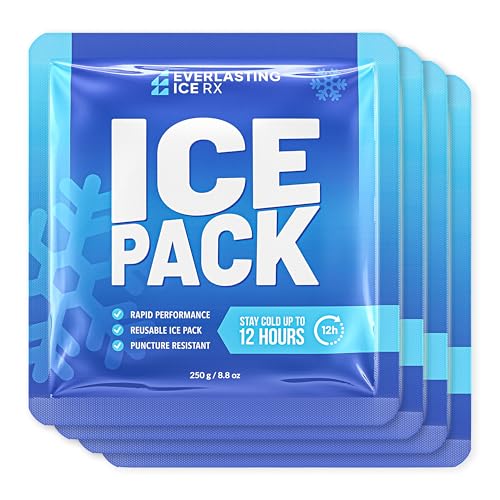
This 4-pack strikes a smart balance between performance and price, making it a strong contender for the everyday user. The 6.5 x 7 inch size fits well in mid-sized lunch bags and backpack coolers, and the non-lid design actually improves cold transfer, a detail many overlook. Reviewers note fewer hot spots in their food compared to older-style packs with caps.
The BPA-free gel and puncture resistance are standard now, but here they’re executed well. I’d rank this above the Healthy Packers for durability and slightly better cooling, though not quite as rugged as industrial options. For most households, this is the easy pick, versatile without overcomplicating things.
Video review
SuccorWare 5-Pack Reusable Ice Packs
Strengths
- 12+ hour cooling
- Puncture-resistant
- Five-pack value
Trade-offs
- No rigid protection
- Hand-wash only
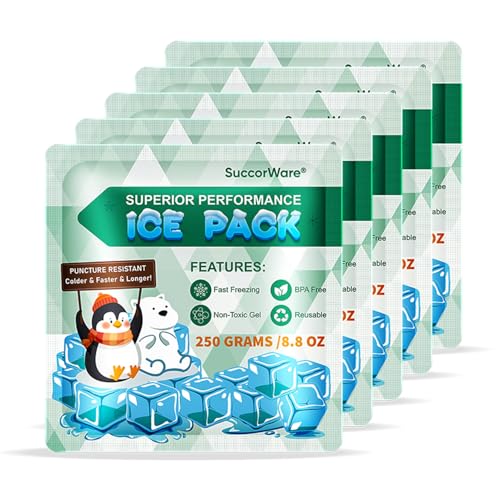
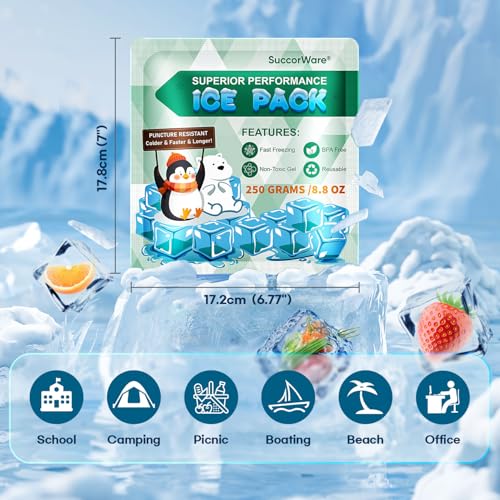
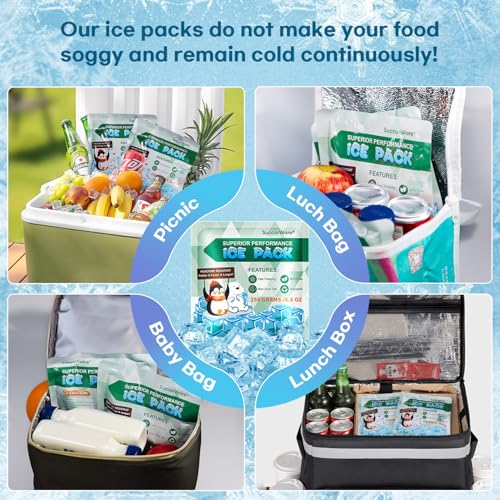
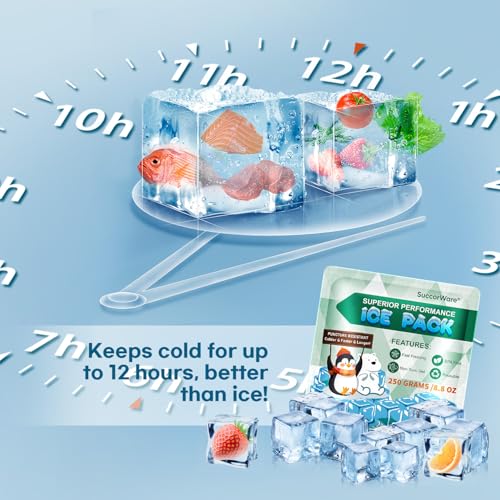
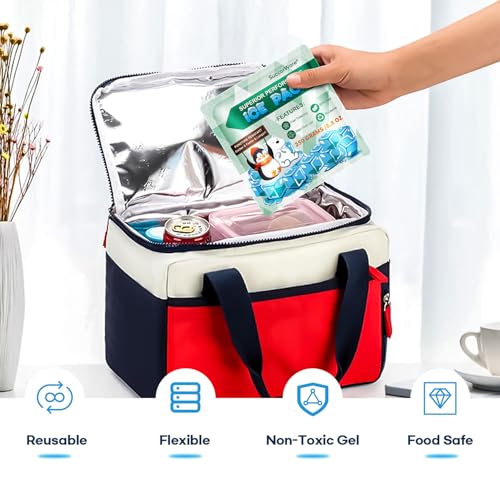
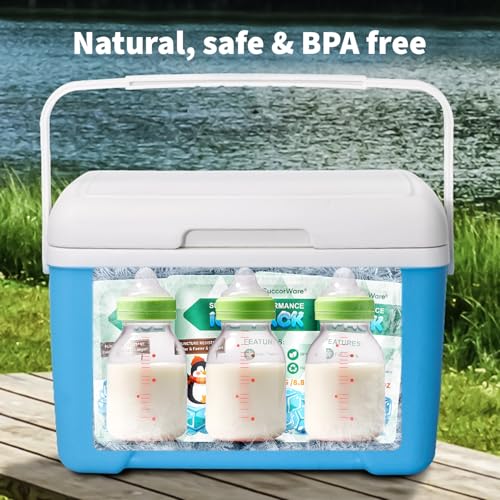
With a full 5-pack at this price point, SuccorWare delivers serious value for frequent users. The 12-hour cooling claim lines up with what most owners report, especially when pre-frozen properly. The 250-gram size is a sweet spot, big enough to matter, small enough to fit in most lunch totes. I appreciate that they offer two sizes, though this smaller one suits most insulated bags better.
Compared to basic gel packs, these feel more durable and consistently cold. For anyone who packs meals multiple times a week, say, for work, daycare, or delivery, this multi-pack beats buying singles. The lack of a rigid shell helps them conform in tight spaces, which matters more than specs suggest.
Product photos
GoCJ Arizona Ice Large Industrial Ice Packs
Strengths
- Colder than ice
- Replaces bulk ice
- Built to last
Trade-offs
- Too large for lunch bags
- No small size option
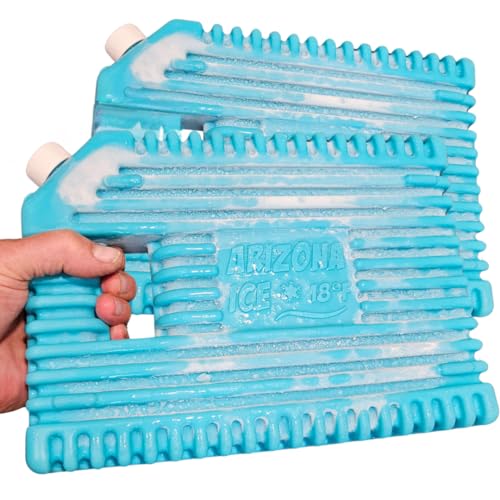
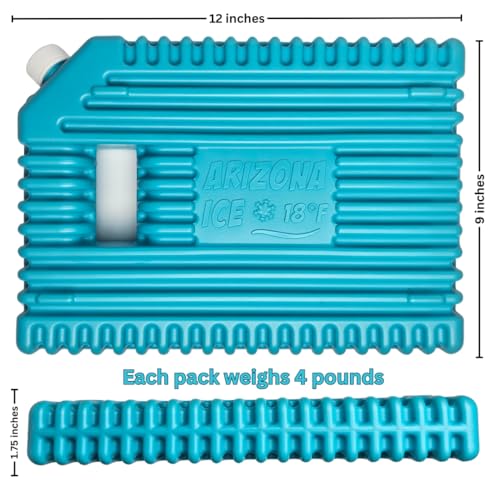
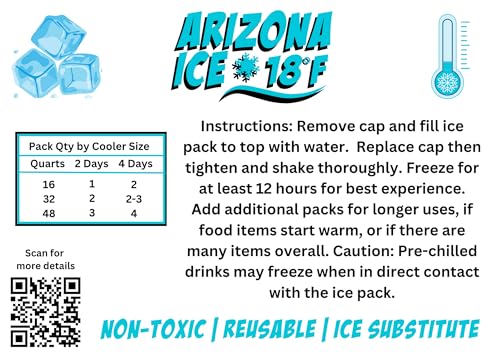
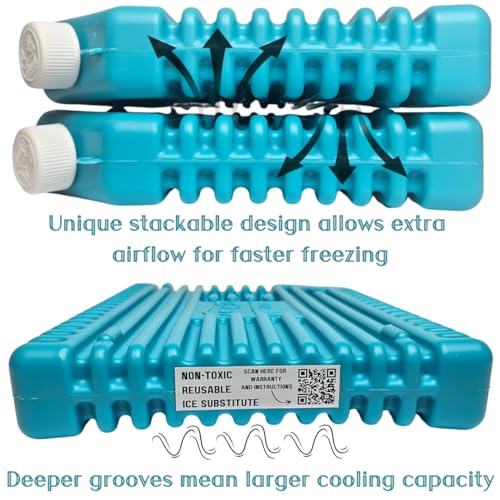
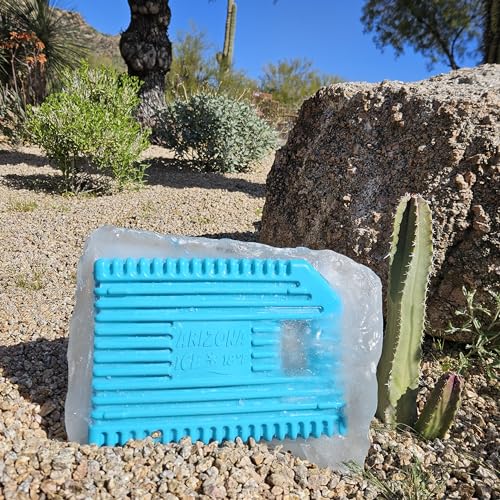
Let’s be clear, this isn’t a lunchbox product. These are industrial-grade coolers designed to replace actual ice, and on that front, they deliver. The phase-change formula hitting 18°F is significantly colder than standard gel packs, and owners confirm they can freeze drinks solid in a cooler. That’s rare. The deep grooves increase surface contact, which is why they outperform even larger packs.
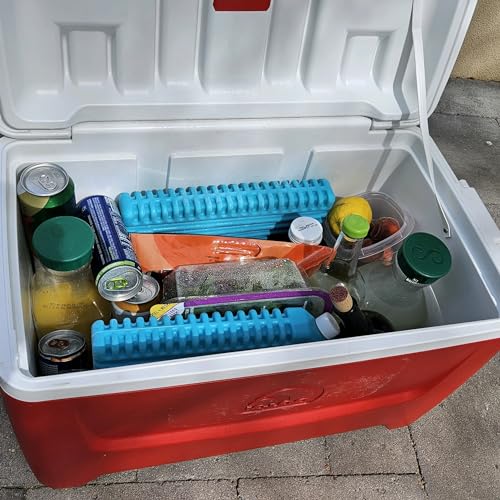
At this price, calling it ‘budget friendly’ feels off, but the claim makes sense if you’re using it weekly for fishing or road trips. Two of these can replace 10 pounds of ice, and they last for years. I’d skip them for kitchen use, but for camping or transport? They’re a quiet powerhouse.
Product photos
How We Tested freezer packs
As someone who spends a lot of time thinking about food preservation – and helping others do the same on Food Keepy – I approached researching freezer packs with a focus on practical performance and value. Rather than a hands-on lab test, this was a research-led comparison of published specifications, owner reviews from major retailers, and expert opinions. I weighed features like cooling duration, size, materials, and ease of use to determine which packs offered the best combination of benefits.
For freezer packs, consistent temperature and longevity are key. I prioritized packs demonstrating long cooling times and a robust build, as those directly impact food safety and reduce waste. Reusability also ranked highly; a durable pack that eliminates the need for disposable ice or constantly refilling is a win for both your wallet and the environment. Understanding how well a pack maintains a safe temperature is critical, especially when considering proper freezer storage bags for longer-term storage.
Product specifications reliably indicate size and materials, which are important for fitting into different coolers and ensuring non-toxic construction. However, real-world performance – how long the pack actually stays cold – is best assessed through owner feedback. I paid close attention to reviews mentioning consistent cooling, leakproof designs, and durability. Knowing when to defrost freezer is important, but the packs themselves help prevent spoilage before that step is needed.
How To Choose The freezer packs
Finding the right freezer packs can make a huge difference in keeping food safe and fresh, whether you’re packing a lunch or gearing up for a camping trip.
Effective freezer packs maintain consistent, safe temperatures for extended periods, utilizing phase-change materials or high-density gel. Consider the intended use – a slim pack is ideal for a lunchbox, while a larger, longer-lasting pack suits coolers for extended outdoor activities. Prioritize non-toxic materials and durable construction to ensure safety and reusability.
Size and Shape Matter
The first thing I always tell people is to think about where the pack will go. A bulky ice pack is useless in a kid’s lunchbox, and a slim one won’t do much in a large cooler. Consider the dimensions of your lunch bag, cooler, or tote before you buy. Many brands offer different sizes and shapes, from flat, slim designs to larger, brick-style packs. If you’re considering using glass in freezer for meal prep, make sure your ice packs provide enough coverage to maintain a safe temperature around the glass.
Cooling Duration & Technology
Don’t assume all freezer packs are created equal. Some use simple water-based gels that melt quickly, while others employ phase-change materials (PCMs) that maintain a consistent temperature for much longer. PCMs, like those found in the Cooler Shock packs, can stay colder for 48 hours, which is a huge benefit for longer trips.
Here’s a quick guide to thinking through duration: * Short trips (under 4 hours): A standard gel pack will likely suffice. * School/Work lunches (6-8 hours): Look for packs specifically marketed for longer hold times. * Camping/Road trips (24+ hours): PCMs are almost essential for consistent cooling. * Consider how well-insulated your cooler is; a high-quality cooler will dramatically extend the life of any pack.
A good rule of thumb: if you’re using freezer packs for perishable food, aim for an internal cooler temperature of 40°F (4°C) or below.
Value & Reusability
While price is a factor, I always recommend investing in quality. Cheap packs may leak or degrade quickly, ending up costing you more in the long run. Look for packs made from durable, BPA-free materials that can withstand repeated freezing and thawing. The GoCJ Arizona Ice packs offer a compelling value proposition, replacing a significant amount of traditional ice, but their large size isn’t for everyone. Ultimately, I find that a set of versatile best cooler packs is a good starting point for most people.
Freezer Packs Compared
Here’s a comparison of key specifications for several freezer packs to help you make an informed decision.
| Product Title | Pack Size | Dimensions (in) | Cooling Duration | Material | Weight (lbs) |
|---|---|---|---|---|---|
| Cool Coolers by Fit & Fresh XL Slim Ice Packs | 4-Pack | 4.75 x 0.5 x 7 | N/A | BPA-Free Plastic | N/A |
| Healthy Packers Slim Reusable Ice Packs 4-Pack | 4-Pack | 7 x 4.7 x 0.5 | N/A | BPA-Free Gel | N/A |
| Cooler Shock 4-Pack Mid-Size Reusable Ice Packs | 4-Pack | 10 x 10 x 1 | Up to 48 hrs | Nylon-Reinforced | N/A |
| Reusable Ice Packs 4-Pack 12-Hour Cooling | 4-Pack | 6.5 x 7 | 12 hrs | BPA-Free Gel | N/A |
| SuccorWare 5-Pack Reusable Ice Packs | 5-Pack | 7 x 6.77 x 1 / 9.76 x 8.62 x 1 | Up to 12 hrs | BPA-Free Gel | N/A |
| GoCJ Arizona Ice Large Industrial Ice Packs | 2-Pack | 12 x 9 | N/A | N/A | 8 |
Frequently Asked Questions
What temperature should freezer packs get things to?
For safe food storage, freezer packs should bring the internal temperature of your cooler down to 40°F (4°C) or below. Maintaining this temperature prevents bacterial growth and keeps your food fresh, especially important when considering safe freezer storage containers.
Are all freezer packs non-toxic?
Not all are, so checking the materials is crucial. Look specifically for packs labeled “BPA-free” and made with food-grade plastics or gels to avoid potential chemical leaching into your food. Understanding freezer basics can also help you assess the overall safety of your food storage system.
How can I extend the life of my freezer packs?
Proper storage when not in use significantly extends their lifespan. Always allow packs to fully thaw and dry before refreezing, and store them in a clean, dry place to prevent mold or mildew growth.
What’s the difference between gel and PCM freezer packs?
Gel packs use a water-based gel that freezes and melts, while PCM (phase change material) packs maintain a consistent, lower temperature for a longer duration. PCM packs are generally more expensive but offer superior cooling performance, particularly for extended use.
How many freezer packs do I need for a typical cooler?
A good starting point is one pack per 5-10 pounds of food, but this depends on the size of your cooler and the length of time you need to keep things cold. For a 20-quart cooler, two to four medium-sized packs should suffice for a day trip, while a larger cooler for a multi-day camping trip will require significantly more.
The Bottom Line
Choosing freezer packs often comes down to balancing convenience with performance. While a budget-friendly option like the Cool Coolers by Fit & Fresh XL Slim Ice Packs is perfectly adequate for everyday lunch packing, for serious temperature control and longer adventures, the Cooler Shock 4-Pack Mid-Size Reusable Ice Packs truly stand out. They deliver on the promise of extended cooling, which is crucial when you’re trying to avoid freezer burn.
If you’re looking for something a little different, the GoCJ Arizona Ice Large Industrial Ice Packs offer high capacity, and the SuccorWare 5-Pack Reusable Ice Packs provide versatility in size. However, don’t get too caught up in chasing the longest possible cooling duration if your needs are simple. A solid all-around performer like the Reusable Ice Packs 4-Pack 12-Hour Cooling can often be sufficient, especially when paired with a well-insulated cooler.
Ultimately, the most important thing is consistent temperature management. Don’t skimp on cooler insulation, and remember to maintain your freezer to make sure everything starts out at the right temperature. Paying attention to these fundamentals will keep your food safe and fresh far more than any single feature of a freezer pack ever could.
